Chefs Share the One Spice 90% of Home Cooks Are Using Incorrectly
It’s sitting right there on your counter, probably next to the salt shaker. You reach for it almost every day without thinking twice. You’ve been using it your entire cooking life, watching your parents sprinkle it on everything from scrambled eggs to steaks. Yet according to professional chefs, the vast majority of us are getting it completely wrong.
I’m talking about black pepper. Yes, that humble spice you probably added to your dinner last night.
The Pre-Ground Pepper Problem Nobody Talks About
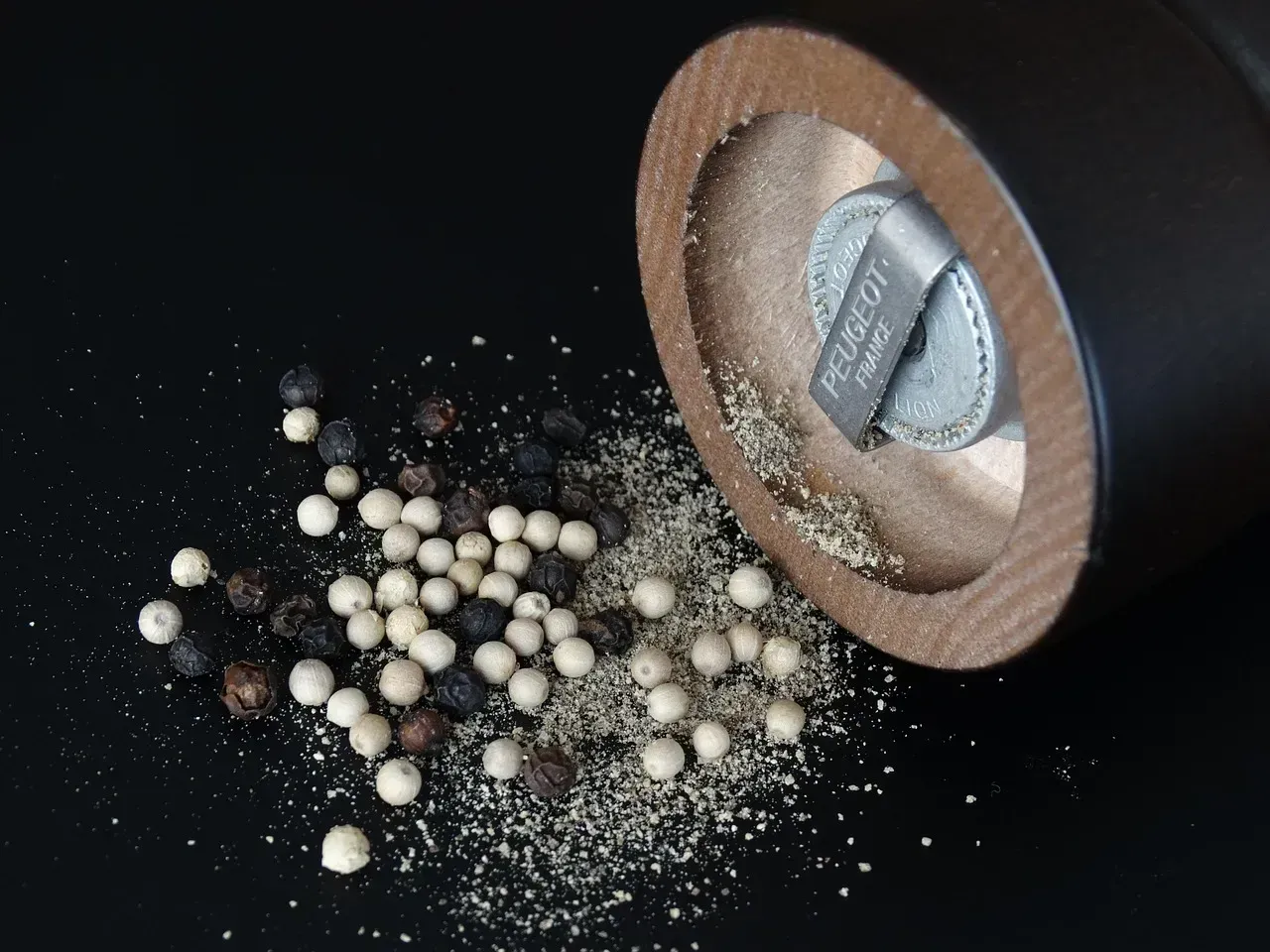
Store-bought jars of black pepper powder are often months, if not years old, which means they’ve been exposed to air for quite some time, and the oils present in them have lost much of their essence. Think about that dusty jar sitting in your cabinet right now. When did you actually buy it? Most ground spices are at their peak for only 6 months once opened, yet so many of us keep using the same container for years.
Freshly ground black pepper brings a bright, floral heat that pre-ground just can’t replicate. It’s why chefs reach for a pepper mill instead of a shaker – the flavor impact is immediate. Professional kitchens would never dream of using that pre-ground stuff for finishing dishes. The citrus and floral notes that make pepper complex evaporate quickly after grinding.
Adding Pepper at the Wrong Time
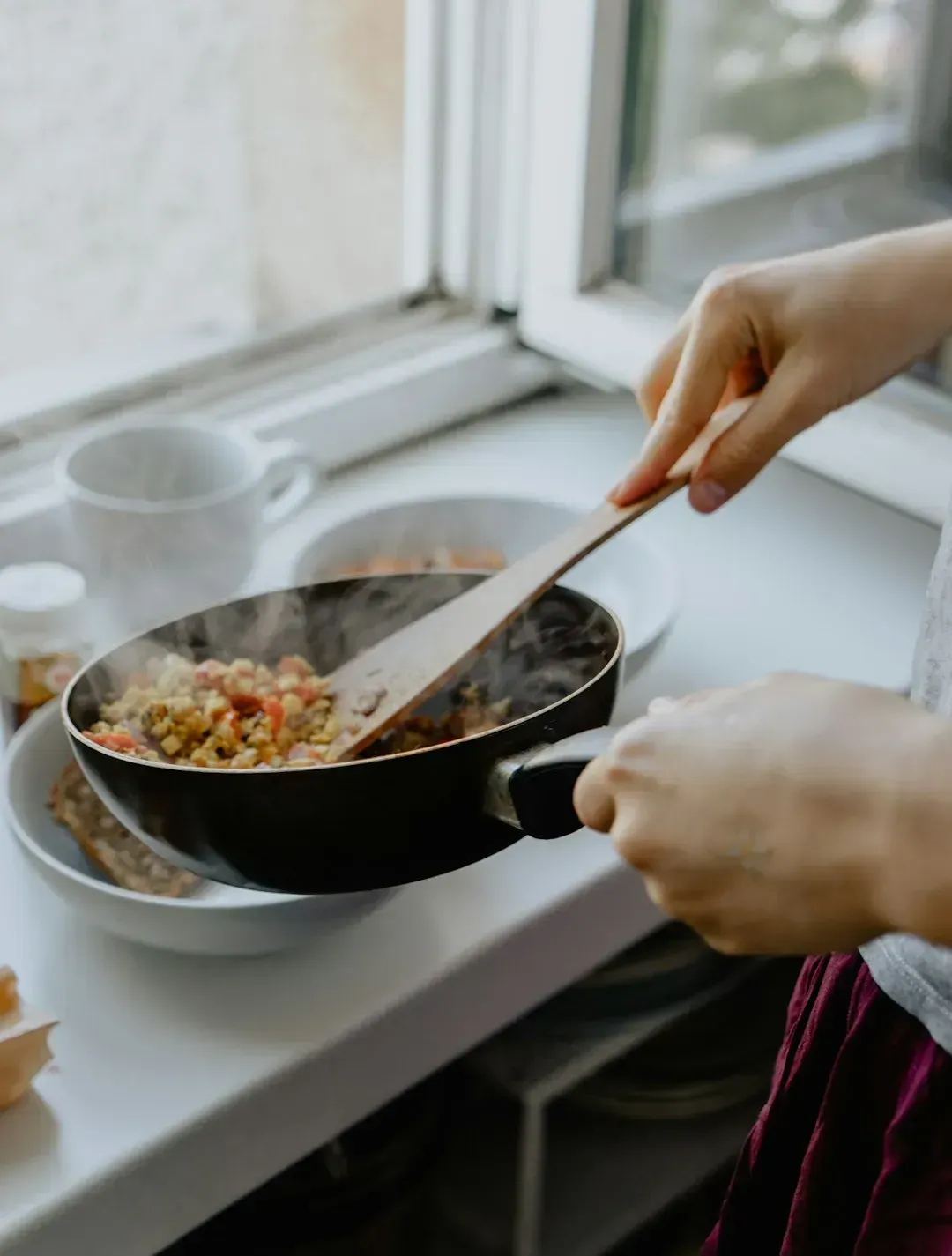
Here’s where it gets really interesting. Black pepper, if cooked too long, or cooked over high heat, can turn bitter and lose flavor. For thirty years or so some chefs have only added pepper to their soups, stocks, and stews during the last 30-minutes or so of cooking to maintain the flavor and intensity of the pepper.
Heating pepper creates bitterness, particularly if ground. The science backs this up. For the most pronounced pepper flavor, add freshly ground black pepper near the end of the cooking process. Prolonged cooking can cause the volatile compounds that give pepper its characteristic bite to dissipate.
Yet flip through most cookbooks or watch cooking shows, and you’ll see pepper getting tossed in right at the beginning alongside salt. Most recipes and on almost every cooking show, pepper is added early, and succumbs to the high heat or long cooking process. Have I been wrong in my approach, or are the TV chefs and recipe writers giving out less than stellar advice?
The Heat Degradation Issue
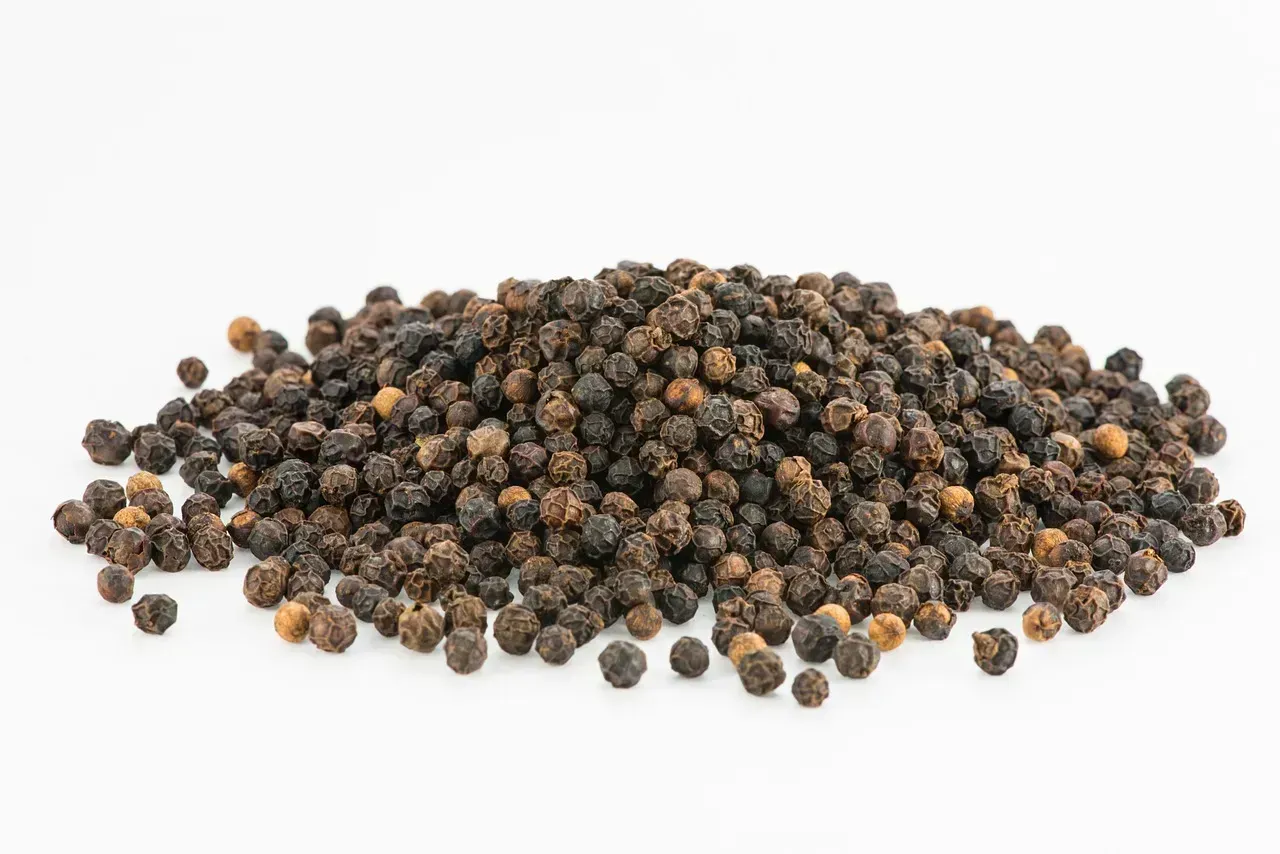
Kinetics of flavor degradation in black pepper was studied at isothermal conditions (50–120 °C). Flavor was evaluated in terms of piperine for pungency and total extractable oleoresin. The degradation of flavor (piperine and total extractable oleoresin) was found to follow first order kinetics. Translation? The hotter and longer you cook pepper, the more flavor compounds you’re destroying.
Fine ground pepper often burns at searing temperatures, creating bitter compounds, while coarse grinds withstand the heat while gradually releasing their essential oils. This is why steak au poivre works even with that pepper crust seared at high heat – coarse peppercorns protect the interior compounds better than fine grinds.
Using the Wrong Grind Size for Your Dish
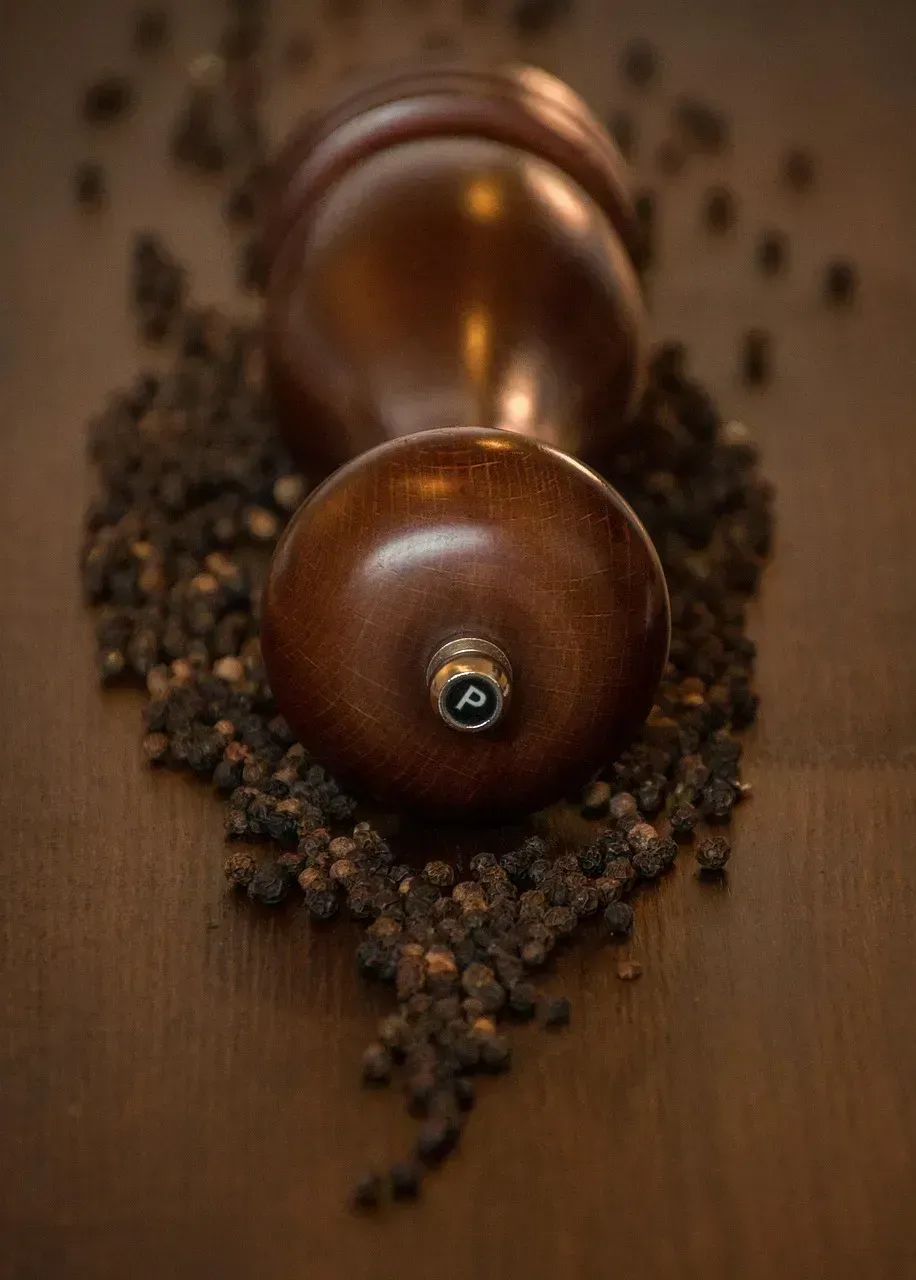
Not all pepper situations call for the same grind. Coarse ground black pepper consists of larger, visibly textured peppercorn fragments (typically 1-2mm in size) that deliver a more pronounced bite and slower flavor release compared to fine grinds. This grind size excels in applications where visible texture and controlled heat distribution matter most, such as finishing steaks, seasoning roasts, or incorporating into rubs where the pepper maintains its integrity during cooking.
Fine ground pepper makes more sense for things like sausage or when you want the pepper flavor fully integrated without texture. For sauces and steaks, freshly coarse ground black pepper works well early in the cooking process. The key is matching your grind to what you’re actually making.
Storing Pepper in Clear Containers Near Heat
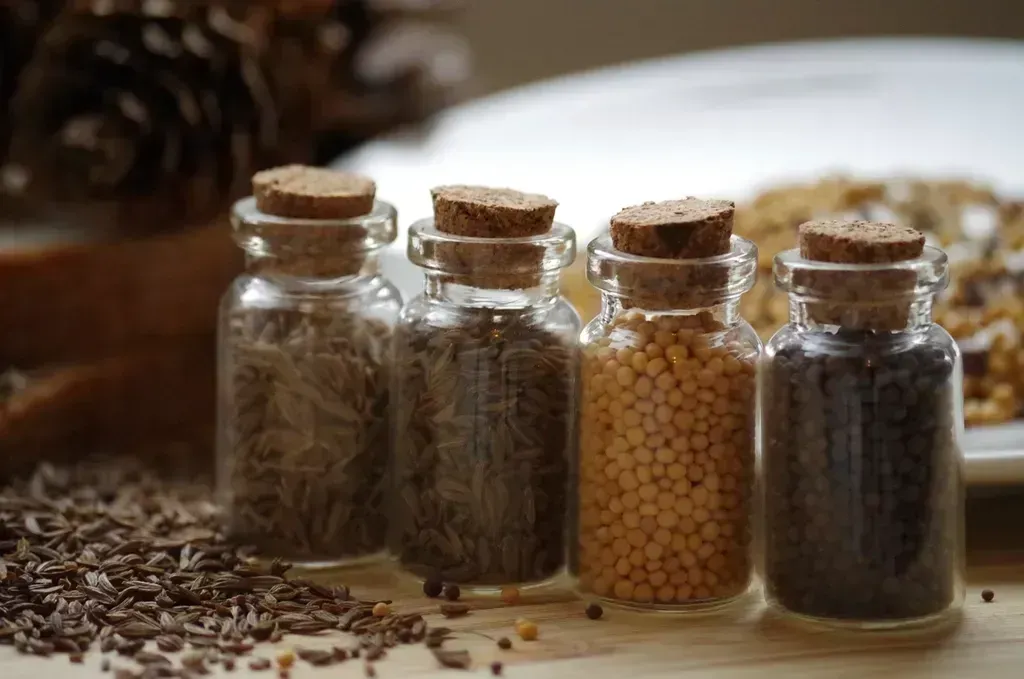
That cute glass spice jar on your counter? It’s actively destroying your pepper’s flavor. Storing pepper in clear containers (UV light degrades piperine 3x faster), using plastic grinders (absorbs essential oils), and adding ground pepper too early in cooking (causes bitterness) are all critical mistakes experienced cooks make.
Store whole black peppercorns in an airtight container to maintain the freshness of the essential oils. A pepper mill or grinder does the trick, too. Better yet? Store pepper in amber glass with tight seal (blocks UV light that degrades piperine) at cool pantry temperature, 12-15°C (54-59°F) – not refrigerator.
Treating All Pepper Types Identically
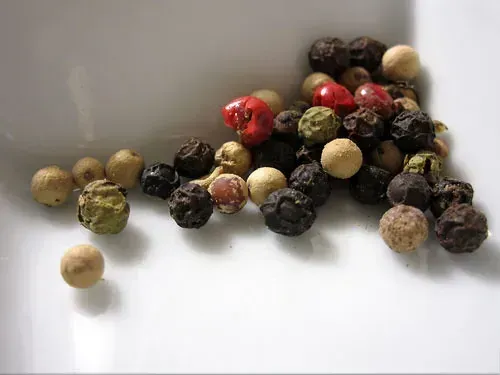
Black, white, and green pepper all come from the same plant, yet they behave completely differently in cooking. Black peppercorns are fully mature and have the strongest flavor, which comes from piperine, a chemical compound found in the skin. White peppercorns are fully ripe berries which are then fermented and stripped of the outer skin. They tend to have a more nose-prickling quality but lack the brute strength of black ones. They are generally used for aesthetic purposes in a white sauce, for example, where you might not want to have black specks.
The total phenols and total flavonoids were reduced by 249 mg (23.8%) and 169 mg (24.0%) after removing the outer skin, while the piperine was increased. White pepper isn’t just visually cleaner – it’s chemically different with less antioxidant capacity but more concentrated pungency.
Overseasoning at the Table Instead of During Cooking
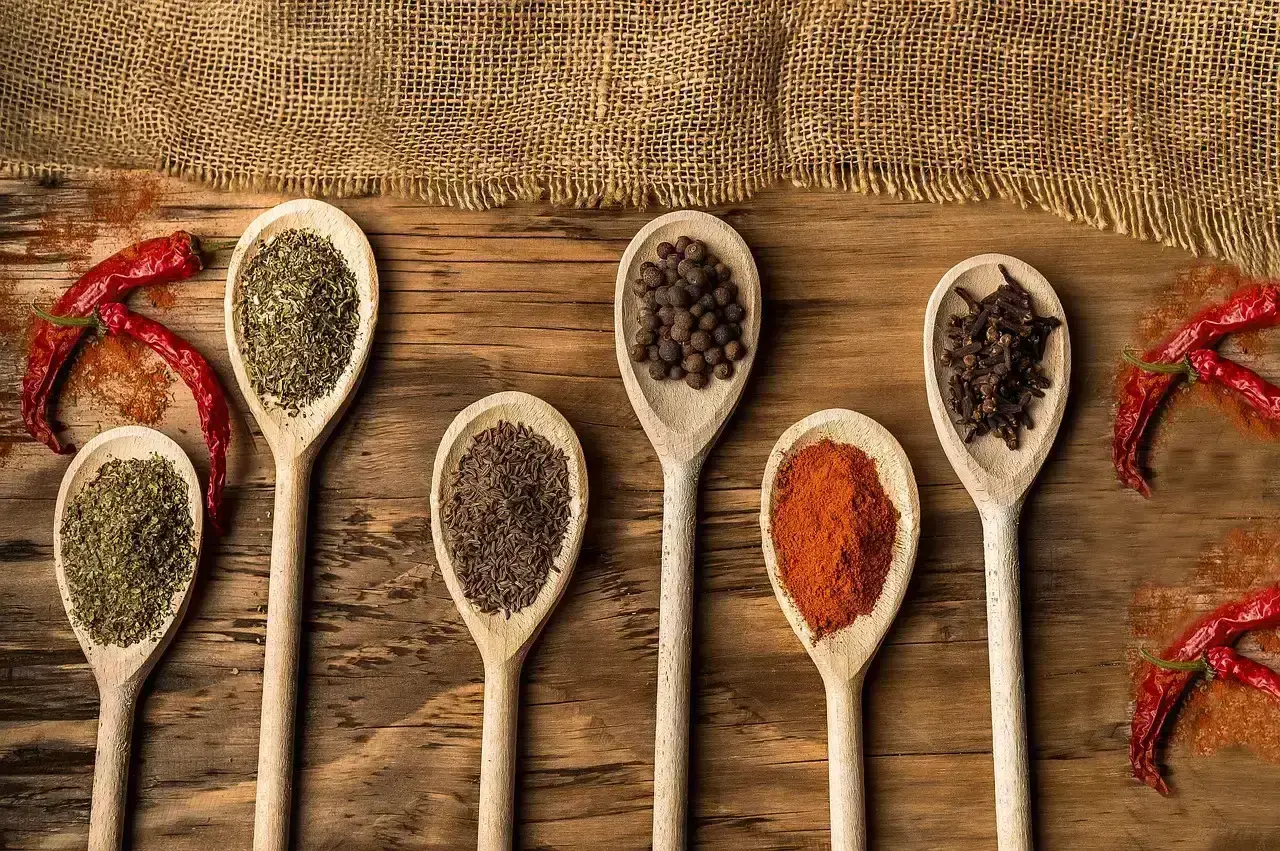
Here’s a counterintuitive truth: while you should add pepper late in cooking to preserve flavor, you still need to add it during cooking, not just at the table. The modern technique with salt and pepper is “layering.” This means adding seasoning at the earliest appropriate part of the cooking process, then adding it again later, perhaps several times, and finally adjusting the seasoning just before serving.
Seasoning late on in the cooking means that you taste it more at the end result, and seasoning early on cooks it into the food. The smartest approach combines both – a touch during cooking to integrate flavor, then a fresh grind before serving for aromatic punch.
Forgetting That Pepper Changes Flavor, Not Enhances It
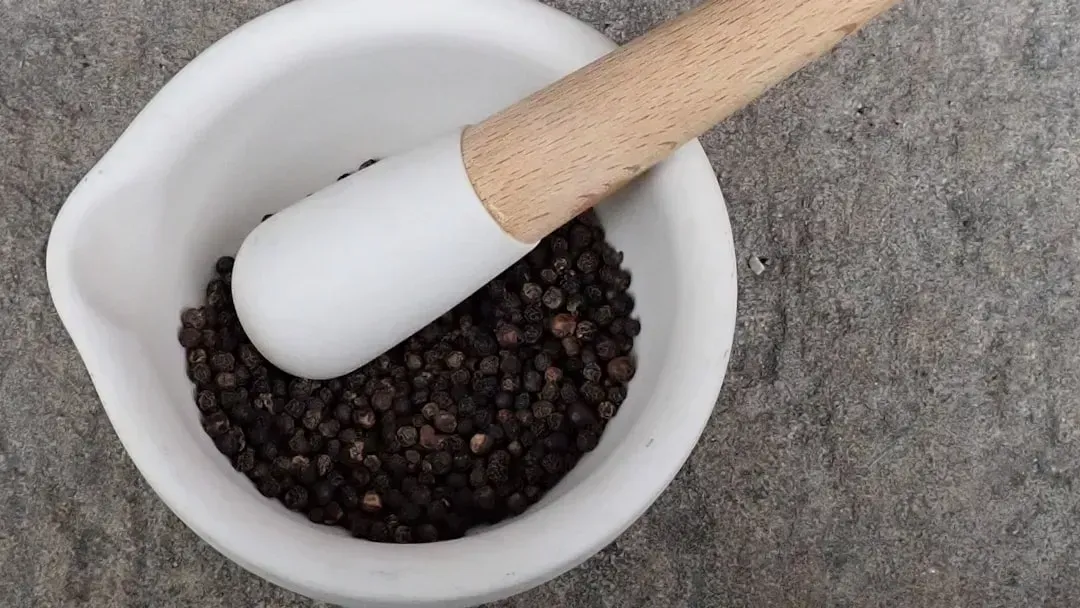
This is perhaps the most fundamental misunderstanding. The main difference between salt and pepper is that while salt and acid enhance, pepper adds flavor to the overall dish. One (salt) heightens, the other (pepper) changes. Salt makes things taste more like themselves. Pepper makes things taste different – peppery, obviously, but also earthy, piney, and slightly floral.
Salt enhances flavour and pepper changes it. I am also sometimes surprised when I see S&P added to everything, especially salty ingredients like bacon or anchovies. Not every dish needs pepper just because it needs salt. Think about what you’re actually trying to accomplish.
Using Pepper Without Understanding Your Dish’s pH
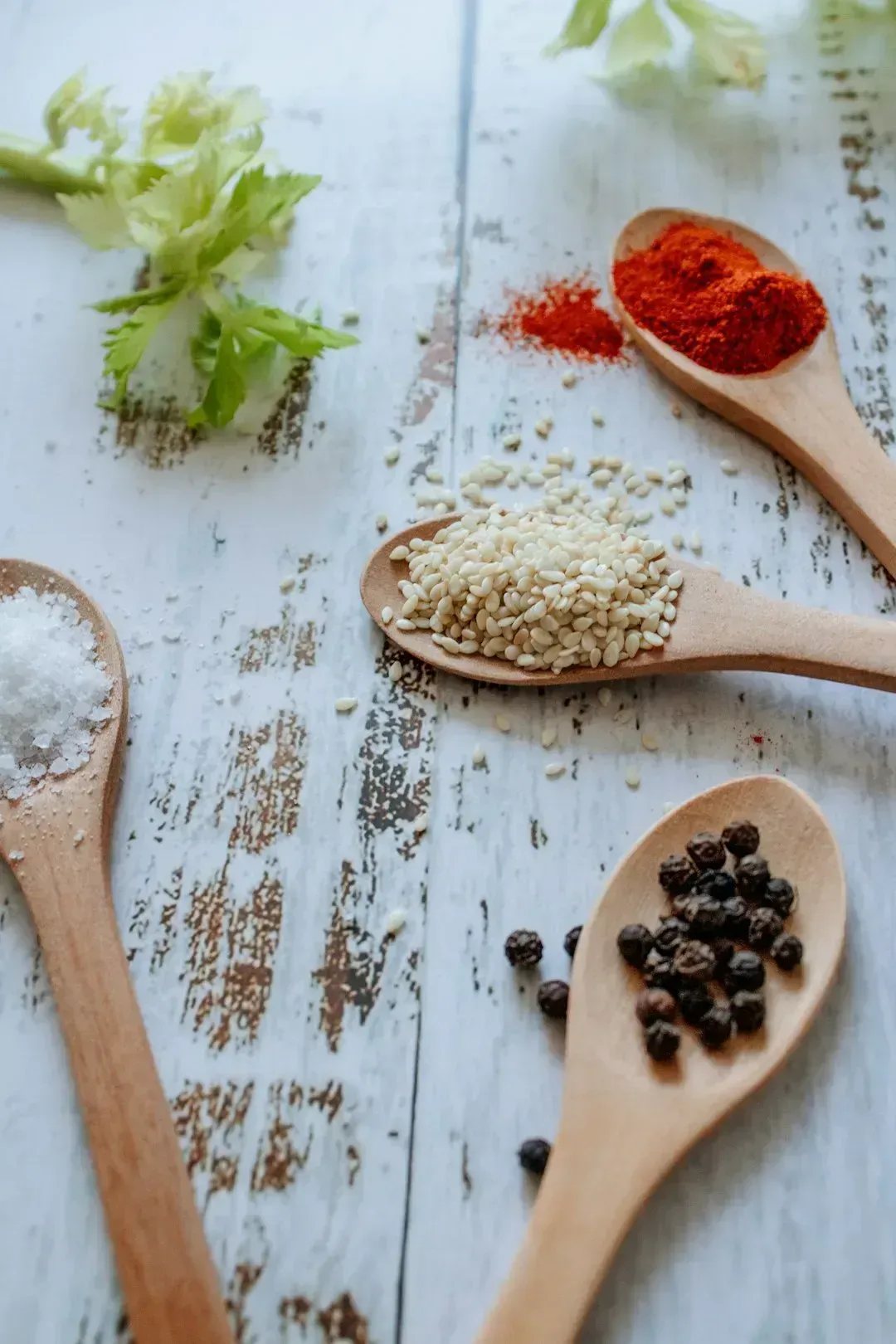
In acidic environments, pepper loses 40% pungency in pH <4 solutions (e.g., lemon-based dressings). Substitute with Tellicherry pepper which maintains 78% heat stability. If you’re making a bright, citrusy vinaigrette or a tomato-heavy dish, standard black pepper won’t deliver the punch you’re expecting.
In long simmering, volatile compounds degrade after 45 minutes of boiling. Add in final 10 minutes for soups/stews to retain ≥85% flavor impact. That beef stew that’s been bubbling for three hours? The pepper you added at the beginning is functionally gone. Add it again toward the end.
Ignoring Pepper’s Bioavailability Benefits
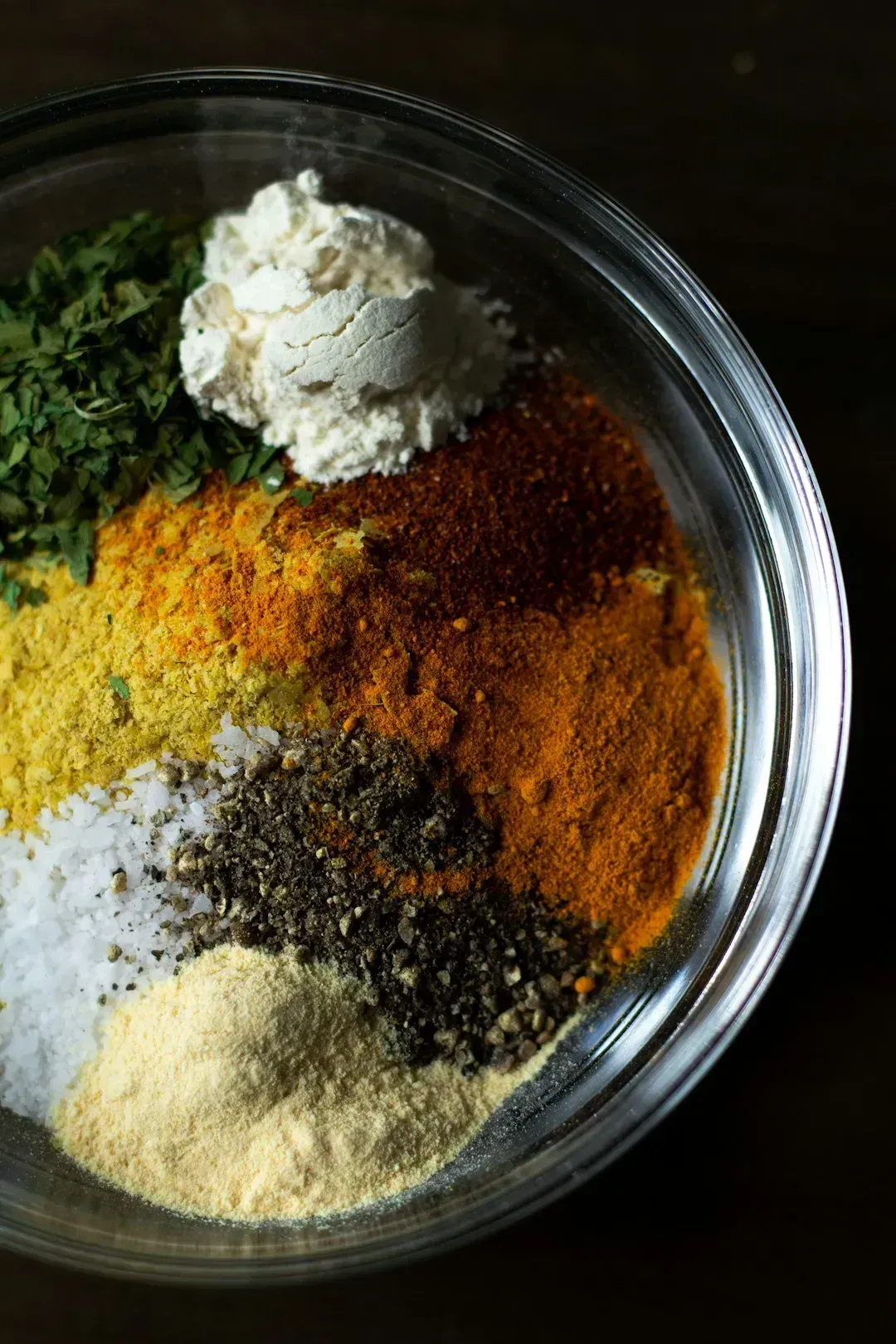
Piperine enhances the absorption and the anti-inflammatory effects of turmeric, which is in turn associated with reduced risks of cancer and Alzheimer’s disease. This synergistic relationship has probably been noted in India for centuries, explaining the common Indian culinary practice of using turmeric and black pepper together to season foods.
This isn’t just culinary wisdom – it’s biochemistry. Piperine is widely used in the supplements industry for its effect on enhancing absorption and bioavailability of other compounds such as curcumin, resveratrol, ashwaganda, amino acids, vitamins and several minerals including selenium. It has been reported to inhibit several enzymes that participate in xenobiotic metabolism. When you skip the pepper in dishes with turmeric, you’re not just missing flavor – you’re missing nutritional benefits.
Most of us learned to cook by watching others, picking up habits without questioning them. That’s how we ended up with a cabinet full of stale pre-ground pepper that we automatically add at the wrong time to dishes that might not even need it. The good news? Now you know better. Invest in a decent pepper mill, buy whole peppercorns, and start thinking about when and why you’re adding pepper to your food. Your taste buds will thank you.