10 Things Your Waiter Noticed About You Before You Even Opened the Menu
You walk into a restaurant, sit down, and take a breath. You think nobody’s really paying attention to you yet. Maybe you’re scrolling your phone, glancing around, or still pulling off your jacket. Here’s the thing – your waiter has already clocked more about you in those first few seconds than you’d ever imagine. And no, it’s not about judging you. It’s something far more calculated than that.
Servers are, in many ways, trained human lie detectors of the dining room. They read posture, group dynamics, eye contact, and even the way you set your bag down on the chair. The whole science behind it is genuinely fascinating, and a little unsettling if you think about it too hard. Ready to find out just how much you reveal before you even glance at the soup section? Let’s dive in.
1. Your Body Language Tells the Whole Story

Hospitality professionals notice body language first, because it can be seen from a distance and helps them determine how to approach a person. If you stride quickly to your table, immediately open the menu, and avoid eye contact, it signals that you prefer efficiency and minimal interaction.
Your posture also reveals whether you’re an introvert – arms crossed, eyes cast downward – or an extrovert, shown by an open posture, relaxed shoulders, and frequent eye contact. Think about that for a second. Your waiter knows roughly how much small talk you want before you’ve even said hello.
Everything from the position of your shoulders to where you put your phone reveals important information about who you are, what you want out of the dining experience, and how your waiter will interact with you. It’s less like surveillance and more like basic survival instinct on their part.
2. Whether You’re in a Rush or Here to Linger
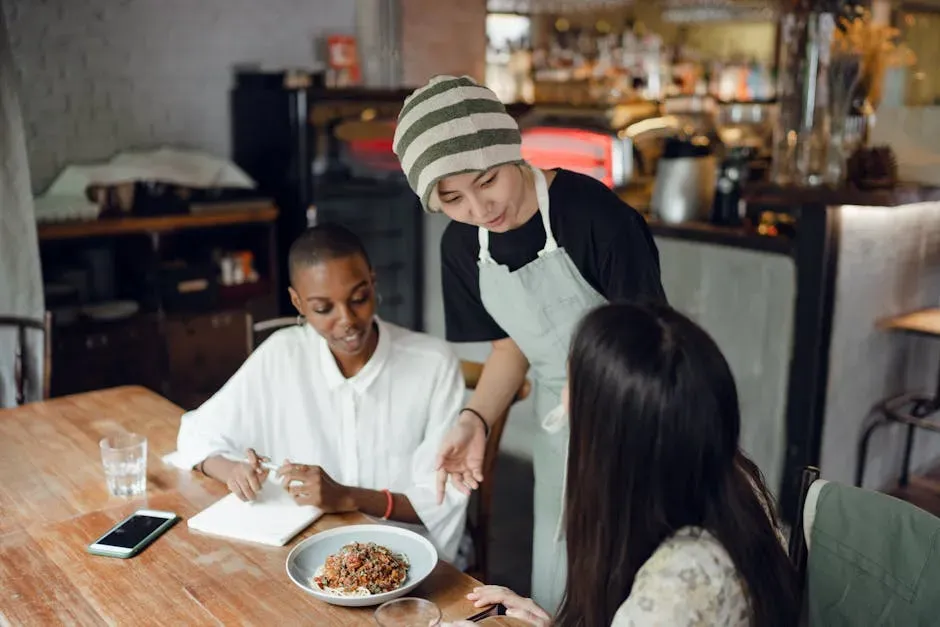
If you’re fidgeting, glancing around, or checking your watch, a server may recognize you’re in a rush and speed things up, offering quicker suggestions or prioritizing your order. Conversely, if you’re leaning back, smiling, and enjoying long conversations, they’ll likely slow the service down, letting you savor your experience without feeling rushed.
Whether it’s knowing when to deliver speedy service or recognizing when a diner might want to linger, these quick assessments happen before you even sit down. That’s not guesswork – that’s years of reading rooms. A good server adjusts their entire rhythm around what they spot in those first moments.
3. The Size and Mood of Your Group

Waiters are paying close attention to your dining group as you approach. Are you alone, with a date, or part of a large gathering? Solo diners may appreciate prompt service with minimal interruptions, while a couple on a date might prefer a slower pace to enjoy the conversation. Large, lively groups typically need more service overall – think multiple drink refills and food-sharing platters – but less individual attention.
The better a server understands the dynamics of a table, the better they can serve guests. Is this a social meal, with the group doing a lot of drinking, or is it a quick lunch or a nonalcoholic dinner? These are things servers need to know because they affect the time guests will spend at the table and the bill amount. Honestly, it’s impressive how much a skilled waiter maps out before they even introduce themselves.
4. Who’s in Charge at Your Table
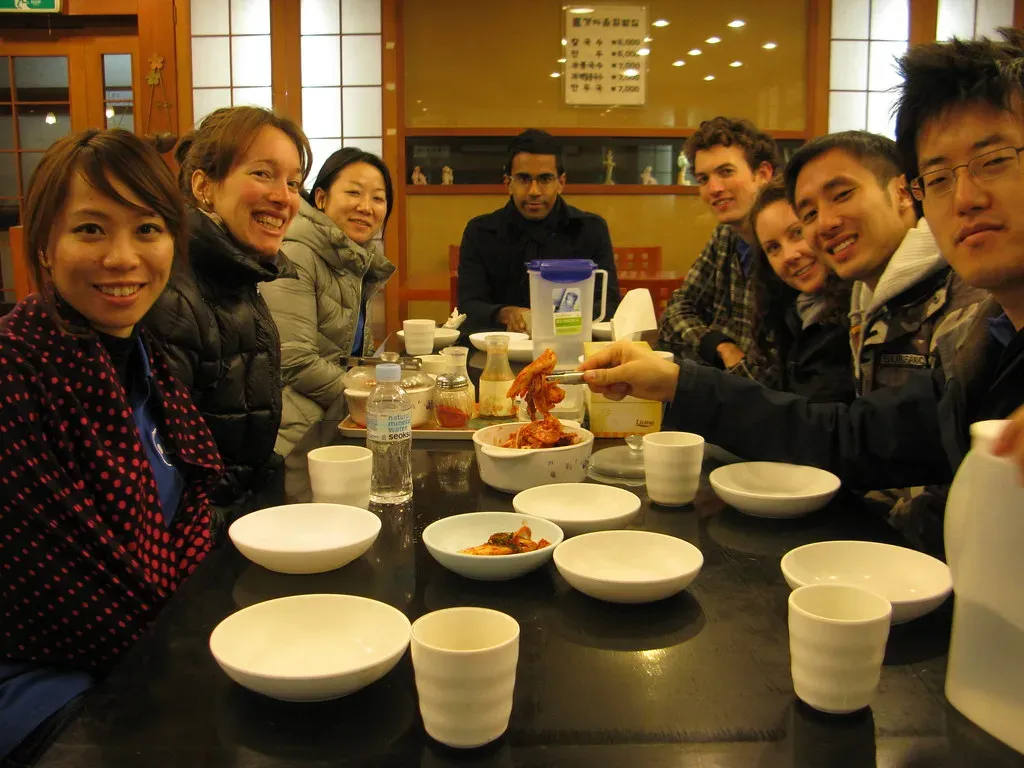
There’s always someone in charge of a table, whether it’s the host or hostess of the meal or the senior-ranking person. This generally tends to be the person who is paying the bill, so it benefits the waitstaff to identify them, since they set the tone for what’s happening at the table. This person is usually the first to speak, perhaps asking about specials.
Within moments, servers figure out who’s calling the shots. Who’s holding the menu longest? Who’s asking all the questions? Someone who insists on ordering for the whole table, dominates the conversation, or orders the waitstaff around like servants sends clear signals about table dynamics. Smart servers adapt their focus accordingly – they’ll direct questions to the decision-maker but remain inclusive of everyone.
5. How You Make Eye Contact
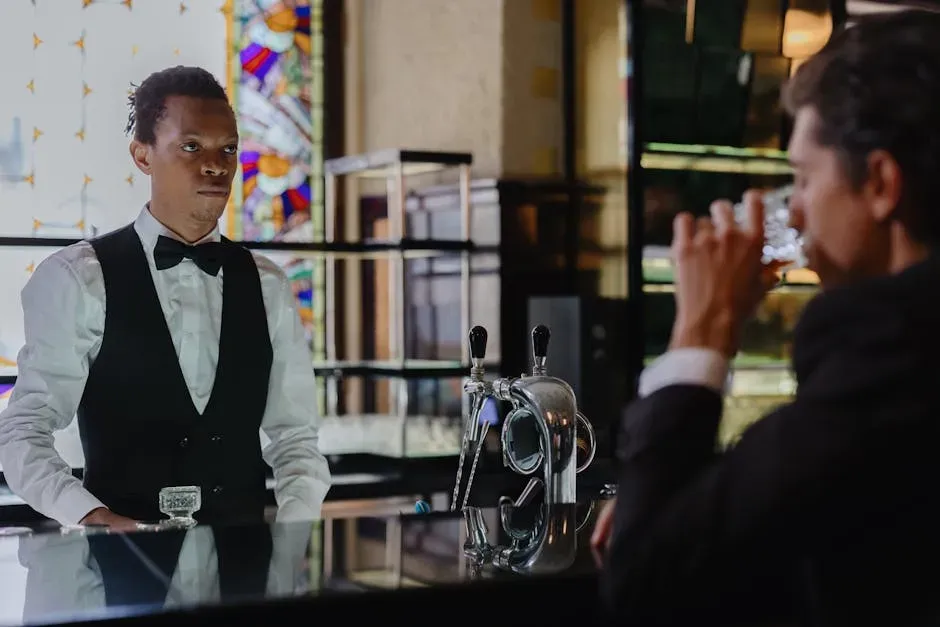
When customers look waiters in the eye, it often signals respect and attentiveness. This small gesture can make waiters feel valued and appreciated, setting a positive tone for the entire dining experience. It also suggests that the diners are likely to be generous. Conversely, customers who avoid eye contact may seem aloof or uninterested.
Darron Cardosa, blogger and restaurant server, says that not making any eye contact is rude. Customers who can’t be bothered to look up from their phones or menu while ordering can be a bit dehumanizing. Let’s be real – a two-second glance and a nod costs you absolutely nothing, and it changes how the whole interaction goes.
6. What Your Clothes Quietly Communicate
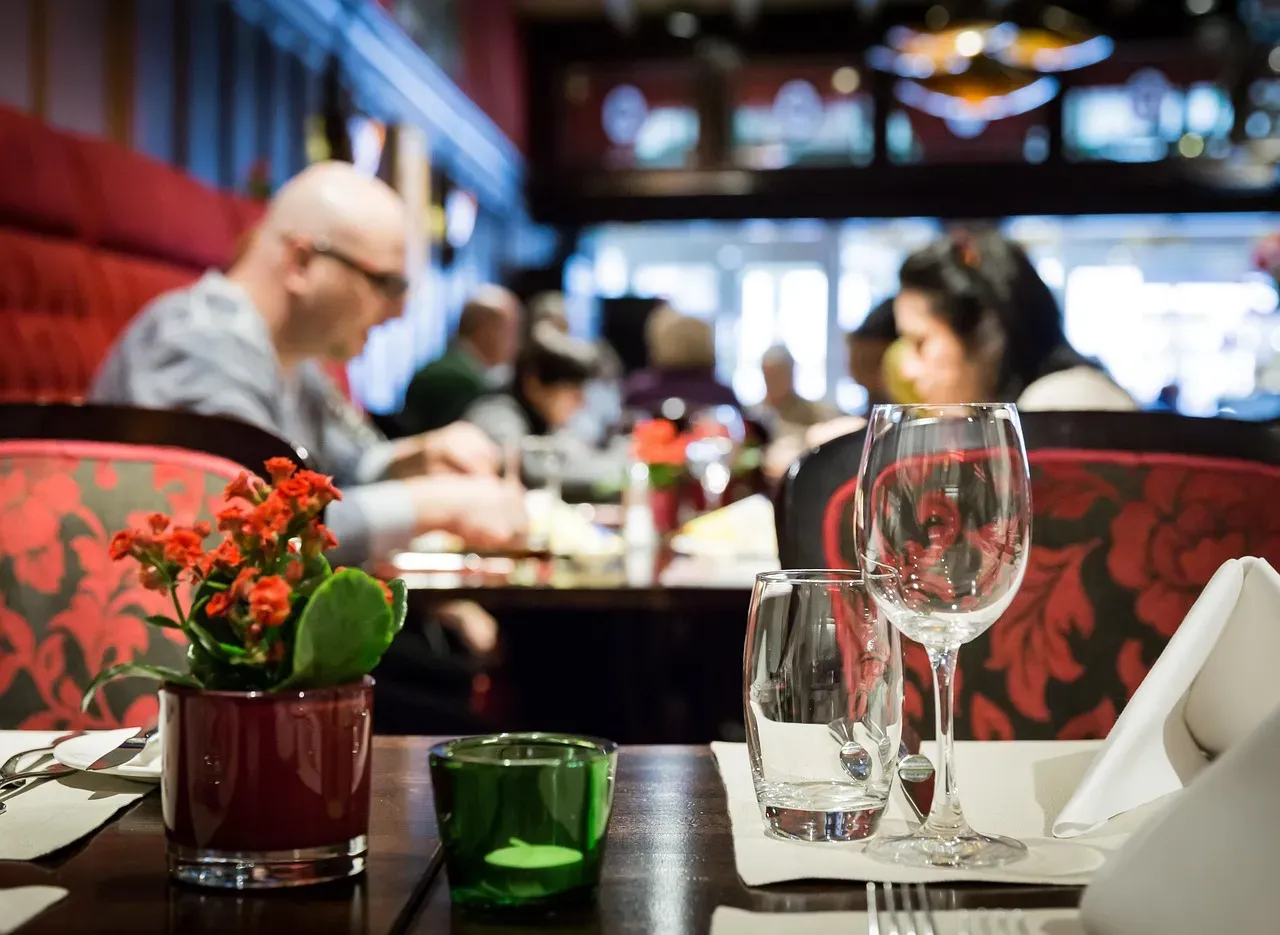
What you wear can provide clues to the waitstaff about your mood and expectations. Casual clothes might signal a desire for a relaxed, low-pressure meal, while formal wear often indicates a special occasion or a more serious dining experience. Waiters use these subtle signals to adjust their tone and service style to match your expectations.
Unconscious biases can also be tied to a customer’s appearance. Servers may make assumptions about a customer’s wealth based on their clothes, age, or how many people are in their party. This can lead to a self-fulfilling prophecy: a server gives better service to a table they believe will tip well, and the table rewards that service. It’s worth being aware of this dynamic, even if it’s not entirely fair. Your outfit is saying something whether you intend it to or not.
7. How You Treat Everyone Else in the Room
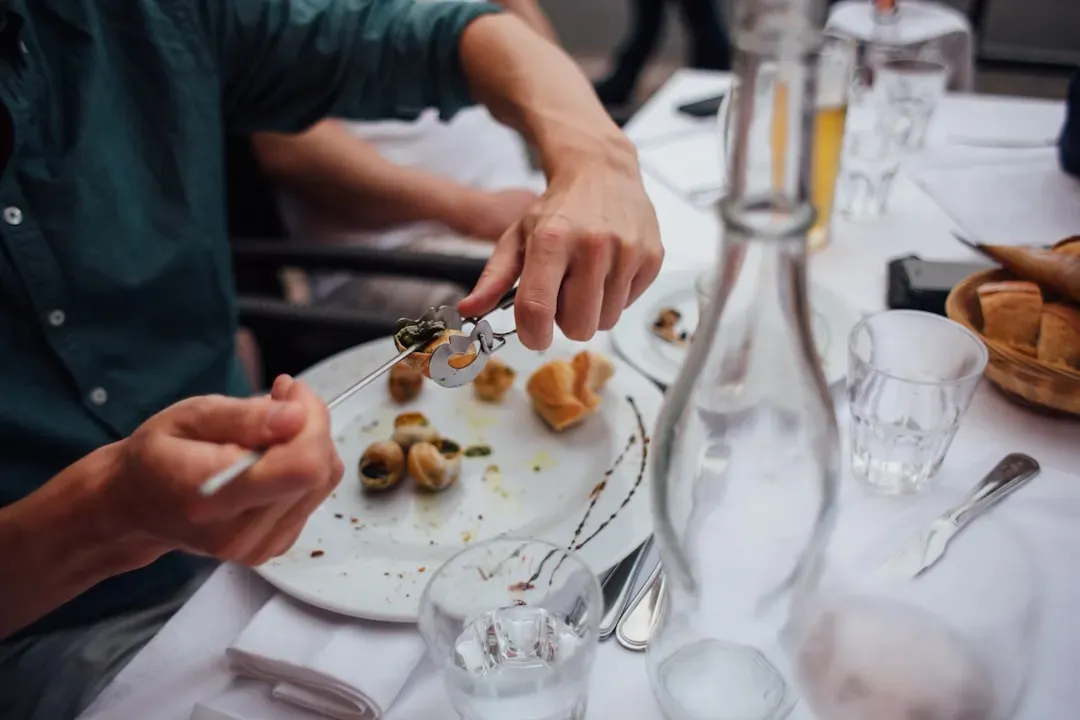
How you treat staff can show in the tone of voice used to speak to them, whether you say please and thank you, if you feel entitled to extras, and whether you make eye contact. One experienced server notes: “I can tell from the moment they walk in the door if they acknowledge the host politely or if they come in entitled.”
A kind person will be kind to everyone, not just to the person they think can get them stuff. Servers are especially tuned into how guests treat the busser, the food runner, and the host. It tells them everything about the kind of table they’re dealing with. I think this one matters more than people realize – it shapes the entire energy of the service.
8. Your Personal Items and How You Place Them
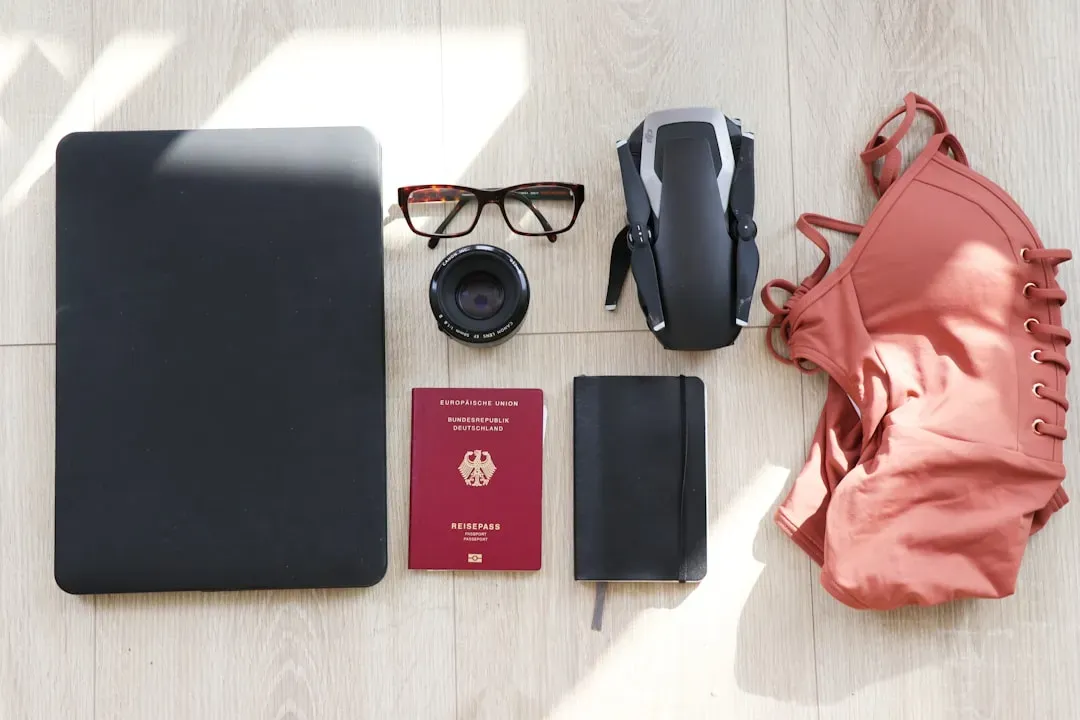
How customers handle their personal items upon entering can offer subtle hints about their personality and potential behavior. Those who take care in placing their belongings neatly often exhibit traits of consideration and attentiveness. Conversely, customers who are careless with their belongings may appear indifferent or rushed.
Everything from the position of your shoulders to where you put your phone reveals important information about who you are, what you want out of the dining experience, and how your waiter will interact with you. A phone face-down on the table reads very differently from one propped up playing a video. Small signals, big conclusions. It’s almost like a personality quiz you didn’t sign up for.
9. Your Visible Mood and Facial Expressions
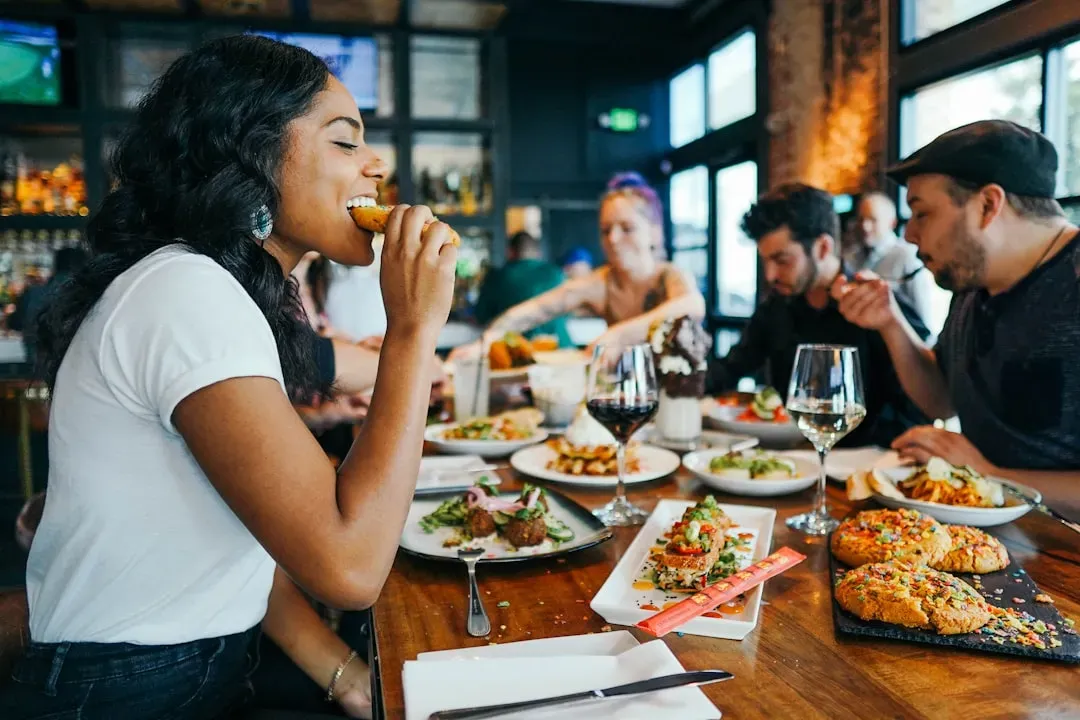
After you’re seated, servers continue to watch for cues in your facial expressions, your posture, and the tone of your conversations to assess your mood and comfort level. This allows hospitality workers to adjust their service pace or how they approach future contact points with the table.
If a guest appears frustrated – perhaps furrowing their brow or sighing softly – but doesn’t speak up about the issue, the server might step in quickly with solutions, like offering to remake a dish or check on a delayed order. If someone seems irritable or impatient, the server knows to prioritize speed and minimize small talk. In 2024, satisfaction with full-service dining increased by 4% to a score of 84 out of 100, suggesting that many servers are successfully adapting their approach to match customer expectations.
10. Whether You’re a Regular or a First-Timer
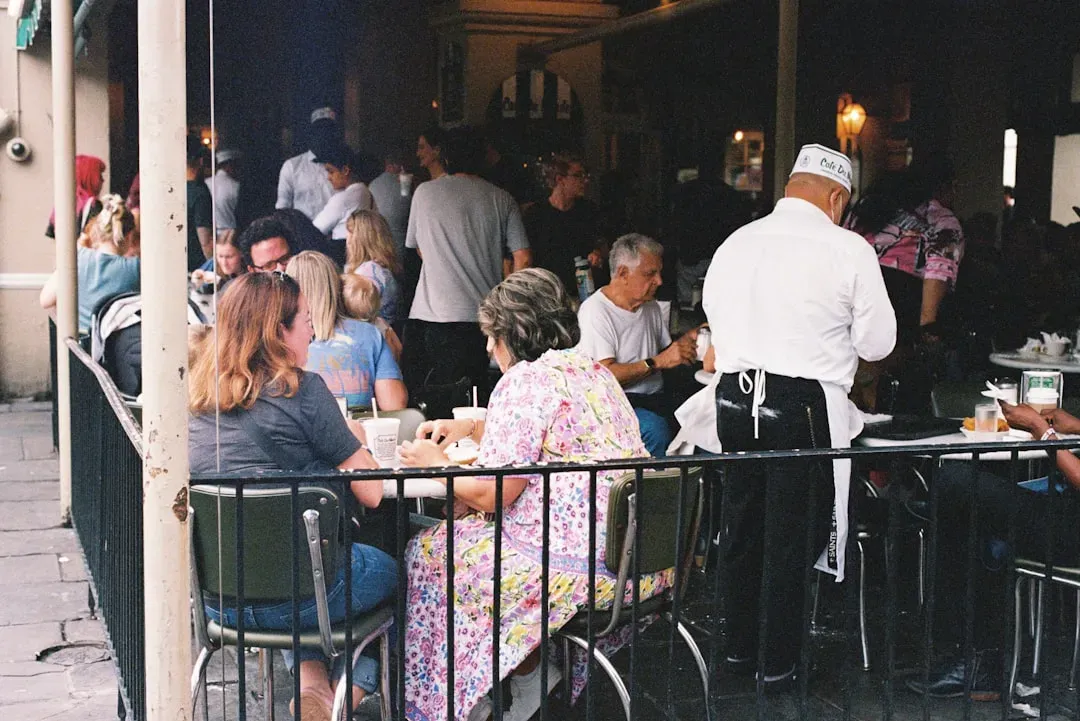
Waiters often recognize familiar faces and adjust their service to maintain that valued relationship. Familiarity with staff is not just about recognition – it’s about trust and appreciation built over time. Regulars get a different energy at the table, and honestly, most of the time they deserve it.
Servers have incredibly long memories, especially when it comes to standout guests. Whether you’re memorable for good reasons or bad, you get filed away in their mental database. Walk into that same restaurant six months later, and your server might not consciously remember your face, but they’ll get a gut feeling about how your service should go. Industry veterans say they can instantly recall the customer who tipped generously on a difficult night, just like they’ll never forget the person who snapped their fingers for attention.
Servers talk to each other, a lot. That means your reputation at a restaurant isn’t just with one person – it’s with the entire staff. So the next time you’re having a rough day and considering taking it out on the person refilling your water glass, just remember: they were reading you long before you sat down, and they have a very good memory.