Hotel Staff Spot These 10 Things About You the Moment You Check In
You walk up to the front desk, hand over your ID, and think you’re just another anonymous face passing through. Honestly, that feeling couldn’t be further from the truth. The moment you step through those hotel doors, something very deliberate starts to happen behind that professionally composed smile.
Hotel staff are trained observers. They’re watching, listening, and quietly putting together a picture of exactly who you are – long before you’ve finished spelling your last name. Some of it is instinct built through thousands of check-ins. Some of it, increasingly, is powered by data. Be surprised by what they actually notice.
1. Whether You’re a Returning Guest or a First-Timer
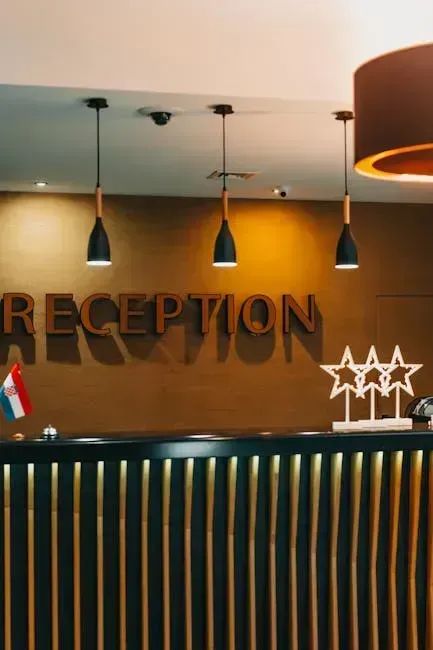
This one happens before you even open your mouth. The moment your name hits the property management system, a world of information opens up. Staff can access records of repeat guests, including preferences like preferred floor, room type, and past complaints, all instantly surfaced through the system.
If a repeat guest is given a high-floor room without having to ask, because the system reminded staff of that preference, that creates a genuinely personalized experience that feels almost magical. It isn’t magic, though. It’s data.
Almost four in five guests cite personalized amenities as a key reason for returning to a hotel. That number climbs even higher among Gen Z travelers. So when staff recognize you, they’re not just being friendly. They’re following a strategy proven to drive loyalty and repeat business.
Hotel loyalty program membership across major global brands reached 675 million in 2024, a rise of nearly fifteen percent from the previous year – growing more than twice as fast as new hotel construction. That context matters: staff know returning guests are statistically more valuable, and they treat them accordingly from the very first second.
2. Your Stress Level and Emotional State
Here’s the thing: you might think you’re holding it together after that delayed flight and the taxi driver who took three wrong turns. Hotel staff disagree. Traveling takes an emotional toll on guests. Front desk staff are trained to be sensitive to a wide range of emotions, from genuine excitement to deep fatigue, because showing empathy can prevent those feelings from turning into anger or disappointment.
Beyond active listening, trained employees learn how to recognize and respond to different emotional states. A guest who appears anxious or upset may require reassurance, while an enthusiastic guest responds well to engaging conversation and personalized recommendations. They’re reading you the entire time.
First impressions shape how guests evaluate everything else. A friendly, efficient welcome creates what psychologists call a “halo effect,” where guests interpret the entire stay more positively, even if small issues arise later. The opposite is equally true: a stressful check-in can color every subsequent experience.
3. Whether You’re Traveling for Business or Pleasure

Staff can usually figure this out within the first thirty seconds. The suit, the rolling carry-on, the laptop bag hanging off one shoulder, the way you immediately ask about the Wi-Fi password. These are dead giveaways. Research analyzing hotel reviews consistently finds that service and room quality are the most important aspects to business travelers, and food features prominently in their concerns as well.
Around forty percent of hotel guests are business travelers, which means front desk agents have developed a sharp eye for spotting them instantly. A well-designed guest system stores past behavior, loyalty status, and known preferences to deliver targeted suggestions, whether that means recommending a late check-out offer to a repeat business traveler or highlighting spa availability to a leisure guest.
The blending of business and leisure, the so-called “bleisure” trend, has complicated things slightly. Globally, more than a third of Gen Z and Millennial business travelers said they plan to extend a business trip in 2024 to enjoy leisure time before or after their work obligations. Still, experienced hotel staff pick up on subtle cues that reveal exactly which mode you’re in at any given moment.
4. Your Body Language and Posture

You might be standing perfectly still, saying nothing, and staff are already reading you. Research indicates that initial perceptions are formed within mere seconds, often based on visual cues and non-verbal signals. Think of it like a first handshake – except the other person has years of experience decoding these signals.
Along with active listening, staff are trained to read the meaning behind non-verbal cues. Guests who avoid eye contact or stand with crossed arms, for example, won’t be receptive to upselling offers. Trained hotel staff won’t push an upgrade on someone whose whole body language screams “just give me the key.”
Kinesics, the study and interpretation of body language through facial expressions, gestures, posture, and eye movements, is treated as a serious communication tool in hospitality. In an industry where first impressions can make or break a guest’s entire experience, it becomes a genuine competitive advantage. It’s a whole science, and hotel staff use it daily.
5. Your Attitude Toward Hotel Staff

This one matters more than most people realize, and the data backs it up. According to a 2024 report by the American Hotel and Lodging Association, guests ranked “staff interactions” among the top three reasons they would leave a positive review for a hotel. That means the relationship runs both ways.
According to Axonify’s 2024 survey, nearly half of frontline hospitality managers have had to ask a guest to leave or ban a guest from returning within the last year due to poor treatment of other guests or workers. That is a genuinely striking figure. Staff are not passive observers when it comes to guest behavior.
In a survey of American travelers, more than half said they found guests who are rude to hotel staff to be the most annoying behavior of all. Hotel staff notice it instantly and, while they will smile and serve you regardless, the impression you make in those first seconds tends to stick with the entire team for the duration of your stay. Let’s be real: kindness at check-in is genuinely worth it.
6. Your Comfort Level With Money and Spending
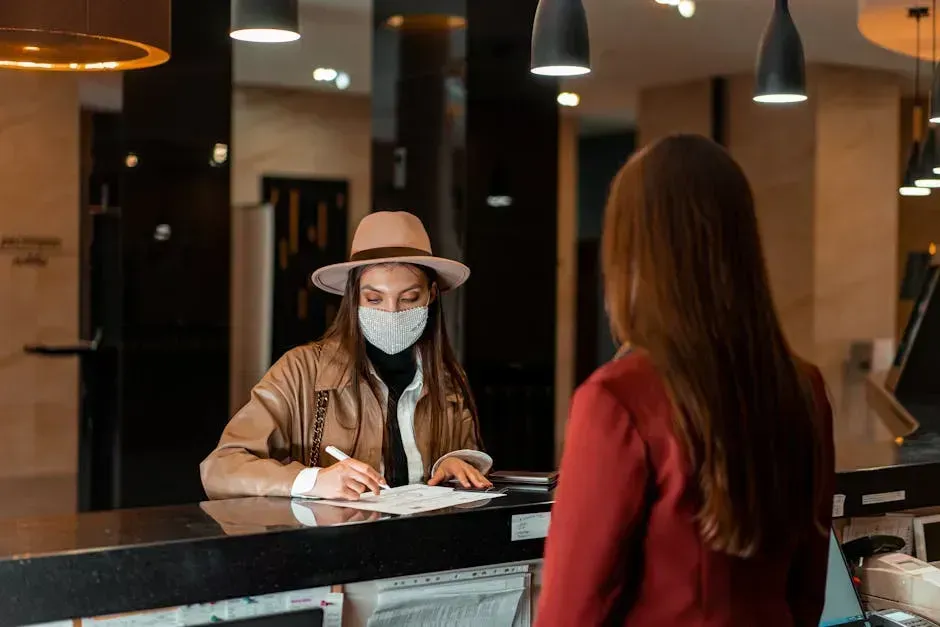
You don’t have to say a word about your budget. Your behavior says it for you. Hotel staff notice whether you wince at the mention of valet parking. They see if you immediately ask about free breakfast or happy hour times. These micro-reactions are processed instantly and automatically.
Guests who are financially comfortable tend to ask entirely different questions. They focus on experiences rather than expenses – restaurant recommendations instead of the nearest supermarket, spa availability rather than gym access. It’s a telling contrast that staff observe dozens of times a day.
Your relationship with money broadcasts itself through tiny, unconscious behaviors. Staff pick up on all of it and calibrate their upselling and service offers accordingly. Upselling from the front desk, such as suggesting room upgrades, late check-out options, or premium services, can produce significantly more income than offers made only before arrival. So when staff recommend the suite, they’ve already done the math on whether you’re likely to say yes.
7. Whether You’re Traveling Solo, as a Couple, or with Family
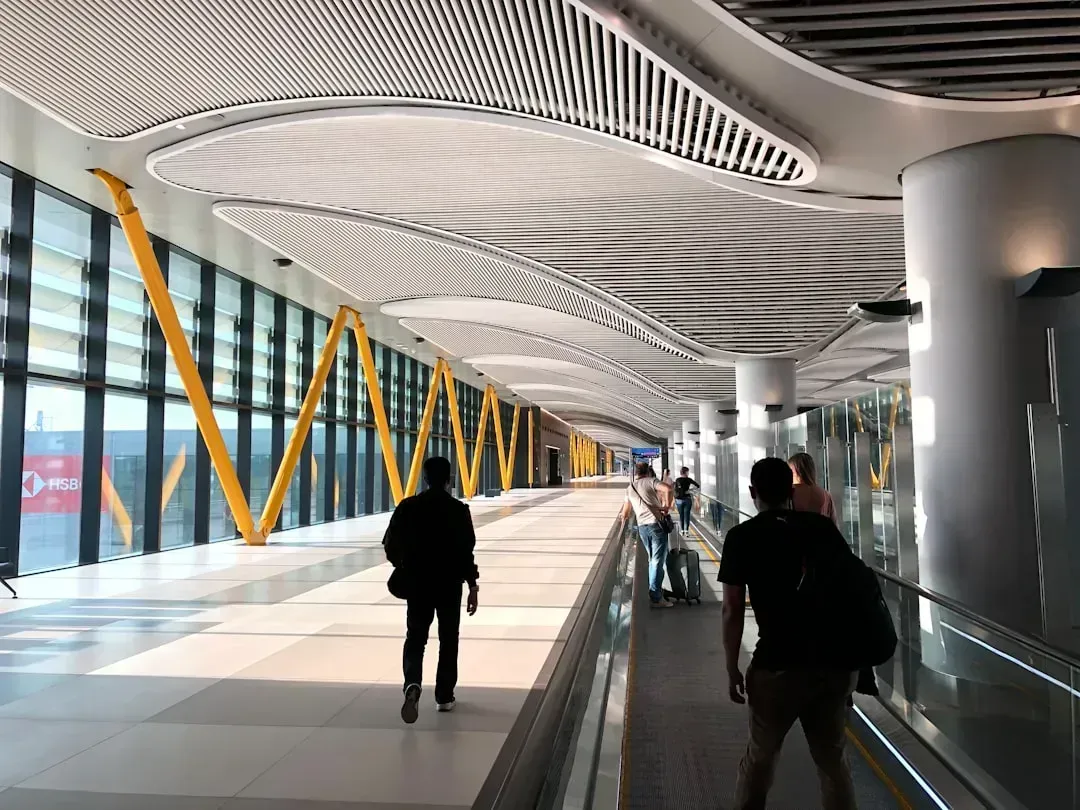
The composition of your travel party shapes everything about how your stay is managed. Research analyzing hotel reviews finds that location is a prominent concern for couples, while the room aspect is rarely mentioned in reviews by groups and families. Staff pick this up instantly because it tells them what you’ll need and what you’ll care about.
Solo travel is no longer a niche trend. The industry expects a nearly ten percent cumulative annual growth rate through 2030, and it spans all age groups, from millennials and Gen Z to retirees increasingly choosing to travel alone. Hotels have adapted, and staff now look for solo travelers deliberately to offer targeted support.
A 2024 study from Booking.com found that nearly six in ten respondents planned a solo getaway, and hotels have started rethinking how they serve this growing group, updating amenities, layouts, and event calendars to make solo travelers feel genuinely welcome. If you walk in alone, staff already have a mental playbook ready to go.
8. How Familiar You Are With Hotel Systems and Etiquette
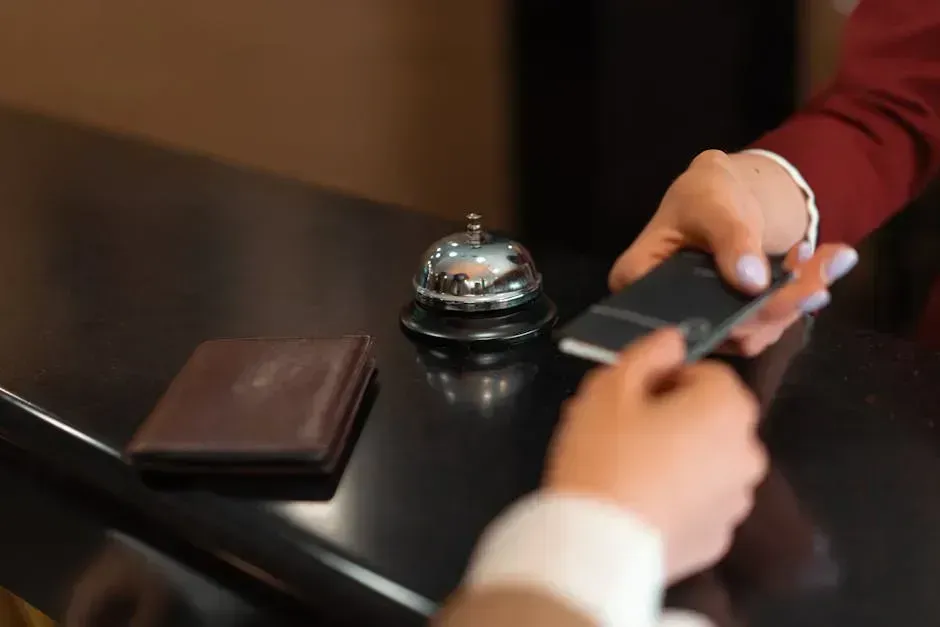
Seasoned hotel guests have a particular energy. They know exactly where to stand, what documents to hand over first, and when to sign without being asked. There’s a quiet efficiency to them that staff recognize immediately. Compare that to a first-time guest who isn’t sure whether to hand over a credit card or a loyalty card first, and the difference is obvious.
Efficient check-in and check-out processes are fundamental to guest comfort. Guests want clarity, speed, and simplicity, not forms and delays. How fluently you navigate those processes tells staff a lot about your travel experience, your expectations, and your likely patience threshold.
According to a 2025 hospitality trend report, guests now expect faster, contactless experiences, with the vast majority preferring mobile check-in and check-out options alongside meaningful human interactions when they visit the desk. Guests who arrive with a digital key already loaded on their phone send a very clear signal about who they are as a traveler.
9. Your Patience and Reaction to Waiting
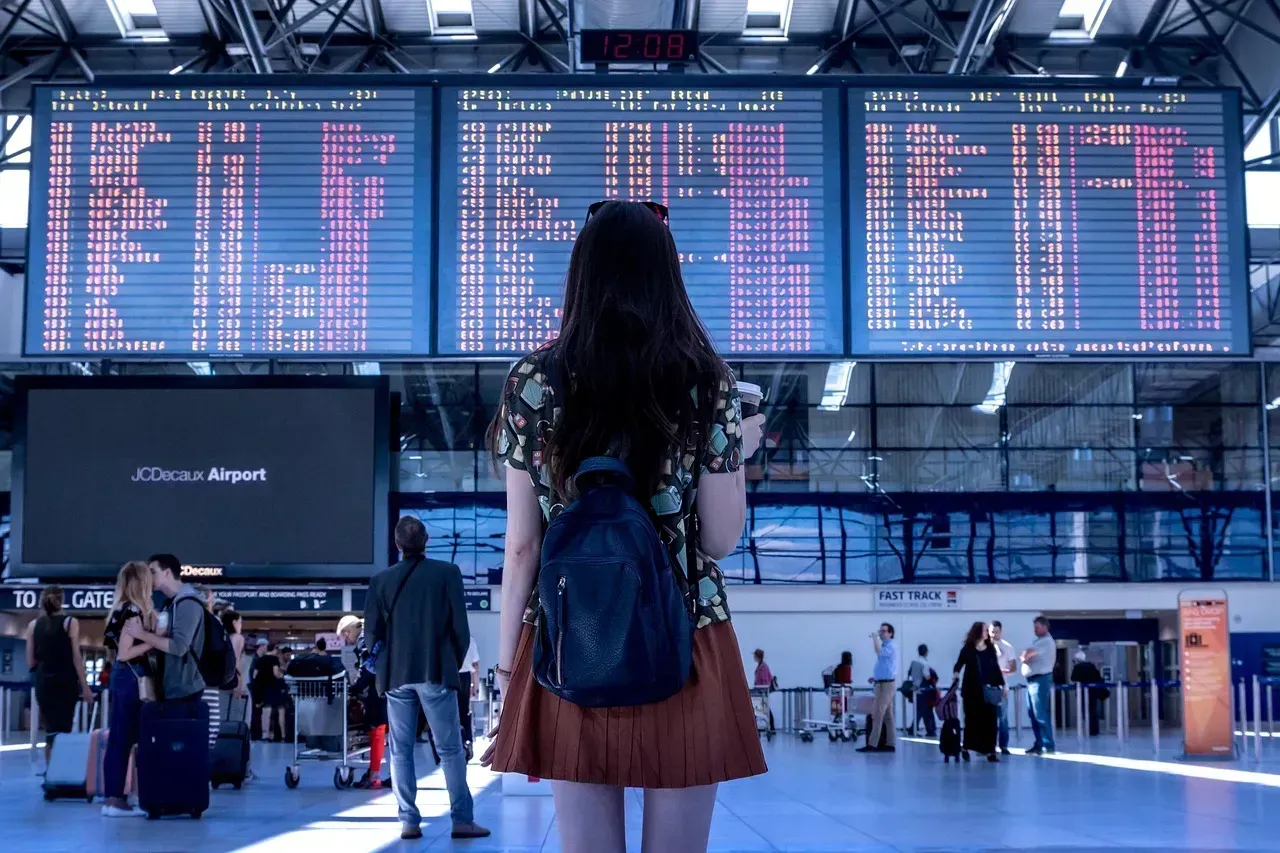
There’s a small but revealing test that happens at almost every check-in: the wait. According to the AHLA’s 2025 report, roughly a third of guests consider quick, easy check-in a key driver of positive guest experience. So when the system is slow or the line is longer than expected, how you handle it gets noticed.
When things go sideways, how a guest reacts at that very first hurdle is a telling signal that shapes how staff prepare for the rest of the visit. Patience at the desk goes a longer way than most people think. Staff who see frustration bubbling up early will often alert colleagues elsewhere in the hotel to be extra attentive during the stay.
A December 2024 survey found that nearly two thirds of hotels are still dealing with staffing challenges stemming from the onset of the 2020 pandemic. Hotel teams are stretched thin, running harder than most guests ever realize, and they are doing it with a smile on their faces. A little grace during a momentary delay genuinely makes a difference for everyone involved.
10. Your Overall First Impression and What It Predicts

Everything above feeds into one larger conclusion that staff form about you in seconds: what kind of guest you’re going to be. Research has found that the vast majority of guests say their first impression at check-in shapes their overall perception of the hotel, and reception staff remember the details you share in those first moments. The street runs both ways.
Research consistently shows that front desk quality contributes somewhere between one fifth and two fifths of total guest satisfaction, making it one of the most operationally critical touchpoints in the entire hotel experience. That means staff have significant incentives to read guests well and respond accordingly.
First impressions significantly influence a guest’s overall perception of their stay. Guests who feel valued and appreciated from the start are more likely to enjoy their stay and leave positive reviews. The quiet judgment happening at check-in isn’t surveillance – it’s hospitality in action, designed to make your stay as smooth as possible.
Stronger first impressions lead to more return bookings and loyalty program sign-ups. The enhanced arrival experience becomes a highlight in guest reviews, setting hotels apart from competitors. In other words, those first ten seconds of sizing you up are the foundation of everything that follows.