9 Old-School Meals Middle-Class Families Loved in the 1960s (Ring a Bell?)
Picture a kitchen table surrounded by vinyl-covered chairs, the soft glow of a new color television flickering in the nearby living room. These were the dinners that defined an era, the meals that brought families together even as modern conveniences promised to pull them apart. When you think about the 1960s, you might conjure images of beehive hairdos and Beatles records, yet it’s the food on those formica tables that truly tells the story of middle-class America.
In the 1960s, cooking at home got a whole lot easier. Thanks to the explosion of convenient and pre-packaged foods and the new accessibility of kitchen appliances, it was easier than ever to skip a restaurant and make dinner. Honestly, these weren’t always gourmet creations. They were practical, budget-friendly, and, let’s be real, sometimes a little bizarre by today’s standards. Still, they worked. They fed families who were navigating a rapidly changing world, where Mom might be juggling homemaking with work outside the home, and Dad was coming home hungry after a long day.
Tuna Noodle Casserole
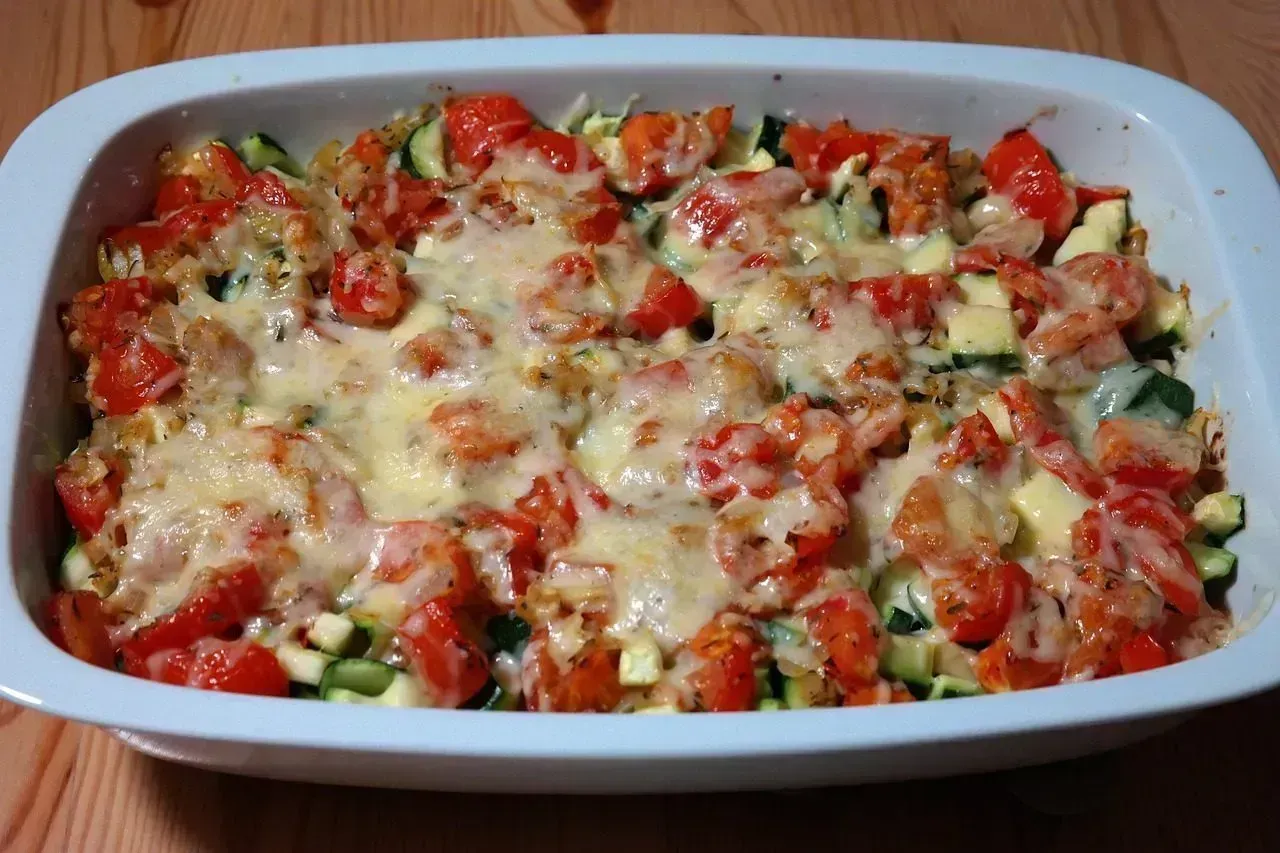
This dish was the ultimate weeknight hero. Surveys from the era indicated that canned tuna was served weekly in many households, with tuna fish casseroles among the top preparations. Think about that for a second. Nearly every household in America was opening a can of tuna at least once a week. The recipe was beautifully simple: egg noodles, canned tuna, cream of mushroom soup, and maybe some frozen peas if you were feeling fancy. Top it with crushed potato chips or breadcrumbs, bake until golden, and dinner was served.
This dish was a staple of the 1950s and 1960s dinner table. It contains canned tuna, canned mushroom soup, and various seasonings that ranged from curry powder to grated American cheese. What made tuna casserole so popular was its sheer convenience. You could pull every ingredient from your pantry or freezer, assemble it in minutes, and have a hot meal on the table with minimal effort. Sure, it wasn’t haute cuisine, yet it tasted like comfort itself.
TV Dinners
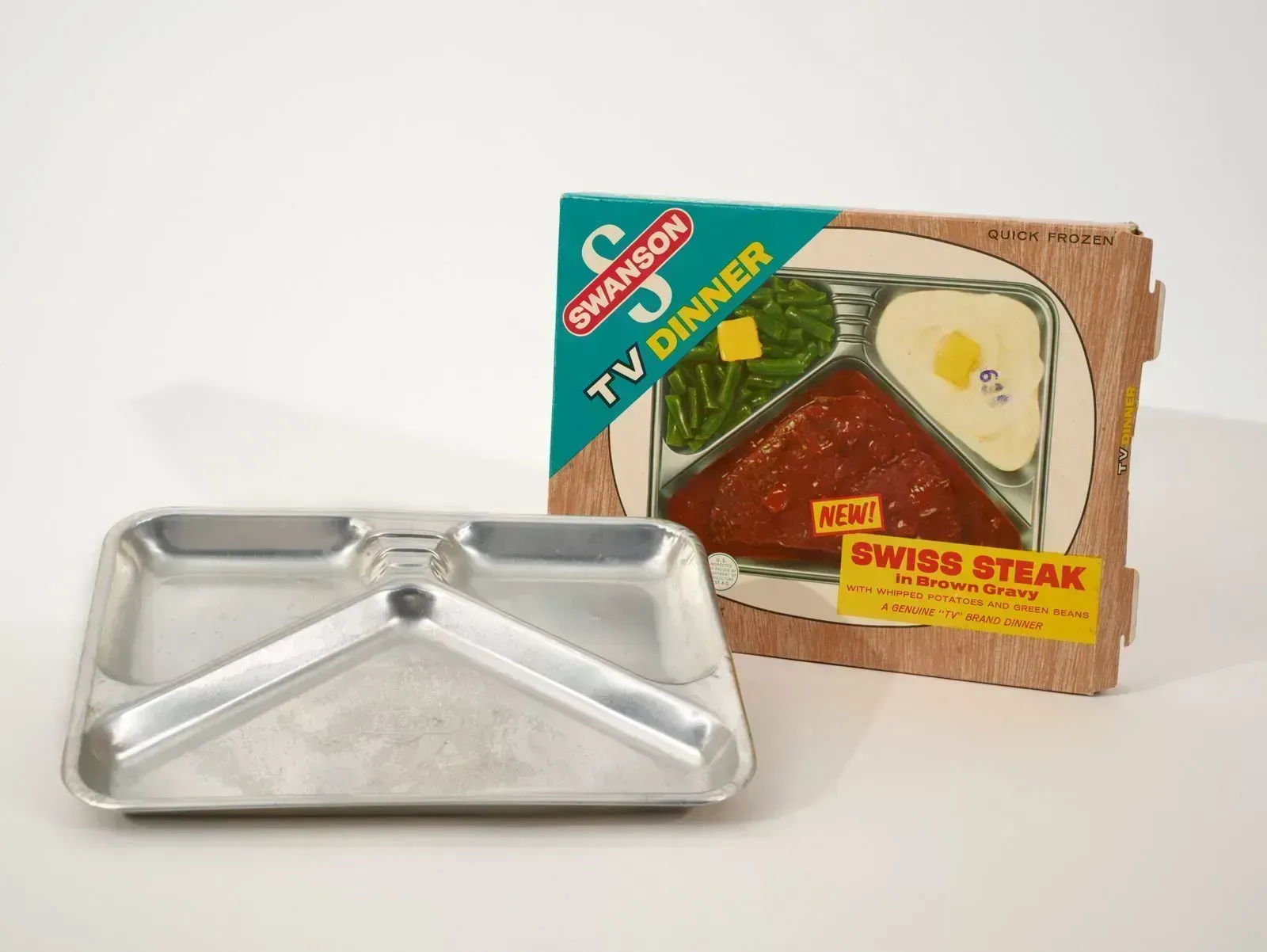
These aluminum trays changed everything. The Swanson & Sons’ TV dinner branded frozen meal sold 5,000 units when it was introduced in 1954; within a year, the company had sold over 10,000,000 TV dinners. The original version featured turkey with cornbread stuffing, sweet potatoes, and peas, all neatly compartmentalized. By the 1960s, options exploded. Fried chicken, Salisbury steak, meatloaf – you name it, there was probably a frozen version of it.
Pop them in the oven, and 25 minutes later, you could have a full supper while enjoying the new national pastime: television. In 1950, only 9 percent of U.S. households had television sets – but by 1955, the number had risen to more than 64 percent, and by 1960, to more than 87 percent. The convenience couldn’t be beaten. Working mothers especially appreciated being able to feed their families without spending hours at the stove. Some folks complained about losing the tradition of home-cooked meals, yet millions of families embraced this modern solution to their busy lives.
Meatloaf with Mashed Potatoes
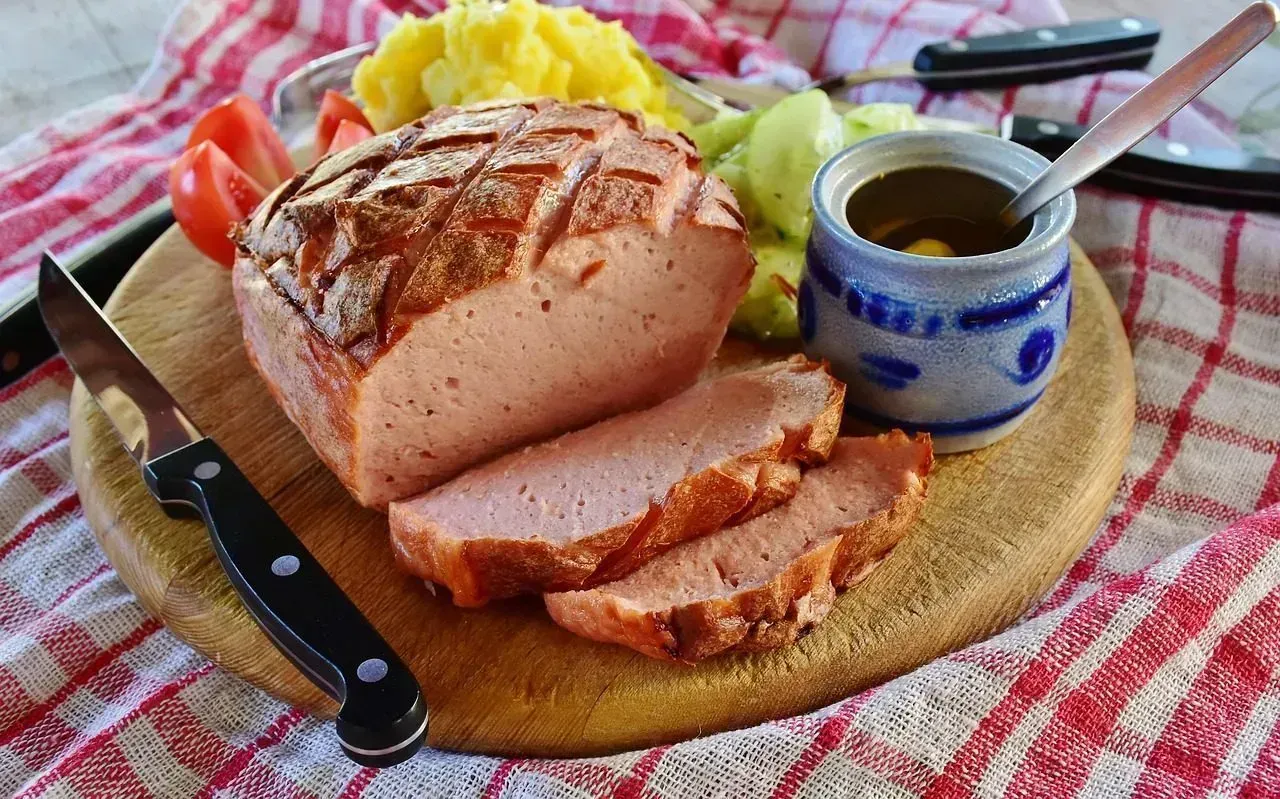
Everybody’s mom had a different recipe, but chances are, it was on your table at least once a week. According to Bon Appetit, meatloaf became a staple during the Great Depression when meat was pricey. But growing up in the ’50s and ’60s, it was a simple, cheap way to feed the family, then have leftovers for sandwiches the next day. Ground beef was affordable, and when you mixed it with breadcrumbs, eggs, and ketchup, you could stretch it to feed a hungry family.
Every household had their own twist on meatloaf. Some added onions and green peppers, others threw in a bit of Worcestershire sauce for depth. The beauty of this dish was its flexibility and economy. Serve it alongside a mountain of buttery mashed potatoes and maybe some canned green beans, and you had yourself a proper American dinner. Leftovers transformed into sandwiches the next day, making meatloaf the gift that kept on giving.
Jell-O Salad
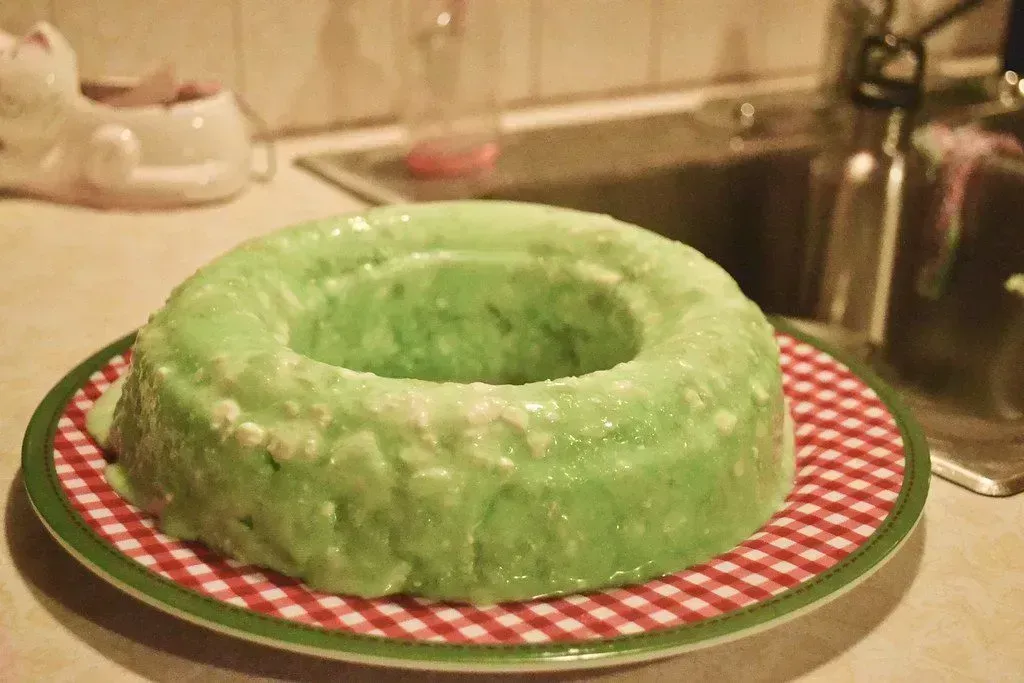
Here’s where things get interesting. In the 1960s, things got even crazier and these salads became so popular that Jell-O introduced various vegetable flavors including celery, Italian salad and seasoned tomato. Can you imagine lime Jell-O with cottage cheese and shredded carrots suspended in it? How about orange Jell-O with mandarin oranges and Cool Whip? These weren’t just desserts – they were considered salads and appeared on dinner tables across America.
HuffPost states that in the 1950s and 1960s, Jell-O salads were frequently savory. Today, some still dare to serve the sweet variant, adorned with syrupy fruits and mounds of Cool Whip. The appeal was visual as much as culinary. A shimmering mold of gelatin demonstrated domestic skill and creativity. It’s hard to say for sure, but the fact that refrigerators were becoming standard in every home played a huge role. Making gelatin dishes was a way to show off your modern kitchen appliances. Though these salads fell out of fashion by the 1970s, they remain one of the most memorable aspects of 1960s dining.
Fried Chicken
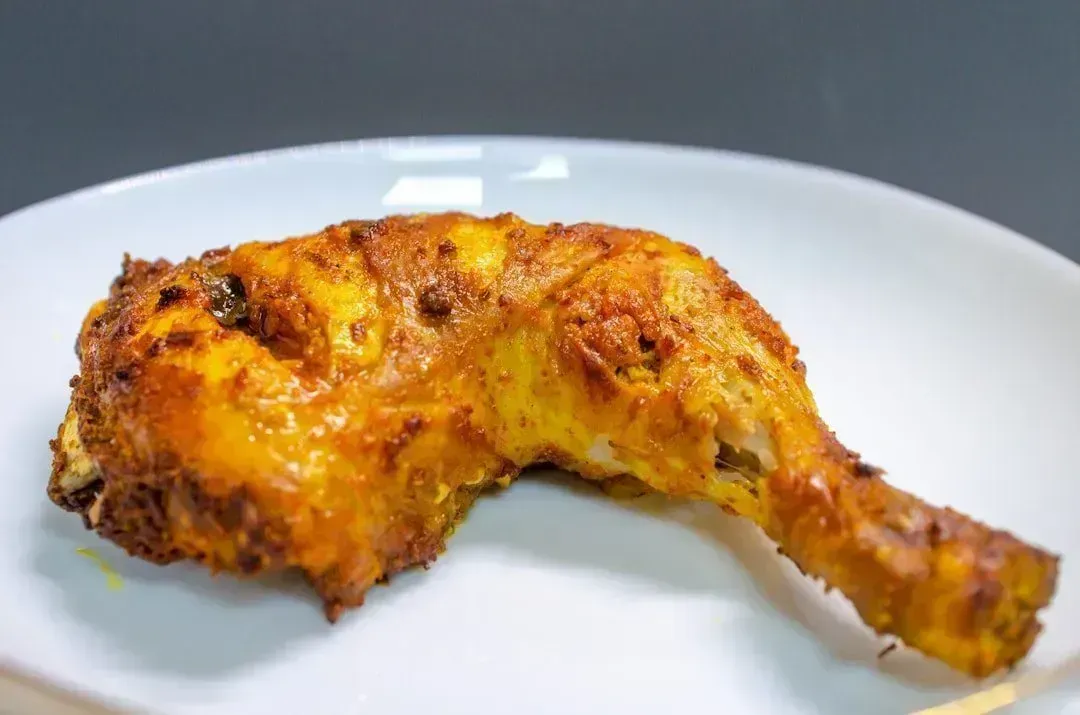
Long before KFC dominated every corner, fried chicken was made at home. Maybe you were getting a bucket for some take-out, but usually fried chicken happened at home. Chicken was cheap (like 29 cents per pound cheap) and so was oil. With prices like that, why wouldn’t you fry up a batch yourself? The process was straightforward: coat chicken pieces in seasoned flour, fry them in a cast-iron skillet filled with oil, and watch them turn golden and crispy.
Home-fried chicken was a Sunday dinner staple, something families looked forward to after church. The kitchen would fill with the aroma of frying chicken, and everyone knew they were in for a treat. Served with mashed potatoes, gravy, and biscuits, it was a meal that satisfied both hunger and soul. This was before health-conscious eating became mainstream, so nobody worried about the fat content – they just enjoyed every crispy, juicy bite.
Pot Roast with Vegetables
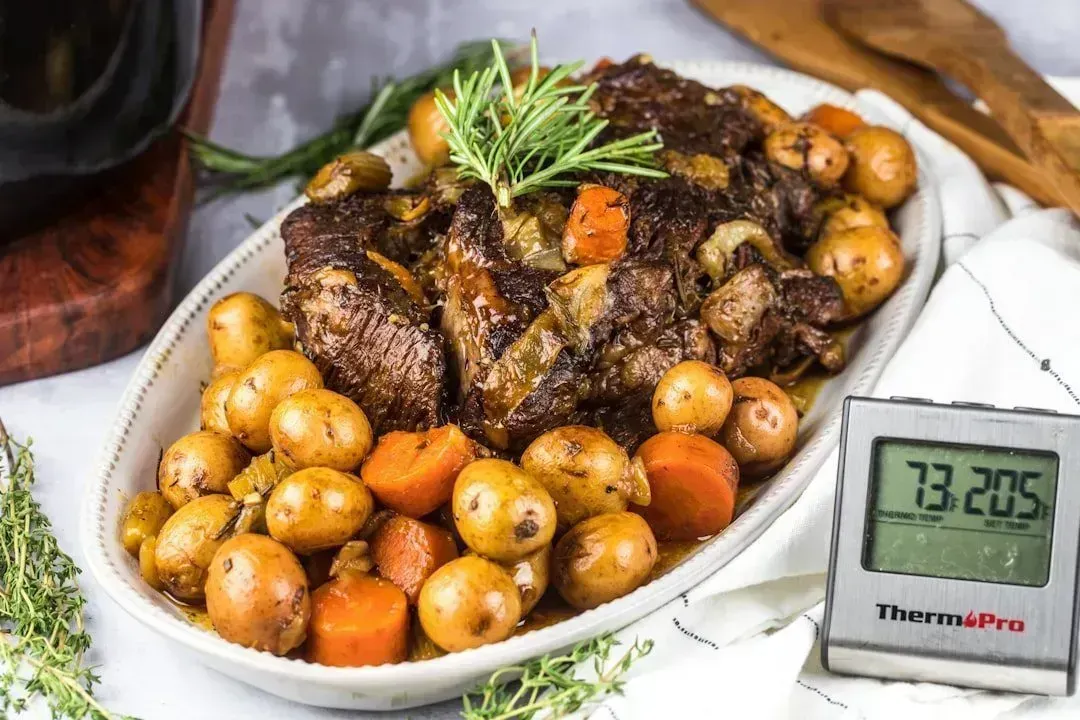
Sunday was the “big pot” day: a tough cut of meat braised with onions, carrots, and potatoes, sometimes aided by a seasoning packet whose salt content could lift a truck. Monday meant sandwiches; Tuesday, the drippings became gravy over noodles or rice. Pot roast was the ultimate meal stretcher. You’d buy an inexpensive cut of beef, throw it in a Dutch oven with vegetables, and let it cook low and slow until everything was melt-in-your-mouth tender.
What made pot roast brilliant was its versatility. The initial Sunday meal fed the whole family, then the leftovers transformed into entirely different dishes throughout the week. This approach to cooking reflected the resourcefulness of 1960s homemakers who understood how to maximize every dollar spent on groceries. The meal required patience rather than skill, which meant even novice cooks could produce something impressive.
Pork Chops with Applesauce
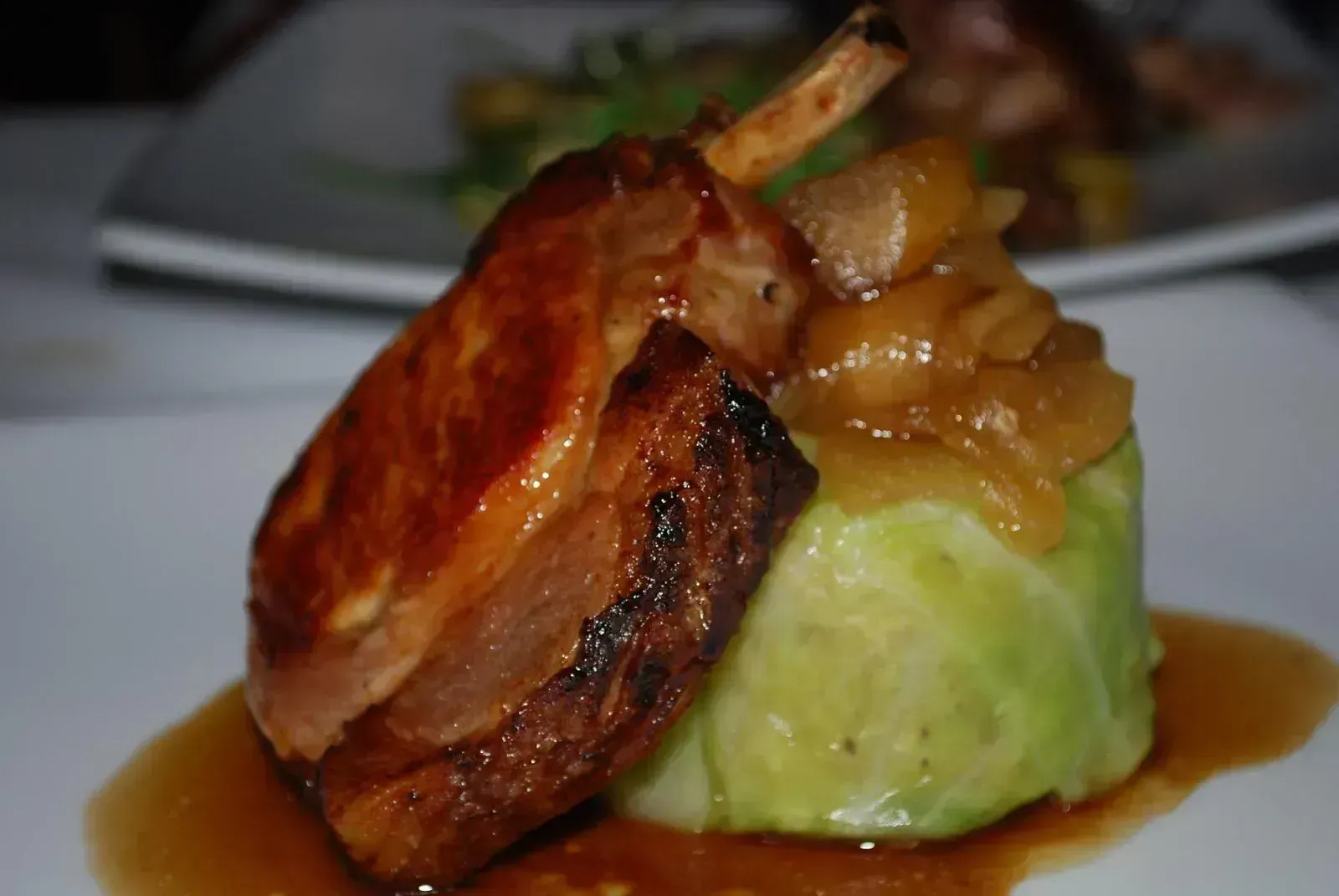
Pork chops had a big moment in the ’60s, usually served alongside some mashed potatoes and gravy, or maybe a fruit glaze if somebody was trying to be fancy. Pork was affordable and versatile, making it a go-to protein for budget-conscious families. The classic preparation involved pan-frying seasoned pork chops until they were golden brown, then serving them with a dollop of applesauce on the side.
The combination of savory pork and sweet applesauce might seem odd if you’ve never tried it, yet it works beautifully. Some cooks got creative with glazes made from brown sugar and pineapple, while others kept things simple with just salt, pepper, and maybe some herbs. Paired with mashed potatoes and a vegetable, this meal checked all the boxes: quick to prepare, economical, and satisfying enough to please even the pickiest eaters.
Swedish Meatballs
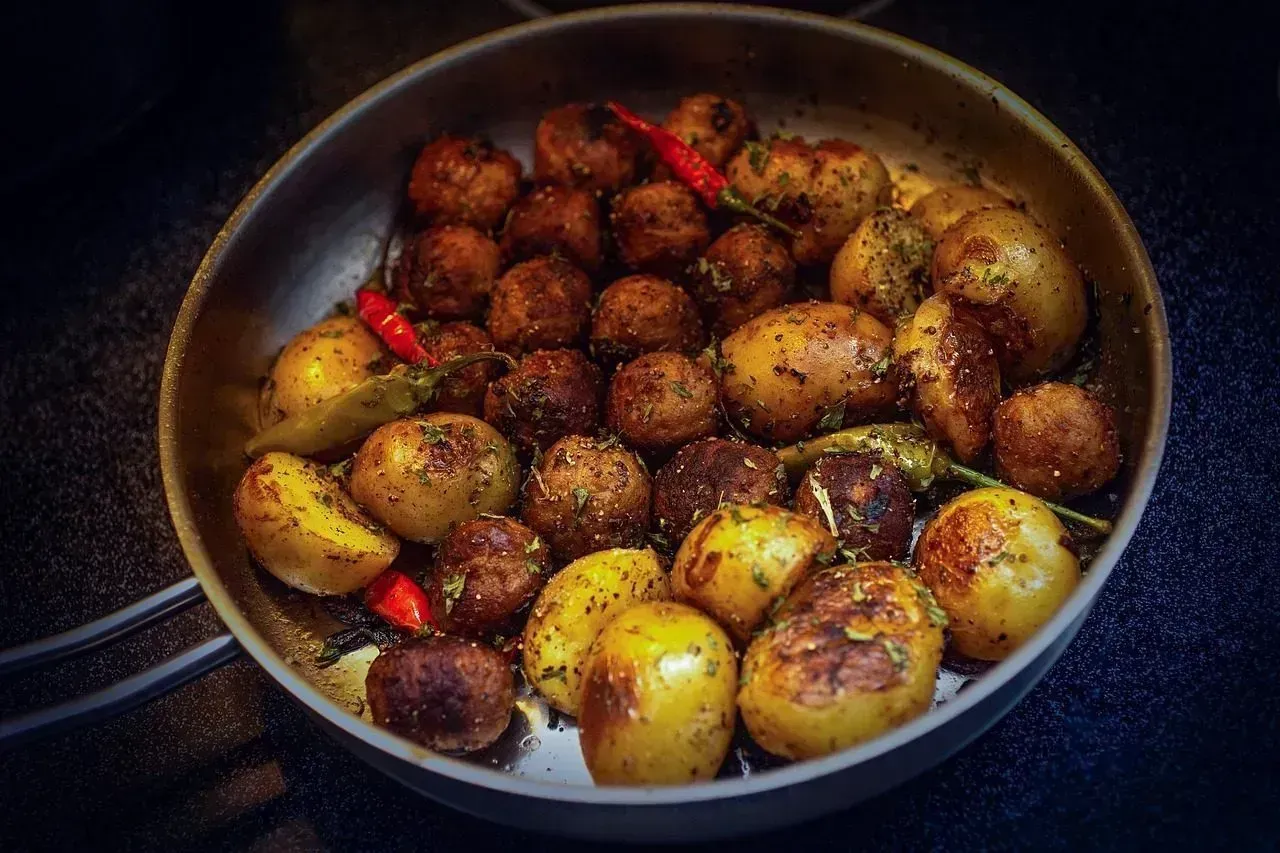
In the ’50s and ’60s, Scandinavian design and culture became popular in the U.S. Part of that was the popularity of Swedish meatballs, which were made far easier by the accessibility of cream of mushroom soup. These little spheres of seasoned ground beef were smothered in a creamy gravy and typically served over egg noodles. The traditional recipe called for a sauce made from scratch, but most American home cooks embraced the shortcut of canned soup.
What’s funny is that Swedish meatballs weren’t even originally Swedish – they have Turkish origins. Still, they became synonymous with sophisticated dining in middle-class American homes. The dish felt fancy enough to serve to company yet simple enough to whip up on a weeknight. That combination of elegance and ease made Swedish meatballs a recurring favorite on dinner tables throughout the decade.
Hamburger Helper and Ground Beef Dishes
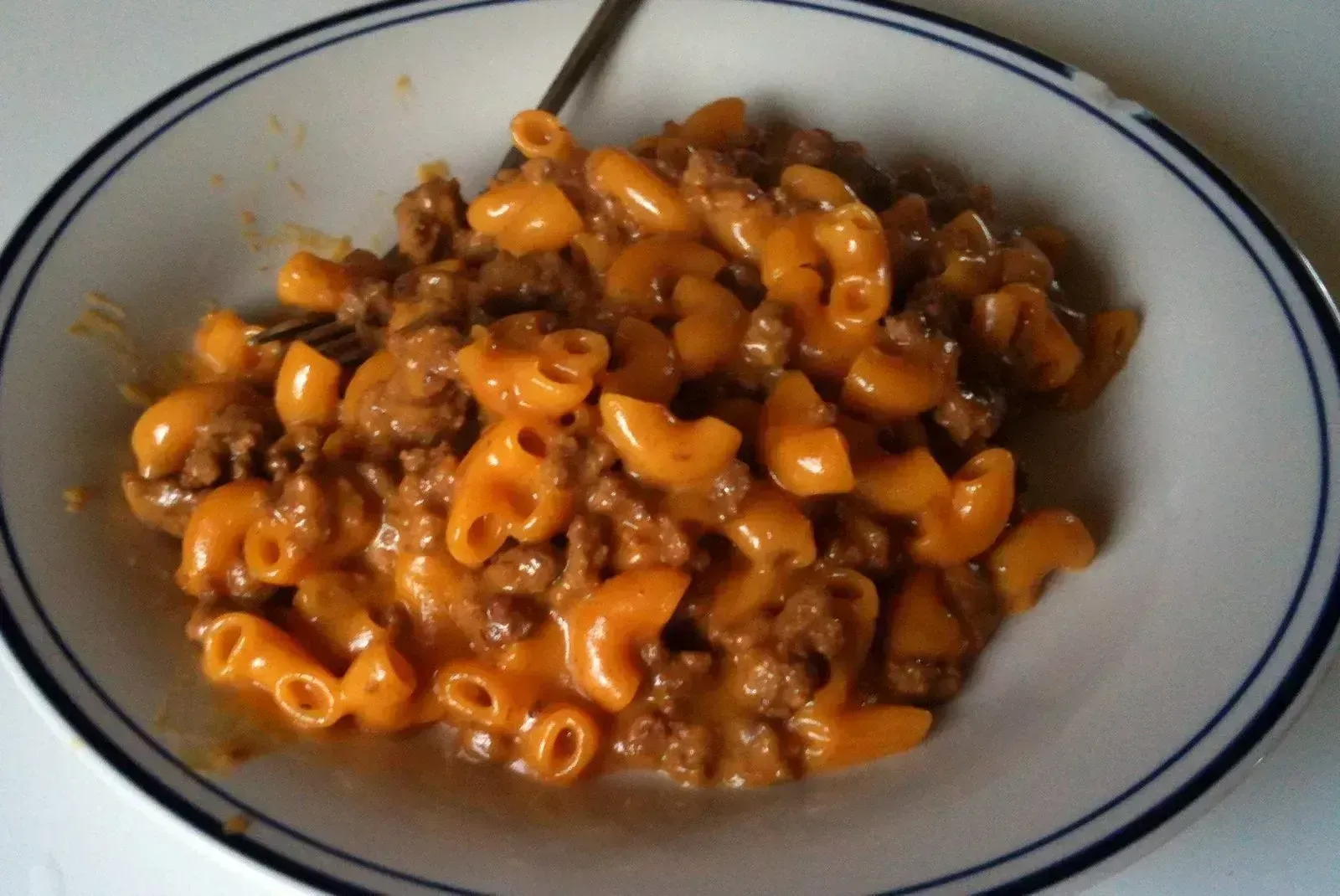
Ground beef was the workhorse protein of the 1960s kitchen. It was cheap, versatile, and quick-cooking – everything a busy homemaker needed. While Hamburger Helper wouldn’t officially debut until 1971, the concept of stretching ground beef with pasta or rice was already well-established. Families made their own versions by browning hamburger meat, adding canned tomato soup or cream of mushroom soup, mixing in noodles or rice, and calling it dinner.
Dried pasta, a jar or can of red sauce, maybe ground beef if payday had just happened, and always a shake of the green can cheese. Garlic bread came from whatever loaf was around, sliced, buttered, and broiled within an inch of its life. These one-pot meals saved time, dishes, and money. Spaghetti with meat sauce, goulash, chili – all relied on ground beef as their foundation. The simplicity couldn’t be overstated: brown the meat, add your ingredients, season generously, and let everything simmer together. These meals fed families on tight budgets and busy schedules, proving that good food didn’t need to be complicated.
The 1960s table was a fascinating mix of tradition and innovation, where canned soups met Sunday roasts, and frozen dinners coexisted with scratch-made fried chicken. These meals reflected a generation caught between the old ways and the promise of modern convenience. They weren’t perfect, and some of them seem downright strange through today’s lens of farm-to-table freshness. Yet they served their purpose beautifully, bringing families together around tables where the food might have been simple, but the memories were anything but. Did any of these ring a bell for you?
Spam and Canned Meat Creations
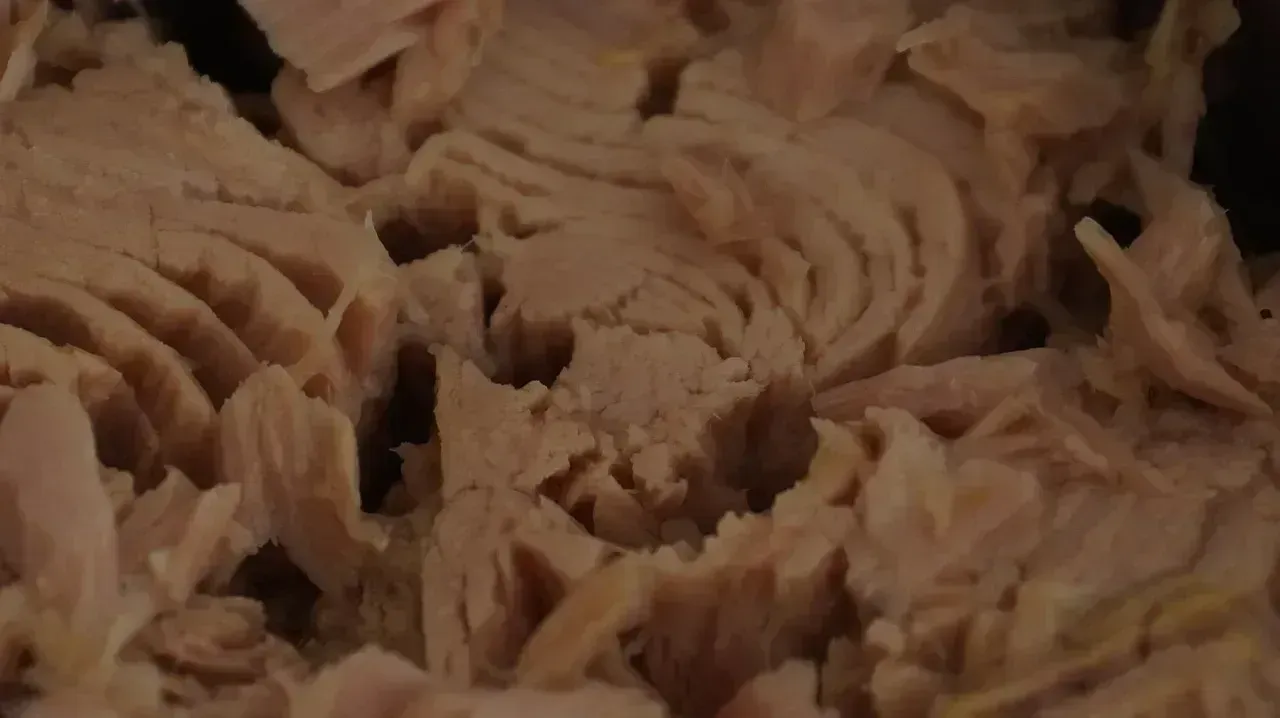
Spam wasn’t just a wartime necessity that faded after the 1940s – it stuck around as a legitimate dinner option well into the 1960s. Middle-class families didn’t see it as weird or desperate; they saw it as convenient protein that could be fried, baked, or chopped into casseroles without a second thought. The rectangular can sat proudly in pantries alongside Vienna sausages and corned beef hash, ready to become dinner when fresh meat wasn’t in the budget or the freezer was empty. Some families glazed Spam with brown sugar and pineapple rings, treating it like a miniature ham. Others diced it into scrambled eggs for breakfast or sliced it thin for sandwiches with mustard and pickles. The salty, processed taste was just part of the flavor profile people expected from convenient foods. Today’s foodie culture might turn its nose up at canned meat, but back then, a fried Spam steak with scalloped potatoes from a box was a perfectly respectable Wednesday night meal that nobody questioned.
Liver and Onions
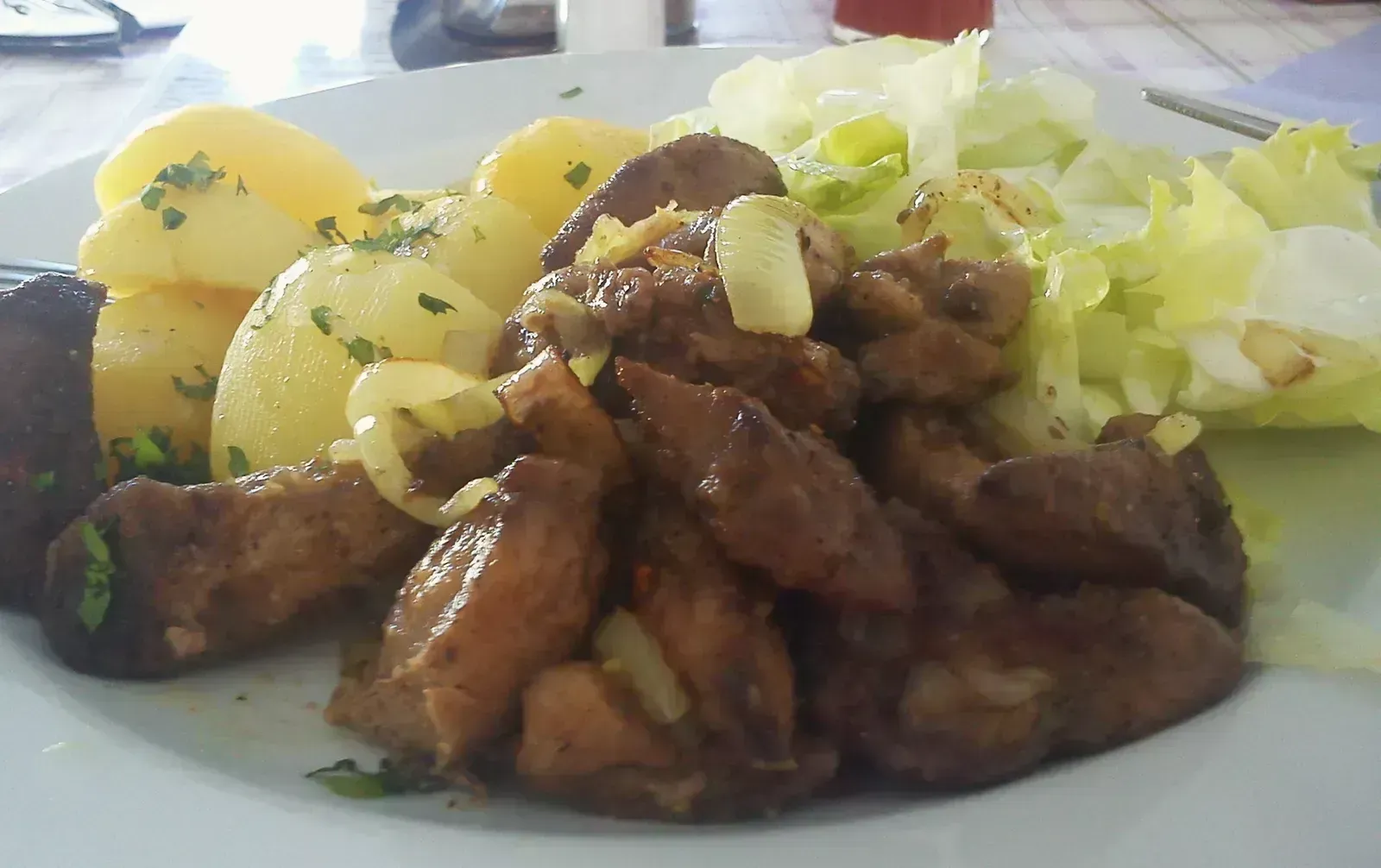
If there’s one dish that instantly divides people by generation, it’s liver and onions – a meal that was absolutely everywhere on 1960s dinner tables but has pretty much vanished from modern menus. Parents genuinely believed liver was a nutritional powerhouse that would make their kids strong and healthy, packed with iron and vitamins that growing bodies desperately needed. The reality? Most children sat at the table staring at that grayish-brown slab like it was a punishment, trying to wash down each rubbery bite with gulps of milk while Mom insisted they couldn’t leave until their plate was clean. Beef liver was the most common variety, pan-fried with butter and smothered in caramelized onions that were supposed to make the whole thing more palatable. Some families swore by soaking the liver in milk first to reduce that distinctive metallic taste, while others just cooked it straight and called it character-building. The smell alone could fill an entire house, announcing to the neighborhood that it was liver night at the Johnsons’. Today’s parents would never dream of forcing organ meat on their kids, but back then, it was just another weeknight dinner that came with the unspoken rule: eat it or go hungry.
Key Takeaway
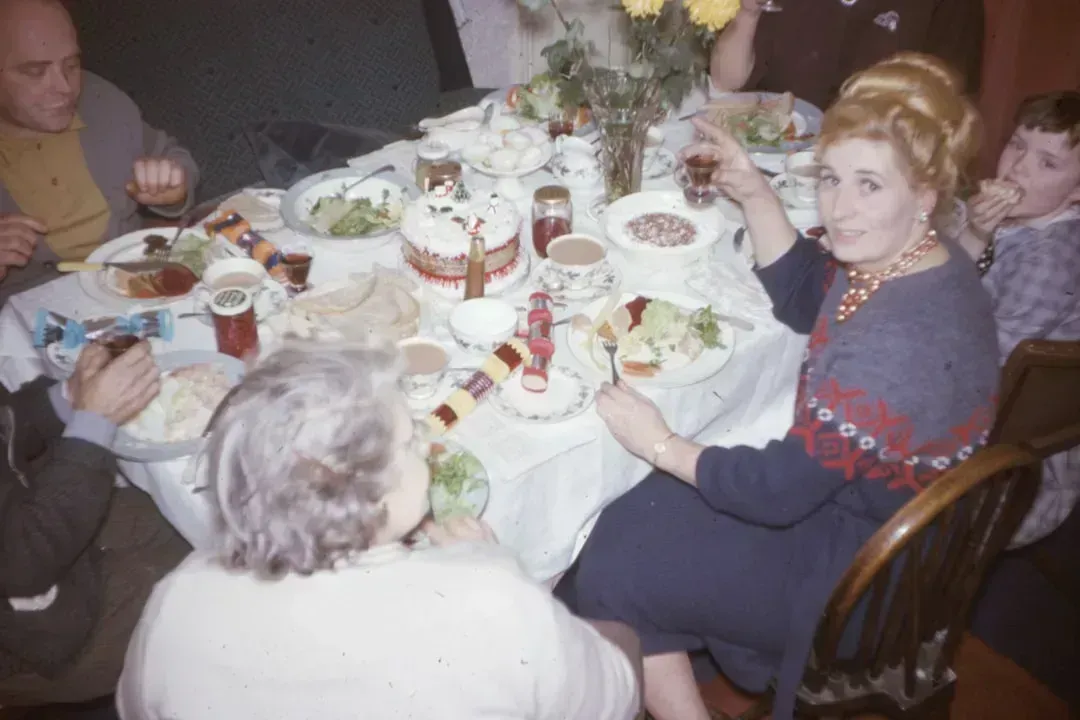
The 1960s dinner table was less about culinary exploration and more about the triumph of convenience and the novelty of processed foods. For the average middle-class family, meals like Tuna Noodle Casserole, Swedish Meatballs, and anything encased in gelatin weren’t just food – they were symbols of a modern, space-age lifestyle. These dishes relied heavily on the “miracle” of canned soups and boxed mixes, freeing home cooks from the stove and defining a generation’s palate with salty, creamy, comfort-heavy flavors. While our tastes have since evolved toward fresh ingredients and global spices, these recipes remain a powerful time capsule of an era when a can of Cream of Mushroom soup was the most essential tool in the kitchen.
Why These Meals Vanished From Modern Tables

So what happened to these beloved staples that once dominated dinner tables across America? The shift away from 1960s classics wasn’t just about changing tastes – it was a full-blown food revolution. As nutritional science advanced in the 1970s and 80s, people started questioning the sky-high sodium content in canned soups and the mysterious ingredients lurking in boxed mixes. The health food movement made processed foods seem less like modern marvels and more like dietary villains. Meanwhile, the explosion of international cuisine in American cities meant families could suddenly experience authentic Thai, Mexican, and Italian flavors that made Swedish meatballs from a packet taste pretty bland by comparison. Women entering the workforce in greater numbers also changed the game – instead of elaborate casseroles requiring precise timing, quick stir-fries and takeout became the new convenience foods. The final nail in the coffin? Food Network and cooking shows transformed home cooking from a chore into a hobby, inspiring people to actually enjoy preparing fresh ingredients rather than just opening cans.
The Nostalgia Factor: Why Gen X and Boomers Still Crave These Dishes

Here’s the twist that food historians didn’t see coming – these supposedly obsolete meals are making a quiet comeback, at least in our hearts and memories. There’s something deeply comforting about the foods that shaped our childhood, even if we know better now than to eat Spam three times a week. Psychologists call it ‘food nostalgia,’ and it’s incredibly powerful. When life gets stressful or uncertain, we crave the flavors that made us feel safe as kids, which explains why retro recipe blogs and vintage cookbook Facebook groups are exploding with members. Some millennials are even discovering these dishes for the first time through their parents’ old recipe boxes, treating tuna casserole like an exotic archaeological find. The emotional connection runs deeper than taste – it’s about family dinners where everyone actually sat together, before smartphones existed to distract us. That’s probably why upscale restaurants are now ironically serving ‘elevated’ versions of Jell-O salad and meatloaf for $28 a plate, banking on diners willing to pay premium prices for a trip down memory lane.