12 Old-School American Foods That Are Now Hard to Track Down
Picture this. You walk into a classic American diner, expecting the familiar comfort of meatloaf or a simple sandwich stacked high with flavor. Yet somehow, when you scan the menu, you notice something’s missing. Some dishes that your grandparents swore by have quietly vanished from tables across the country.
These aren’t just fleeting food fads that disappeared overnight. These are old-school American staples that once defined regional identity, fed families during tough times, and brought communities together at church suppers and Sunday dinners. Yet in our modern era of fast-food chains and global cuisines, many of these classics have become nearly impossible to find. Let’s dig into the surprising stories behind these forgotten foods.
Liver and Onions
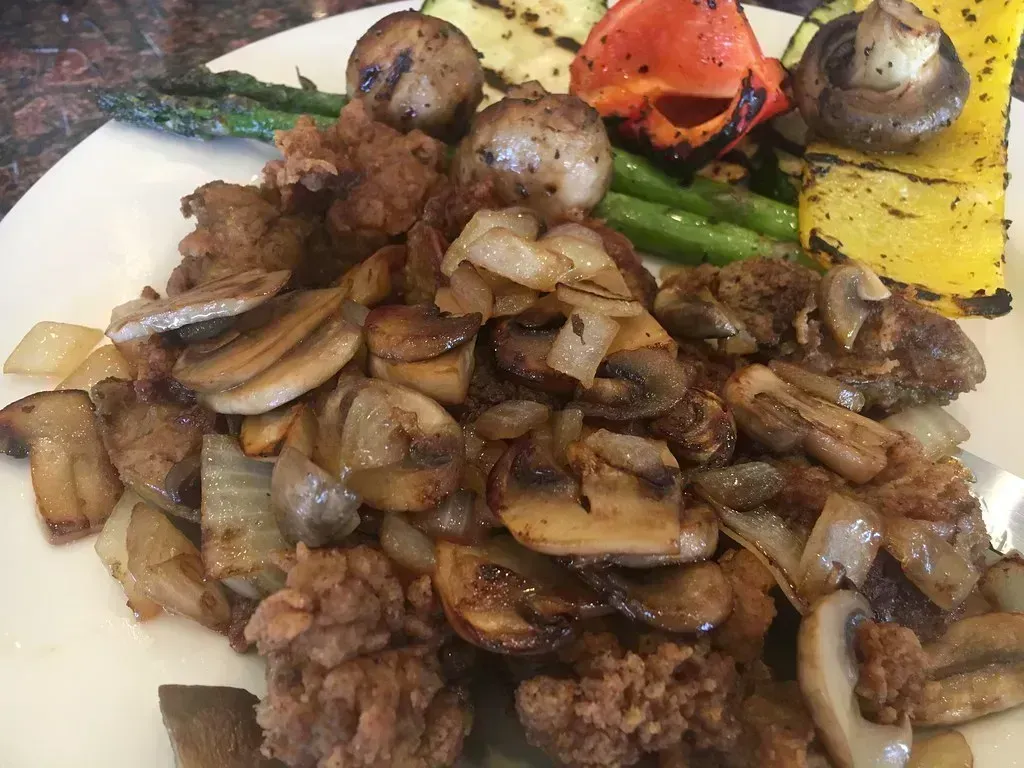
In 2024, Boar’s Head ended production of liverwurst entirely after a major Listeria outbreak, and per capita liver consumption dropped significantly after the 1970s, marking a definitive end to an era. The unmistakable aroma of frying onions mixed with liver was a hallmark of grandma’s kitchen, though the distinctive flavor of liver, bold and gamey, meant that not everyone was a fan. Honestly, you either loved it or avoided it at all costs. Back in the 1950s, many families served liver and onions as a weeknight staple since organ meats were economical, available, and packed with nutrients, especially when meat was more expensive.
Chicken à la King
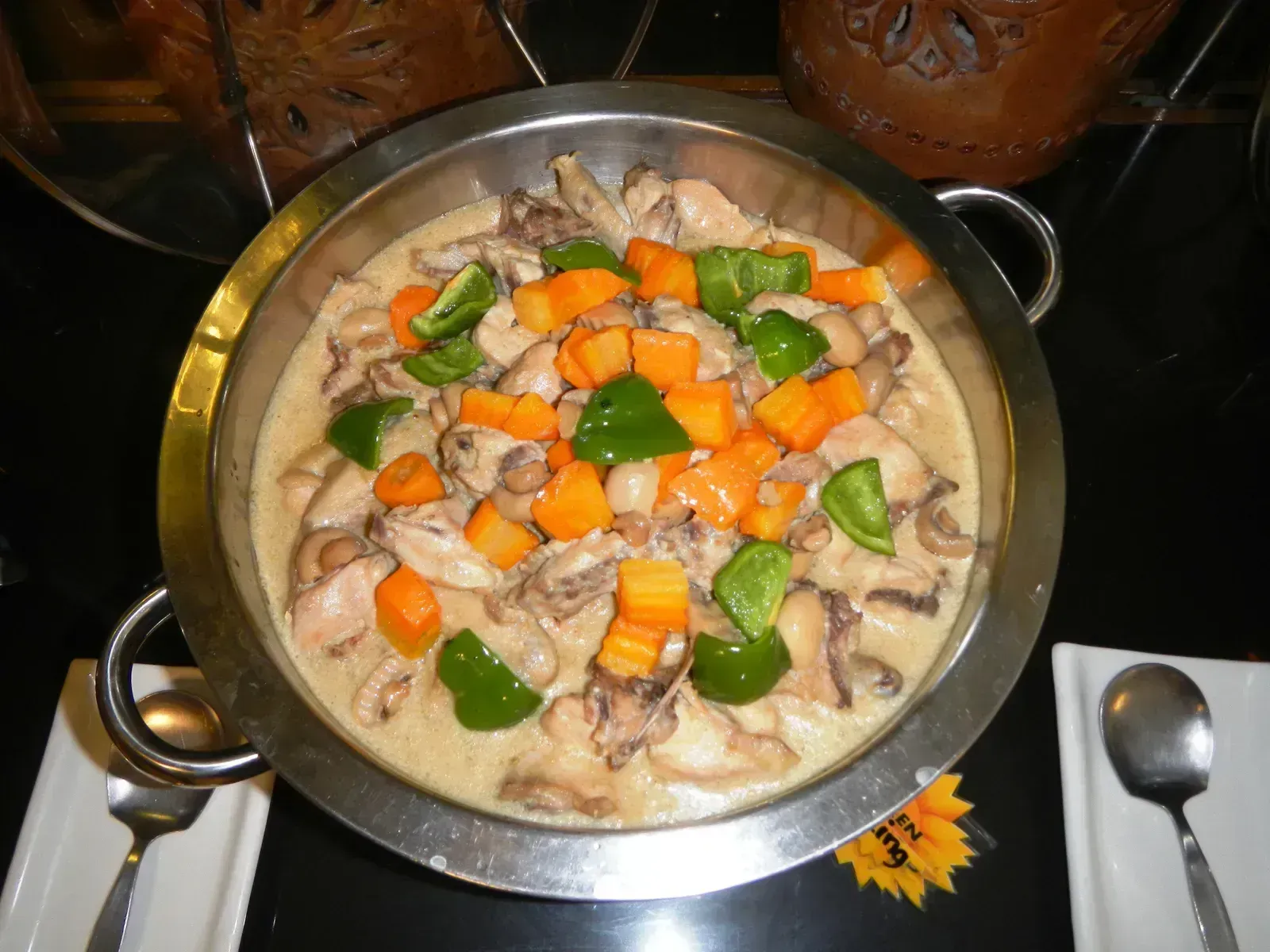
Chicken à la King, which is actually just chicken and mushrooms in a white sauce usually served over toast, was popular in the 1950s and 1960s when it appeared on household dining tables and restaurant and diner menus all over the country. A proper Chicken à la King features tender strips of white meat chicken in a silky sherry-based cream sauce, with mushrooms and peppers as the usual vegetable suspects. Yet as cooking trends moved toward simpler, healthier chicken dishes like grilled or roasted options and lighter sauces, Chicken à la King began to feel heavy and dated. It’s wild how something once considered elegant now barely exists outside vintage cookbooks.
Sardine Sandwiches
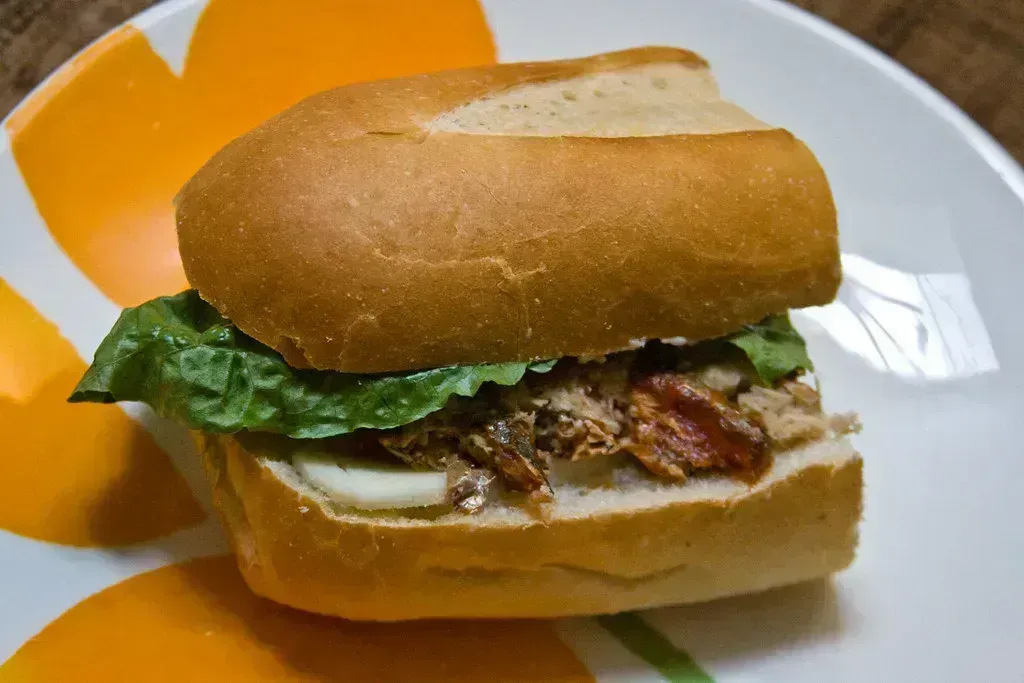
In the 1930s and 1940s, demand for sardines was massive, with thousands of people working in California’s sardine industry even during the Depression. Canned sardines and sardine sandwiches were ubiquitous parts of the American culinary landscape because they were cheap, nutritious, and flavorful, plus the shelf-stable little cans were easy to store. But in the 1950s, as commercial tuna fleets boomed, sardines fell to the wayside since tuna was less fishy tasting. That switch left sardines stuck in a strange nostalgia limbo where older generations remember them fondly, yet they’ve largely disappeared from diner menus.
Salisbury Steak
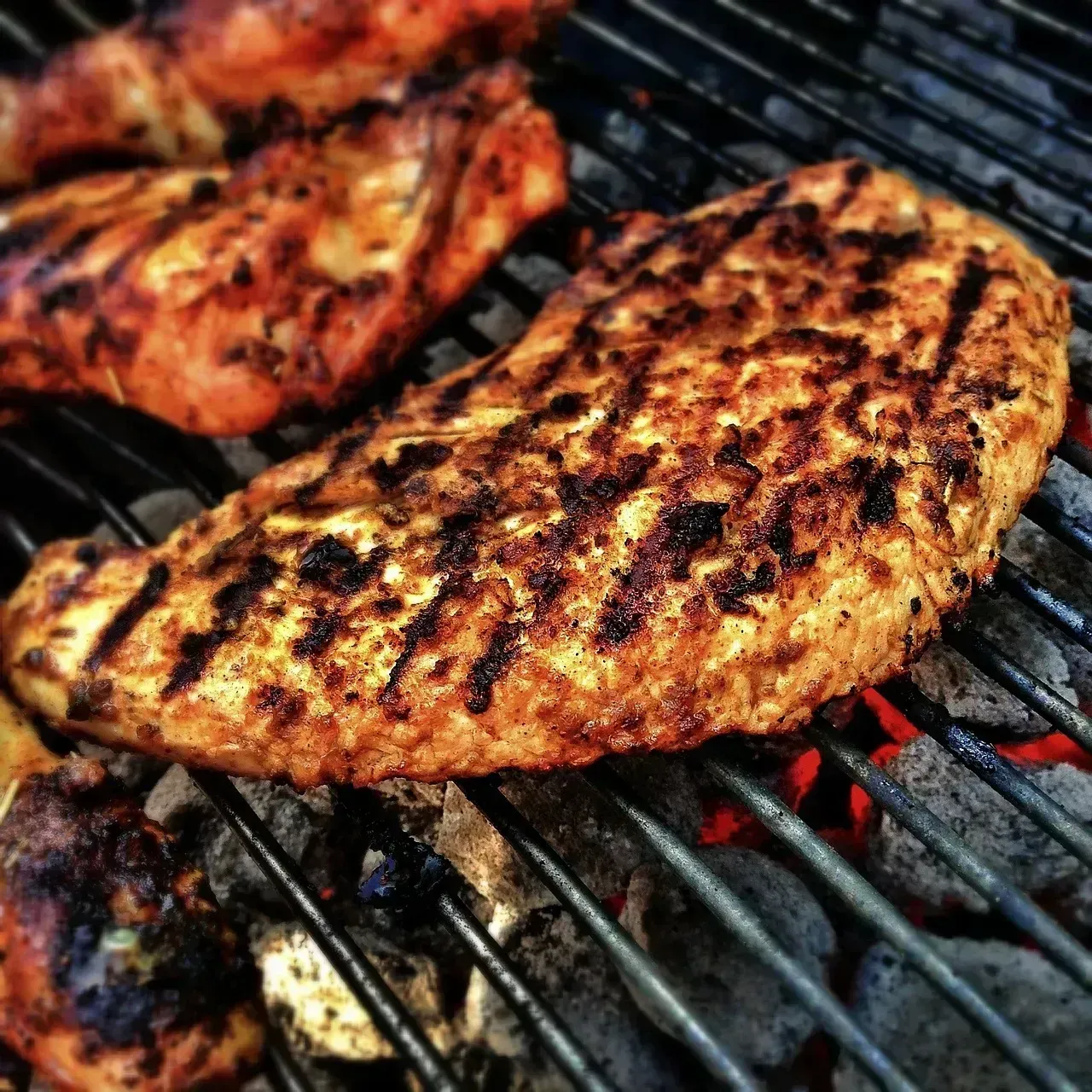
Salisbury steak, ground beef patties covered in gravy and onions, was once the go-to budget-friendly, hearty meal that felt like comfort, a plate that said dinner is done. The 1950s boom in frozen and canned foods saw lots of much-loved recipes swept up in the trend for convenience cooking, with the final nail in the coffin for Salisbury steak being the decline of TV dinners in the 1980s. Nostalgic home cooks might rustle up this beefy dish from time to time, but it’s a rare sight in 21st-century American diners. You might find it in a classic diner somewhere, yet it rarely appears as the star of modern home cooking.
Scrapple
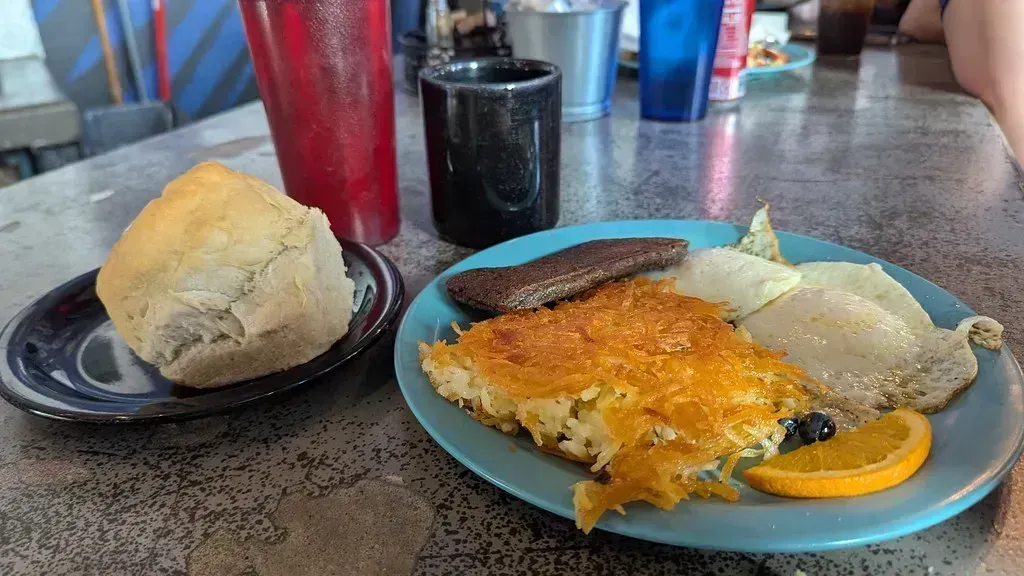
A regional favorite in the Mid-Atlantic United States, scrapple is made from pork scraps and cornmeal, sliced and fried to crispy perfection, though its humble roots and mystery meat reputation have made it rare on most mainstream menus today. The thrifty dish emerged from Pennsylvania Dutch farming communities where nothing went to waste, but chain breakfast spots with their uniform bacon and sausage offerings gradually pushed scrapple off menus, with the rustic appearance not helping its survival. Here’s the thing. Now you’ll rarely spot it outside Amish country markets and a handful of traditional diners, making it a true hidden gem for those brave enough to try it.
Goetta
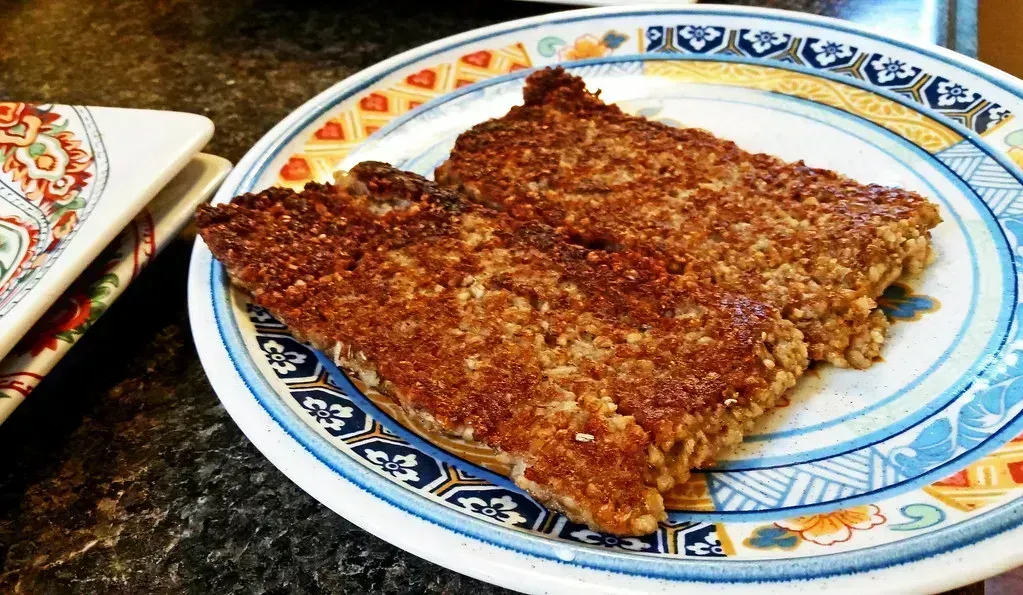
Goetta is a glorious mixture of ground meat, steel-cut oats, and spices formed into sliceable loaves, a German-inspired creation that was the working-class hero of breakfast foods throughout the Ohio River Valley. Cincinnati has been frying it up since German immigrants brought the recipe over in the 19th century, pronouncing it “get-uh,” and locals are passionate enough to hold an annual Goettafest. Family-owned German restaurants once featured goetta prominently, but standardized breakfast chains had no room for regional oddities, and most travelers passing through the area never discover this unique breakfast treat. I know it sounds crazy, but this forgotten breakfast meat deserves a comeback.
Buckwheat Pancakes
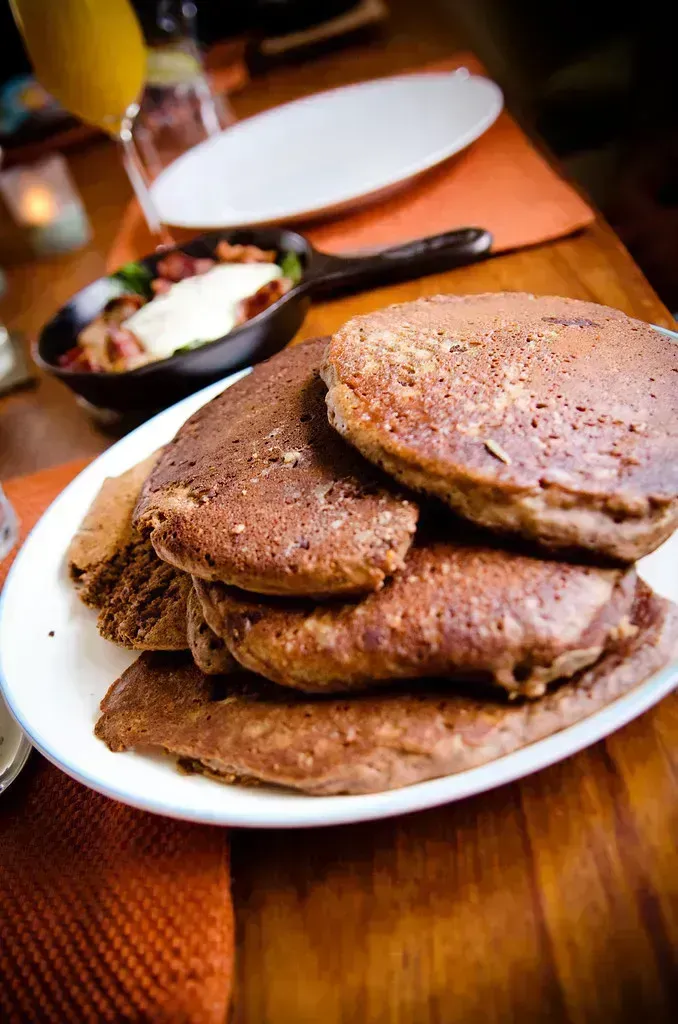
Many enterprising immigrants thrived in the golden age of the American diner serving buckwheat pancakes, which are made from a seed rather than a grain so they’re gluten free, and like the French galettes made from the same flour, they were darker with a more earthy taste. In America, diner patrons loved them for breakfast in both sweet and savory dishes, but over the years buckwheat pancakes started to disappear from diner menus, with some theorizing it was the rise of processed white flour while others suggest regional tastes caused the shift. Buckwheat pancakes haven’t disappeared entirely, with CBS Mornings in 2024 reporting on a family-owned Western New York outlet, open for nine weeks per year, that still made them from scratch.
Codfish Cakes
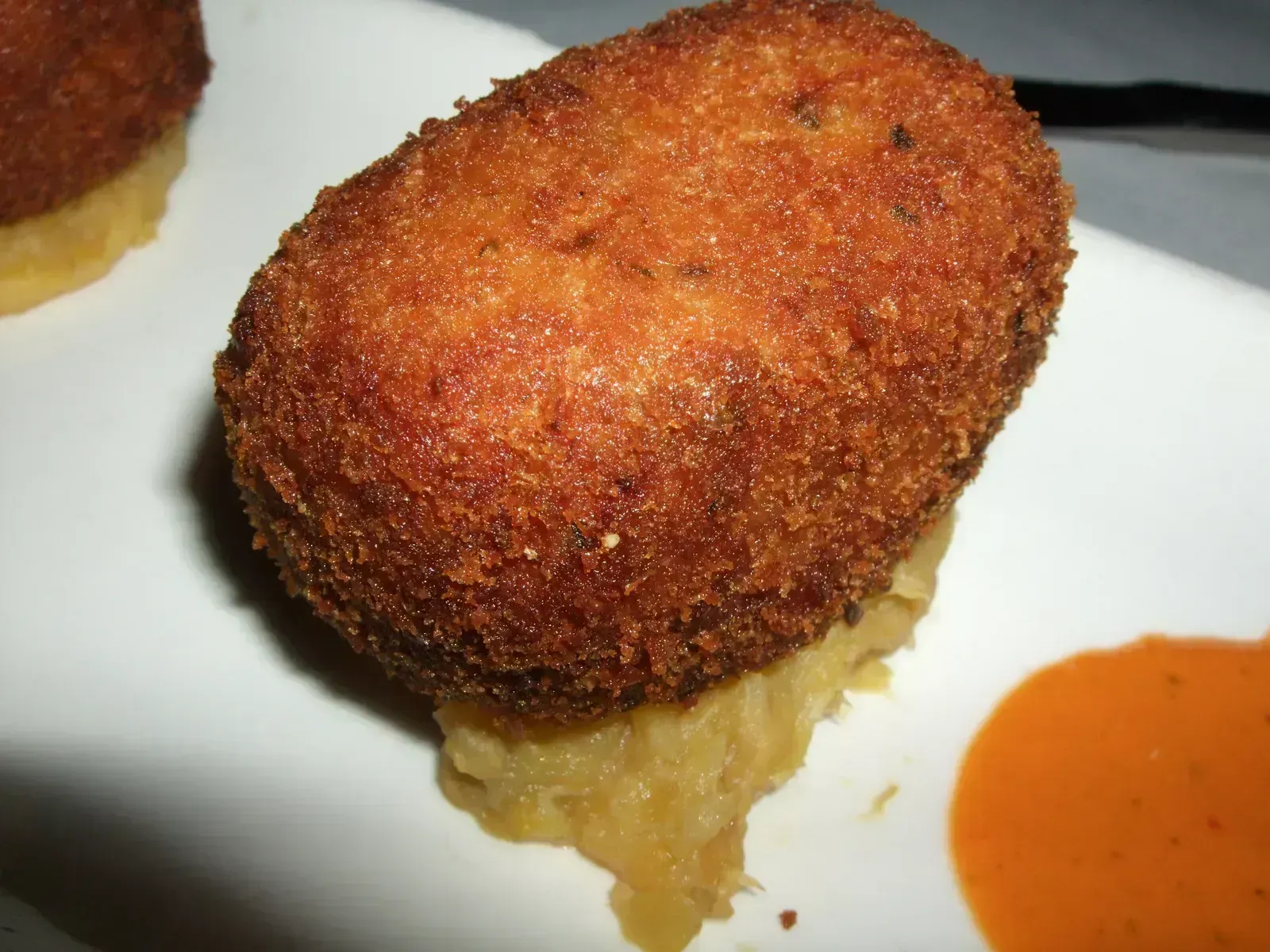
These patties of salted cod and mashed potato were a Depression era favorite for their affordability and heartiness, though over time they were replaced by trendier seafood dishes like crab cakes or sushi rolls. Let’s be real. Codfish cakes once fed countless families with comfort and flavor, stretching ingredients when times were tough. They represented ingenious American cooking at its most practical, where simple pantry staples transformed into satisfying meals. Yet nowadays, even coastal restaurants that celebrate regional seafood traditions rarely include them on their menus, leaving this once-beloved dish as merely a memory passed down through family recipe cards.
Mock Turtle Soup
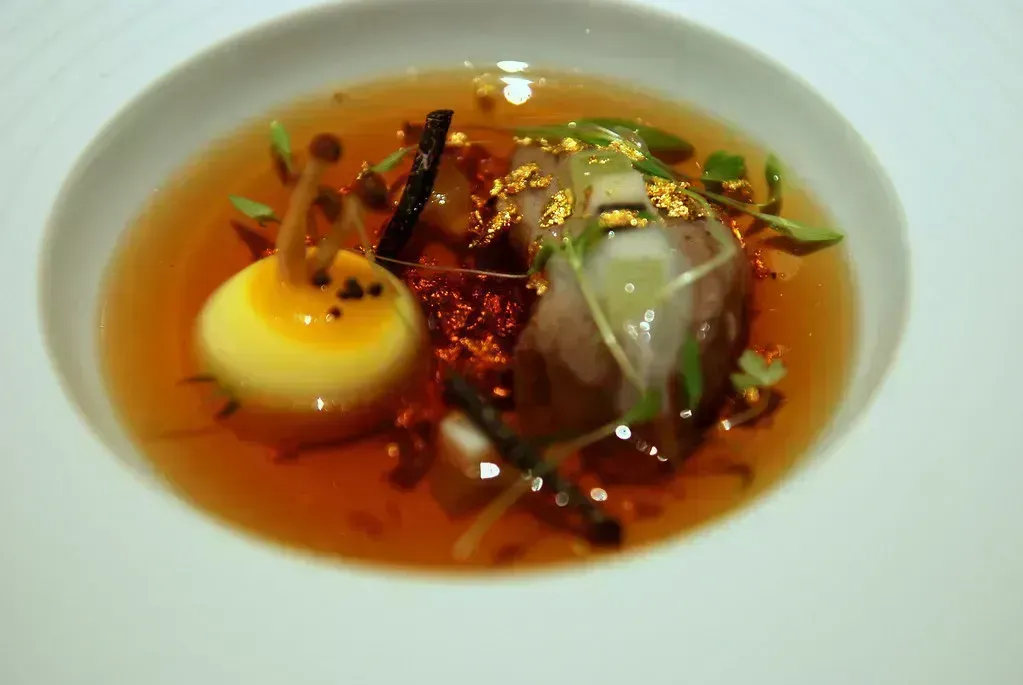
Despite the name, mock turtle soup didn’t contain actual turtle but was made from calf’s head to mimic the texture and richness of the real thing, a Victorian era favorite that was hearty, flavorful, and oddly luxurious, though as times and ingredients changed, this complex dish slowly disappeared from tables. Mock turtle soup was invented as an imitation of real turtle soup using beef or veal instead, enjoyed popularity in the 19th and early 20th centuries especially when actual turtle soup became less accessible, but it’s now rarely seen except in some historical menus or certain regional eateries. It’s hard to say for sure, but modern squeamishness about organ meats probably sealed its fate.
Tomato Aspic
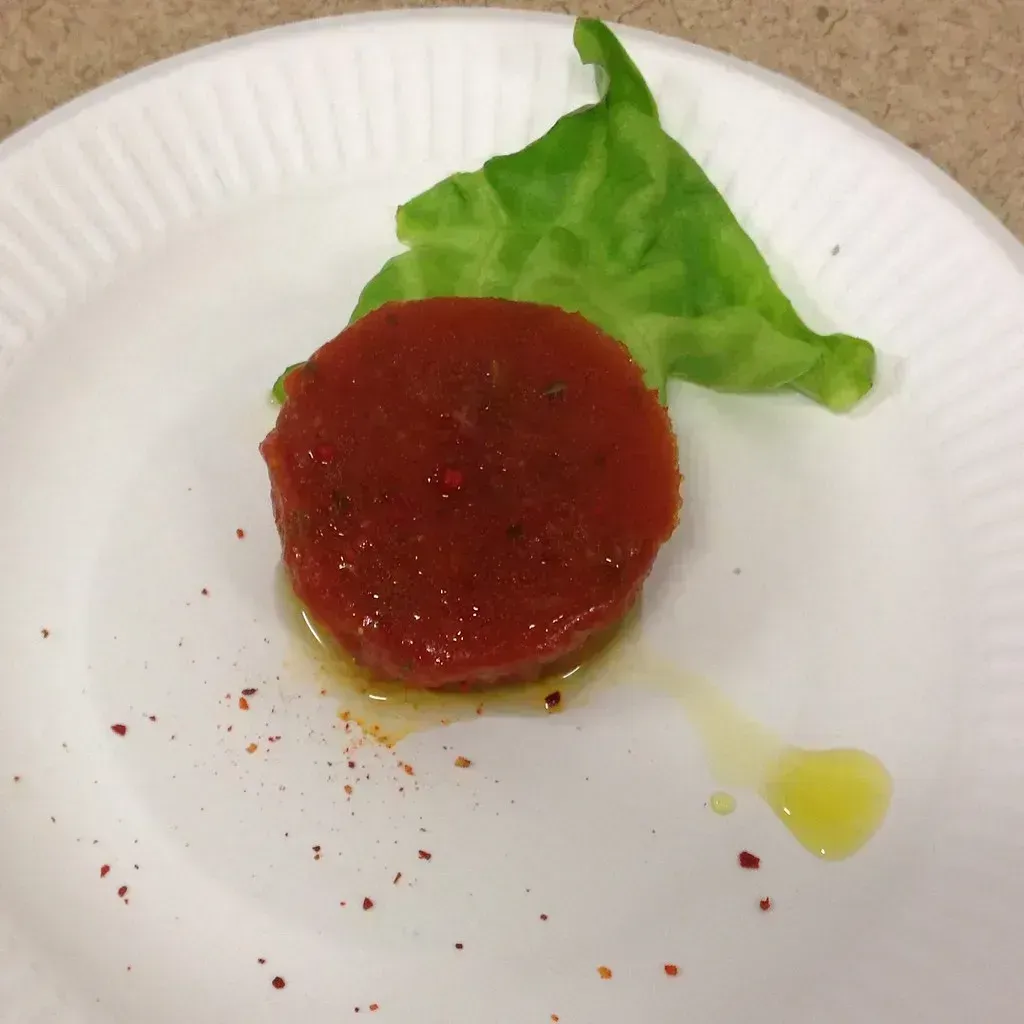
Tomato aspic, a savory gelatin mold flavored with tomato juice and vinegar, fell out of favor as tastes shifted toward fresher salads, with culinary researchers noting that gelatin based savory dishes struggled to survive as refrigeration technology improved. Aspic was an iconic, if unusual, culinary creation of the 1950s that involved gelatin encasing savory ingredients like meats and vegetables, creating a glossy, eye-catching presentation often served at formal gatherings, though despite its visual appeal its taste and texture were not universally beloved. Modern research shows that consumers overwhelmingly prefer fresh textures over gelatin bound savory foods, leading to its disappearance from mainstream menus.
Waldorf Salad
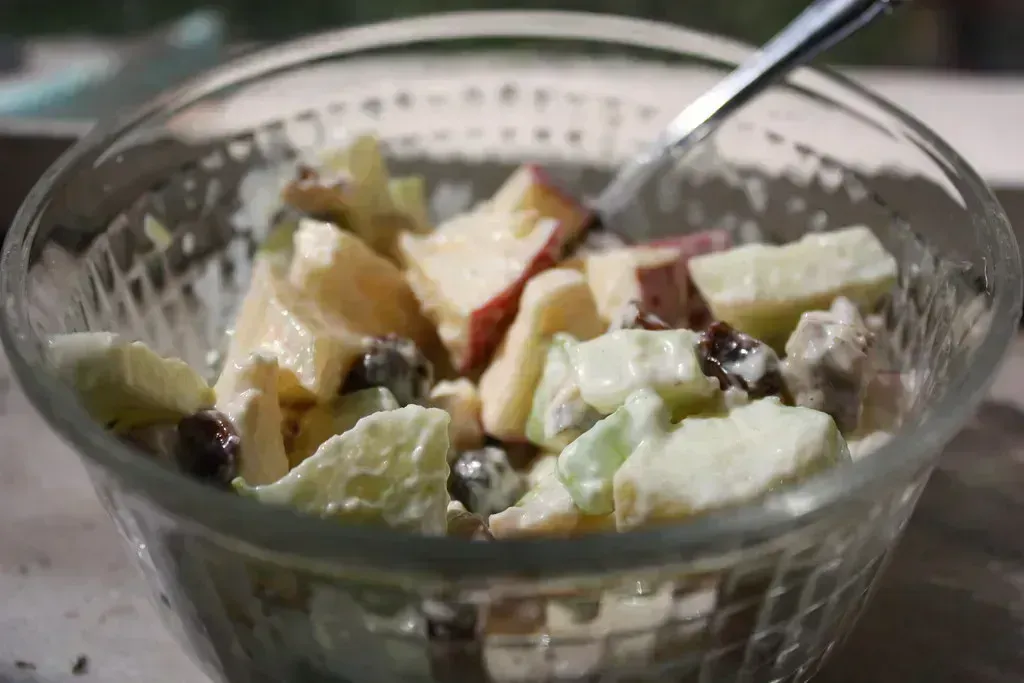
Made with apples, celery, walnuts, and mayonnaise, the Waldorf salad was a crunchy, creamy classic that originated at the famous Waldorf Astoria Hotel and was once a high society lunch menu star but is rarely seen today except maybe at retro themed brunches. This elegant dish represented culinary sophistication in its heyday, a perfect balance of sweet fruit and crunchy nuts held together by creamy dressing. Yet somewhere along the way, Americans moved toward lighter, less mayo-heavy salads, leaving this once-glamorous creation gathering dust on grandma’s handwritten recipe cards.
Ambrosia Salad
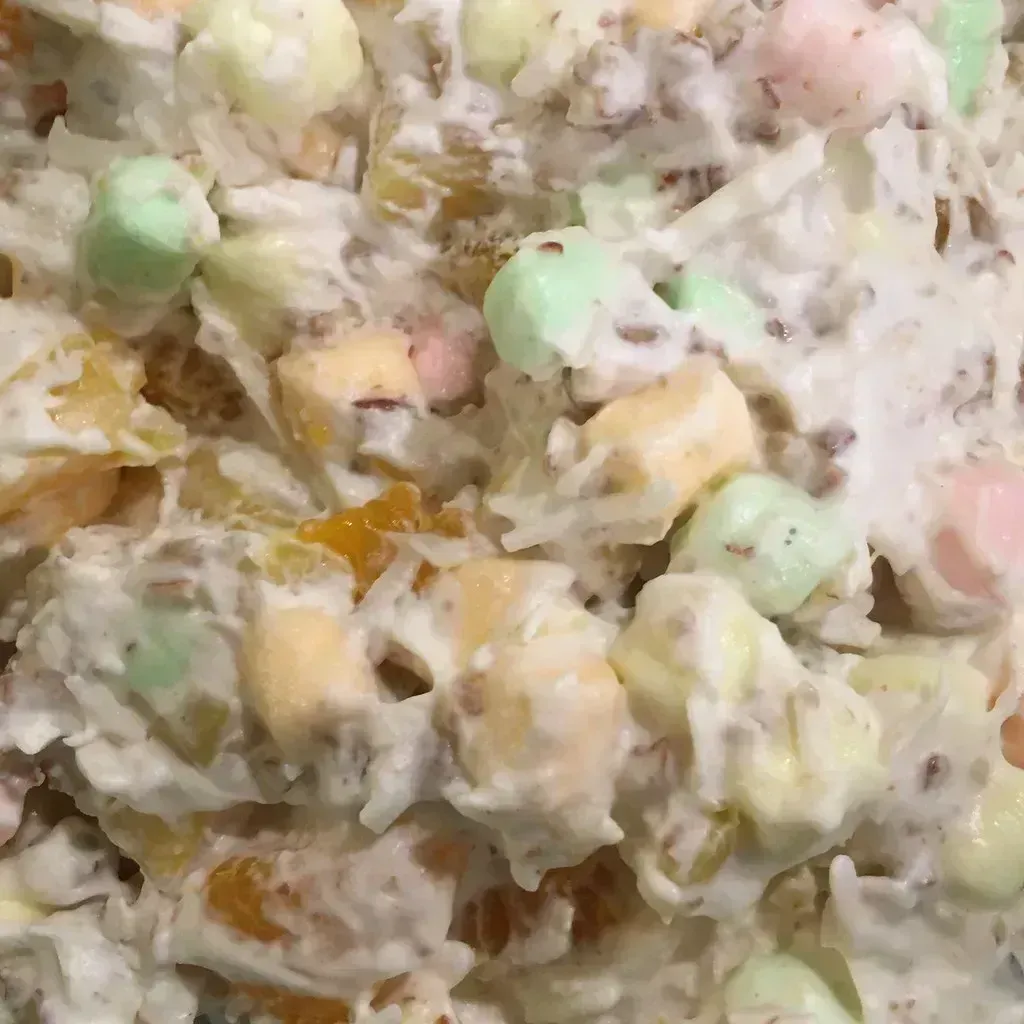
Ambrosia salad, a mix of canned fruit, marshmallows and sweetened cream, lost popularity as Americans reduced sugar intake, with dietitians reporting that a single serving often exceeds recommended daily added sugar limits. As dessert preferences shifted toward fresher fruit and less heavy or gelatin-rich options, ambrosia lost momentum, and now you mostly find it in vintage cookbooks, maybe at grandma’s house, but rarely in everyday menus or trendy dessert spots. With fresh fruit and yogurt becoming preferred alternatives, this fluffy pink concoction now appears mostly at regional potlucks rather than mainstream dining, a sweet reminder of simpler times when convenience and creativity collided.
These twelve dishes tell a larger story about how America eats. They remind us that food trends shift not just because of taste, but due to economic pressures, health consciousness, and the relentless march of convenience culture. While some of these forgotten foods might deserve to stay in the past, others truly deserve a second chance on modern menus.
Did any of these old-school favorites surprise you? Maybe your grandparents still make one of these dishes, keeping tradition alive in their kitchen.
Why These Foods Disappeared (And What Replaced Them)

The decline of these classic American dishes wasn’t random – it followed clear patterns that reshaped how we eat today. Most of these foods required actual cooking skills and time, something that became increasingly scarce as more households had two working parents by the 1970s and 80s. Frozen dinners, fast food chains, and eventually meal delivery services offered convenience that homemade liver and onions or codfish cakes simply couldn’t match. Health trends also played a brutal role, with organ meats and aspic-based dishes falling victim to cholesterol concerns and fat-phobic diets that dominated the 90s and 2000s. What’s fascinating is that many ingredients didn’t disappear entirely – they just transformed into something unrecognizable, like how canned fruit cocktail morphed into trendy acai bowls, or how the protein-packed sardine sandwich got replaced by equally fishy but more Instagram-worthy poke bowls. The shift reflects our changing relationship with food itself, where convenience and visual appeal often trump tradition and practicality.
The Surprising Comeback Kids Making a Return
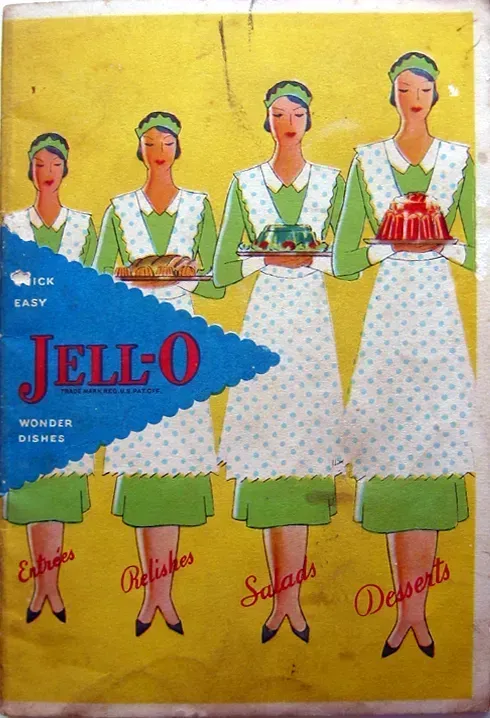
Here’s where things get really interesting – some of these forgotten foods are actually staging unexpected comebacks in the most unlikely places. Scrapple has become a hipster darling in Brooklyn brunch spots, rebranded as “artisanal pork terrine” and served with fancy mustards that cost more than the entire original dish. High-end restaurants are putting liver back on menus, calling it “offal” and charging $38 for what grandma made for $3. Even Jell-O salads are popping up at ironic dinner parties and vintage-themed weddings, though now they’re called “savory gelées” and feature organic ingredients. The nose-to-tail movement has given dishes like mock turtle soup a second life, with chefs celebrating the resourcefulness our grandparents practiced out of necessity. What’s wild is that Gen Z discovers these foods on TikTok and treats them like archaeological finds, completely unaware their own great-grandparents ate this stuff every Tuesday. The cycle of food trends has come full circle, proving that what’s old eventually becomes new again – just with better marketing and a 400% markup.
Regional Holdouts Where You Can Still Find the Real Deal

If you’re craving authentic versions of these vanishing dishes, you’ll need to know exactly where to look – because they’re hiding in plain sight in America’s most unexpected corners. Pennsylvania Dutch country remains the undisputed scrapple capital, where local diners still serve it crispy and unapologetic every morning alongside eggs. Head to Cincinnati and you’ll find goetta on nearly every breakfast menu, treated like the local treasure it is rather than some culinary curiosity. The Upper Midwest keeps German heritage foods alive at church suppers and small-town cafés where buckwheat pancakes aren’t trendy – they’re just Tuesday. New England fishing communities still whip up proper codfish cakes, though you’ll need to befriend a local to find out which unmarked shack makes them best. Southern church basements are your best bet for discovering tomato aspic and ambrosia salad in their full glory, served by ladies who’ve been making the same recipes since 1967. These aren’t museum pieces or Instagram fodder – they’re living traditions maintained by communities who never stopped eating them, blissfully unaware the rest of America moved on decades ago.