12 Vintage Dishes Middle-Class Homes Served in the ’60s (Do You Recall Any?)
The 1960s dinner table was something else entirely. Think shimmering gelatin molds next to casseroles, all promising convenience and a touch of suburban sophistication. Walking into a middle-class American kitchen back then meant encountering dishes that today seem wildly creative, oddly experimental, or downright baffling. Yet these meals defined an era when canned goods ruled supreme, freezers were still somewhat novel, and Julia Child was just beginning to change how we thought about food. Let’s be honest, some of these dishes have vanished for very good reasons. Others? Well, they’re worth remembering.
1. Tuna Noodle Casserole
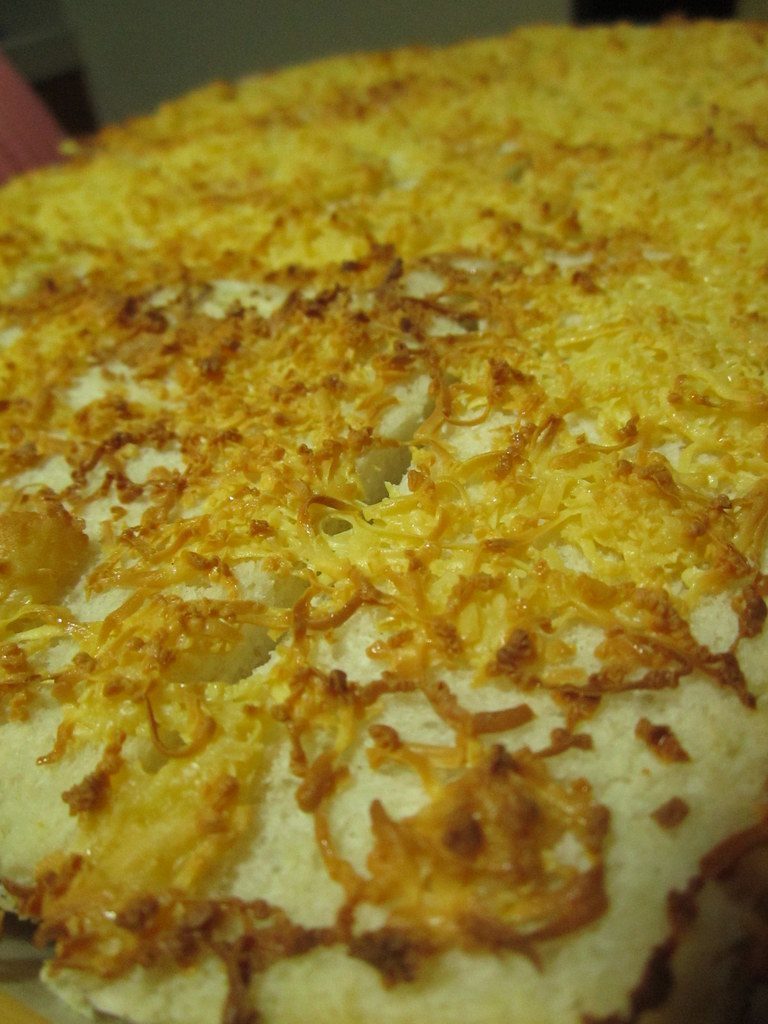
The tuna casserole was a staple of the 1950s and 1960s dinner table, containing canned tuna, canned mushroom soup, and various seasonings. According to surveys of the era, eight out of ten households served canned tuna once a week, with tuna fish casseroles in the top three. Topped with crushed potato chips or breadcrumbs for that essential crunch, this dish was pure budget-friendly comfort. It showed up everywhere from church suppers to weeknight dinners, and honestly, it wasn’t trying to be fancy. Campbell’s promoted recipes using canned soup, including tuna casserole, in the early 1950s, cementing its place in American kitchens.
2. TV Dinners
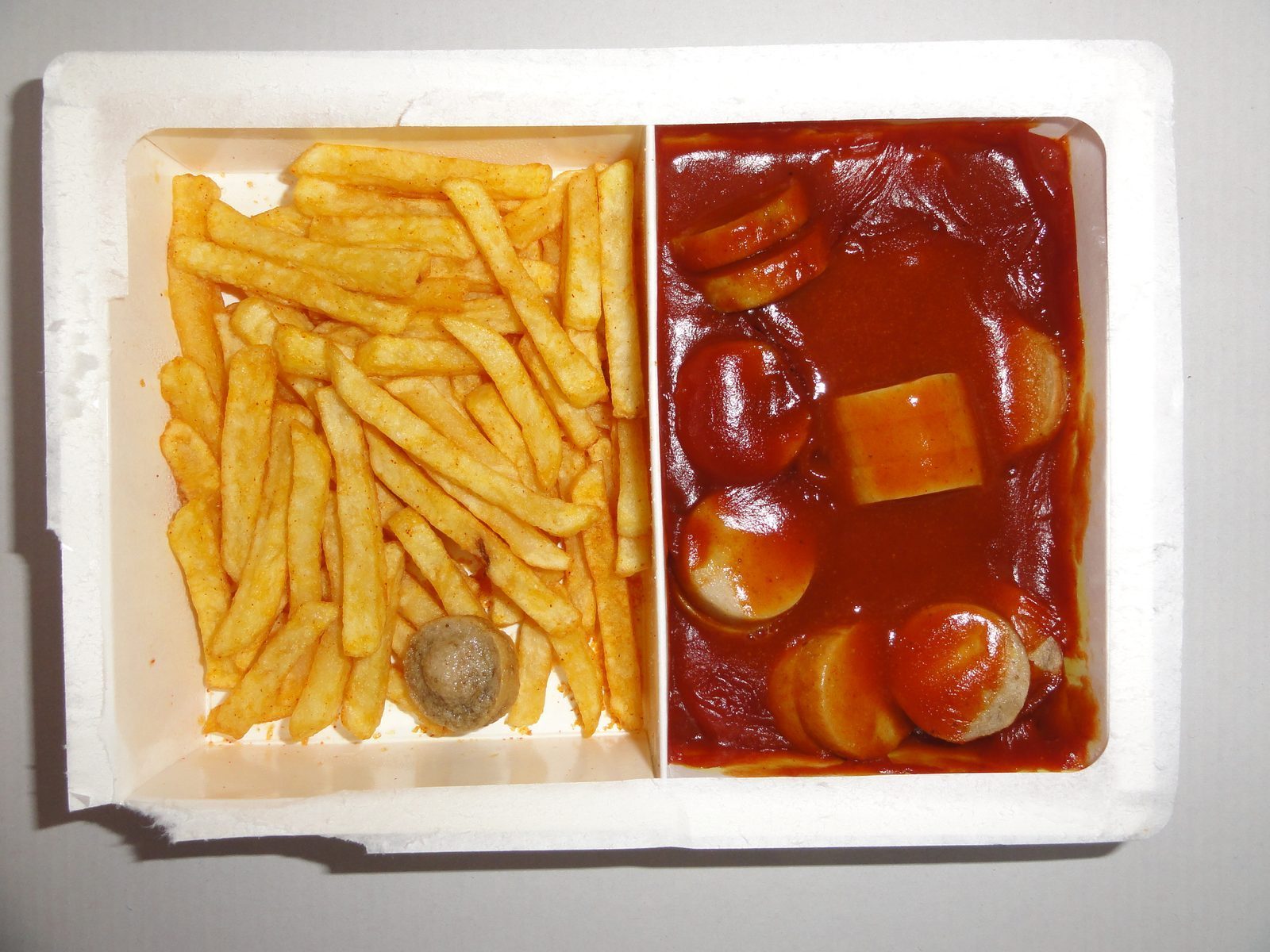
By 1960, more than 87 percent of U.S. households had television sets, making the timing perfect for frozen meals. The Swanson & Sons’ TV dinner branded frozen meal sold 5,000 units when it was introduced in 1954; just one year later, the company had sold over 10,000,000 TV dinners. Those aluminum trays with neat little compartments kept your turkey from touching your peas, which apparently mattered a lot to folks. Swanson’s invention let families enjoy turkey, mashed potatoes, and vegetables while watching their favorite shows, requiring minimal preparation and transforming dinnertime rituals. Pop it in the oven for twenty-five minutes, and dinner was served in front of the glowing screen.
3. Green Bean Casserole
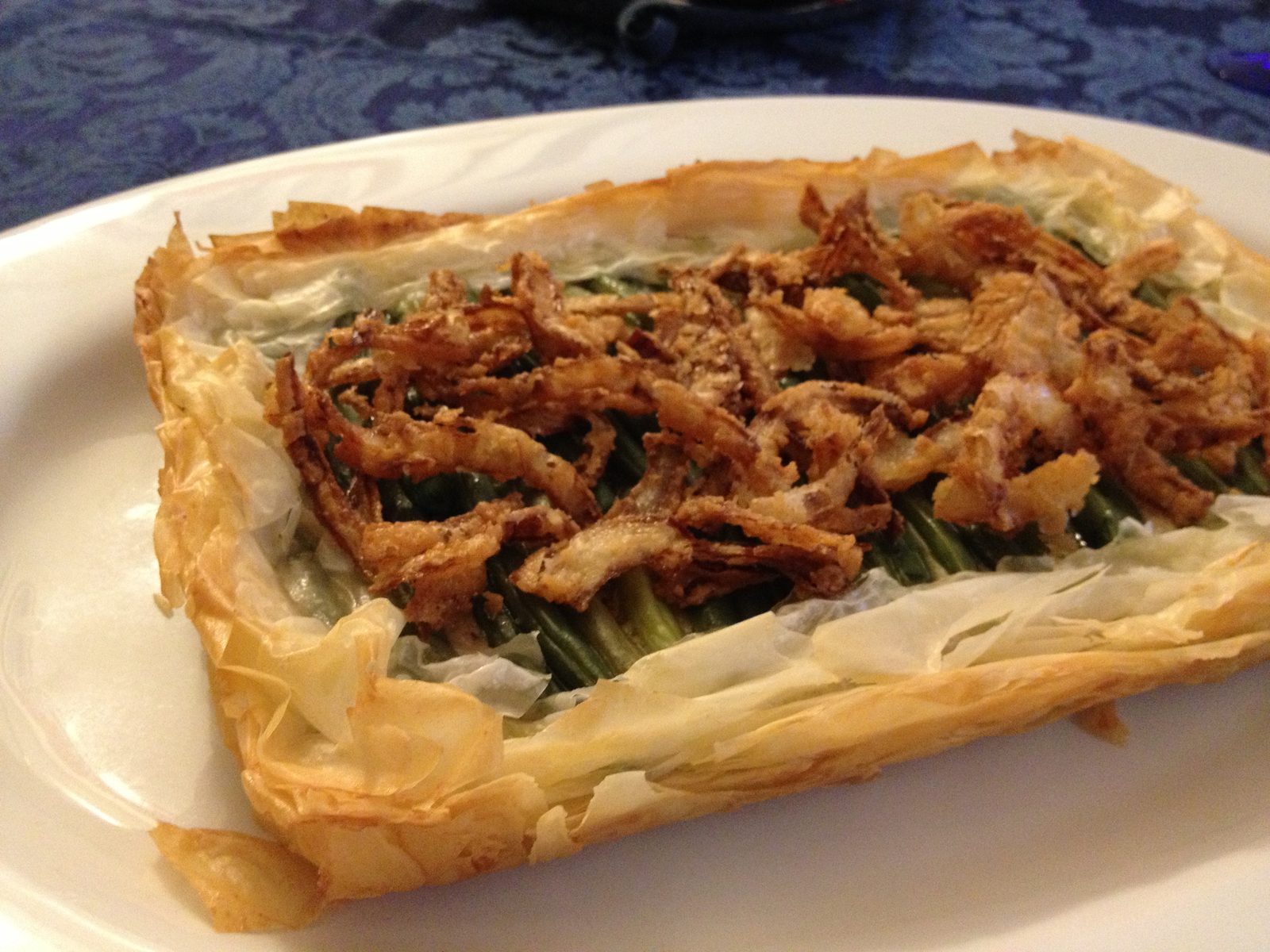
Few dishes scream 1960s louder than this one. Green Bean Casserole became a staple, showcasing the era’s comfort food and convenient cooking styles. Green beans swimming in cream of mushroom soup, crowned with those crispy French-fried onions – it was the vegetable side dish nobody asked for but somehow showed up at every Thanksgiving. The texture was a study in contrasts: mushy underneath, crunchy on top. Some loved it, some tolerated it, yet it became so embedded in American food culture that it’s still hanging around today, mostly out of nostalgia.
4. Jell-O Salads
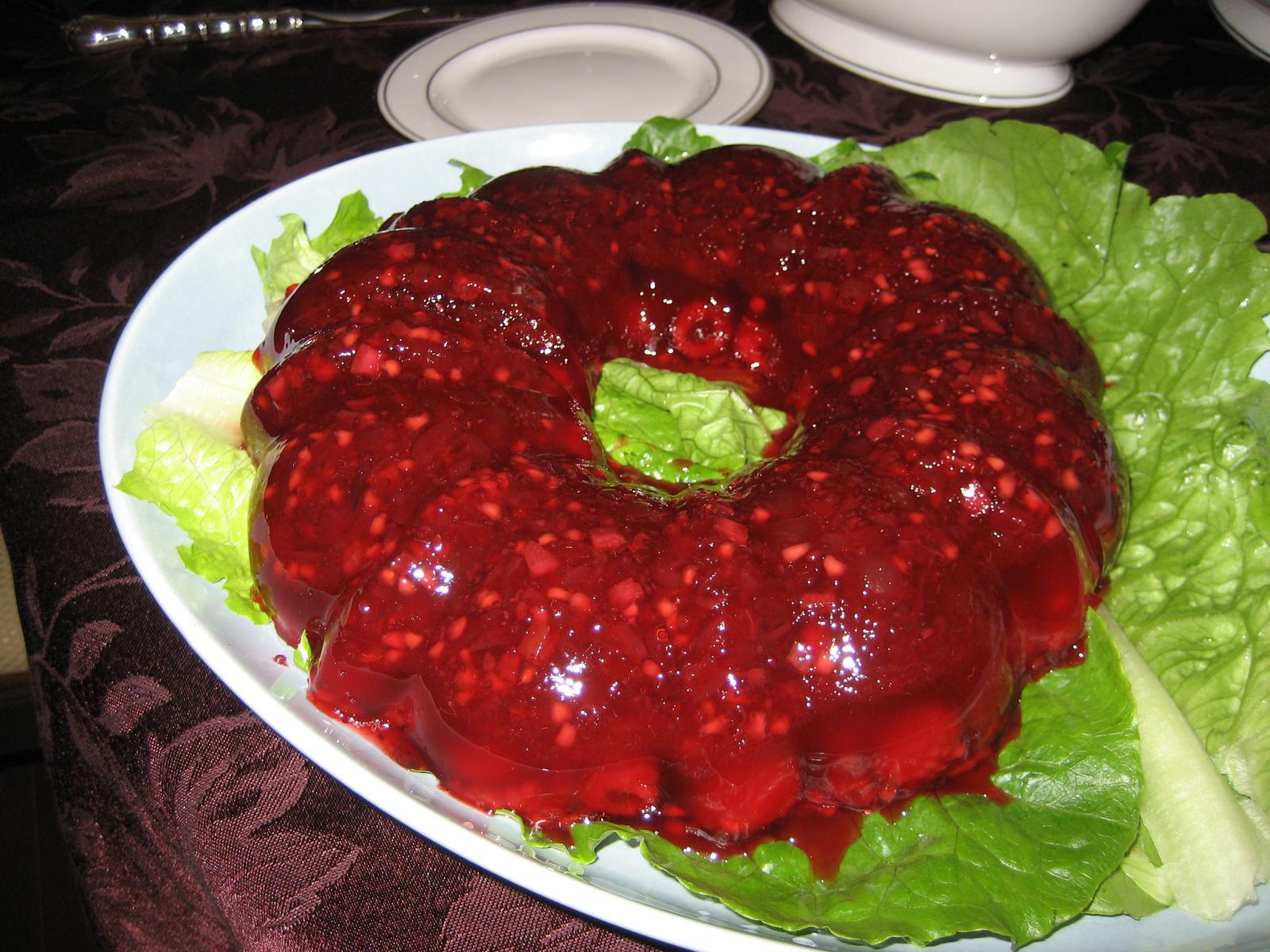
In the 1950s and 1960s, Jell-O salads were frequently savory. Cookbooks from the 1960s document savory Jell-O salads like Molded Avocado and Tuna, and lime gelatin molds with cottage cheese, pineapple, and even shredded carrots were common. These wiggly creations were status symbols in their own weird way. Jello salads were especially fashionable in the suburbs in the 1950s, seen as a marker of sophistication and status, indicating that a housewife had time to prepare jello molds and that her family could afford a refrigerator. The more elaborate the mold, the fancier you looked at the potluck. The decline began in the late 1960s and accelerated through the 1970s due to a growing interest in natural and whole foods.
5. Meatloaf
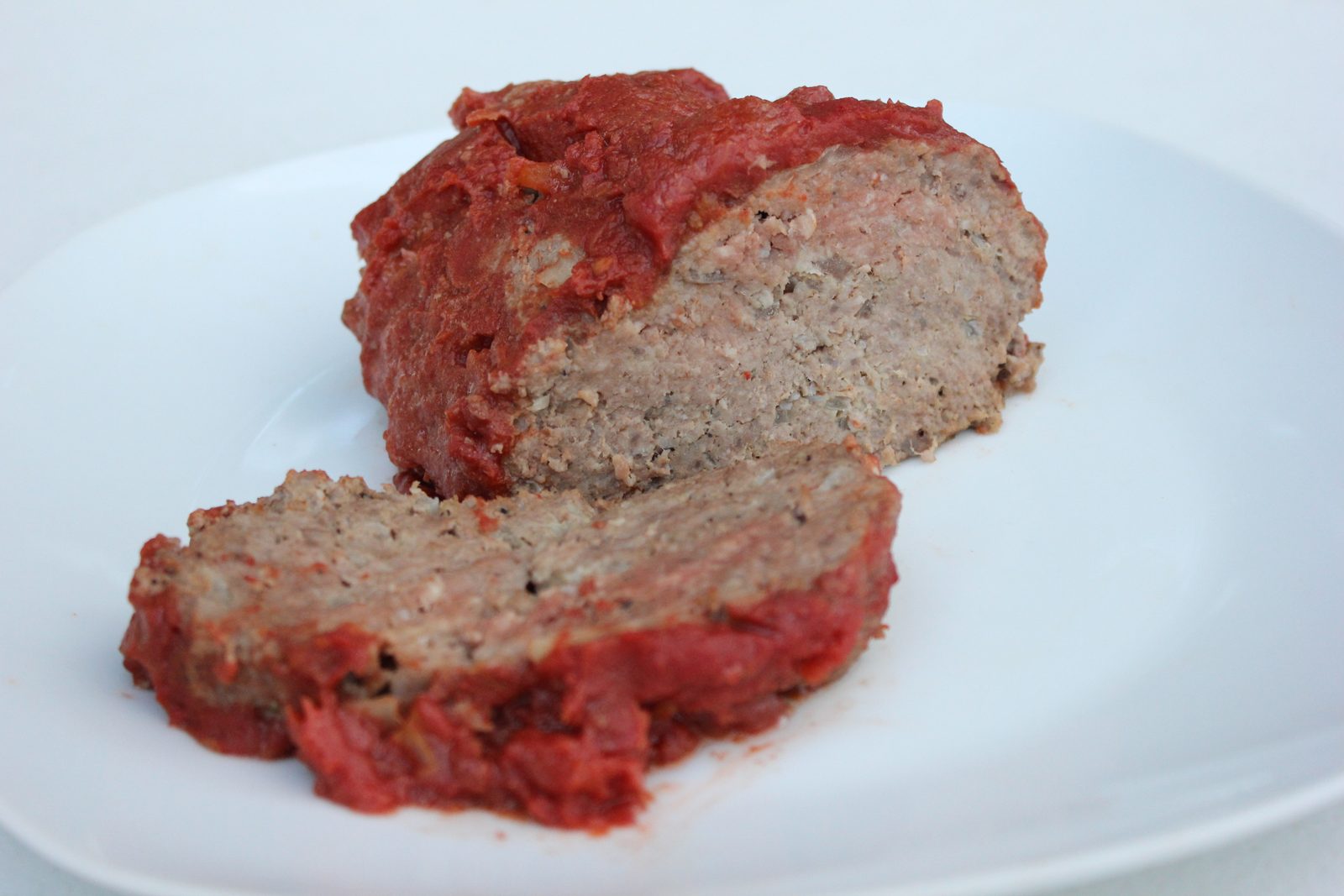
Meatloaf became a staple during the Great Depression when meat was pricey, and growing up in the ’50s and ’60s, it was a simple, cheap way to feed the family, then have leftovers for sandwiches the next day. Every household had its own version – some topped with ketchup, others with a tomato-based glaze. Ground beef mixed with breadcrumbs, onions, and whatever spices were handy created a dense, hearty loaf that could stretch a family’s budget. It wasn’t glamorous, yet it was reliable. Slathered in that tangy ketchup topping, it became the weeknight hero that nobody celebrated but everyone depended on.
6. Salisbury Steak
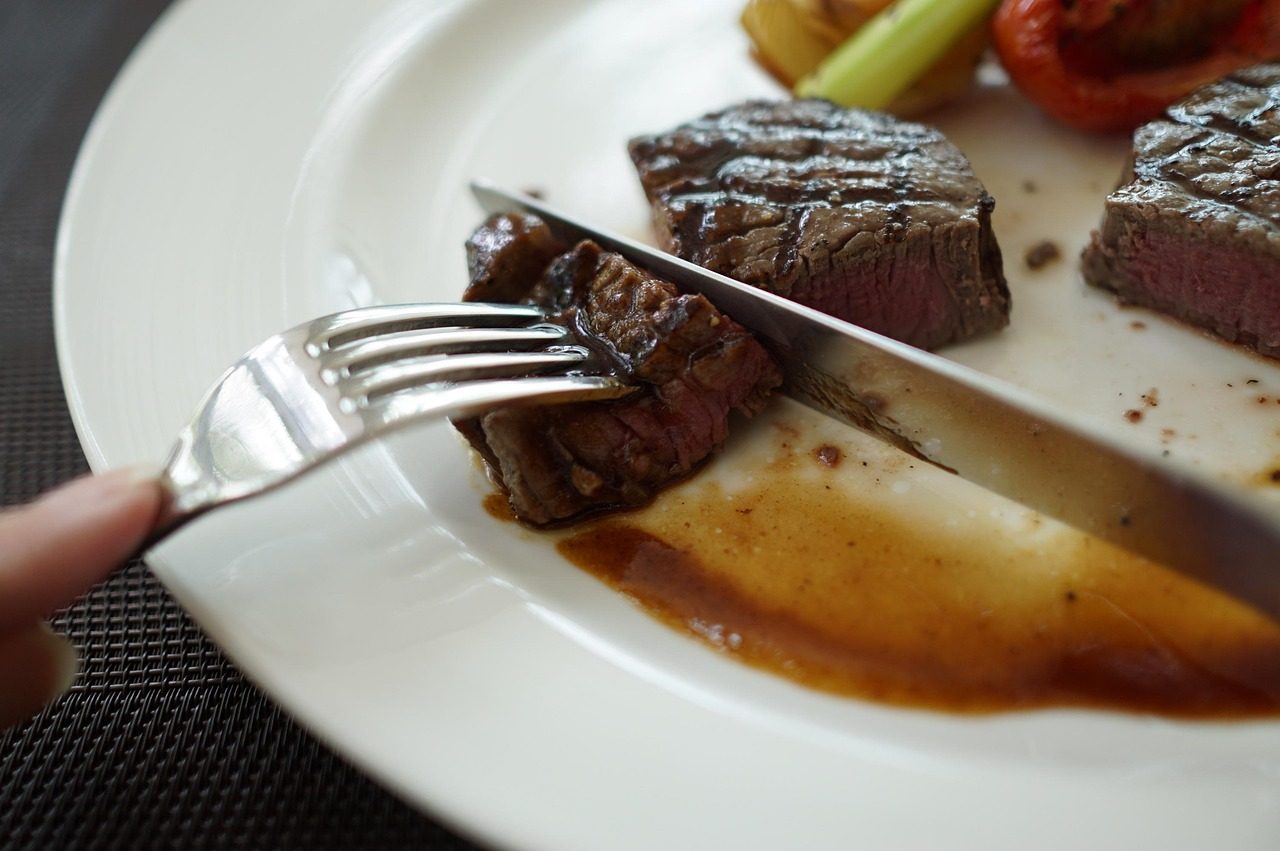
Swanson’s TV dinners gained even more popularity in the 1960s, typically including a meat portion, a starch like mashed potatoes, and a vegetable, becoming a symbol of modern, busy lifestyles. Salisbury steak was essentially a fancy name for a hamburger patty drowning in brown gravy. It showed up in TV dinners and on dinner plates across America, served with mashed potatoes and some sad peas. The gravy did most of the heavy lifting flavor-wise. Ground beef patties seasoned with onion and breadcrumbs pretended to be something more sophisticated than they actually were. Still, it filled stomachs and required minimal effort.
7. Pork Chops with Fruit Glaze
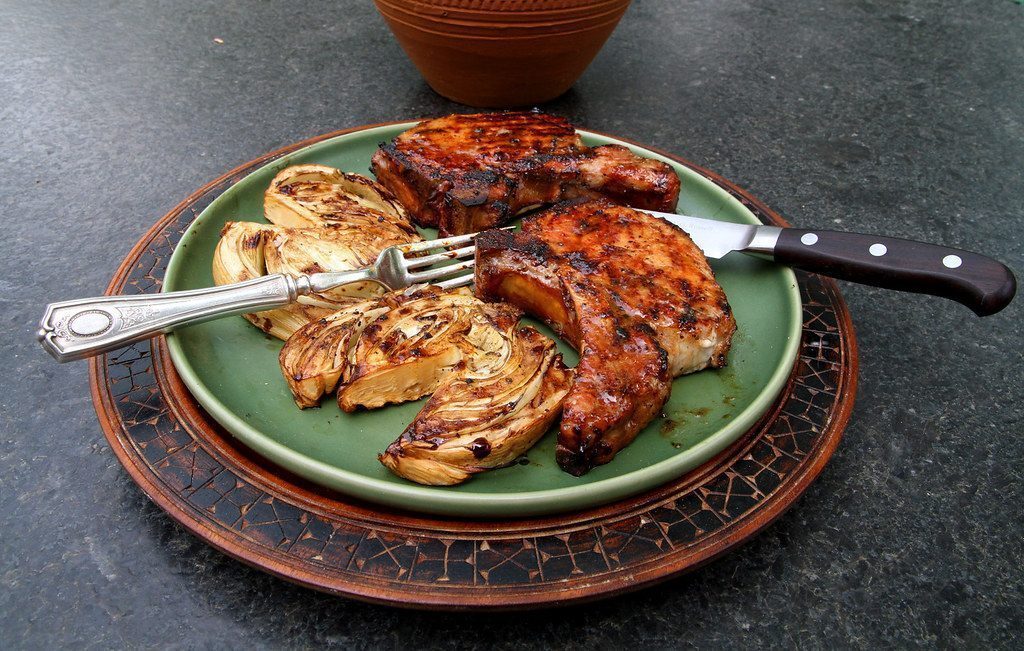
Pork chops had a big moment in the ’60s, usually served alongside some mashed potatoes and gravy, or maybe a fruit glaze if somebody was trying to be fancy. Apricot or pineapple glazes made regular pork chops feel like company food. The sweet-savory combo was peak midcentury dining, mixing canned fruit with meat in ways that now seem adventurous or misguided, depending on your perspective. These chops were affordable, and the fruit glaze gave home cooks a way to dress them up without breaking the bank or spending hours in the kitchen.
8. Beef Stroganoff
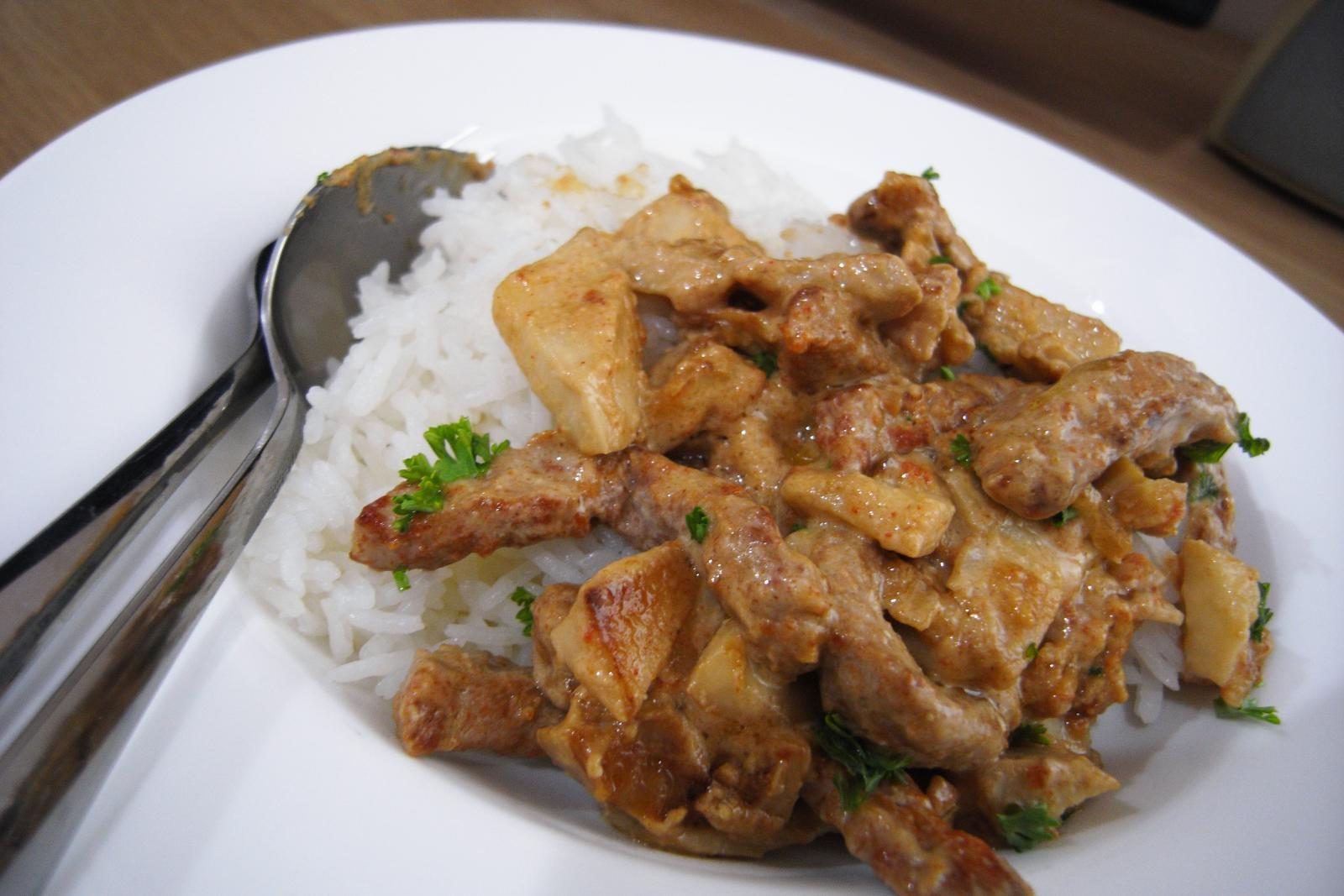
The story goes that this beef, noodles, and cream sauce dish exploded in America in the post-World War II era. Slippery beef strips lurking in a creamy sauce over egg noodles felt vaguely exotic yet was simple enough that anyone could manage it. Sour cream, beef, and mushrooms created a rich, comforting dish that dominated dinner parties. It cleared the low bar of sophistication for a decade that also embraced ham encased in gelatin, so expectations were flexible.
9. Swedish Meatballs
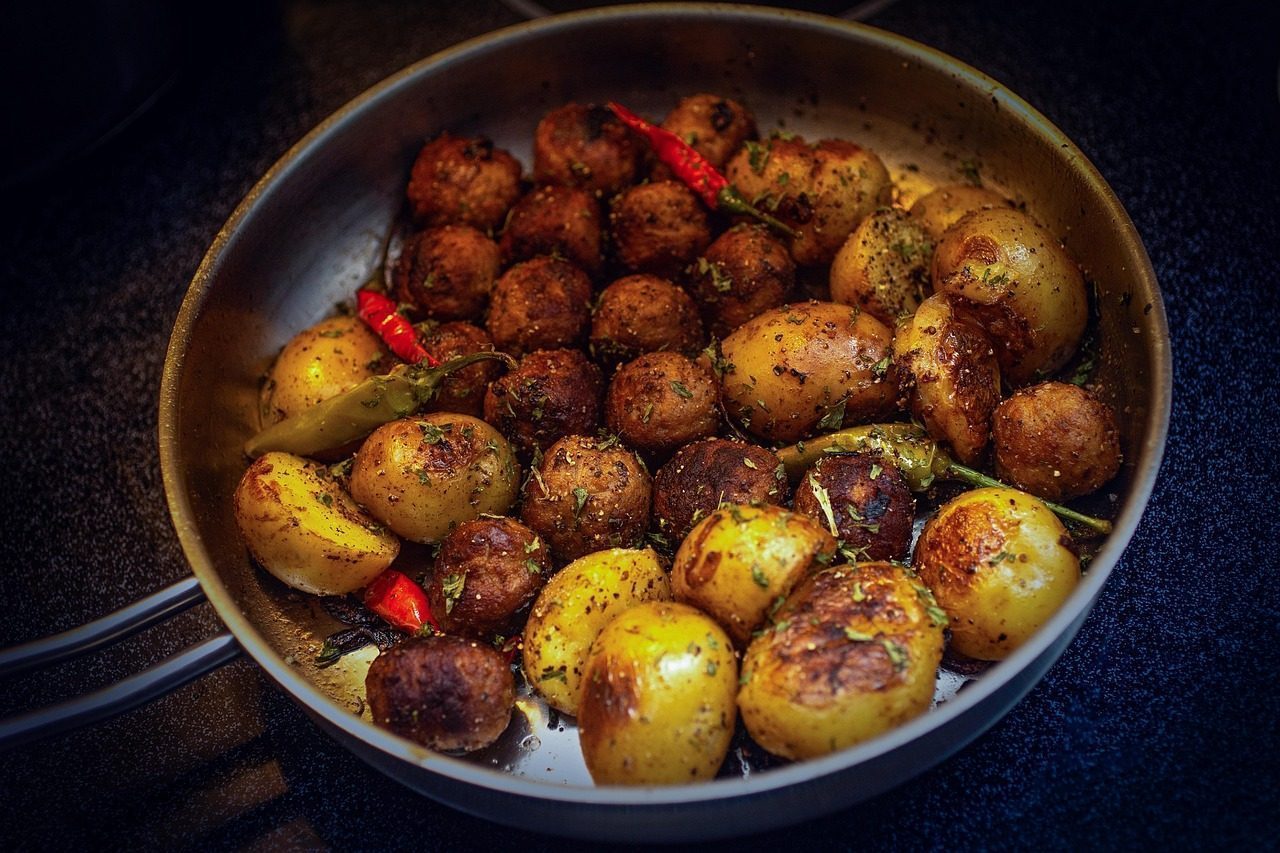
In the ’50s and ’60s, Scandinavian design and culture became popular in the U.S., and part of that was the popularity of Swedish meatballs, which were made far easier by the accessibility of cream of mushroom soup. Tiny savory meatballs bathed in creamy gravy became the sophisticated alternative to their Italian cousins, served with toothpicks at parties or over egg noodles for family dinners, with a combination of beef and pork, spiced with nutmeg and allspice. That gravy – often made with sour cream – was essential, providing perfect dipping for rye bread slices. They were party food that felt grown-up yet remained approachable.
10. Chicken à la King
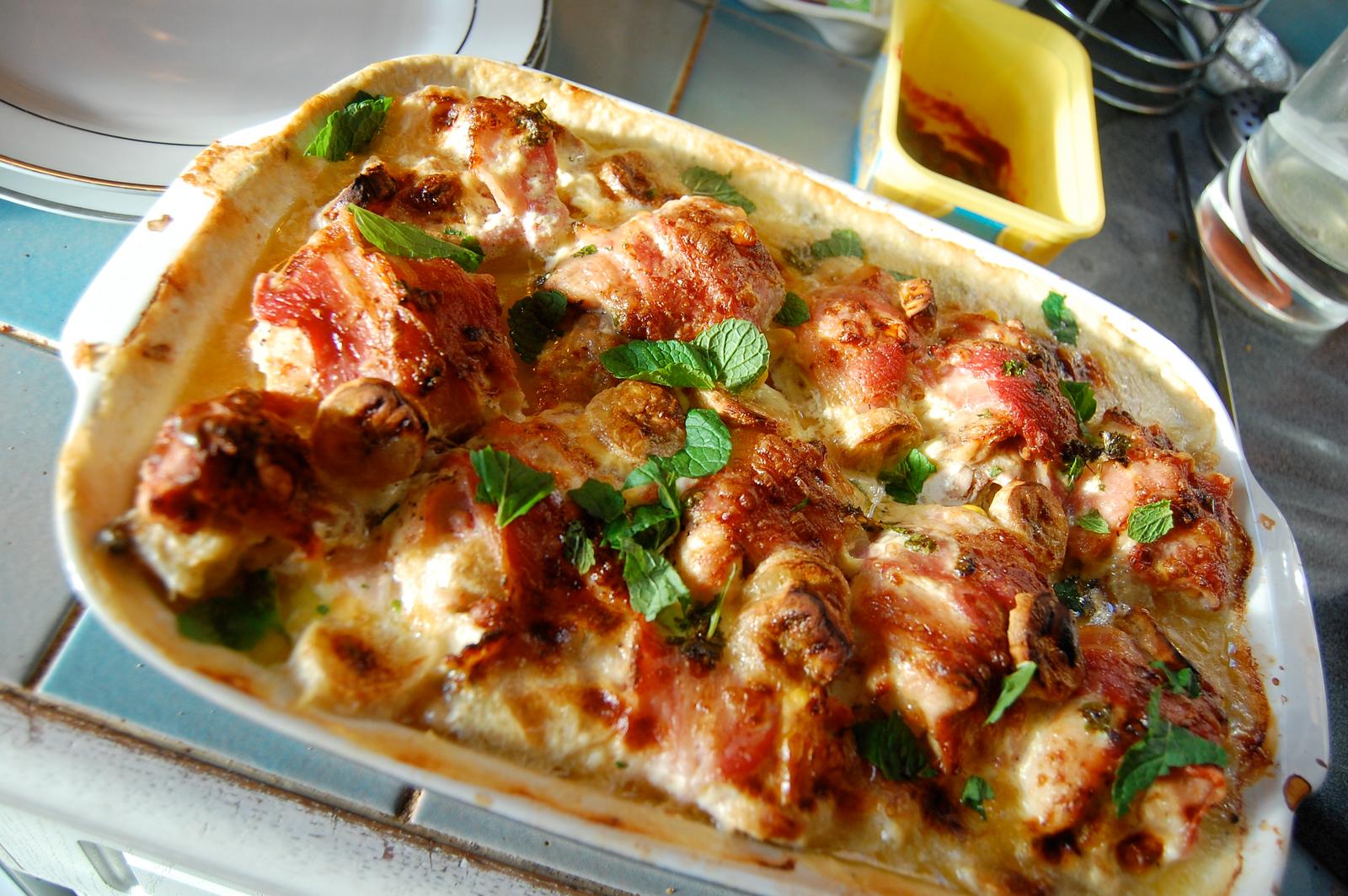
Consisting of diced chicken served in a mushroom cream sauce over pasta, rice, or bread, this classic may have been invented at Delmonico’s in New York. Chicken, peppers, and mushrooms smothered in a creamy sauce gave people the illusion of class, served over toast, rice, or noodles. The sauce was creamy, the pimentos added a pop of color, and it felt restaurant-fancy even when made from a can. This was dinner party material, signaling sophistication without requiring actual culinary skill.
11. Pineapple Upside-Down Cake
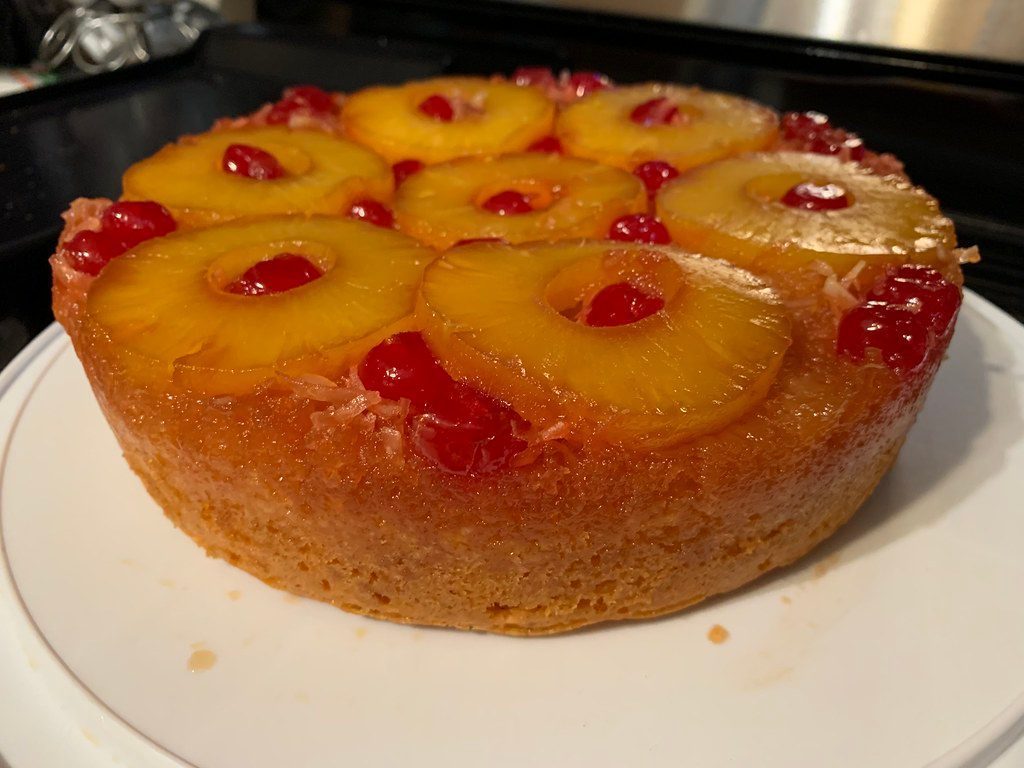
A pineapple upside down cake won the first Dole recipe contest in 1926, and by the 1950s and 1960s, the cake was at the peak of its popularity perhaps because of the ease of using boxed cake mixes. Those caramelized pineapple rings with their maraschino cherry centers created a sticky-sweet masterpiece that looked impressive with minimal effort. The glossy pattern dazzled guests when you flipped it over. Honestly, that syrupy, buttery goodness made it a show-stopper, proving that a little drama went a long way in midcentury kitchens.
12. Ambrosia Salad
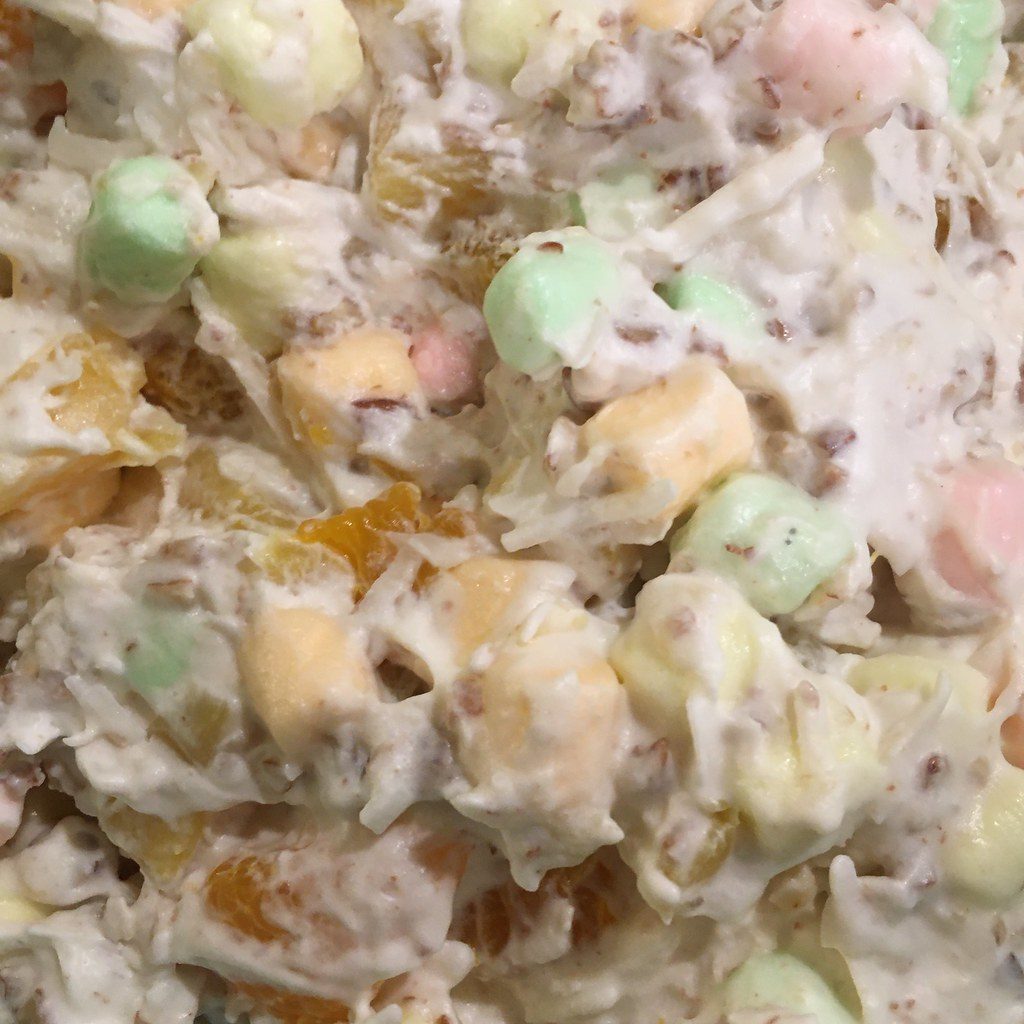
Gelatin and whipped toppings were often added, and Ambrosia’s origins are hazy, but it’s a dish still beloved in the South and many other parts of the country. Oranges, coconut, marshmallows, and Cool Whip combined in a pastel-hued medley that blurred the line between side dish and dessert. It showed up at potlucks and holiday tables, sweet and creamy and utterly divisive. Some folks considered it a salad because it had fruit; others saw it as dessert in disguise. Either way, it was a fixture of the era, embodying that peculiar midcentury willingness to mix flavors without overthinking it.
These twelve dishes capture a fascinating moment in American food history. The 1960s middle-class table was all about convenience, creativity within limits, and making the most of what supermarkets offered. Some of these meals have earned their retirement, living on only in vintage cookbooks and hazy childhood memories. Others have proven surprisingly resilient, still appearing at holiday gatherings or inspiring modern reinterpretations. Whether you remember them fondly or with a shudder, they tell the story of a decade when American home cooking was evolving rapidly, shaped by new technologies, changing family dynamics, and a willingness to experiment with flavors and textures that today seem wonderfully, bizarrely bold. Did you expect to see any of these on the list?