The 4 Processed Foods Researchers Are Now Tying to Early Memory Decline
1. Sugary Drinks and Artificially Sweetened Sodas

Let’s be real, soda has been painted as a villain in health circles for years. What’s different now is how specific the science has become about your brain.
Research from Virginia Tech found that for each serving of soda consumed, there was a 6 percent increase in cognitive impairment. That’s not just theoretical damage decades down the road. A recent study published in September 2025 found that people consuming high levels of certain artificial sweeteners saw their cognitive abilities decline by 1.6 years. Think about that for a second: just one can of diet soda daily could effectively age your brain by more than a year.
The 2025 study examined seven low and no calorie sweeteners and found that people who consumed the highest amounts experienced faster declines in thinking and memory skills compared to those who consumed the lowest amounts. Interestingly, this applied more to people under sixty than older adults, suggesting midlife exposure might be particularly damaging.
2. Processed Meats

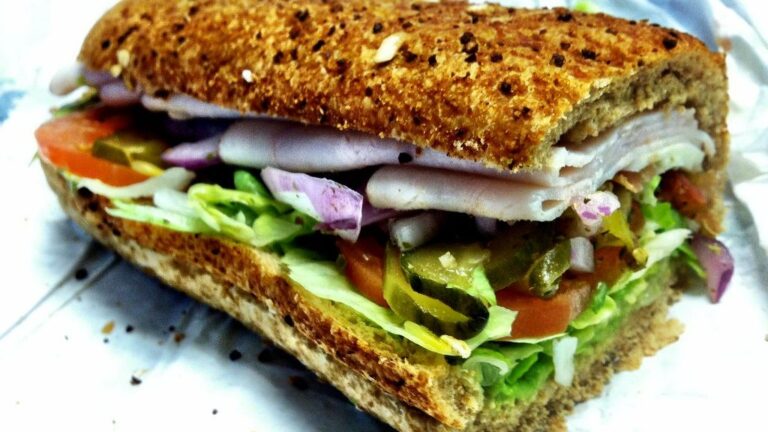
Here’s the thing about bacon, hot dogs, and deli meats: they’re convenient, tasty, and apparently terrible for your memory. A Virginia Tech study found a 17 percent increase in cognitive issues among people who consumed at least one serving of ultra processed meat a day.
An observational study published in the journal Neurology found that people who eat about two weekly servings of processed red meat are more likely to develop dementia than those who eat significantly less, and swapping a serving of the processed meats for a serving of nuts, beans or tofu may lower the risk of dementia by 20 percent. The culprit? Possibly the nitrites used as preservatives and the excessive sodium levels these meats contain.
One study specifically investigating ultra processed meat and oils suggested that high intake may be associated with accelerated cognitive decline in older individuals with Type 2 diabetes. Not just a little slower thinking, but measurable deterioration in brain function over time.
3. Packaged Snacks and Baked Goods

Chips, cookies, packaged breads, and those grab and go pastries? They’re now firmly in researchers’ crosshairs. A 2024 study published in Neurology found that people who eat more ultra processed foods like soft drinks, chips and cookies may have a higher risk of having memory and thinking problems and having a stroke than those who eat fewer processed foods.
Scientists found that middle aged people who ate the most junk food had a faster rate up to 28 percent of cognitive decline compared with people who ate the least junk food. That’s a staggering difference. People who ate a large amount ultra processed food in their diets experienced a 28 percent faster rate of cognitive decline compared with people who ate very little of it, according to a study that followed nearly eleven thousand people in Brazil over eight years.
The problem isn’t just one ingredient. These foods are typically loaded with additives, preservatives, unhealthy fats, and refined sugars while being stripped of fiber and nutrients your brain actually needs.
4. Ready Made Frozen Meals and Fast Food

Microwaveable dinners and fast food burgers might save you time, but they’re costing you something else. According to research from the Framingham Heart Study published in February 2025, each serving per day of ultra processed food was associated with 13 percent increased risk for Alzheimer’s disease. Even more alarming, consumption of ten or more servings per day versus less than ten servings per day of ultra processed food was associated with a nearly threefold increase in Alzheimer’s disease risk.
Researchers found that increased consumption of ultra processed foods resulted in a higher risk of stroke at 9 percent increased risk and accelerated cognitive decline at 12 percent increased risk, based on roughly ten years of data from over thirty thousand adults. The effects were particularly pronounced in certain populations, with Black participants showing even higher risk increases.
What makes these meals so problematic is their industrial processing. They contain ingredients you wouldn’t find in a home kitchen: hydrogenated oils, flavor enhancers, emulsifiers, and chemical preservatives designed to extend shelf life. Your brain doesn’t seem to appreciate the trade off between convenience and these synthetic additions.
Researchers estimated that switching out 10 percent of ultra processed foods with an equivalent proportion of unprocessed or minimally processed foods such as fruits and vegetables could lower dementia risk by 19 percent. That’s actually encouraging news. Small changes matter. You don’t have to overhaul your entire diet overnight to see potential benefits. Even modest reductions in how much processed junk you consume appear to offer meaningful protection for your brain. What’s your take on making those swaps?