Data Shows Where Food Prices Have Risen Fastest in 2025
Food prices continue climbing across the United States throughout 2025, though some categories surge far beyond others. Food prices are projected to continue rising, with government forecasts suggesting potential increases of around 3-4 percent year-over-year. What makes this year particularly challenging for families is the uneven nature of these increases, with certain staples hitting record highs while others remain relatively stable.
Egg Prices Spike Due to Avian Flu Crisis
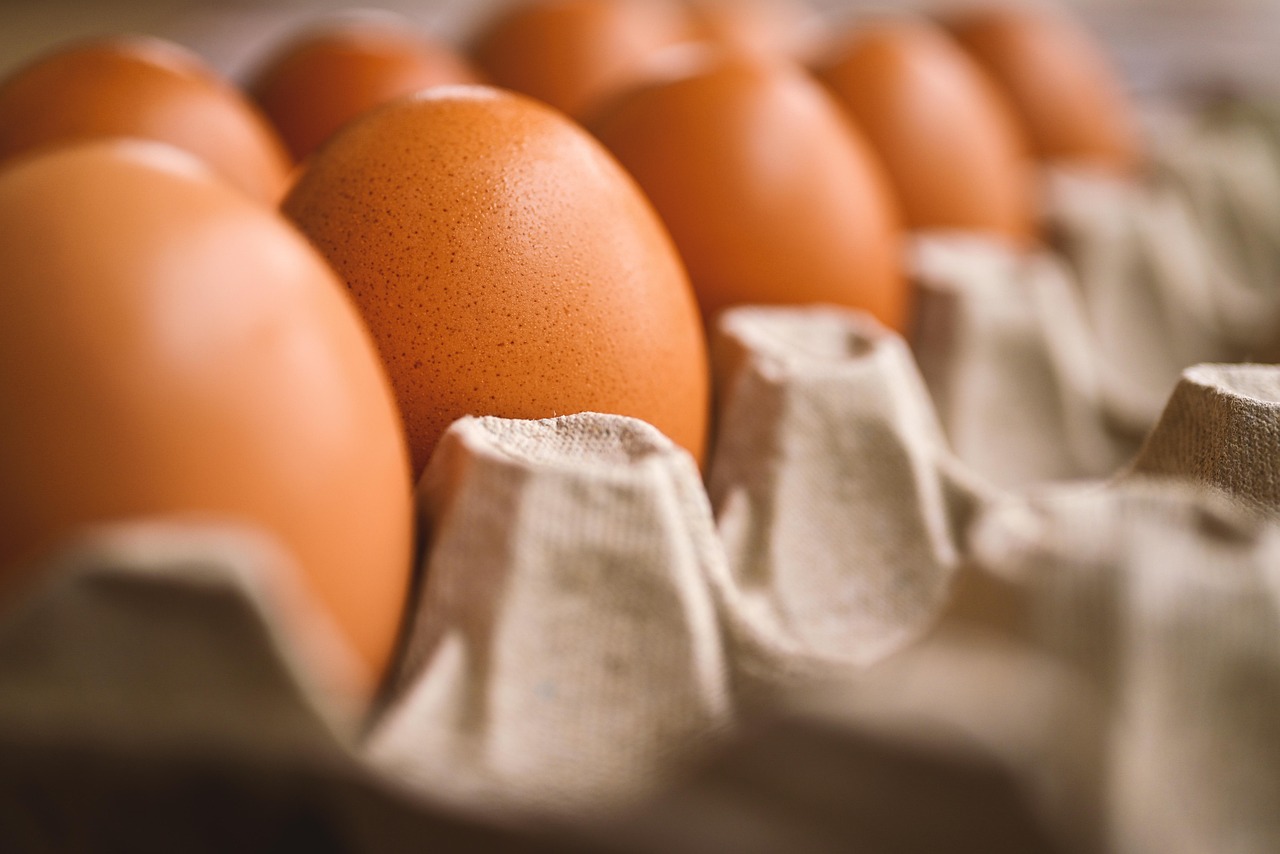
Eggs have experienced the most dramatic price increases in 2025, making them unaffordable for many American families. The most notable price surge is expected in the egg market, with a projected increase of 41.1% in 2025, driven by ongoing bird flu outbreaks that have devastated poultry farms across the nation.
The average price of Grade A Large Eggs had soared by 368% from $1.33 per dozen in mid-2020 to $6.23 at the peak of the second wave in March 2025. Though prices have started declining since then, egg prices in August 2025 were still 10.9 percent higher than in August 2024.
This dramatic rise is largely attributed to the ongoing highly pathogenic avian influenza (HPAI) outbreak, which has significantly impacted egg-laying flocks and production. In January 2025 alone, about 18.8 million commercial egg layers were affected by HPAI, marking the highest monthly total since the outbreak began in 2022.
Beef Prices Reach New Heights
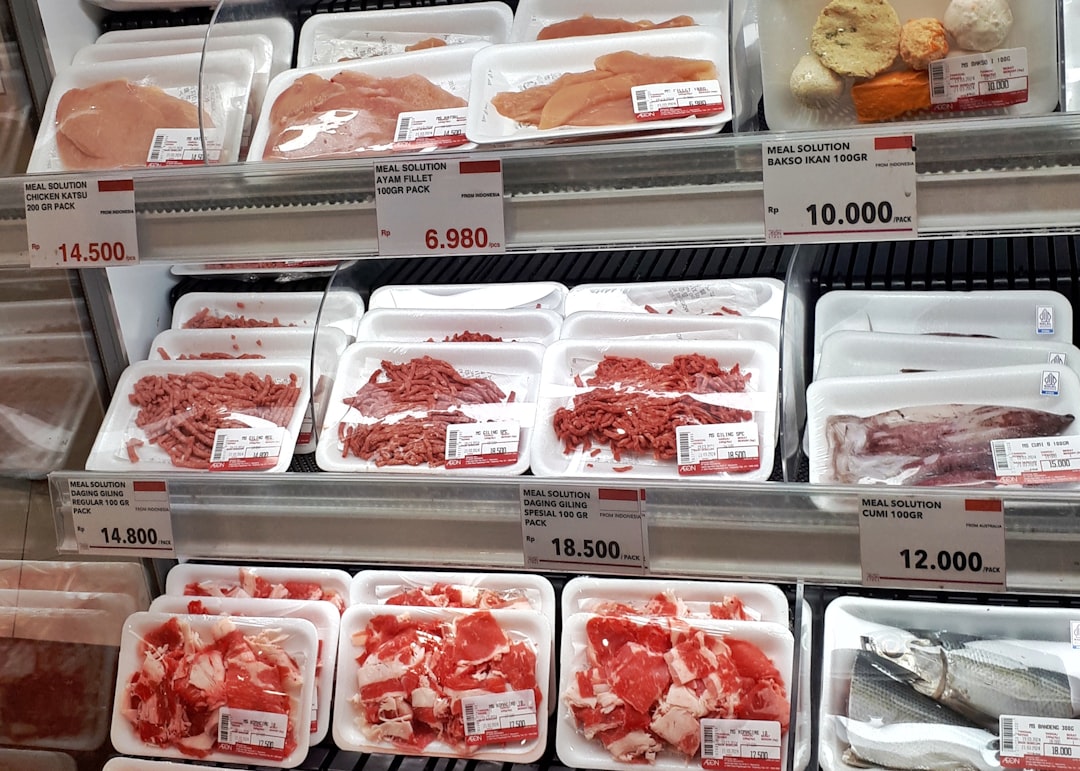
Beef costs have soared throughout 2025, making family barbecues and steak dinners increasingly expensive. Beef and veal prices increased by 2.7 percent from July 2025 to August 2025 and were 13.9 percent higher in August 2025 than in August 2024.
The primary driver behind rising beef prices is supply shortage. Beef prices have been soaring for five years, as the US cattle herd has dropped to a 64-year low for a number of reasons, causing tight supply. Droughts in the Great Plains have increased feed prices and shrunk cattle herds, pushing up beef costs.
Farm-level cattle prices are predicted to rise by 6.9% in 2025, while wholesale beef prices are expected to increase by 4.6%. These increases are attributed to tight cattle supplies resulting from a cyclical contraction of the cattle herd and a temporary import ban on cattle from Mexico.
Coffee Prices Continue Climbing
Coffee lovers are paying significantly more for their daily brew in 2025, with prices affected by both weather disruptions and trade policies. Coffee experienced a notable increase, with prices climbing nearly 10% due to tight global supply.
Heat and drought in Brazil and Vietnam have reduced coffee harvests, creating supply chain disruptions that directly impact American consumers. The situation has been made worse by new trade measures.
Proposed trade measures could potentially subject Brazilian coffee to significant tariffs, for example – a cost U.S. roasters are likely to pass on, the Tax Foundation says. Coffee beans are almost entirely imported, so a tariff would directly raise costs for roasters, which are then passed directly to consumers.
Sugar and Sweets Inflation Accelerates

Americans with a sweet tooth are feeling the pinch as sugar and sweets prices rise faster than most other food categories. Prices for sugar and sweets are predicted to increase by 4.9 percent in 2025, with a prediction interval of 4.2 to 5.7 percent.
The increases are particularly noticeable in candy and chocolate products. Prices are up in 2025 primarily for candy and chewing gum, a subcomponent of the CPI for sugars and sweets that includes most types of chocolate candy.
Prices for sugar and sweets increased by 0.9 percent from July 2025 to August 2025 and were 5.3 percent higher in August 2025 than in August 2024. Global commodity market volatility continues to affect sugar prices, creating uncertainty for manufacturers and consumers alike.
Restaurant Prices Outpace Grocery Stores

Dining out has become substantially more expensive than cooking at home, with restaurant prices rising at nearly twice the rate of grocery prices. The food-away-from-home (restaurant and other foodservice purchases) CPI increased 0.3 percent from July 2025 to August 2025 and was 3.9 percent higher than in August 2024.
Food-away-from-home prices are predicted to increase 3.9 percent, with a prediction interval of 3.6 to 4.1 percent. This contrasts sharply with grocery store prices, which are rising more moderately.
The food away from home index rose 3.7 percent over the last year, reflecting increased labor costs and operational expenses that restaurants pass on to customers through higher menu prices.
Nonalcoholic Beverages Show Steady Increases
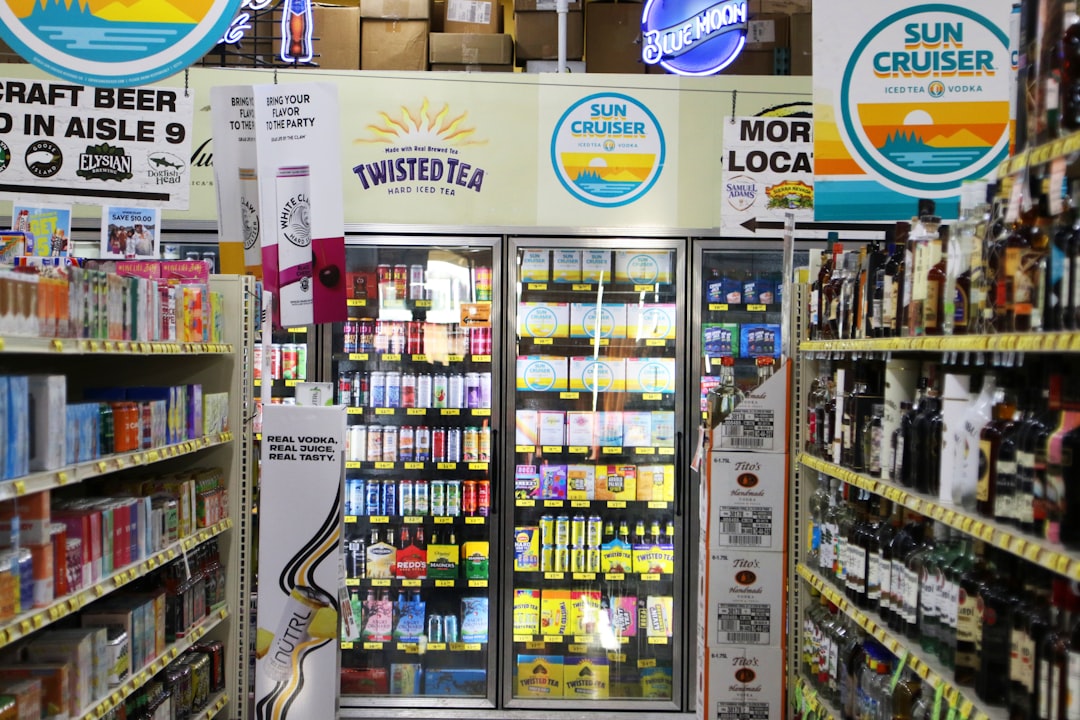
Prices for soft drinks, juices, and other beverages continue their upward trajectory throughout 2025. Prices for nonalcoholic beverages increased by 0.6 percent from July 2025 to August 2025 and were 4.6 percent higher in August 2025 than in August 2024.
Prices for nonalcoholic beverages are predicted to increase faster than the 20-year historical rate due in part to higher global coffee prices. Prices for nonalcoholic beverages are predicted to increase by 3.7 percent in 2025, with a prediction interval of 3.0 to 4.5 percent.
The category encompasses everything from bottled water to energy drinks, with supply chain costs and packaging material expenses contributing to the overall price increases consumers are experiencing at checkout.
Dairy Products Experience Mixed Results
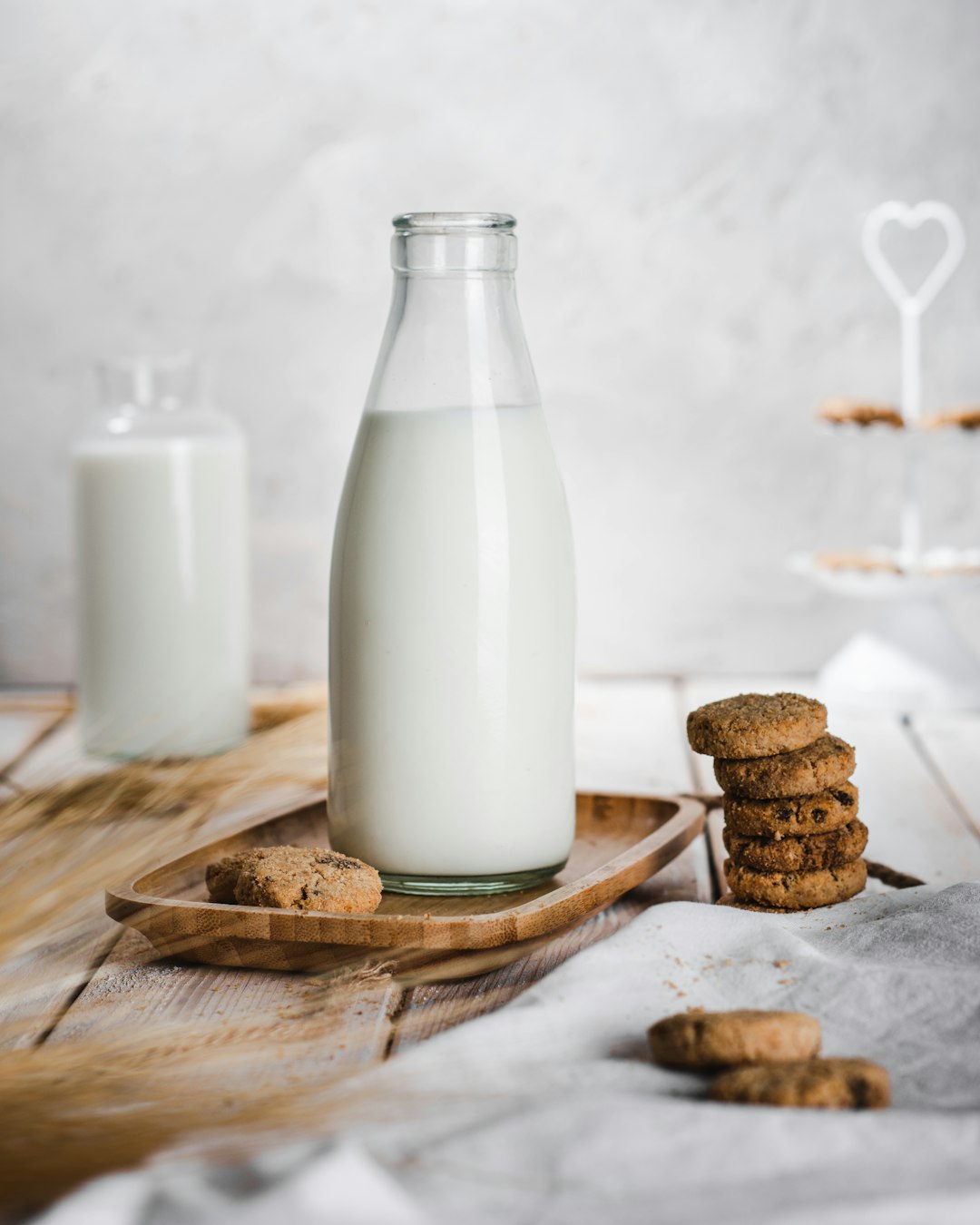
The dairy sector presents a complex picture in 2025, with some products rising while others remain stable. The index for dairy and related products increased 0.7 percent over the same period compared to the previous year.
However, the dairy and related products index declined 0.5 percent in September as the cheese and related products index decreased 0.7 percent, showing month-to-month volatility in this category.
Retail dairy inflation surged 7.7%, driven by biosecurity costs and labor shortages, while H5N1’s spread to raw milk consumers underscored public health risks. Despite some moderation in wholesale prices, retail consumers continue facing elevated costs for milk, cheese, and yogurt products.
Fresh Vegetables Show Seasonal Volatility
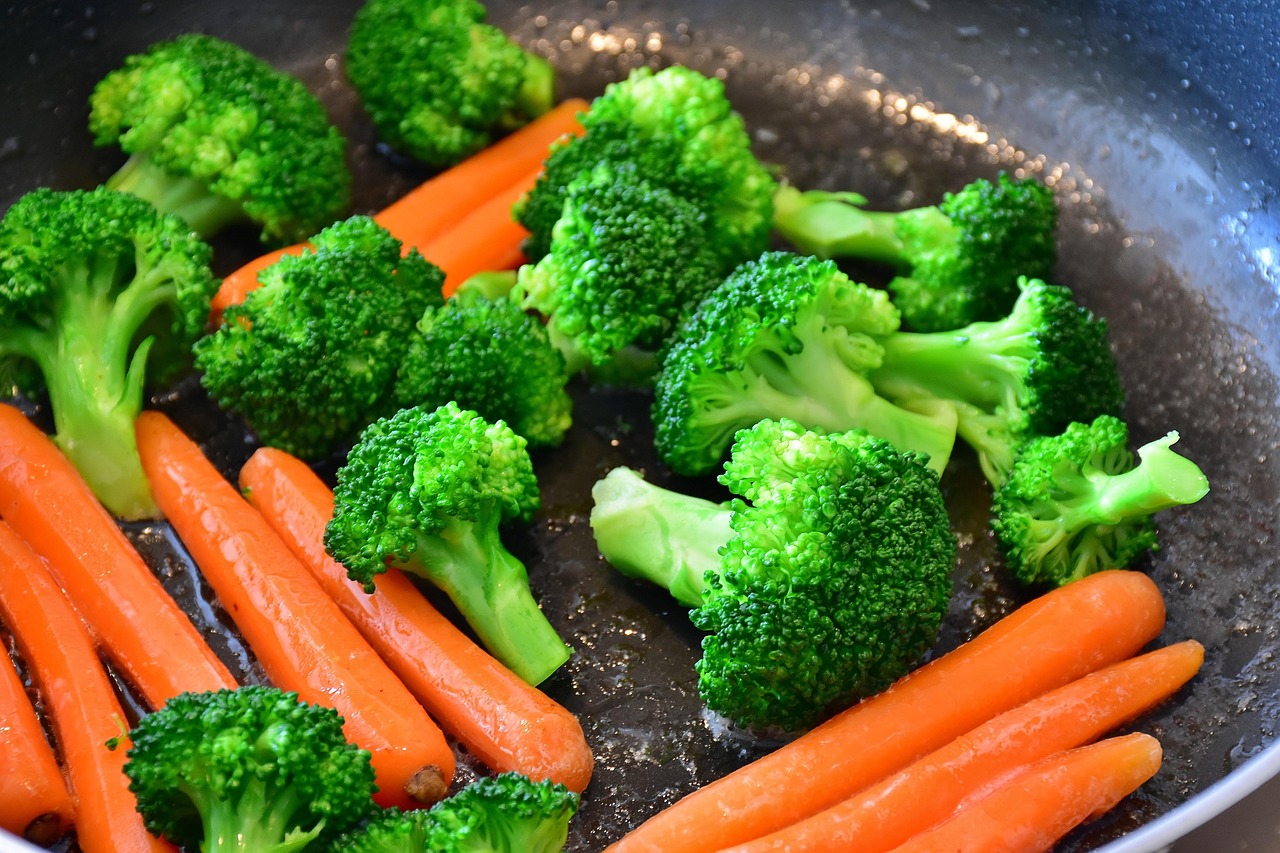
Vegetable prices have experienced significant ups and downs throughout 2025, largely due to weather patterns and regional growing conditions. Retail fresh vegetable prices increased by 2.8 percent from July 2025 to August 2025 and were 2.9 percent higher than in August 2024.
The year started with some relief for consumers. Retail prices fell in the first six months of 2025 for fats and oils (down 0.6 percent), as well as fresh vegetables (down 2.0 percent), as markets recovered from previous year’s disruptions.
Lettuce and tomato prices dropped more than 6% thanks to improved growing conditions in California. However, prices for one category, fresh vegetables, are predicted to remain unchanged. Fresh vegetables are expected to cost about what they did in 2024 on average for the full year.
State-by-State Variations Show Regional Disparities
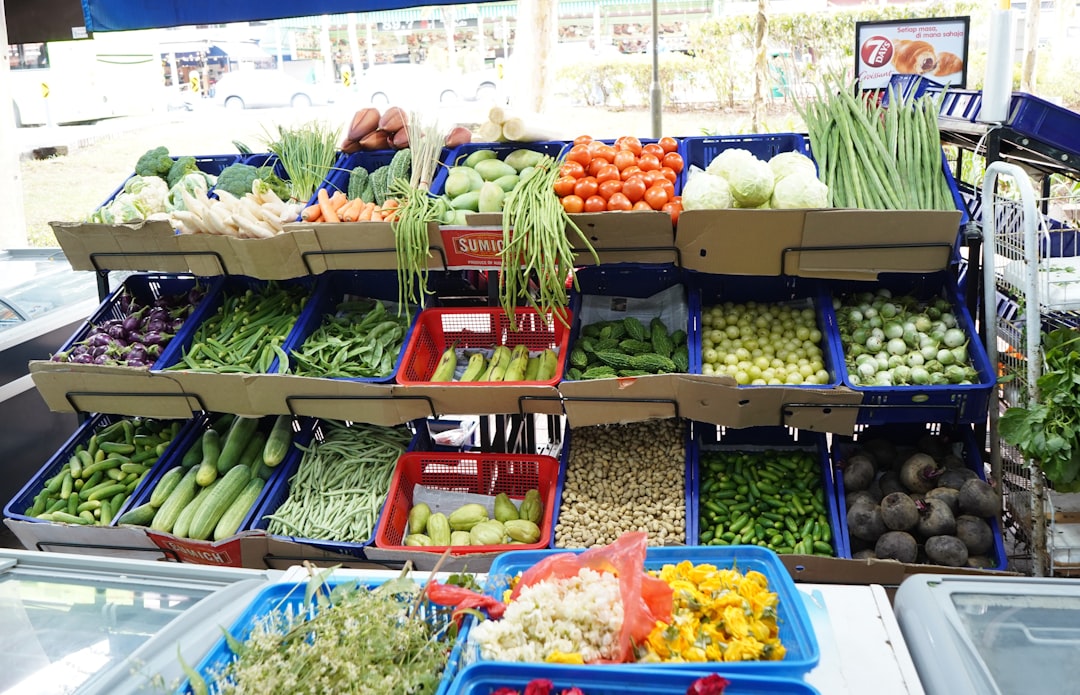
Food price increases vary dramatically across different states, creating unequal impacts on American families depending on where they live. Regional variations in food price increases are expected to continue, with some northeastern states potentially experiencing higher increases.
Other regions may experience more moderate price increases. A Colorado family of four that spends an average of $750 a month on groceries saw their food bill rise by $21.75 a month in 12 months. A Pennsylvania family of four spending the same amount is forking over an extra $61.50 a month, for a difference between the two families of $477 over the course of a year.
Analysts expect that states with the largest increases will likely be in these prices are clustered in the Northeast and mid-Atlantic states. These regional differences reflect local supply chain costs, state regulations, and competitive market structures that affect final consumer pricing.
The dramatic food price increases hitting American families in 2025 stem from multiple interconnected factors including disease outbreaks, weather disruptions, supply chain constraints, and trade policies. While some categories like eggs and beef face exceptional price pressure, the overall trend shows food costs rising faster than general inflation, putting strain on household budgets nationwide. What do you think about these rising prices? Tell us in the comments.
Urban vs Rural: The Geographic Price Gap Nobody’s Talking About
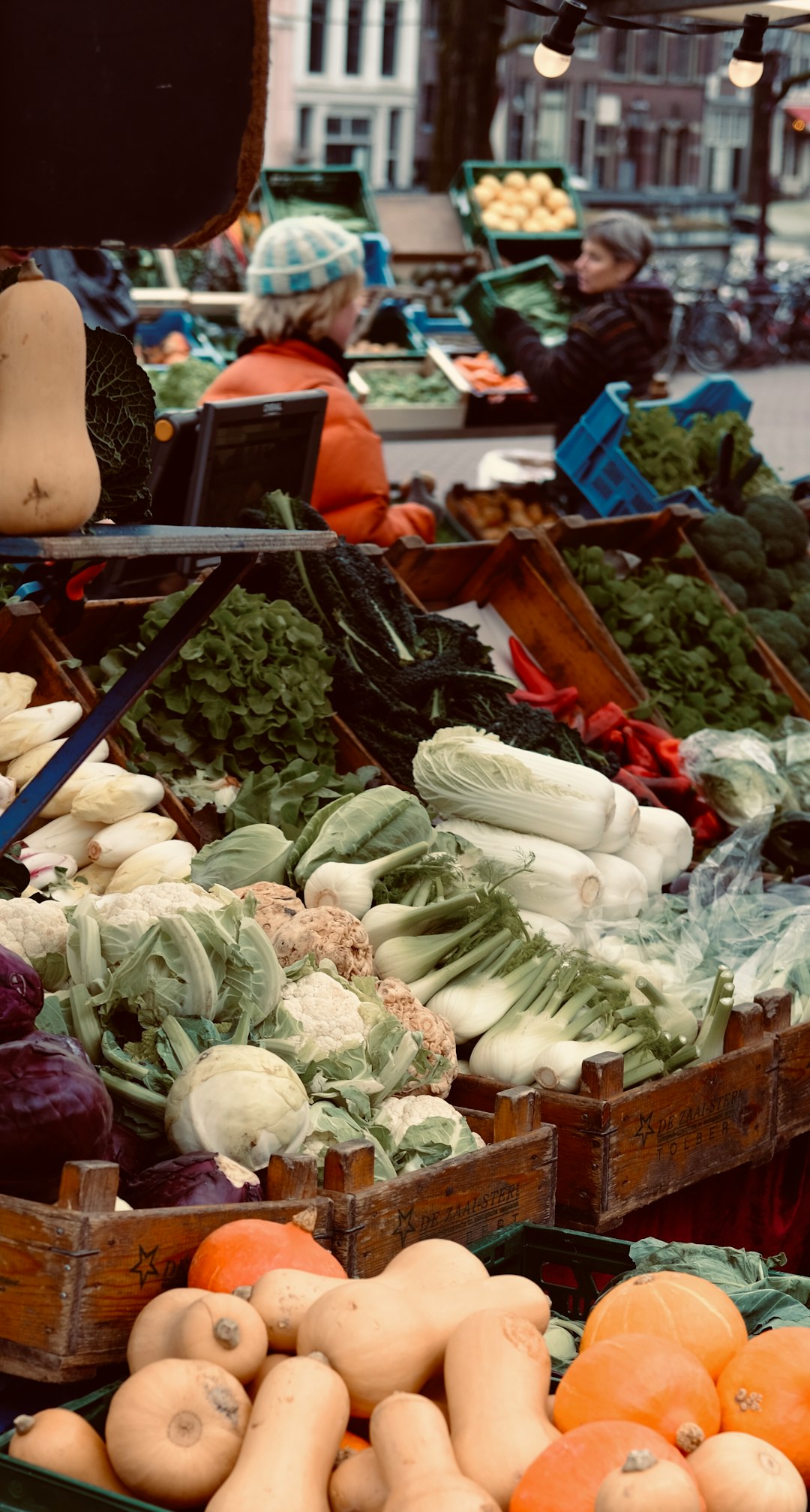
Here’s something that might shock you – where you shop matters just as much as which state you call home. Urban shoppers in major metropolitan areas are getting hit with a double whammy: not only are they dealing with state-level price increases, but they’re also paying premium prices compared to their rural counterparts for the exact same products. A gallon of milk in downtown Chicago can cost $2 more than the same brand sold at a rural Illinois grocery store just 90 miles away. Transportation costs, real estate expenses for store locations, and limited competition in dense urban areas all contribute to this hidden tax on city dwellers. Meanwhile, families living near agricultural regions often benefit from shorter supply chains and direct access to local producers, which can shave 15-20% off their grocery bills. This urban-rural divide means that two families earning identical incomes in the same state could be experiencing vastly different financial pressures from food inflation. The disparity becomes even more pronounced in food deserts – urban neighborhoods where access to affordable, quality groceries is severely limited and residents have no choice but to pay inflated prices at convenience stores.