If You Grew Up in the ’70s, These 7 Meals Will Bring Back Memories
Think of the 1970s and you might imagine bell bottoms, disco balls, and shag carpets. Yet the food of that groovy decade tells an equally fascinating story. These weren’t just recipes people prepared, they were cultural statements that reflected America’s changing relationship with convenience, international flavors, and communal dining.
Fondue Parties and Communal Dining
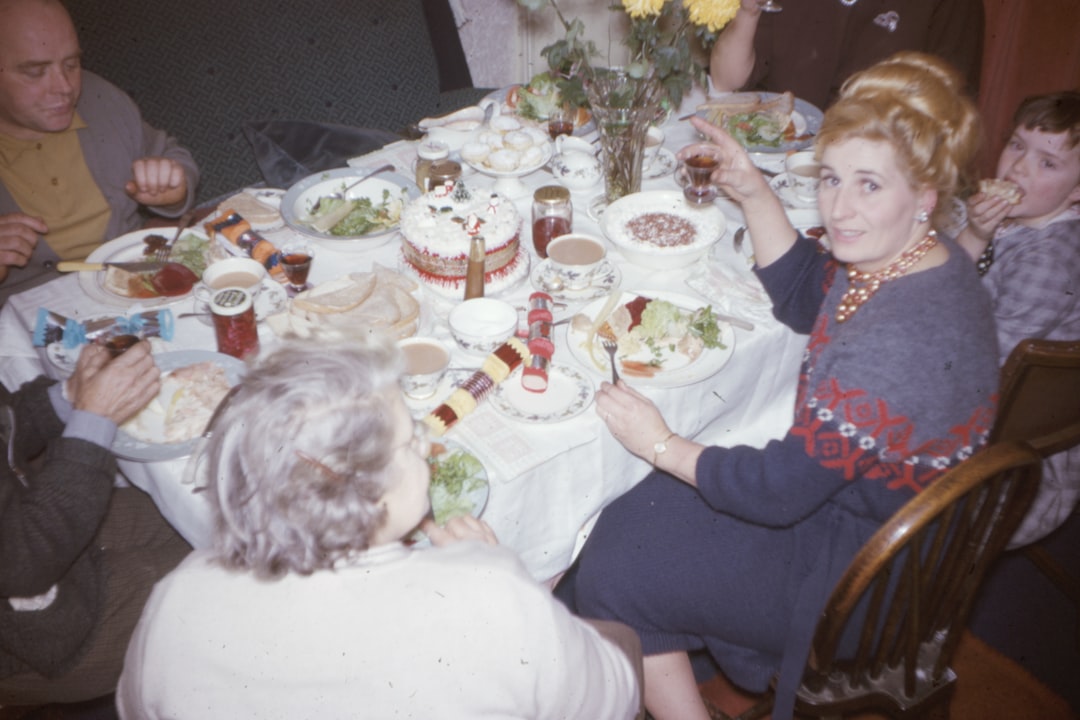
The fondue craze wasn’t just a spontaneous cultural phenomenon; it was orchestrated by the Swiss cheese makers who aimed to convince the world to consume pots full of melted cheese through big ad campaigns featuring attractive Swiss people in ski sweaters partying over colorful pots. Fondue was wildly popular in the United States during the 1960s and 1970s, and was first promoted to Americans at the Swiss Pavilion’s Alpine restaurant at the 1964 New York World’s Fair. By the late 1960s and early 1970s, there was a huge influx of fondue cookbooks and numerous different brands of fondue pots available in various price ranges. These bubbly cheese pots became symbols of sophisticated entertaining that brought families together around a single meal.
Hamburger Helper and Budget Stretching
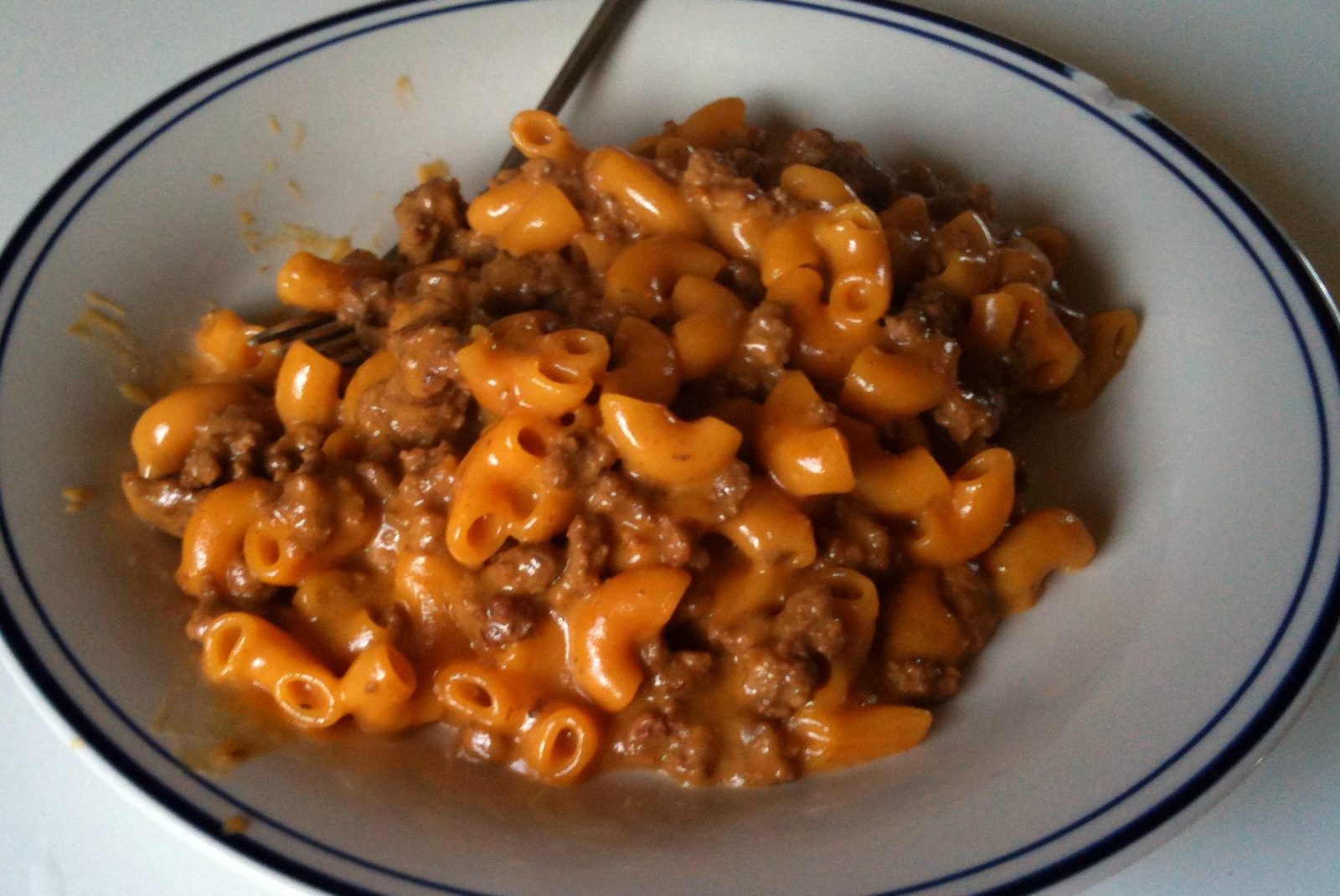
The brand Hamburger Helper was introduced on grocery store shelves in 1971 and quickly became popular. During the 1970s, Hamburger Helper became a staple on American dinner tables as families, strained by inflation and soaring beef prices, looked to turn a pound of ground beef into an entire meal. The genius was in its simplicity: combine ground meat with a box of dried pasta and seasonings, then watch it magically transform into dinner for the whole family. When this brand was conceived in the 1970s, a fast dinner was one that took 30 to 45 minutes, which seemed remarkably convenient for busy households.
Quiche for Every Occasion
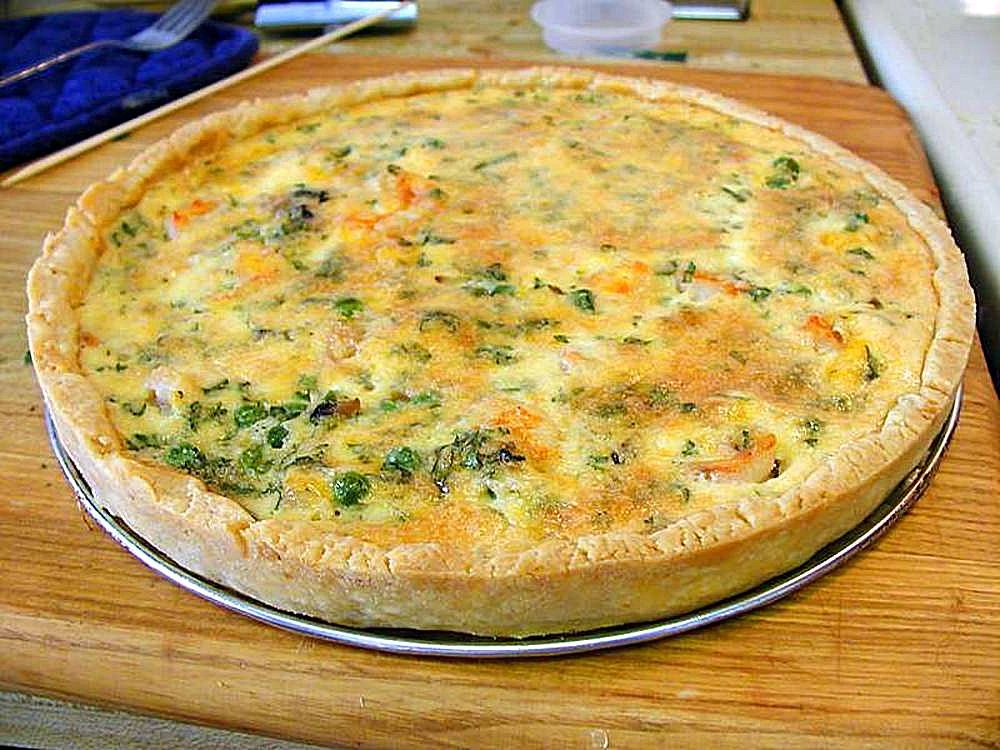
During the 1970s, various quiches began popping up across the U.S., with virtually any pie shop serving a quiche option, doling up a quarter of a quiche as a single monstrous serving befitting American-sized appetites. The savoury French dish gained popularity in America in the 1970s, with some crediting the 1970s edition of The Joy of Cooking for its widespread recognition, while others say it could have been Julia Child’s influence, appearing on dining tables at breakfast, lunch and dinner. This versatile dish could be prepared ahead of time and frozen, making it perfect for unexpected guests or busy weeknight dinners.
Jell-O Salads and Molded Masterpieces
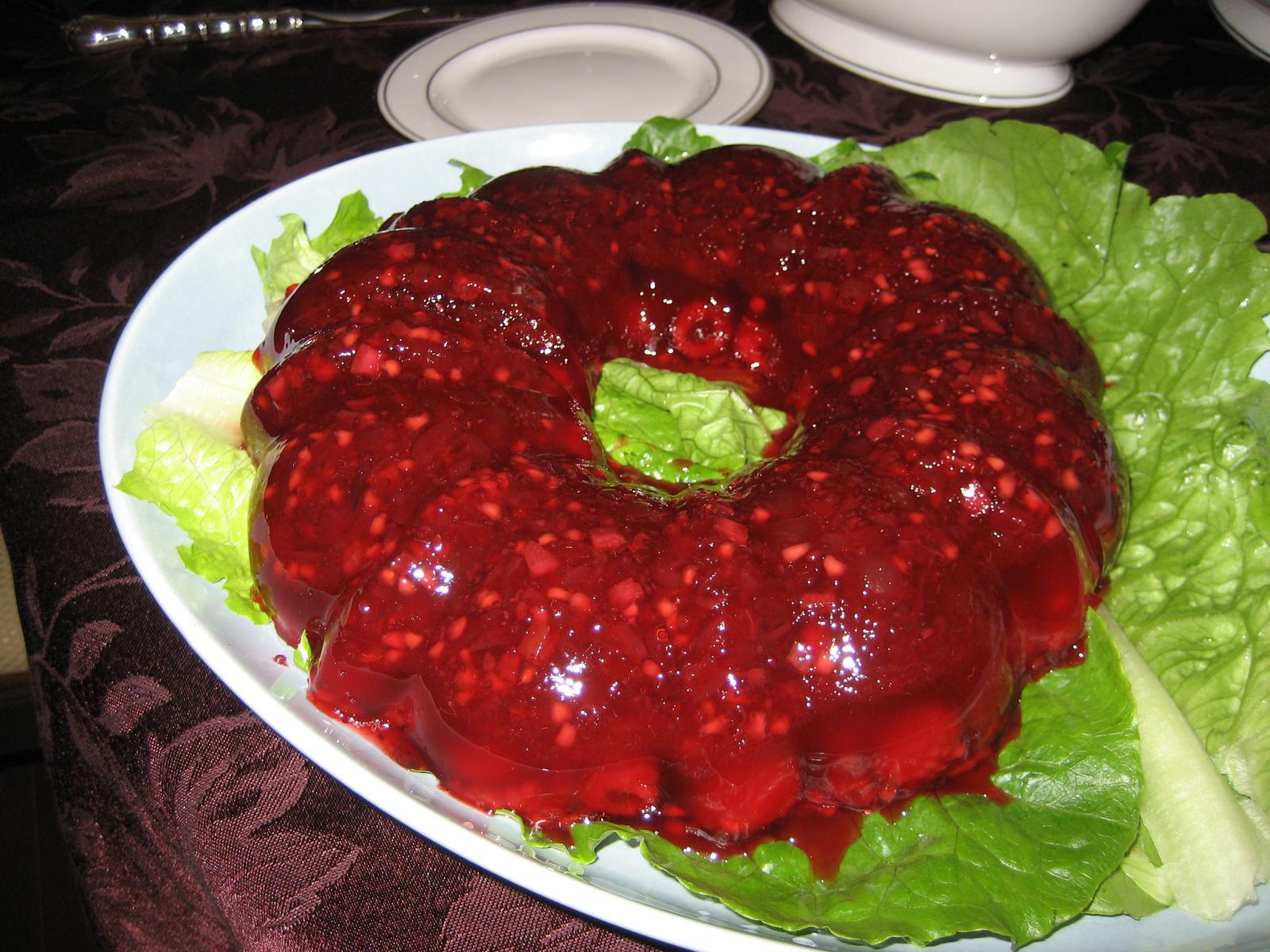
While Jell-O was an American staple throughout the 20th century, salads suspended in gelatin gained surprising momentum in the 1950s, ’60s and ’70s, with some creations getting wilder and more unappetizing as time went on, including ingredients such as aspic, salmon and cheese. Home cooks got creative with shapes, from doughnuts and loaves, to whole fish. These colorful, jiggly creations weren’t just desserts – they were artistic statements that showcased a cook’s creativity and mastery of mid-century kitchen technology. If there’s a party food to sum up the 1970s it’s got to be cheese and pineapple sticks.
TV Dinners and Frozen Convenience
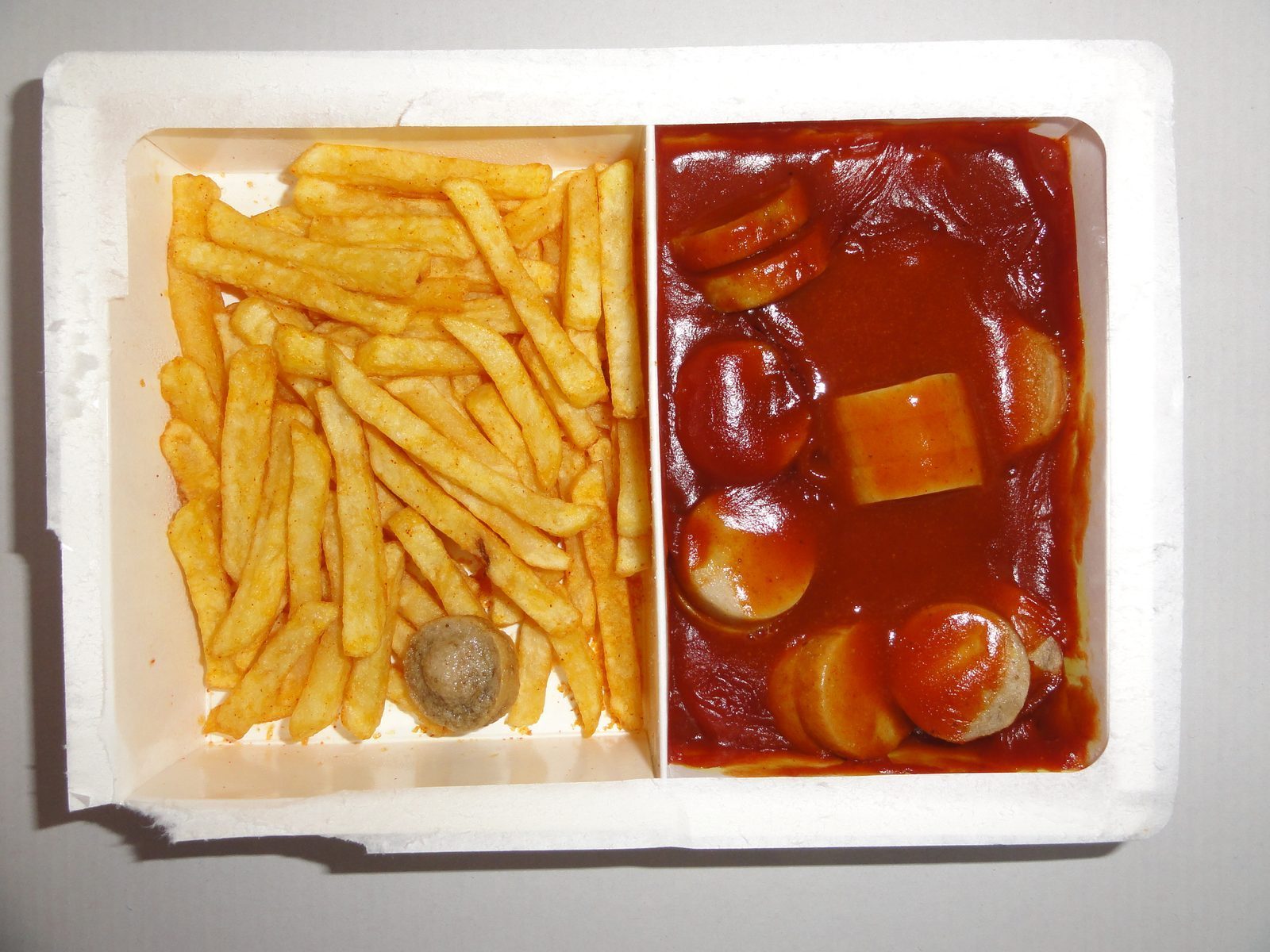
While TV dinners were invented earlier, they reached peak cultural status in the 1970s as these compartmentalized frozen meals perfectly captured the decade’s obsession with convenience and modern living, with families setting up TV trays in the living room to enjoy these aluminum-packaged dinners while watching shows. The appeal went beyond mere convenience – these meals represented America’s love affair with technology and the future. Each perfectly portioned compartment promised a complete, balanced meal without the fuss of traditional cooking.
Carrot Cake and Health Food Trends
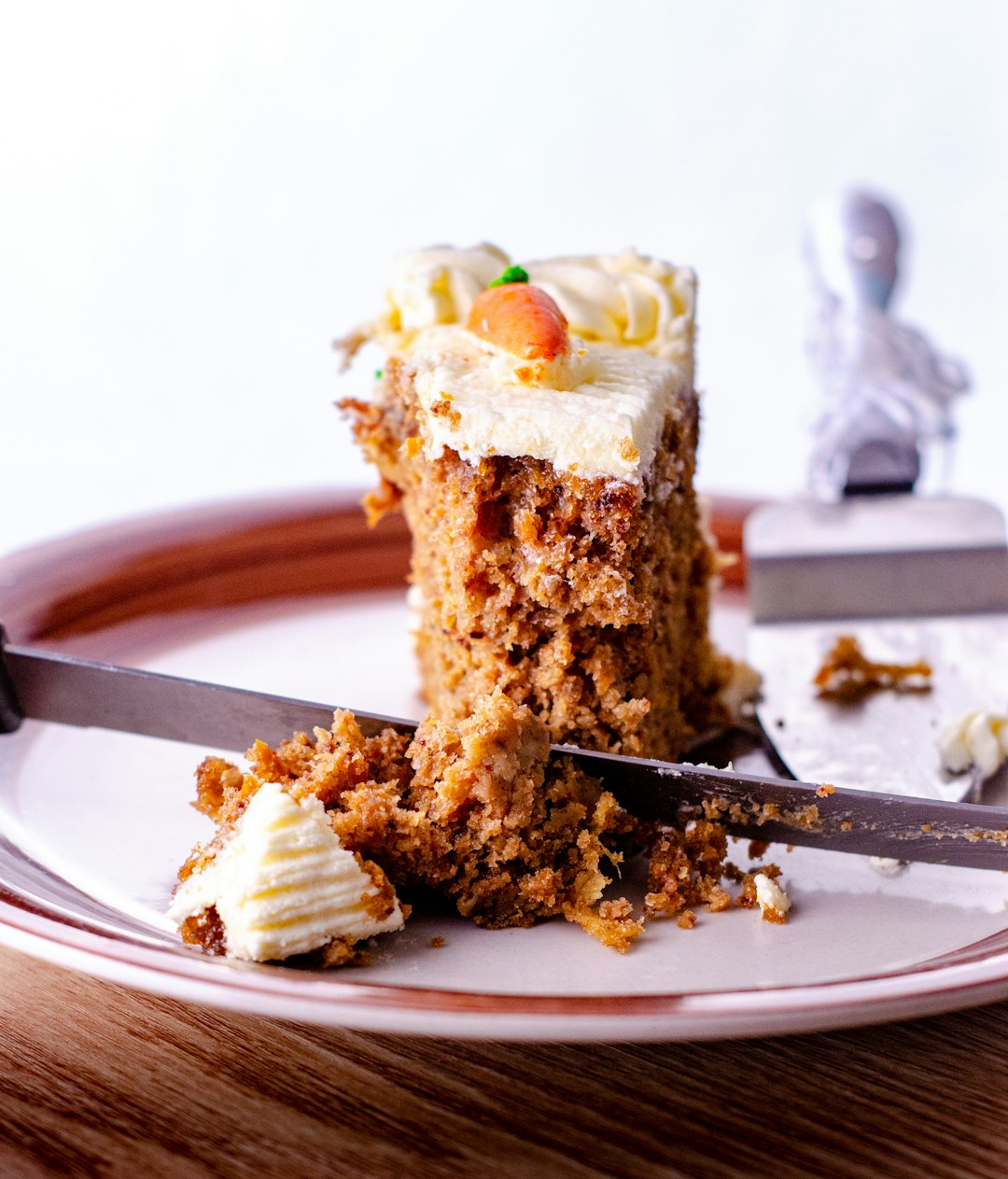
Similar to zucchini bread, carrot cake experienced a renaissance in the 1970s thanks to being advertised as a health food, with the communal nature of this dish being a hit at dinner parties. The decade saw an interesting paradox where desserts could be marketed as virtuous simply by including vegetables. There was more of an emphasis on fresh vegetables and fruit in the 70s which corresponds to the opening of Alice Water’s Chez Panisse in 1971. This cream cheese-frosted delight perfectly captured America’s complicated relationship with health consciousness during an era of processed foods.
Spaghetti Bolognese as Foreign Sophistication
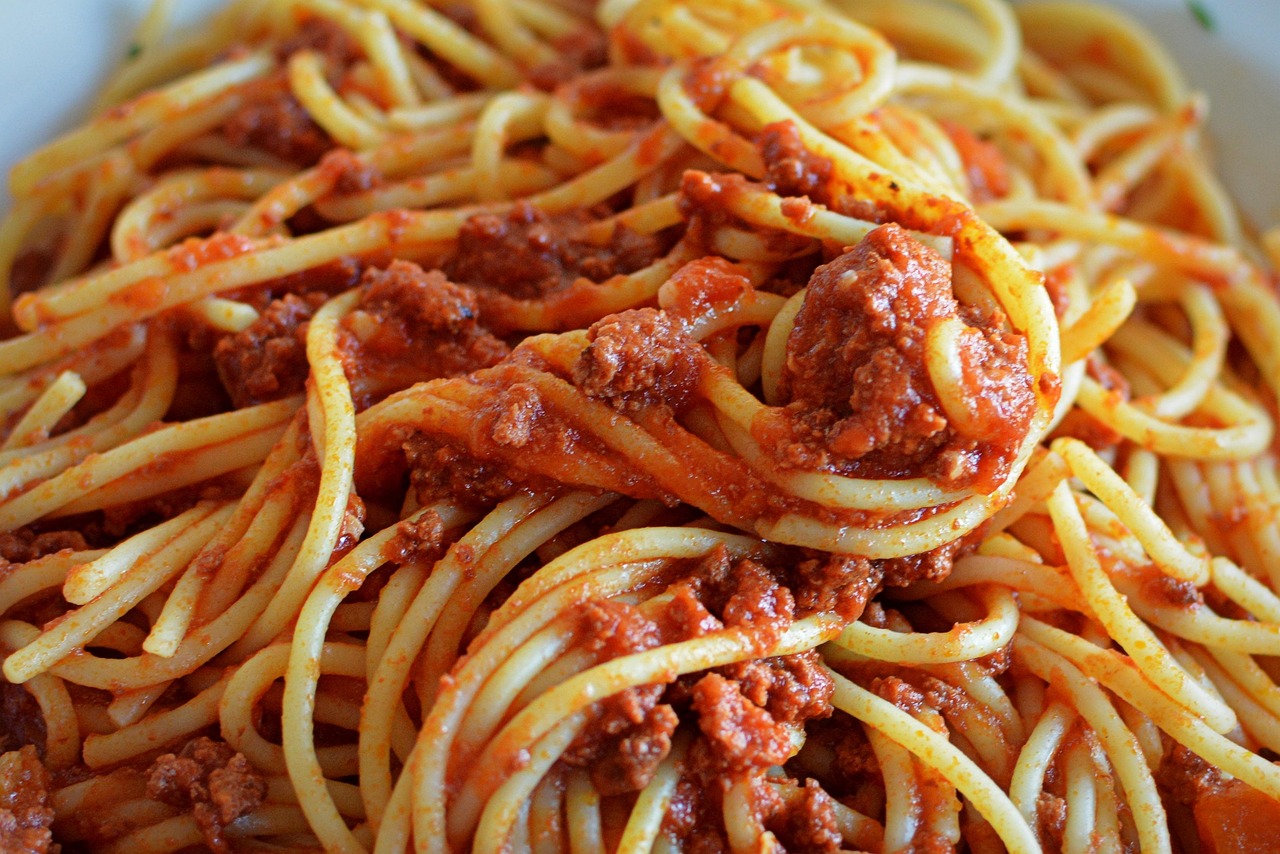
Back in 1970, spaghetti bolognese was a pretty fashionable ‘foreign’ dish that would be served up at dinner parties because of its fabulously ‘fancy’ ingredients, with guests often spending the evening working out how to get the slippery strands into their mouths while trying to avoid tomato sauce going all down their best dress. What seems utterly ordinary today was once considered exotic dining. The dish represented American families’ growing curiosity about international cuisines, even if their interpretation bore little resemblance to authentic Italian cooking.
These meals weren’t just sustenance – they were cultural artifacts that captured a decade caught between tradition and transformation. Each dish tells a story of families adapting to changing times, embracing new conveniences, and finding creative ways to bring people together around the dinner table. What do you think about these blast-from-the-past meals? Tell us in the comments.