The 5 Dog Breeds Vets Warn Are Most Likely to Turn on Their Owners
Every dog lover wants to believe their furry companion would never hurt them. Yet veterinarians across the country see a harsh reality playing out in emergency rooms and clinics. Pit bulls were responsible for approximately 66% of fatal dog attacks in 2023, according to the American Veterinary Medical Association. These aren’t just statistics on paper. Real families experience life-altering consequences when trusted pets suddenly attack without warning. While breed alone doesn’t determine a dog’s behavior, veterinarians surveyed about bite risk rated Chow Chows as the highest risk, with pit bull types categorized as a moderate risk. Let’s be real, nobody wants to talk about the uncomfortable truth that certain breeds appear far more frequently in serious bite incidents than others.
Pit Bull Terriers
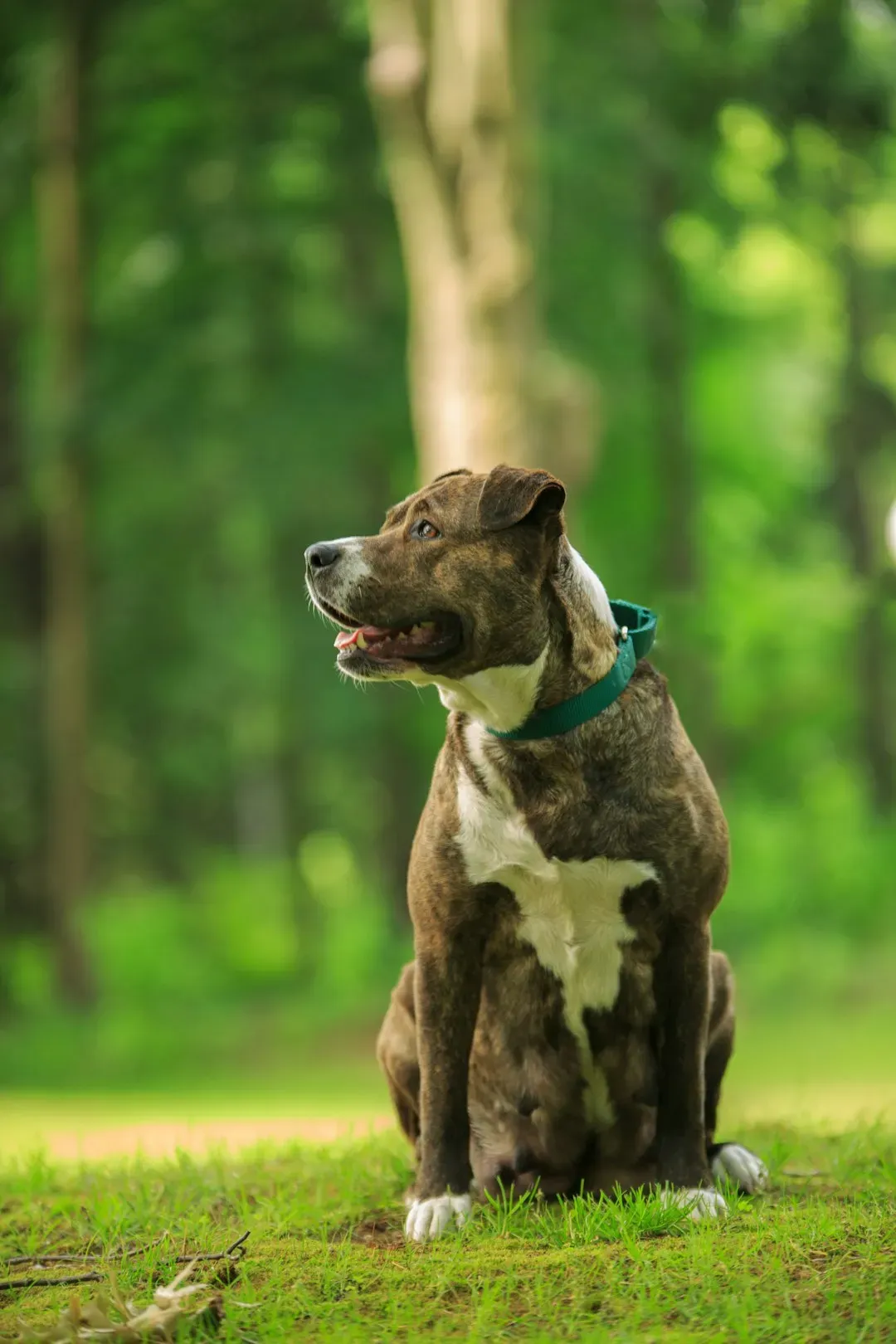
Pit Bulls were responsible for approximately 66% of fatal dog attacks in 2023, and historically they have accounted for 66% of fatal attacks – 346 out of 521 deaths between 2005 and 2019. These numbers aren’t just mildly concerning; they’re genuinely alarming when you break them down further. Data shows that these dogs make up about 6% of the dogs in the U.S., yet 68% of Pit Bulls have been responsible for dog bites since 1982.
What makes this breed particularly dangerous isn’t just frequency though. This breed is 31% more likely to attack a stranger and 48% more likely to attack without provocation, and attacks from Pit Bull terriers are also more likely to result in a hospital visit or death. The severity factor cannot be ignored when discussing risk.
Rottweilers

Rottweilers were involved in approximately 76% of all fatal dog attacks together with Pit Bulls, with Rottweilers alone responsible for 51 deaths. These powerful dogs were originally bred for herding and guarding, which explains their protective instincts. Still, those same traits can turn deadly in the wrong circumstances.
Rottweilers are a strong and fierce breed with a guard dog history, and while this intimidating breed has been involved in some animal attacks over the years, it’s often due to mishandling, and veterinarian Nita Vasudevan says this breed can be misunderstood. Honestly, it’s hard to say whether understanding changes the risk profile when hospital data tells such a clear story.
German Shepherds
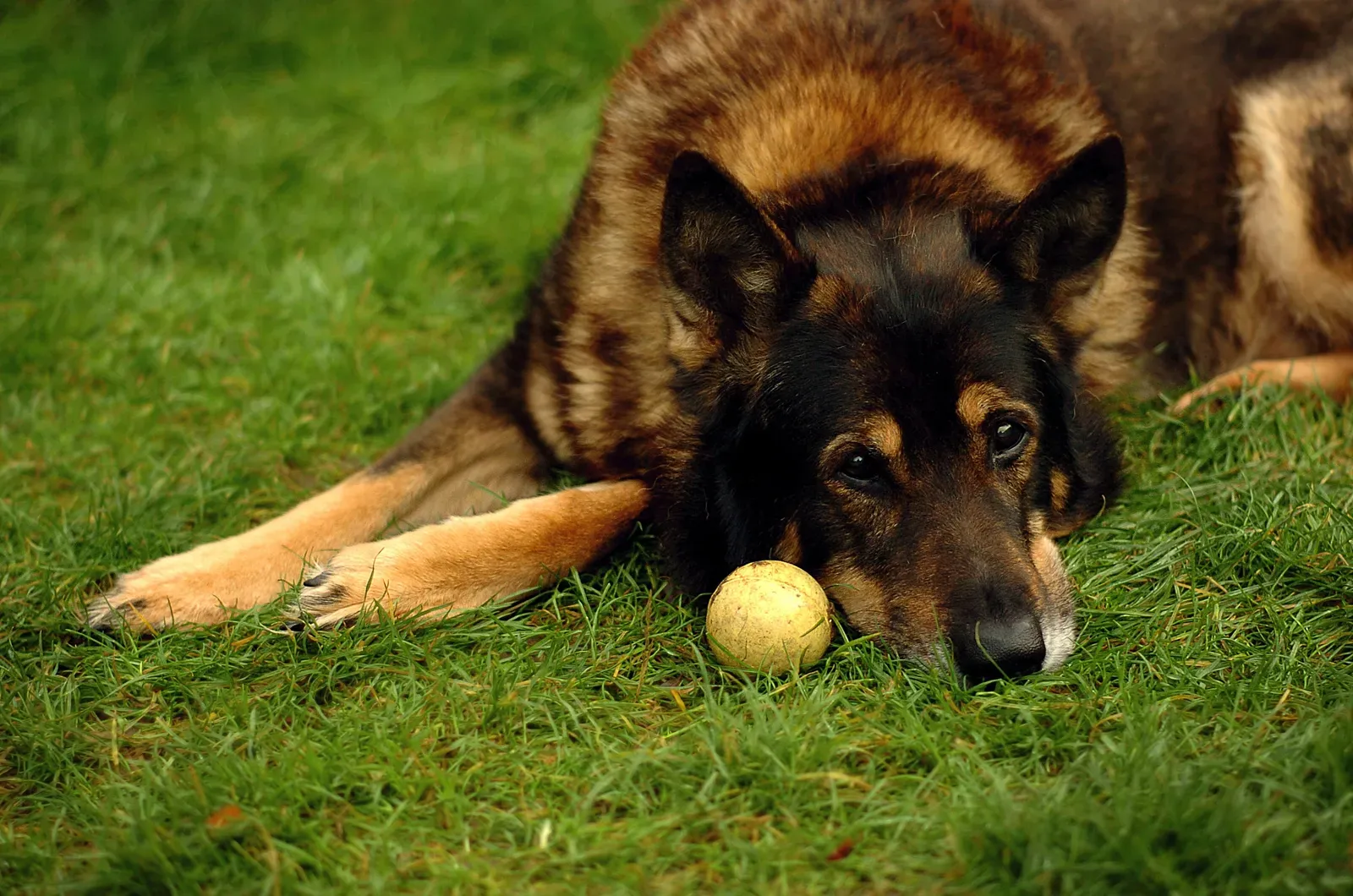
Let’s talk about a breed many people trust implicitly because of their role in police work and military operations. German shepherds were responsible for 4.2% of fatal attacks, and they have a 238 PSI bite force. Their intelligence and trainability make them ideal working dogs, yet these same characteristics mean they can inflict serious damage when they do attack.
Unfortunately, as far as aggressive dog breeds go, German shepherds excel in aggression and territoriality, and they were the cause of 20 deaths and numerous non-fatal biting incidents. Here’s the thing: their loyalty often leads them to attack in defense of their owners. German shepherds rounded out the top three breeds identified in studies, with 17.8% of reported bite incidents involving this breed, with the majority of dog bite incidents occurring with children and in the family home.
Chow Chows

Chow Chows were perceived as the highest bite risk when veterinarians rated the perceived bite risk associated with popular dog breeds. That fluffy, teddy bear appearance? Totally deceiving. While the Chow Chow resembles a cuddly and big teddy bear, it also is an attack dog known for killing adults and children, and the dog was responsible for over 238 attacks between 1979 and 1998.
The AVMA documented 8 human fatalities caused by Chow Chows in tracking from 1979 to 1998. Their independent nature and strong protective instincts create a volatile combination. I think what surprises most people is how such a seemingly docile-looking breed could rank so high on veterinary risk assessments. Chow Chows accounted for 3.6% of dog bite-related fatalities in the JAVMA study, and their strong guarding instincts can lead to aggression if not properly managed, with early socialization essential to prevent aggressive behavior.
Akitas

Akitas were responsible for 2.8% of dog bite-related fatalities in the JAVMA study. While that percentage seems small compared to Pit Bulls, remember that Akitas are relatively rare in the United States. According to the American Veterinary Medical Association, Akitas are involved in approximately 3-4% of severe dog bite injuries, and Akita dogs are ranked among the top ten dog breeds involved in bite incidents in the United States.
There were roughly 40 Akita dog bites per year over the last 50 years, and the fact that the Akita is such a rare breed makes it alarming that it could show up so prominently on such a list. Their territorial nature and powerful build create serious risks. Akitas are large, powerful dogs known for their loyalty and protective instincts, originally bred for hunting and guarding, and are involved in a significant number of dog attacks, often due to their strong protective nature. When you compare bite frequency to population size, these dogs punch way above their weight class in danger potential.
Understanding these statistics doesn’t mean demonizing specific breeds. Dog bites are rarely a result of breed alone; instead, they stem from a complex interplay of factors, including a dog’s environment, training, and humans’ ability to recognize and respond to canine communication. What would you have guessed before reading these numbers?