4 Mistakes to Avoid Right After Mowing Your Lawn
Most homeowners treat mowing as the finish line. You push the mower back into the garage, dust off your hands, and consider the job done. The truth is, what you do in the hour or so after mowing can be just as important as the mowing itself. A few seemingly minor habits can quietly undo all the work you just put into your yard, leaving you with patchy grass, disease problems, or weakened roots that show up weeks later. Here are four mistakes that are easy to make right after mowing – and how to avoid them.
1. Watering Your Lawn Immediately After Mowing
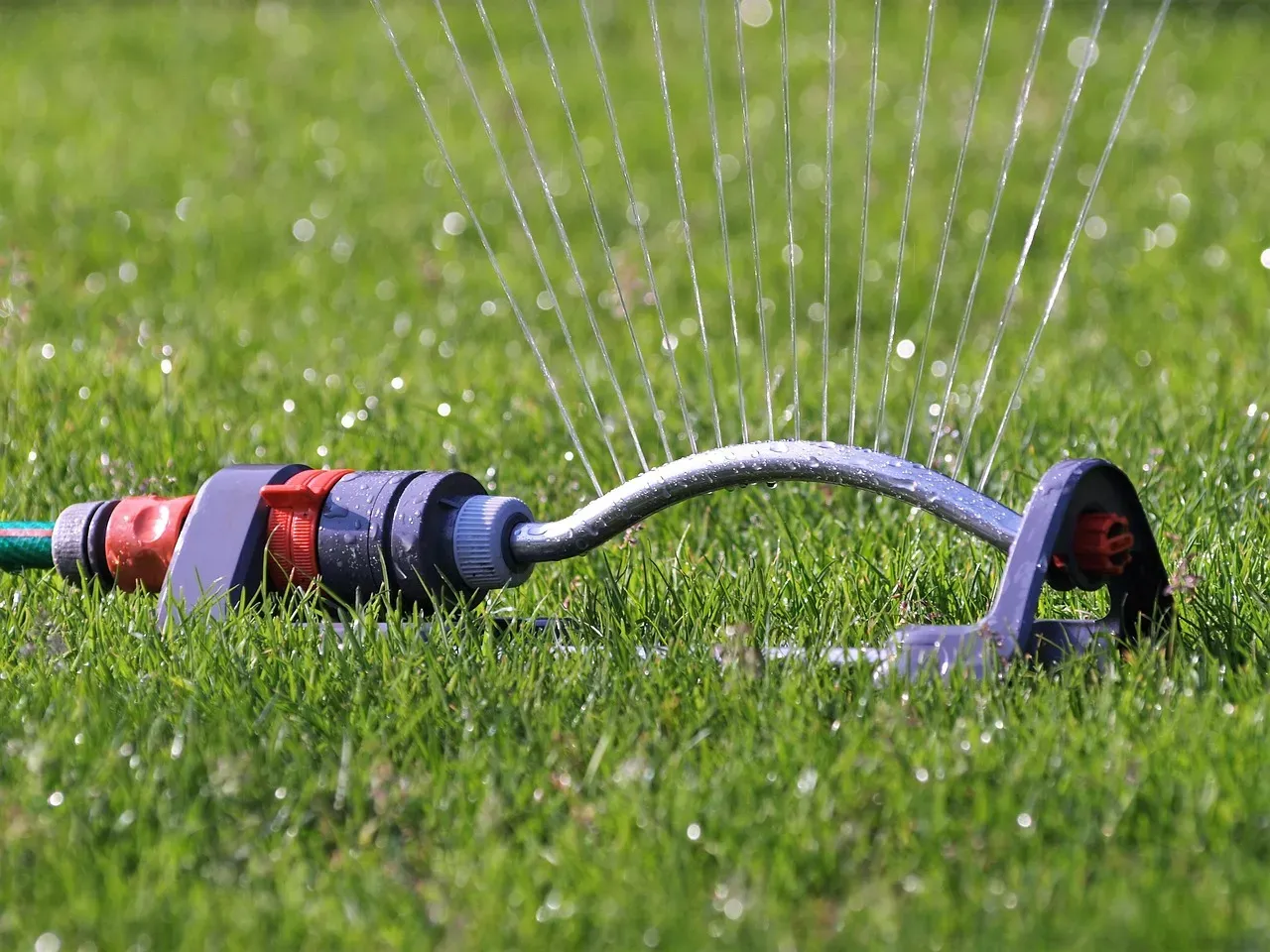
It feels logical: your grass just got cut, the sun is beating down, so why not turn on the sprinklers right away? The problem is timing. When you cut grass, you create wounds on the grass blades – and just like wounds on your skin, those cuts need time to heal before the lawn is drenched. Rushing straight to irrigation can open the door to serious problems that are hard to reverse once they take hold.
Too much water saturates soil, suffocates roots, and even washes away valuable nutrients. Overwatered lawns are also prime candidates for fungal disease. Most lawn care experts recommend waiting about 30 to 60 minutes before turning on the sprinkler. This waiting period gives grass blades time to recover from the stress of cutting so they can absorb water more effectively. If you mow in the evening and plan to water, it’s generally recommended to mow the evening before you plan to water your lawn for the best possible result.
2. Bagging and Throwing Away All Your Grass Clippings
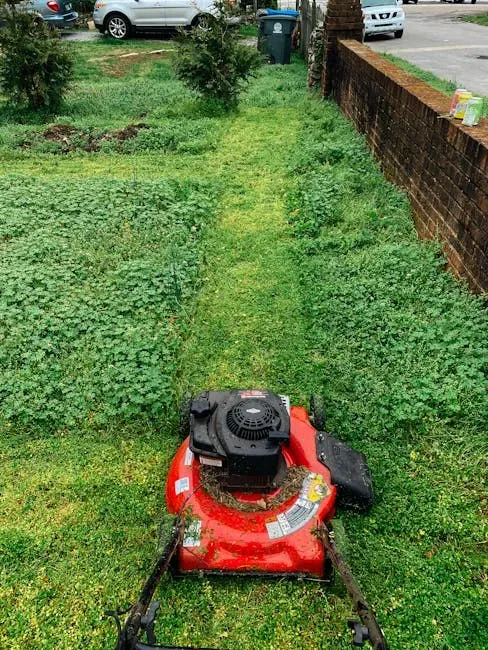
Many people bag their clippings out of habit or for aesthetic reasons – but routinely hauling all those clippings off your lawn is actually throwing away free fertilizer. Research has shown that fertilizer application rates can be cut nearly in half when clippings are returned with a mulching-type rotary mower. Clippings contain, by weight, up to 3–4% nitrogen, 0.5% phosphorus, and 2.5–3.5% potassium – all key nutrients for healthy turf. That’s a meaningful amount of natural nutrition going straight to the curb if you bag it all.
Decomposed clippings add the equivalent of one fertilizer application to your lawn each year. They improve soil quality and minimize runoff, and leaving clippings on your lawn also improves carbon sequestration. As a general rule, grass clippings of an inch or less in length can be left on your lawn where they will filter down to the soil surface and decompose quickly. Longer clippings should be removed because they can shade or smother grass beneath, causing lawn damage. So the key is not whether to leave clippings, but how much you left to cut in the first place.
3. Letting Clumps of Wet Clippings Sit on the Grass
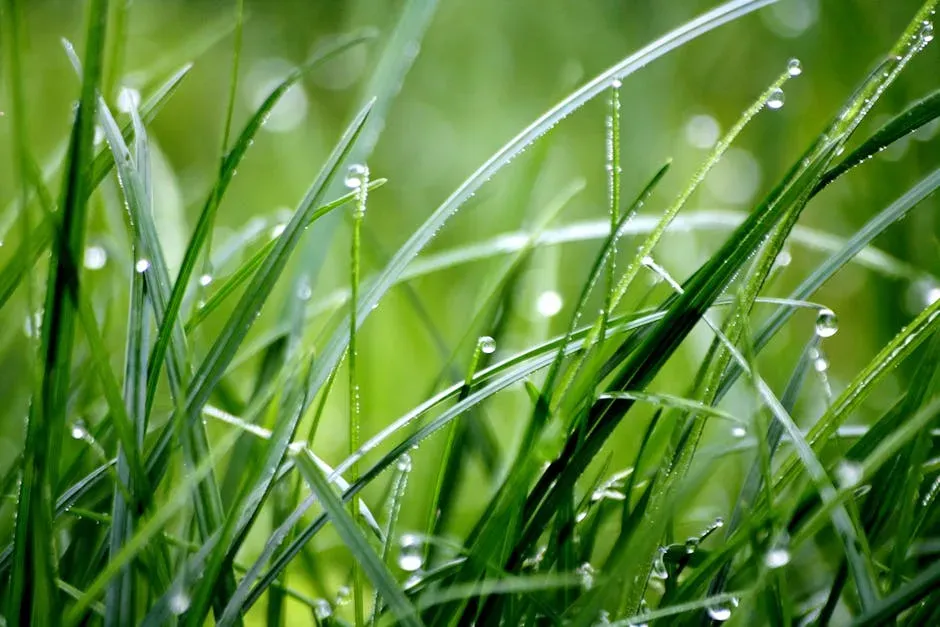
There is one situation where leaving clippings behind goes from helpful to harmful: when they clump. Leaving wet grass clippings on the lawn can cause clumping and create an environment for fungal diseases to develop. If you mowed after rain or in the early morning when dew is still heavy, those thick wet mats of cut grass don’t break down the same way that fine, dry clippings do. They just sit there and cause trouble.
Wet clippings can clog the mower and they can mat on the grass, blocking the sunlight. If the lawn must be mowed when wet or is excessively tall, clippings will mat together and may not be evenly distributed – and the lawn may be damaged under clumps of clippings. The fix is straightforward: clippings should be uniformly distributed rather than deposited in clumps, and mowing the lawn when the grass is dry and using a properly sharpened mower blade will spread clippings evenly. If you end up with visible clumps regardless, rake them off or mow again in a different direction to break them up.
4. Skipping a Post-Mow Inspection of Your Lawn
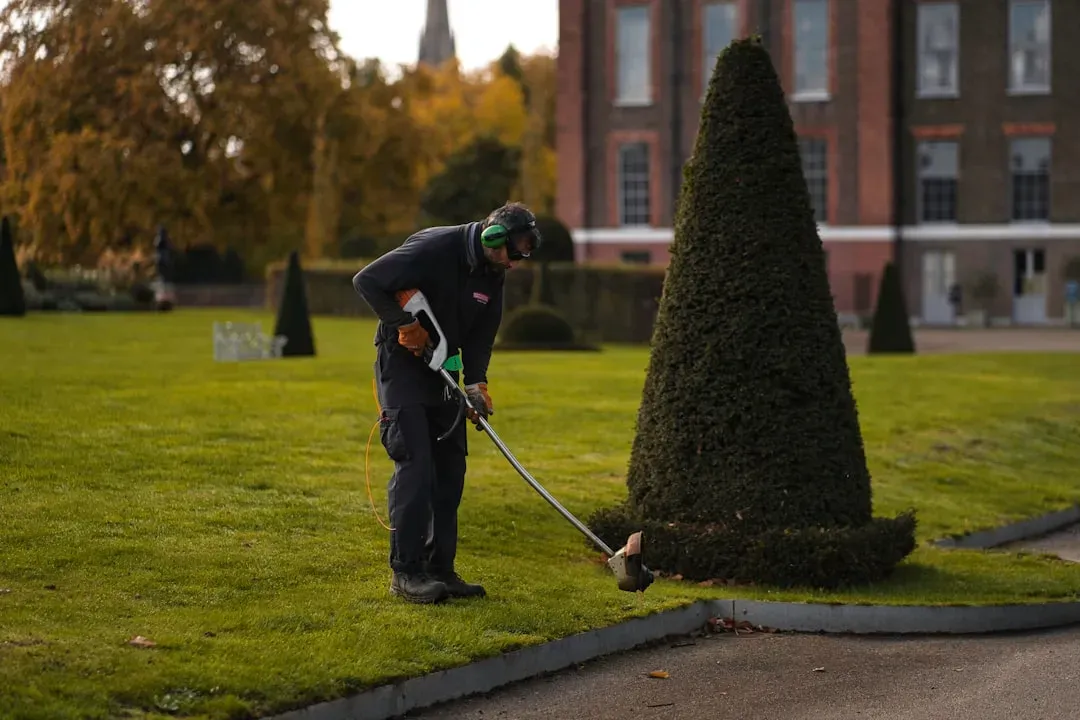
After you finish mowing, most people simply walk away. What almost no one does is take a slow walk around the yard to actually look at what they just cut. After mowing, walking your lawn to check for scalping, uneven grass height, or tire ruts is important. Uneven mowing might be due to dull blades, low tire pressure, or rushing through the task. These are problems that become significantly harder to fix if you ignore them for another week.
Freshly mowed lawns expose more of the grass base, making it easier to spot problems early. Treating issues immediately using safe lawn treatments, or consulting a local expert, is the right move. If the tips of your grass have a yellowish or whitish appearance after you mow, your lawn mower blade might be dull – a dull blade can damage the grass and cause your mower to run less efficiently. A quick five-minute walk right after mowing is one of the simplest habits you can build, and it gives you the early warning signal you need to keep your lawn in genuinely good shape all season long.