10 American Dishes That Confuse Foreigners, Survey Reveals
Every culture has its own food traditions that seem perfectly normal to locals but utterly baffling to outsiders. American cuisine holds a special place in this global food phenomenon. From some of our iconic food brands, to our breakfast staples, to our holiday traditions, there are a few American foods out there that foreigners just don’t get. While we might consider them normal, to non-Americans these dishes raise eyebrows and spark confusion.
Recent research sheds light on this fascinating cultural divide. The meals we see as ordinary in the U.S. are often the exact ones that people abroad recognize as uniquely American. Here are seven U.S. dishes that foreigners recognize instantly – while most Americans barely give them a second thought. Let’s explore the ten dishes that leave international visitors scratching their heads in confusion.
Chicken and Waffles
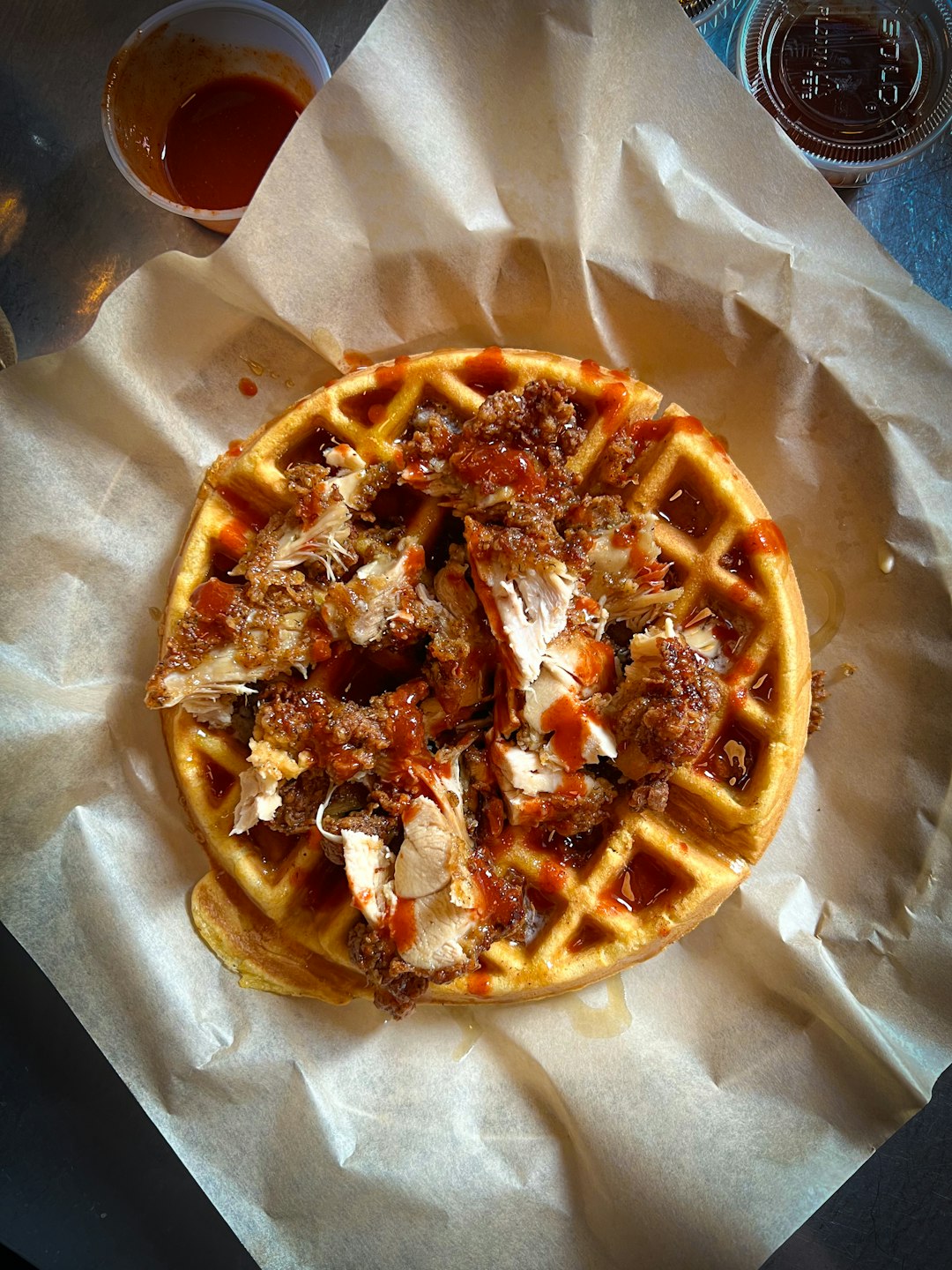
Americans enjoy the sweet and savory combo of chicken and waffles, often served with syrup and a side of butter. For foreigners, this mix of crispy fried chicken and fluffy waffles may seem confusing. The entire concept challenges traditional meal boundaries. Most cultures keep breakfast items like waffles separate from dinner proteins like fried chicken.
Sweet and savory aren’t always combined like this, making it a surprising taste experience for newcomers. Visitors often struggle to understand whether they’re eating breakfast, lunch, or dinner when presented with this iconic American dish.
Sweet Potato Casserole with Marshmallows
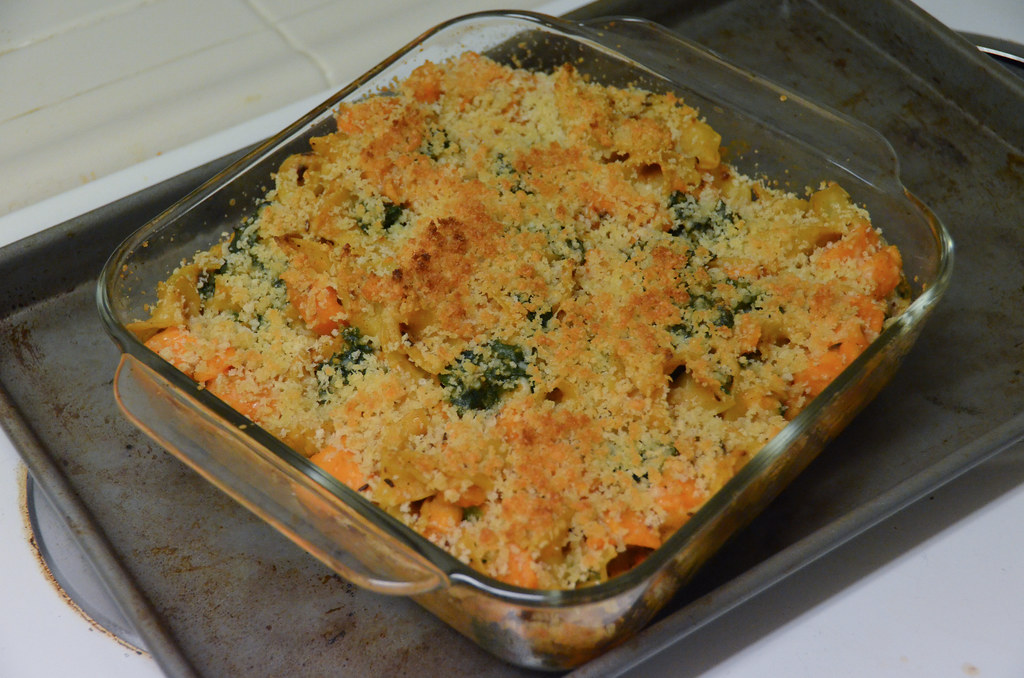
This one is a Thanksgiving staple for many people. What really trips visitors up is the sweet potatoes mixed with marshmallows. All the brown sugar and butter probably doesn’t help. The dish represents everything that confuses foreigners about American holiday traditions.
If there’s one aspect of American food that continues to confuse foreigners, it’s the combination of sweet ingredients with savory dishes. No dish echoes this more perfectly than the holiday tradition of sweet potato casserole. Marshmallows served on top of sweet potatoes? You won’t find that anywhere else in the world.
Grits
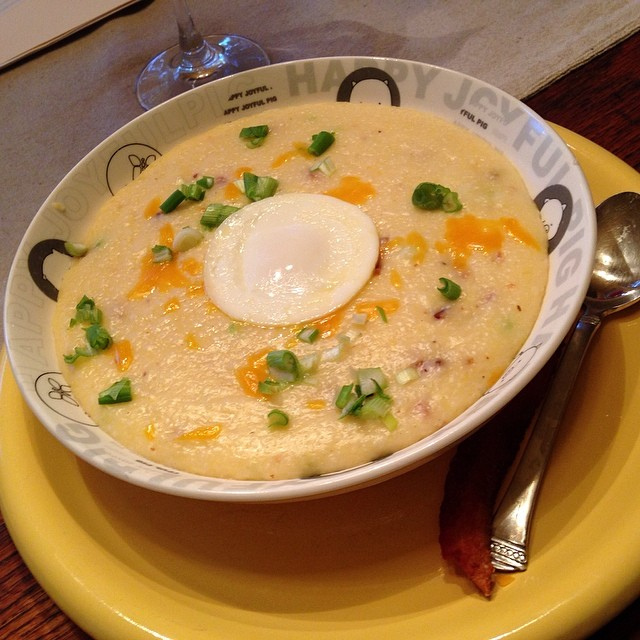
Talk to anyone from the South and they’ll tell you grits are one of them. Not to be confused with polenta, grits are made from white corn and have a fine, smooth texture. They taste incredible when infused with cheese, are a creole classic topped with seasoning and shrimp, and are a staple on every southern table.
Its savory flavor has caused America to fall in love with it, but not foreigners. They don’t really know what it is and they don’t find it appetizing. One foreigner claimed it was like eating tiny rocks – but they thought tiny rocks might actually taste better. The texture can be particularly off-putting to those unfamiliar with ground corn dishes.
Spray Cheese
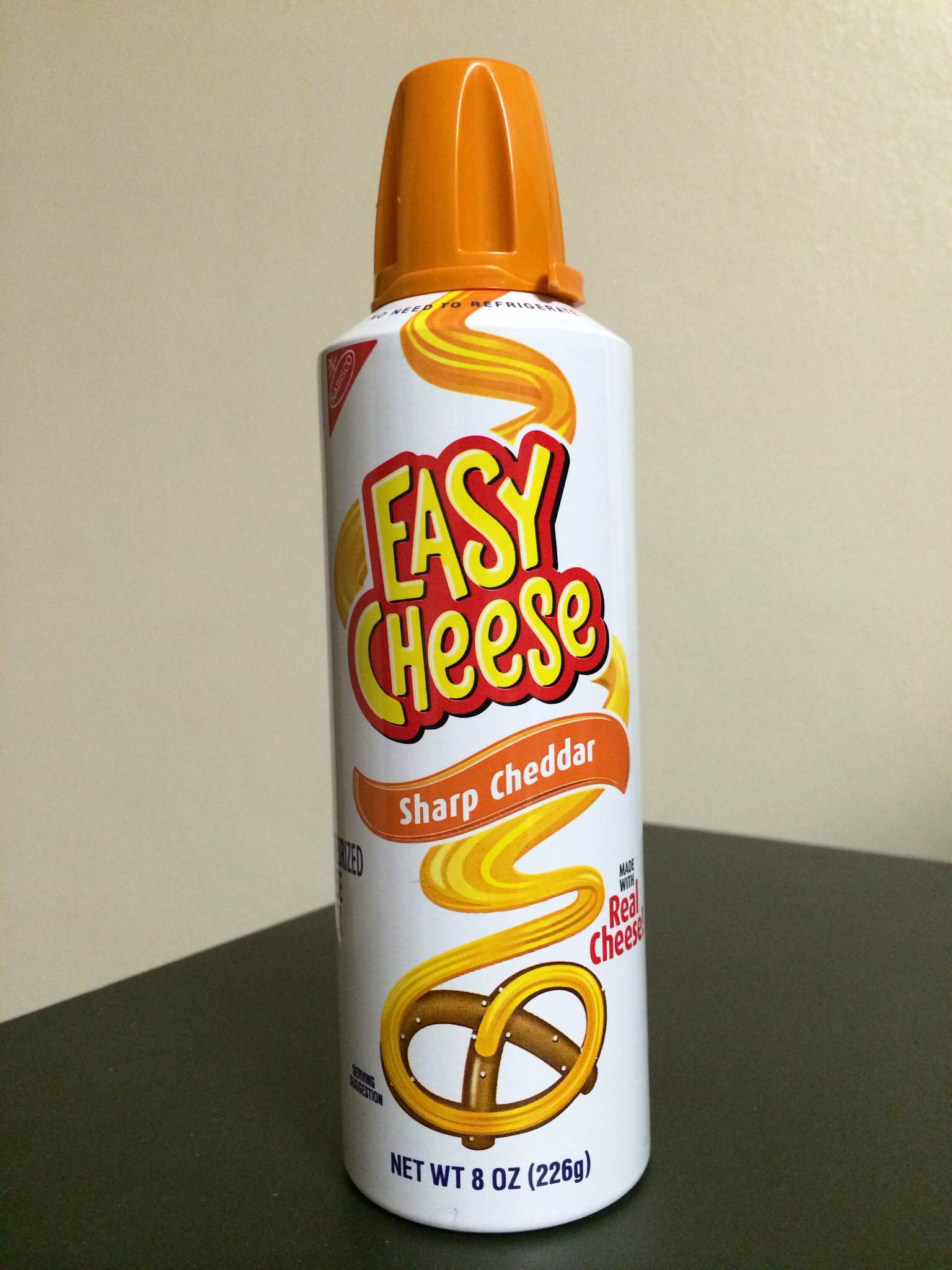
Cheese in a can? That’s right! Aerosol cheese, or “spray cheese,” is a fun, if confusing, snack in the U.S. Americans enjoy squirting it onto crackers or directly into their mouths, but foreigners often find the concept strange.
Perhaps we have a thing or two to learn from our foreign friends, because spray cheese is kind of weird, especially to those who come from the land of fine cheese makers, such as France, Italy and Ireland. Really, once you’ve had real cheese from a real artisan, it’s hard to imagine eating yellow-sort-of-dairy-foam again. The artificial texture and bright orange color alarm visitors from cheese-loving countries.
Corn Dogs

The humble hot dog is dubbed as a quintessential American backyard cookout and tailgating food in its own right, but once it’s wrapped in cornbread, deep-fried, and served on a stick, it really boggles the minds of foreign visitors. The combination seems excessive to many international palates.
Cornbread in itself is also a distinctly American dish, and the combination of the two foods is somewhat unheard of elsewhere. Interestingly, there is some dispute regarding the actual origin of corn dogs. All fingers point back to the 1940s, but whether they were first created in New York, Texas, Minnesota, or Oregon is a source of continual debate.
Biscuits and Gravy
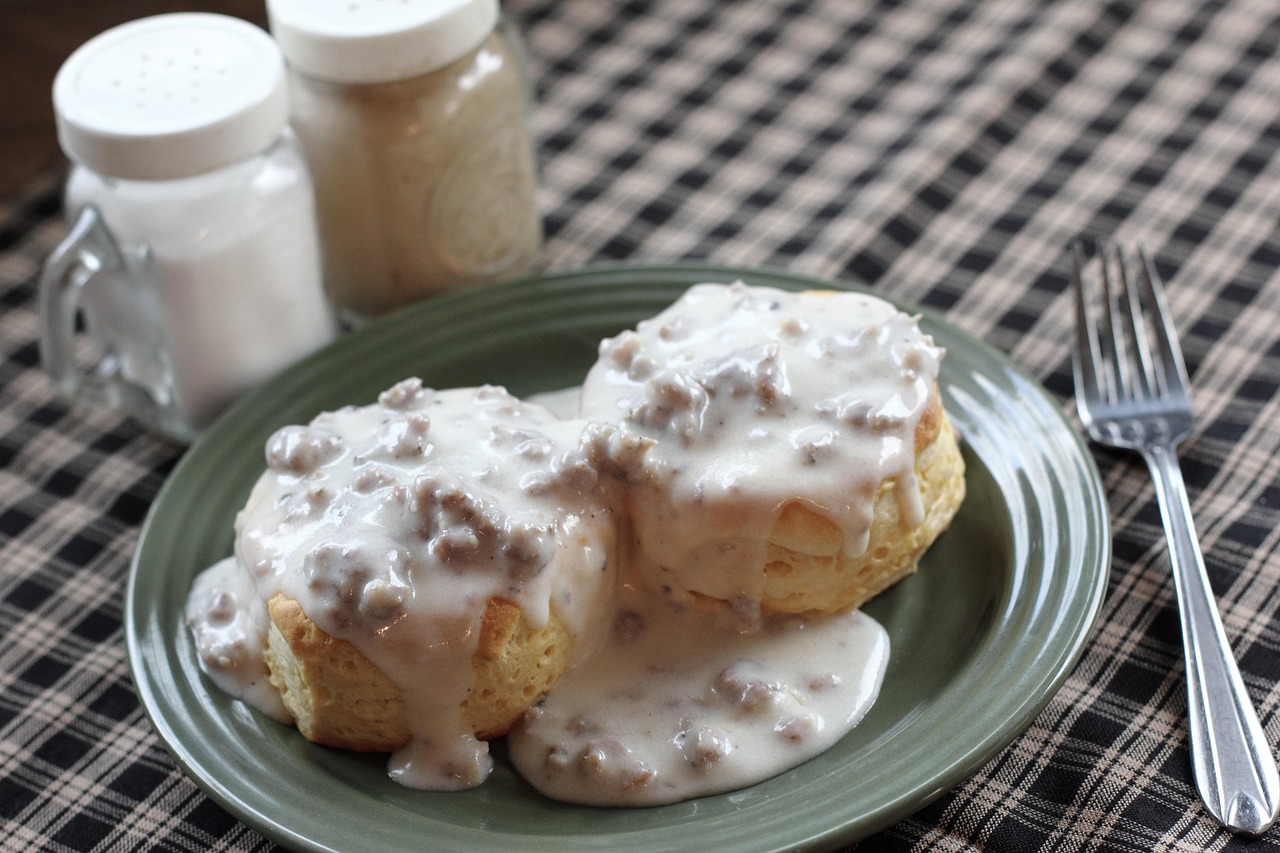
While biscuits and gravy is a delicious Southern classic, it’s also a dish that confuses visitors who travel to America. As far as breakfast foods go, this is incredibly heavy and rich, leaving foreigners to question if it’s an appropriate meal for the time of day.
The concept of covering flaky biscuits in thick, creamy sausage gravy strikes many as overwhelming for morning consumption. Europeans especially find the portion size and richness shocking for what Americans consider a standard breakfast dish.
Ranch Dressing on Everything
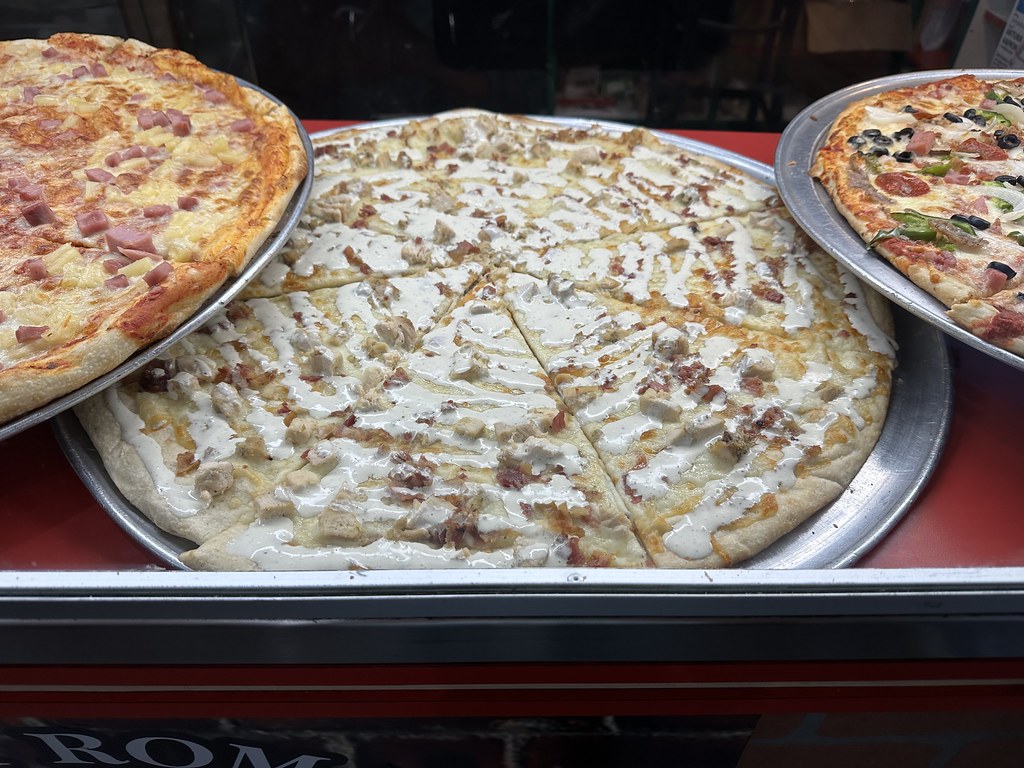
Ranch dressing is an American obsession, slathered on salads, pizza, fries, and just about anything else. With its creamy, tangy flavor, it’s a go-to sauce here. But the thick consistency and strong garlic-herb taste can be overpowering to those who aren’t used to drenching their food in ranch.
Foreigners often express bewilderment at Americans’ tendency to put ranch on dishes that already have established flavor profiles. The sight of ranch on pizza particularly confuses Italian visitors, who consider it an assault on their culinary heritage.
American Bread
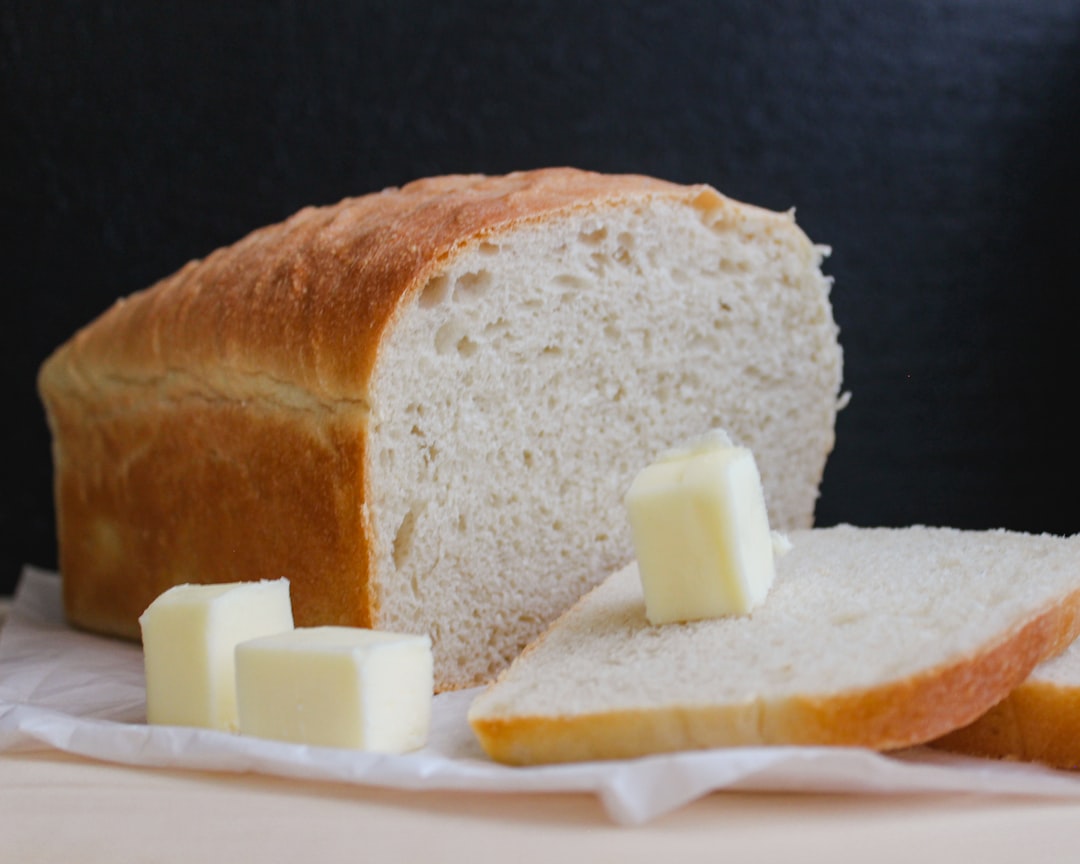
Ever noticed how American bread is strangely sweet and soft? Many foreigners are surprised by its cake-like texture, wondering why it tastes more like a pastry than traditional bread. This observation comes from visitors accustomed to dense, crusty European breads.
American bread is famously soft, fluffy, and often a little sweet – totally different from the dense, crusty loaves common elsewhere. For those unaccustomed to it, the pillowy texture and sweet taste feel more like cake than bread. While it’s loved in sandwiches here, the sugary touch can be a surprise.
S’mores
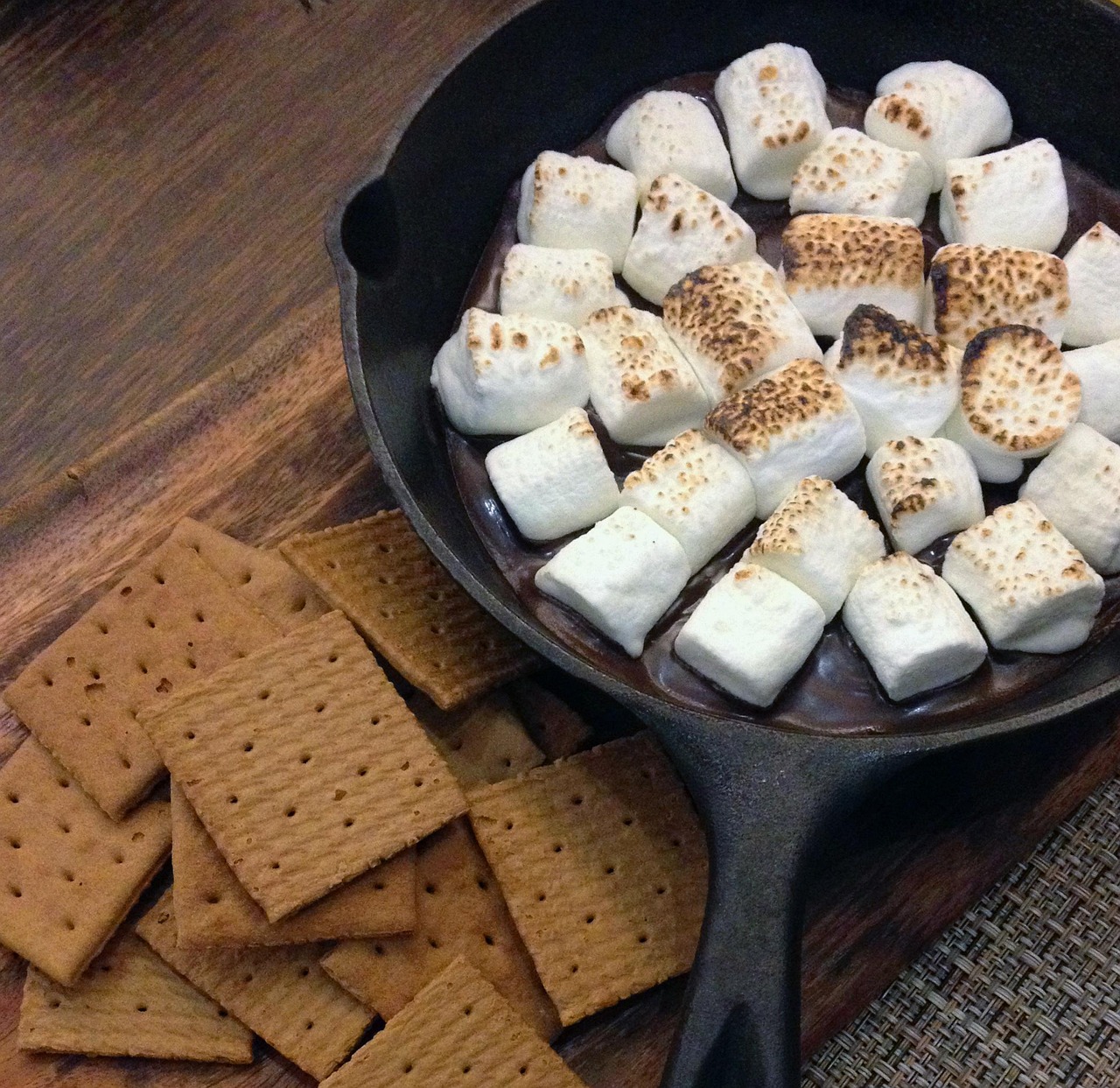
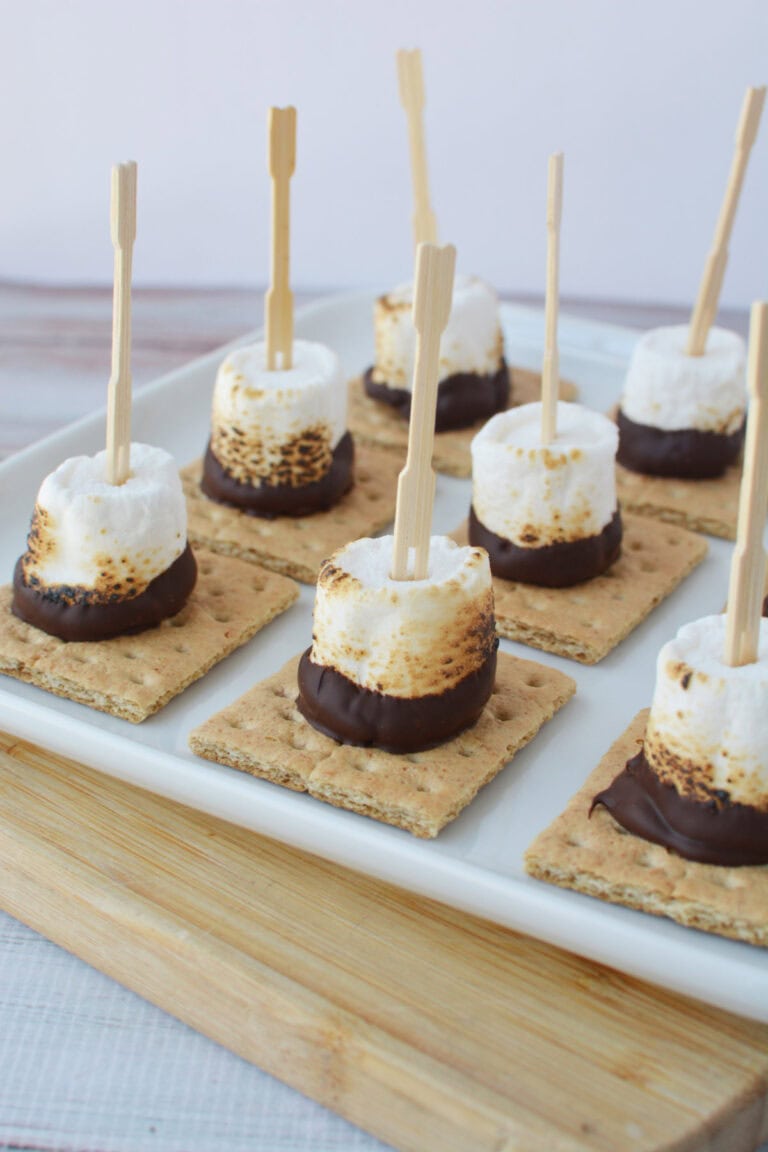
But when I explained them in France, I hit a wall. Marshmallows weren’t common, and graham crackers were nonexistent. Trying to define a graham cracker abroad is surprisingly tricky. “It’s like a cookie but not sweet, like a biscuit but not savory.” Cue confusion. And yet, thanks to Hollywood, everyone knows s’mores.
It’s a food people recognize through story before taste. That’s what makes s’mores so interesting from a cultural perspective: they’re an edible myth. Even if someone has never had one, they know exactly what it represents – childhood, outdoors, friendship, warmth.
Jell-O Salad

Jell-O salad, a wobbly mix of gelatin and fruit (sometimes with marshmallows or vegetables), is a retro American favorite. But to foreigners, this sweet salad can be baffling. It’s more like a dessert than a side dish, with bright colors and an unusual texture that don’t exactly scream “salad” to everyone else.
The concept of calling gelatin mixed with fruit a “salad” challenges international definitions of what constitutes a proper salad. Many visitors expect vegetables and greens when they hear the word salad, not a wiggling, sweet confection that belongs more appropriately at dessert time.
These culinary curiosities reveal fascinating insights into cultural differences and food traditions. What seems perfectly normal to one culture can appear absolutely bizarre to another. Perhaps that’s what makes food culture so beautifully diverse – each country’s unique approach to combining flavors and textures tells a story about its people and history. What do you think about these American food traditions? Tell us in the comments.