Global Data Reveals Where Food Inflation Hit Hardest in 2025
The global food crisis has revealed stark divisions across continents and economic zones in 2025. While some nations struggled with triple-digit inflation rates, others managed to keep food price increases under control. The FAO Food Price Index has declined from its March 2022 peak but remains elevated, showing the persistent nature of this worldwide challenge.
Food price inflation has consistently outpaced overall inflation since 2020, peaking at 13.6 percent globally in January 2023, with low-income countries experiencing rates as high as 30 percent in May 2023. The uneven distribution of these impacts tells a story of economic vulnerability and resilience that has shaped household budgets from Argentina to Zimbabwe.
Argentina Leads Global Food Inflation Rankings
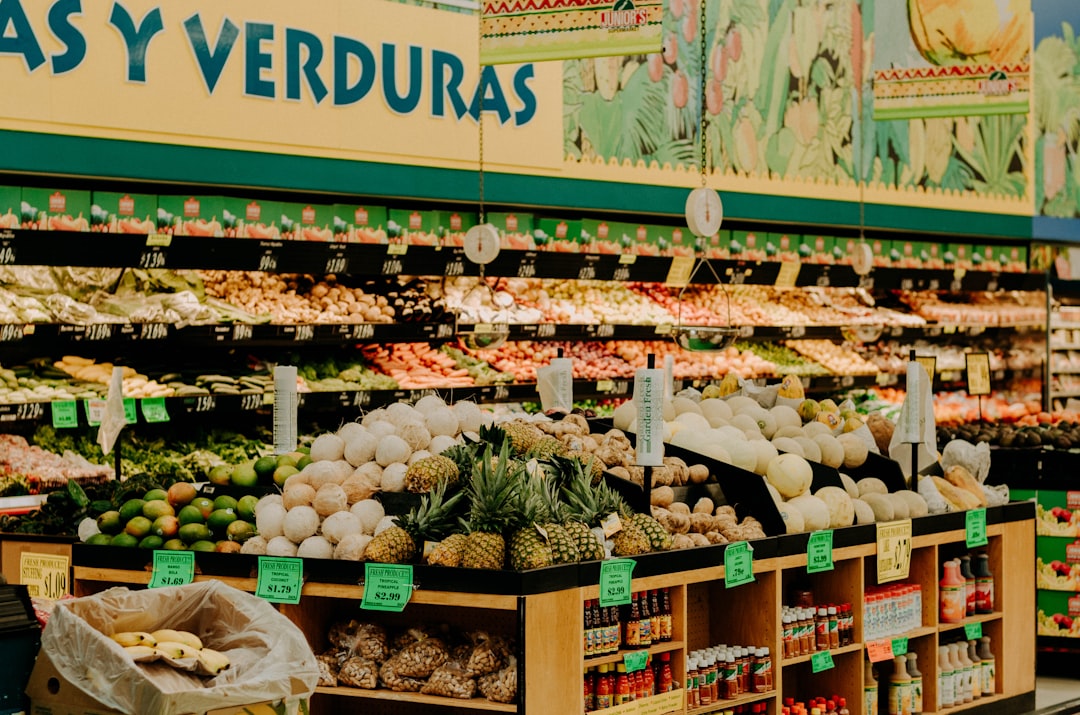
Argentina has endured the world’s worst food inflation over the past five years, with rates reaching a staggering 308.3% in March 2024 after President Milei’s government lifted food price controls, though it has since fallen to 41.4%. The South American nation’s economic turbulence reflects decades of currency instability and fiscal mismanagement.
Food inflation in Argentina eased to 41.4% by April 2025, down from 70% in March. By November 2024, food and non-alcoholic beverage prices had increased by 147 percent compared to the same month in the previous year. Despite recent improvements under President Milei’s economic reforms, Argentinian families continue to face some of the highest grocery costs globally.
Turkey’s Persistent Food Price Crisis
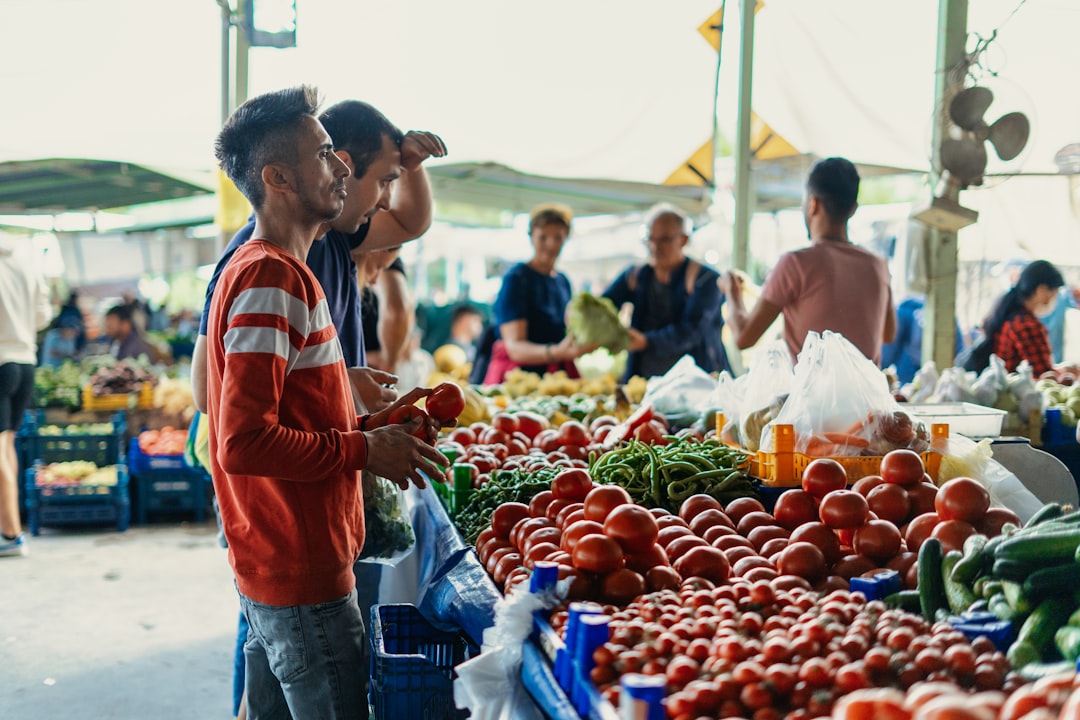
Turkey’s food inflation reached 41.8% in January 2025, though this marked a decline from December’s 43.6%. The country has struggled with persistent high inflation despite various monetary policy interventions. Turkey continues to experience elevated inflation at 33%, with food, energy, and housing costs soaring, while the central bank’s decision to cut interest rates despite ongoing inflation has drawn criticism.
The Economic Policy Research Foundation of Turkey reported that food prices rose 2.7 percent month-on-month and 32.3 percent year-on-year in October 2025, marking the third consecutive month of increases. This upward trend has deepened public frustration and highlighted the country’s ongoing cost-of-living crisis.
Sub-Saharan Africa Bears Heavy Burden
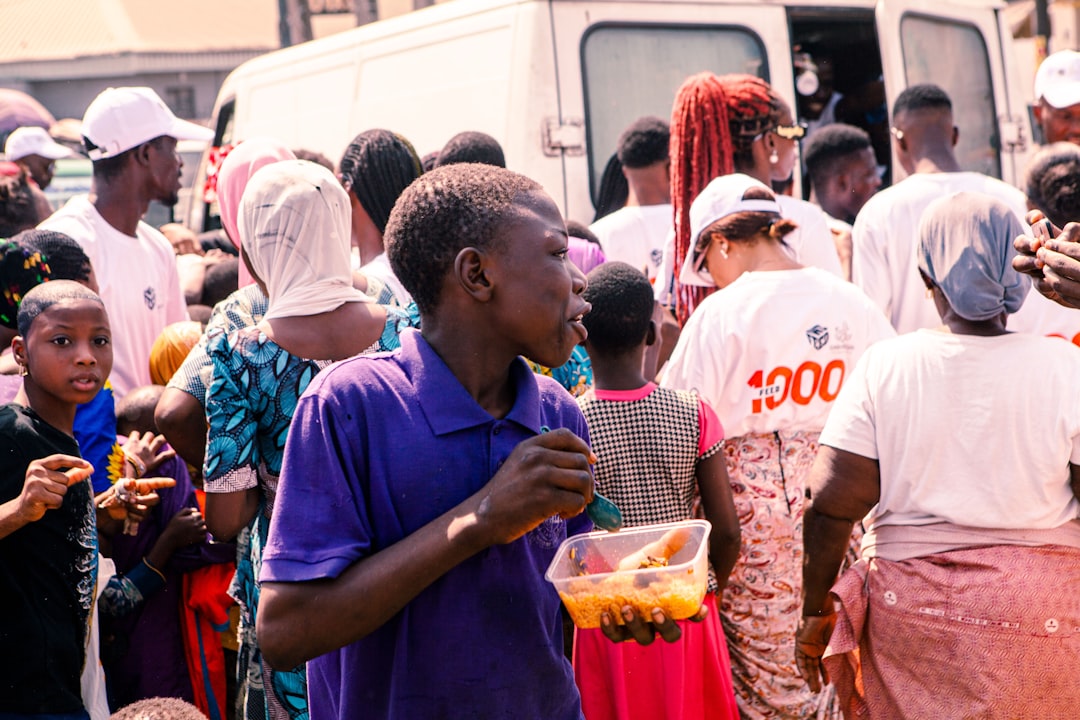
Low-income countries have been particularly hit hard by rising food prices, with median global food price inflation climbing from 2.3 percent in December 2020 to 13.6 percent in early 2023, reaching even higher peaks of 30 percent in low-income countries by May 2023. African nations continue to face some of the most severe challenges.
Nigeria leads with 30.6 million people experiencing high levels of acute food insecurity, followed by the Democratic Republic of Congo with 27.7 million and Sudan with 24.6 million. The proportion of the population facing hunger in Africa surpassed 20 percent in 2024, affecting 307 million people, demonstrating how food inflation translates directly into food insecurity.
Middle Eastern Crisis Zones

Gaza represents the worst-case scenario, where the entire population is affected by high levels of acute food insecurity, with more than half a million people facing starvation in July 2025. The region’s conflicts have created unprecedented humanitarian crises that extend far beyond typical inflation concerns.
Western Asia shows an estimated 12.7 percent of the population, or more than 39 million people, facing hunger in 2024. Countries including Sudan, Yemen, South Sudan, Haiti, and Mali face catastrophic food insecurity, with ongoing conflicts serving as the main driver. These crisis zones represent the extreme end of food inflation’s human impact.
European Union’s Mixed Performance
The European Union experienced a particularly high increase in annual consumer prices for food and non-alcoholic beverages, with food inflation growing from 0.2 percent in May 2021 to 19.2 percent in March 2023, before decreasing to 7.6 percent by October 2023. The bloc’s experience shows how even wealthy economies weren’t immune to global food price shocks.
OECD food inflation rose to 5.0% in August 2025, reaching its highest level since February 2024, with food price levels 45.8% higher than in December 2019. However, food price inflation varied significantly across countries, with cumulative increases of only 6.9% in Switzerland compared to around 80% in Colombia and Hungary.
United States Faces Selective Pressures
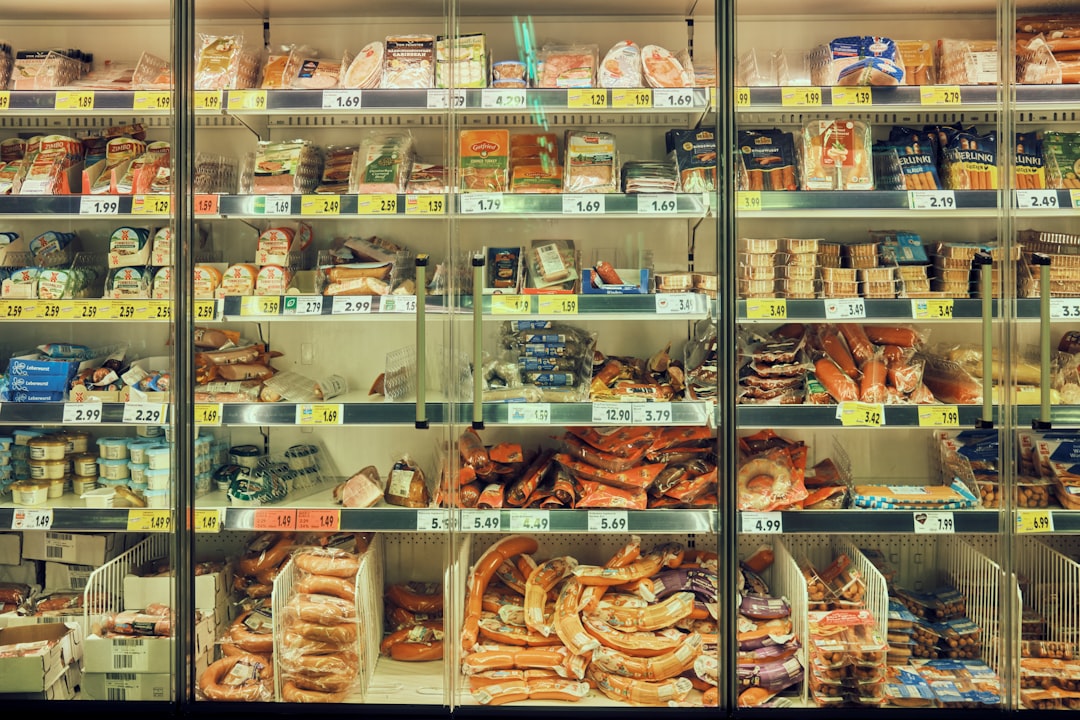
Overall food prices in the US are predicted to rise 3.0 percent in 2025, while food-at-home prices are expected to increase by 2.4 percent. Average US grocery prices in September 2025 were 2.7% higher than in September 2024, with the 0.6% increase from July to August 2025 representing the biggest month-to-month jump in three years.
Specific products showed dramatic increases, with uncooked ground beef up 14.2% between January and September 2025, while coffee prices increased by 15.3% due to import tariffs. Eggs, beef and veal, sugar and sweets, and nonalcoholic beverages are predicted to grow faster than their historical averages, with beverage prices driven partly by higher global coffee prices.
Asia-Pacific’s Contrasting Fortunes
China bucked the global trend, seeing its total price for basic groceries decline markedly over the past five years. China stands out for deflation rather than inflation, with consumer prices declining by 0.4% year-over-year in August 2025, suggesting weakening domestic demand.
Southern Asia showed notable improvements, with the prevalence of undernourishment falling from 7.9 percent in 2022 to 6.7 percent in 2024. However, other Asian nations faced different challenges. Australia’s food inflation peaked at 9.2% in late 2022, with ongoing challenges including Cyclone Alfred affecting fruit crops and bird flu outbreaks causing egg prices to more than double in two years.
Latin America’s Economic Struggles
Latin America and the Caribbean showed improvement, with undernourishment falling to 5.1 percent in 2024, down from a peak of 6.1 percent in 2020. However, individual countries within the region experienced vastly different outcomes.
Haiti remained among the five most gravely affected countries globally, with 51% of the population experiencing high levels of acute food insecurity, driven by economic contraction and high food inflation that severely limit food access. The contrast between regional averages and individual country experiences highlights the complexity of food inflation’s impact across Latin America.
Global Supply Chain Disruptions
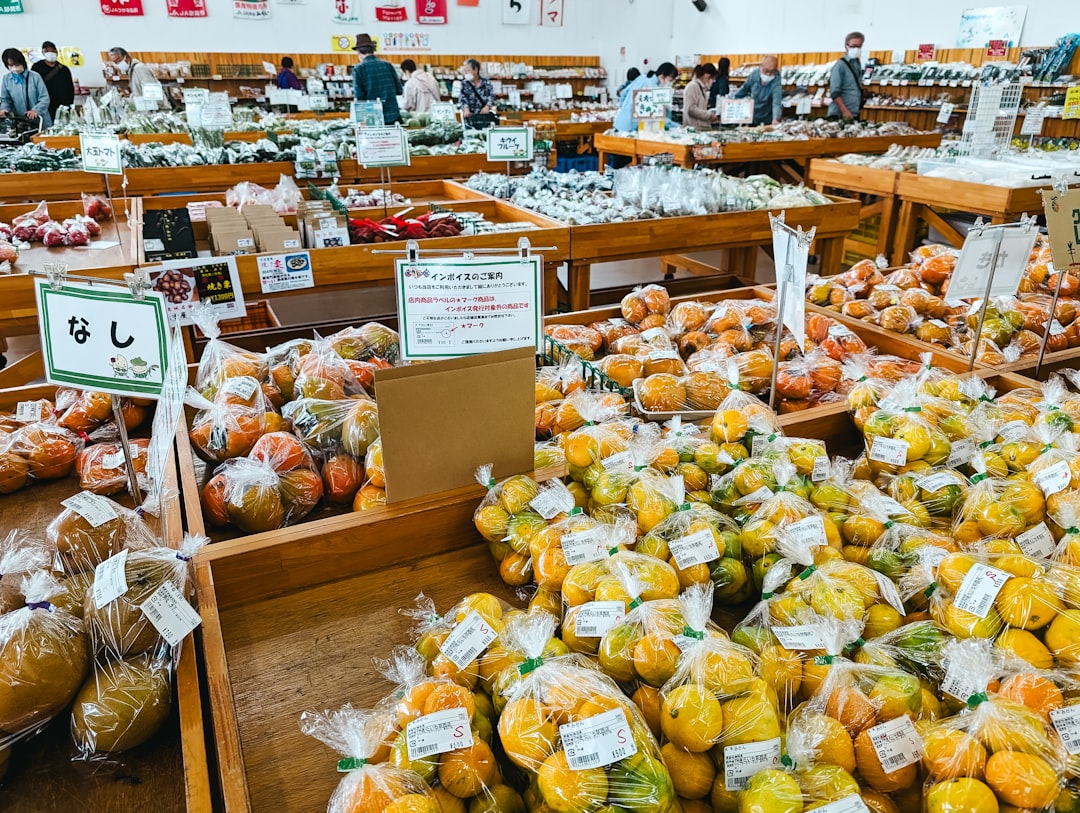
Global food markets faced specific challenges, including limited sunflower oil supplies from the Black Sea region due to harvest delays, while pig meat and poultry prices declined due to abundant supplies and trade restrictions. Both Russia and Ukraine, responsible for large shares of global agricultural trade, saw Ukraine’s wheat export forecasts fall to 14 million metric tons in 2024/2025, the lowest since 2014/15.
The October 2025 Commodity Markets Outlook reported expectations of commodity price declines of about 7% for the year, with agricultural and export-price indices closing 6% and 11% higher respectively. These supply chain disruptions created ripple effects that reached every corner of the global food system.
The Reality Behind the Numbers
Data from June and September 2025 shows high inflation in many low- and middle-income countries, with inflation higher than 5% in 55.6% of low-income countries and 51.1% of lower-middle-income countries, while food price inflation exceeded overall inflation in 65% of 161 countries studied. These statistics reveal the global scope of food affordability challenges.
An estimated 2.6 billion people could not afford a healthy diet in 2024, with affordability worsening in Africa and many low-income countries despite global improvements. High prices push families toward cheaper, ultra-processed foods with low nutritional value, with a 10 percent increase in food prices associated with a 2.7 to 4.3 percent rise in child wasting. The human cost of food inflation extends far beyond economic statistics, affecting nutrition and health outcomes worldwide.
Food inflation in 2025 has created a tale of two worlds, where geography and economic development determined whether families faced manageable price increases or life-altering food insecurity. The data reveals that while some nations successfully managed their food systems, others continue to struggle with the lasting impacts of global disruptions that began in 2020.