These Shy Species Vanish The Moment They Sense Humans
Have you ever wondered why certain wild animals seem to exist as whispers in remote corners of the planet, blurry flickers on a trail camera, ghostly shadows that evaporate the moment we arrive? It’s not paranoia on their part. These creatures have become masters of evasion, perfecting the art of vanishing into the landscape whenever they detect our approach. Some have evolved such acute senses that they can pick up the faintest hint of human presence from staggering distances. Others shift their entire schedules to avoid crossing paths with us.
This isn’t about timid prey hiding from predators. We’re talking about apex hunters, massive mammals, and evolutionary oddities that have learned one crucial survival lesson: humans are dangerous. Whether we carry cameras or rifles, whether we mean harm or goodwill, many species treat our presence as a threat worth fleeing. Let’s dive into the lives of ten remarkable creatures that disappear the instant they sense we’re nearby.
Snow Leopards Detect You Before You Know They’re There
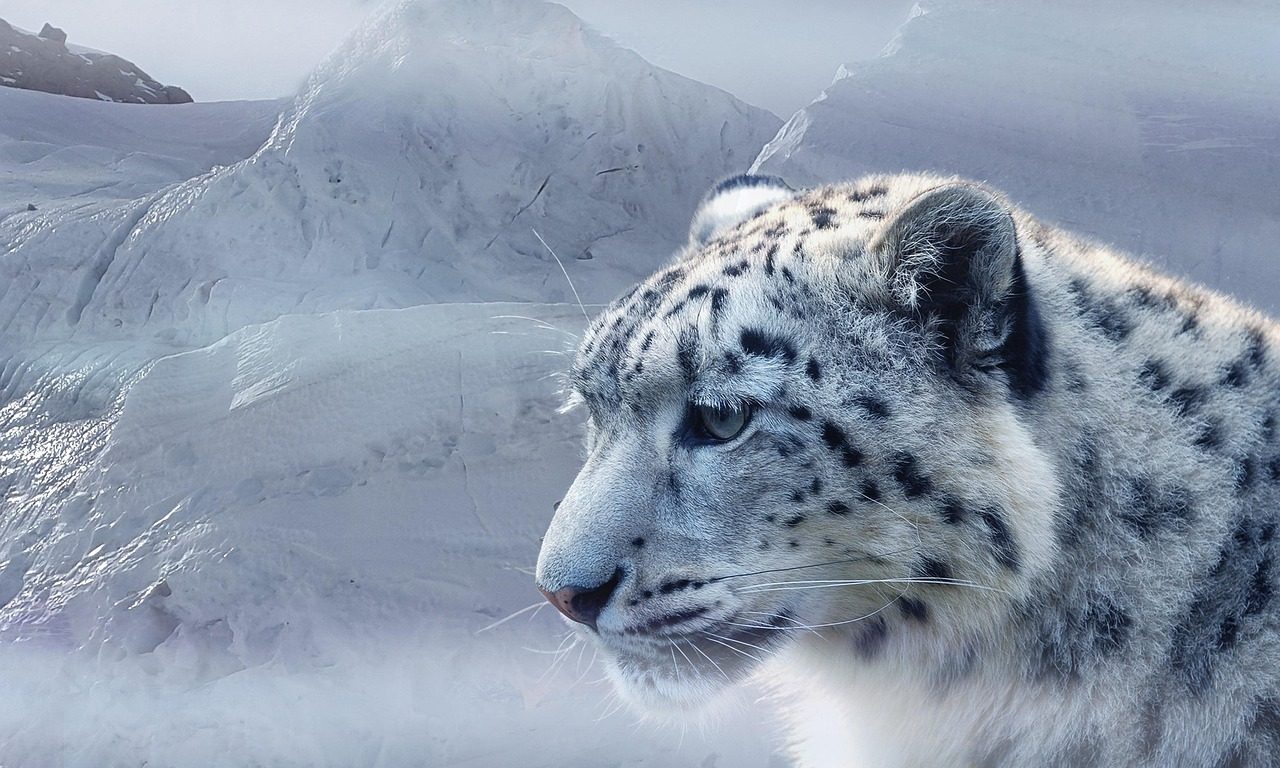
Snow leopards are shy, elusive cats known for their solitary nature, and honestly, calling them ghosts of the mountains is no exaggeration. These cats detect humans from a considerable distance and retreat before they are noticed. Research published in the Journal of Mammalogy found that snow leopards in areas near human settlements spend more time in rocky outcrops and steep cliffs where their camouflage is most effective, minimizing chances of being seen.
Here’s the thing: Snow leopards are not aggressive towards humans; only two verified non-fatal attacks on humans have been recorded, both involving a rabid or emaciated individual, and even if disturbed while feeding, they are more likely to run away. Their typical response to encountering people? Immediate retreat. The rarity of sightings of snow leopards in the wild suggests that they reduce their activity around areas where humans are present.
The Okapi Remains Hidden in Congo’s Shadows
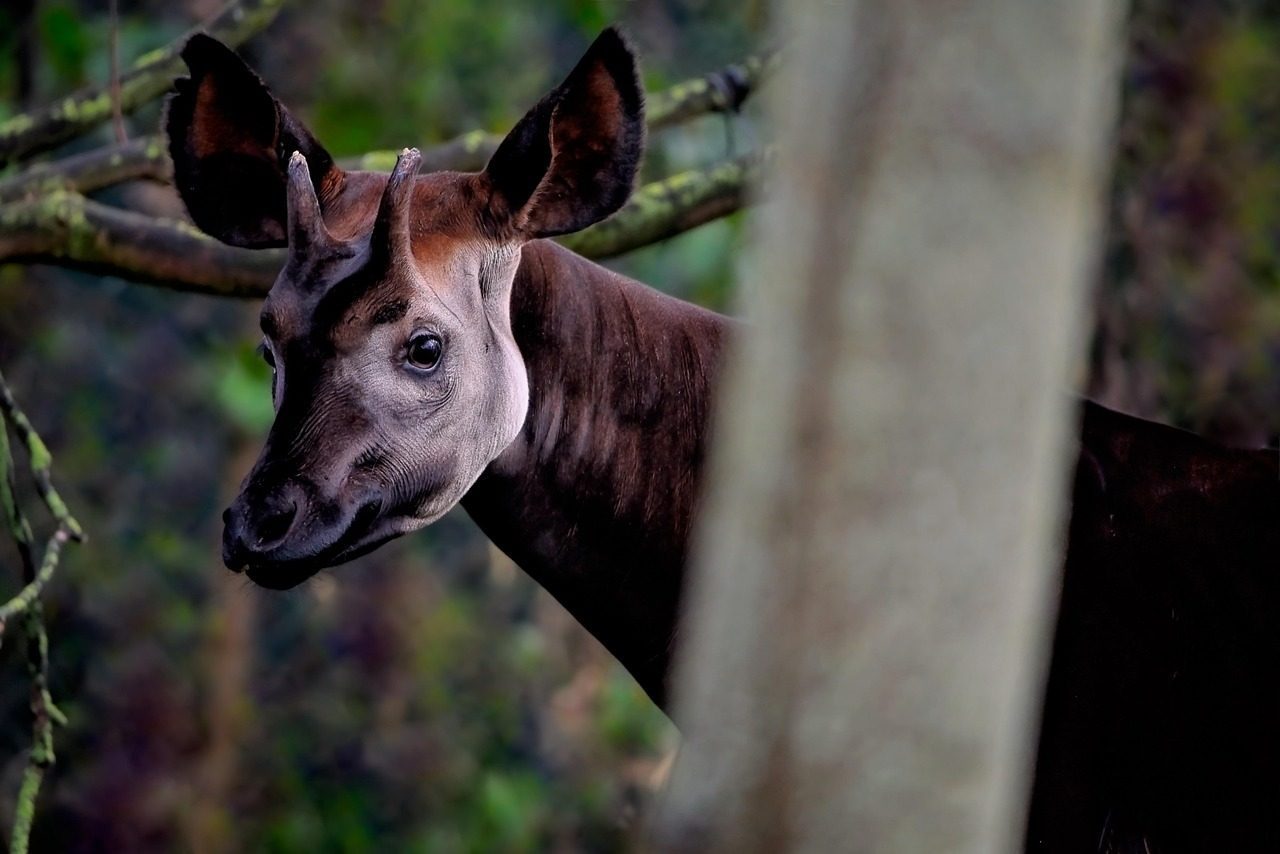
If you’ve never heard of the okapi, you’re not alone. Western scientists did not know okapis existed until the early 1900s, and they remain difficult to observe in the wild today. These zebra-striped, chocolate-coated relatives of the giraffe live exclusively in the dense rainforests of the Democratic Republic of Congo. Okapis’ zebra-like markings and dark reddish fur help camouflage them among dense, shadowy forests, while their sharp hearing keeps them alert to approaching threats.
These animals are solitary, shy, and masters of camouflage, making them incredibly difficult to locate. Think about that for a second. An animal roughly the size of a horse can simply dissolve into the forest. The okapi was not known to the western world until 1901, and before then were the subject of rumours, earning it the nickname “African unicorn” for its elusive nature rather than its horns.
Pangolins Roll Up and Disappear Into the Night
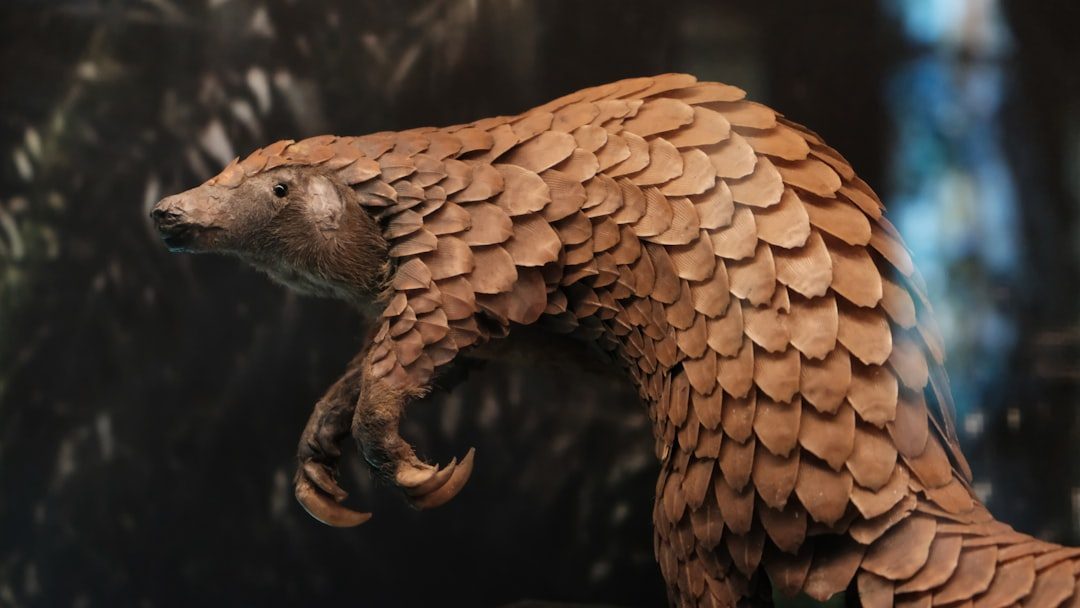
The solitary, nocturnal nature of the pangolin makes it difficult to assess how many there are in the wild. These scale-covered mammals have become the world’s most trafficked animals, yet few people have ever seen one outside captivity. Pangolins are solitary creatures mostly active at night and notoriously shy.
Their defense strategy? They curl into an impenetrable ball. When they sense danger, including humans, they simply vanish into burrows or roll up tight. Pangolins are the most trafficked mammals on the planet. Despite this horrifying statistic, they remain incredibly difficult to find in their natural habitat because they’ve adapted every aspect of their behavior to avoid detection.
Mammals Are Becoming Nocturnal To Avoid Us
Let’s talk about something genuinely unsettling. Scientists conducting a global meta-analysis discovered that animals increased their nocturnality by an average factor of 1.36 in response to human disturbance, and this finding was consistent across continents, habitats, taxa, and human activities. Research published in the journal Science in 2021 examined data from 76 studies covering 62 mammal species worldwide.
Animals responded strongly to all types of human disturbance, regardless of whether people actually posed a direct threat, suggesting that our presence alone is enough to disrupt their natural patterns of behavior. Think about that. Even recreational hiking causes wildlife to fundamentally alter when they’re active. It’s not just direct threats like hunting making animals more nocturnal; even recreational activities like hiking and mountain biking, or activities like collection of forest produce, agriculture, and development of infrastructure seem to be inducing shifts in mammals’ activity schedules.
Some examples are shocking. Sun bears in the Sumatran jungle went from being 19 percent active during the night in areas with few signs of humans to 90 percent in high disturbance areas.
Giant Squids Lurk Beyond Our Reach
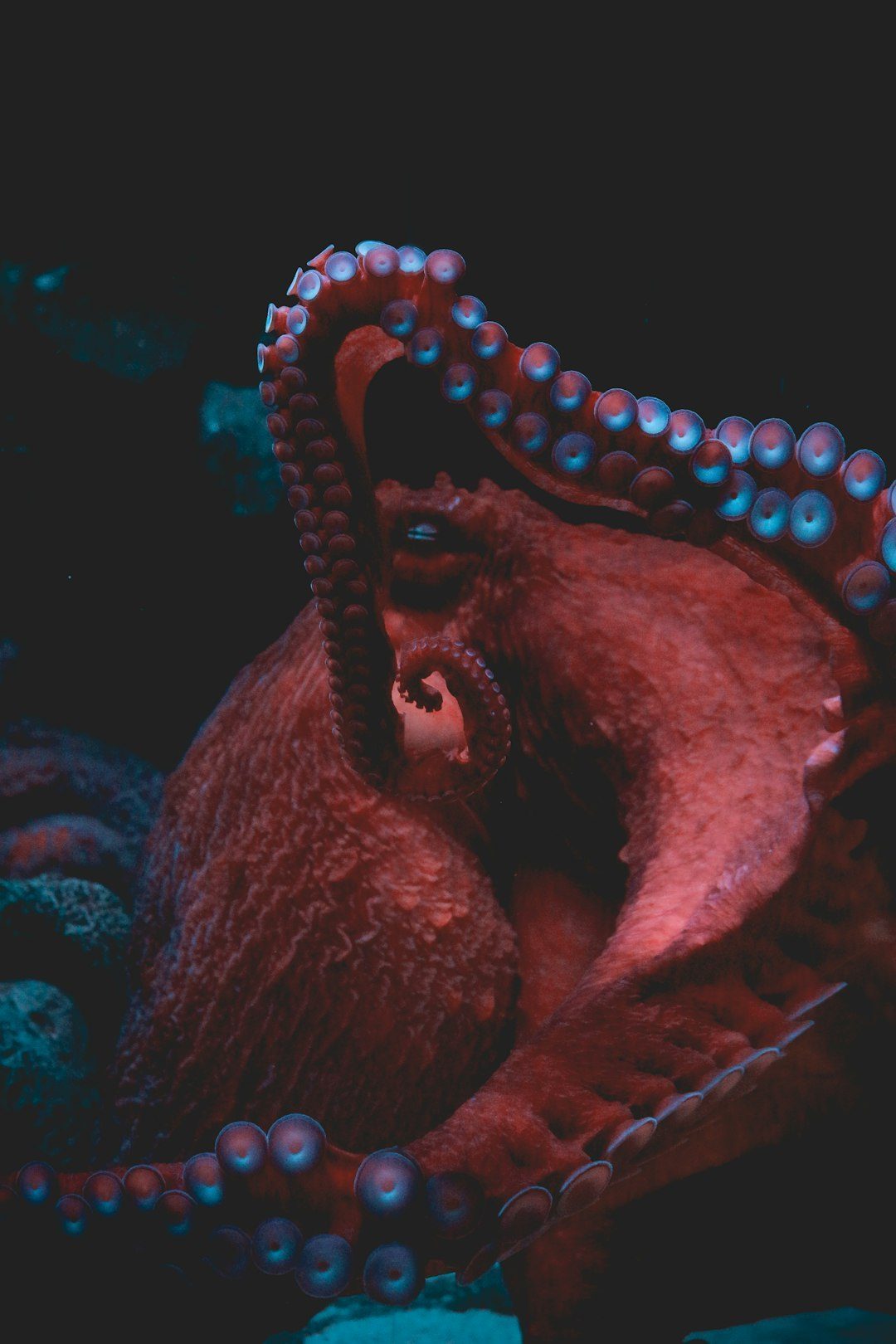
The giant squid represents perhaps the ultimate vanishing act. These massive cephalopods inhabit the deep ocean, a realm so alien and inaccessible that we’ve barely begun to understand it. For centuries, they existed only in sailors’ tales and the occasional beached carcass. Even with modern technology, sightings remain extraordinarily rare.
These creatures don’t flee from humans in the traditional sense. They simply exist in an environment we can barely penetrate. The deep ocean offers them protection through sheer remoteness and crushing pressure that makes human observation nearly impossible. When we do catch glimpses through submersibles or deep-sea cameras, we’re seeing animals in a world where our presence is so unusual that the squids themselves seem almost curious before disappearing back into the abyss.
Saola: The Asian Unicorn Nobody Sees
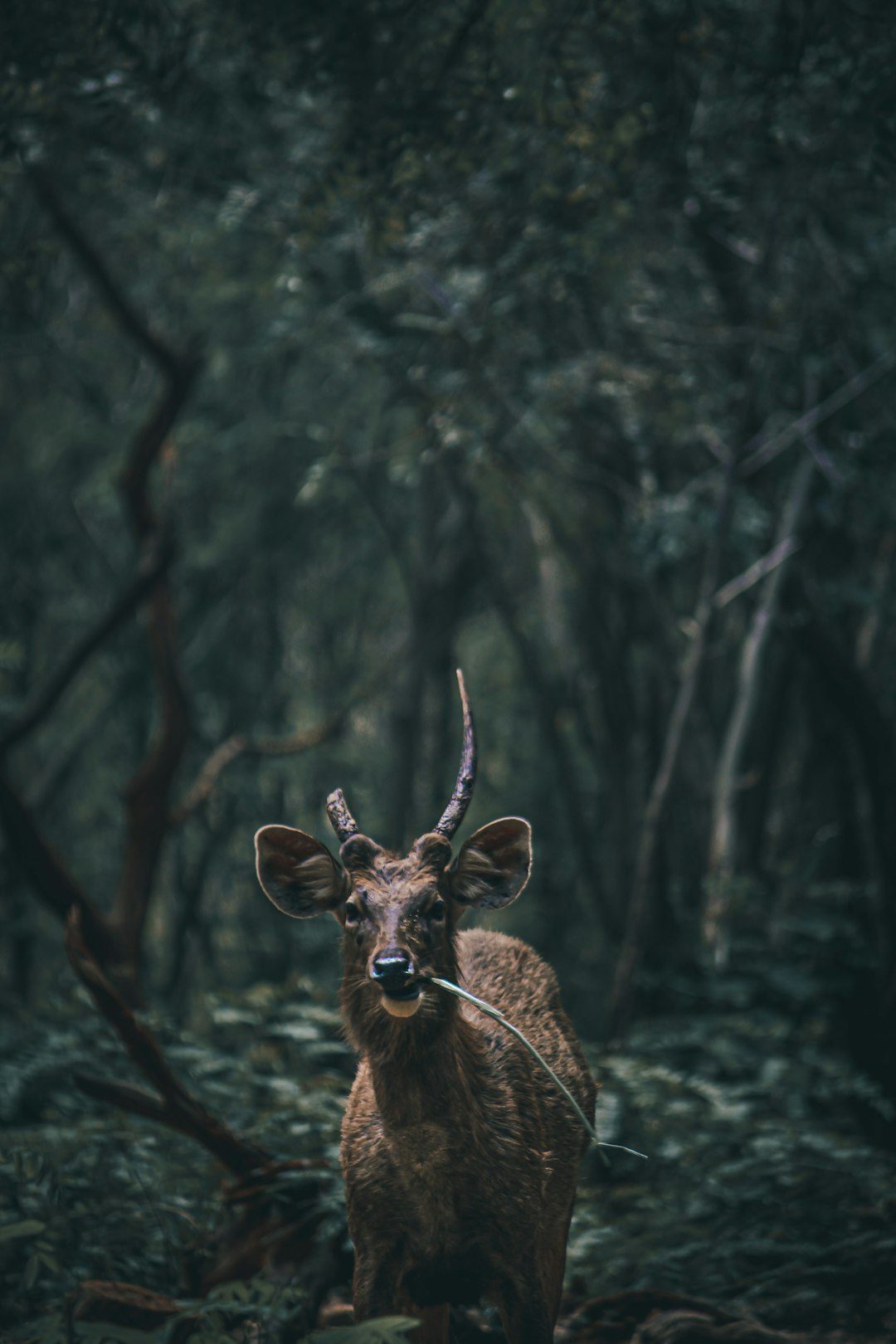
These elusive and rarely-seen antelope are among the world’s most mysterious endangered animals, only known to science since 1992, yet their numbers are already estimated to be down to double digits. The saola, found in Vietnam and Laos, is so secretive that researchers rely almost entirely on camera trap images to confirm its existence. There’s not a single saola in captivity anywhere in the world.
With not one of these mysterious mammals in captivity, tragically, they’re on track to vanish by 2050. The saola’s forest habitat has been fragmented by roads and agriculture, yet the animal itself remains a phantom. Local hunters occasionally capture them in snares meant for other species, but deliberate sightings are virtually nonexistent.
Javan Rhinos Hide In Ujung Kulon’s Forests
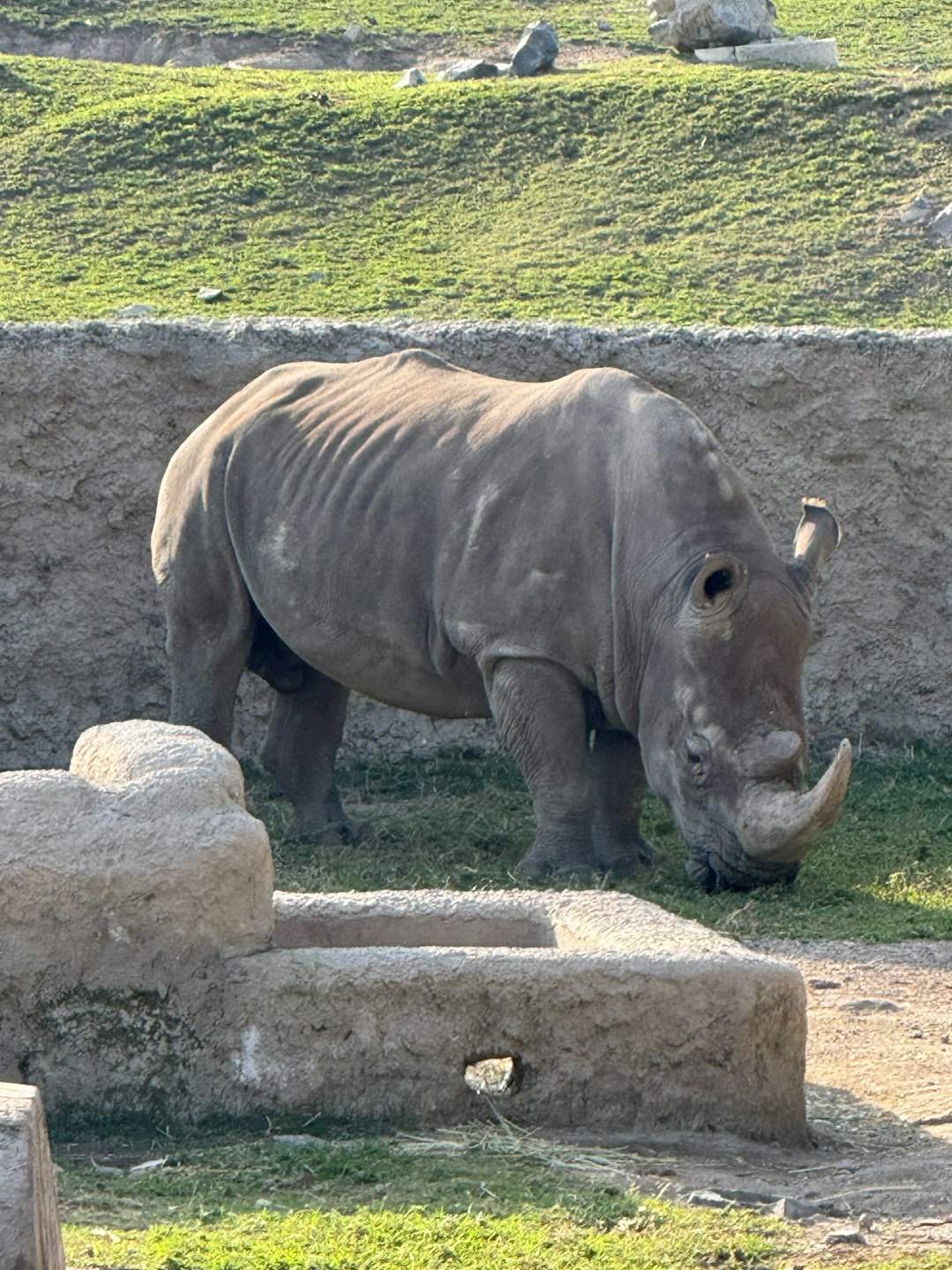
Already vanquished from Vietnam by poachers, 81 of these one-horned wonders live in the lowland tropical rainforests of Java’s Ujung Kulon National Park on the Indonesian island’s south-western tip. This represents the entire wild population of Javan rhinos left on Earth. There’s not a single Javan Rhino in captivity.
These rhinos are smaller than their African cousins, but they’re equally wary of human presence. They inhabit dense forest where visibility is measured in feet rather than miles. Rangers protecting them rely on camera traps and indirect signs like tracks and dung to monitor the population because direct observation is so rare. The rhinos have learned that survival depends on staying invisible.
Research Shows Animals Can Hear and See Camera Traps
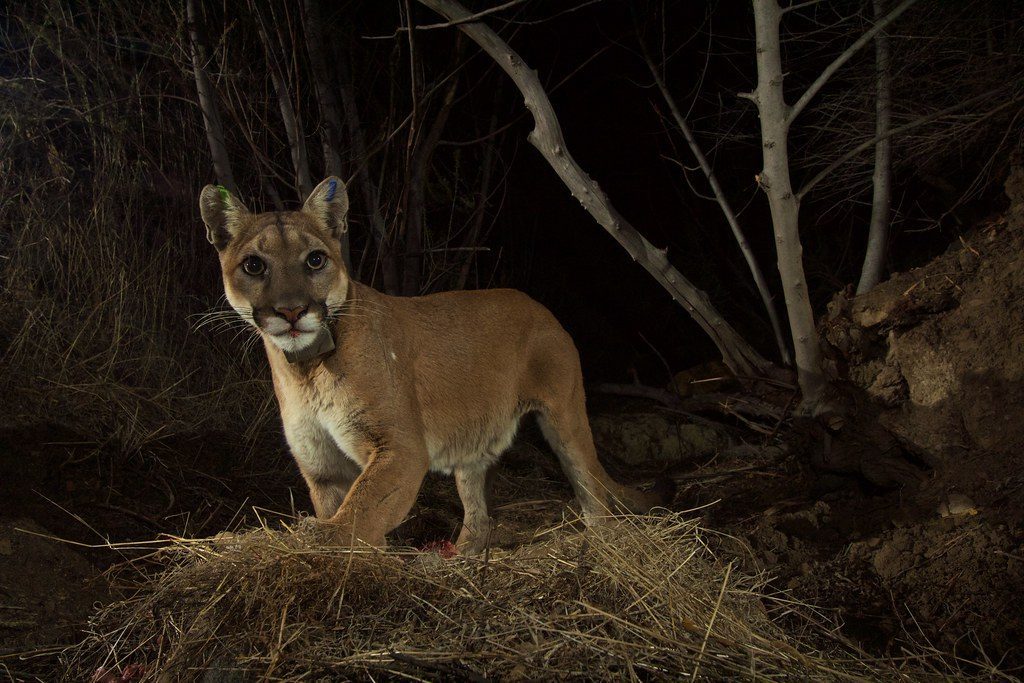
Here’s something that makes the whole picture even more fascinating. A study published in PLOS ONE revealed that most mammals can hear the operational sounds generated by camera traps in both the infrasound and ultrasound ranges. Furthermore, most mammals can hear operational sounds generated by camera traps in both infrasound and ultrasound ranges, and most can see the infra-red illumination used in camera traps.
Infrared LED’s are emitting light that is nearly invisible to the human eye, but not some animals. Even our best attempts to observe wildlife without disturbing them are being detected by the very animals we’re trying to study. They know we’re watching, even when we think we’re invisible.
Tapirs Disappear When They Detect Movement
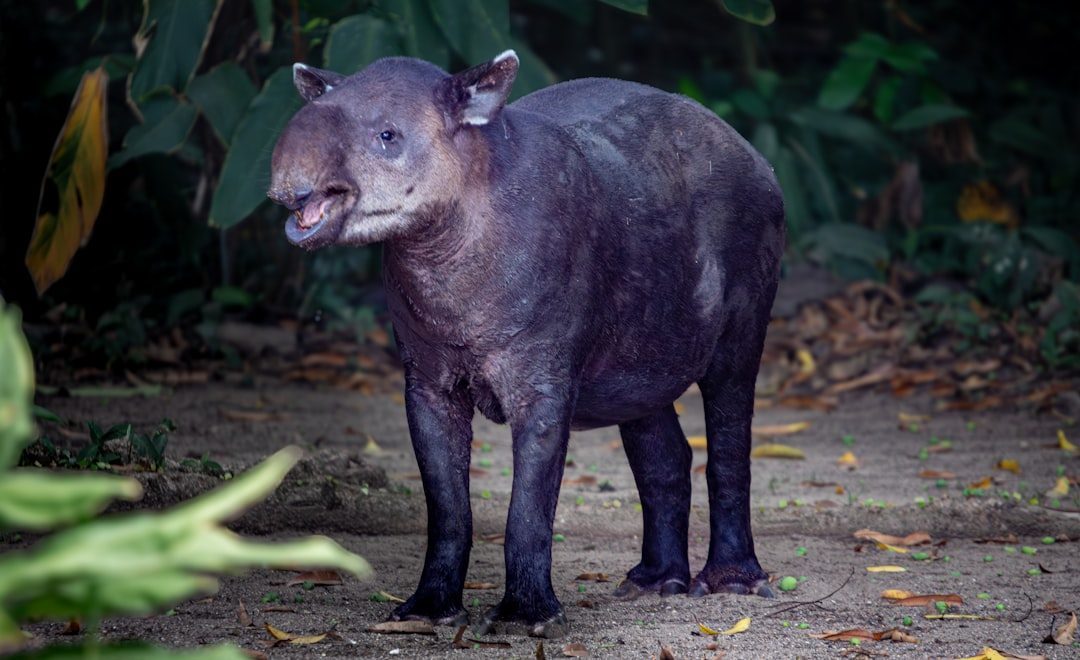
Tapirs might look like peculiar prehistoric holdovers, and that’s basically what they are. These large herbivores inhabit forests across South America and Southeast Asia, and they’re masters of melting into vegetation. Despite their substantial size, tapirs are incredibly shy creatures that rely on dense cover and nocturnal activity to avoid humans.
Camera trap studies consistently show that tapirs alter their behavior dramatically in areas with human activity. They become more nocturnal, shift their feeding areas, and use different trails to avoid contact. Their excellent hearing and sense of smell allow them to detect humans from considerable distances, giving them time to simply vanish into the undergrowth long before we know they were ever nearby.
Why This Matters For Conservation
The fact that so many species have become expert at avoiding humans creates a paradox for conservation. Catastrophic losses in wildlife populations and habitats as a result of human activity are well documented, but the subtler ways in which we affect animal behavior are more difficult to detect and quantify. We can’t protect what we can’t see or study.
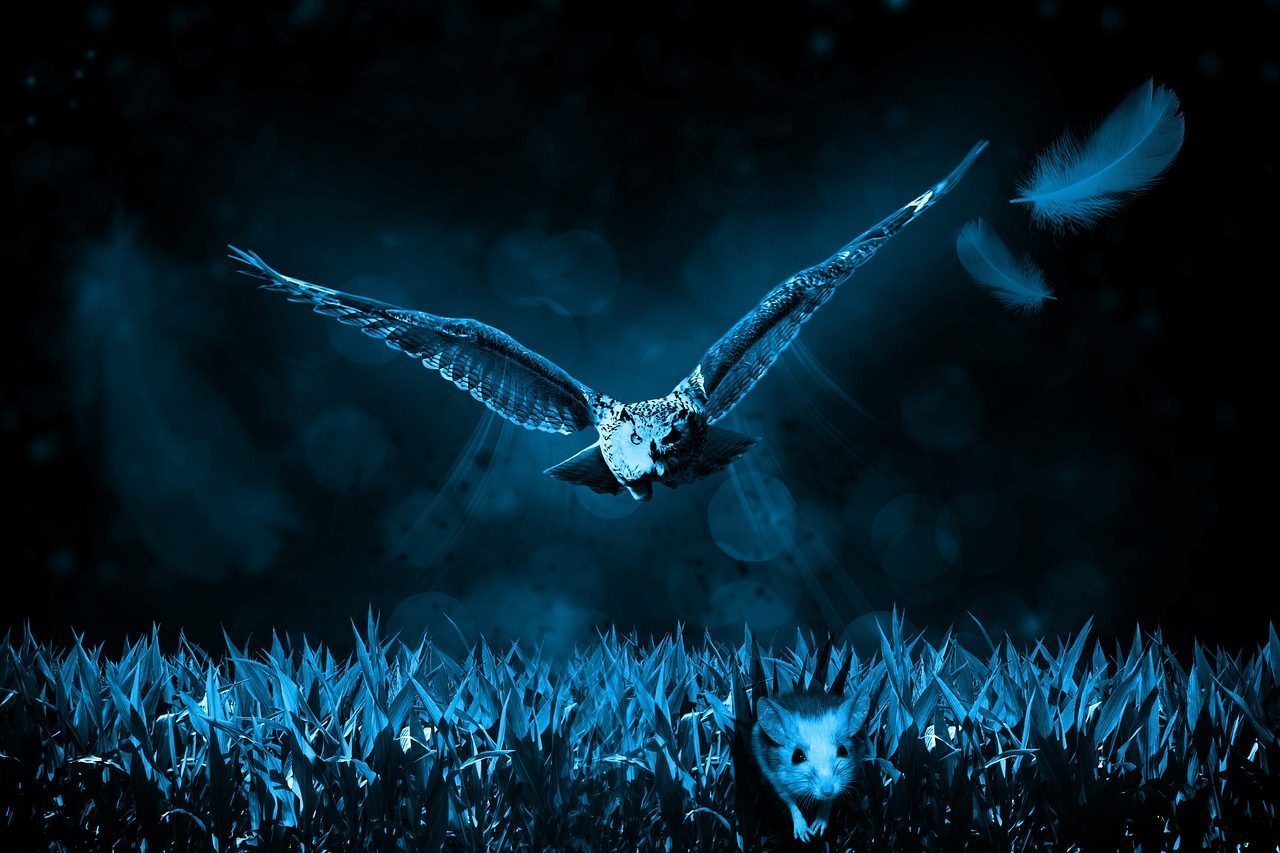
As long as animals are able to meet their needs during the night, they may actually thrive in human-dominated landscapes by avoiding daytime direct encounters with people that could potentially be dangerous for both parties; in Nepal, tigers and people share the exact same trails in the forest at different times of day, reducing direct conflict. This temporal partitioning might allow coexistence on an increasingly crowded planet.
Yet there’s a darker side. Diurnally adapted animals may not be as successful at finding food, avoiding predators or communicating in the darkness, which could even reduce their survival or reproduction. The long-term consequences of forcing entire species to abandon millions of years of evolutionary adaptation remain unknown. What we do know is that our mere presence reshapes the behavior of wildlife across the globe, turning day-active animals into creatures of the night and pushing the shyest species further into vanishing corners of wilderness.
Did you wonder just how profoundly human activity affects wildlife behavior around the world? What do you think about species changing their entire activity patterns just to avoid us?