9 Illegal Electrical Add-Ons Inspectors Say Homeowners Keep Trying To Use
Many homeowners try to modernize or improve their electrical systems without realizing that some common DIY practices violate the National Electrical Code and local regulations, creating fire hazards and potentially voiding insurance coverage. Home inspectors frequently flag these illegal upgrades when homes are sold, sometimes requiring expensive corrections. Here’s what you need to know about the electrical modifications that keep landing homeowners in hot water with inspectors.
Extension Cords as Permanent Wiring
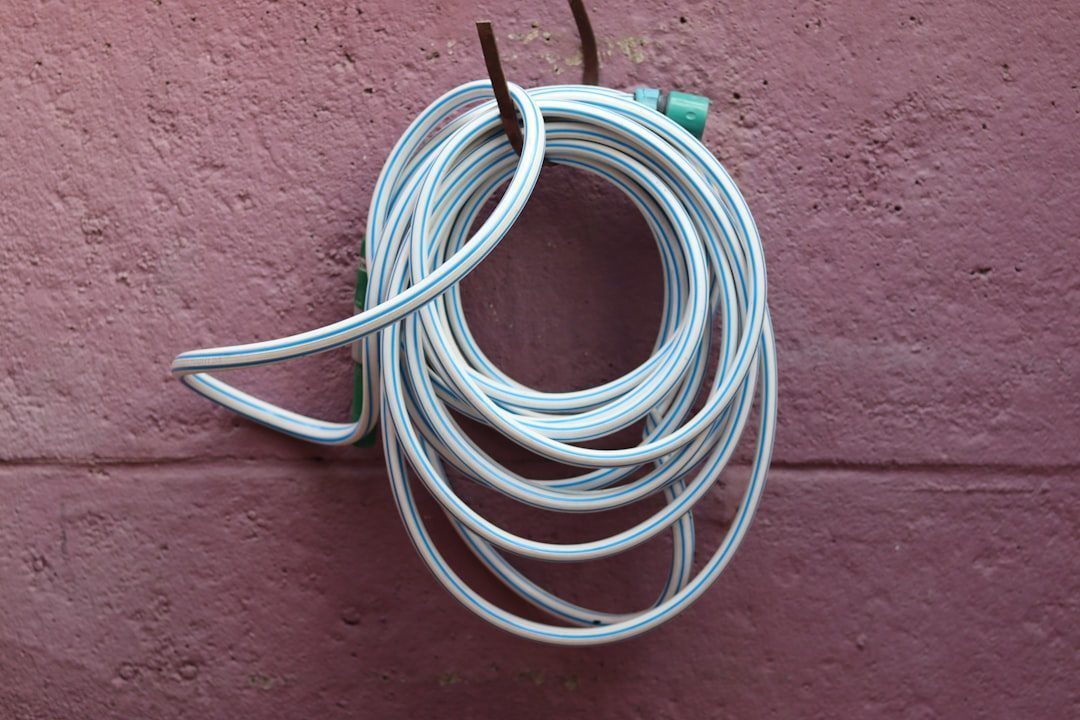
According to the National Fire Protection Association, using extension cords as permanent wiring is a fire code violation, and if you find yourself relying on extension cords daily, it’s a sign you need additional outlets installed. Let’s be real, we’ve all seen extension cords snaking under rugs or stapled along baseboards. The National Electrical Code does not allow extension cords in lieu of permanent wiring, and the general rule is if equipment is powered from an extension cord for more than 30 days, permanent solutions should be installed. The National Fire Protection Association estimates nearly 50,000 dwelling fires in the U.S. happen every year due to overloading an electrical system not equipped with enough receptacles, and homeowners often rely on extension cords not designed to handle large amounts of electricity.
Oversized Circuit Breakers
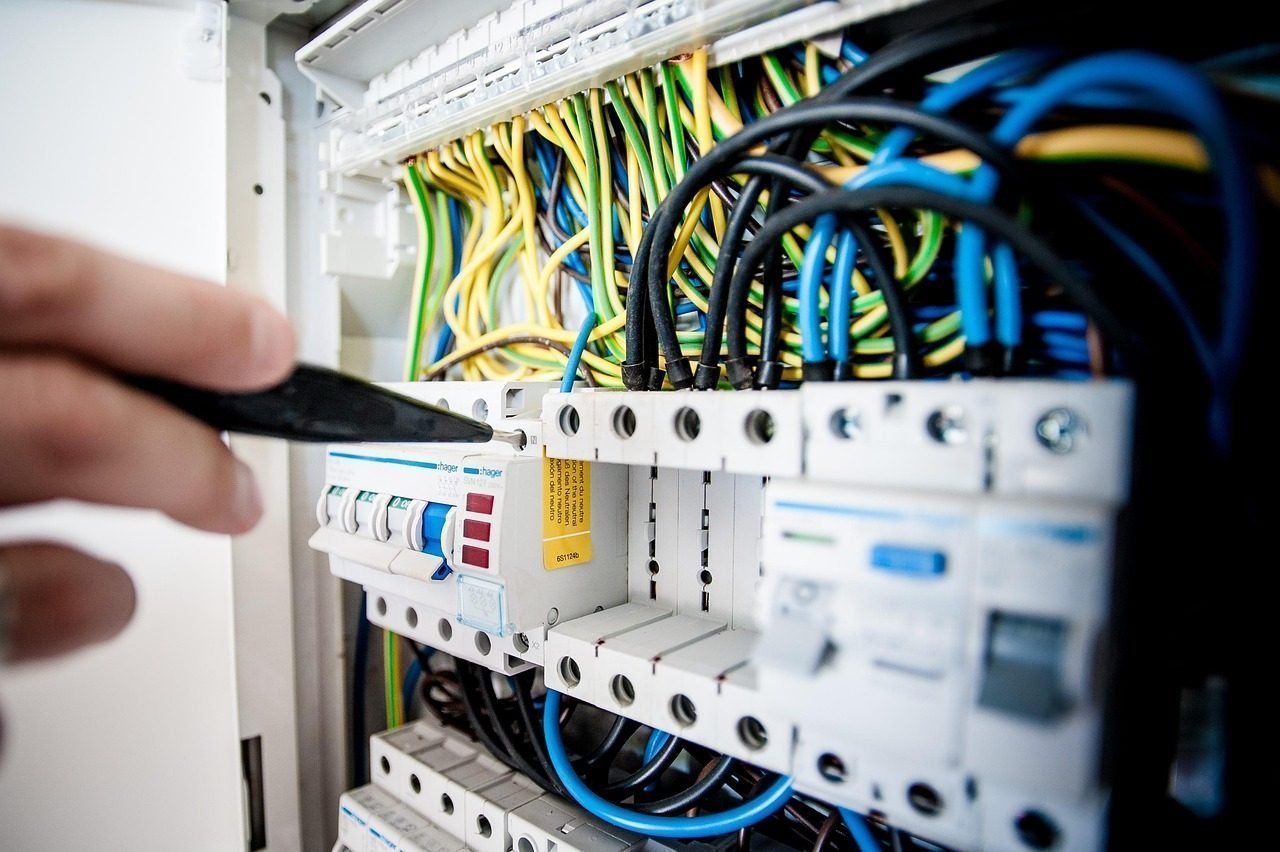
Replacing a 15-amp breaker with a 20- or 30-amp breaker to stop tripping is illegal and extremely dangerous because it allows wiring to carry more current than it was designed for, dramatically increasing fire risk, and licensed electricians consider this one of the most hazardous DIY mistakes seen in U.S. homes. Think about it this way: a breaker that constantly trips is trying to tell you something. A breaker is matched to load capacity and wire size, and larger breakers allow more and more current to flow through before they trip, catch on fire or blow out your home’s electricity system.
Ungrounded Three-Prong Outlets
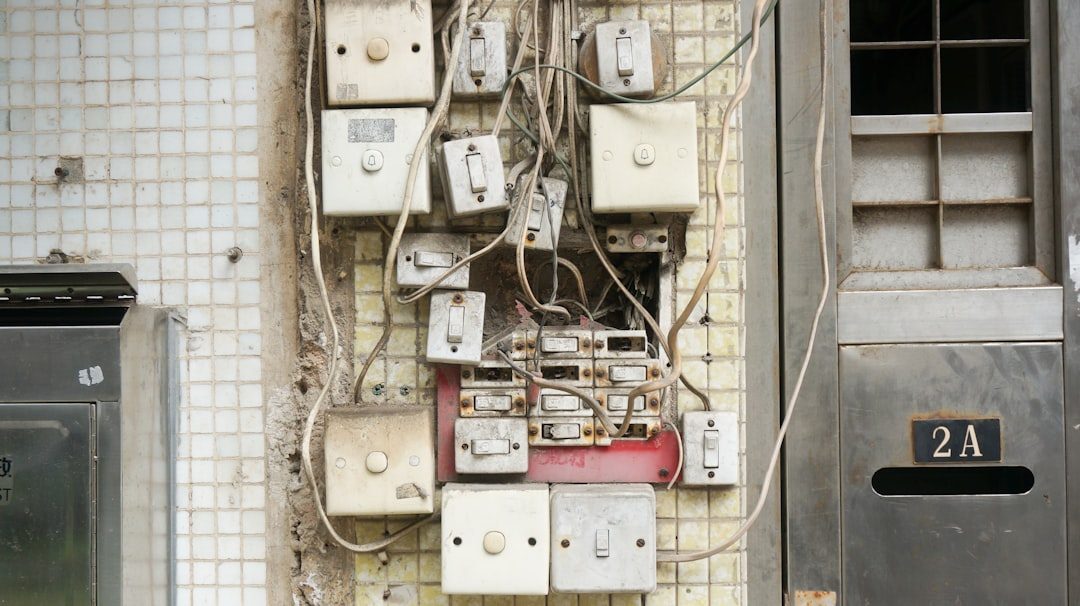
Some homeowners add outlets without connecting them to a grounded system, especially in older houses, and un-grounded outlets violate electrical code and put users at risk of shock, especially when plugging in metal-cased appliances or electronics. According to the Electrical Safety Foundation International, replacing two-prong outlets without proper grounding is one of the most common code violations. The NEC requires that all three-prong outlets be properly grounded or replaced with ground-fault circuit interrupters clearly labeled as No Equipment Ground.
Missing GFCI Protection in Wet Areas
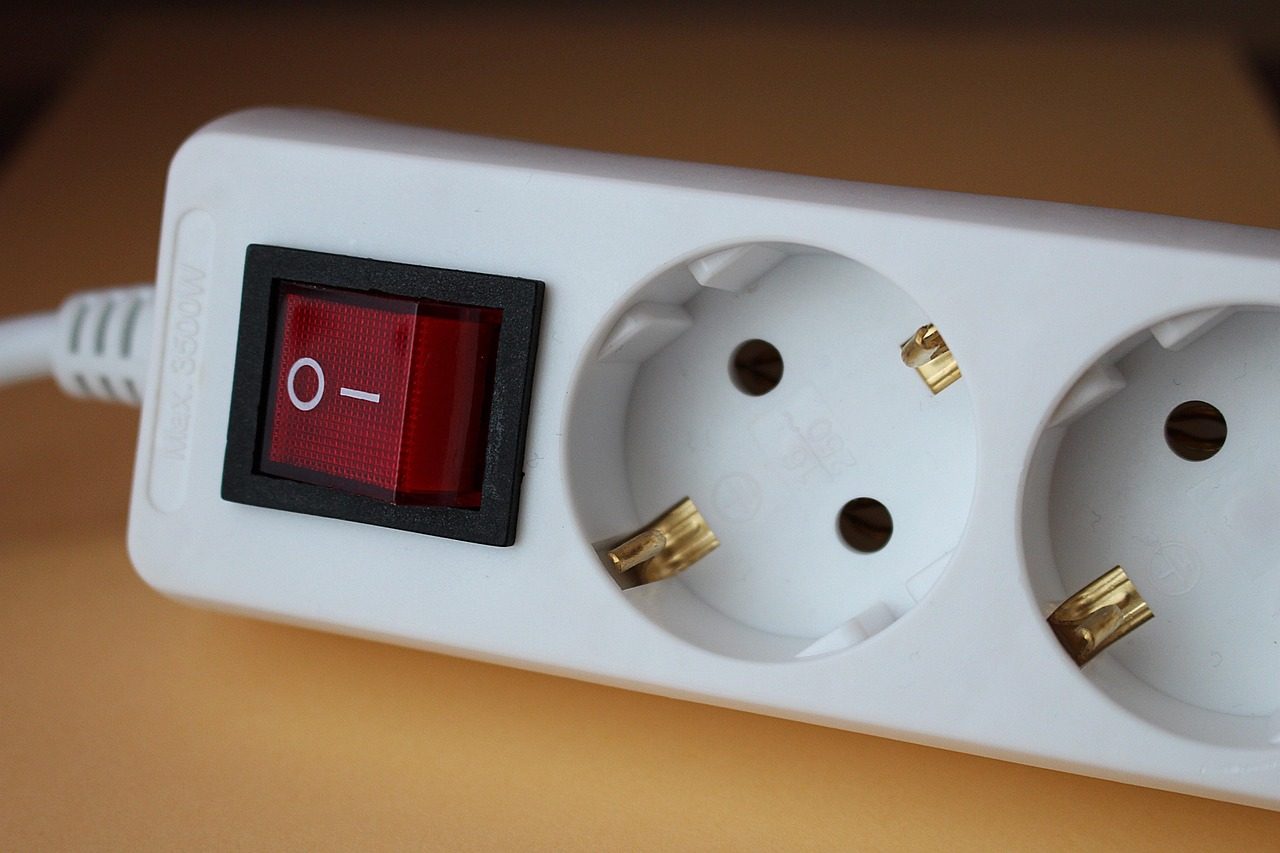
According to the National Electrical Code, GFCIs are mandatory wherever water and electricity might meet, and homeowners who skip installation or still use standard outlets in kitchens, bathrooms, garages, and outdoor areas are violating safety laws, though the Electrical Safety Foundation International emphasizes that GFCIs have saved countless lives since their introduction in the 1970s. Here’s the thing: roughly half of all electrocution deaths occur in homes. GFCIs protect you from electric shock, and they’re required in multiple places around your home where water is present.
Improperly Mixed Aluminum and Copper Wiring
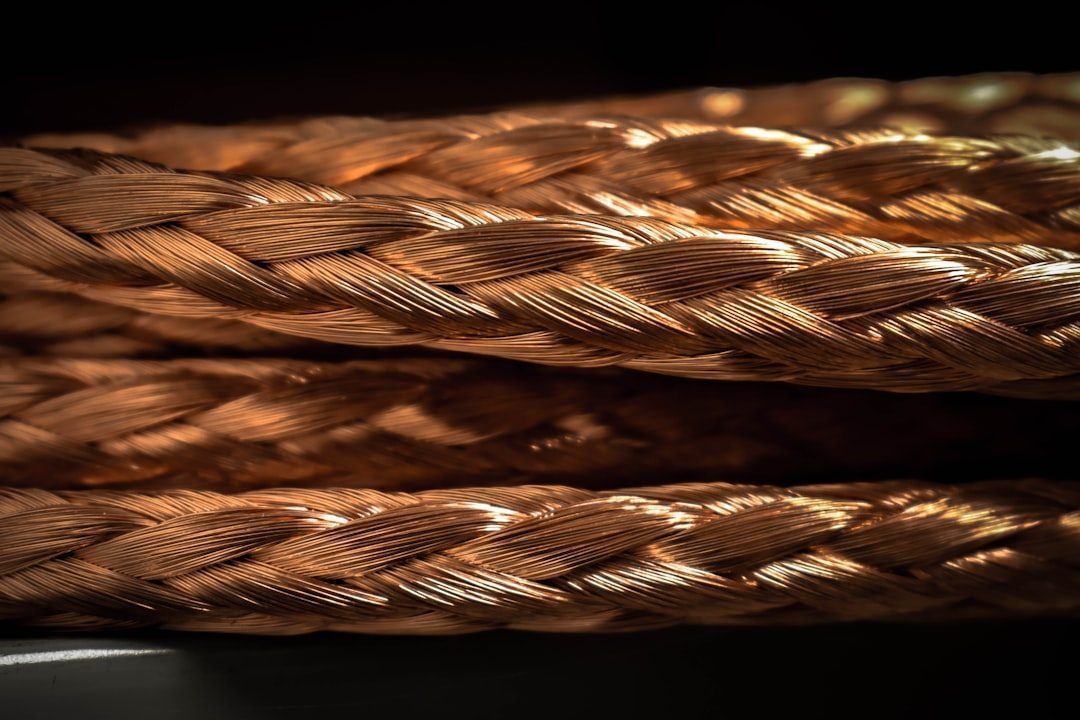
Electrical wiring in dwellings constructed before 1970 may be in violation of local or regional electrical codes, and aluminum wiring widely used in the 70s may be safe but could present safety issues if connected to copper wiring. Homeowners should never twist aluminum and copper wires together directly without proper connectors. When aluminum wiring is connected to copper or brass, a chemical reaction called galvanic corrosion can occur, which further degrades the wiring and increases the risk of failure and fire hazards. According to the U.S. Consumer Product Safety Commission, homes with aluminum wiring are 55 times more likely to have fire hazard conditions than those wired with copper.
Daisy-Chained Extension Cords and Power Strips
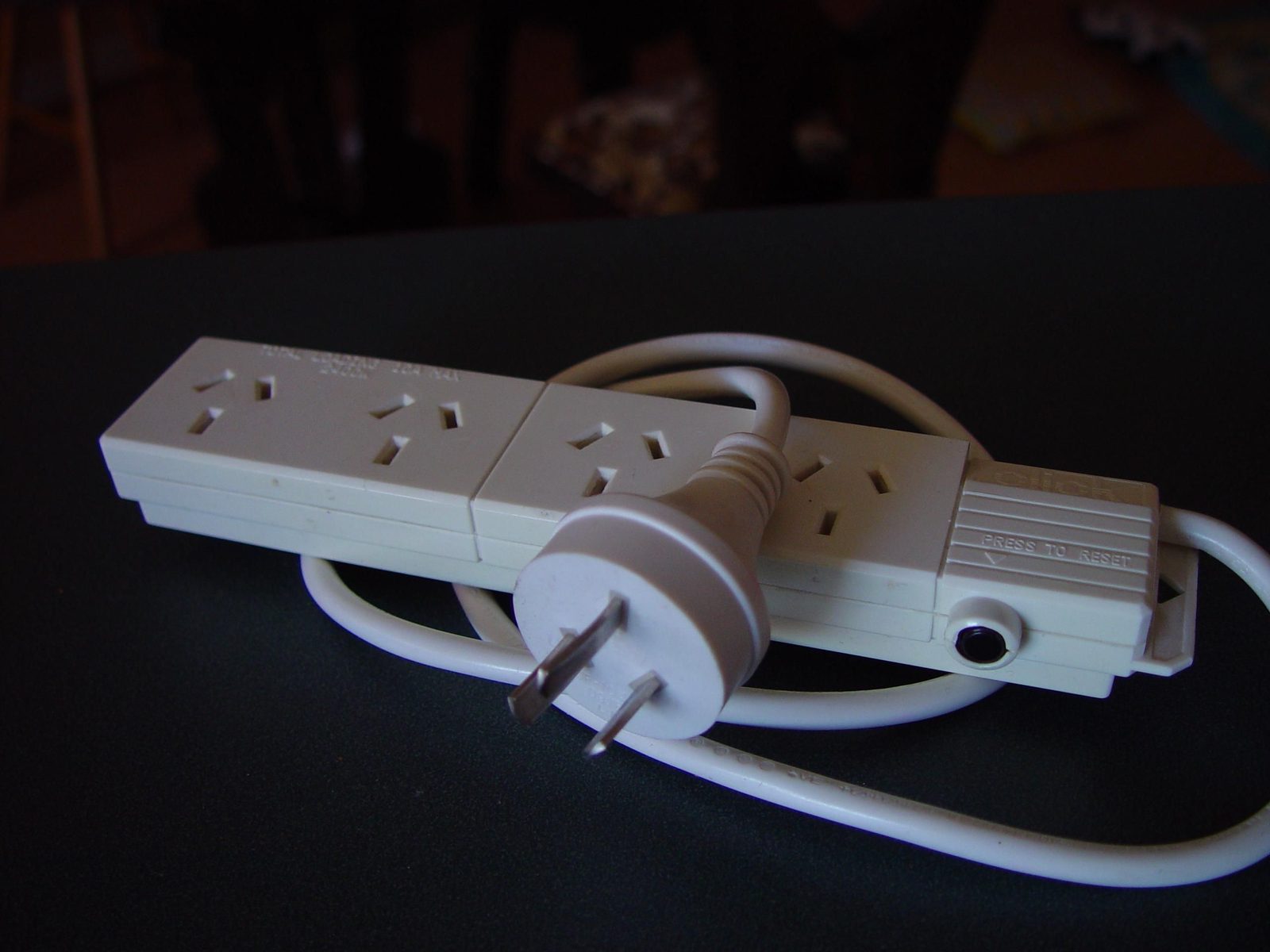
Interconnecting extension cords and surge protectors or power strips in a series is a violation of Occupational Safety and Health Administration regulations and the National Electrical Code because doing so can cause them to become overloaded, which could lead to their failure and a possible fire. I know it sounds crazy, but this is actually one of the most common violations inspectors find. Plugging multiple extension cords together, often called daisy-chaining, increases resistance, heat buildup, and the likelihood of fire, and fire marshals frequently cite daisy-chaining as a clear violation of safety codes.
Open Splices and Uncovered Junction Boxes
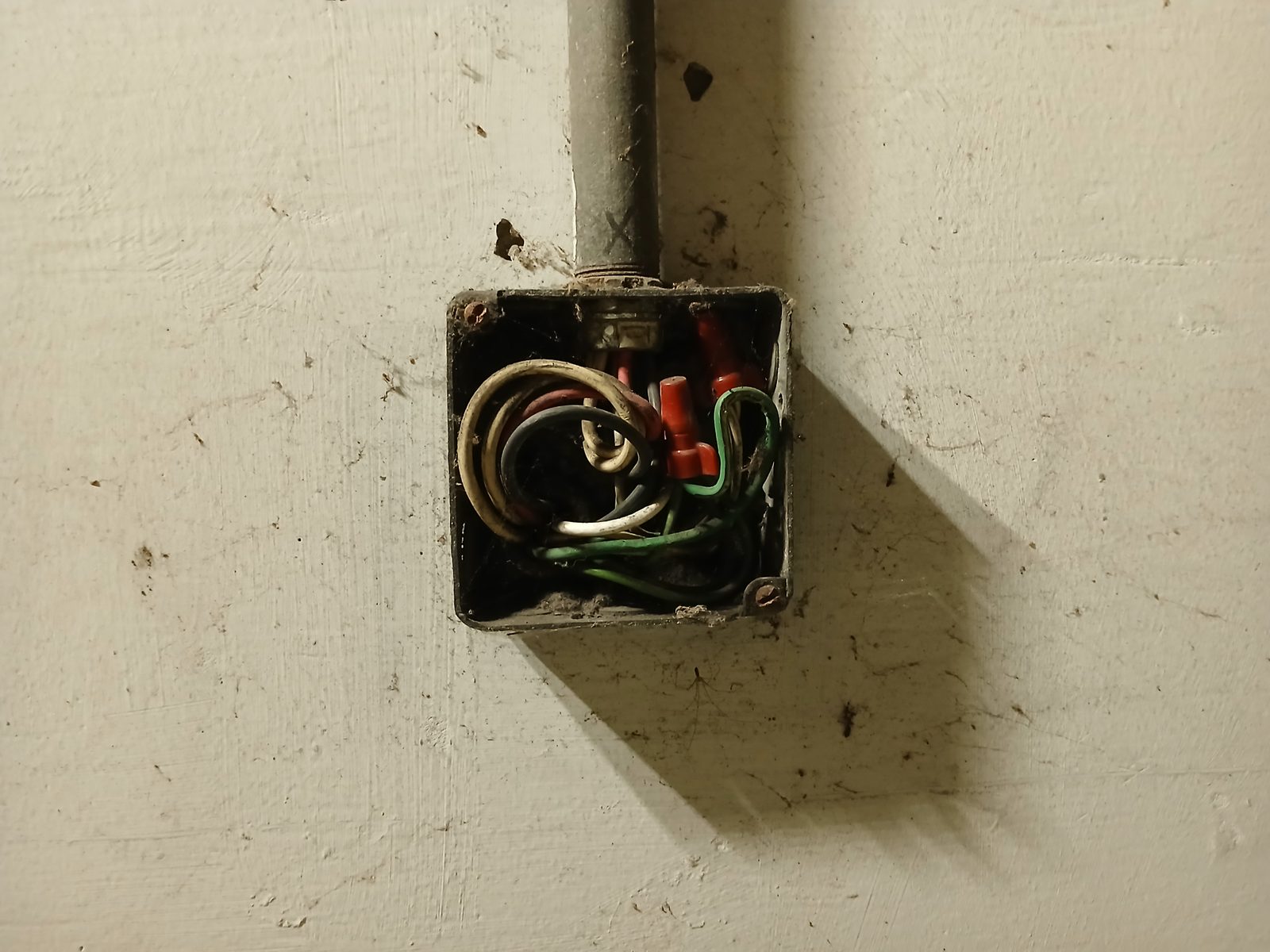
Twisting wires together in a wall cavity and covering them with tape is strictly prohibited, and U.S. electrical code requires all splices to be enclosed in approved boxes to reduce the risk of arcing, short circuits, and overheating. Electrical inspectors flag open splices as immediate fire hazards. A junction box is meant to protect wire connections, but covering it with drywall or leaving it open is both unsafe and illegal, and according to the NFPA, exposed or buried connections are a top cause of electrical fires in older homes.
Indoor Romex Cable Used Outdoors
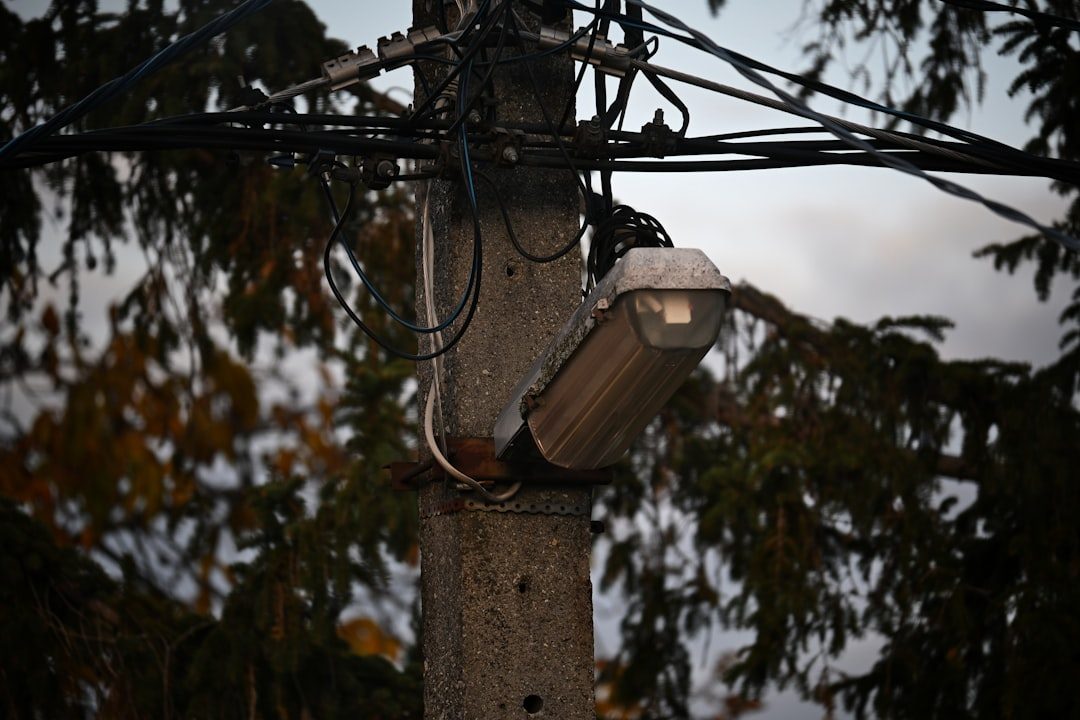
Romex is for indoor use only, and using it outside, under decks, across yards, or along fences exposes it to weather and physical damage which violates code, as outdoor wiring must use approved weather-resistant conduit and cable types designed to withstand moisture and UV exposure. Outdoor cords are rated for UV resistance and heavy-duty insulation unlike their indoor counterparts, and the NEC specifically requires cords marked W for outdoor use. Honestly, the difference between indoor and outdoor rated materials isn’t just about following rules; it’s about preventing your wiring from becoming brittle and dangerous over time.
Ceiling Fans on Standard Light Fixture Boxes
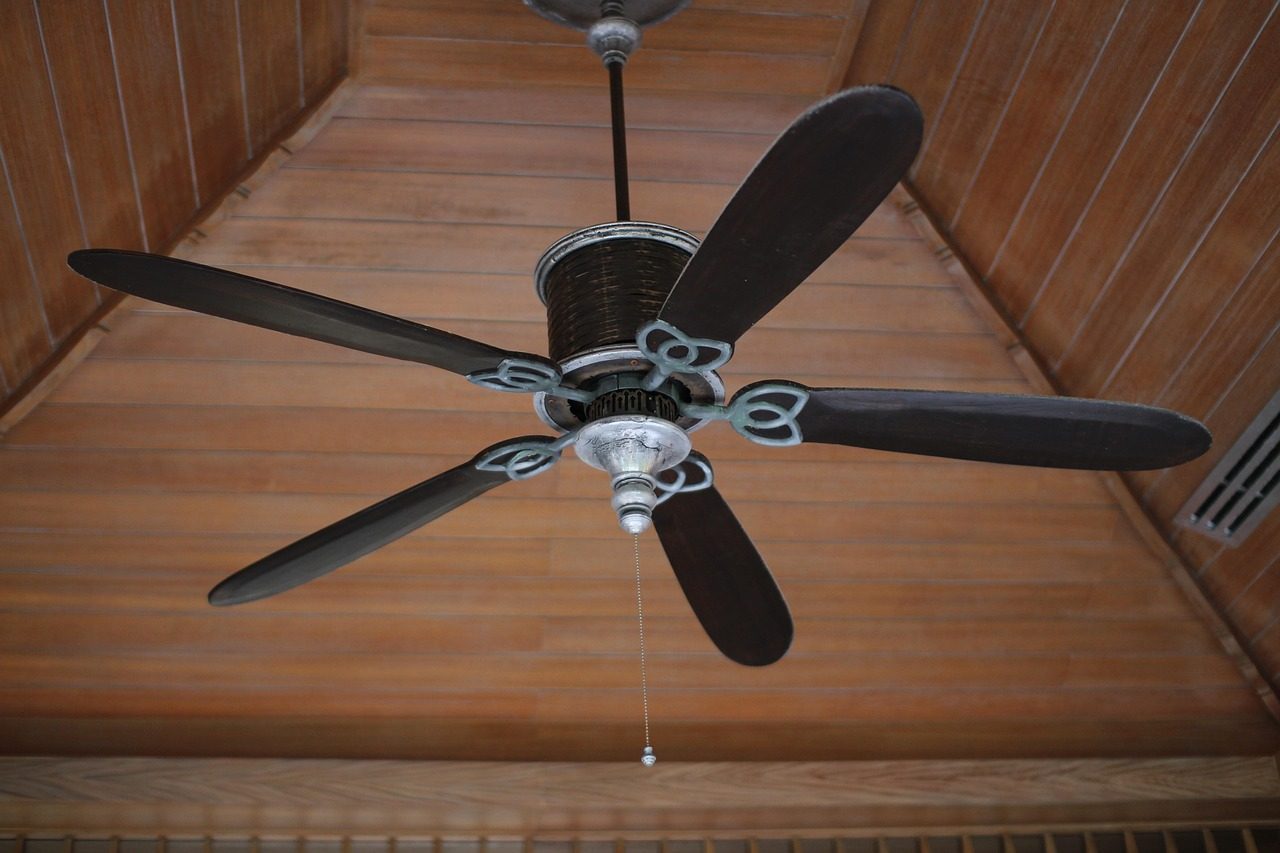
Some homeowners mount heavy ceiling fans to boxes designed only for light fixtures, and electricians warn that these boxes cannot handle the weight or vibration of fans, with failures having caused injuries and structural damage, while U.S. building codes specify fan-rated boxes for any overhead fan installation. This might seem like a minor detail, but the weight and constant motion of a spinning fan create stress that a regular box simply wasn’t engineered to handle. It’s hard to say for sure, but inspectors estimate this violation exists in roughly a quarter of homes with ceiling fans installed by previous owners or inexperienced DIYers.
Addressing electrical code violations isn’t just about passing inspections or avoiding fines. Electrical codes exist to protect individuals from faulty systems, and putting off repairs can lead to safety risks including electrical hazards that increase the risk of surges, arcing, shocks, and electrical fires. The vast majority of these violations are completely preventable with proper installation by licensed electricians who understand current code requirements. Did you notice any of these issues in your own home?