7 Animals Hollywood Made Look Dangerous But Aren’t
Hollywood loves a good villain. Whether it’s aliens, serial killers, or nature itself, screenwriters have a talent for taking the ordinary and transforming it into nightmare fuel. When it comes to animals, the movie industry has worked overtime to paint certain creatures as bloodthirsty monsters waiting to devour unsuspecting humans. The truth? Most of these so-called killers would rather avoid us entirely.
Think about it. How many times have you watched a film and come away genuinely terrified of an animal you’d probably never even encounter? The power of cinema is that it sticks with us, shaping how we see the world. That fear, though? Often completely unwarranted. Let’s take a closer look at seven animals that Hollywood turned into monsters, when reality tells a very different story.
Sharks: The Ocean’s Misunderstood Predators
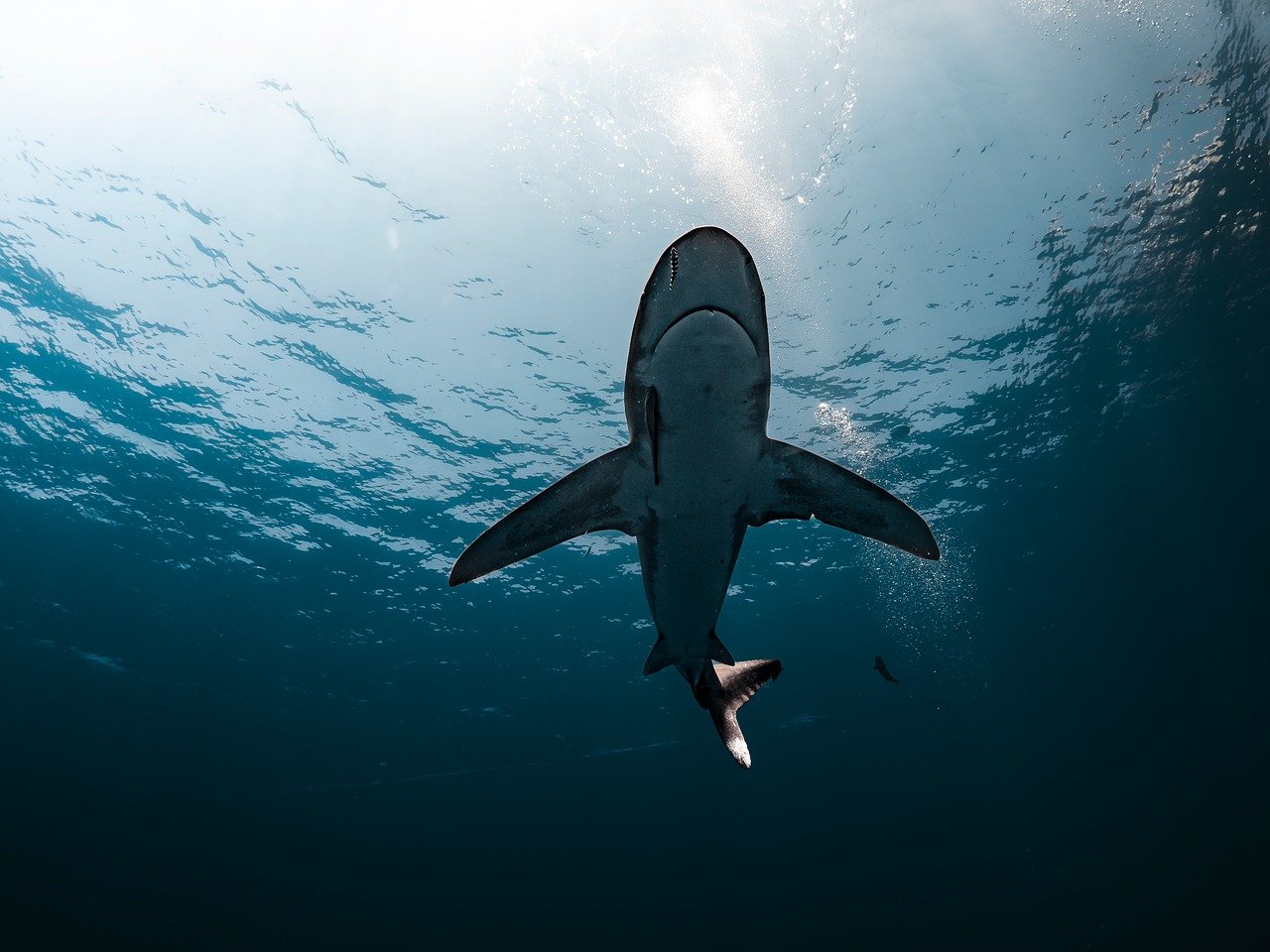
Ever since Jaws hit theaters in 1975, sharks have been public enemy number one in the water. The film was a masterpiece of suspense, sure, yet it also launched decades of irrational fear and outright hatred toward these ancient predators. In 2024, there were a total of 47 unprovoked shark attacks on humans worldwide, with just four of those being fatal. Compare that to the roughly eight billion people on this planet, and you start to see how microscopic the risk really is.
Each year, there are consistently fewer than 100 unprovoked bites, making it more likely for someone to win the lottery than to be attacked by a shark. Most incidents happen because sharks mistake swimmers or surfers for their natural prey like seals. The vast majority of unprovoked attacks are test bites, which occur when a shark misidentifies a human as their preferred prey, and when this happens, the shark will typically swim away after a single bite. Honestly, if sharks truly wanted to hunt humans, the numbers would be astronomically higher. We’re just not on the menu.
Wolves: The Big Bad Myth
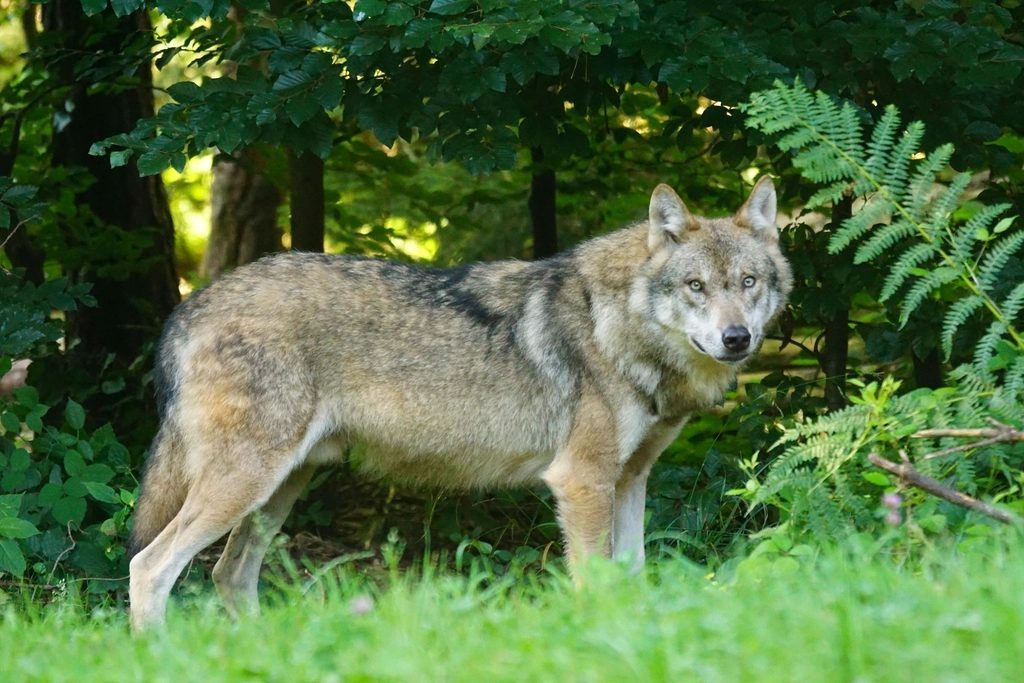
From Little Red Riding Hood to The Grey, wolves have been cast as ruthless killers stalking humans through dark forests. It makes for great drama, terrible science. According to the latest research, which studied worldwide data from 2002 to 2020, the risks associated with a wolf attack are above zero, but far too low to calculate. Researchers uncovered at least 26 fatal attacks by wolves, with the most (12) in Turkey, and there were six fatal attacks in Iran, four in India, and one each in Canada, the United States, Tajikistan and Kazakhstan.
Let’s be real, those numbers span nearly two decades and cover the entire planet. In Europe and North America we only found evidence for 12 attacks (with 14 victims) of which two (both in North America) were fatal, across a period of 18 years. The vast majority of wolf attacks on humans (78%) are due to rabies, and based on the number of wolves in the world, 60,000 on the American continent and around 17,000 on the European continent, these figures clearly show that attacks on humans are extremely rare, putting the probability at around 0.0000001%. Wolves are naturally wary of us, and attacks typically only happen when the animals are sick, habituated to human food, or defending territory.
Piranhas: Not the Flesh-Stripping Frenzy Fish
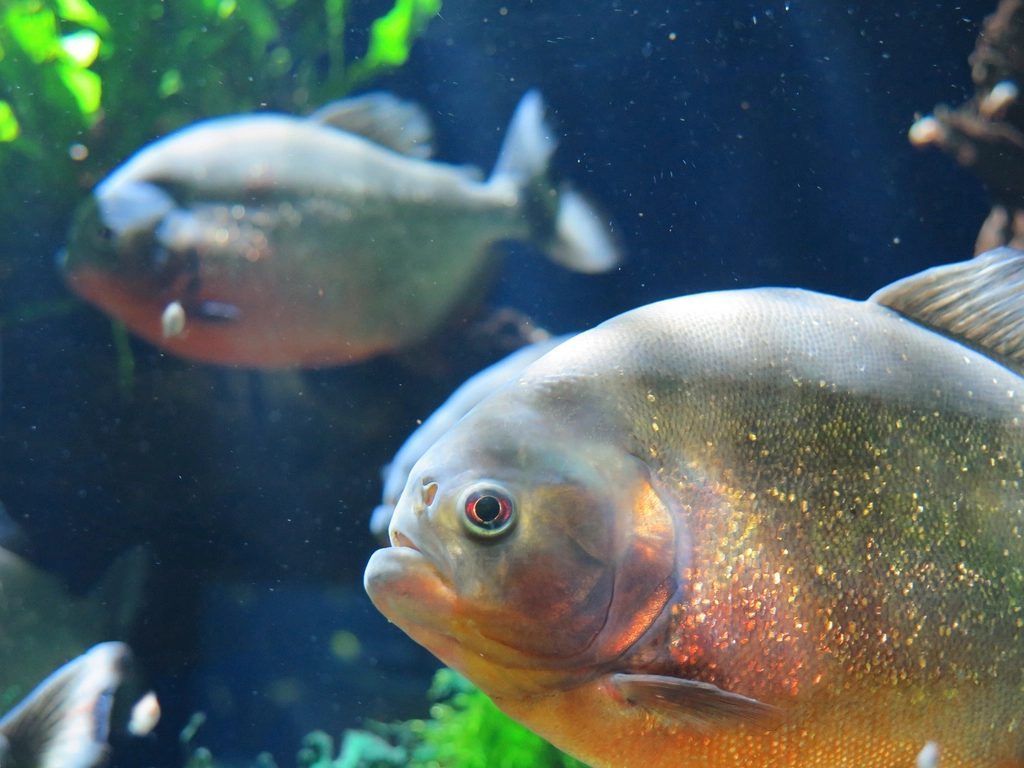
Remember that scene in practically every jungle adventure movie where someone falls into piranha-infested waters and emerges as a skeleton seconds later? Pure fiction. Although often described as extremely dangerous in the media, piranhas typically do not represent a serious risk to humans, though attacks have occurred, especially when the piranhas are in a stressed situation such as during the dry season when water is lower and food is relatively scarce. Most piranha attacks on humans only result in minor injuries, typically to the feet or hands, but they are occasionally more serious and very rarely can be fatal.
Recent research discovered they are timid fish that schooled for protection from their own predators, such as cormorants, caimans, and dolphins. So much for the cooperative hunting theory. The characteristic profile of most injuries is a single bite per victim, generally related to the fish defending its brood. These aren’t monsters lurking to devour you. They’re nervous little fish trying to survive, and when they do bite, it’s usually one quick defensive nip. Theodore Roosevelt has a lot to answer for when it comes to piranha mythology.
Bats: Tiny Mammals, Massive Misunderstanding
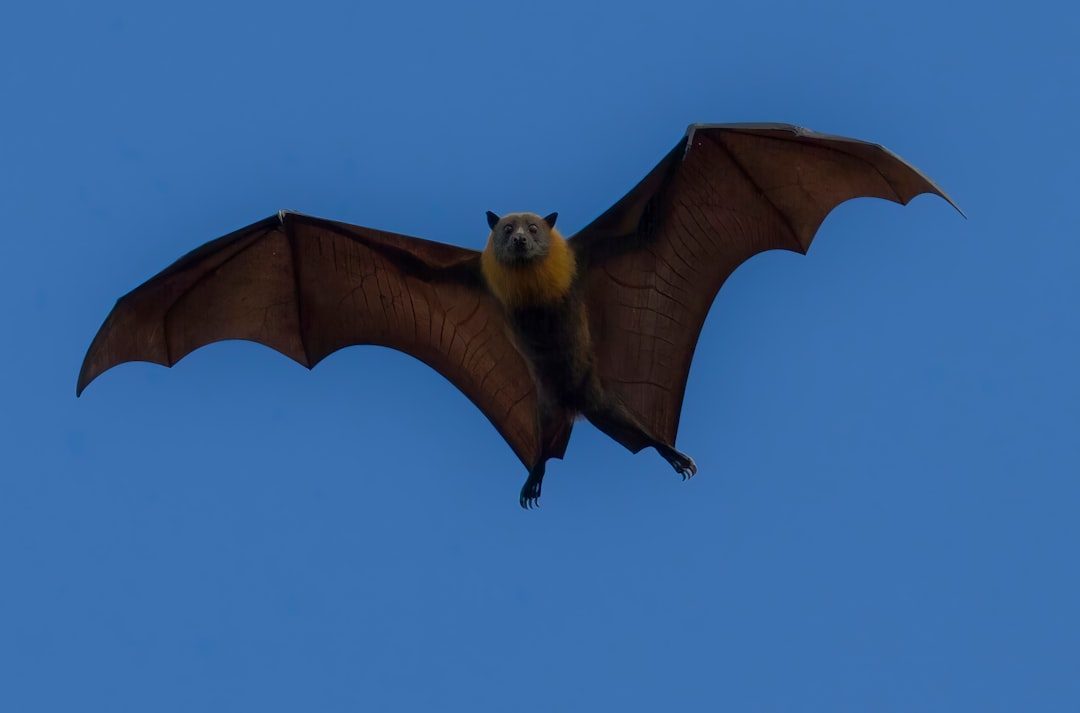
Vampire movies have done bats no favors. Sure, some species do feed on blood, yet the overwhelming majority eat insects or fruit and want absolutely nothing to do with humans. The real concern with bats isn’t aggression. It’s disease, specifically rabies, though even that risk is wildly overstated. Although less than 1% of bats in nature are infected with rabies, bat variants of rabies are found in most areas of the United States and are responsible for the majority of human deaths from rabies.
Here’s the thing, though. About 60,000 Americans receive post-exposure prophylaxis (PEP) each year, which contributes to the low number of human rabies cases in the U.S., with only 1 to 3 cases reported annually. Bats are responsible for roughly 7 in 10 rabies deaths among people who are infected with the rabies virus in the United States, yet the total number remains incredibly small. Bats aren’t attacking anyone. The problem arises when people handle bats without realizing they’ve been bitten, since bat teeth are so tiny. With proper caution and prompt medical treatment when needed, these nocturnal creatures pose almost no threat.
Orcas: Killer Whales That Don’t Kill Humans
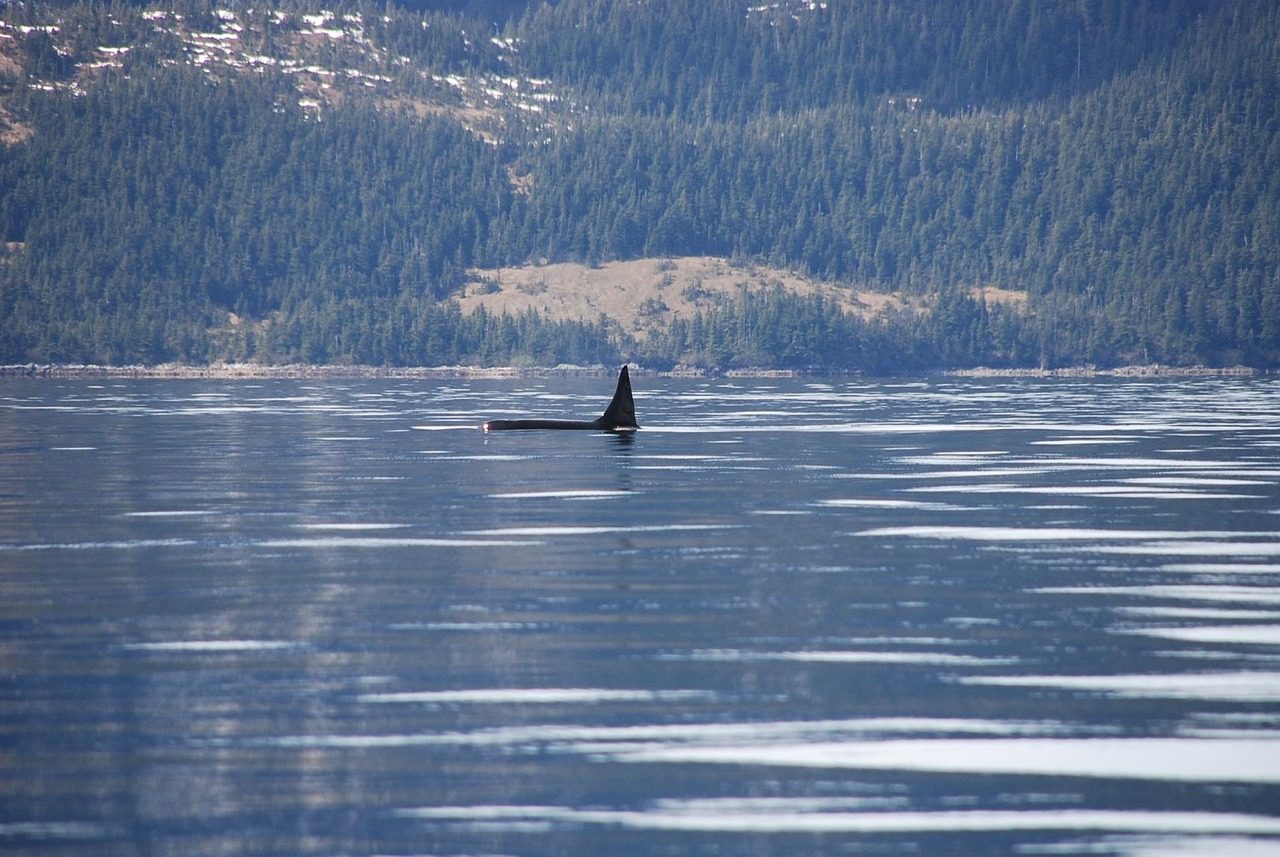
The name alone, killer whale, sounds terrifying. Throw in movies like Orca from 1977, where a vengeful whale hunts down humans, and you’ve got a recipe for fear. Reality check: there has never been a single documented case of a wild orca killing a human. Not one. These are apex predators, massive and incredibly intelligent, yet they simply don’t view humans as prey or threats.
Captive orcas have been involved in fatal incidents, most notably at SeaWorld, yet those tragedies resulted from the stress and unnatural conditions of confinement, not because orcas are inherently dangerous to people. In the wild, orcas have been known to approach boats and swimmers with curiosity, sometimes even playfully. Attacks? Nonexistent. Hollywood took one of the ocean’s most sophisticated creatures and turned it into a monster for dramatic effect. The real orcas deserve better than that reputation.
Tarantulas: Eight Legs, Zero Interest in You
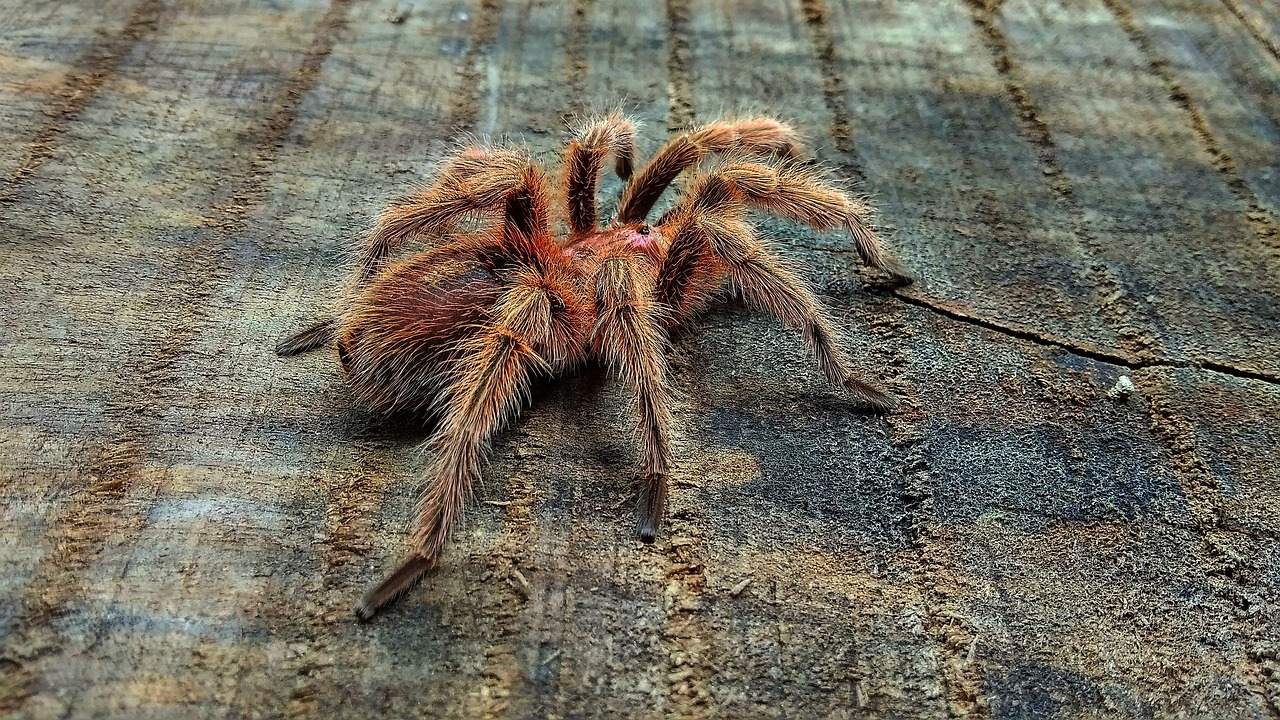
Giant hairy spiders crawling up your arm, fangs dripping with venom. It’s a staple of horror and action films, from Indiana Jones to James Bond. Tarantulas look the part of a deadly predator, I’ll give them that. Their size and appearance are genuinely unnerving if you’re not a spider enthusiast. The reality, however, is far less menacing. Tarantula venom is incredibly mild for humans, comparable to a bee sting in most cases. Some people might have allergic reactions, yet the bite itself is rarely medically significant.
What’s more, tarantulas are notoriously reluctant to bite. When threatened, they’d much rather flick urticating hairs from their abdomen, which can irritate skin and eyes, than actually use their fangs. These spiders are slow-moving, reclusive, and more interested in eating insects than bothering anyone. Hollywood exaggerated the danger because a massive spider looks scary on screen. In truth, you’re far more likely to be stung by a wasp than seriously harmed by a tarantula.
Hyenas: Laughing Villains or Clever Survivors
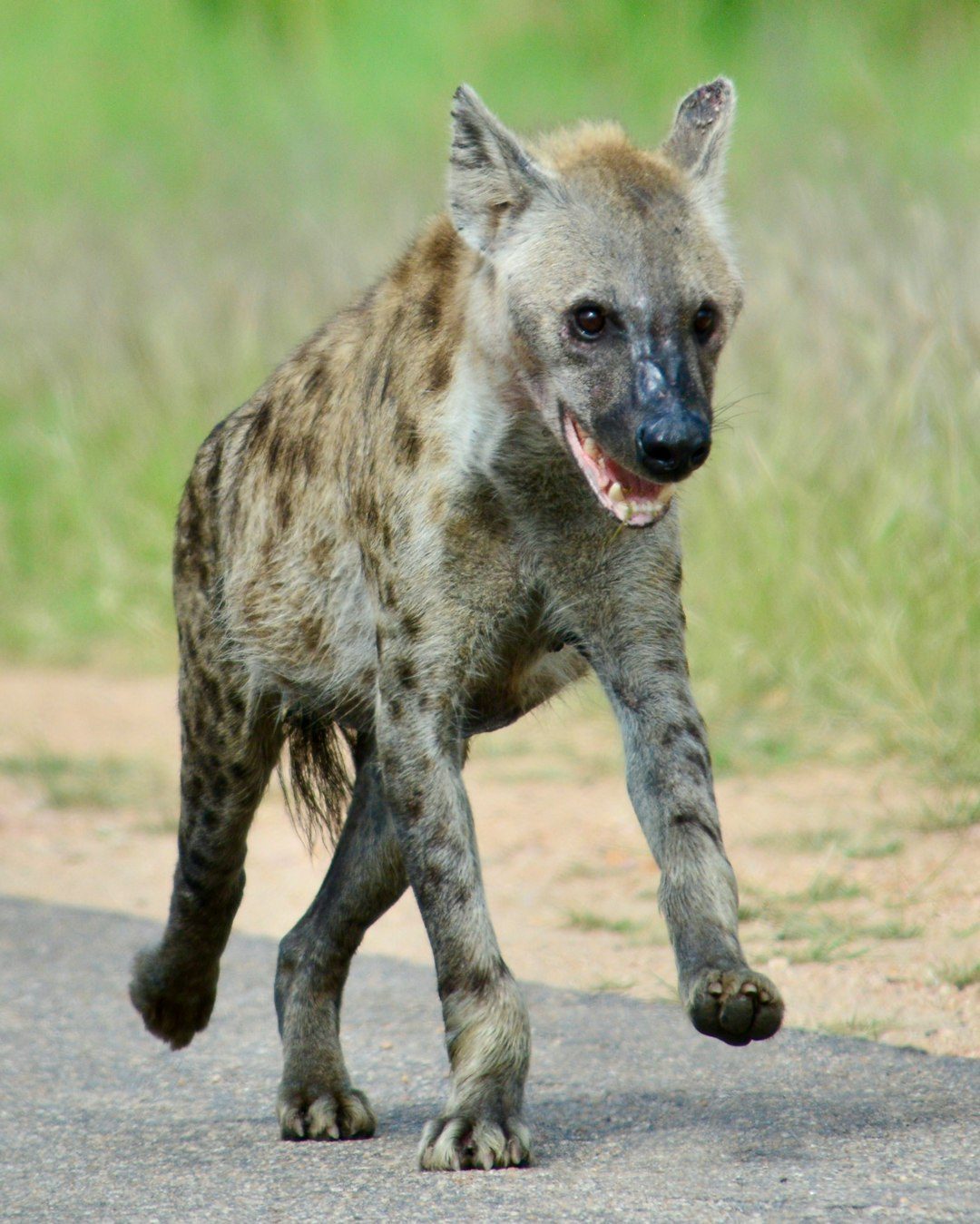
Disney’s The Lion King really did hyenas dirty. Portrayed as cackling, dim-witted scavengers working for the villain, hyenas have been maligned in countless films as cowardly and vicious. Real hyenas? Highly intelligent, socially complex carnivores that are skilled hunters, not just scavengers. Spotted hyenas, the largest species, hunt roughly 95% of what they eat, taking down prey as large as wildebeest. They’re incredibly capable predators with one of the strongest bite forces in the animal kingdom.
Are they dangerous to humans? Occasionally, yes, particularly in areas where human settlements overlap with hyena territories. Attacks do happen, yet they’re relatively uncommon and often involve sick or desperate animals. Hyenas generally avoid people and are more interested in their natural prey. The exaggerated villainy we see on screen has more to do with their eerie laugh and scavenging behavior, which humans find unsettling, than any real propensity for attacking us. In reality, these animals are sophisticated, successful predators that deserve respect, not the Hollywood villain treatment.