The 3 Most Dangerous U.S. Cities Based on Newly Released 2025 Crime Data
It’s hard to shake the feeling that crime lurks around every corner these days. You hear it in conversations at the coffee shop, see it splashed across headlines, feel it when folks double-check their locks at night. Crime has dominated our national conversation for years, shaping where people choose to live, how they move through their cities, even how they vote. Yet here’s the thing: the reality painted by the latest 2025 crime data might surprise you.
While the nation as a whole has been experiencing remarkable drops in violent crime – the homicide rate during the first half of 2025 was 17% lower, on average, than during the same period in 2024 – three American cities continue to wrestle with crime rates that tower above the rest. These aren’t just numbers on a spreadsheet. They represent real communities, real families, and real struggles to reclaim safety in their neighborhoods.
Memphis, Tennessee
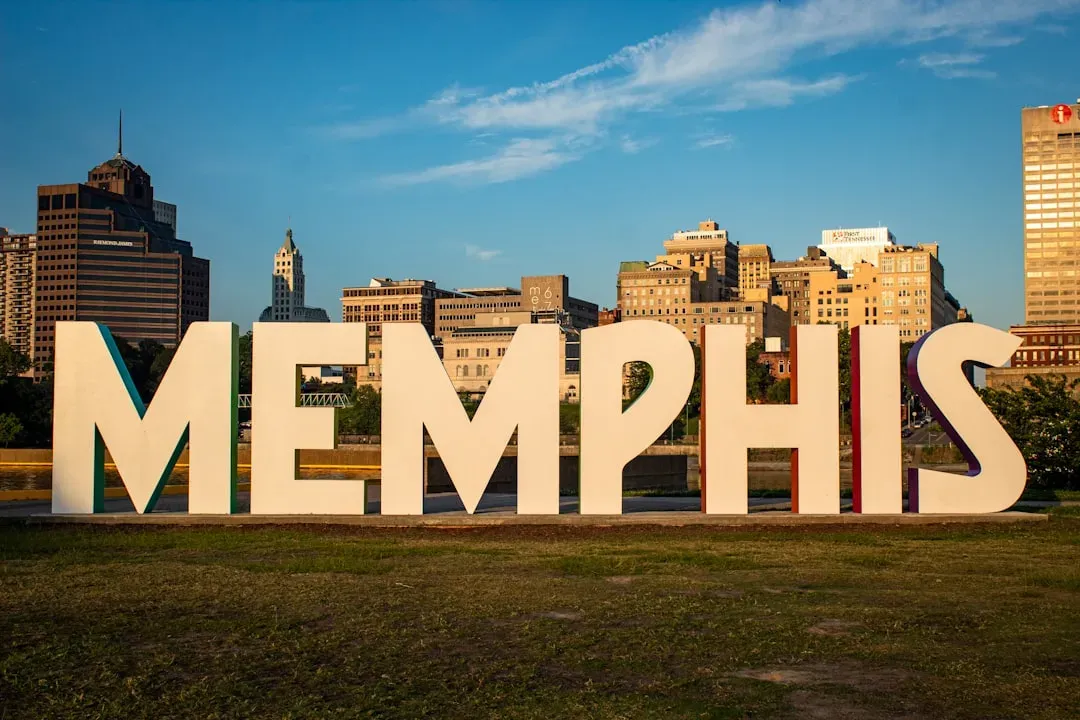
Memphis sits at the top of nearly every dangerous city ranking you’ll find, which honestly feels a bit unfair given the progress they’ve made. Memphis once again tops the list, with a violent crime rate nearly six times the national figure, a statistic that makes your stomach drop. The city has carried this unwanted crown for years, battling perceptions that don’t always match the evolving reality on the ground.
Here’s where it gets interesting though. From January through August 2025, MPD reported 28,660 overall crime incidents – a 23% decrease from the same period in 2024 and a 37% decrease compared to 2023. Let that sink in for a moment. Memphis has been clawing its way back from a crisis, street by street, neighborhood by neighborhood. Police data shows 235 homicides in 2025, down from 301 in 2024 and 399 in 2023, marking consecutive years of improvement that suggest something fundamental is shifting.
Still, the danger remains concentrated in specific areas that skew the city’s overall numbers. Hotspot neighborhoods, including Downtown, Frayser, and Whitehaven, drive most of the city’s crime incidents, while suburbs like Germantown and Collierville consistently rank among Tennessee’s safest. This stark divide creates a city of two realities – one where families feel relatively secure, another where violence remains an everyday concern.
St. Louis, Missouri
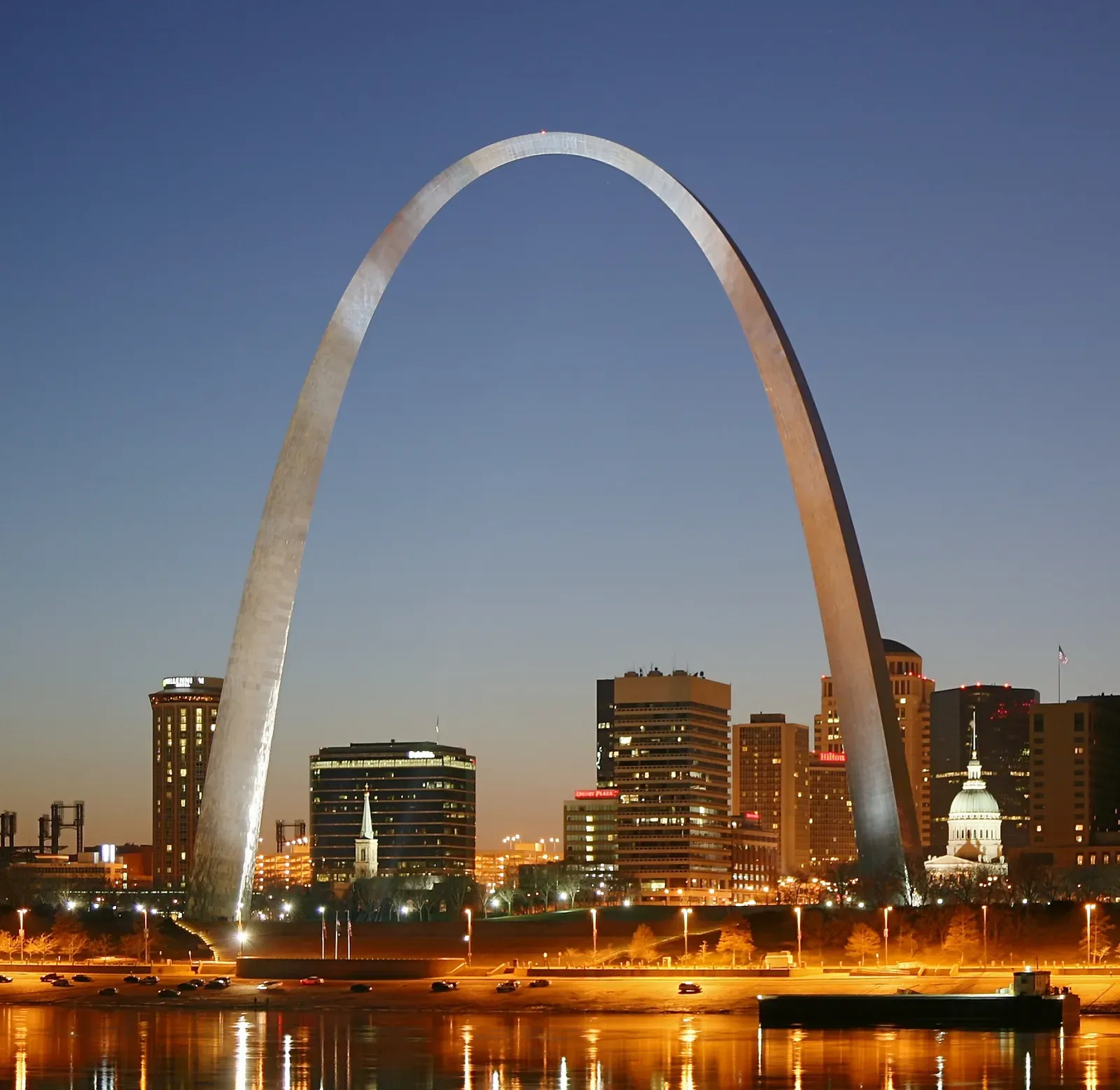
St. Louis remains the highest in the U.S., with violent crime rates well above 1,800 per 100,000 residents, a figure that has kept this Midwestern city near or at the top of most dangerous lists for far too long. The Gateway City’s crime problem runs deep, woven into decades of economic decline and neighborhood disinvestment that hollowed out entire communities.
Yet there’s genuine reason for cautious optimism emerging from St. Louis as 2025 drew to a close. Overall crime in St. Louis decreased by 16% last year, according to data shared by the St. Louis Metropolitan Police Department. Even more striking, in the first half of 2025, St. Louis’s homicide rate was 22% lower than in the first half of 2024, representing one of the sharpest declines among major American cities grappling with violent crime.
The city reached a particularly significant milestone when data released by the police department on Wednesday afternoon showed 139 homicides for 2025, which is the lowest number of homicides since 2013, when the city saw 120. For a city that has long been synonymous with danger, this represents meaningful progress. The challenge now becomes sustaining this momentum and addressing the hyper-localized nature of St. Louis crime, where certain neighborhoods bear the overwhelming burden while others remain relatively untouched.
Detroit, Michigan

Detroit has been fighting to shed its dangerous reputation for years, and honestly, the Motor City deserves more credit than it gets. In 2025, there were 165 murders, a figure that might sound alarming until you realize what it represents. The City ended 2025 with 165 criminal homicides, a 19% drop from the 203 recorded in 2024 and down 35% from 252 in 2023, marking three consecutive years of historic decline.
That number of murders – 165 – holds special significance. For the first time in 60 years, the city’s murder rate dropped below 200 cases. The last time the city was below that benchmark was in 1965 when 188 homicides were recorded. Think about that for a second. An entire generation has lived their lives without seeing Detroit this safe from homicide. The city’s violent crime picture extends beyond just murders too, with homicides dropped by 18.7% from 2024 to 2025. Non-fatal shootings dropped 26.4% from 2024 to 2025.
What makes Detroit’s story particularly compelling is how they’ve achieved these reductions through innovative partnerships. Gorgon also has embedded federal prosecutors in seven of the city’s precincts, while Wayne County Prosecutor Kym Worthy has embedded 8 county prosecutors across seven precincts, creating a coordinated approach that brings resources directly into neighborhoods rather than waiting for cases to wind through the system. Community Violence Intervention zones have shown remarkable results, with some areas seeing violence drop by more than half in just one year.
The three cities still carrying America’s most dangerous labels are simultaneously experiencing some of the nation’s most dramatic crime reductions. Memphis, St. Louis, and Detroit remain statistically more dangerous than most American cities, yet all three closed out 2025 with encouraging trends that suggest safer days ahead. The gap between perception and reality has never been wider, leaving these communities fighting not just crime itself but the stubborn reputation that follows years of struggle. What happens next depends on sustained investment, continued community partnership, and whether these cities can maintain momentum when national attention inevitably shifts elsewhere.