12 Reasons Some Americans Are Avoiding Cruises – And Whether Their Concerns Are Valid
Cruising is booming. There is no way around it. A record 19 million Americans are projected to go on ocean cruises in 2026, a 4.5% increase over 2024, when 18.2 million Americans went on cruise vacations. The ships keep growing, the marketing is relentless, and the industry keeps shattering records.
Yet millions of Americans are still saying no. Some are worried about getting sick. Others feel trapped by the sheer scale of it all. A few have environmental guilt. Some just think cruises are an overpriced illusion. Let’s find out which of those concerns actually hold water – and which ones don’t.
1. The Fear of Norovirus and Getting Sick Onboard
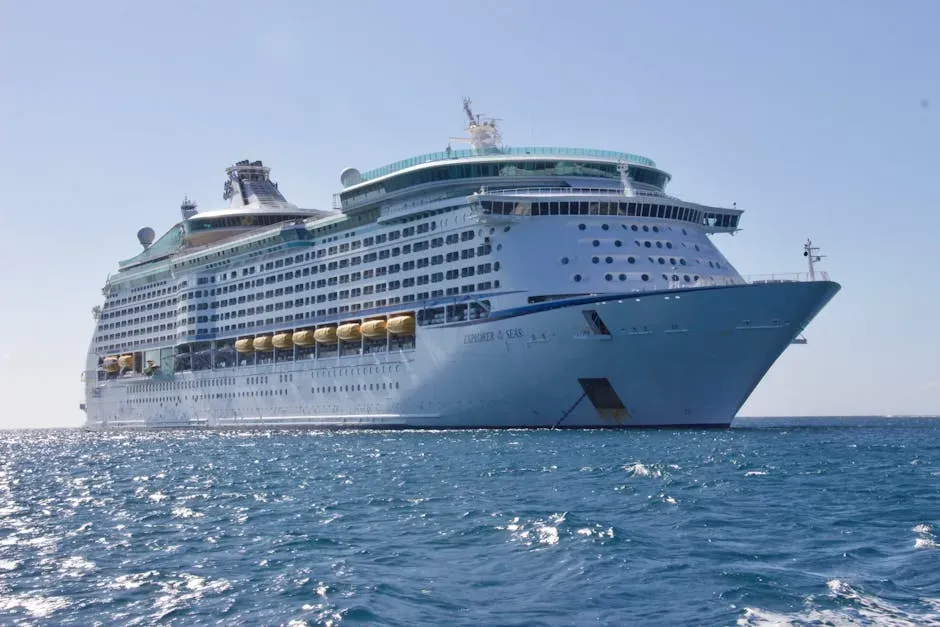
Ask any cruise skeptic and this one comes up first. The imagery alone is enough to turn people off – hundreds of passengers lined up at the ship’s medical center, green-faced, regretting every buffet plate. In 2024, the cruise ship industry reported at least 16 stomach illness outbreaks on ships, the highest number since 2012, according to numbers reported by the Centers for Disease Control and Prevention.
In total, nearly 2,000 passengers and over 200 crew members got sick in 2024. That sounds alarming, and honestly, it is. In December 2024 alone, five cruise ships were stricken with the vomiting bug, with hundreds of passengers reporting symptoms on Cunard Line, Holland America, and Princess Cruises vessels.
Norovirus is a predominant source of illness aboard cruise ships, with over 90% of outbreaks caused by the pathogen, according to the CDC. Still, context matters here. It’s worth noting that norovirus is often called the “cruise ship disease,” but only 1% of reported outbreaks are associated with cruise ships – outbreaks are actually more common on college campuses, hospitals, and nursing homes where people are living in close quarters. The concern is valid. The scale of the fear? Probably a little exaggerated.
2. The Real and Rising Cost of Cruising
Here’s the thing about cruise deals: what looks like a bargain rarely stays that way. People assume a cruise is this tidy all-inclusive package with one flat price. Often, it isn’t. Due to pent-up demand for travel as well as inflation, cruise fares have gone up significantly, and cruises are more expensive than in 2022 and 2023.
The hidden costs pile on fast. Taxes and fees on your cruise may include port fees that vary based on port location, amount of passengers, and size of your cruise – and port fees and taxes often range from roughly 10 to 20 percent of your base cruise fare. Add specialty dining, shore excursions, drink packages, and gratuities and you’re suddenly spending far more than the advertised price.
Despite expectations to spend more on travel in 2025 than in 2024, travel costs remain Americans’ primary concern. More than three in four cite travel costs as a top concern this year, followed by travel disruptions and physical safety. For families budgeting a vacation, that kind of financial unpredictability is a very real dealbreaker.
3. Concerns About Crime and Safety Onboard
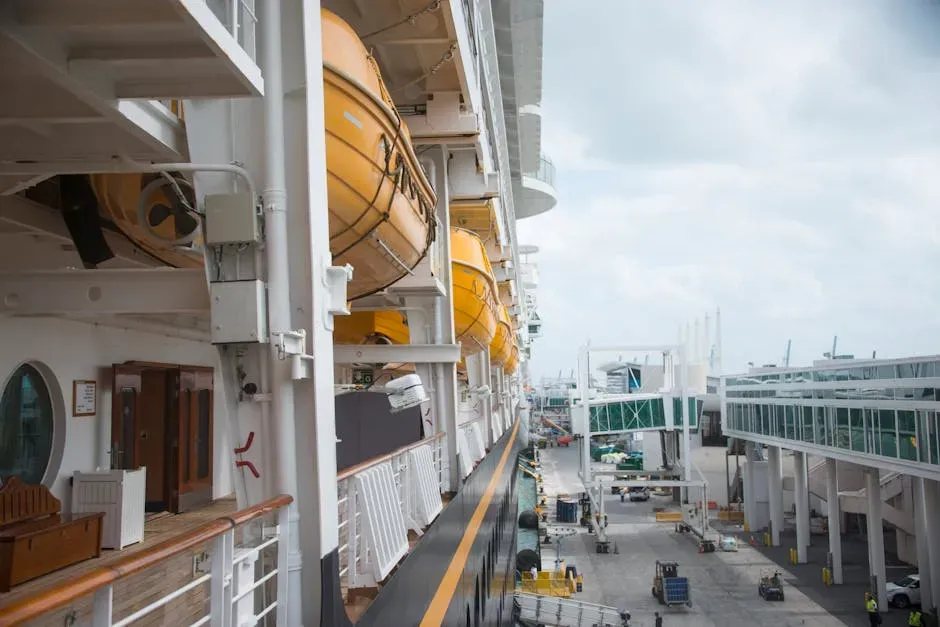
Safety on cruise ships is a topic that doesn’t get nearly enough attention in the glossy brochures, and the numbers here are worth knowing. In the first three months of 2025, there were 48 criminal cases reported on a cruise ship – most cases were sexual assaults, while others were theft and violent assault issues.
In 2024, 168 crime incidents were reported to the FBI on vessels sailing to or from the United States, with a staggering 94 of those being sexual assault or rape. Those numbers are real and they matter, especially for solo female travelers and families. Carnival also reported 13 sexual assault cases in 2024, the highest amount on any major cruise line.
That said, perspective still counts. These incidents represent only a tiny fraction of the millions of passengers who cruise from and to the United States each year. Cruising is a generally safe form of travel, with extensive safety protocols in place. Still, the concern deserves honest acknowledgment, not dismissal.
4. The Environmental Guilt Factor
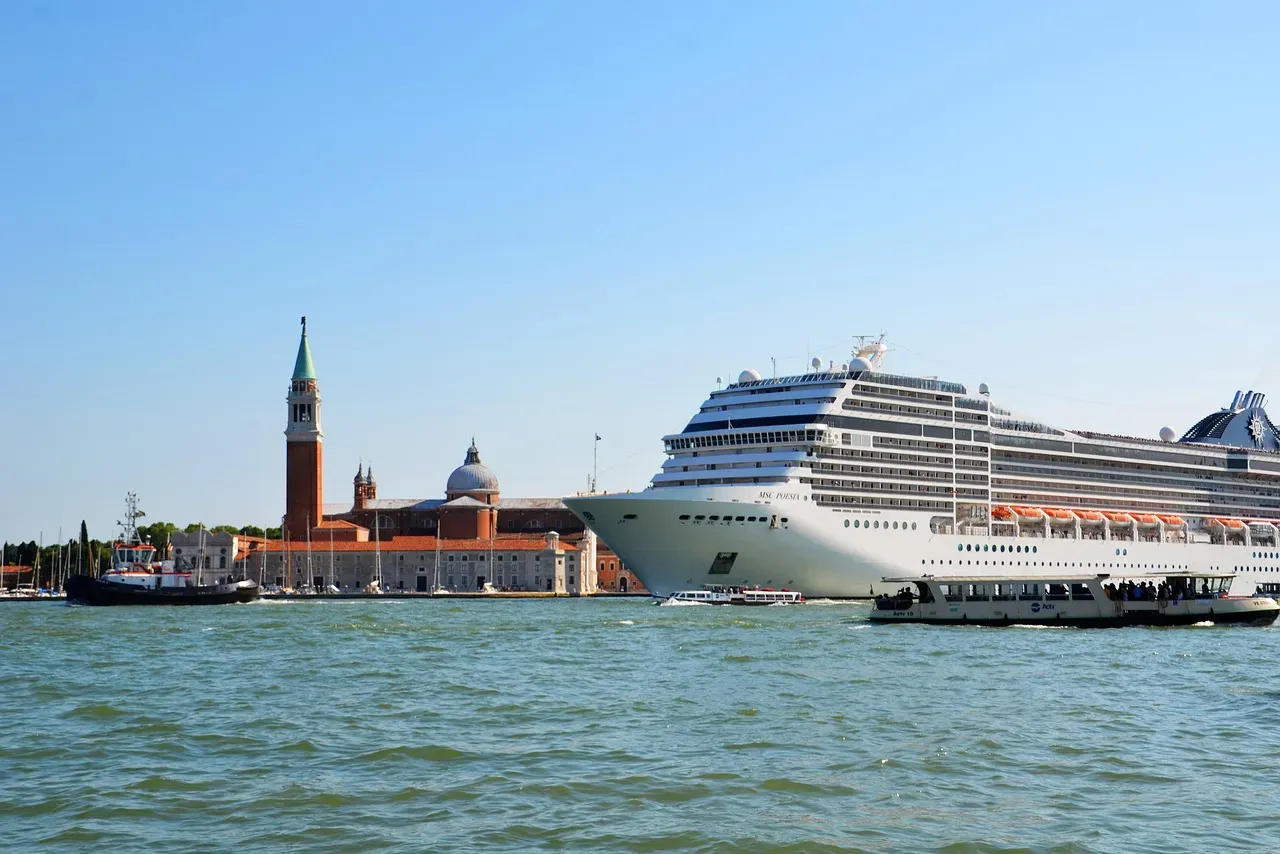
This one is growing fast, especially among younger travelers. The carbon footprint of a cruise ship is enormous – and that’s not an opinion, it’s a data problem. Friends of the Earth estimates that the carbon footprint of a week-long cruise is eight times higher than that of a land-based holiday, with a medium-sized cruise ship carrying between 1,000 and 2,400 passengers generating the equivalent CO2 emissions of 12,000 cars over a similar amount of time.
Even accounting for emissions from an equivalent-night hotel stay at a 4-star U.S. hotel, a passenger on a cruise ship emits about two times more CO2 than someone who flies and rents a hotel. That comparison tends to shock people. Other than water, air, and noise pollution, solid waste generated on a cruise – such as plastic, paper, wood, cardboard, and food waste – is also problematic, with an estimated 50 tons of solid waste generated during a one-week cruise.
Most cruise ships still rely on heavy fuel oil, a petroleum refinery residue that produces significant emissions, and Carnival Corporation’s 2023 emissions were verified at 9.5 million tonnes of CO2. The environmental concern here is completely valid. The industry is pledging greener futures, but the current reality is hard to ignore.
5. The Overtourism Problem at Popular Ports
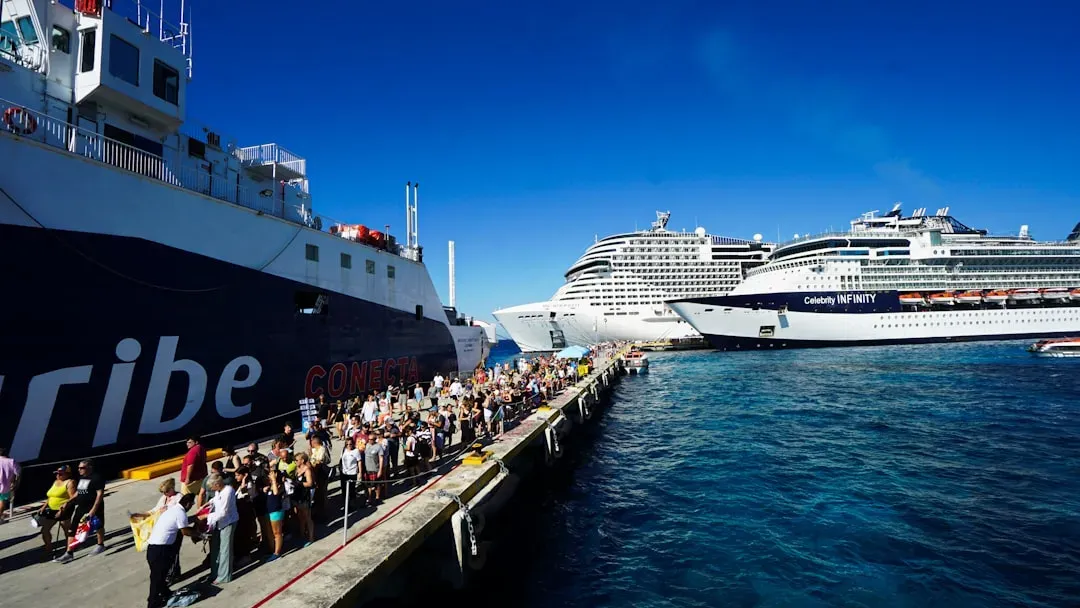
Let’s be real: showing up to Santorini with 8,000 other cruise passengers in a single day is not the authentic Greek island experience most people dream about. Overtourism has become a genuine crisis in popular port cities, and cruise ships are a major driver. Santorini has introduced a €20 fee per cruise visitor and capped daily cruise passengers at 8,000 to prevent overcrowding.
Each Greek island welcomed about 1.2 million cruise ship passengers in 2023, a more than 50% jump over 2022. European cities are now fighting back hard. Nice, France, will from July 2025 prohibit cruise ships carrying more than 900 passengers, while Amsterdam plans to reduce sea cruises from 190 to 100 per year and relocate its main cruise terminal outside the city.
As European cities push back against mass tourism, mega cruise ships are under fire for overcrowding, pollution, and bringing in what some officials call low-cost tourists who contribute little to the local economy. For Americans who genuinely want to experience a place, not just photograph it from a crowded dock, this frustration is completely understandable.
6. The Fear of Being Trapped at Sea
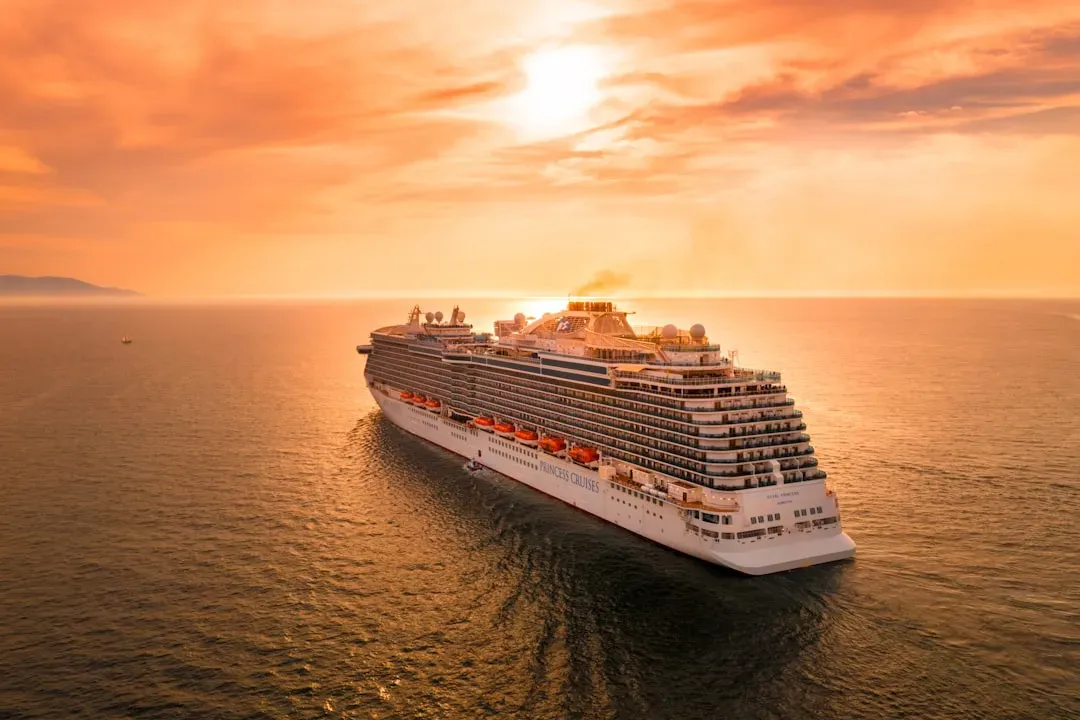
There is a particular psychological discomfort about being confined to a floating city in the middle of the ocean with no way out. You can’t simply grab your bag and check into a different hotel if the experience is terrible. Cruise ship travel presents a unique combination of health concerns – travelers from diverse regions brought together in the often crowded, semi-enclosed shipboard environment can facilitate person-to-person, foodborne, and waterborne transmission of communicable diseases.
Medical facilities on cruise ships can vary widely depending on ship size, itinerary, cruise duration, and passenger demographics. Generally, shipboard medical centers can provide medical care comparable to that of ambulatory care centers, though some are capable of providing hospitalization services or renal dialysis. That “comparable to” qualifier should give anyone pause. For a serious medical emergency far out at sea, those limitations are very real.
Some people – those with chronic health conditions or who are immunocompromised, older, or pregnant – merit additional considerations when preparing for a cruise. For these groups, the fear of being trapped far from advanced medical care is not an irrational phobia. It’s common sense.
7. The Problem of Hidden Fees and Nickel-and-Diming
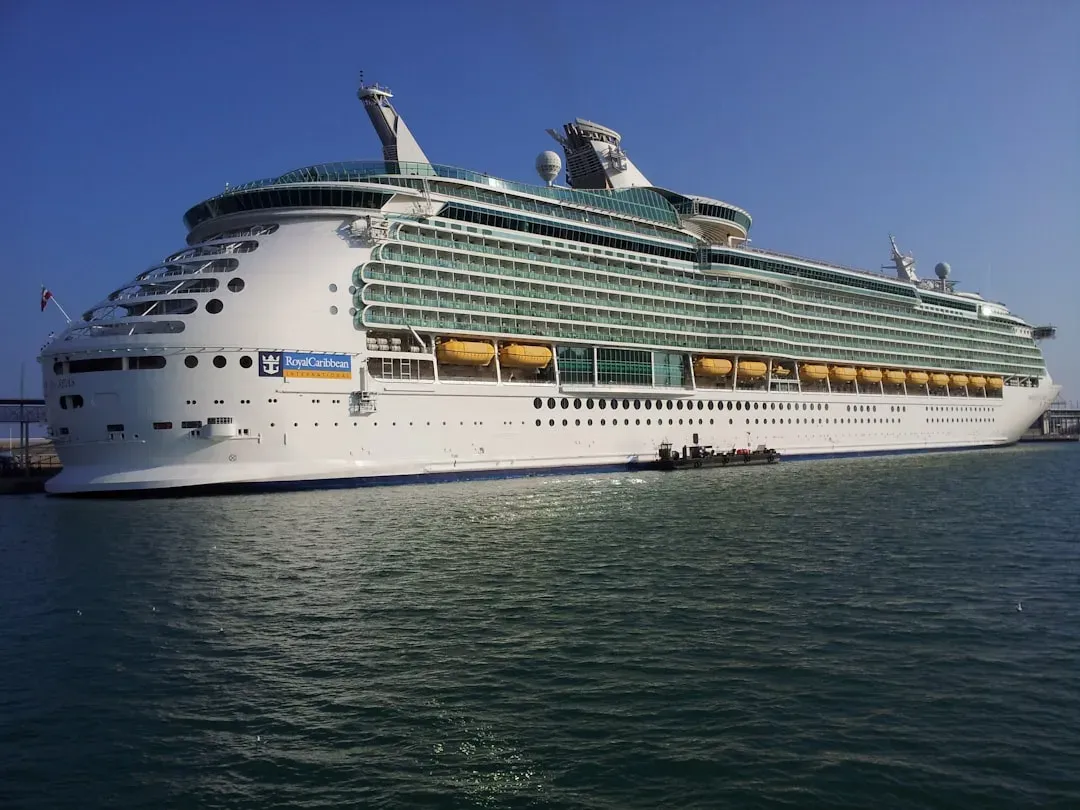
Cruises are notorious for a certain bait-and-switch quality that frustrates even experienced travelers. You book a cabin at a rate that seems reasonable, then discover the actual experience costs dramatically more. Due to pent-up demand for travel as well as inflation, cruise fares have gone up significantly, and cruises are more expensive than in 2022 and 2023.
Most large cruise lines will automatically add a general service or gratuity fee, but it may also be included in your base fare. Drink packages, specialty restaurants, spa services, Wi-Fi access, shore excursions, and casino spending all add up to a very different total than the headline price. Think of it like booking a budget airline ticket and then paying separately for your seat, your bag, and a glass of water.
The frustration is valid because it is built into the pricing model intentionally. Cruise lines get creative to keep onboard spending strong and use AI-fueled strategies in marketing and to capture more of guests’ dollars before they even step onboard. Travelers who dislike surprises in their vacation budget have every reason to be wary.
8. Geopolitical Instability and Itinerary Disruptions
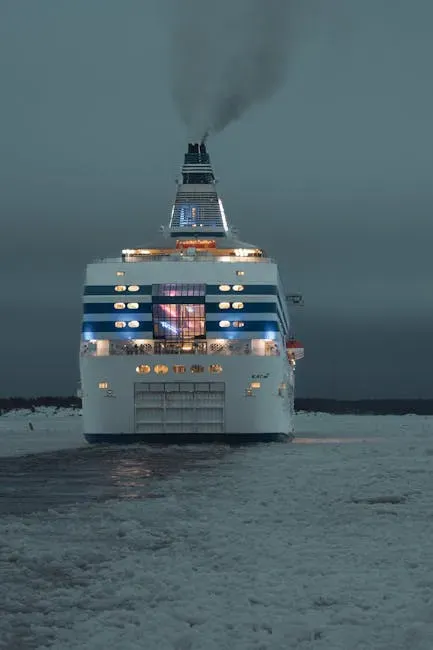
This is a newer concern, and one that many Americans don’t think about when browsing cruise deals. The reality of a globally operating fleet is that wars, unrest, and geopolitical crises can reroute or cancel your entire vacation with little warning. You spend months planning a dream Mediterranean voyage, then receive an email informing you that three of your ports have changed.
The cruise industry has had to rethink its plans significantly as industry leaders increasingly believe problems in the Red Sea will persist. MSC Cruises changed its 2024 to 2025 program for the MSC Opera, which had been scheduled for the Red Sea and Middle East – the ship instead spent the winter season in the Canary Islands offering replacement itineraries.
Flexibility you never expected to need suddenly becomes essential, and cruise contracts historically offer limited compensation for itinerary changes outside of the cruise line’s control. For Americans who invest significant money and time into a specific dream destination, this lack of recourse is a legitimate frustration, not an overreaction.
9. Seasickness and Motion Discomfort
It sounds almost trivial compared to the other concerns on this list. But for people who suffer from motion sickness, it genuinely can ruin an entire vacation. Sea sickness is a common concern of many cruise travelers and is among the top four reasons for infirmary visits. Some passengers are sensitive to motion and require pharmacologic prevention and treatment with antihistamines, antimuscarinic, or antidopaminergic agents.
Respiratory infections account for roughly 29% of shipboard ailments, followed by injuries at about 18%, and seasickness at around 9%, scientific research showed. Nine percent sounds small until you’re the one spending three days unable to eat. Some common medications, including some antidepressants, painkillers, and birth control pills, can make seasickness worse.
Modern large ships are stabilized significantly better than older vessels, and conditions vary heavily by ocean, weather, and route. Still, for people who already know they’re prone to motion sickness, avoiding cruises is not fear – it’s self-knowledge. This concern is completely valid for a subset of the population.
10. Limited Medical Care and Health Risks for Vulnerable Passengers
Not everyone who boards a cruise ship is in the same physical condition, and the medical reality onboard can be a serious limitation for some passengers. No agency officially regulates medical practice aboard cruise ships, though the American College of Emergency Physicians published consensus-based guidelines for cruise ship medical facilities.
Outbreaks on ships can be sustained over multiple voyages by crew members who remain onboard or by persistent environmental contamination. Port visits can also expose travelers to local diseases and, conversely, can be a conduit for disease introduction into shoreside communities. The CDC has flagged that some cruise ship ports of call include destinations where vector-borne diseases such as dengue, malaria, yellow fever, and Zika are known to be endemic.
In October 2024, the CDC released a report detailing an outbreak of Legionnaires’ Disease linked to two unnamed cruise lines. The cause of the outbreaks was linked to private balcony hot tubs, and in total about a dozen passengers fell ill to the severe form of pneumonia. For older passengers or those with compromised immune systems, these risks aren’t distant hypotheticals. They’re genuine planning concerns.
11. The “Floating Mall” Experience and Lack of Authenticity
I think this is one of the most underrated reasons people avoid cruises. Modern mega-ships can carry over seven thousand passengers and resemble floating resort towns more than travel experiences. For travelers who value genuine cultural immersion, a cruise can feel deeply inauthentic – a sanitized glimpse of a destination from a crowded dock.
Cruises have increasingly become a popular choice for families and solo travelers, with companies like Royal Caribbean International introducing “super-sized” ships with capacity for over seven thousand passengers and landmark amenities. You can have all the amenities you want on these new ships and never leave the boat, but people tend to book cruises because they want to go somewhere in particular.
The tension is real. You visit six countries in seven days, spending three to four hours in each. It’s more like a photo checklist than a travel experience. Those opposing cruise travel say that the industry destroys the planet with high emissions and damages waterways and reef systems, and worry that with more and bigger ships the environmental damage will only increase. For travelers who prioritize depth over breadth, the skepticism about cruise authenticity is entirely fair.
12. The Fear of Catastrophic Accidents at Sea
It’s the scenario that haunts everyone’s imagination – a major accident far from shore with thousands of people onboard. The memory of the Costa Concordia disaster never fully fades. In 2012, the Costa Concordia ship sank after running aground near Tuscany while carrying 4,200 people including passengers and crew. After running aground, the ship began to sink, causing those onboard to flee – the accident resulted in 32 deaths and numerous injuries.
In 2024, 26 ships were lost at sea, nearly half as many as in 2022, signifying an improvement over time. Overall, lost fleets are an extremely rare occurrence, with approximately 24 large ships having sunk over the past 100 years. According to CLIA’s 2024 State of the Cruise Industry Report, 19 individuals reportedly fell overboard in 2024.
Statistically speaking, a catastrophic accident is among the least likely things to happen to you on a cruise. Safety regulations for international seagoing vessels, including cruise ships, are promulgated by the IMO in its International Convention for Safety of Life at Sea and International Safety Management Code – addressing issues pertaining to fire protection, lifesaving equipment, and radio communications. The fear is psychologically powerful, but objectively, the data offers genuine reassurance.
The Verdict: Valid Concerns, But Worth the Nuance
Not every reason Americans avoid cruises is equal in weight. Some – like environmental impact, rising costs, and the real health risks for vulnerable passengers – are grounded in solid, verifiable data. Others, like the fear of catastrophic sinking, are statistically far smaller than their emotional footprint suggests.
The cruise industry is not standing still. CLIA member lines, which together form roughly 95% of the global cruise fleet, announced a collective pledge to pursue net-zero emissions by 2050. CLIA released a series of initiatives member cruise lines have committed to in order to reach net-zero emissions by 2050 and protect the ports and waters cruise passengers sail to. Whether those pledges translate into meaningful change fast enough remains the critical question.
Ultimately, the choice to cruise or skip it comes down to priorities. For some Americans, no amount of onboard amenities outweighs the environmental footprint or the hidden costs. For others, the value is undeniable. What this list makes clear is that the skeptics aren’t being unreasonable – they’re doing the math. What would you have concluded?