The Silver “Sandwich”: The Rare 1965 Quarter Error That Shouldn’t Exist
Picture this: you’re digging through your pocket change, maybe hoping to find enough for a coffee, when you notice something strange about a quarter from 1965. Its edge looks different. Shinier, somehow. Here’s the thing, you might be holding onto something worth thousands of dollars.
While the Coinage Act of 1965 stipulated that all quarters would be struck in the new copper-nickel clad sandwich metal, a small number of .900 fine silver blanks were used to strike 1965-dated quarters. These coins shouldn’t exist, yet they do. Several years ago, one coin collector discovered a 1965 quarter that was mistakenly struck on a 90% silver planchet. This 1965 silver quarter is known as a transitional error coin.
When America Ditched Silver
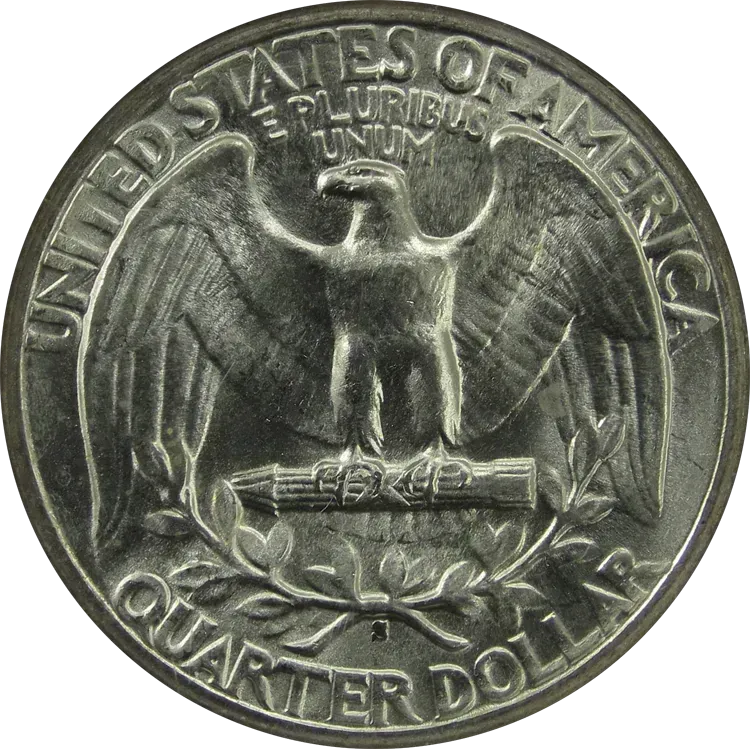
On July 23, 1965, President Lyndon B. Johnson signed the Coinage Act of 1965 into law, essentially ending silver’s 170-year run as the coin of the realm. The half dollar retained some of its silver content (debased from 90% to 40%), but under the new law, the dime and the quarter would be struck in a copper-nickel sandwich metal. Think about it, for nearly two centuries, American coins had contained real silver.
The Coinage Act of 1965 eliminated silver from quarters and dimes due to rising silver prices, which made producing silver coins too expensive for the U.S. By the early 1960s, silver’s market price had risen to a point where its melt value was higher than the coin’s face value. As a result, hoarding of silver quarters led to a coin shortage. To prevent further silver hoarding, the government introduced copper-nickel clad quarters in 1965 as a cost-saving measure. People were literally melting down coins for profit, which honestly, who could blame them?
The Weight of Evidence
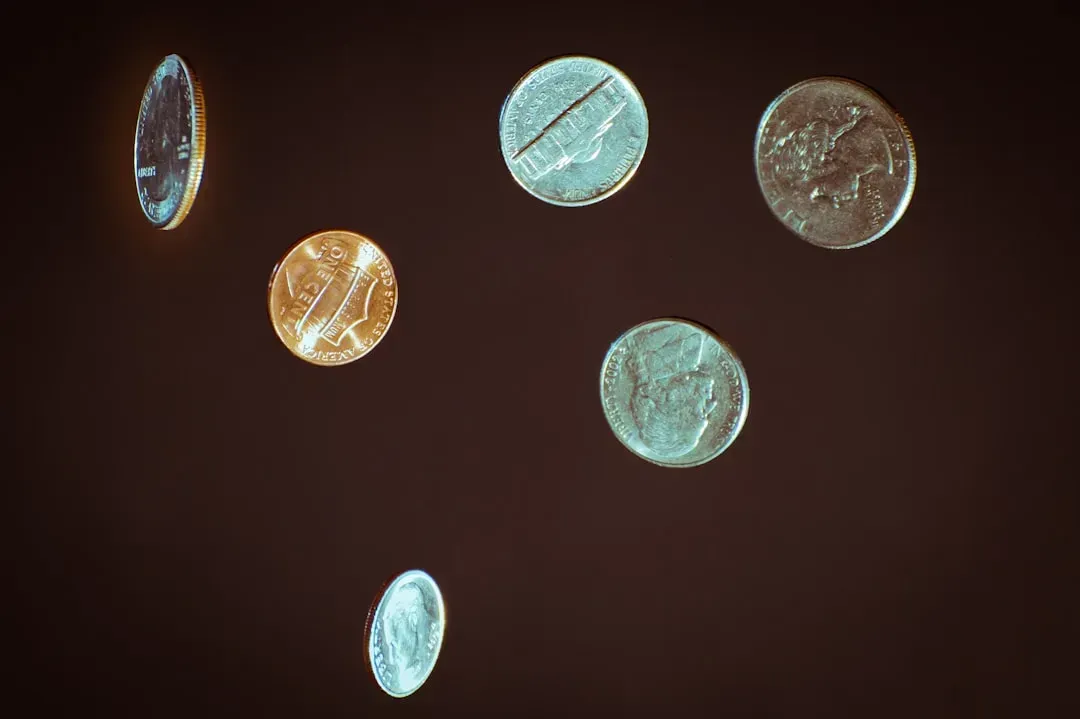
So how do you spot one of these impossible coins? It’s actually pretty easy to identify a 1965 silver quarter from a 1965 clad quarter simply by using a scale – any scale that can measure down to the hundredth of a gram. All 90% silver Washington quarters weigh 6.25 grams (give or take a few hundredths of a gram for wear and planchet differences). All copper-nickel clad Washington quarters weigh 5.67 grams (again, give or take a few hundredths of a gram).
Silver quarters do not have a copper color visible on the reeded edge of the coin, but copper and nickel quarters do. Silver quarters do not have a copper color visible on the reeded edge of the coin, but copper and nickel quarters do. Silver quarters have a little bit more shine than copper and nickel quarters do. The edge test is probably the quickest way to spot the difference without needing any special equipment.
The Hopper Theory
These coins represent transitional errors – silver blanks that were accidentally struck with the 1965 date after the composition change. Coin blanks are held in giant hoppers before they are fed to the coin presses. Silver coin blanks were apparently lodged in the hopper after the switch to clad quarters. Some time before July 1966, these blanks eventually worked loose and were made into 1965 quarters.
It’s hard to say for sure, but imagine giant industrial hoppers at the U.S. Mint, filled with thousands of blank metal discs. Silver quarters dated 1964 and clad quarters dated 1965 were both struck during 1965, and inevitably, a 90% silver planchet apparently lodged within a bin that was later filled with clad planchets destined for 1965-dated dies. A few silver blanks from the old days just stuck around, hiding in the machinery. Eventually they popped loose and got stamped with the wrong year.
What They’re Actually Worth

The most recent, graded Mint State MS62 PCGS, sold for $16,800 in December 2020, demonstrating the extreme rarity and value of these transitional errors. That’s not a typo. A single quarter, barely better than circulated condition, fetched nearly seventeen thousand dollars at auction.
Estimated Value: $3,500 to $7,000+, depending on condition and certification. Even worn examples in lower grades have sold for impressive sums. PCGS AU50 #46444312: Stack’s Bowers, November 16, 2023, Lot 6709 – $7,200. PCGS XF45 #21271897: Stack’s Bowers, August 19, 2021, Lot 6308 – $7,500. These recent auction results from 2021 and 2023 show the market remains incredibly strong for these error coins.
Rarity Beyond Belief
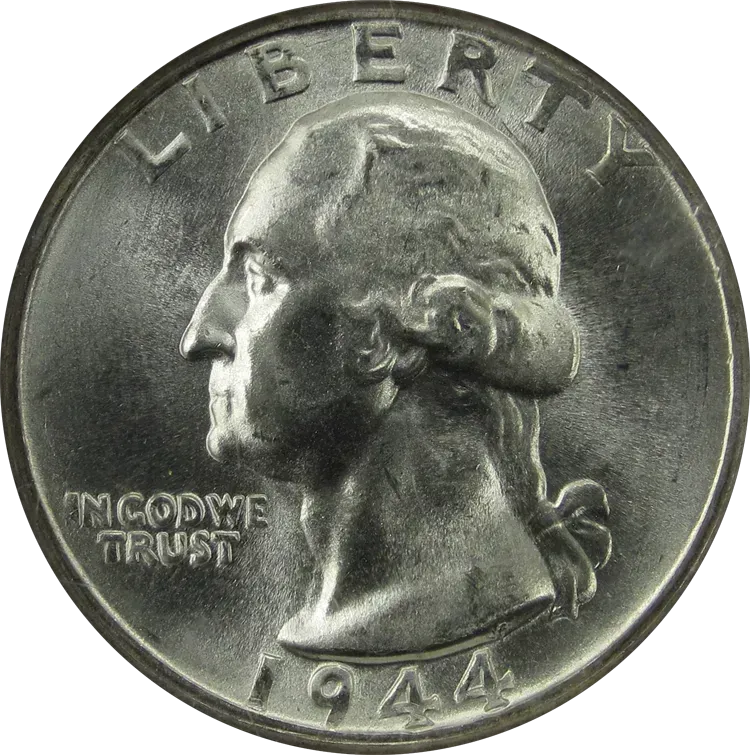
As an indication of how easily these coins slipped into commerce, only two uncirculated 1965 silver quarters have been offered for sale by Heritage Auctions over the decades. The rarest known variety is the 1965 silver quarter, which was accidentally struck on leftover 90% silver planchets from 1964. Only a handful are confirmed to exist, fewer than a dozen. These coins are incredibly hard to find and are often verified only through weight tests and expert evaluation.
Let’s be real, most error coins exist in decent numbers. There are thousands of off-center strikes, doubled dies, and wrong planchet errors out there. The 1965 silver quarter? We’re talking about maybe a dozen confirmed examples in the entire world. Most 1965 silver quarters circulated for quite a while before they were noticed. This explains why finding uncirculated examples is extremely rare and valuable.
The Visual Giveaway
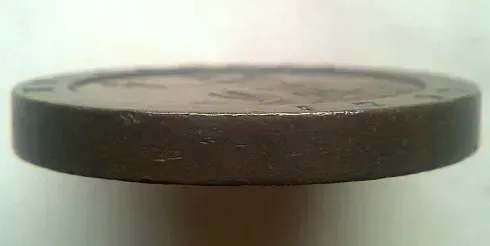
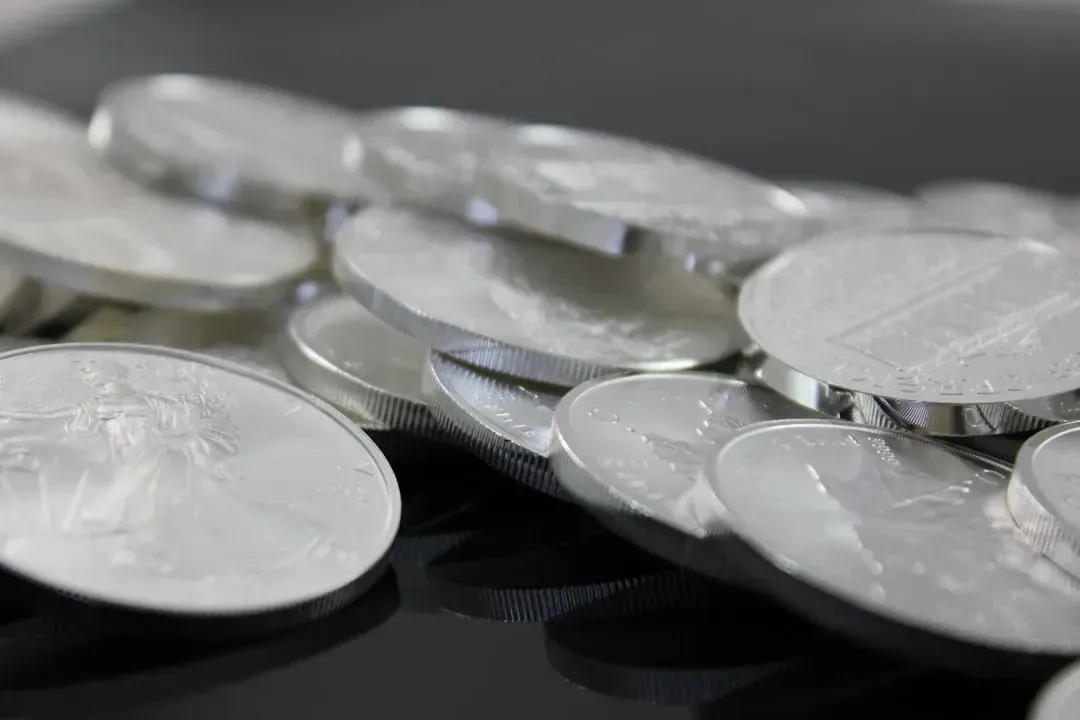
The only difference in appearance from a clad 1965 quarter is the absence of a copper-colored edge. Silver quarters show a uniform silver color around the entire edge, while clad quarters display a copper stripe. That copper sandwich stripe is the dead giveaway on regular 1965 quarters.
Normal clad quarters have three layers visible on the edge: outer nickel, inner copper core, and another outer nickel layer. Edge: No visible copper line – edge appears solid silver. It’s honestly one of the easiest checks you can do without any equipment. Just tilt the coin and look at the rim under good light.
Other Valuable 1965 Errors
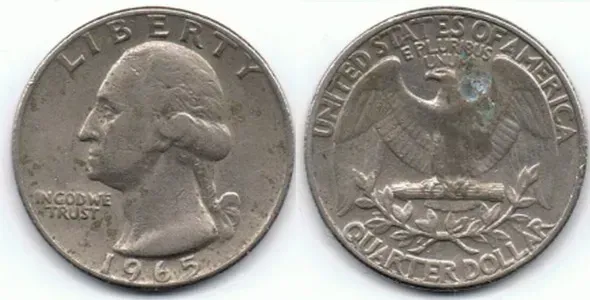
One notable error is a 1965 quarter struck on a silver DIME blank. Although very rare, it happened more than once. A Mint State example can sell for more than $7,000. These are technically called wrong planchet errors, where quarter dies struck a dime-sized silver blank.
Doubled Die Obverse and Doubled Die Reverse 1965 quarters can sell for hundreds of dollars. Recent examples sold for $360 (AU58) and $720 (MS65) in March 2018. Not every 1965 quarter error involves silver. Doubled dies, where letters or images appear doubled, are more common but still valuable. Meanwhile, in July 2023, a MS68 type specimen was auctioned by Heritage Auctions for a price of $11,400, proving that even regular clad 1965 quarters in perfect condition can command serious money.
The Controversy and Fakes
No verified 1965 silver quarter has ever sold for $5.6 million. That number is mainly used in eye-catching headlines rather than based on real auction results. Still, that does not mean these coins are worthless. Internet hype has created wild myths about these quarters.
Many online sources incorrectly suggest that every 1965 quarter has massive value. This is simply not true. The overwhelming majority of these coins are copper-nickel and worth only face value unless they are in unusually high condition. The frequently mentioned $5.6 million figure usually comes from speculation rather than confirmed auction sales. Repeated misinformation has turned a rare mint error into a viral myth. Understanding the difference between real errors and ordinary coins prevents costly misunderstandings.
How to Get Yours Authenticated
If you’ve got a 1965 quarter that weighs more than 6 grams, it’s worth getting inspected in-hand by a coin certification firm that encapsulates coins in plastic slabs. The two major grading services are PCGS (Professional Coin Grading Service) and NGC (Numismatic Guaranty Corporation).
The numismatics experts at Numismatic Guaranty Corporation (NGC) and Professional Coin Grading Service (PCGS) certify coins and give them grades. If you have your coin graded by NGC or PCGS, they encapsulate the coin in a plastic slab bearing an identification number. You can then look up that number online and determine exactly how much it’s worth. Professional authentication isn’t cheap, typically costing between fifty and one hundred dollars depending on service level. That’s why you should do the basic weight and visual checks first before sending anything in.
A Piece of Monetary History
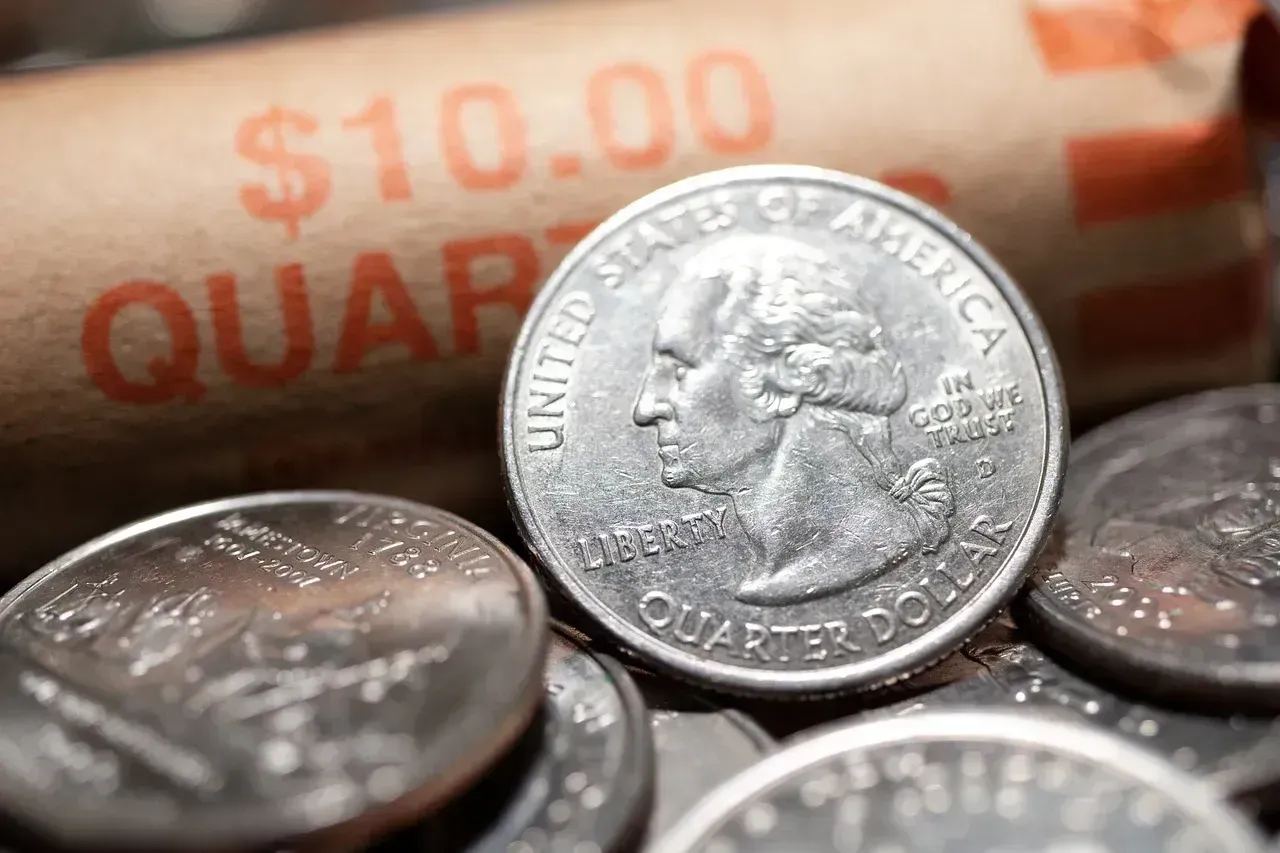
The story of the 1965 quarter reflects a pivotal moment in American monetary history when economic pressures forced the abandonment of silver coinage that had been used for over 170 years. These transitional error coins represent more than just valuable mistakes. They’re physical evidence of a turning point when the United States moved away from precious metal currency to base metal tokens.
Beyond the money, the 1965 silver quarter represents the end of an important era in American coinage. It marks the moment when everyday U.S. coins stopped containing precious metal. The few silver errors that exist serve as physical reminders of that change. For many collectors, owning such a coin is about history and rarity rather than instant profit. That’s what makes these coins special, I think. They’re accident survivors from a time of radical change in how America made money.
The 1965 silver quarter shouldn’t exist according to the law and the Mint’s intentions, yet a handful slipped through. These phantom coins continue circulating somewhere out there, maybe in a piggy bank or coin jar. Next time you get a quarter from 1965 in your change, take a closer look at that edge. You never know what might be hiding in plain sight. Have you checked your quarters lately?