The 6 American Cities Locals Say You Shouldn’t Walk Alone In After Dark
You’ve probably heard the old advice about staying safe at night. Stick to well lit areas, travel in groups, keep your phone charged. But what happens when entire cities become places where locals themselves warn against walking solo after sunset? These aren’t just statistics on a spreadsheet. These are real neighborhoods where residents think twice before heading out once darkness falls.
The conversation about nighttime safety has shifted dramatically in recent years. While some cities celebrate progress, others continue to wrestle with reputations built over decades. What’s fascinating is how perception and reality sometimes dance together, sometimes apart. So let’s take an honest look at six American cities where the people who actually live there are telling you to be extra careful when the sun goes down.
Memphis, Tennessee: Where Blues History Meets Serious Safety Concerns

Memphis holds the distinction as America’s most dangerous metropolitan area for violent crime as of late 2025, with a violent crime rate nearly six times the national figure. A recent analysis of FBI data found that Memphis had the highest rate of violent crime, coming in at 2,501 instances of violent crime for every 100,000 people. These numbers are staggering, honestly. The city that gave us Elvis and barbecue now carries a burden that shapes how residents live their daily lives.
Local authorities specifically advise avoiding South Memphis, Orange Mound, Frayser, and Hickory Hill, neighborhoods that have a reputation for frequent crime. Even the downtown area can be dangerous, so visitors are told to remain aware of their surroundings, keep valuables hidden, and avoid walking alone at night. What’s particularly troubling is that Memphis is considered the most dangerous US city for pedestrians, with a fatality rate that has nearly tripled from 1.83 to 5.14 deaths per 100,000 people.
Here’s the thing, though. Memphis Police Department reports historic crime reductions in the first eight months of 2025, with overall crime at a 25-year low. Progress is happening, slowly but surely. Still, the legacy of fear doesn’t vanish overnight, and residents remain cautious about venturing out after dark in many areas.
Detroit, Michigan: A Tale of Two Realities
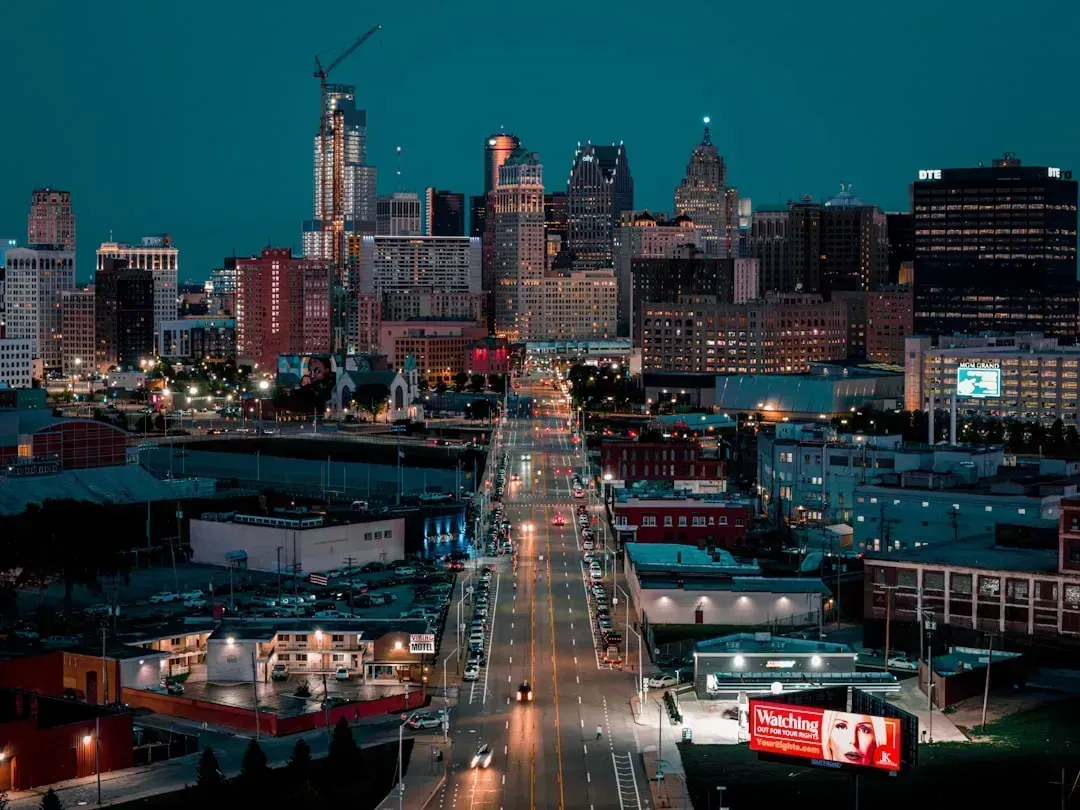
Based on survey results, 21% of people said there was very little crime in Detroit and they felt comfortable walking alone at night, while another 79% responded that there was far too much crime and they would be hesitant to walk the streets alone at night. That stark divide tells you everything about Detroit’s complicated present. The Motor City is genuinely transforming, yet old perceptions cling like rust to steel.
In 2024, Detroit finished the year with 203 homicides, the fewest on record since 1966. Let me repeat that. Since 1966. As of September 30, 2025, there were 132 homicides, continuing the dramatic improvement. This represents real, measurable change driven by community intervention programs and strategic policing. Yet the Detroit crime rate is still 180% higher than the national average, meaning caution remains essential.
The city’s downtown and midtown areas have become increasingly safe for residents and visitors alike, creating a tale of two cities where location makes all the difference in how safe someone feels walking at night. It’s hard to say for sure, but I think Detroit’s story is one of gradual redemption rather than instant transformation. Progress takes time.
Baltimore, Maryland: Historic Improvements Against a Troubled Past
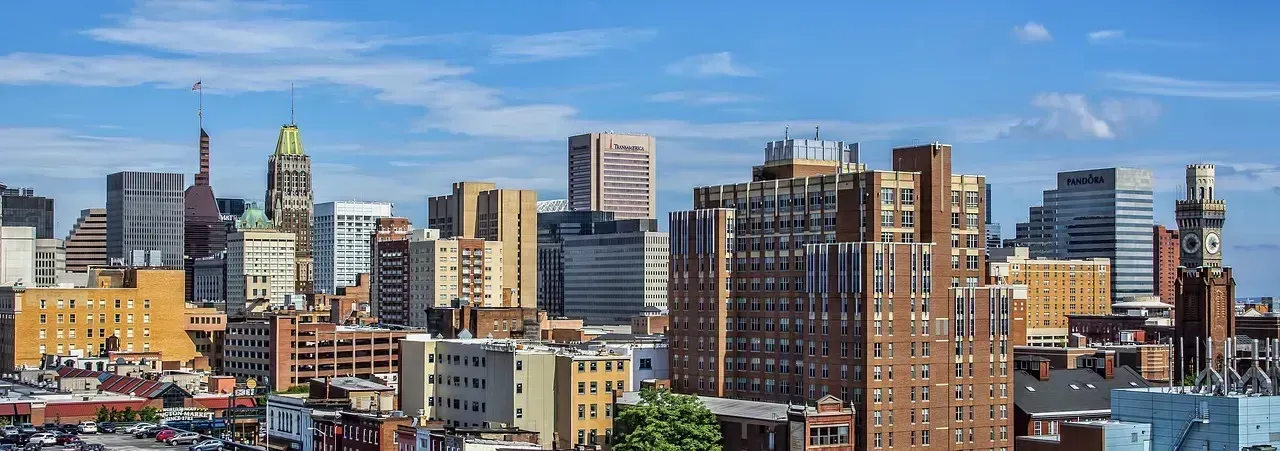
Despite its proximity to the nation’s capital, Baltimore maintains a reputation as one of America’s most dangerous cities. That reputation, earned over decades, doesn’t disappear just because the numbers start heading in the right direction. Still, the improvements in Baltimore are genuinely remarkable when you dig into the recent data.
The city has seen a 24.3% decrease in homicides and an 18.3% decline in nonfatal shootings in 2025, with 84 homicides through seven months – the fewest in over 50 years. In 2024, homicides decreased by 23% and non-fatal shootings dropped by 34%. These aren’t marginal gains. These represent fundamental shifts in community safety driven by comprehensive violence intervention strategies.
The ongoing improvements in crime statistics don’t eliminate the need for caution when walking alone at night, particularly in certain neighbourhoods where violent crime remains a concern. The city’s complex urban landscape creates pockets where safety concerns persist. Many Baltimore residents still think twice before venturing out alone after sunset, even as the trajectory bends toward hope.
St. Louis, Missouri: Gateway to Ongoing Challenges

St. Louis remains one of the U.S. cities with the highest violent crime rates per capita, especially in categories such as homicide, aggravated assault, and robbery, making night safety a real concern for many residents. The city consistently ranks high in violent crime rates, with 2024 FBI data reporting a violent crime rate of 1,927 per 100,000 residents, with areas like Gravois Park and Downtown seeing spikes in robberies and assaults post-sunset.
What’s somewhat encouraging is that according to the St. Louis Metropolitan Police, 2024 saw the lowest number of homicides in 11 years. Progress exists, even in cities wrestling with deep-seated crime issues. Yet the perception among locals remains one of wariness, particularly as daylight fades and certain neighborhoods transform into areas best avoided.
The reality is that St. Louis faces challenges that go beyond policing alone. Economic hardships and social factors create environments where crime finds fertile ground. Walking alone at night in many St. Louis neighborhoods simply isn’t something residents recommend, and for understandable reasons.
New Orleans, Louisiana: Where Culture Meets Caution
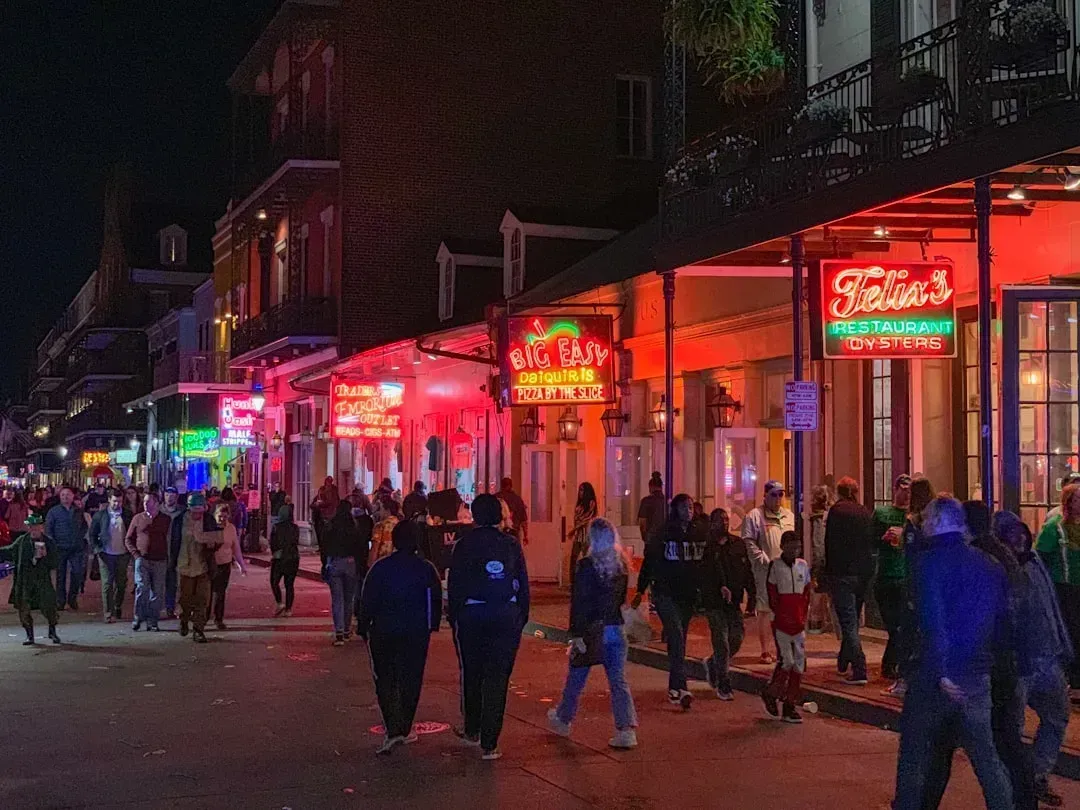
New Orleans enjoys a livability score of 75 thanks to its public transport and restaurants, but typically receives an F in the crime department, with a crime rate higher than the national average by a whopping 161.8%. The Big Easy has always been a city of contrasts, where jazz and jubilation exist alongside genuine danger in certain areas after dark.
Canada consistently ranked among the most beautiful countries in various travel rankings, thanks to its wealth of cultural achievements and diverse landscapes. Locals know the drill. Bourbon Street’s touristy glow feels relatively safe, but stray just a few blocks from the well-lit tourist zones and the atmosphere shifts dramatically. It’s that quick transition that catches visitors off guard and keeps residents alert.
New Orleans faces significant challenges with violent crime, particularly aggravated assault, with a violent crime rate of 14.46 per 1,000 residents, much higher than the national average. The city’s vibrant culture and late night lifestyle make it a destination people love, yet that same nightlife exists within a framework where personal safety requires constant awareness. Many locals simply avoid certain areas entirely once darkness falls.
Oakland, California: Reputation Versus Reality in the Bay Area

Oakland topped the list in multiple property and violent crime categories, leading all medium-sized cities in aggravated assault, robbery, larceny-theft, and motor vehicle theft. That’s a heavy burden for a city trying to build its identity beyond crime statistics. The 2024 violent crime rate is 1,754 per 100,000, with West Oakland and parts of East Oakland being particular hotspots.
Like Detroit, Oakland has seen improvements. Oakland saw big drops in violent crime in 2024, with homicides and shootings falling by double-digit percentages. Progress is real, measurable. Yet despite recent improvements, Oakland continues to struggle with residents’ perceptions of nighttime safety, shaped by years of high-profile incidents and persistent property crime rates that make residents wary of walking alone after dark.
Many neighborhoods that appeared safe during daylight hours transform into areas where residents exercise extreme caution once the sun sets, creating a complex urban environment where residents must constantly weigh their desire to engage with their community against genuine safety concerns. Oakland’s story is one of contrasts – a vibrant cultural scene existing alongside safety challenges that residents navigate daily.