The 5 Dog Breeds Vets Say Are Most Likely to Turn on Their Owners
We love our dogs. They’re family members, loyal companions, and honestly, some of the best friends you’ll ever have. Still, here’s the thing nobody really wants to talk about. Sometimes, beloved family pets bite their own people. Sometimes, the beloved family pet inflicts bite injuries. It’s a harsh reality, and while breed alone doesn’t tell the whole story, certain dogs consistently show up in veterinary reports when attacks happen.
Let’s be real for a moment. Dogs bite more than 4.5 million people annually. That’s a staggering number. Most of these are minor incidents, yet the more severe attacks often involve specific breeds. This isn’t about demonizing dogs, but understanding the patterns that veterinarians and researchers have observed over decades of data collection. Think of it like this: if you knew certain factors increased risk, wouldn’t you want that information?
Pit Bulls
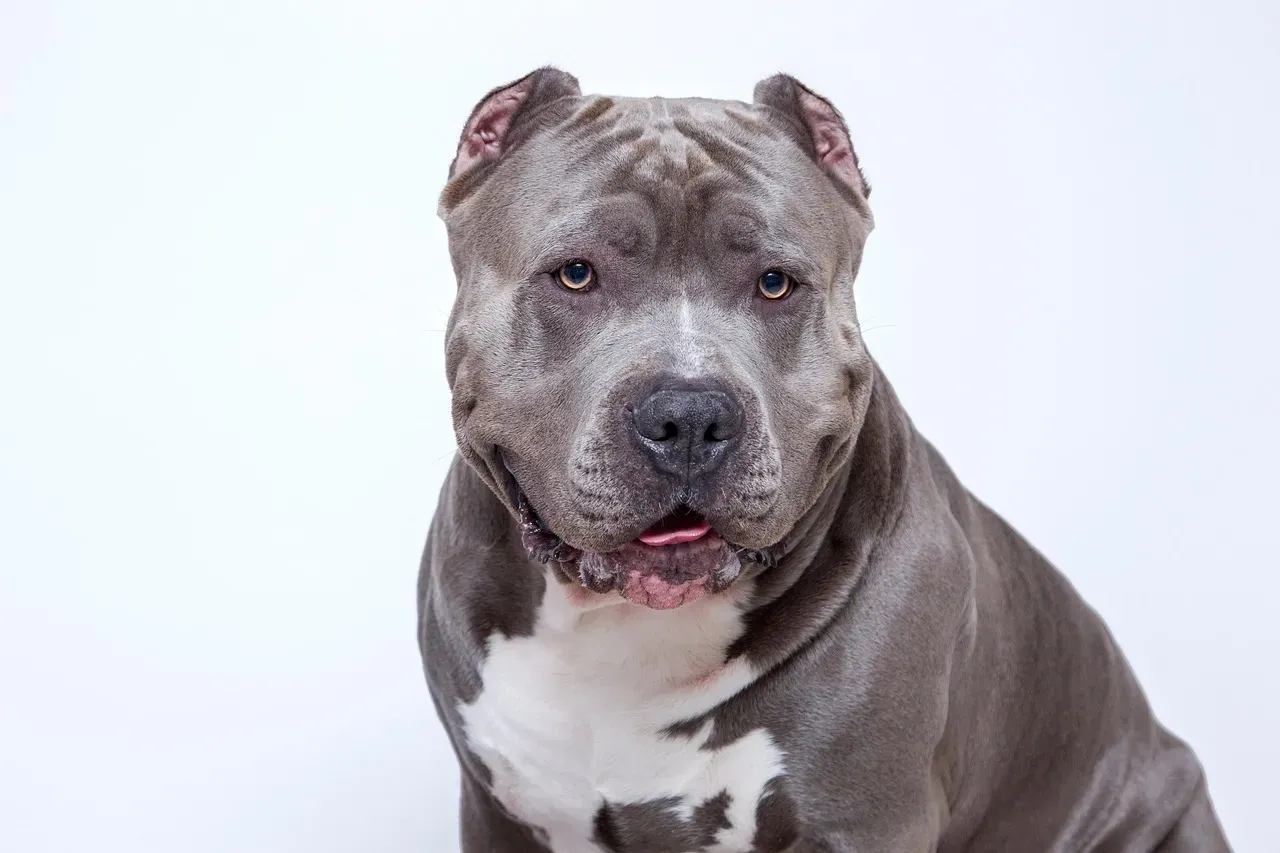
Pit Bulls were responsible for approximately 66% of fatal dog attacks in 2023, and among the fatal human attacks and bites that happened in the time period 2010 – 2023, pit bulls are responsible for 196, and another 49 were pit bull mixes, which account for 60%. Now, before anyone gets defensive, understand this: many pit bulls are gentle souls who wouldn’t hurt a fly. The issue comes down to their physical power combined with what veterinarians call bite commitment.
When a pit bull does attack, the consequences tend to be severe. Pit bull attacks show higher morbidity, hospital charges, and mortality risk than others. Their jaw strength isn’t actually superhuman compared to other breeds, contrary to popular belief, yet their tendency to hold and shake creates devastating injuries. Think about the difference between a warning snap and a sustained attack.
Pit bull terriers are 48% more likely to attack without provocation than any other breeds, and this breed is 31% more likely to attack a stranger. Vets who’ve treated these injuries will tell you the damage is often far more extensive than bites from other breeds of similar size. Reconstructive surgeries, nerve damage, permanent scarring – these aren’t rare outcomes.
Rottweilers
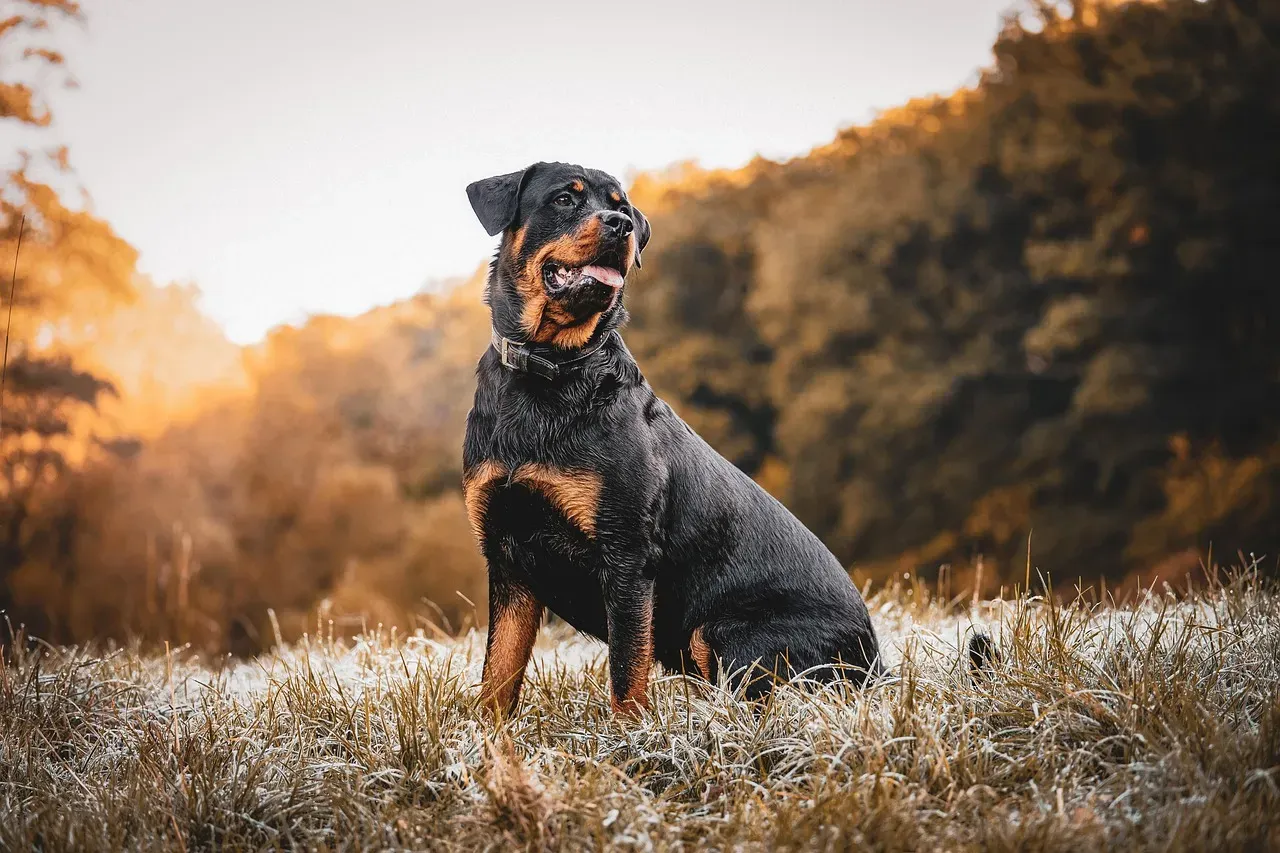
Coming in second on the list are Rottweilers, powerful guard dogs bred for protection work. Rottweilers account for around 10 percent of fatal dog attacks annually. Their size and strength make them formidable, sometimes weighing over 130 pounds of pure muscle. Originally used to drive cattle and pull carts, these dogs have serious work ethic and protective instincts hardwired into them.
As large and muscular guard dogs, they are known for their protective instincts which can turn into aggression if they perceive a threat. Due to their strength, they often cause severe dog bite injuries. Veterinarians note that Rottweiler attacks on family members often happen when the dog misinterprets a situation as threatening. A child roughhousing with another family member might look like an attack to the dog’s eyes.
One fascinating study detail really stood out to me: Pit bulls (346) and rottweilers (51) were involved in 76% (397) of total fatal dog bites. These two breeds together dominate the fatal attack statistics in ways that other breeds simply don’t. The veterinary community has been tracking this pattern for years, and it holds consistent across multiple research studies from 2005 through 2024.
German Shepherds
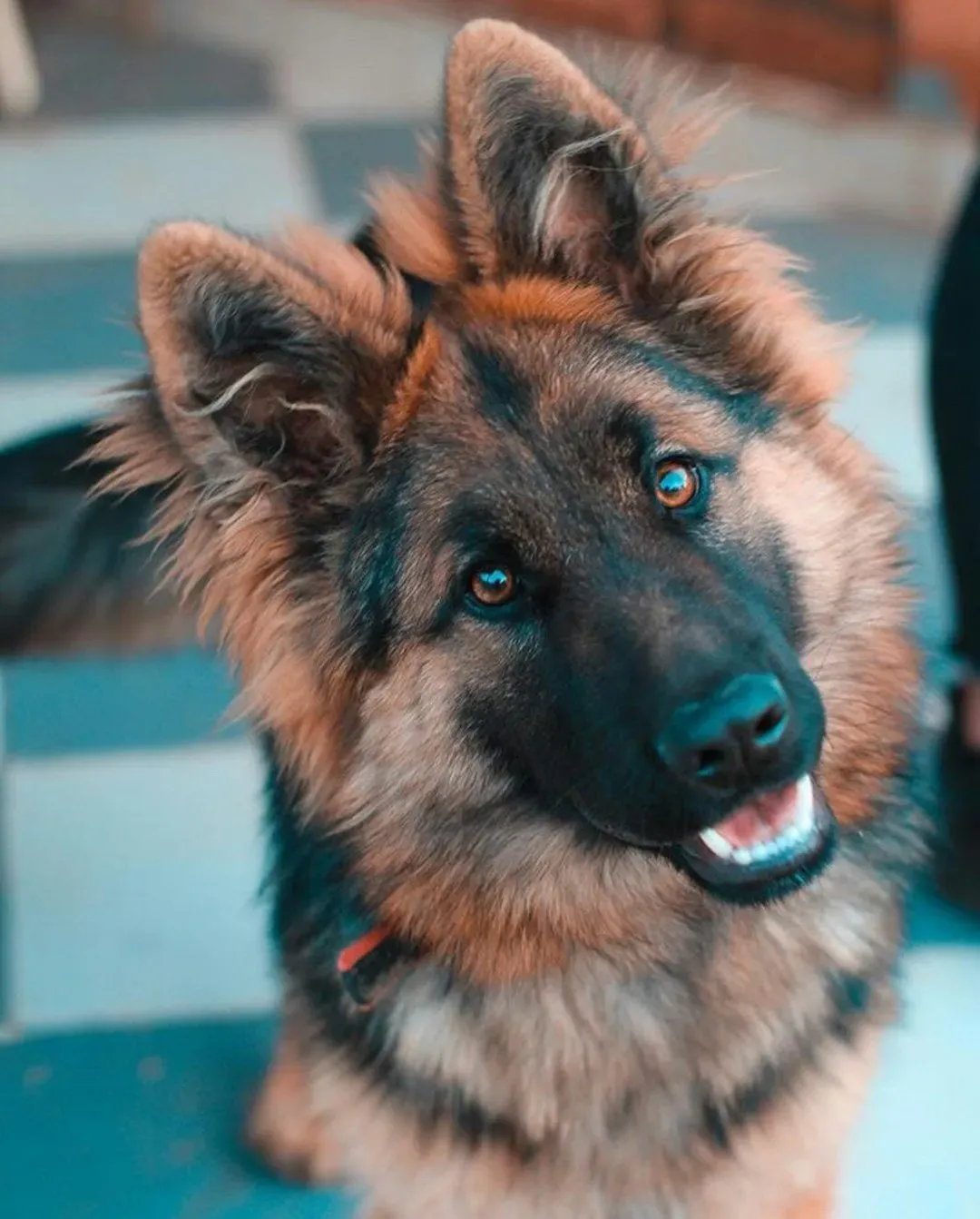
German Shepherds are intelligent, loyal, and incredibly popular as both family pets and working dogs in police and military roles. Yet they’re also responsible for a significant number of bites. German shepherds are still considered a high-risk dog breed, with considerably more dog bite incidents than most other dogs each year. Their combination of size, strength, and protective nature can become problematic without proper training and socialization.
Here’s what veterinarians emphasize: German Shepherds were bred to protect flocks and property. That means they’re naturally suspicious of strangers and can be territorial with their families. Their protective nature can sometimes make them aggressive dogs if they are not properly trained or socialized. I know several vet techs who’ve mentioned that poorly socialized German Shepherds represent some of their most challenging cases when dogs come in stressed or frightened.
The bite statistics bear this out. German shepherds (with 238 PSI bite force) were responsible for 4.2% (24) of the attacks. While that percentage seems smaller compared to pit bulls and Rottweilers, remember we’re talking about fatal attacks specifically. Non-fatal but serious bites from German Shepherds occur far more frequently and often involve owners or family members who inadvertently triggered the dog’s guarding instincts.
Chow Chows
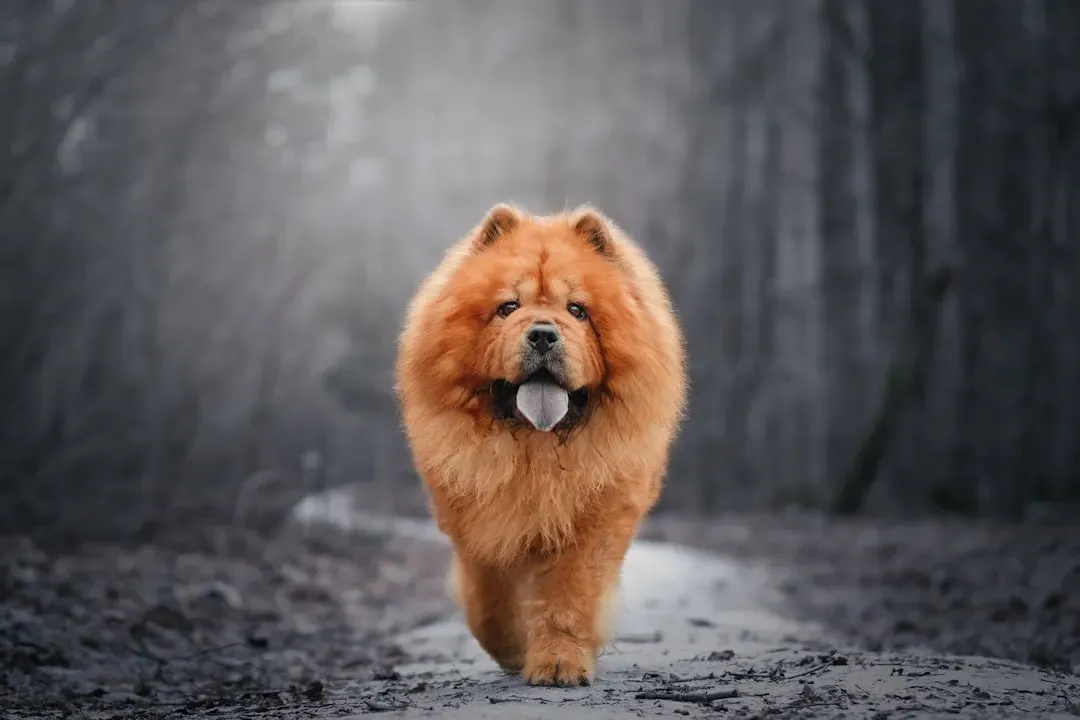
This one might surprise you. Chow Chows look like adorable teddy bears with their fluffy coats and lion-like manes. Don’t let that fool you. While the Chow Chow might look like a cuddly teddy bear, this breed is known for being highly territorial and independent. Chow Chows are responsible for a surprising number of dog bite injuries, especially given their relatively smaller size than other dangerous dogs. Veterinarians who work with this breed consistently warn about their unpredictable temperament.
Chow Chows were originally bred in China as guard dogs and hunting companions. They’re naturally aloof, even with family members, and extremely protective of their territory. Their stubborn nature makes them difficult to train, and without proper socialization, they may become aggressive. What makes them particularly concerning for vets is their tendency to bite without much warning – no growling, no obvious body language cues that most dog owners recognize.
The independence that makes Chows unique also makes them risky. They don’t necessarily see humans as pack leaders the way some other breeds do. This can translate into a dog that decides on its own when someone has crossed a boundary, and the “someone” is often a family member who thought they were just going about normal household activities. Reach for their food bowl at the wrong moment? You might find out the hard way that your Chow isn’t interested in sharing.
Doberman Pinschers

Sleek, powerful, and bred specifically as personal protection dogs, Doberman Pinschers round out this list. They are also responsible for several dog bites and attacks each year, and their protective instincts can lead to aggression, especially toward strangers. These dogs are whip-smart, which is both their greatest asset and potential liability. A smart dog with protective instincts can make independent decisions about perceived threats.
Veterinarians point out that Dobermans have a bad reputation that isn’t entirely fair, yet the breed’s history can’t be ignored. They were literally created in the late 1800s by a German tax collector who needed protection while collecting money in dangerous neighborhoods. Their strong build and sharp reflexes make any dog attack from this breed a serious matter. When a Doberman decides to bite, they’re fast, powerful, and incredibly effective.
What’s particularly relevant about Dobermans turning on owners is the phenomenon vets call “redirected aggression.” A Doberman guarding the home sees a perceived threat outside, gets amped up, and if a family member tries to intervene or calm them down, that arousal can redirect toward the person. It’s not malicious – the dog isn’t plotting revenge – yet the outcome is the same: a family member gets bitten by their own protective pet.