The 5 American Cities Locals Say You Should Never Walk Alone In After Dark
Memphis, Tennessee

Memphis holds the alarming distinction as America’s most dangerous metropolitan area for violent crime in late 2025, with violent crime rates roughly 500% above the national average at about 2,418 violent crimes per 100,000 residents. Walking alone after sunset in this city simply isn’t worth the risk, according to those who call it home.
Local authorities specifically advise avoiding South Memphis, Orange Mound, Frayser, and Hickory Hill, neighborhoods that have a reputation for frequent crime. Memphis is considered the most dangerous US city for pedestrians, due to a high fatality rate that has climbed significantly over the past few years. The numbers hit differently when you realize this isn’t just about statistics but about real people navigating real danger every single night.
From January through August 2025, Memphis reported 28,660 overall crime incidents representing a 23% decrease from the same period in 2024, with murders at a six-year low with 146 recorded this year compared to 181 in 2024. Yet even with improvements, even the downtown area can be dangerous, so always remain aware of your surroundings, keep valuables hidden, and avoid walking alone at night.
St. Louis, Missouri

St. Louis consistently ranks among the most dangerous cities in America, with locals expressing genuine concern about nighttime safety. Your chance of becoming a victim of one of these violent crimes in St. Louis is one in 70, which makes walking alone after dark feel like an unnecessary gamble.
With a violent crime rate of 1472 per 100,000 people, St. Louis is considered one of the most unsafe cities in America, with 4212 reported violent crimes equivalent to 298.2% higher than the national average. Property crime is equally concerning, creating a dangerous combination that impacts residents daily. St. Louis saw a historic decrease in crime in the first two months of 2025, with 15 homicides through March 2, and violent crime down across the board, including a 36% decrease in burglaries, 42% decrease in auto thefts, and 53% decrease in shooting incidents.
Still, residents aren’t letting their guard down. Large homicide declines are still concentrated in higher homicide cities such as Baltimore and St. Louis. Walking through certain neighborhoods remains risky business once darkness falls, regardless of recent statistical improvements.
Baltimore, Maryland

Despite its proximity to the nation’s capital, Baltimore maintains a reputation as one of America’s most dangerous cities. The contrast between its historic charm and harsh crime reality creates a jarring experience for residents and visitors alike. In 2024, Baltimore was named the deadliest city in the country based on a study analyzing FBI crime.
Here’s the thing about Baltimore: So far this year, Baltimore has had 84 homicides, the fewest in over 50 years, with the city having seen a 24.3% decrease in homicides and an 18.3% decline in nonfatal shootings in 2025. Those are impressive numbers that show genuine progress. The ongoing improvements in crime statistics don’t eliminate the need for caution when walking alone at night, particularly in certain neighbourhoods where violent crime remains a concern.
Locals know which blocks to avoid and which routes to take, knowledge that comes from lived experience rather than statistics. The nickname some residents use speaks volumes about lingering concerns despite visible improvements.
Detroit, Michigan
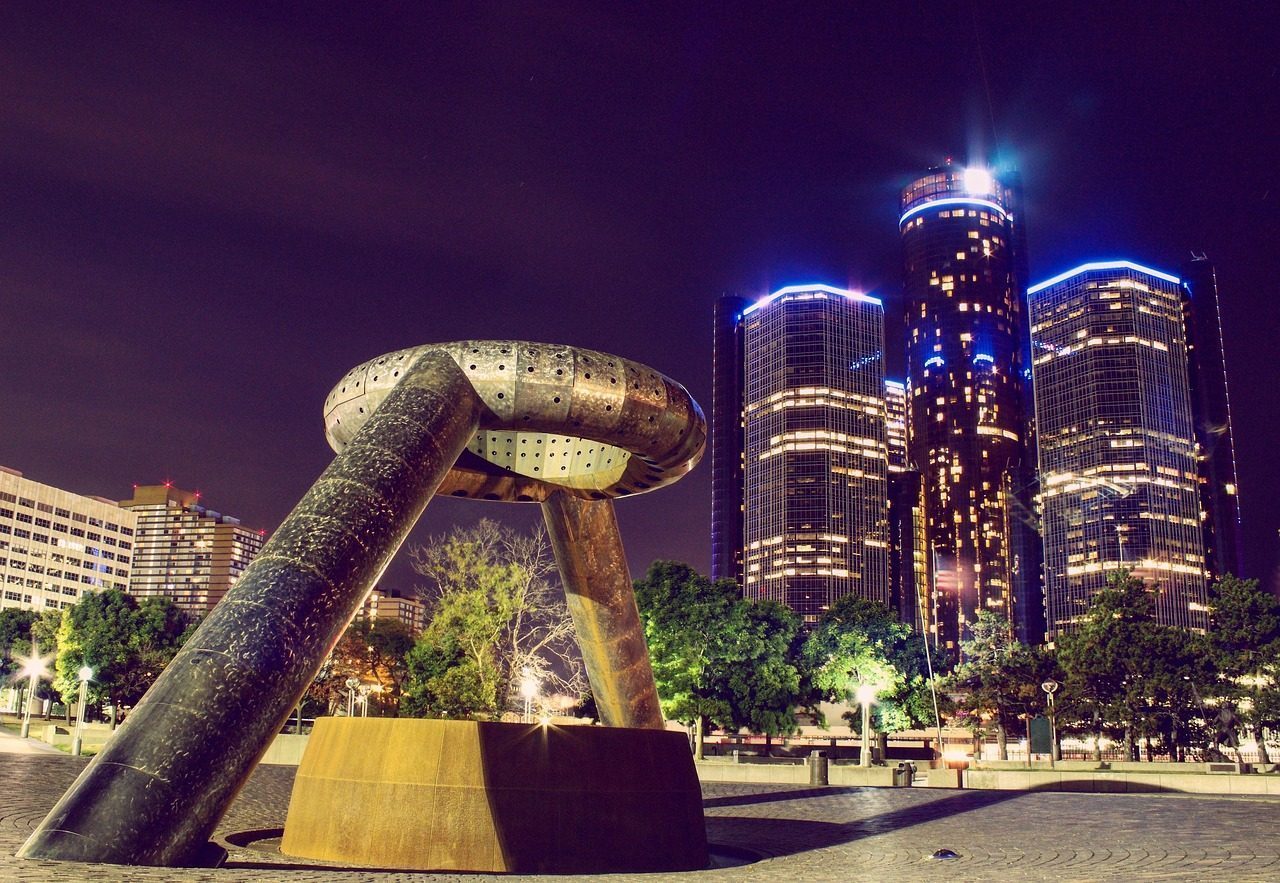
Detroit tells a complicated story. 79% of people responded that there was far too much crime and they would be hesitant to walk the streets alone at night. That overwhelming majority tells you everything about how residents actually feel about their safety when the sun goes down.
In 2024, Detroit finished the year with 203 homicides, the fewest on record since 1965, and as of September 30, 2025, there were 132 homicides. Detroit finished 2024 with 203 homicides, which were the fewest on record since 1966. These historic lows deserve recognition, yet perception lags behind reality.
Overall, the Detroit crime rate is 180% higher than the national average, which translates into 111.72 crimes per day including 34.82 violent crimes and 76.9 property crimes. The city’s approach to violence reduction involves comprehensive community intervention programs, with Community Violence Intervention groups producing incredible results in achieving reductions in homicides and nonfatal shootings. Progress is real, but locals remain cautious about walking alone after dark.
Oakland, California
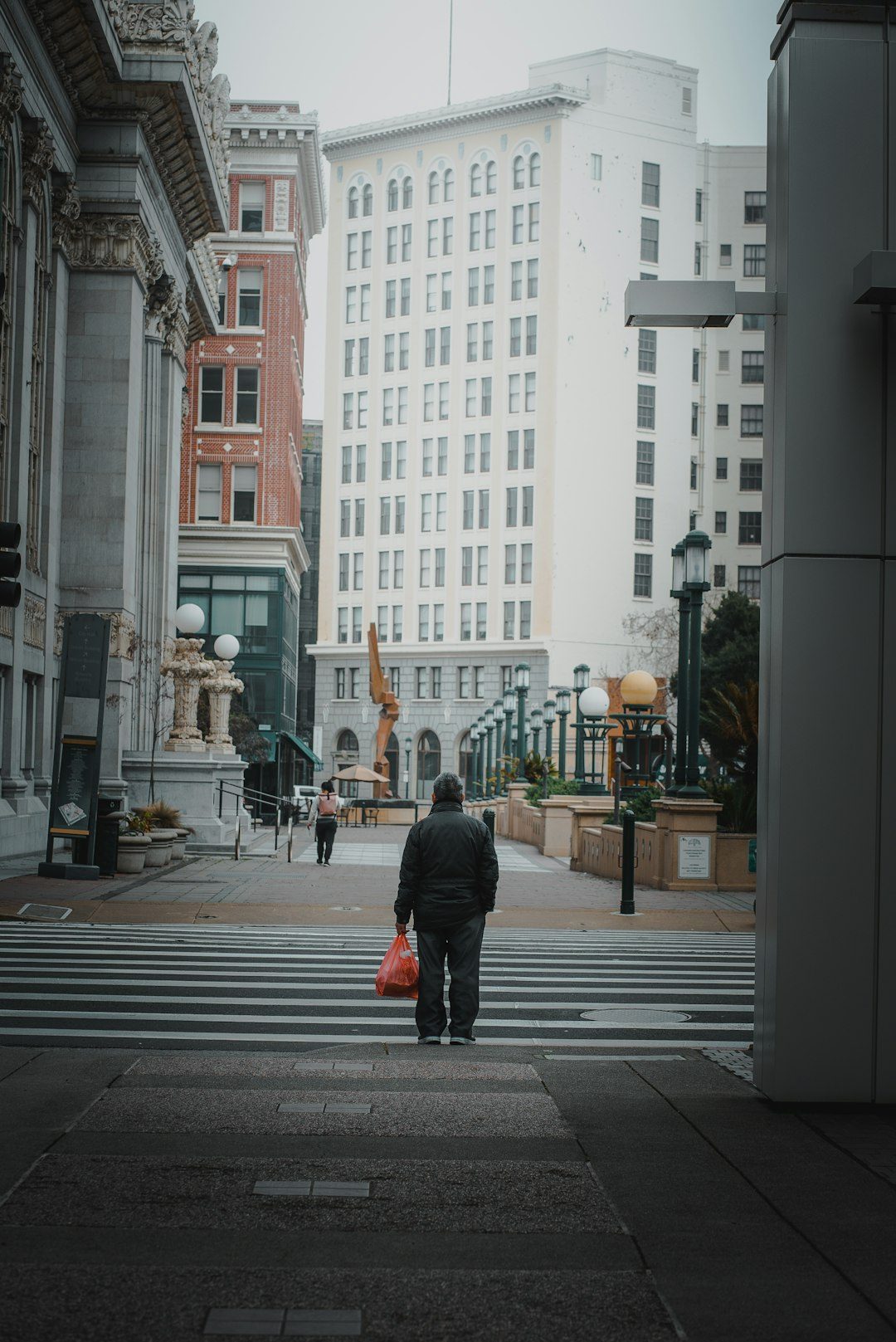
Oakland’s 2024 violent crime rate is 1,754 per 100,000, with West Oakland and parts of East Oakland being particular hotspots. The city has culture, incredible food, and rich history, yet residents exercise extreme caution once darkness settles over certain neighborhoods.
Oakland topped the list in multiple property and violent crime categories, leading all medium-sized cities in aggravated assault, robbery, larceny-theft. According to a city press release covering January 1 through June 30, 2025, Oakland Police Department reports homicides down 21% compared with the same period in 2024, with violent crime overall down 29% in that half-year period.
These improvements matter, truly. Despite recent improvements, Oakland continues to struggle with residents’ perceptions of nighttime safety, with the city’s reputation shaped by years of high-profile incidents and persistent property crime rates that make residents wary of walking alone after dark. Many neighborhoods feel completely different once the sun sets, transforming from vibrant to concerning in the span of an hour.
Honestly, I think what strikes me most is how these cities share similar trajectories yet unique challenges. Crime is dropping in nearly all these locations according to 2024 and 2025 data, which is genuinely encouraging. Still, locals know their streets better than any statistic ever could. They understand which blocks to avoid, what times feel safest, and when it’s simply smarter to call a ride instead of walking. Progress doesn’t erase decades of experience overnight. What’s your take on balancing crime statistics with personal safety when traveling?