9 Animals You Thought Were Dangerous – But Actually Fear Us
When you picture a shark gliding through murky waters, your heart probably picks up speed. A wolf howling in the distance sounds like danger, right? We’ve spent generations believing these creatures lurk in the shadows, waiting to pounce. Here’s the twist, though. That shark circling below is thinking the exact same thing about you. So are the bears, the snakes, and nearly every predator you’ve been taught to run from.
Kangaroos, wallabies and other Australian marsupials fear humans far more than any other predator, and it turns out they’re not alone. The animal kingdom is terrified of us. Let’s be real, we’re the apex predator nobody wanted to face. So here are nine animals that give us nightmares when, honestly, we’re starring in theirs.
1. Great White Sharks
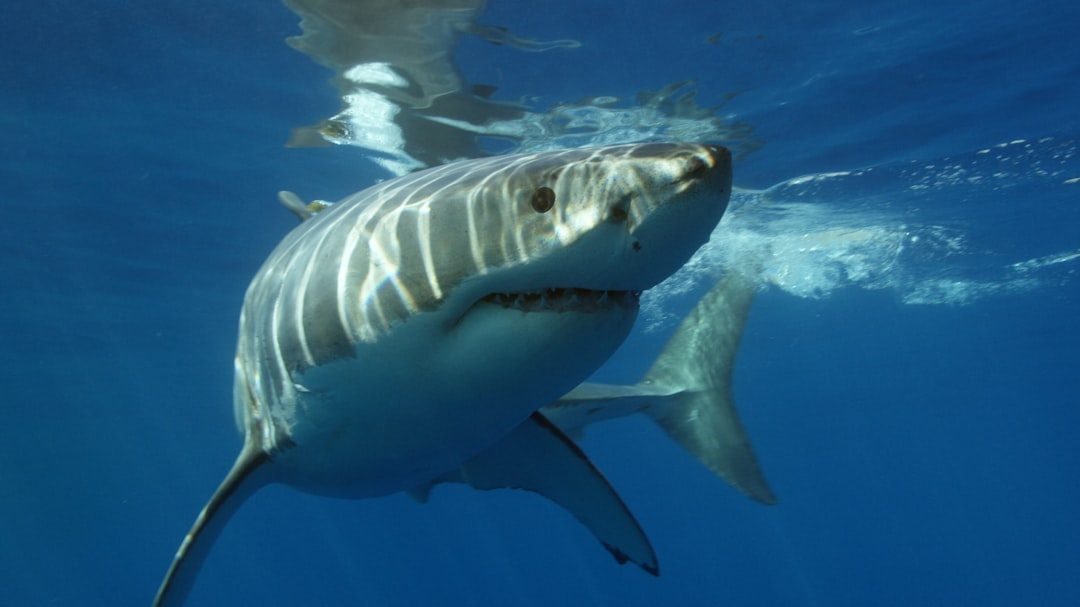
As many as 100 million sharks are taken from the oceans every year, according to research from Florida International University. Think about that for a second. Meanwhile, around 80 unprovoked attacks are reported worldwide annually by sharks on humans, with only a handful proving fatal. Sharks evolved millions of years before humans existed and therefore humans are not part of their normal diets.
Most sharks that bite a human rarely consume their victim, so they don’t seem to like us as prey, researchers explain. The reality? They’re curious, confused, or mistake a surfer for a seal. Sharks are not naturally aggressive toward humans and do not hunt people. Most bites occur when a shark mistakes a person for its natural prey. We should probably stop calling ourselves “shark bait” when we’re actually the predator that wipes out entire populations.
2. Gray Wolves
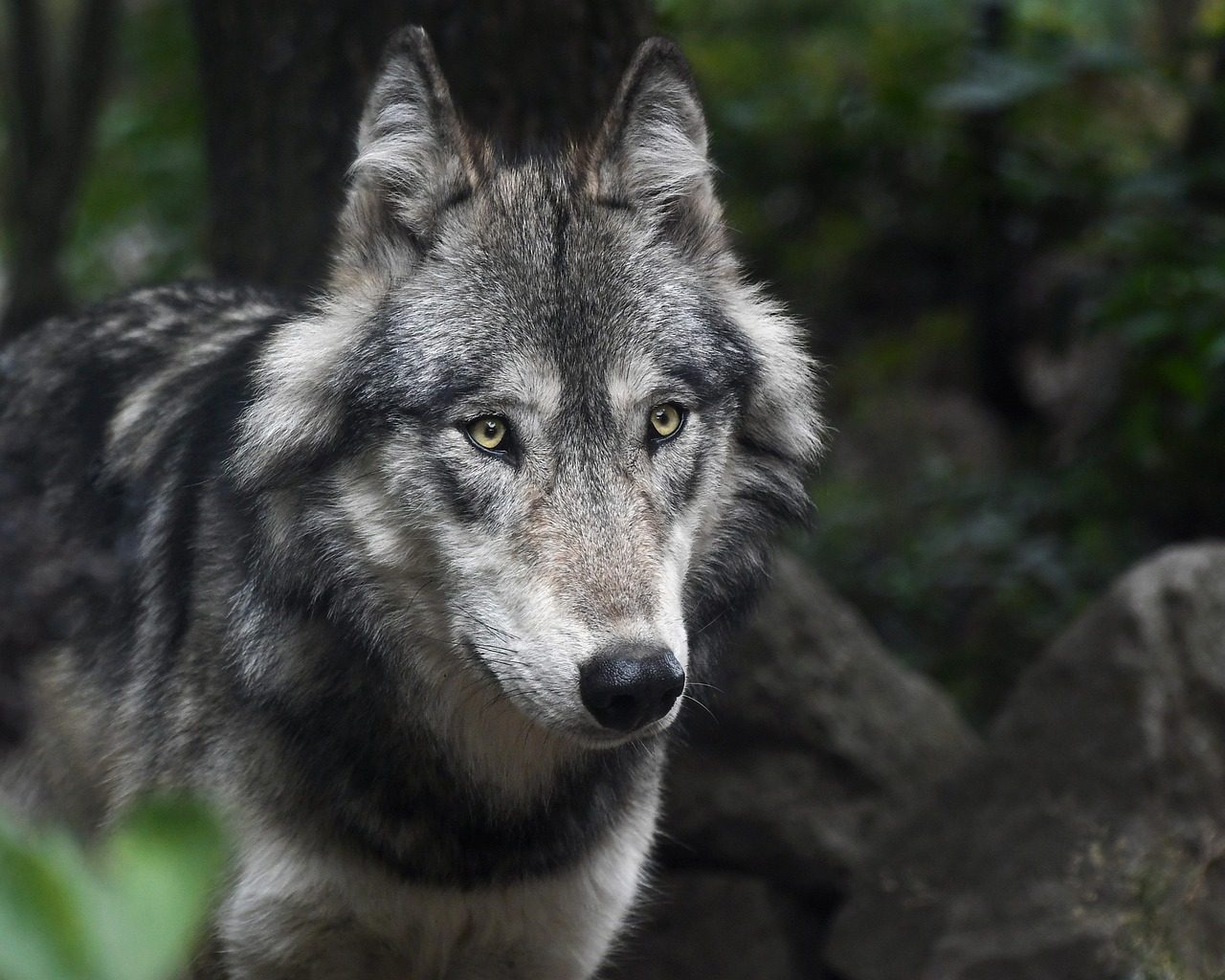
Wolves fled 2.4 times as often and abandoned the site twice as fast when they heard human voices compared to bird calls, according to a 2024 study conducted in Poland’s Tuchola Forest. Even in areas where wolves have legal protection, humans legally and illegally kill wolves at seven times the rate they die naturally. No wonder they’re nervous.
Wolves were very afraid of simulated human presence and fled immediately after hearing a human voice in over 80 percent of all video recordings. The so-called big bad wolf is actually keeping its distance. Only 26 fatal attacks worldwide occurred between 2002 and 2020, with most happening in rural areas. In North America, there have been only two documented fatal wolf attacks in the last two decades. The truth is wolves are terrified of us, not the other way around.
3. Black Bears and Grizzly Bears
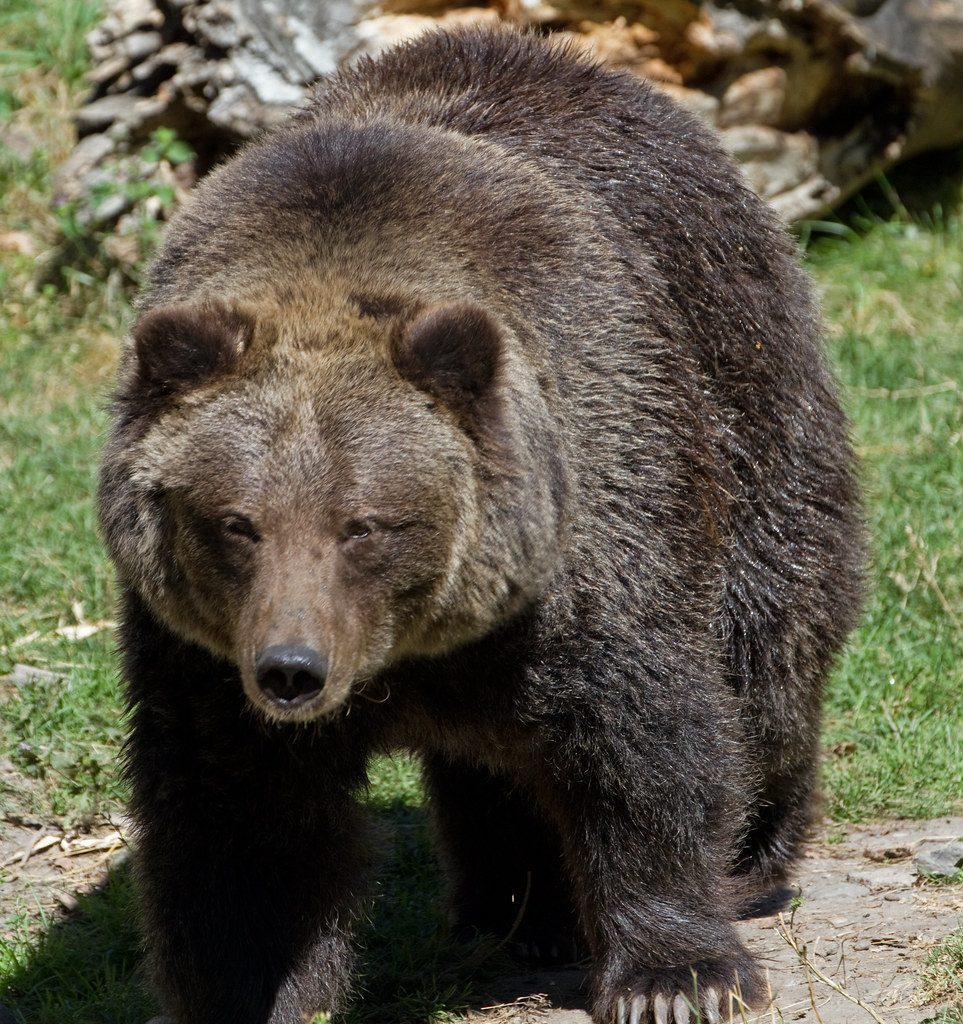
Bears have this reputation as ferocious killers ready to maul anyone who stumbles into the woods. Most bears will avoid humans if they hear them coming, according to the U.S. National Park Service. Bears usually avoid conflict with people. Most dangerous encounters happen when the bear is surprised, protecting cubs, or guarding a large food source.
Bears consistently avoided approaching humans after repeated approaches in a Swedish study, showing they maintained natural avoidance responses. In Sweden, when individual bears or family groups were intentionally approached by people on foot on hundreds of occasions, bears moved away on 80 to 95 percent of those occasions. They’re not plotting your demise in the wilderness. They’re hoping you leave them alone.
4. Venomous Snakes
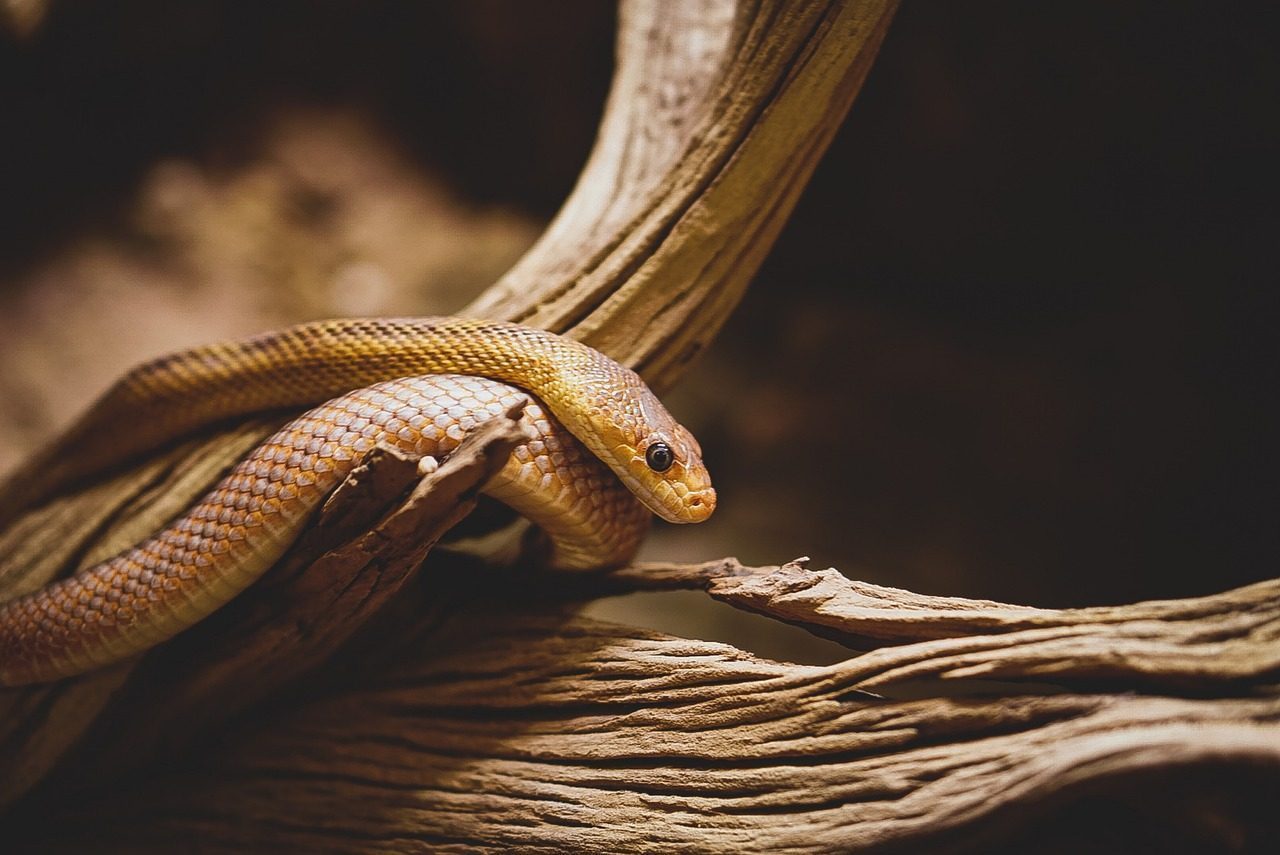
Researchers recorded the responses of free-ranging Brown snakes to 455 close encounters with humans and found that in about half of the encounters the snake retreated or relied on crypsis. Cryptic means they hide and hope you don’t notice them. Snakes advanced offensively toward the observer on only three occasions out of those 455 encounters. They’re way more interested in running away than attacking.
Both venomous and nonvenomous snakes are extremely wary of humans and are not prone to strike. A bite is their last-ditch effort to avoid harm, confirms Oklahoma State University wildlife experts. Nearly 80 percent of snake bites occur when someone deliberately handles or harasses a snake. So if you leave them alone, they’ll return the favor. Seems fair, doesn’t it?
5. African Elephants and Rhinos
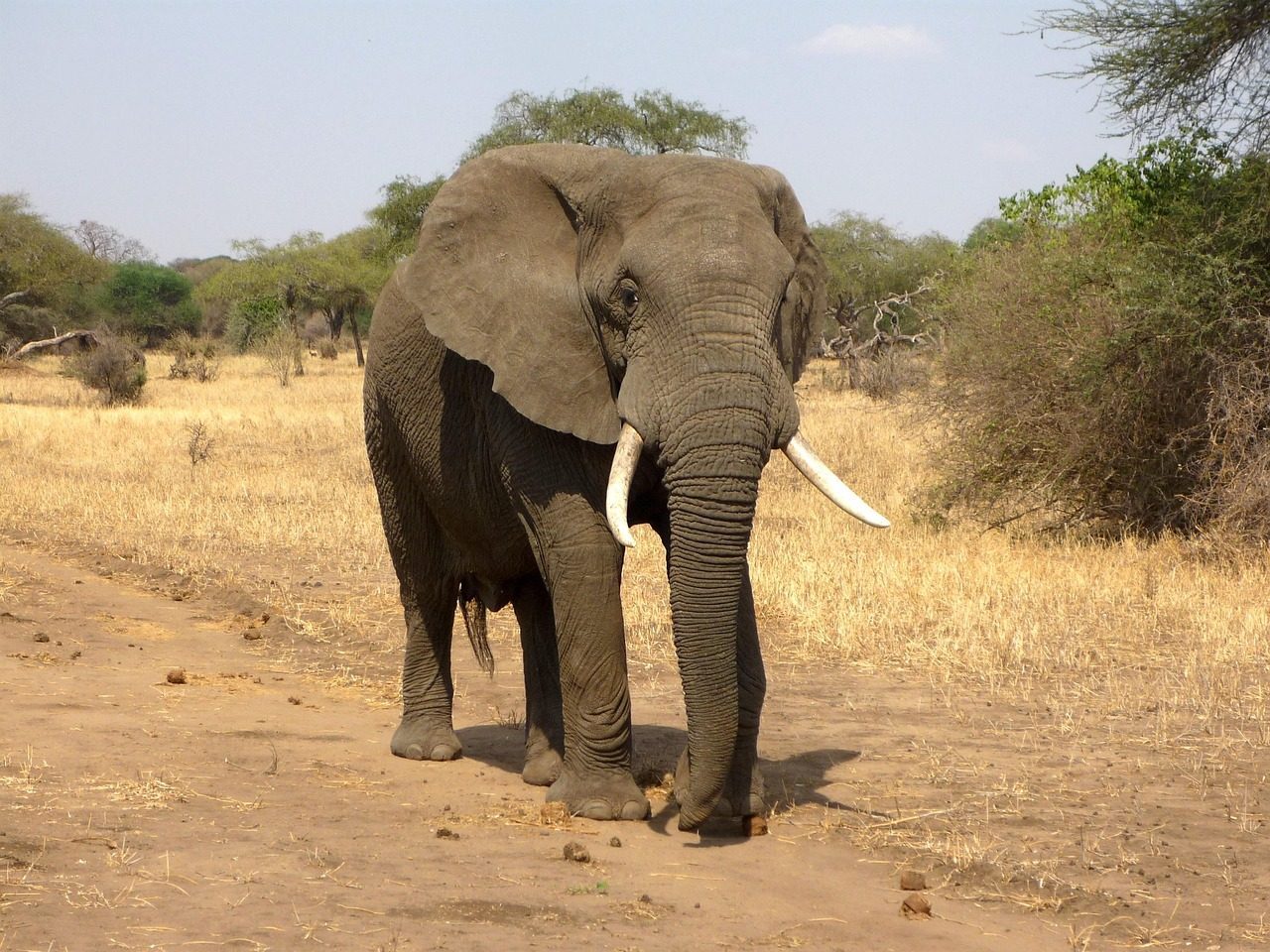
Animals react most strongly to human voices and flee in response, as shown in research from South Africa’s Kruger National Park. Elephants and rhinos, despite being the largest land animals, display significant fear of human presence. Animals usually stayed longer at water holes when lion sounds were played to them than when human voices were heard.
Think about that. Lions are apex predators in Africa, yet these massive creatures fear humans more. Global surveys show that humans actually hunt more prey than any other predator. Researchers even tested whether customized sound systems could help endangered species like the southern white rhino stay away from known poaching areas, and initial tests using human voices have been successful. We’re the boogeyman in their world.
6. Mountain Lions (Pumas)
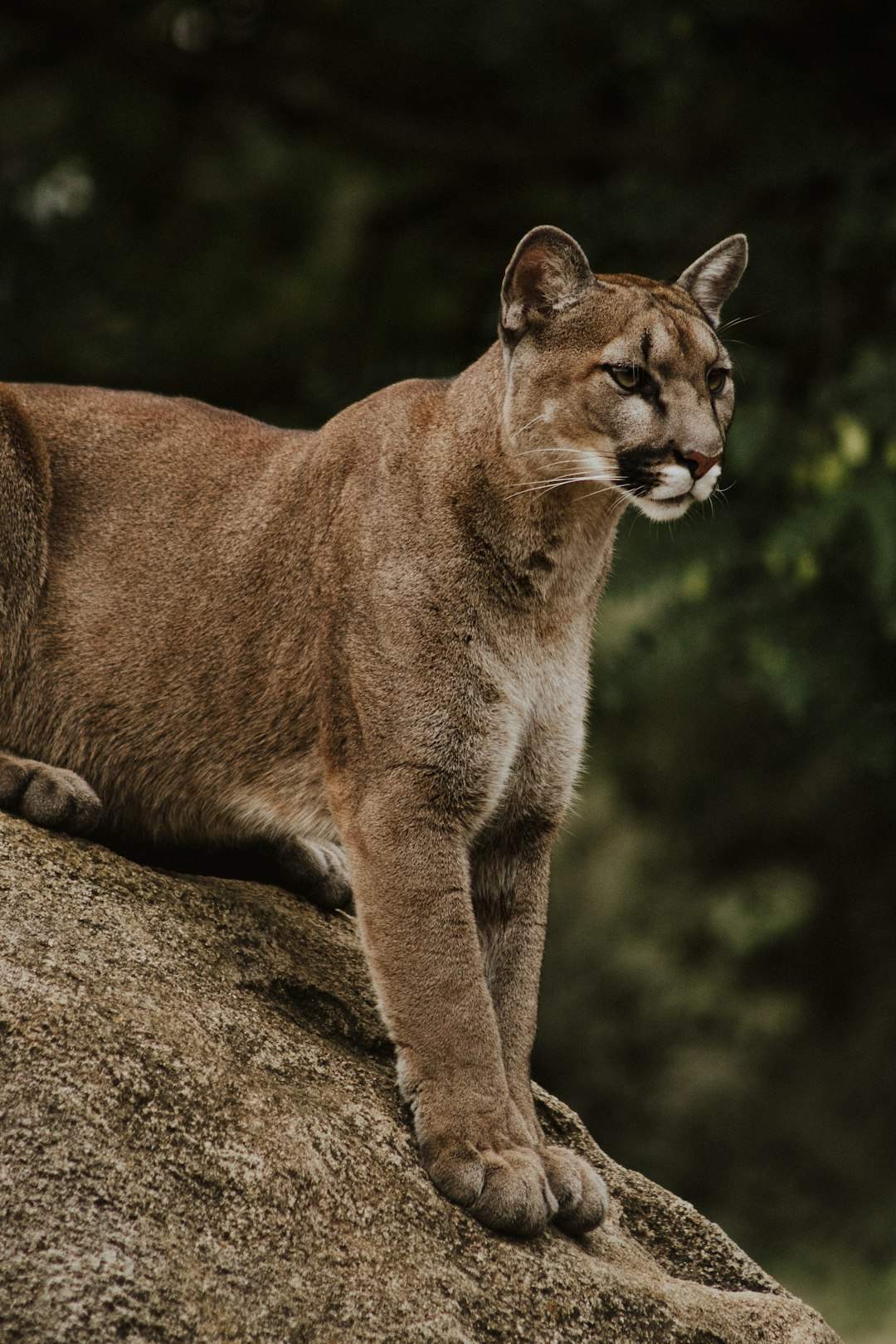
Mountain lions are solitary hunters capable of taking down prey much larger than themselves. Honestly, they’re incredibly powerful. Yet research shows these big cats actively avoid human activity. Global surveys show humans kill prey at much higher rates than other predators, making humans a super predator.
Studies in California tracked mountain lion movements and found they altered their behavior extensively to avoid encounters with people. They shifted to nocturnal patterns, avoided trails during peak human use, and abandoned kills when humans approached. The fear humans inspire has measurable ecological impacts on how these predators hunt and where they roam.
7. Leopards and Tigers
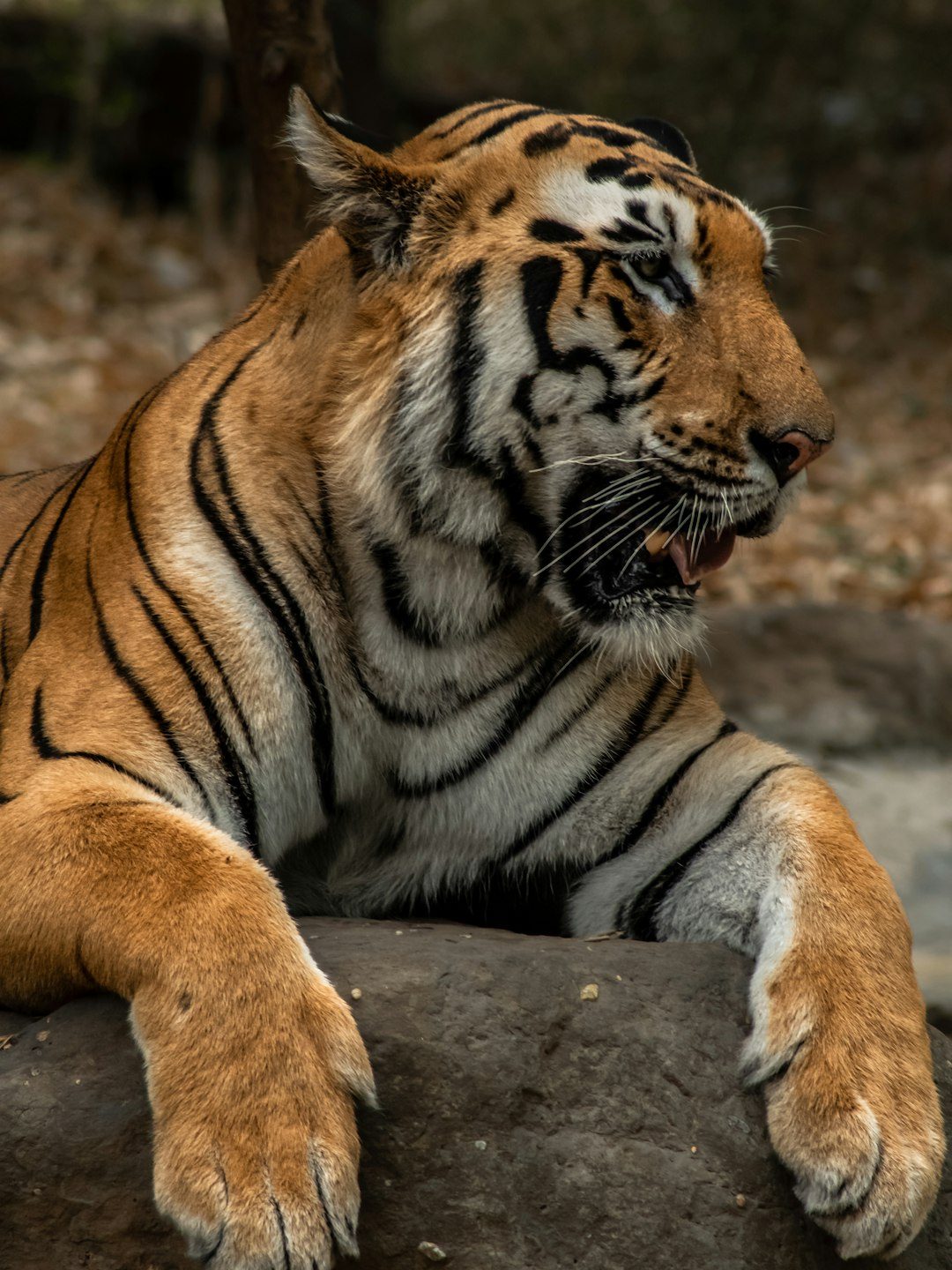
Big cats in Africa and Asia might seem like the ultimate threat. Movies love showing them stalking humans through jungles. Reality check: Wild dogs, leopards and buffalo were the only animals who stayed at water holes longer when they heard humans, though the difference was not statistically significant for these species, showing even these predators exhibit complex avoidance behaviors.
There is a notion that animals get used to humans when they are not being hunted, but research has shown that’s not the case. Fear of humans is deeply rooted and pervasive. Tigers and leopards in India and other regions continue to fear human presence even in protected areas. They’re adjusting their entire lives around us, not stalking us for dinner.
8. Crocodiles and Alligators
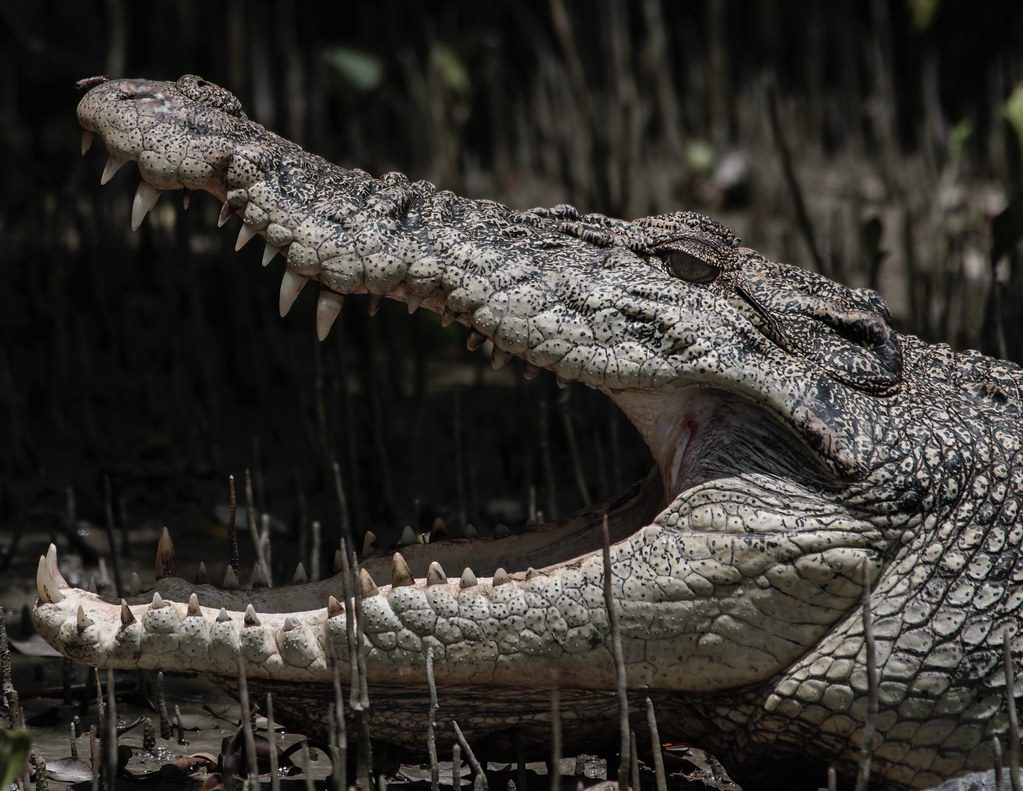
Those prehistoric-looking reptiles lounging by riverbanks seem like pure menace. Crocodiles especially have this terrifying reputation. Here’s what researchers found though: like snakes, crocodiles typically avoid confrontation with humans when possible. They’re ambush predators adapted to specific prey, and humans don’t fit that profile.
Most attacks happen when people unknowingly enter their territory or come too close to nesting sites. Studies on crocodilian behavior show they’re more likely to retreat or remain motionless when they detect human activity from a distance. The fear factor works both ways, but we’ve got the upper hand with our weapons, habitat destruction, and hunting practices. They know it too.
9. Grizzly Bears in Yellowstone
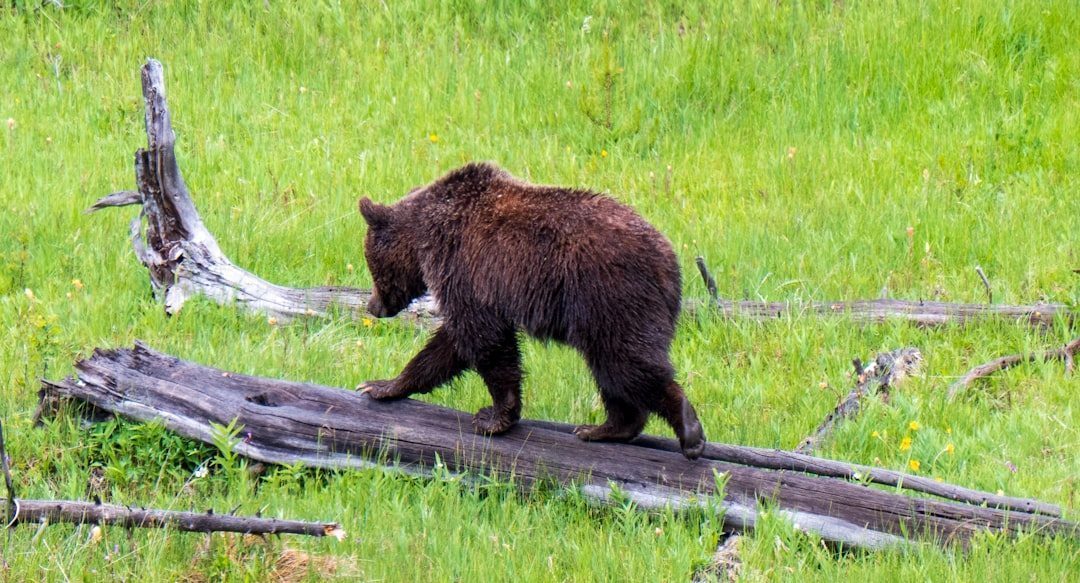
The very substantial fear of humans demonstrated in recent experiments can be expected to have dramatic ecological consequences, because research has established that fear itself can reduce wildlife numbers. Even in places like Yellowstone, where bears are protected and tourists flock to see them, the animals maintain significant wariness.
The research team deployed hidden automated camera-speaker systems that filmed responses to humans speaking calmly, dogs barking, Tasmanian devils snarling, wolves howling or non-threatening controls. The results were clear: humans were identified as the planet’s most frightening predator, according to a 2024 Australian study. Bears in Yellowstone, despite decades of protection and habituation efforts, still react with fear to human presence. They’ve simply learned to tolerate us at a distance because food sources overlap.
Pretty wild when you flip the script, isn’t it? We spend so much energy fearing animals that are actually doing everything possible to avoid us. The real danger isn’t them attacking. It’s us forgetting we’re the ones they should fear.