5 Iconic American Breakfast Staples Fading From Diner Menus, New Reports Suggest
Walk into any classic American diner and you’ll likely find certain breakfast staples still hanging on the menu. Yet behind those laminated pages and chalkboard specials, something’s quietly shifting. According to Revenue Management Solutions data, year-over-year morning traffic to fast-food chains has fallen in many quarters over the last three years, though some showed improvement. McDonald’s and Wendy’s reported sluggish breakfast sales during their earnings calls, attributing the trend to heightened economic uncertainty and pressures facing low-income consumers. The morning meal landscape is transforming, and some beloved classics are slipping away without much fanfare.
The reasons are complex. Economic pressures, changing dietary preferences, and supply chain challenges are all playing a role. Here’s what’s vanishing from breakfast tables across America.
Classic Orange Juice

The U.S. orange juice supply is getting squeezed, and diners are noticing fewer carafes on breakfast tables. Once a non-negotiable part of the traditional American breakfast, orange juice is losing its grip on morning routines. While coffee remains the most popular beverage at breakfast with nearly half of people choosing it, fruit juice and milk both ranked much lower at around one in ten. Rising costs and citrus crop diseases have made orange juice increasingly expensive to source. Many restaurants are quietly swapping it for cheaper alternatives or removing it entirely from their beverage lineups.
The decline feels symbolic in a way. Orange juice represented post-war American prosperity and health consciousness, but today’s diners are reaching for cold brew coffee or protein shakes instead. suggesting a shift in beverage preferences that could impact breakfast menus nationwide. When something becomes both expensive and less desirable, it’s only a matter of time before it fades from view.
Eggs Benedict
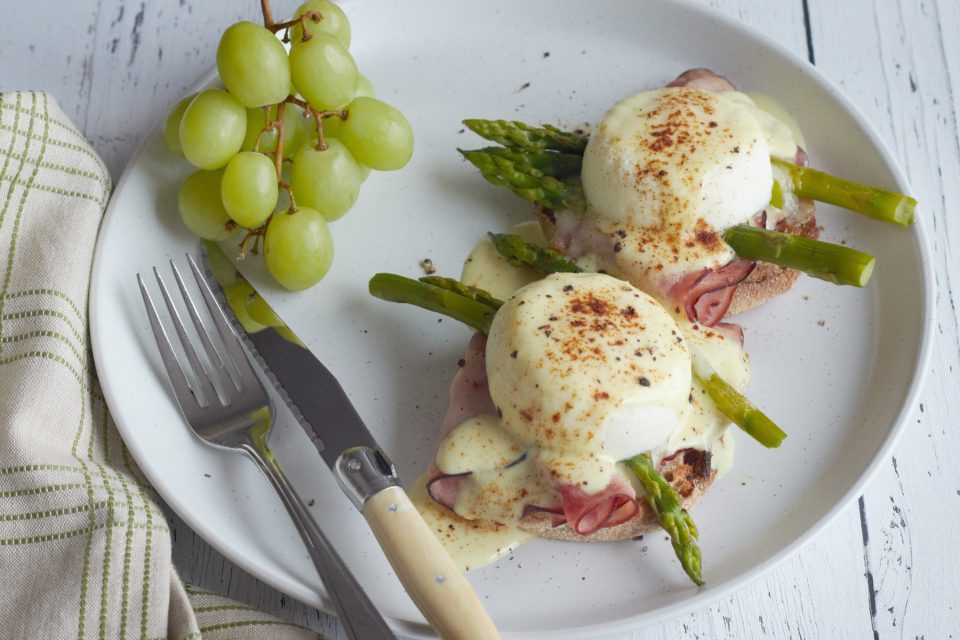
This seems almost unthinkable. Eggs Benedict, that luxurious stack of English muffin, Canadian bacon, poached eggs, and hollandaise sauce, has been a brunch icon for well over a century. Yet breakfast items scored surprisingly low in operator innovation priorities, with few operators spending significant time on breakfast innovation, and scoring low on profitability measures. The dish demands skill, time, and expensive ingredients like eggs and butter.
The current bird flu outbreak has caused a massive decline in egg production over recent months due to contamination risks, with inventories declining and egg prices reaching an all-time high. Labor-intensive dishes are becoming harder to justify when margins are already razor-thin. Many diners are trimming their Benedict offerings or dropping them altogether. It’s heartbreaking, honestly, because a well-made Eggs Benedict is pure indulgence.
Full Stack Pancakes with Syrup

Savory breakfast options are becoming more popular as diners seek alternatives to sugar-laden morning meals, with traditional breakfast foods like pancakes and muffins being swapped out for hearty, savory dishes. The towering stack of fluffy pancakes drenched in maple syrup? That’s becoming a rarer sight. Health-conscious consumers are steering away from sugar-heavy breakfasts, and restaurants are responding by shrinking portion sizes or promoting savory alternatives.
The demand for savory breakfast options is likely to continue growing, especially as more consumers become aware of the need to limit sugar intake, opening the door to greater creativity in breakfast menus. The shift isn’t universal, of course. Pancake houses still thrive in certain markets. Still, the classic three-stack pancake plate is quietly disappearing from mainstream diner menus, replaced by smaller portions, whole grain options, or eliminated altogether in favor of breakfast bowls and grain-based dishes.
Traditional Bacon and Sausage Platters
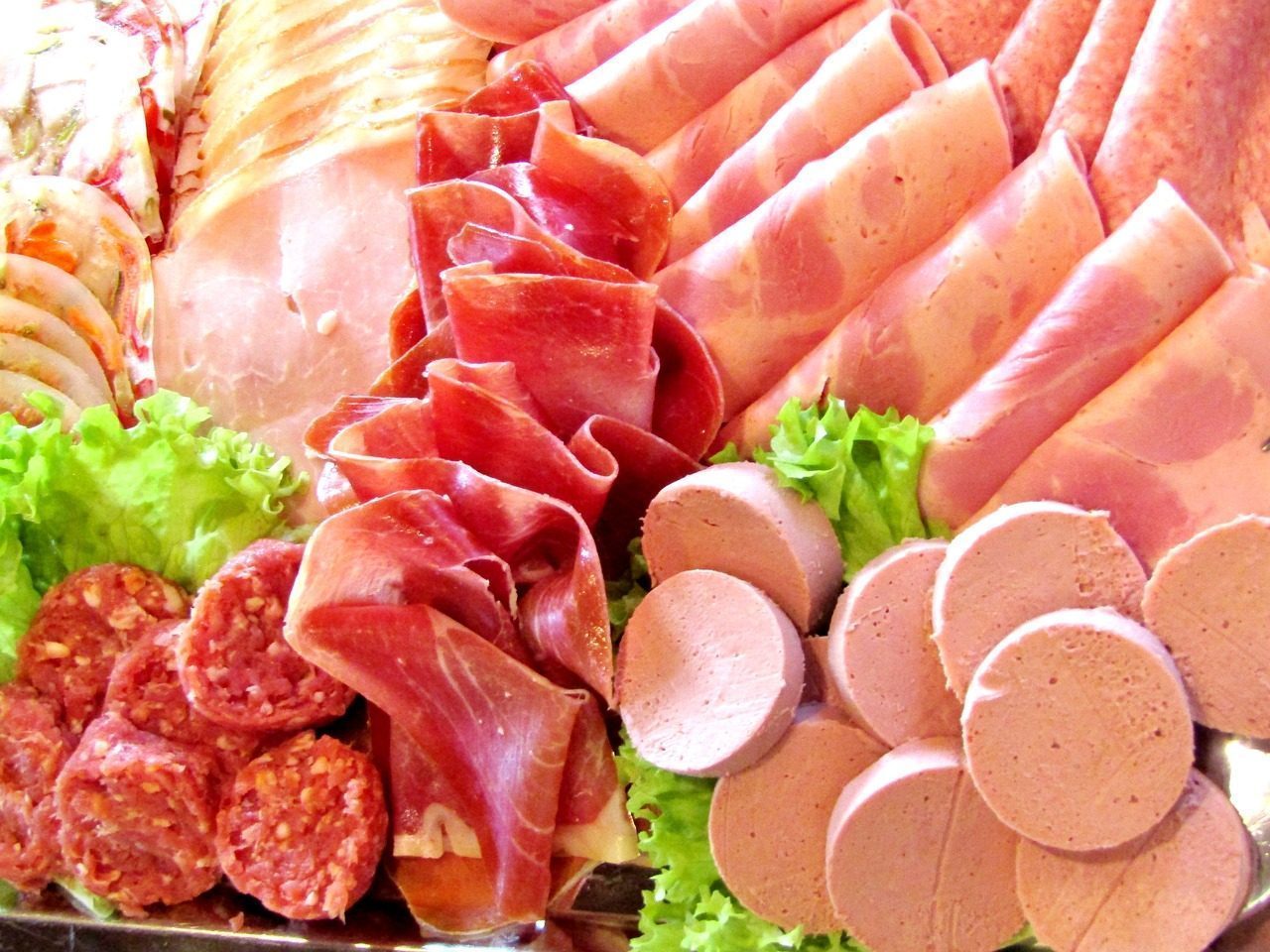
Let’s be real: processed breakfast meats are under scrutiny. Processed meat like bacon isn’t good for you, and consumers are increasingly aware of health risks associated with these staples. Millennials, Gen Z, and health-conscious consumers are the biggest drivers of the plant-based trend, with many diners choosing plant-based options for health benefits as these meals tend to be lower in saturated fat and higher in fiber and nutrients. Restaurants are feeling the pressure.
Some establishments are reducing portion sizes, while others are introducing turkey bacon or plant-based sausage alternatives. Chipped beef on toast, once a military staple, saw its decline after the 1970s due to high sodium levels and heavily processed beef, with civilian diners moving away as healthier breakfast options emerged. It’s not that bacon is vanishing entirely, but the generous platters piled high with strips are becoming less common. The traditional “meat-forward” breakfast is morphing into something leaner, lighter, and frankly, less fun.
Hash Browns and Home Fries
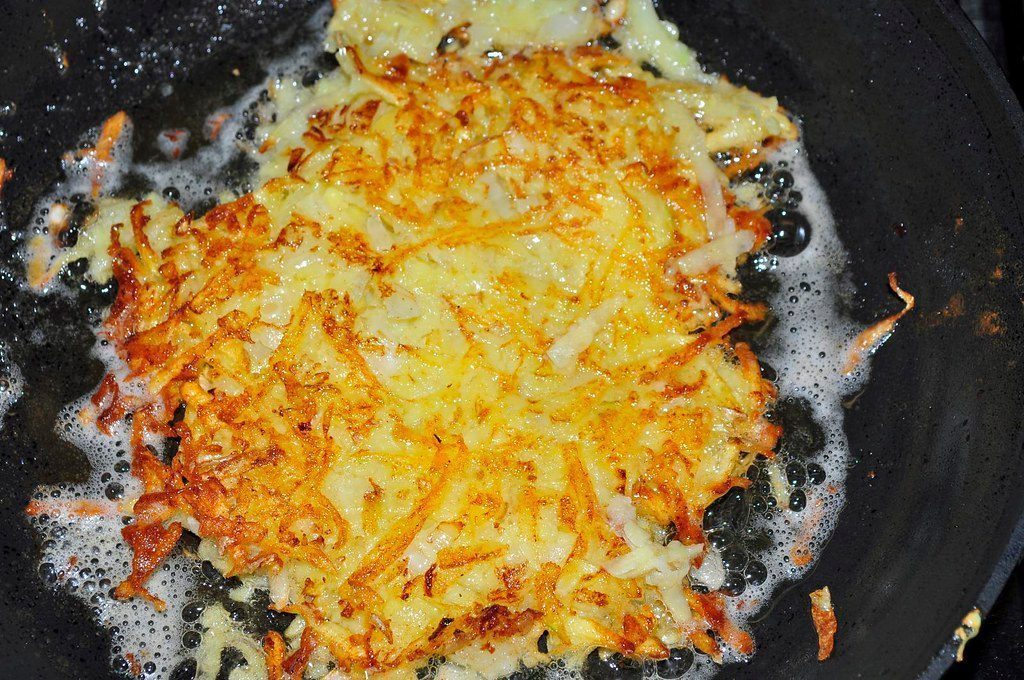
The crispy, golden potato side dish is facing unexpected challenges. Supply chain issues, rising potato costs, and labor shortages are making these simple sides less economically viable. Restaurant prices are up nearly 4% since the previous year, forcing operators to cut costs wherever possible. Hash browns require prep time, dedicated fryer space, and consistent attention.
Proposed tariffs on food and beverage imports from Mexico and Canada could cut into small operators’ profits due to higher input costs, with rising prices for essential imports like coffee, fresh produce, and packaging materials further straining tight margins. Many diners are simplifying their sides menu or charging extra for potato dishes that were once automatically included. Some have switched to cheaper alternatives like toast or fruit. It’s hard to say for sure, but the humble hash brown might be quietly edging toward endangered status on breakfast menus nationwide.
The American breakfast is evolving, whether we’re ready or not. Economic pressures, health trends, and supply challenges are reshaping what we eat in the morning. These changes aren’t happening overnight, but they’re real. Next time you spot Eggs Benedict or a towering stack of pancakes on a menu, you might want to order it while you still can. What’s your take on these disappearing classics? Will you miss them, or are you ready for the next breakfast revolution?