5 Grocery Store Sneak Tactics Most Shoppers Rarely Notice, According to Former Employees
Ever walked into a grocery store for milk and walked out with a cart full of things you never planned to buy? You’re not alone. Here’s the thing: grocery stores aren’t just convenient places to grab food. They’re carefully engineered environments designed to manipulate your behavior in ways you probably never notice.
Former employees and retail psychology experts reveal that large grocery store brands consult with psychologists to better understand how to influence consumer perceptions. The tactics are subtle, strategic, and surprisingly effective. Let’s be real, most of us have no idea we’re being played while we’re pushing that oversized cart through fluorescent-lit aisles.
The Oversized Cart Conspiracy That Makes You Buy More
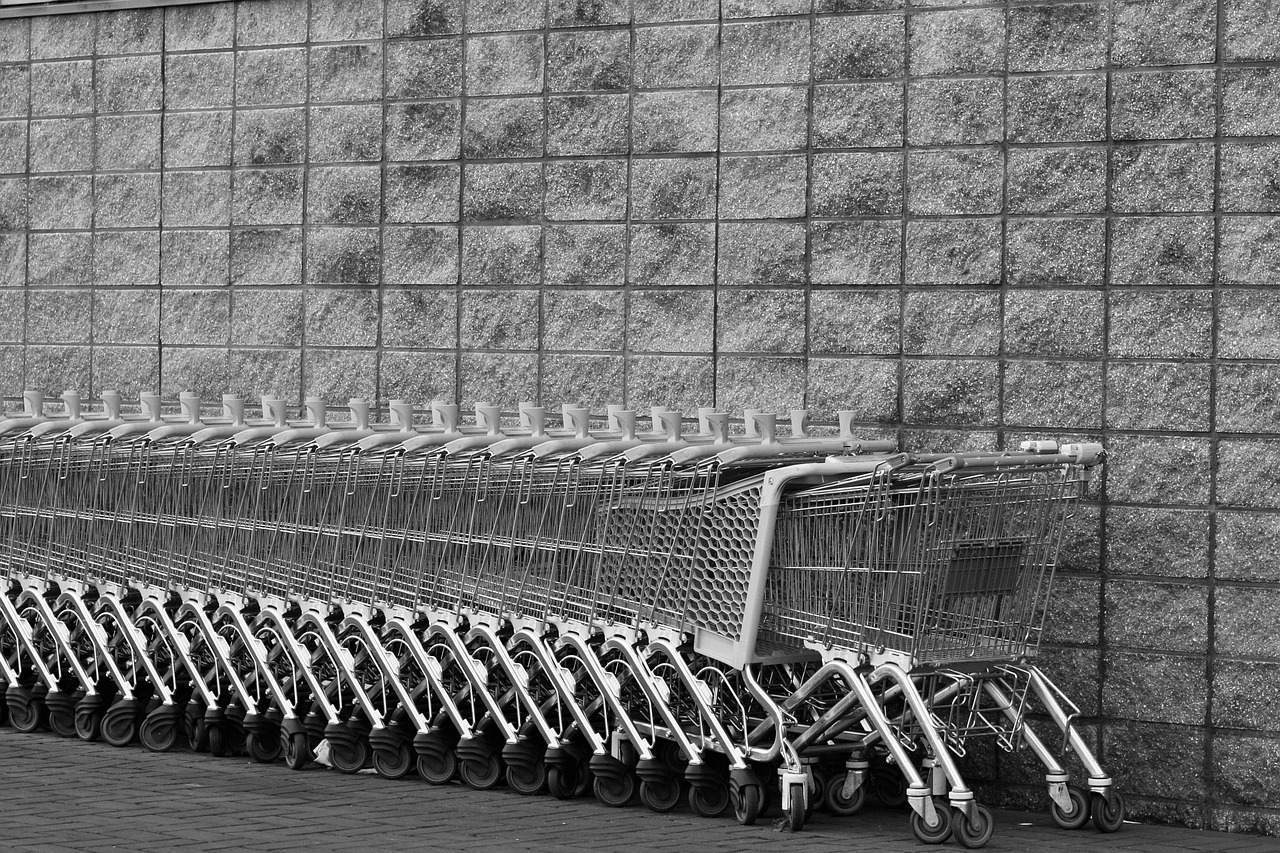
Look down at your shopping cart next time you’re at the store. It’s massive, right? According to Martin Lindstrom, doubling the size of the shopping cart leads shoppers to buy 40 percent more. This isn’t by accident. Stores know that when you see all that empty space, you feel compelled to fill it.
Just having a shopping cart increases the chance of buying more, which was the impetus behind their invention by grocery store owner Sylvan Goldman in 1937, and carts have since tripled in size. The psychology is simple but powerful. Much like using bigger plates for food, the larger the container, the more we unconsciously want to consume or fill. Those smaller carts some stores offer? They’re tucked away in corners for a reason.
Strategic Product Placement at Eye Level Isn’t Random
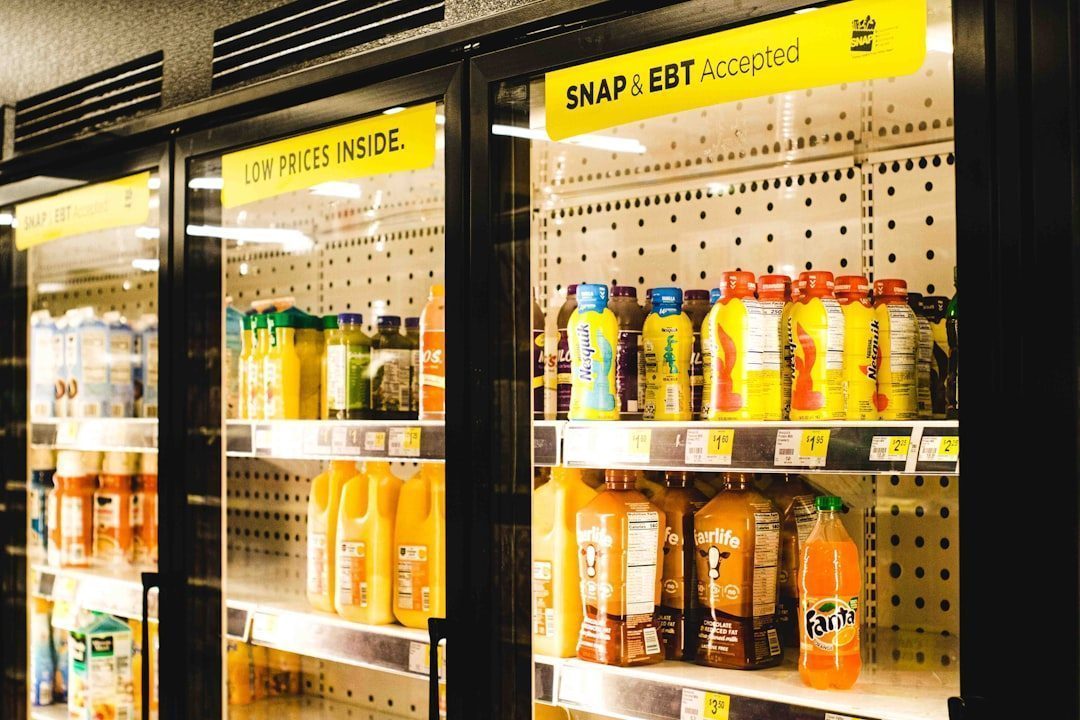
As the saying goes, “eye level is buy level” – consumers are more likely to purchase a product placed at eye level than something placed low to the ground or high on the shelves. Honestly, this one shocked me when I first learned about it. The most expensive or high-margin products are always positioned right where your eyes naturally land.
A leading coffee manufacturer in the UK found that shelf four had a 23 percent greater potential to increase sales compared to shelves three or five, despite all three shelves being around eye level, and items suffered a 25 percent fall in sales when continually placed on shelf two. Brands and manufacturers are often willing to devote up to 50 percent of their promotional budgets on securing featured display space, including eye level shelf placement. That’s how valuable this space is.
Shrinkflation: Paying the Same for Less Without Realizing It
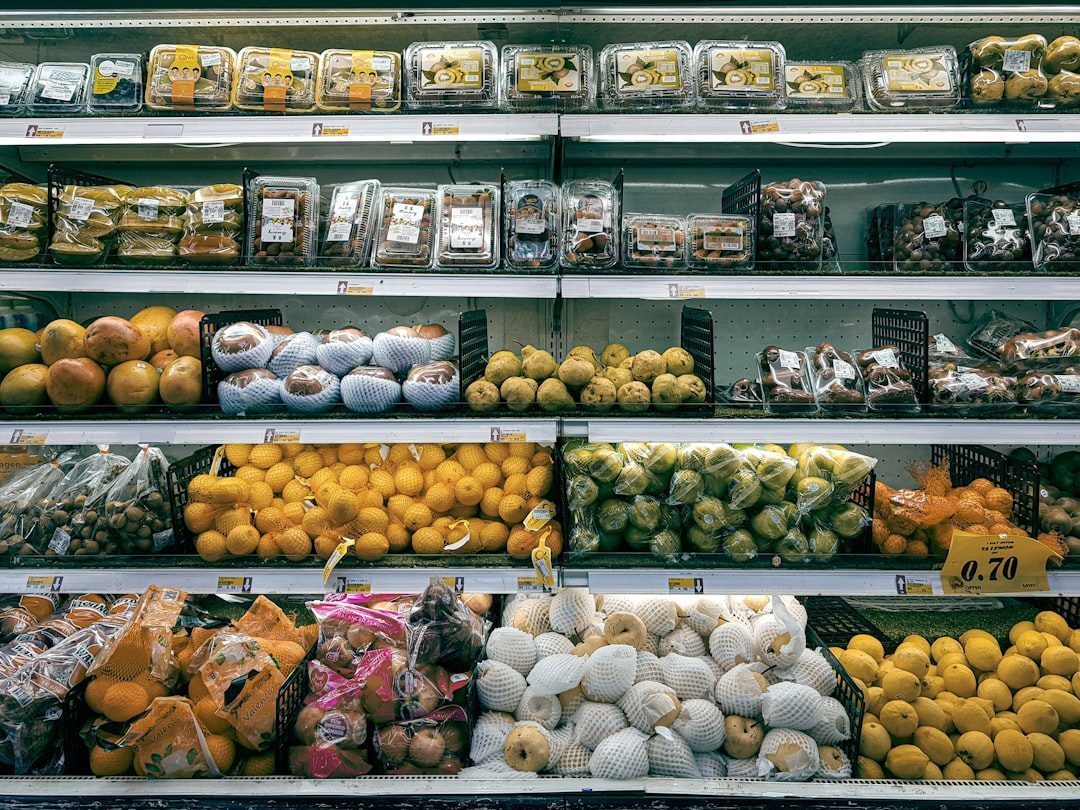
Over three-quarters of surveyed consumers say they have noticed shrinkflation at the grocery store in the previous 30 days, according to the October 2024 Consumer Food Insights Report. Shrinkflation is when companies reduce package sizes while keeping prices the same. Your favorite bag of chips? It’s got fewer chips now. That box of cereal? It’s lighter than it used to be.
About one-third of roughly 100 common consumer products tracked by LendingTree have shrunk in size or servings since the 2020 pandemic, with household paper products like toilet paper and paper towels being the worst offenders. On average, the per-unit price increase among downsized products ranged from 12 percent for paper towels to 32 percent for coffee. It’s hard to say for sure, but this feels like one of the sneakiest tactics because most shoppers don’t check unit prices or weight. Fewer consumers often or always check for unit price (51 percent) or weight (44 percent).
Slow Music That Keeps You Shopping Longer Than Planned
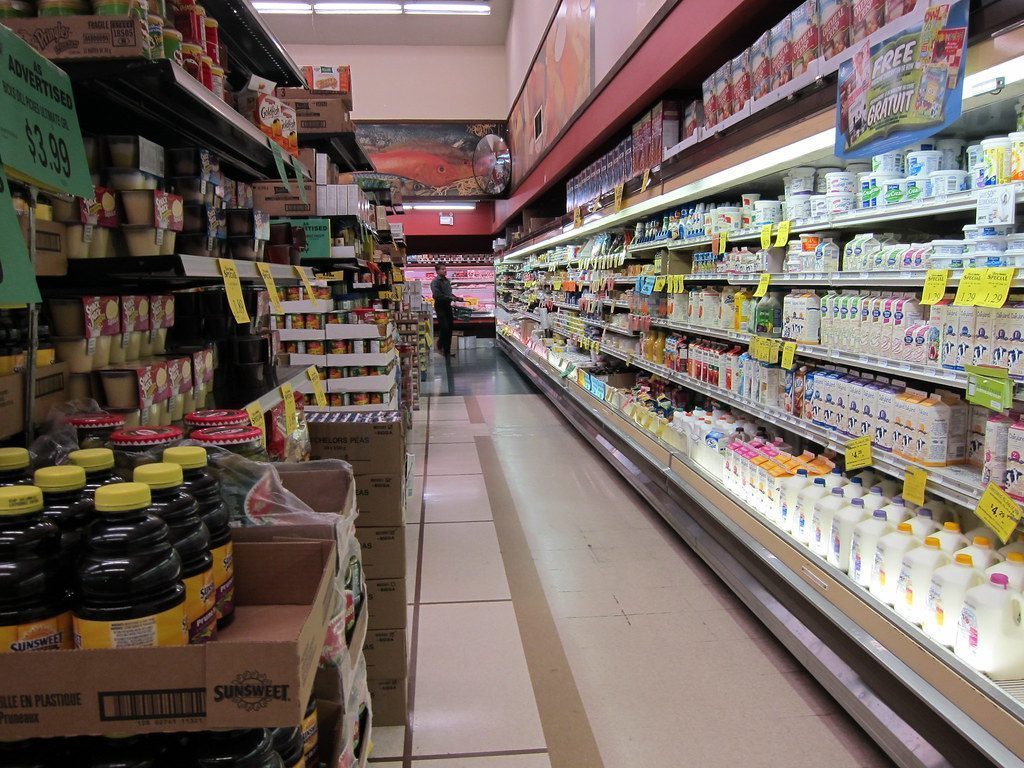
Ever notice the background music playing while you shop? It’s not random. Ronald Milliman, a prominent sensory marketing researcher, has demonstrated that consumers spend 38 percent more time in the grocery store when the background music is slow, which inevitably results in greater spending. Stores deliberately play slower tempo music to make you linger, browse, and ultimately spend more.
A 1982 study found that sales volume was higher on days when slow-tempo playlists were used versus faster-paced playlists. The tempo of the music literally controls how fast you move through the aisles. Background music has the potential to lift sales by 10 percent. Next time you’re shopping, pay attention to whether you’re hearing upbeat pop or gentle instrumental tracks. That choice isn’t accidental.
Scent Marketing and Strategic Bakery Placement Near the Entrance
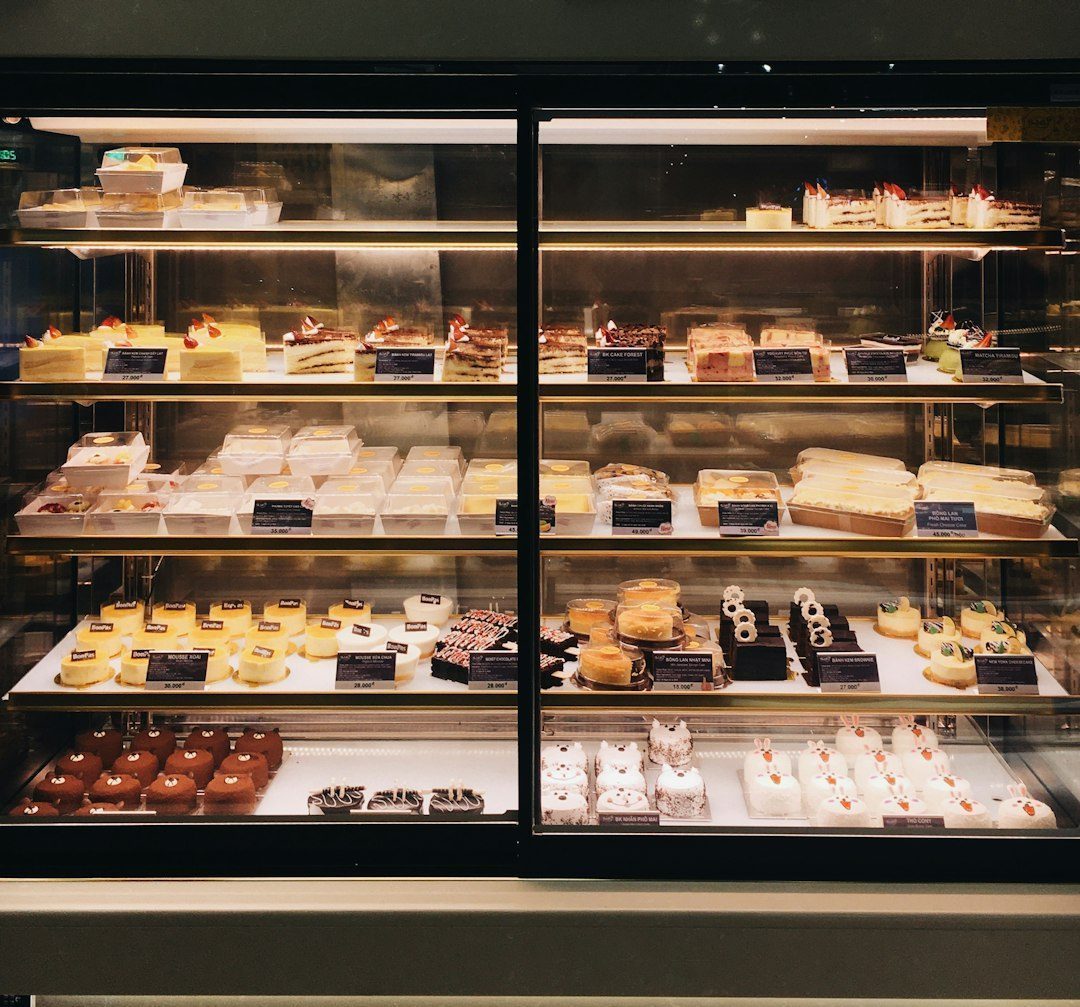
Walk into almost any grocery store and you’ll immediately smell freshly baked bread or rotisserie chicken. Flowers and items such as baked goods, bread, and cookies are often placed in the front of stores so that customers are greeted with pleasant-smelling aromas. This is scent marketing, and it works incredibly well. The goal is simple: make you hungry so you buy more.
Stores often use scents to encourage you to buy certain products, and sometimes grocery stores use machines to pump scents such as apple pie or chocolate chip cookies through the air, drawing you toward the bakery section – it’s called “scent marketing” and yes, it works. A hungry shopper is more likely to make impulse purchases. According to a study conducted by Mood Media, 90 percent of shoppers say they’re more likely to revisit a brick and mortar business if the music, visuals and scent create an enjoyable atmosphere.
Honestly, knowing these tricks doesn’t completely stop them from working, but awareness helps. The next time you’re at the grocery store, pause for a moment. Notice the music. Check the unit prices. Look at where products are placed on the shelves. These small moments of awareness can save you money and help you shop more intentionally. So tell us, which tactic surprised you the most?