6 Historical Figures Whose Phobias Changed History, Historians Say
Franklin D. Roosevelt’s Paralysis-Linked Fire Terror
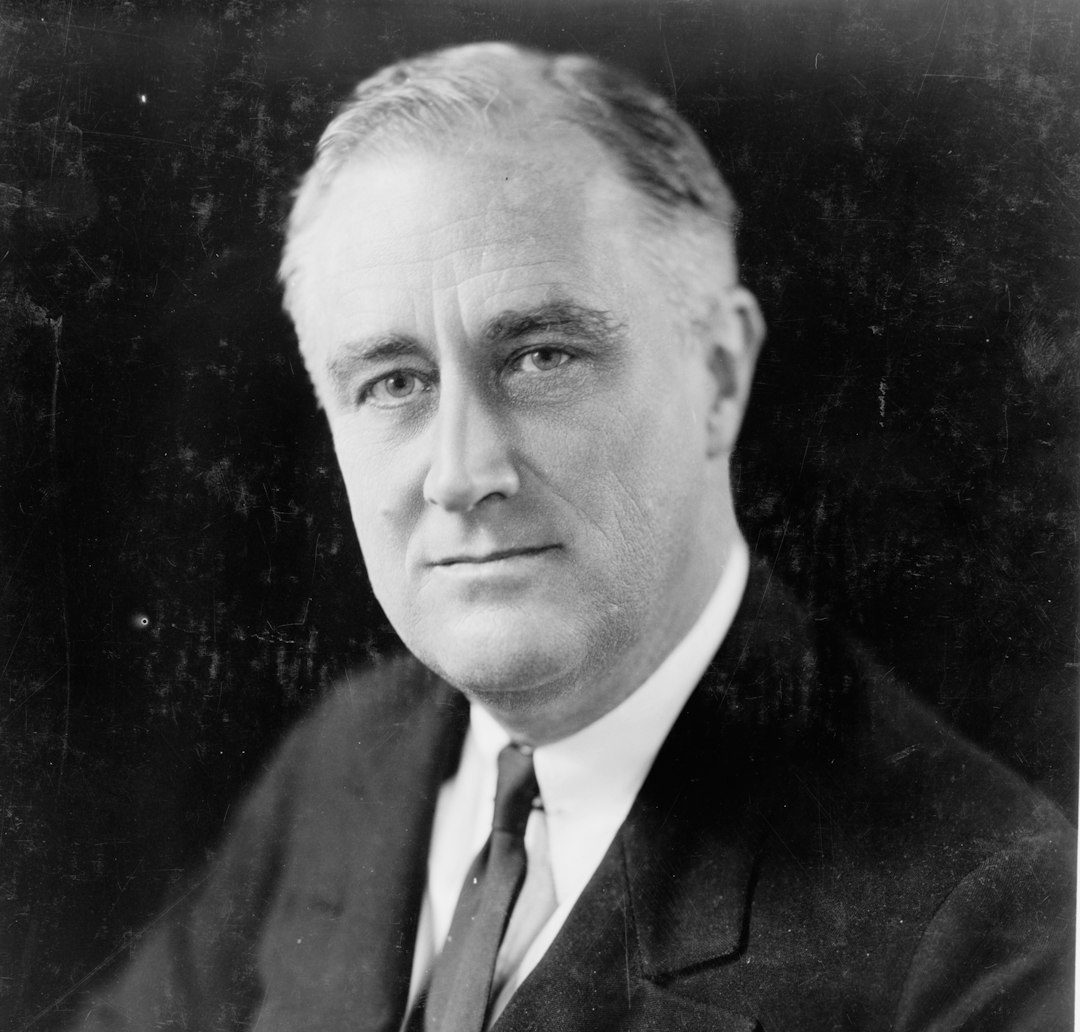
Franklin D. Roosevelt harbored an intense personal fear of fire that likely stemmed from his childhood, when he had several frightening experiences. As a young child, he witnessed his young, screaming aunt Laura running down the stairs with her dress ablaze from a spilled alcohol lamp. The future president who would famously declare that “the only thing we have to fear is fear itself” wrestled with this private terror throughout his life. Roosevelt’s fear stemmed from his polio, which left him partially paralyzed and unable to move quickly, and this phobia significantly influenced his travel arrangements and the logistics of his official visits abroad.
His phobia increased after he lost the use of his legs in the 1920s, as he feared being immobilized in a burning building unable to escape, and during his presidency his fear of fire even outweighed his fear of assassination. His worry was that he would be in a burning building and unable to get out due to his disability, which led him to forbid the Secret Service from locking his bedroom door at night and to spend hours practicing rolling onto the ground and dragging himself across the floor using nothing but his arms. Honestly, it’s hard to imagine the pressure of leading a nation through the Great Depression and World War II while simultaneously managing such a deeply personal vulnerability.
Napoleon Bonaparte’s Cat Confusion
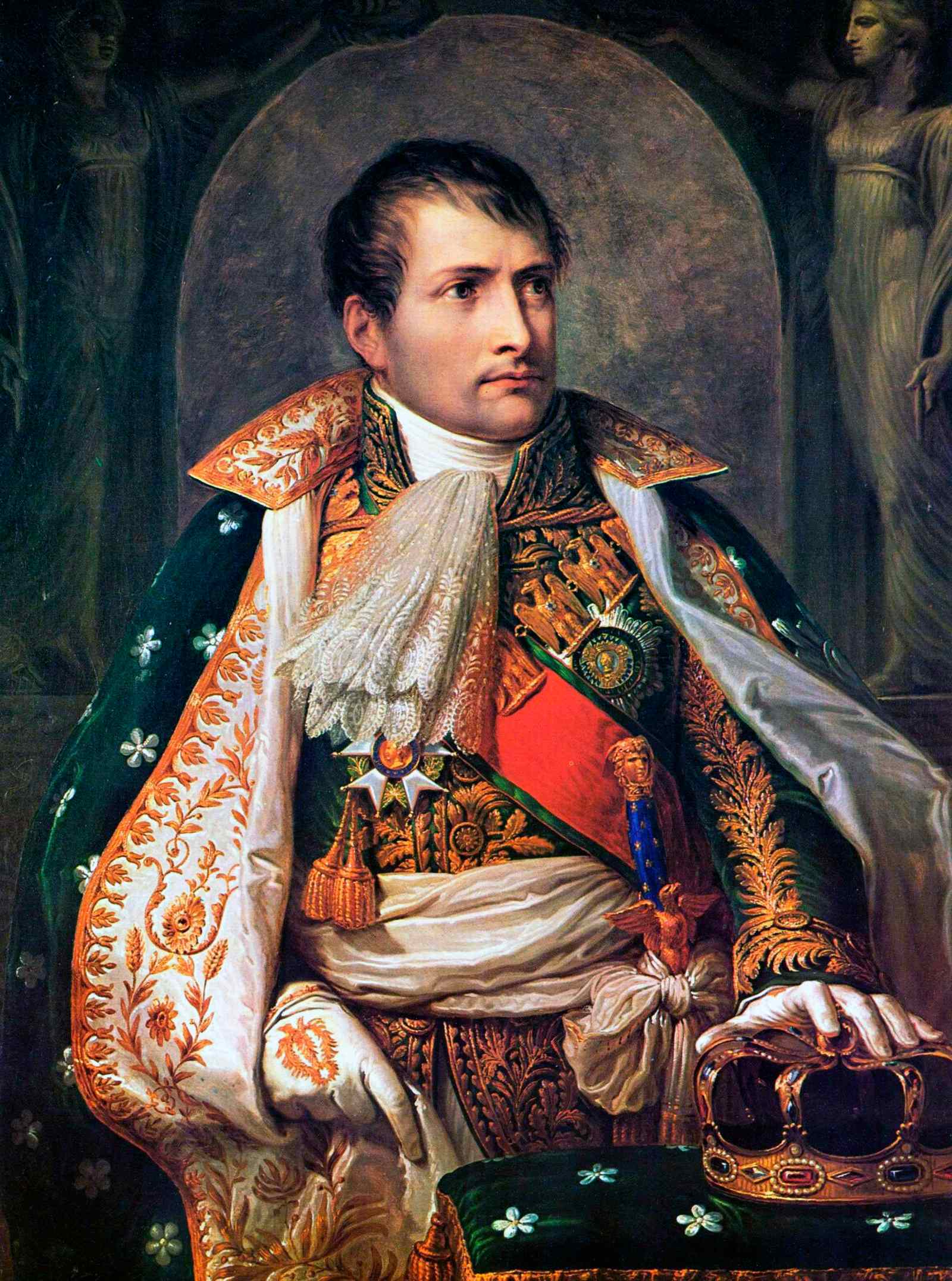
Let’s be real about this one. The story about Napoleon Bonaparte fearing cats is one of history’s most persistent myths. Napoleon Bonaparte was not afraid of cats, though it appears he did not like or respect them because he liked dogs for appreciating their slavish loyalty to their masters while cats are noted for their independence, not their loyalty. While Napoleon Bonaparte may not have been scared of cats, his nephew Napoleon III certainly was, and Napoleon III ruled France and its empire from 1852 to 1870, with his ailurophobia so intense that just seeing a cat would trigger a nervous response and he would jump up on furniture if a cat entered the room.
The confusion between uncle and nephew has persisted for over a century. Over the years, it’s likely that the Napoleons have been mixed up, with the latter’s phobias ascribed to his more famous uncle and predecessor. Still, the original Napoleon’s distaste for felines revealed something about his character. When Bonaparte returned to France after escaping from Elba, he said to courtiers who had not accompanied him into exile: “There are two kinds of fidelity, that of dogs and that of cats; you, gentleman, have the fidelity of cats who never leave the house.” It was a cutting political statement wrapped in animal metaphor.
Julius Caesar’s Mysterious Episodes
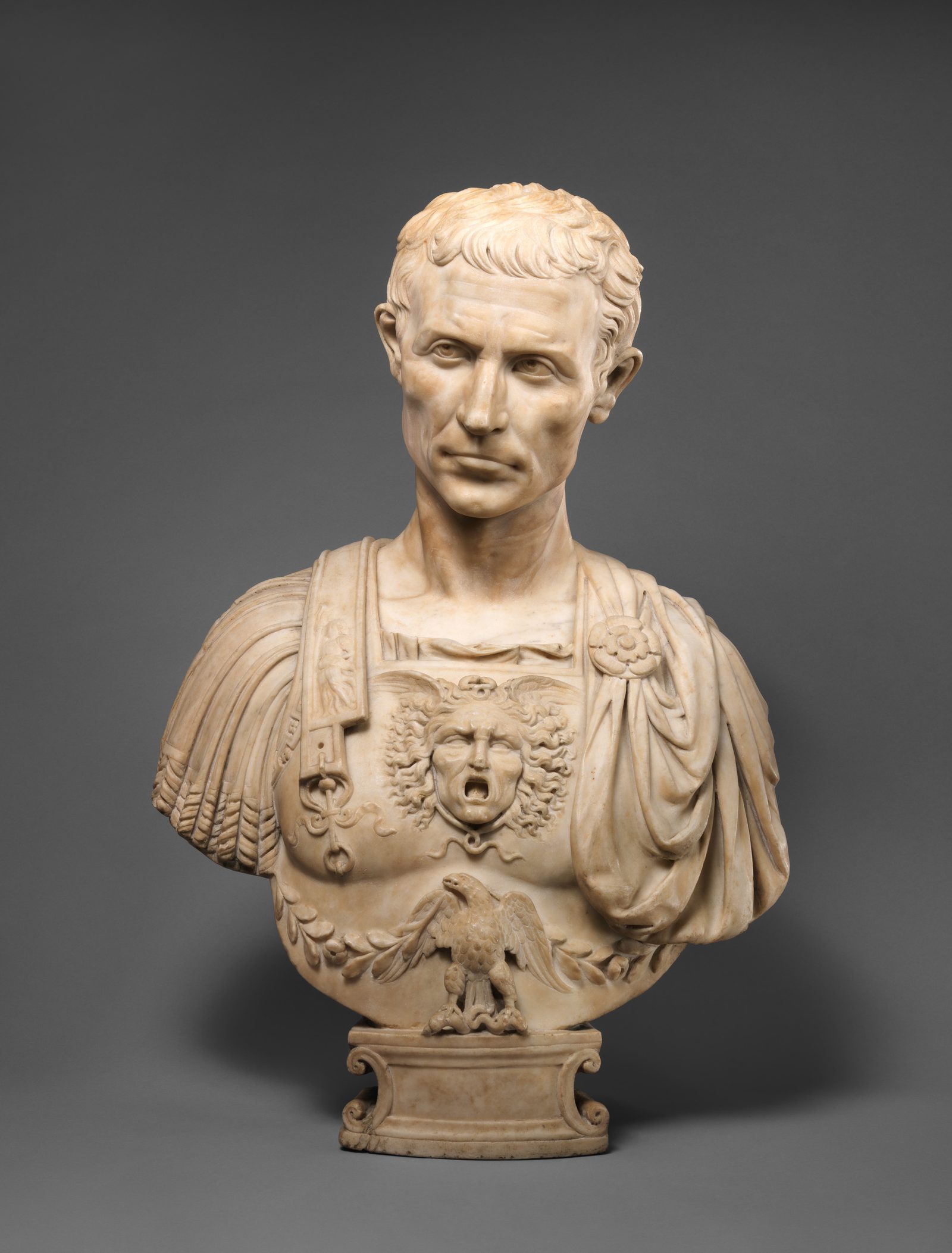
Ancient sources describe Caesar as suffering from epilepsy, reporting four attacks including one in the senate house, one while inspecting a sacrifice at the Temple of Jupiter, one near Cordova, and one near Thapsus. The Roman dictator’s health episodes became the subject of intense historical scrutiny. Plutarch described Caesar as not being able to stand when the Roman senate honored him and also wrote about Caesar being so affected by an orator that his body trembled and some of the papers he held dropped out of his hands.
Here’s the thing though: modern researchers aren’t entirely convinced. A new examination found that the Roman dictator may have suffered from a series of mini-strokes rather than epilepsy, with doctors arguing his symptoms are more in line with Transient Ischemic Attacks. Despite Plutarch’s diagnosis of epilepsy, researchers argue that Caesar’s late-life health woes including weakness in the limbs, dizziness and headaches were caused by mini-strokes, noting these fits would have inspired much more comment had they been typical seizures and his condition didn’t manifest until later in life, which is exceedingly rare in epilepsy. Whether seizures or strokes, Caesar’s vulnerability at pivotal moments may have influenced critical military and political decisions throughout his final years.
Augustus Caesar’s Storm Paranoia
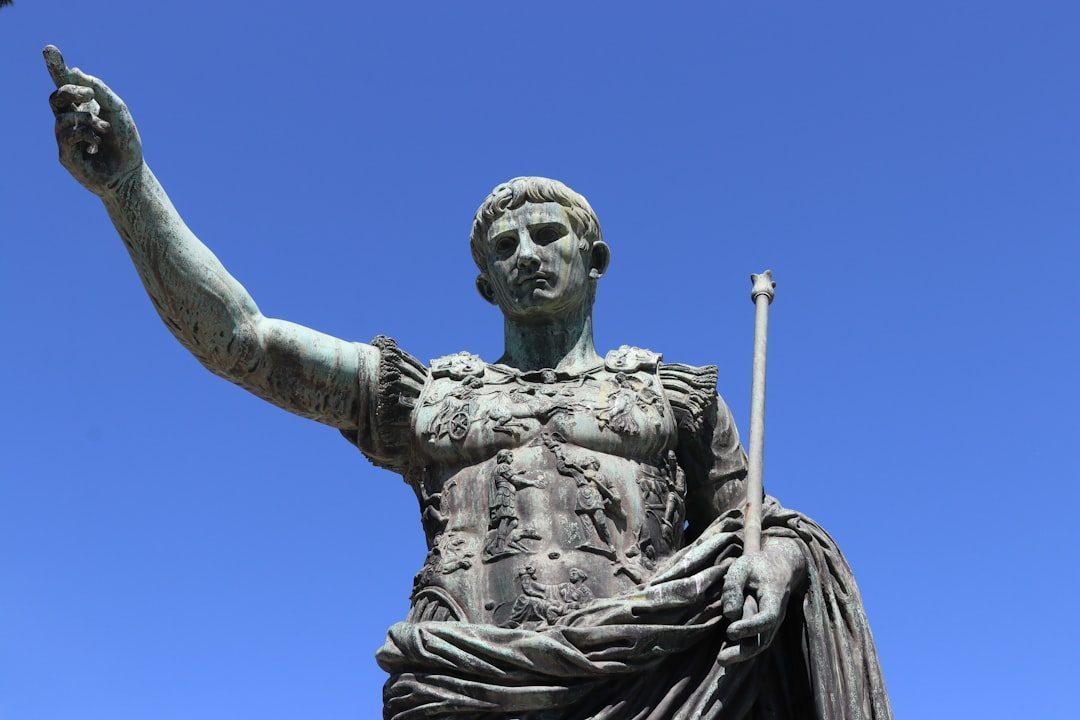
According to Roman historian Suetonius, the founder of the Roman Empire was afraid of thunder and lightning, and during the Cantabrian campaign Augustus Caesar narrowly escaped a bolt of lightning that struck nearby while sitting in a litter at night, scorching the litter and killing a slave. That near-death experience shaped the rest of his life. A fearful and superstitious Augustus quickly had the Temple of Jupiter the Thunderer built to appease the god, but his fear remained with him throughout his life as he always carried a piece of seal skin as an amulet for protection and when threatening storms approached he would take refuge in an underground vault.
I think what makes this particularly fascinating is how a single lightning strike could terrorize one of history’s most powerful rulers. According to ancient sources, Augustus was particularly concerned about thunderstorms. For someone who conquered vast territories and transformed the Roman Republic into an Empire, being driven underground by storm clouds represents a remarkably human vulnerability.
Hans Christian Andersen’s Burial Dread
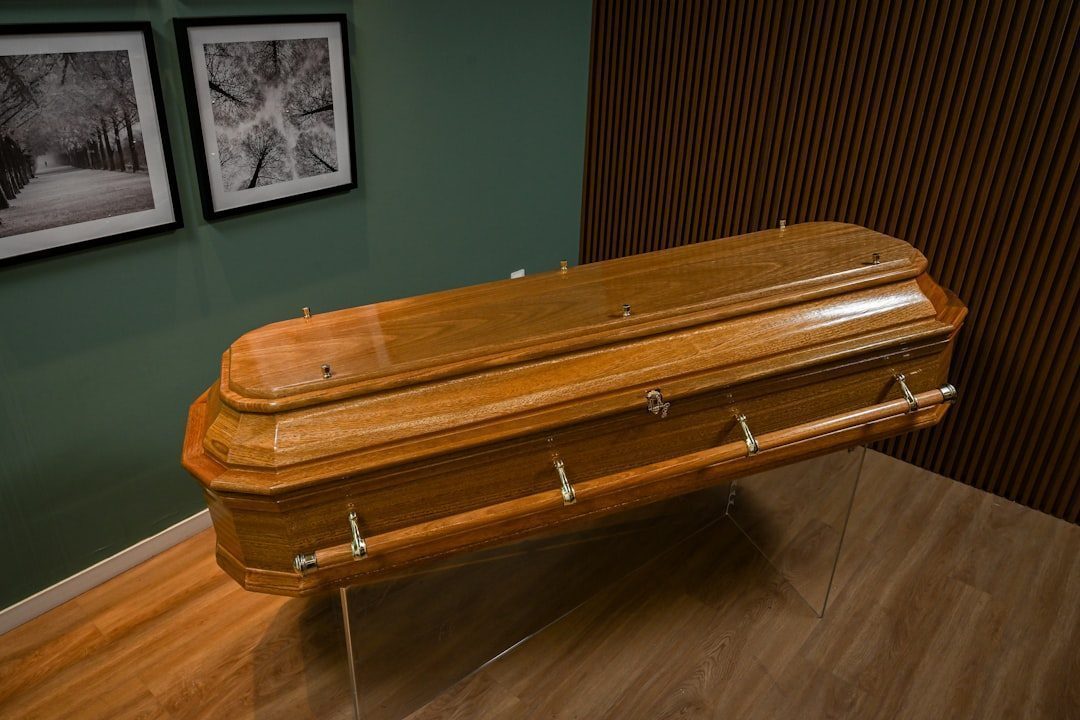
Beloved Danish author Hans Christian Andersen wrote many of the world’s most timeless fairytales but suffered from taphephobia, otherwise known as a fear of being buried alive, though such terror actually wasn’t all that uncommon back in the days before foolproof medical technology and embalming. This wasn’t merely abstract worry. Andersen feared being buried alive, a common 19th century worry called taphophobia, and he carried written notes asking that his body be checked before burial and asked doctors to confirm he was truly gone.
According to his biographer, the author kept a note on or near him at all times which read “I only appear to be dead,” and in his last days he even begged his friends to cut his veins and bleed him out after his passing to ensure that he’d really bitten the dust. The man who created “The Little Mermaid” and “The Ugly Duckling” lived in constant fear of waking up six feet underground. During long trips he left reminders in hotel rooms in case staff found him asleep and panicked. It’s somewhat ironic that someone who spent his life crafting stories of transformation and awakening was so terrified of the ultimate sleep.
Genghis Khan’s Canine Anxiety
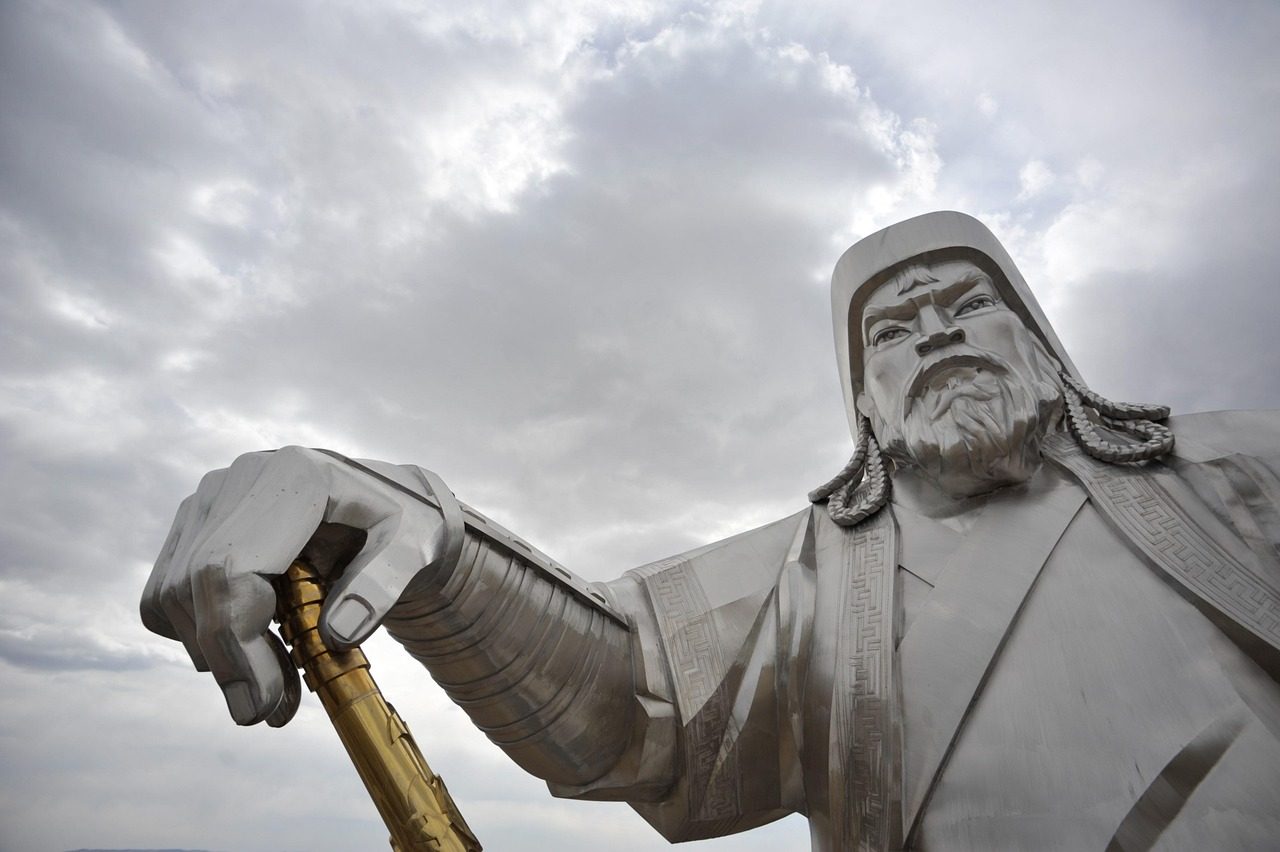
The Mongolian ruler Genghis Khan, according to the 2004 biography Genghis Khan: Life, Death, and Resurrection and passages from the 13th-century book The Secret History of the Mongols, had a fear of dogs, and when the future warlord’s father left him with a family he hoped Genghis would marry into, he asked them to control their dogs because his son was afraid of them. Think about that for a moment. The man who would go on to build the largest contiguous land empire in history was scared of dogs as a child.
Mongolian dogs were always notorious, and the author notes Genghis himself likely included this wry detail, which must have struck chroniclers as a nice human touch. According to legend and some passages of the biographical Secret History of the Mongols, Genghis Khan feared only three things: his mother, his wife, and dogs. The conqueror who terrorized continents and whose name became synonymous with ruthless military genius carried this vulnerability from childhood, though it apparently did little to impede his unprecedented military campaigns across Asia and Europe.