11 Restaurant Secrets Chefs Say Most Guests Never Pick Up On
Ever wondered what really goes on behind those swinging kitchen doors? Turns out, there’s a whole world of subtle techniques, tricks, and trade secrets that chefs and restaurant staff deploy daily, right under your nose. Most diners walk in, order their favorite dish, and walk out satisfied, completely unaware of the carefully orchestrated choreography happening behind the scenes.
From menu psychology that nudges you toward certain dishes to the real reason your food tastes so incredible, restaurants operate in ways that would surprise even regular patrons. Let’s pull back the curtain and reveal what industry insiders know but rarely discuss openly.
Your Menu Is a Psychological Masterpiece
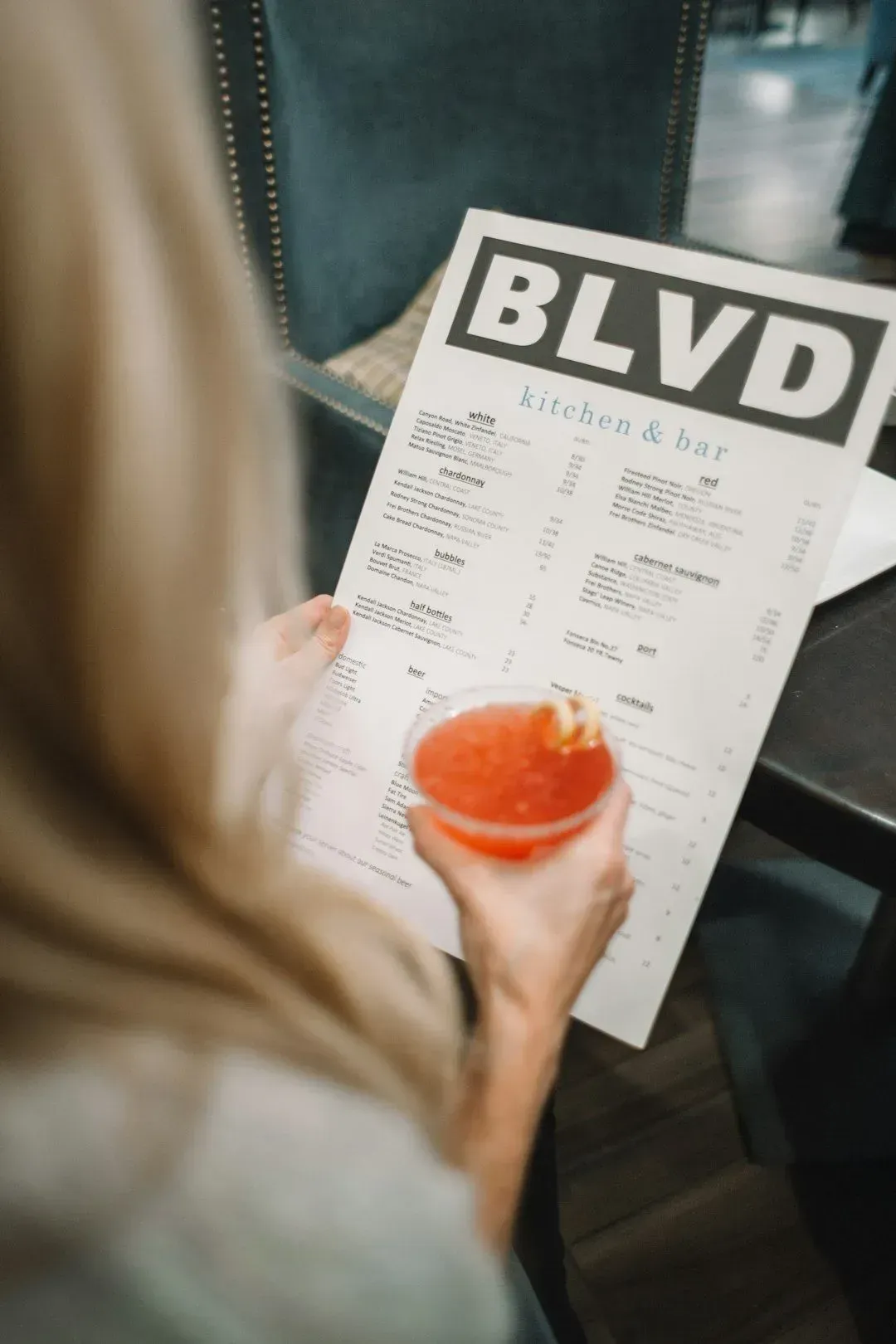
Restaurants strategically place pricey items with high profit margins next to noticeably more expensive options with lower margins, making the former seem like a responsible choice through a practice called “decoy pricing.” Some menu engineers informally call these “decoy dishes,” positioning an expensive item at the very top of the menu to make customers feel inclined to choose cheaper dishes for better value. The placement isn’t random either. Notice how signature dishes always seem to catch your eye first? That’s intentional design at work.
Charm pricing involves ending prices with the number nine, like $9.99 instead of $10.00, based on the principle that patrons perceive prices ending in nine as significantly lower, creating a positive perception of value when the left-most digits differ. Some upscale establishments even remove dollar signs entirely from their menus to reduce the psychological association with spending money.
They’re Loading Up on Butter and Salt
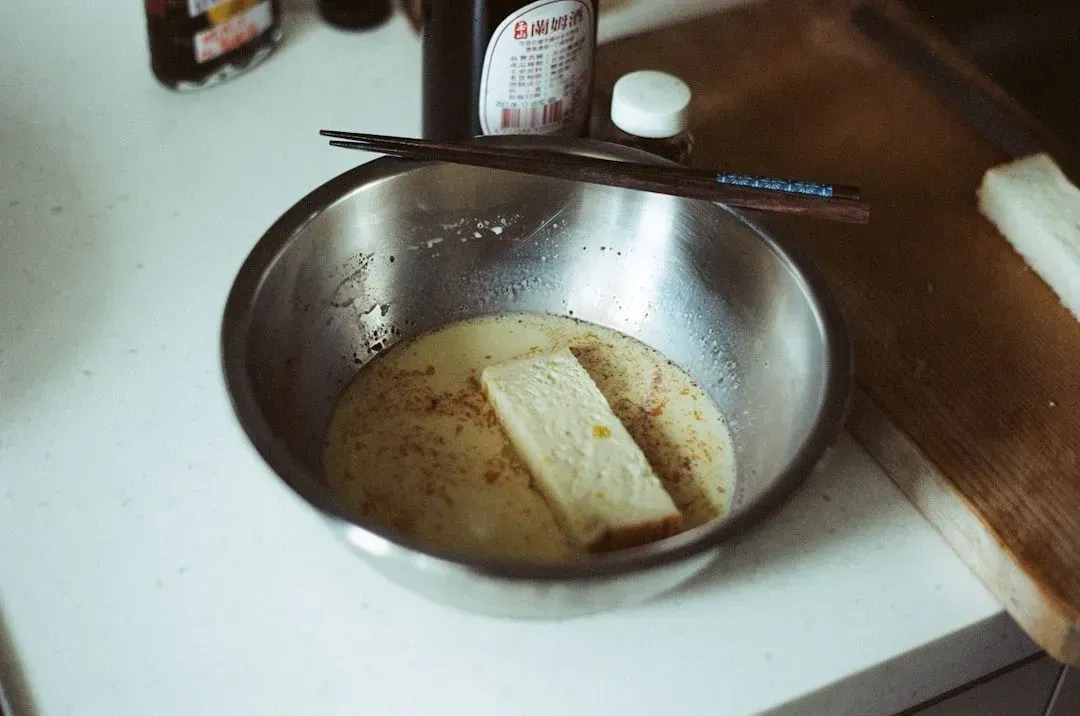
Your home-cooked meal has a hard time rivaling the restaurant version probably because their chefs use way more salt and butter than you do at home, and while these ingredients might not be healthy, they’re definitely flavor enhancers. It’s one of the biggest open secrets in professional kitchens. That sauce that tastes unbelievably rich? There’s likely a shocking amount of butter whisked into it.
When cooking, season with authority to bring your food to life, and nothing should ever be salty, but it should be properly seasoned. Professional chefs understand this delicate balance instinctively. Home cooks often underseason out of caution, creating a noticeable gap in flavor intensity between restaurant dishes and homemade versions.
Most Dishes Are Prepped Way Before You Order
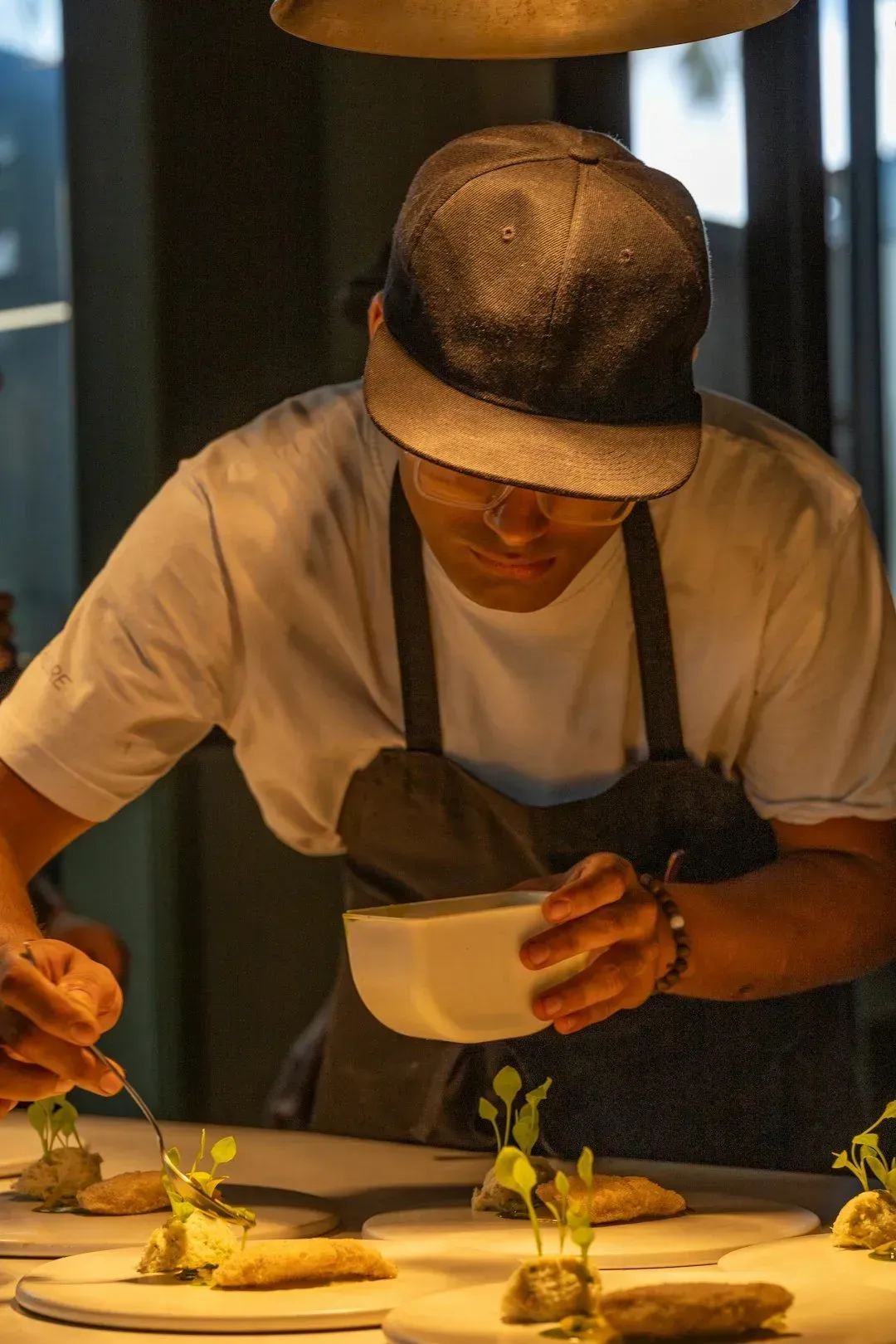
In order to get your food to you as quickly as possible, most dishes are prepped in advance and reheated to order, but that doesn’t mean you’re getting worse-quality food, as preparing food in advance actually gives the flavors a chance to mingle, making it even better. This revelation surprises many diners who assume everything is cooked fresh from scratch the moment they place an order.
Perhaps the best thing you learn in culinary school is having your mise en place, everything in its place, which is the best way to stay calm in a professional kitchen where cooks spend hours chopping meats, vegetables and herbs so they’re ready to add to the pan when needed. This military-level preparation is what allows restaurants to serve dozens of orders during peak hours without total chaos erupting.
Servers Are Trained to Upsell You Without You Noticing
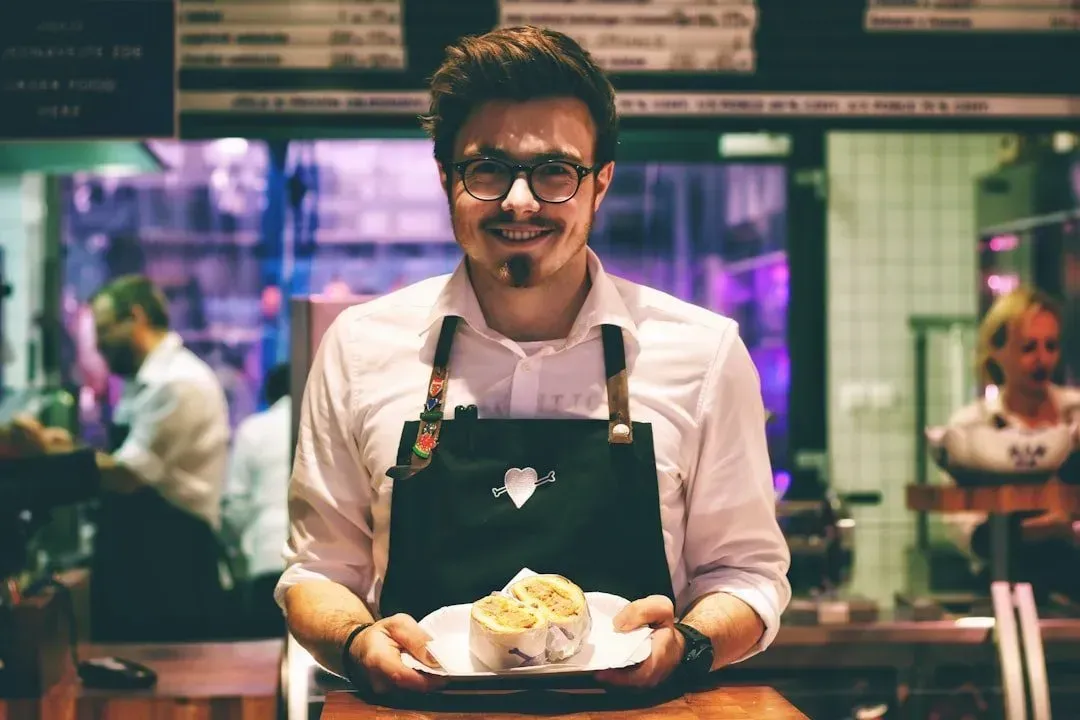
One effective way to coax a customer into spending more is to make an item seem like a rarity by mentioning something off the menu that they only just got in and won’t have for much longer. This scarcity tactic triggers a fear of missing out that many diners can’t resist. If a server offers dessert or just another glass of wine, that gives the patron an opportunity to turn down dessert for something that seems like less of a commitment, but the wine is actually a better sale for the restaurant, as a cocktail brings in twice as much money as a dessert.
When servers word it as a pairing of dishes instead of a flat-out upsell, people usually respond better, like suggesting mashed potatoes would go so well with the entrée just ordered. The suggestion feels helpful rather than pushy, even though it’s carefully calculated to boost the check total.
Those Screaming-Hot Pans Are the Real Secret
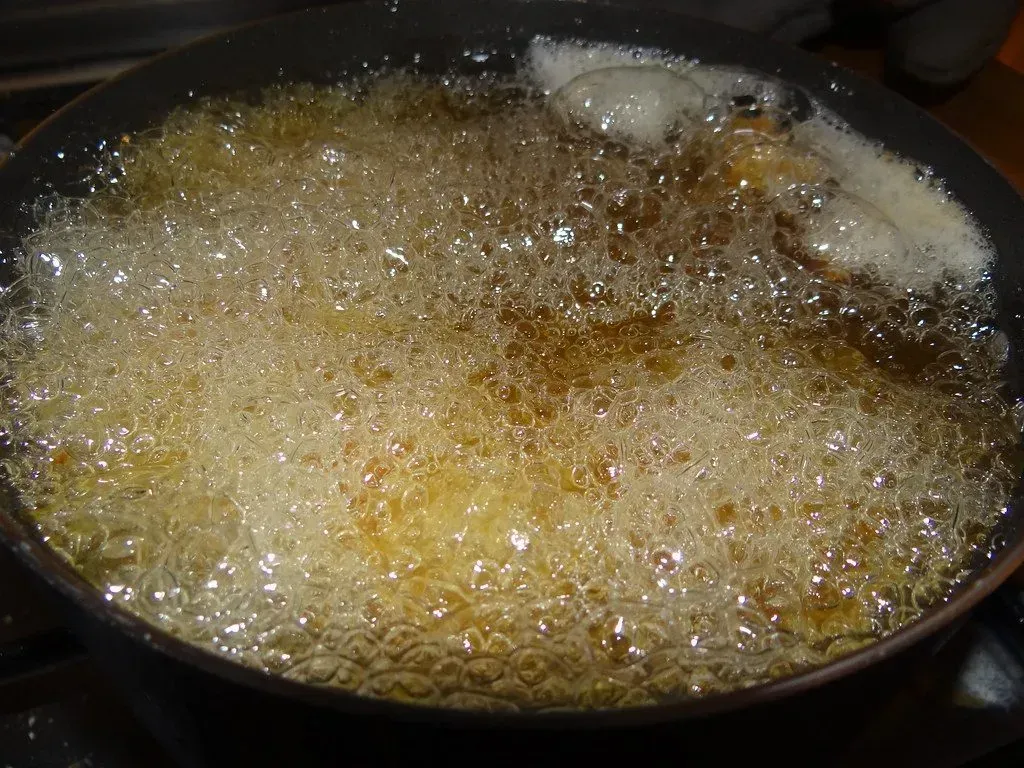
Part of the reason your food tastes so good is because restaurant cooks use screaming-hot pans, which is the best way to get a beautiful sear on a steak or caramelize vegetables before finishing them in the oven. Home stoves rarely reach the temperatures that commercial restaurant equipment achieves. That perfect char on your steak or the deep caramelization on roasted vegetables? Nearly impossible to replicate at home without professional-grade heat.
From time to time, a pan gets a little too hot and catches on fire! It’s not as dramatic as movies make it seem, though. Experienced line cooks handle these flare-ups with casual expertise, barely breaking their concentration.
Food Waste Is Strategically Managed Behind the Scenes
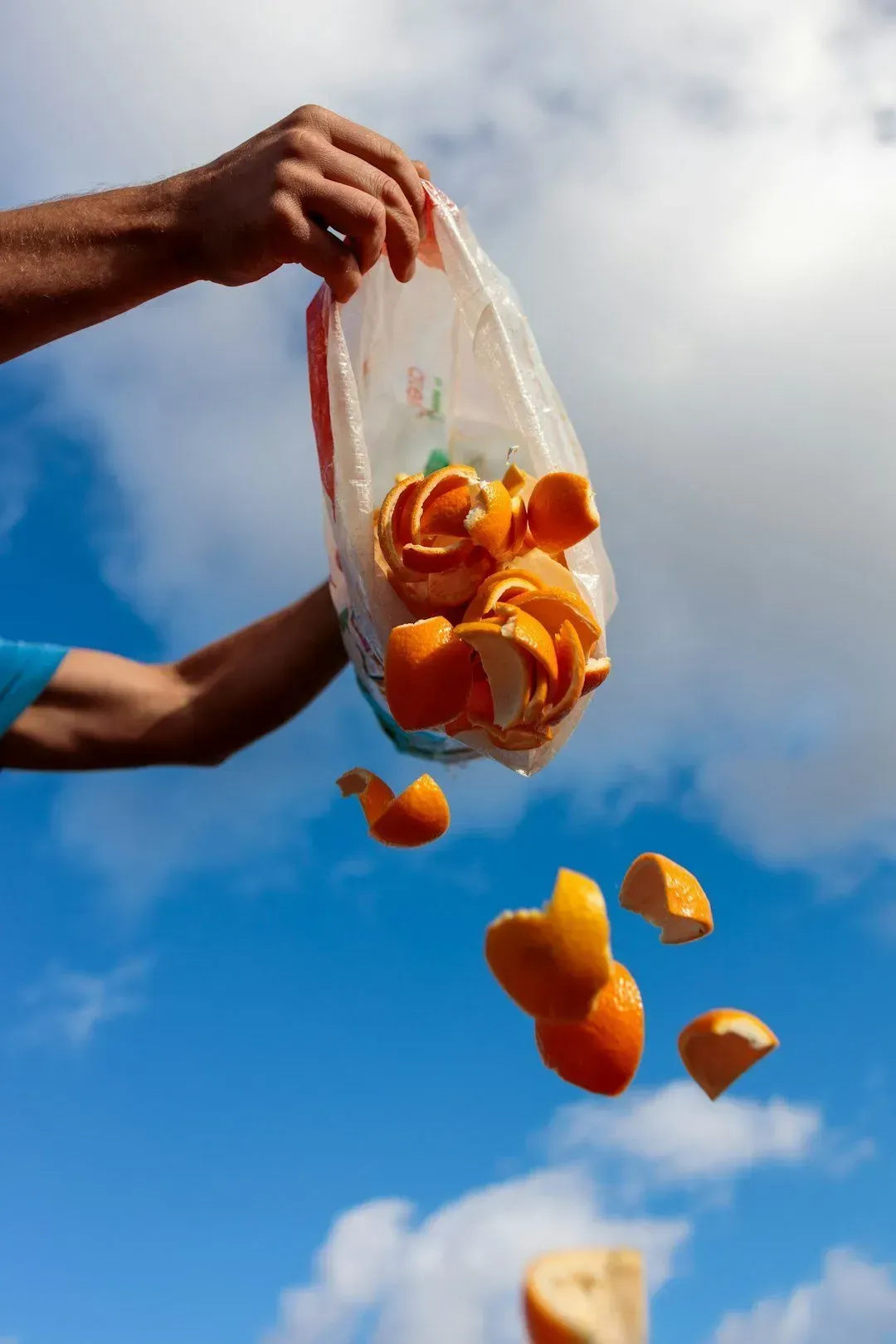
With an estimated 11.4 million tons of food being wasted every year in the United States alone, food waste impacts businesses financially, socially, and environmentally, and with food costs representing 28% to 35% of sales in restaurants, preventing pre-consumer food waste boosts profitability, with every dollar invested in food-waste reduction potentially realizing approximately $8 in cost savings. Smart restaurants have entire systems dedicated to tracking what gets thrown away and why.
The simplest and most effective approach is through serving sensible sized portions, which drastically mitigates the most offensive source of food waste by preventing prepared and cooked food from ending up in the bin simply because too much was put on the plate. Some chefs design menus where ingredients can be used across multiple dishes, minimizing the chance anything spoils unused.
The Bathroom Cleanliness Reveals Kitchen Standards
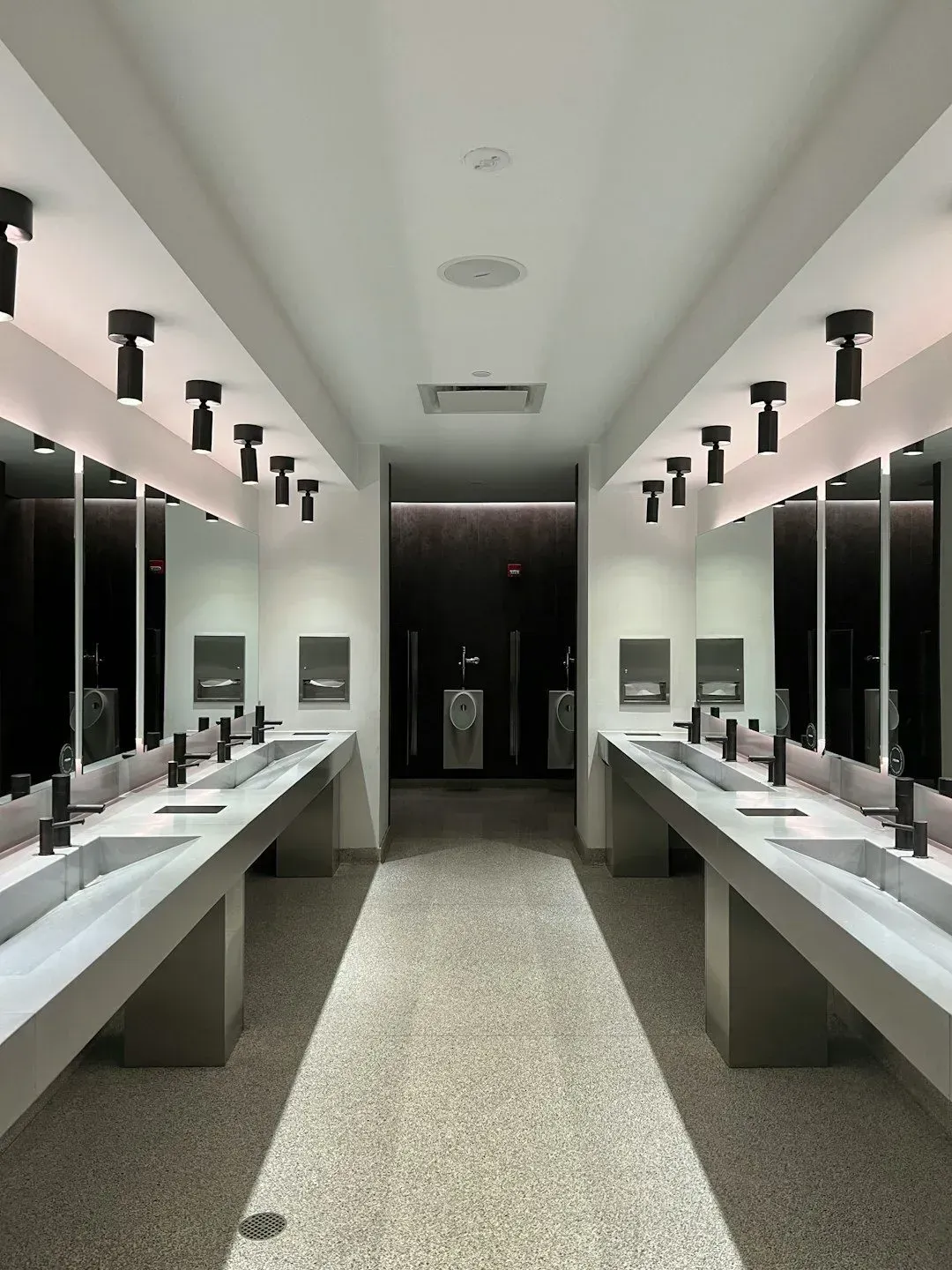
Some restaurant bathrooms look like Martha Stewart’s powder room while others resemble a swampy cesspool, but one thing is certain: a nasty bathroom typically has a close relationship with the kitchen, and if you spy a bacteria-laden bathroom, you should immediately mention this to the manager and consider leaving the establishment as soon as possible. This is one of the oldest tricks seasoned diners use to gauge overall restaurant hygiene before committing to a meal.
Professional health inspectors often check restrooms during their evaluations for this exact reason. If management can’t maintain standards in public-facing spaces, what’s happening in areas customers never see? It’s a legitimate concern backed by industry experience.
Premium Seats Go to Big Spenders
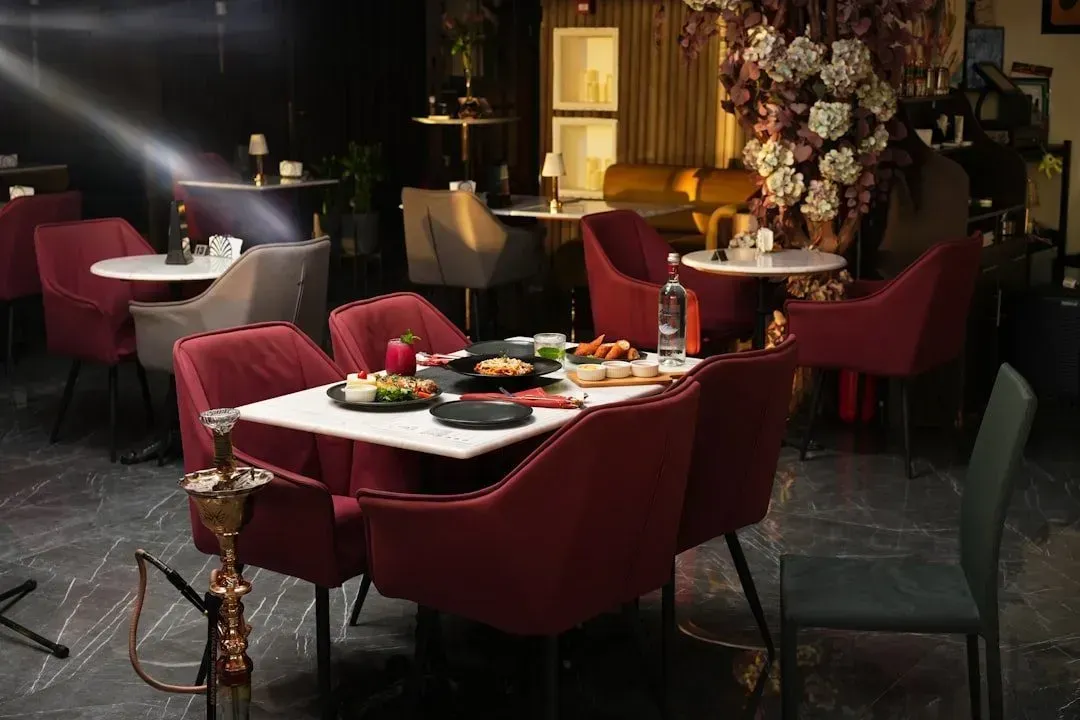
Places with a panoramic view of the city or ocean are always offered to those who come to spend a big amount of money, so before giving you a seat, the hostess or waiter will ask if you’re going to have a meal, and if you ask for a table near the sea but are only going to order coffee and dessert, you’ll be told the table is booked. This isn’t necessarily unfair from a business perspective, as prime real estate in a restaurant should generate maximum revenue.
The host stand operates with a complex understanding of which tables turn over quickly versus which guests will linger for hours ordering multiple courses and bottles of wine. That strategic seating arrangement you never think about? It’s carefully orchestrated to maximize profits while keeping the dining room flowing smoothly.
Chefs Track Guest Preferences More Than You’d Think
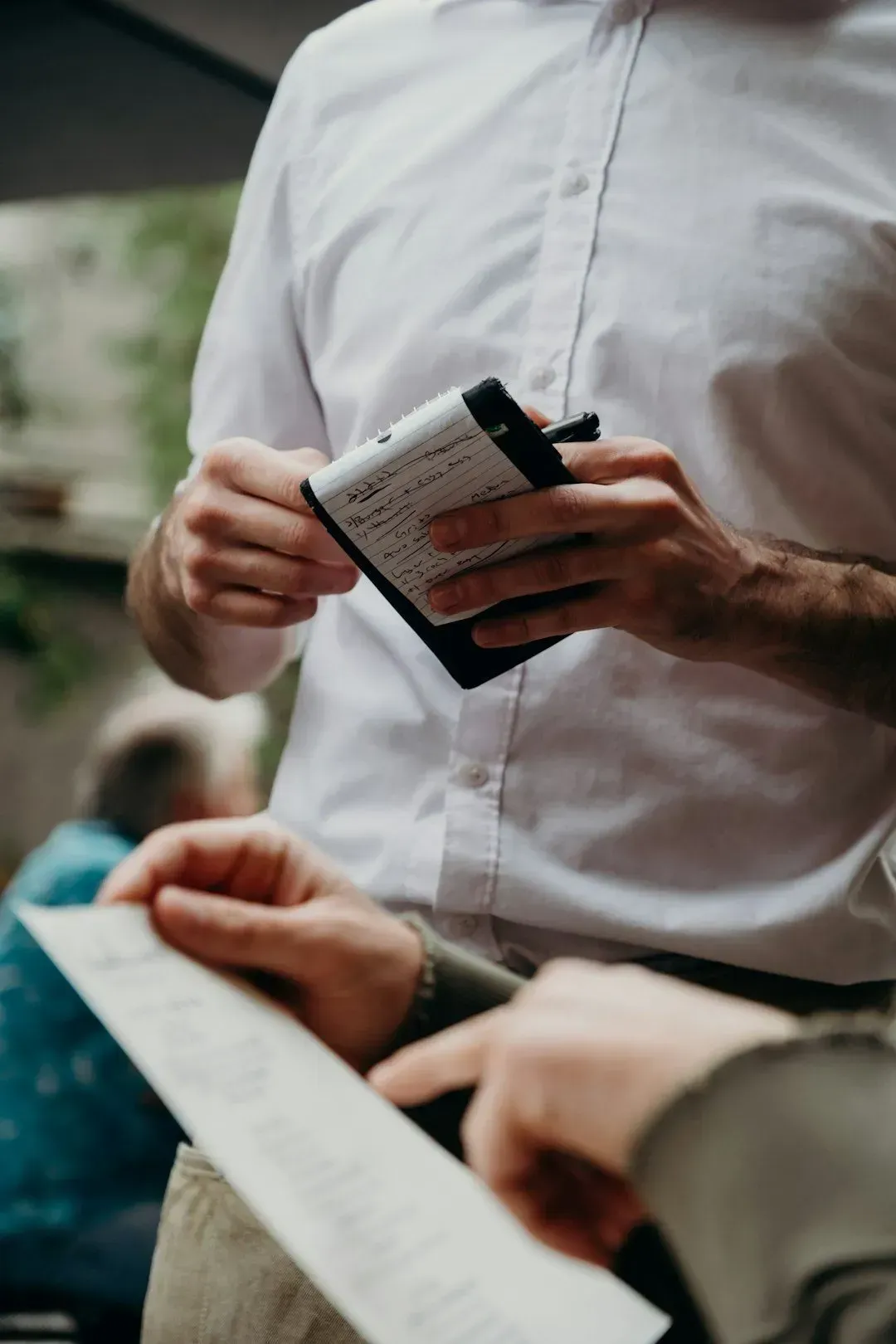
At the best restaurants on Resy, among the top 20% of restaurants, 13% of profiles have a guest note, and among the top 1% of Resy restaurants, 54% of profiles have at least one guest note. Of restaurants reviewed by the New York Times and awarded three stars, 40% of their guest profiles contain a guest note, while at the one star level, 15% contain guest notes. This data collection allows servers to remember everything from dietary restrictions to favorite cocktails.
At restaurants like Eleven Madison Park, staff dutifully Google every guest before service and send out questionnaires via email with the subject line “In preparation for your visit.” While this level of attention might seem invasive, most guests appreciate the personalized touches that result from this research.
Cross-Contamination in Fryers Happens More Often Than You’d Like
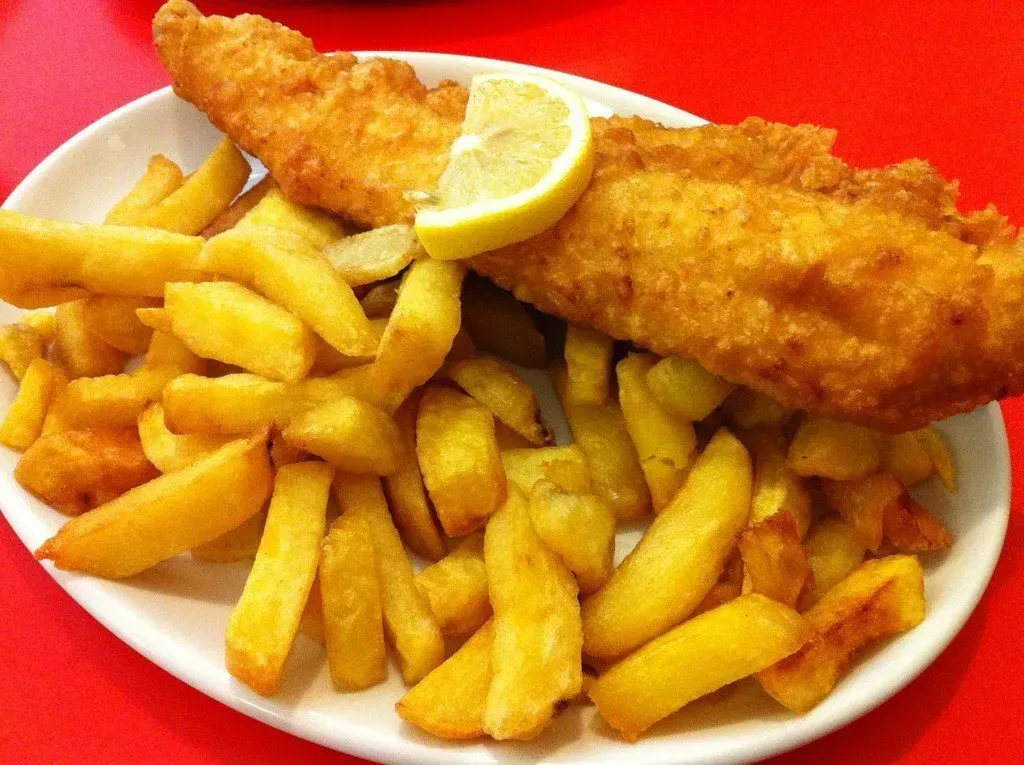
Ever bitten into a fry that tasted like the Atlantic Ocean? That could be because one of the cooks doesn’t care enough to use separate fryers for seafood and non-seafood items, so if calamari is on the menu, there’s a chance your fries took a hot oil bath with calamari. For diners with seafood allergies, this is a serious health concern worth asking about when ordering.
Not all restaurants are guilty of this practice. Higher-end establishments typically maintain separate fryers for different food categories. Still, it’s surprisingly common in casual dining spots where kitchen space and equipment are limited, and staff might take shortcuts during busy rushes.
Your Bill Contains Hidden Fees and Inflated Delivery Markups
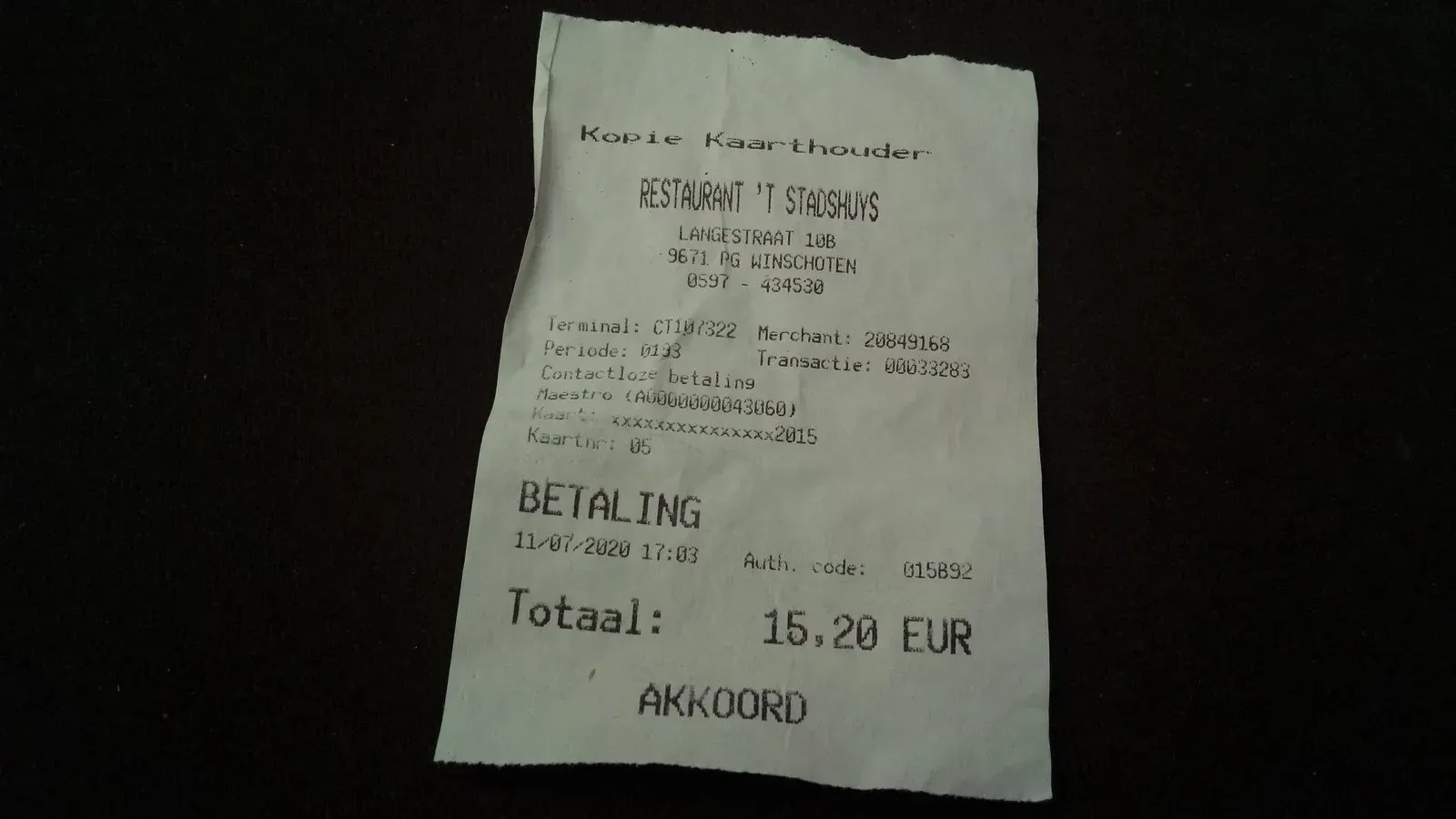
Surprise service charges or convenience fees are getting more and more common in the restaurant industry. Part of the controversy with DoorDash and other food delivery apps is that they charge restaurants a fee of 20 to 30 percent of the meal cost, so restaurants have to make that money back somehow, often through app price markups. Many diners don’t realize the same dish costs significantly less when ordered directly from the restaurant’s website or picked up in person.
Research shows that just a 1 percent price increase might drop customer ratings by up to 5 percent. Restaurants walk a tightrope between staying profitable and keeping customers satisfied, constantly adjusting prices while hoping diners don’t notice the incremental changes adding up over time.
Understanding these insider secrets doesn’t diminish the magic of dining out. If anything, it deepens appreciation for the complex dance happening in every restaurant. Next time you’re enjoying a meal, you’ll notice the subtle psychology at play, the careful preparation behind each dish, and the strategic decisions that make your experience both enjoyable and profitable for the establishment. What other secrets do you think restaurants are keeping? Have you noticed any of these tricks during your dining experiences?
Happy Hour and Specials Are Designed to Move Inventory Fast
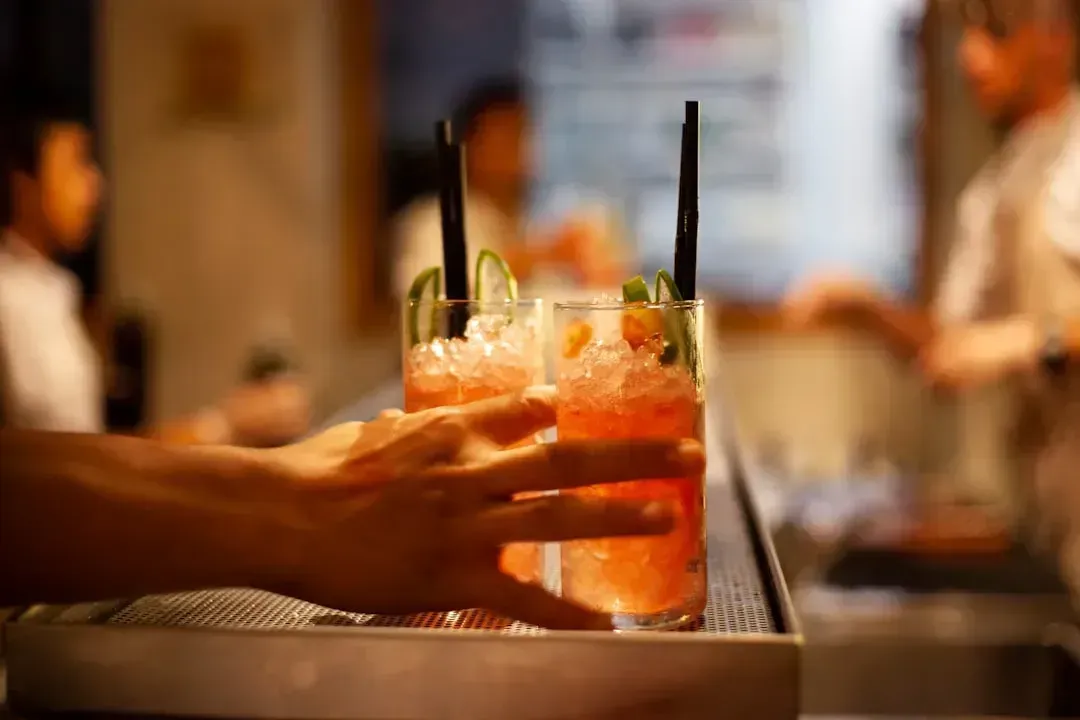
That amazing happy hour deal or daily special isn’t just the chef being generous – it’s a calculated business move to clear out ingredients before they expire. Restaurants operate on razor-thin profit margins, and throwing away food is essentially throwing away money. When you see discounted appetizers or drink specials, there’s a good chance those items use ingredients that need to move quickly. Tuesday fish tacos might sound like a fun tradition, but it’s often because seafood shipments arrive Monday and the restaurant needs to sell through inventory before the next delivery. The same goes for those suspiciously cheap pasta dishes on slow Monday nights – they’re using up produce and proteins from the weekend rush. Smart diners can absolutely benefit from this system, scoring quality food at lower prices while helping restaurants minimize waste. Just don’t be shocked if certain specials mysteriously disappear once inventory is cleared. It’s a win-win situation when you know the game being played.