Vintage Menus Reveal What Dining Out Was Like in the 1950s
The postwar 1950s marked a golden age of dining out in America, when families could enjoy complete meals for less than the cost of a single appetizer today. Vintage menus from this era tell fascinating stories of a simpler time when restaurants focused on hearty portions, familiar flavors, and prices that made dining accessible to the average family. These colorful relics offer a window into an America where a roast turkey dinner cost just sixty-five cents and soda fountains served as community gathering places.
Soda Fountains and Drugstore Dining
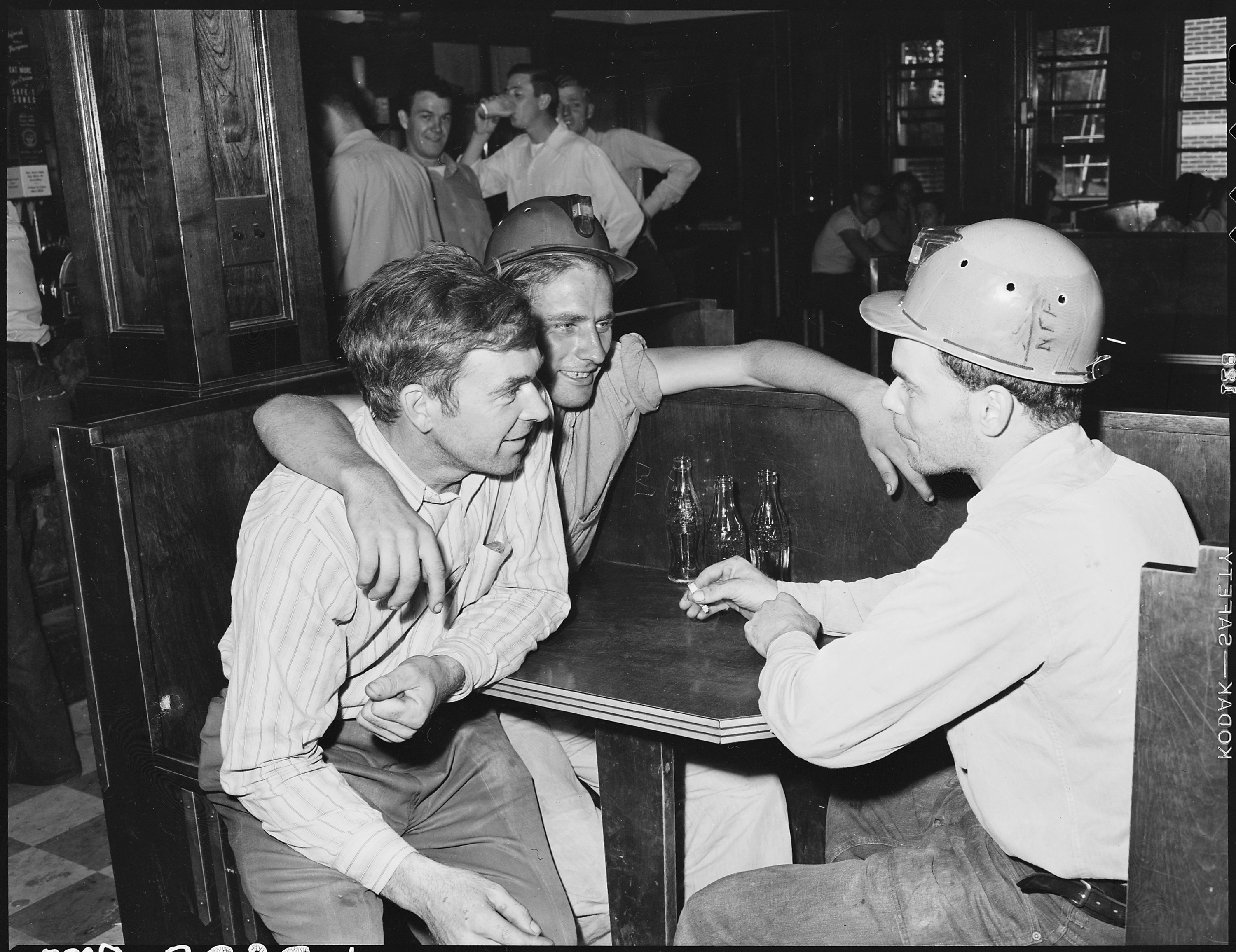
Pharmacies had long been home to soda fountains, and back in the 19th century, soda – particularly those containing ingredients like cocaine – were medicinal. The cocaine was phased out, but the soda fountains themselves stayed. In the 1950s, though, pharmacies like Walgreens were serving full meals, and they were surprisingly extensive. A dinner menu from Walgreens in 1950 included things like scratch-made soup, frankfurters and cabbage, Swiss or hamburger steak, omelets, fish and chips, sandwiches and salads, and ice cream and pie for dessert. In the 1950s, Walgreens was more than just a pharmacy – it was a popular dining destination, thanks to its in-store lunch counters, soda fountains, and full ice cream menu.
Howard Johnson’s Revolution
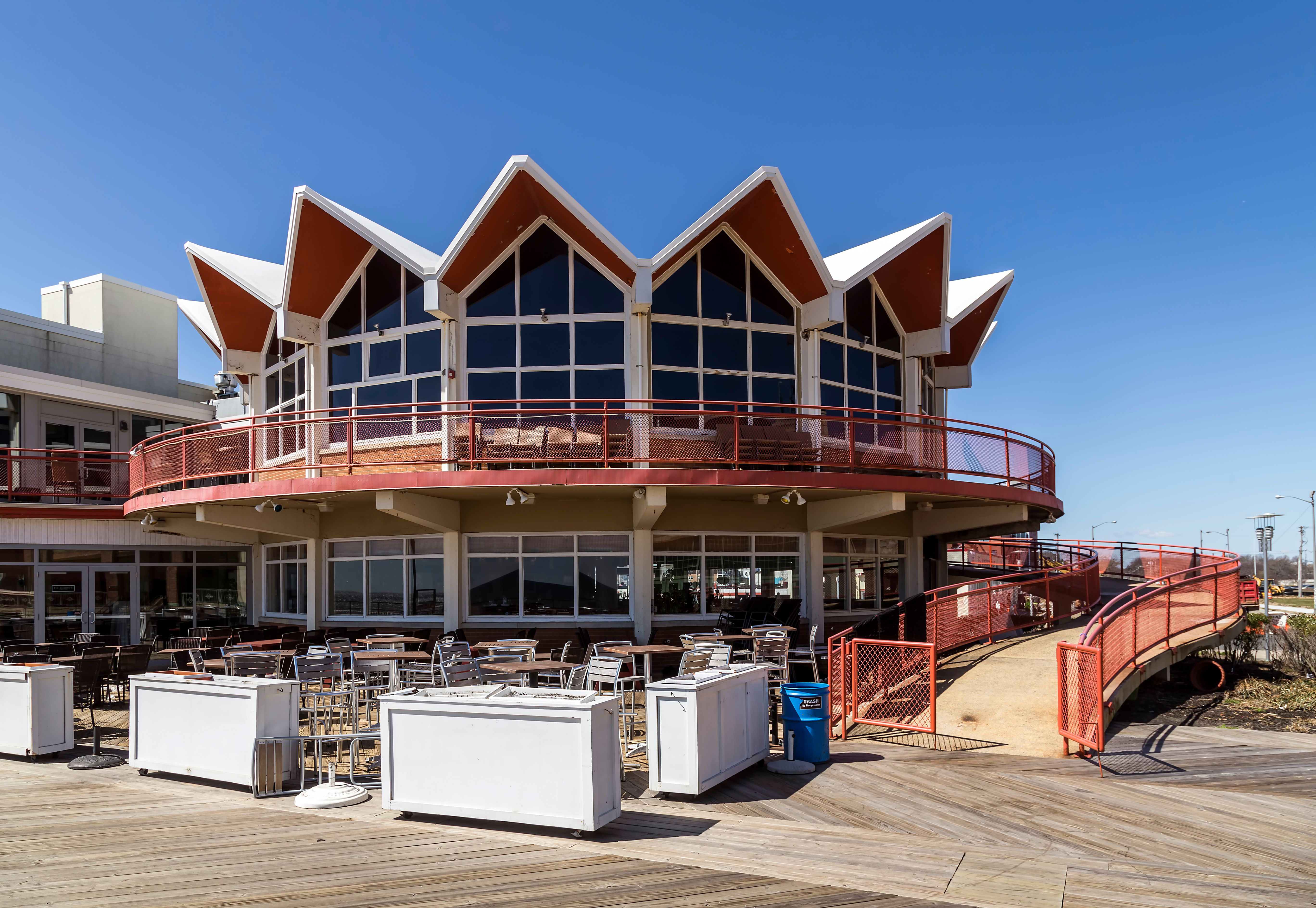
His restaurants entertained children with big lollipops, bright colors, twenty-eight flavors of ice cream, and kid’s menus. Everything about the restaurants was “family friendly,” an innovation in roadside dining. As one of the most iconic restaurant chains in the 1950s, Howard Johnson’s offered a fully equipped kids’ menu. This thing was like a mini activity book. Kids could check off the ice cream flavors as they tried them on one page, browse multiple-course meal options on another, and play various games on even more pages. In the 1950s and 1960s, Howard Johnson’s rose to become one of the largest American restaurant chains, among the first giants in the industry. The company’s familiar orange roofs and steeples covered much of the U.S. highway system.
Menu Designs and Visual Appeal
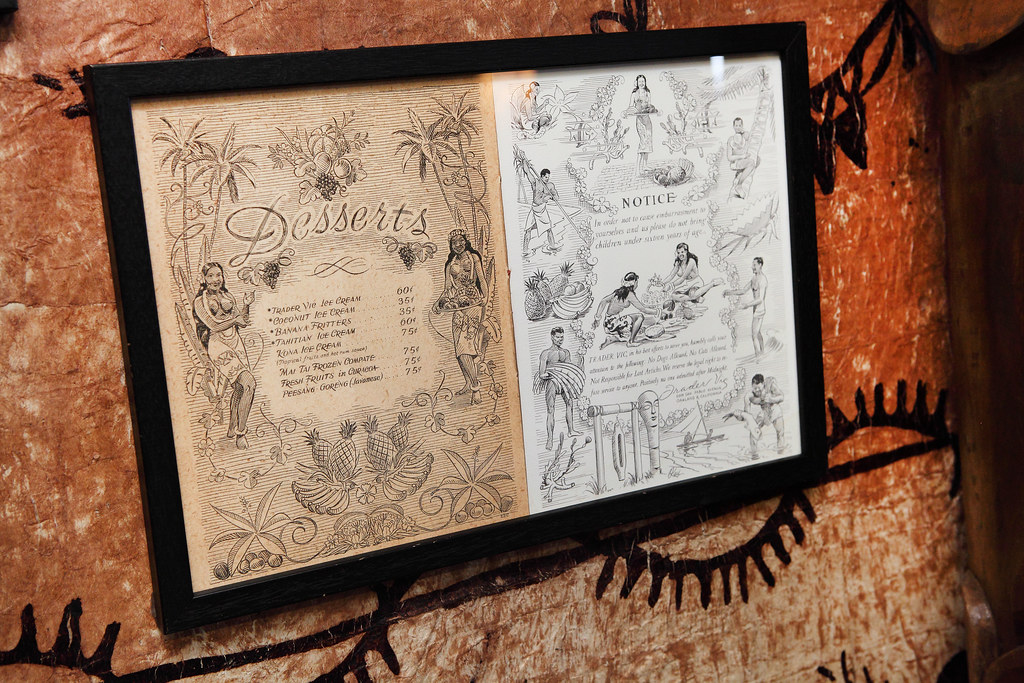
Today’s restaurant menus are sleek and simple, but in the 1950s, restaurants leaned into busier designs with illustrations. The Nite Owl weaved adorable doodles throughout its menu, so your eyes jolted from one direction to the next when trying to figure out what to order. The contents may have been simpler inside, but it was unheard of to not have artwork or photos with your restaurant on the cover in the ’60s. These eye-catching designs served as marketing tools in themselves, drawing customers into a world of visual storytelling that enhanced the dining experience.
Affordable Prices That Seem Impossible Today
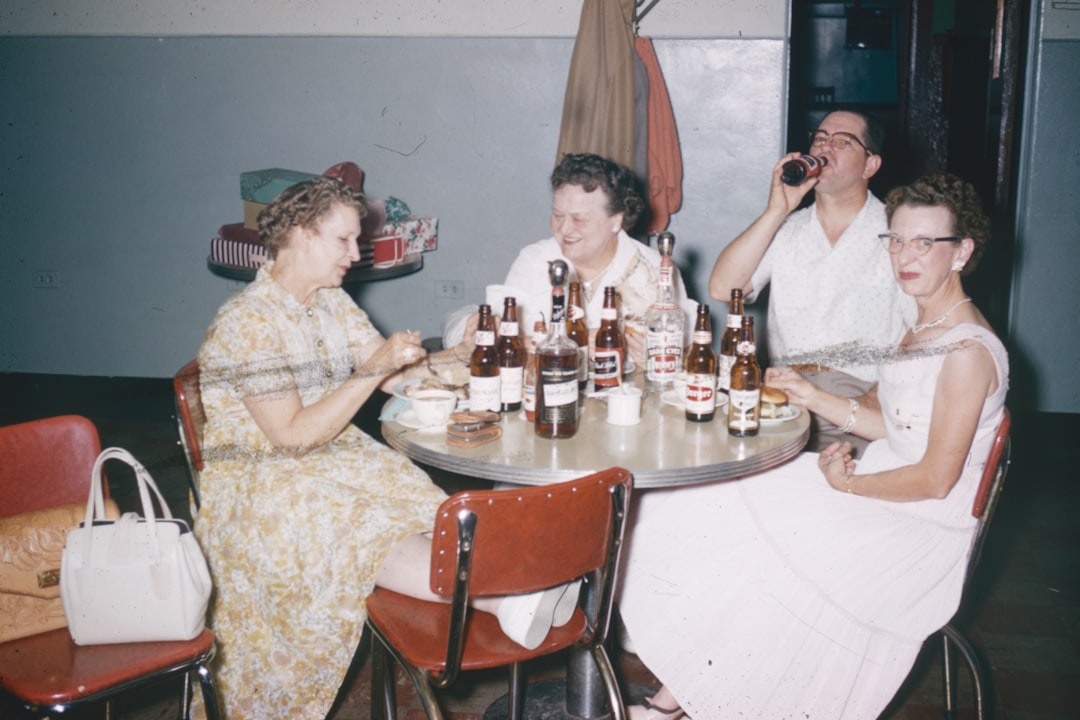
Prices were almost shockingly affordable. Diners at Woolworth’s might choose a roast turkey dinner – with dressing, gravy, beets, potatoes, cranberry sauce, and a roll – for just 65 cents You can’t even smell a rib at a barbecue joint these days for $1.50, but at Kelbo’s in the ’50s, you could get a slab of them with a slew of sides for that price. In the 1950s, you could get a full meal for under a buck, eat filet mignon at a coffee shop, and order frog legs on a pizza without anyone batting an eye.
Diner Culture and Extended Hours
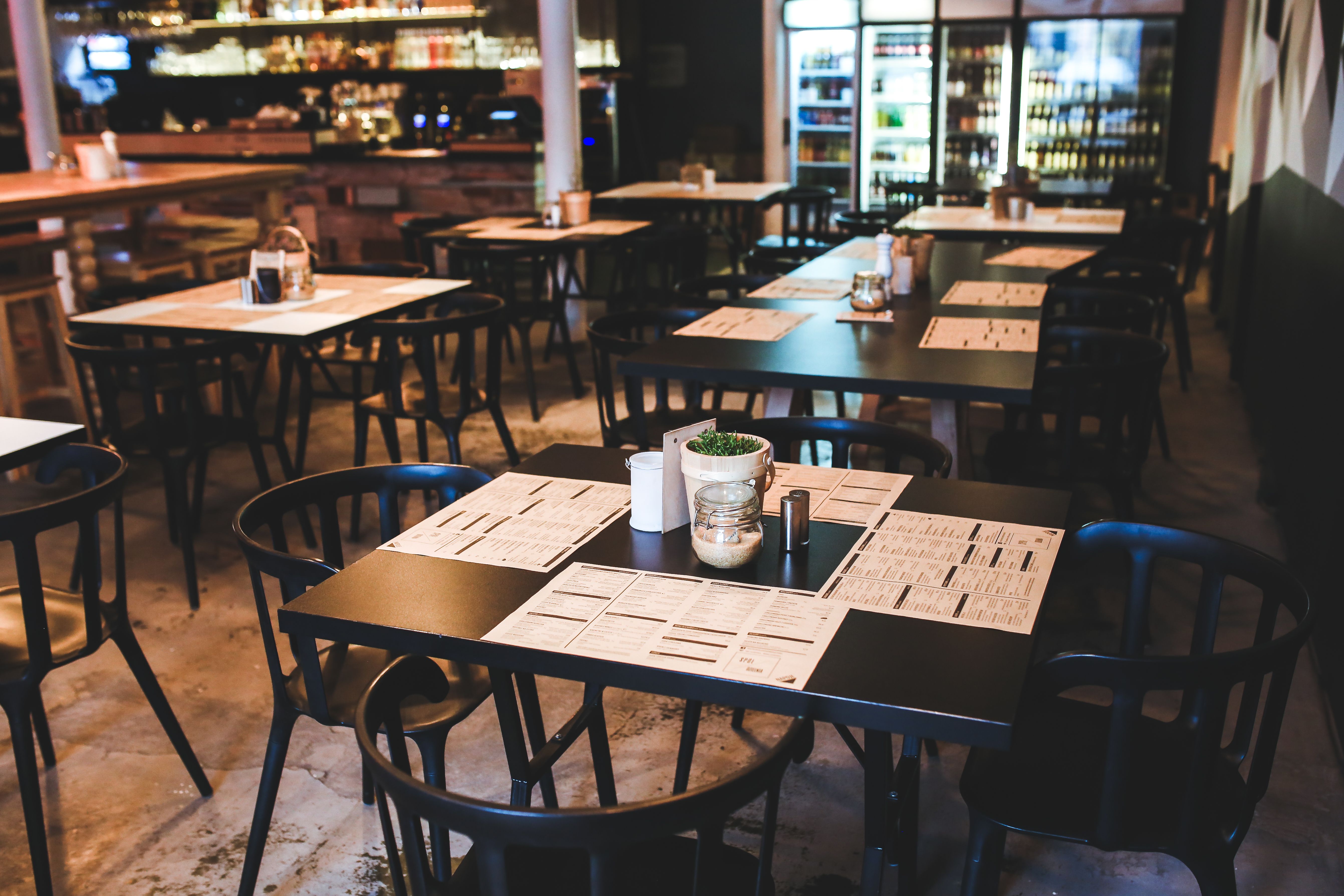
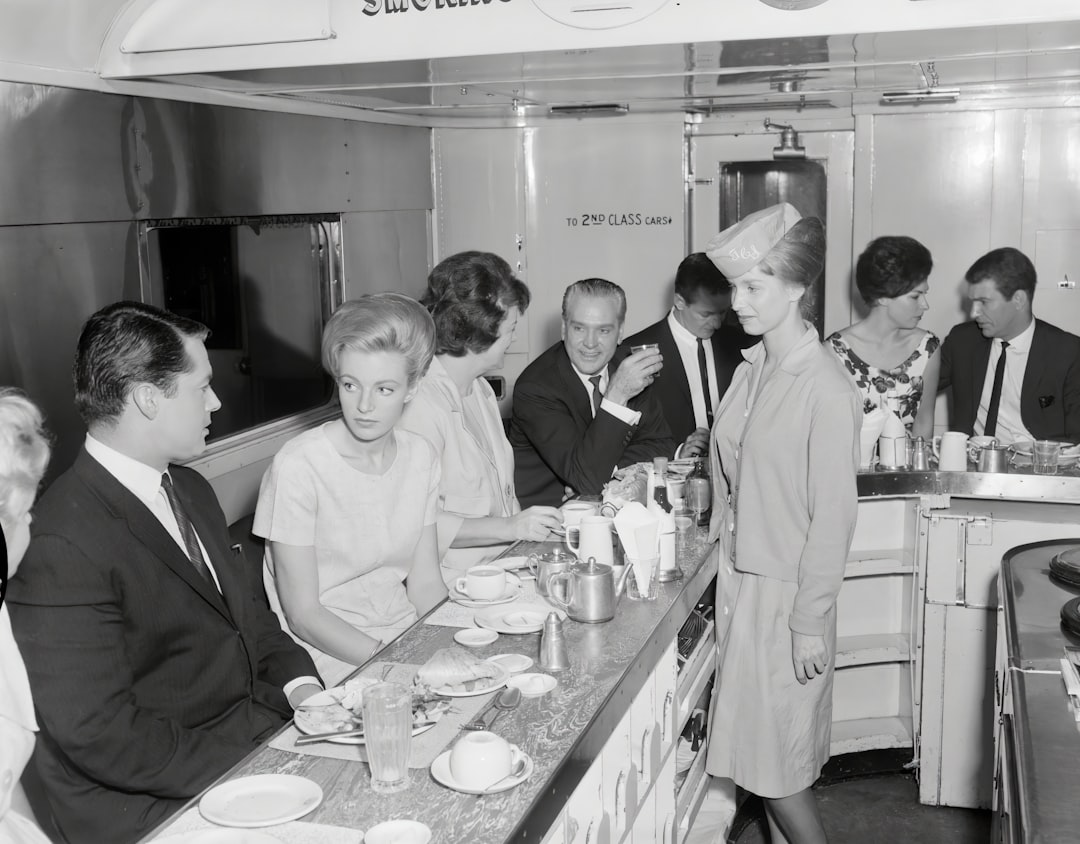
By the 1950s, diners had become a staple for the average American restaurant-goer, mainly due to their low prices, large menus, and extended hours. They remained trendy through the ’50s, when customers could find them serving breakfast, lunch, dinner, and dessert. Diners, which were relatively affordable to purchase, were constructed in factories and then shipped to their destinations, much like mobile homes. Since they had to be transported using a truck or railcar, they were purposefully designed to be narrow, the Telegraph reported. Once they arrived, the utilities simply had to be connected. These prefabricated restaurants made quality dining accessible to small towns across America.
Early Bird Specials and Off-Peak Dining
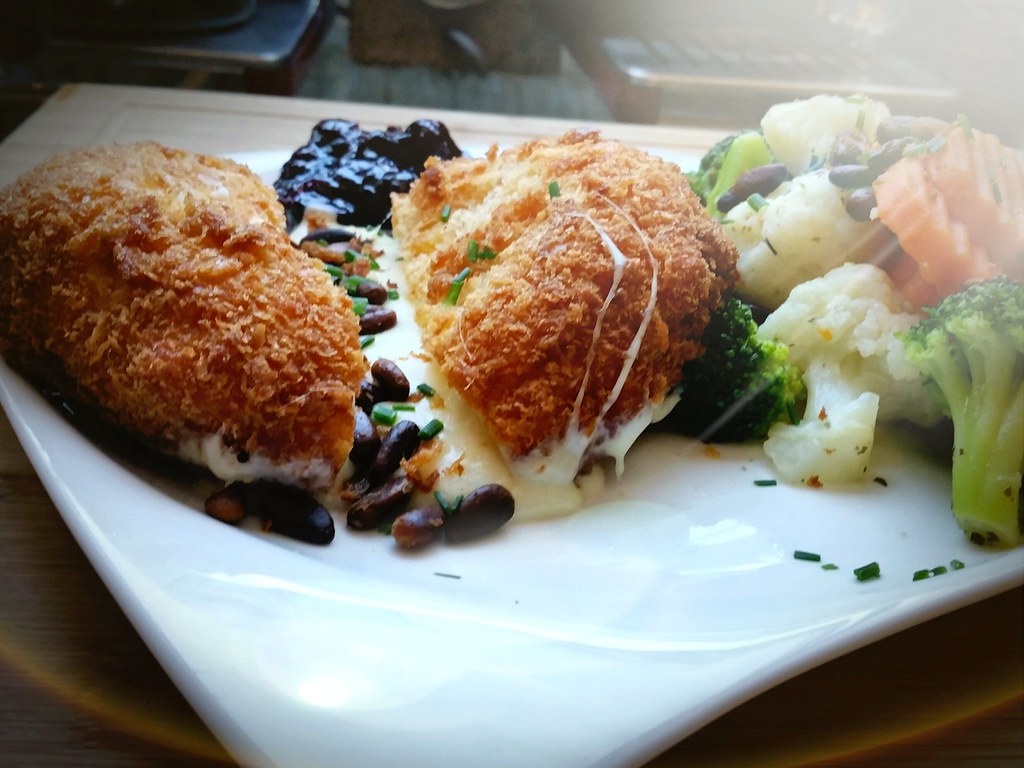
What, you might ask, is an early bird special? The idea is pretty straightforward: Meals are offered at discounted prices during off-peak hours to encourage diners to come in and fill what might be otherwise empty tables. Early bird specials have been offered for a long time – and some chain restaurants still do offer early bird specials – but they were huge in the 1950s. The concept of offering discounted meals during off-peak hours became popular, but in the ’50s, places from restaurants to nightclubs were offering discounts on dinners that were served in the early evening hours.
Department Store Dining
Today, we can grab lunch at the Costco food court and get our shopping done all in one stop, and the 1950s version of that was Woolworth. Founded at the end of the 19th century, F.W. Woolworth was one of the largest retail chains in the U.S., and in the 1950s, it was a hot lunch spot, too. Before the smell of food-court Chinese food permeated shopping centers, sitting down for lunch at a department store restaurant was a common occurrence. Bloomingdale’s, Marshall Field’s, Macy’s, and other stores served simple sandwiches, salads, and desserts onsite, so shoppers could have a leisurely meal while running their errands.
Exotic Menu Items and Unusual Combinations
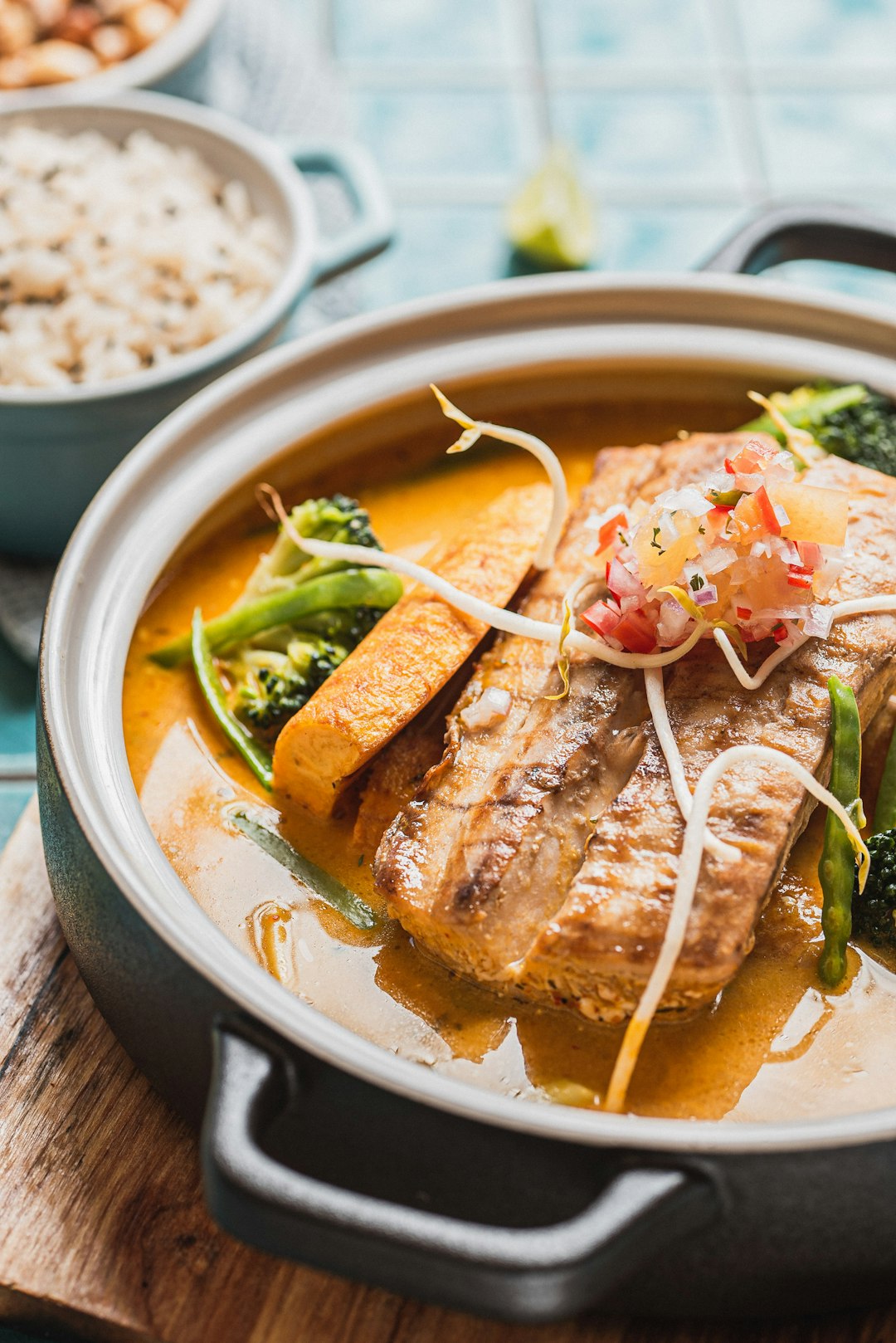
Dinner menus dated toward the end of the decade included options like full corned beef dinners with cabbage, carrots, peas, potatoes, and a roll, or meatloaf with all the fixins. One of the choices was a beef and macaroni dinner, which was described as being exactly that – ground beef and macaroni baked then served with beets, coleslaw, and a roll. This Chicago institution served over a dozen different types of pancakes, from blueberry buttermilk pancakes to Russian pancakes topped with caviar. If you weren’t in the mood for pancakes, no worries – waffles and French toast were on the menu, too, along with scrambled eggs and a “small fry feast” for the little ones.
Drive-Ins and Car Culture
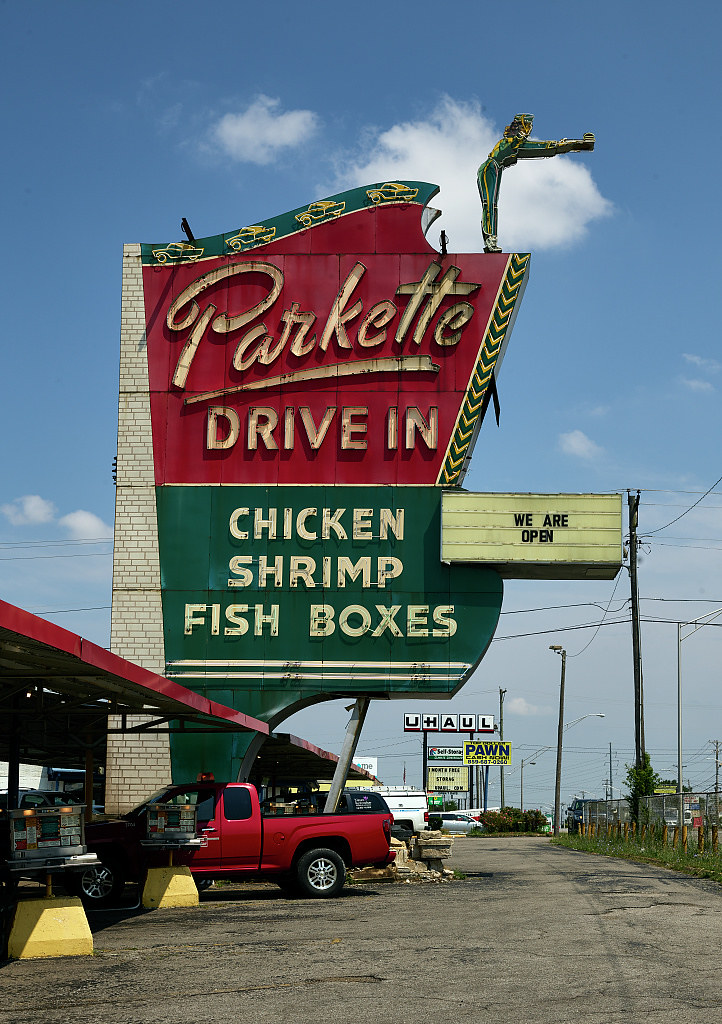
Customers embraced the drive-in trend, which introduced car-side service by “carhop” waiters and waitresses at restaurants like A&W. Park, flash your lights, and wait for a tray of burgers, fries, and root beer floats. Carhops brought the fun. The menu was full of cheeseburgers, meatloaf plates, and creamy slaw. Every bite felt like a joyride. These car-side establishments perfectly captured the optimism and mobility of 1950s America, where automobiles weren’t just transportation but symbols of freedom and prosperity.
Regional Specialties and Local Flavors
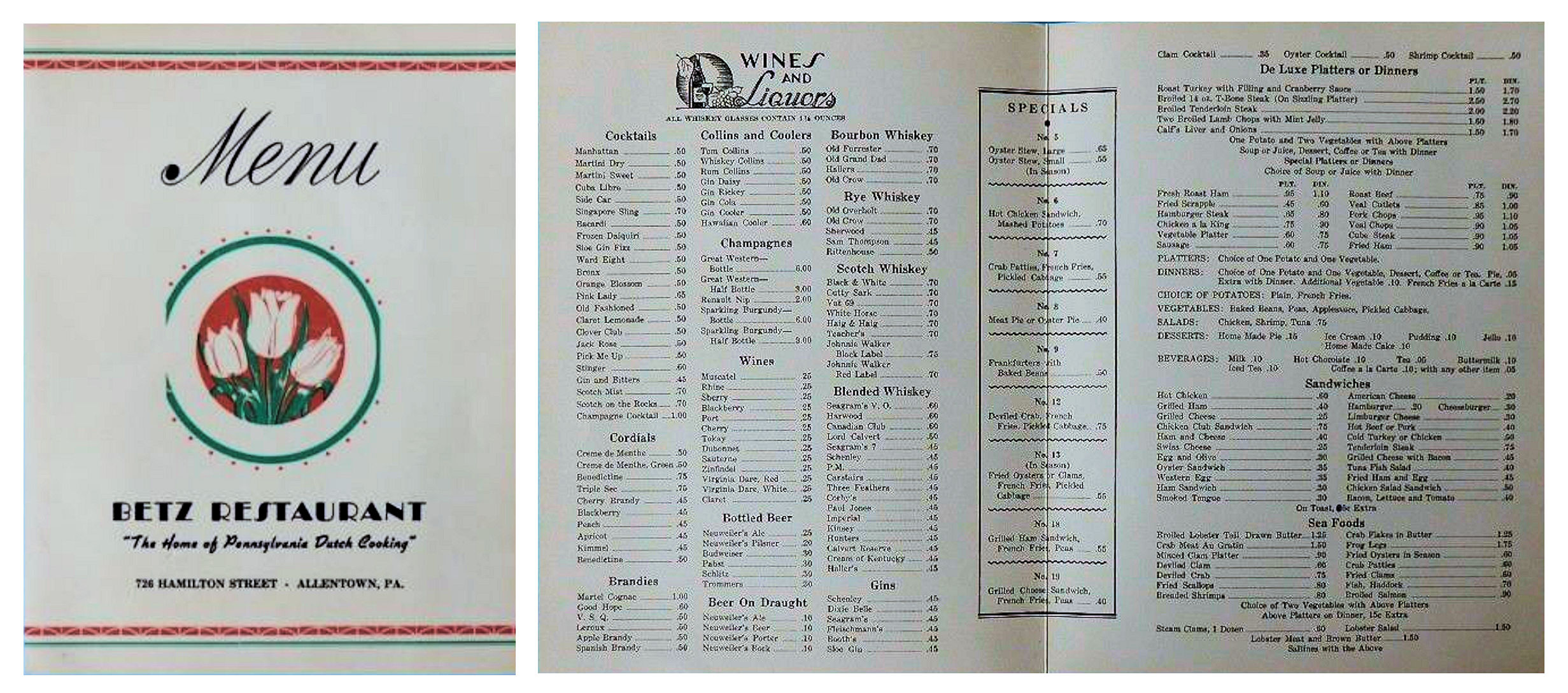
Where else could you order lamb chops or chicken chow mein in Miami Beach? Beachcomber was the place to dine, obviously. Restaurants today could honestly take a cue from China Inn. Offer a couple of menu items and embrace variety. Genuine Chinese cooking and a Mexican cook? Sign us up for that experience immediately. Regional differences flourished in an era before national chains standardized menus, allowing local establishments to showcase unique combinations and authentic ethnic cuisines that reflected their communities’ diverse populations.
The vintage menus of the 1950s reveal a dining landscape that was both simpler and more adventurous than what we experience today. They show an America where families could afford to eat out regularly, where restaurants prioritized comfort and community over speed and efficiency, and where dining was as much about the experience as the food itself. These colorful artifacts remind us of a time when a family meal didn’t require careful budget planning, and when discovering new flavors was part of the American dream.