The Truth About Rotisserie Chicken: Why Stores Sell It at a Loss
Walk into nearly any grocery store and you’ll immediately smell it. That intoxicating aroma of golden, spit-roasted chicken wafting through the aisles, practically begging you to grab one. Maybe you came in for milk and bread, yet somehow that perfectly cooked bird finds its way into your cart.
Here’s the thing, though. That chicken sitting under those warm heat lamps for less than the cost of a fancy coffee? It’s not just convenient. It’s a calculated business move that grocery chains have been perfecting for decades. You might think you’re getting the deal of a lifetime, walking out with a fully cooked meal for around five bucks. The reality is far more interesting than you’d expect.
The Loss Leader Strategy Behind Those Golden Birds
Grocery stores employ a marketing tactic called a “loss leader” when selling rotisserie chicken. It sounds counterintuitive, right? Why would any business deliberately sell something at a loss? A loss leader is a method of marketing that involves selling a good or service far below what it’s actually worth.
Each chicken costs approximately six to seven dollars to produce and prepare when factoring in the bird itself, labor, packaging, and energy costs for cooking. Yet many stores sell them for less. The math doesn’t seem to add up until you understand the bigger picture. Costco’s popular product, sold below cost, convinces customers to enter the store and pass by dozens of enticing products on their way to pick up a chicken at the back of the store.
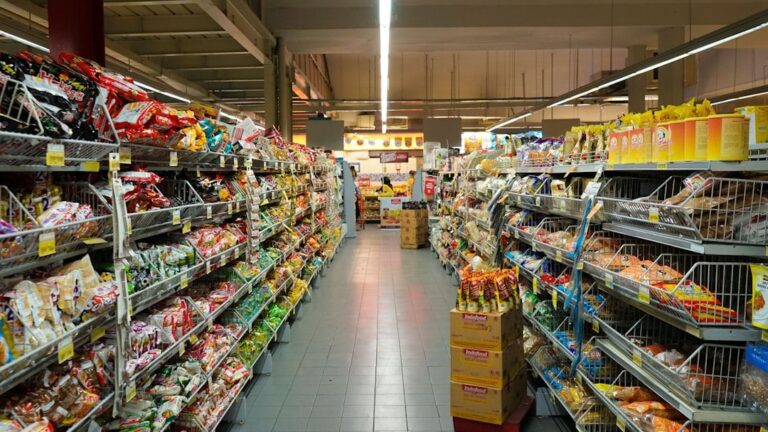
The rotisserie chicken is strategically placed at the back of the store, forcing customers to walk through aisles filled with tempting products, which encourages impulse purchases and increases overall sales volume. Honestly, it’s brilliant. They’re betting you won’t leave with just the chicken.
The Staggering Numbers Behind Costco’s Chicken Obsession
Costco sold 137 million rotisserie chickens in 2023. Let that sink in for a moment. The meal costs just $4.99, the same price it sold for when it was first introduced.
Costco’s rotisserie chicken has remained $4.99 since 2009, a pricing strategy that seems to defy inflation and basic economics. Meanwhile, everything else has gotten more expensive. Your coffee, your gas, your rent. Yet that chicken stays locked at the same price year after year. In a 2015 earnings call, Costco’s CFO noted “When others were raising their chicken prices from $4.99 to $5.99, we were willing to eat, if you will, $30 to $40 million a year in gross margin by keeping it at $4.99.”
The losses have likely grown substantially since then. Industry analysts estimate a packaging update in 2024 likely resulted in roughly $380 million financial loss annually for Costco.
Why Grocery Chains Willingly Bleed Money on Chicken
Nobody runs a business to lose money, so there has to be a method to this apparent madness. In 2023, Costco’s then-Chief Financial Officer Richard Galanti explained that the rotisserie chicken price-lock is a way to help boost membership and promote sales. The chicken isn’t the endgame. It’s the hook.
The $4.99 rotisserie chicken helps Costco maintain a 92% renewal rate across 130 million members, with membership fees representing more than half of Costco’s operating income. Think about that for a second. They’re not really selling chicken. They’re selling memberships and trust. A Rutgers Business School professor explained that such a good deal on rotisserie chicken promotes the idea that Costco offers excellent value, and customers will tell their friends about the $4.99 chicken, and perhaps those friends will buy Costco memberships.
Let’s be real. Very few people walk into a massive warehouse store, grab a single chicken, and immediately check out. A professor at Rutgers Business School noted that very few people simply buy the chicken and leave, as they probably shop for other items that provide higher profit margins. The rotisserie chicken creates what experts call a “halo effect” on pricing perception across the entire store.
The Hidden Costs You’re Actually Paying
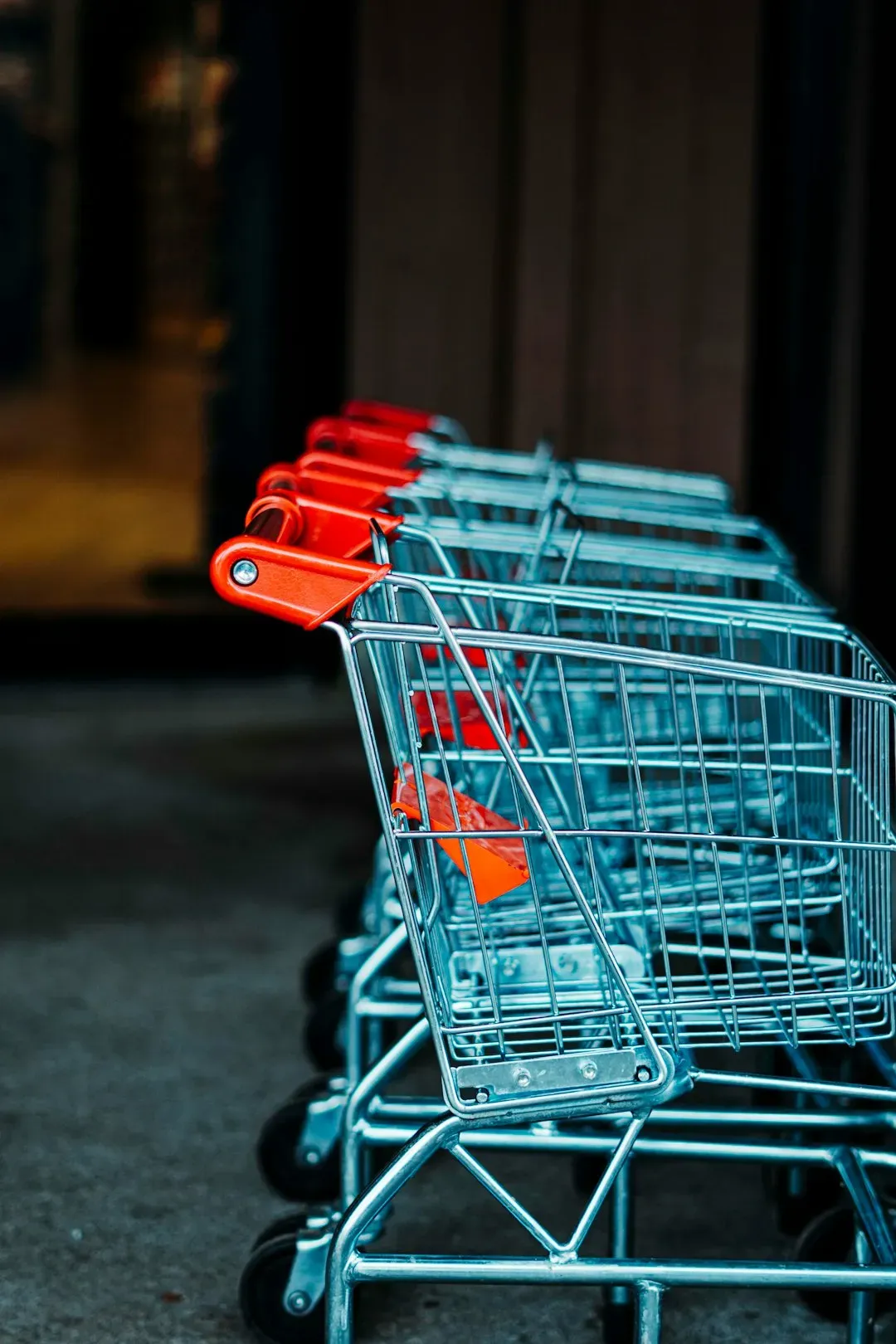
The most common characteristic of a rotisserie chicken sale is that it is an impulse purchase among hundreds of choices made while shopping, with the main motivator being the thought of saving time and energy after spending about an hour grocery shopping. You’re tired. You’re hungry. That warm chicken seems like the easiest dinner solution imaginable.
After spending time shopping, shoppers tend to make more emotional purchasing decisions affecting basket size and impulse buys, while end-of-aisle displays increase impulse buys and average spend. The stores know exactly when your defenses are down. They’ve studied shopping behavior down to the minute. Customers came for the chicken but left with $200 in goods that have 30% profit margins.
It’s hard to say for sure, but I think most of us have experienced this. You go in for one thing and suddenly you’re loading bulk snacks, electronics, maybe even furniture into your cart. The chicken was just the excuse to walk through those doors.
The Surprising Sustainability Angle Nobody Talks About
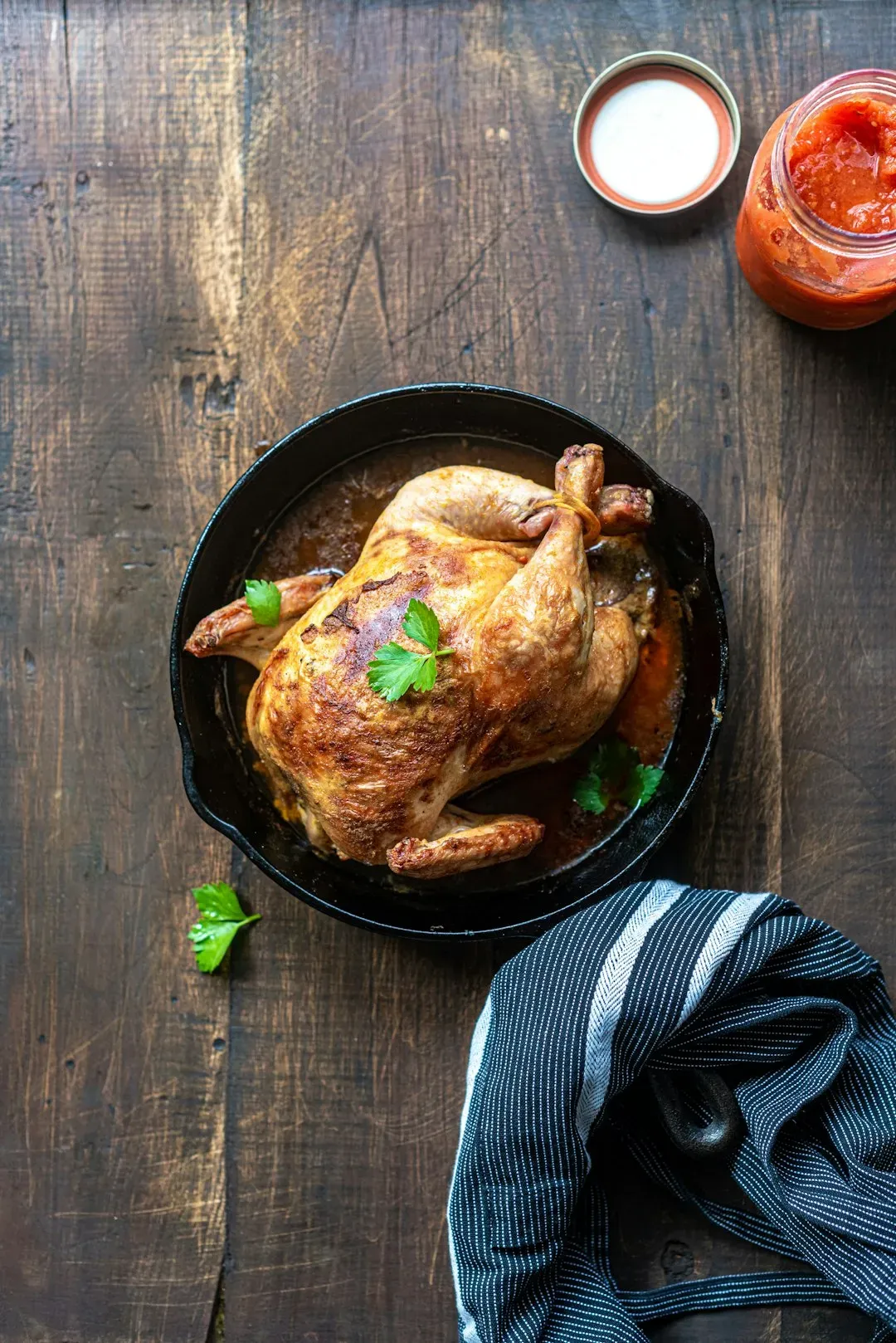
Here’s something most people don’t realize about those rotisserie chickens. New Seasons Market found that rotisserie chickens were one of the items being thrown away the most, so the store started repurposing unsold ones into hot bars before composting the rest. Stores have gotten creative about minimizing waste.
Unsold chickens are not discarded; instead, they’re repurposed into a variety of new products including shredded chicken, ready-to-cook meals, and deli favorites, ensuring every chicken serves its purpose. Some grocery chains have entire systems designed around this. Grocery stores typically repurpose leftover rotisserie chicken by using it in prepared foods such as salads, sandwiches, soups, and casseroles.
Some grocery chains have boosted sales and reduced costs through these waste reduction strategies. It turns out there’s a whole secondary economy built around those birds you see spinning behind the glass.
The rotisserie chicken phenomenon reveals something fascinating about modern grocery economics. Stores aren’t really competing on the chicken itself anymore. They’re competing for your loyalty, your membership fees, and most importantly, your impulse purchases during that trek to the back of the store. The chicken is just the irresistible bait that gets you in the door. Next time you grab one of those golden birds, remember: you might be getting a bargain on dinner, but the store is getting something far more valuable in return. Did you ever think a simple roasted chicken could be this calculated?