The New Suburban Reality: McMansions Quietly Turning Into Empty Neighborhoods, Data Shows
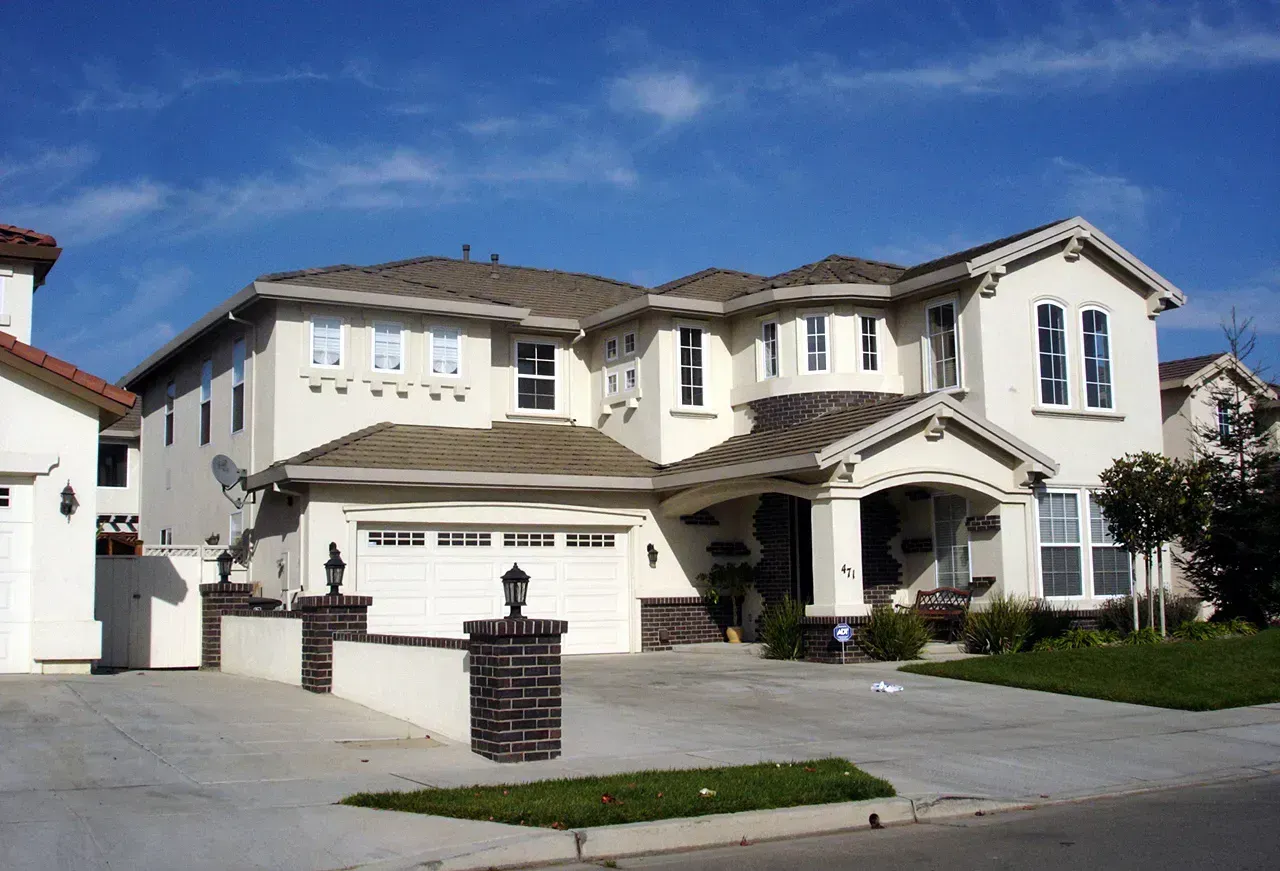
Drive through nearly any American suburb today, and you’ll notice something unsettling. Those sprawling homes with three-car garages and cathedral ceilings don’t look quite right anymore. Many sit vacant, their oversized lawns untended. The neighborhoods feel hollow, as if the dream they were built to embody has quietly slipped away.
What’s happening isn’t just anecdotal observation. Real data from across the country confirms it: The era of the McMansion is collapsing under its own weight, and the suburbs built around them are emptying out in ways that should concern anyone paying attention to housing trends in 2025.
Buyer Preferences Have Flipped Almost Overnight
Recent surveys indicate that many homebuyers under 40 prefer smaller, more manageable homes. This shift represents a stunning rejection of what was once the pinnacle of American aspiration. The shift away from McMansions is clear, with sales of homes over 4,000 square feet declining in the last year. Think about that for a moment. These aren’t just preferences shifting at the margins, this is an entire generation walking away from what their parents spent decades chasing.
Recent data from the National Association of Home Builders reveals that the average size of new homes has been shrinking since 2015, hitting a low in 2024 not seen since 2010. Let’s be real, when home sizes drop to levels not seen in over a decade, something fundamental has changed. The U.S. Census Bureau reported in March 2025 that 54% of new single-family homes built in 2024 were under 2,200 square feet. Empty nesters are also looking to downsize, creating even more demand for modestly sized homes.
Vacancy Rates Tell a Troubling Story for Suburban Homeowners
National vacancy rates in the second quarter 2025 were 7.0 percent for rental housing and 1.1 percent for homeowner housing, with the homeowner vacancy rate of 1.1 percent higher than the rate in the second quarter 2024. Now, that might not sound dramatic until you consider the pattern. In 2025 Q2, the homeowner vacancy rate was 1.1%, with homeowner vacancy increased 22.22% YoY, up from 0.9% in 2024. Nearly a quarter increase year over year suggests something more concerning than typical market fluctuation.
The homeowner vacancy rate was highest in principal cities at 1.5 percent, followed by the rate outside MSAs at 1.2 percent, and the rate was lowest in the suburbs at 0.9 percent. Still, what matters here isn’t just the raw numbers but what they signal about changing preferences. The number of vacant homes for sale dropped by nearly half a million units from 1.3 million in 2005 to fewer than 850,000 in 2024, with the homeowner vacancy rate decreasing from 1.7% in 2005 to 1.0% in 2024. Sounds good, except there’s a catch: older McMansion neighborhoods aren’t seeing the same tight inventory as walkable urban areas.
The Silver Tsunami Is Making McMansion Oversupply Worse
Here’s what people aren’t talking about enough. Over the next 10 years, the 30-50 and 70+ age groups will lead population growth, with millennials aging out of apartments and seeking larger homes more suited to families, and by 2033, nearly all baby boomers will be 70 or older, bolstering demand for housing with increased care options. The problem? Those baby boomers overwhelmingly own McMansions they’re now desperate to leave.
Traditional retirement hubs like Miami, Orlando, and Tampa are bracing for a significant turnover in housing as a large proportion of their older populations begin to vacate homes, while in contrast, younger, fast-growing cities like Atlanta, Greenville, and notably Charlotte, North Carolina, are poised to weather the Silver Tsunami. Millennials don’t want to buy their oversized homes, creating a traffic jam in the housing ladder where boomers can’t downsize until they sell, but millennials don’t want to buy their oversized homes. As a result, the McMansion – once a symbol of status – is becoming more of a burden than a benefit. It’s hard to say for sure, but this mismatch could define the housing market for the next decade.
The Hidden Costs of McMansions Are Crushing Owners
By analysing data from three million homes, homeowners who frequently see these oversized houses report lower satisfaction with their own properties, especially if they already live in large homes themselves. This finding from research published in the Journal of Public Economics reveals something fascinating. It’s not just about owning a big house anymore; it’s about the psychological cost of constantly seeing someone else’s bigger one. Homeowners exposed to larger houses are more likely to expand their own homes, taking on more mortgage debt in the process, with homeowners exposed to nearby larger homes more likely to expand their own through additional loans.
The financial burden extends far beyond competitive debt, though. These homes cost a fortune to heat, cool, and maintain. Property taxes on oversized lots eat into budgets month after month. When younger buyers do the math, they simply walk away. More than 60 percent of American households consist of only one or two individuals. Why would two people want to rattle around in over three thousand square feet?
Teardowns and Conversions Signal Desperation in Some Markets
By 2020, about 14 percent of newly built single-family homes exceeded 3,000 square feet, often considered McMansions. Yet in places like Los Angeles, a different pattern is emerging. As housing pressures build, older, smaller, and affordable single-family homes are increasingly being replaced with larger (averaging 4,800 sq. ft.) and significantly more expensive (averaging $3.2 million in 2022) houses, commonly known as McMansions. Ironically, where demand remains strong among the wealthy, McMansions are replacing affordable housing, worsening the crisis.
Approximately 163,200 homes are currently at risk of being converted into McMansions in the Los Angeles metro area, with these homes, typically built in the 1950s, having an average GLA of 2,100 sq. ft. If zoning regulations allowed for up to eight units per lot, these properties could significantly boost the housing supply, with the conversion process expected to occur gradually, with approximately 2% of these at-risk properties being redeveloped each year, and over a decade, this approach could yield up to 146,000 new housing units. The opportunity cost of continuing the McMansion trend is staggering when you frame it that way.
Did you expect the grand suburban dream would turn into such a complicated mess? What do you think needs to happen next?
Why Developers Keep Building What Nobody Wants Anymore

Here’s the frustrating part that nobody talks about: developers are still cranking out oversized suburban homes even as the market screams for something different. The lag time between planning and completion means what gets approved today reflects yesterday’s assumptions about buyer preferences. Most large-scale suburban developments take 18 to 36 months from initial planning to move-in ready, and during that window, the entire housing market can shift underneath them. But there’s a darker reason too – many developers are locked into existing land deals and zoning approvals that only make financial sense if they build big. A developer who paid premium prices for suburban land in 2021, expecting to build 4,000-square-foot homes, can’t suddenly pivot to building smaller, more affordable units without taking a massive loss. So they’re caught in a trap of their own making, continuing to flood the market with McMansions that fewer people want, all while hoping the tide turns back in their favor. It’s a classic case of throwing good money after bad, and guess who ultimately pays the price? The homeowners stuck with properties that are increasingly hard to sell and expensive to maintain.