The 6 U.S. Cities Locals Say You Shouldn’t Walk Alone In After Dark
Memphis, Tennessee
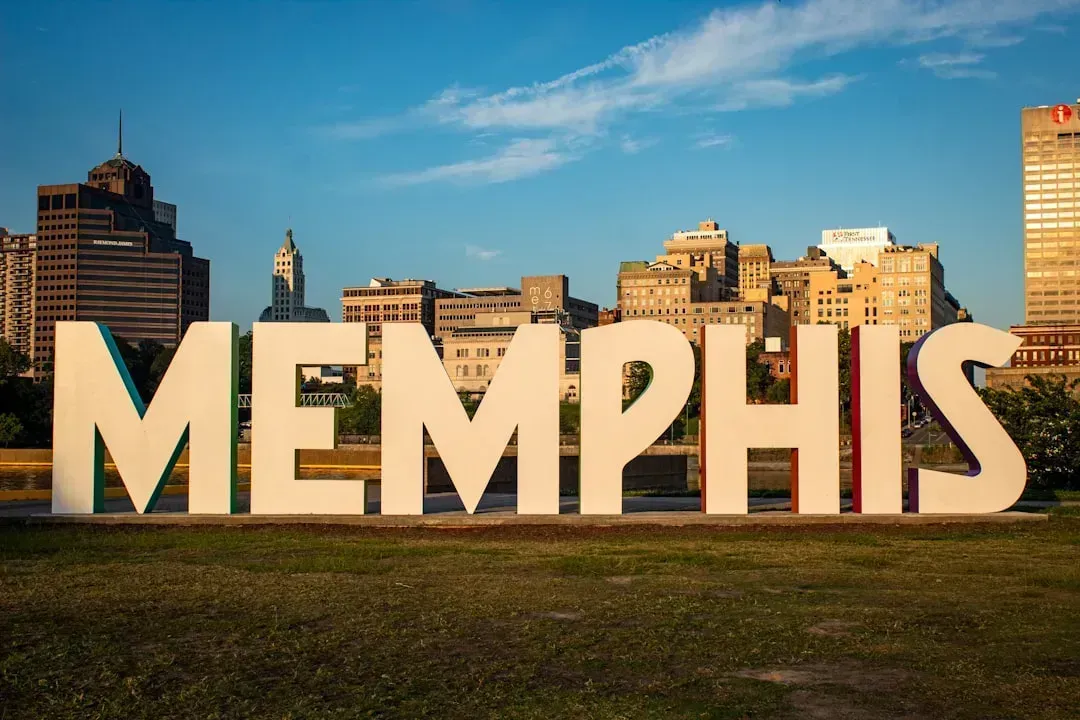
Memphis holds the distinction as America’s most dangerous metropolitan area for violent crime as of late 2025, with a violent crime rate nearly six times the national figure. What makes this particularly alarming is that violent crime rates there are roughly 500% above the national average, with about 2,418 violent crimes per 100,000 residents. Though Memphis saw a 30 percent decrease in homicides by the end of 2024, with overall crime dropping to a 25-year low across major categories, the perception gap remains enormous. Residents still report avoiding entire neighborhoods after dark, and businesses continue struggling with theft and safety concerns that have fundamentally altered daily life since the 2020 pandemic began.
Detroit, Michigan

In 2024, Detroit finished the year with 203 homicides, the fewest on record since 1966. With one of the highest violent crime rates in the nation, Detroit consistently ranks as the most dangerous city, with the high rate of violent crimes per capita, including assaults and robberies, making it a particularly risky place for residents and visitors. However, the progress hasn’t eliminated nighttime safety concerns, as many areas still require heightened awareness and caution when walking alone after dark.
St. Louis, Missouri
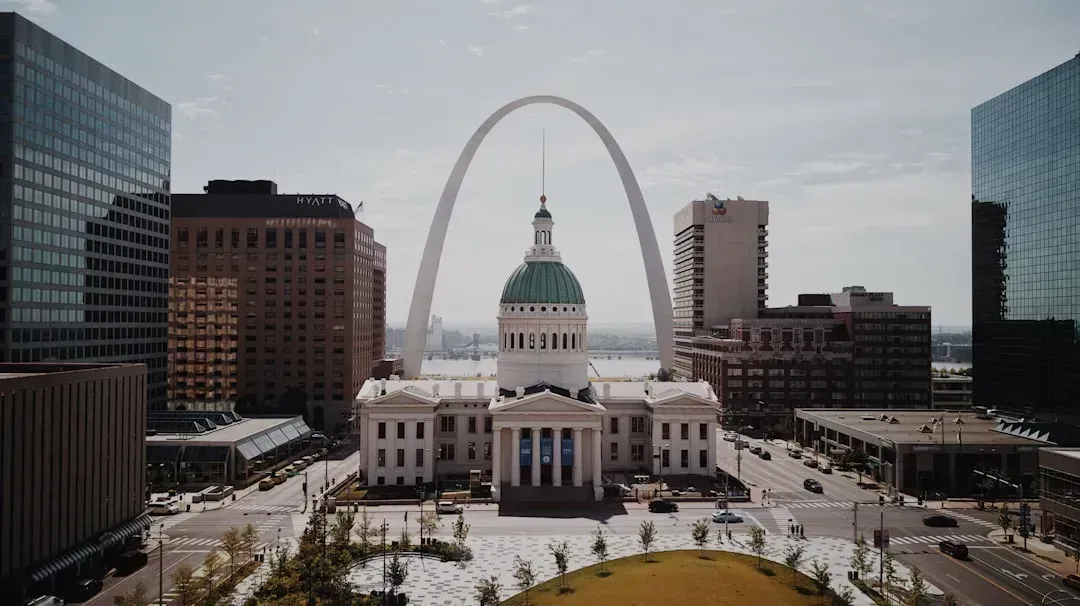
According to Neighbourhood Scout data, you have a one in 50 chance of falling victim to a violent crime in St. Louis compared to a one in 218 throughout the rest of the state. 2024 saw the lowest number of homicides in 11 years. Even with improvements in overall crime statistics, the city is working to provide more lighting around downtown, but you must stay in well-lit areas and avoid walking around at night alone. Local residents paint a stark picture of downtown safety conditions, especially after dark.
Baltimore, Maryland
201 people were killed in 2024, while last year that number was 259, which was the first time in nearly a decade that the city saw fewer than 300 homicides. The improvements have continued into 2025, with the city having seen a 24.3% decrease in homicides and an 18.3% decline in nonfatal shootings, and so far this year, Baltimore has had 84 homicides – the fewest in over 50 years – compared to 111 homicides in the first seven months of 2024. Despite its proximity to the nation’s capital, Baltimore maintains a reputation as one of America’s most dangerous cities. The ongoing improvements in crime statistics don’t eliminate the need for caution when walking alone at night, particularly in certain neighbourhoods where violent crime remains a concern.
New Orleans, Louisiana
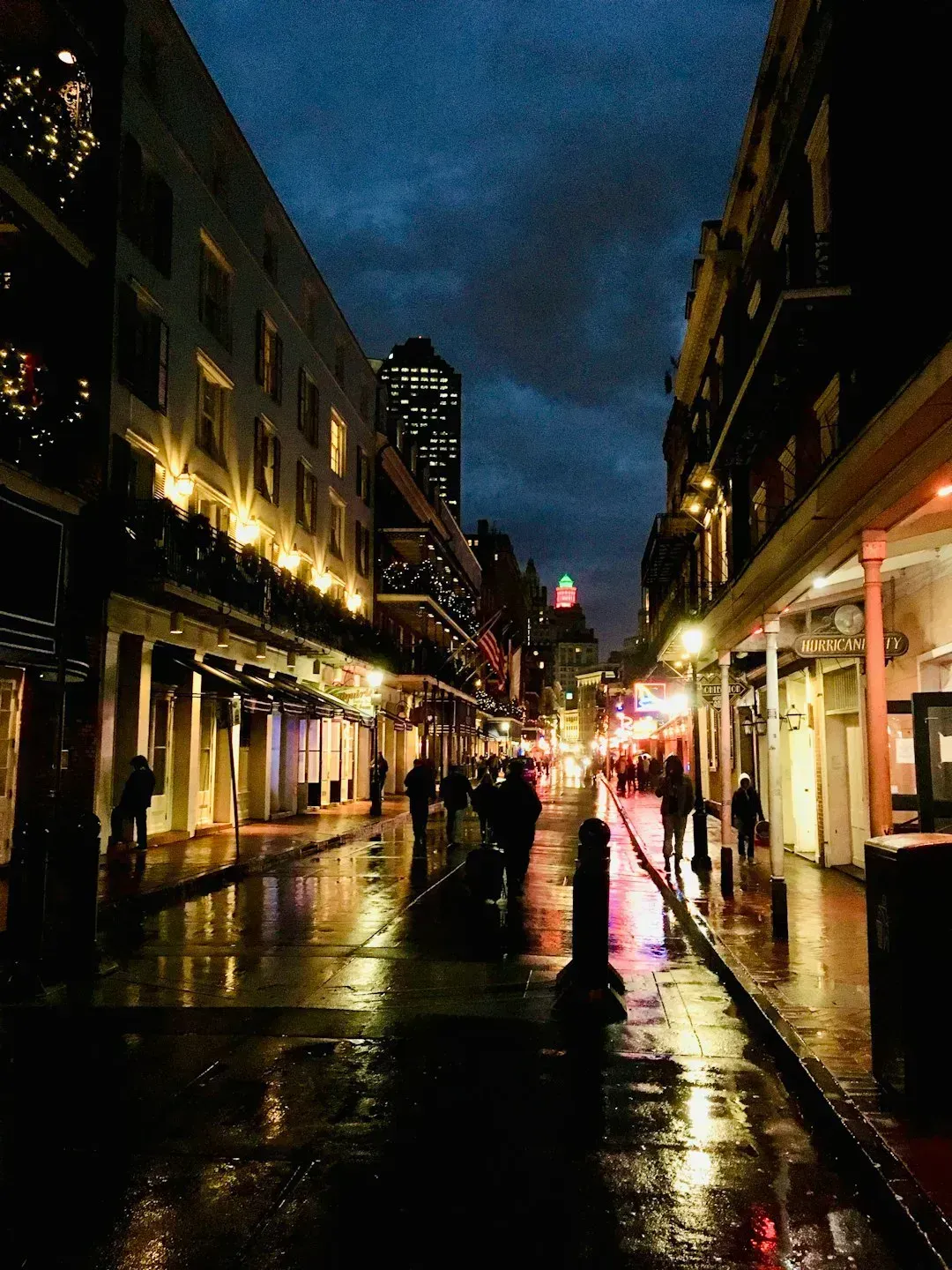
In 2024, New Orleans faces significant challenges with crime, manifesting in heightened public concern, as the city struggles with high levels of violent and property crimes, impacting its overall sense of safety. Citizens feel notably unsafe at night, reflecting worries about personal attacks and property theft. New Orleans ranks as the 15th most violent city in America, with high poverty rates, gang activity, and drug-related crimes contributing to the city’s violence, as New Orleans has long struggled with crime, particularly in certain neighbourhoods. Honestly, it’s hard to ignore the sense of unease that settles over the French Quarter once the sun goes down.
Milwaukee, Wisconsin
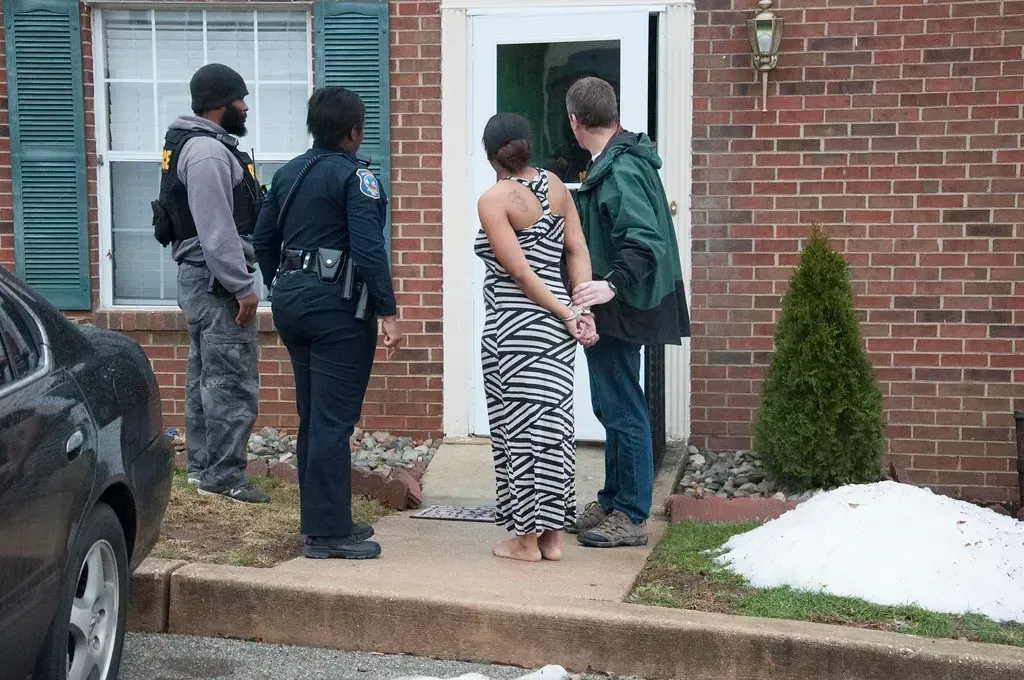
In 2024, Milwaukee’s crime statistics signal a high level of concern among its residents, with significant anxieties regarding violent and property crimes. Public safety perceptions show a distinct contrast between daytime and nighttime, with residents feeling considerably less safe during the dark hours. The city of Milwaukee had 1,431 violent crimes per 100,000, and so far this year, police have recorded 100 homicides and 293 rapes, marking a 10 percent and 1 percent year-on-year increase, respectively. Local wisdom suggests staying off the streets once darkness falls, particularly in certain neighborhoods where crime remains concentrated.