12 Classic American Dishes That Are Now Almost Impossible to Find
When was the last time you saw creamed chipped beef on a restaurant menu? Or better yet, chicken a la king at your local diner? These once-iconic American dishes dominated menus across the country for decades, gracing everything from casual diners to upscale hotel dining rooms. Today though, they’ve quietly faded into culinary obscurity, leaving behind only faint memories and dusty recipe cards in forgotten cookbooks.
The shift away from these classics isn’t just about changing tastes. As food safety standards improved, tastes evolved and researchers highlighted health concerns linked to certain ingredients and cooking methods, many traditional American dishes began disappearing from tables. Some were too rich for modern palates. Others simply couldn’t compete with the convenience of newer, faster options. Let’s dive into the fascinating stories behind twelve classic American dishes that have nearly vanished from the American culinary landscape.
Creamed Chipped Beef on Toast
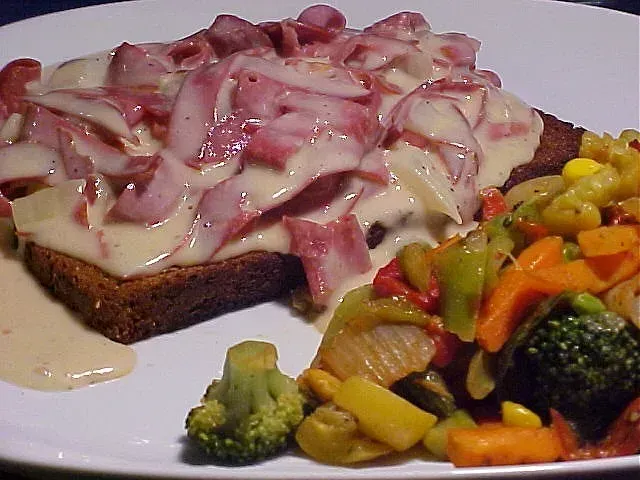
Creamed chipped beef has become harder to find in chain restaurants that serve breakfast, even though it was once a breakfast staple across America. Known affectionately as SOS among veterans, this dish consists of dried beef in a creamy white sauce served over toast. In the United States, chipped beef on toast was commonly served to service members of the United States Armed Forces from World War I through Vietnam and was considered emblematic of the military experience. The salty, savory combination once filled diners and military mess halls alike, but now you’d be hard-pressed to find it outside of a few scattered locations. IHOP no longer offers this on their menus, having substituted sausage gravy, and the same is true for Cracker Barrel restaurants.
Chicken A La King
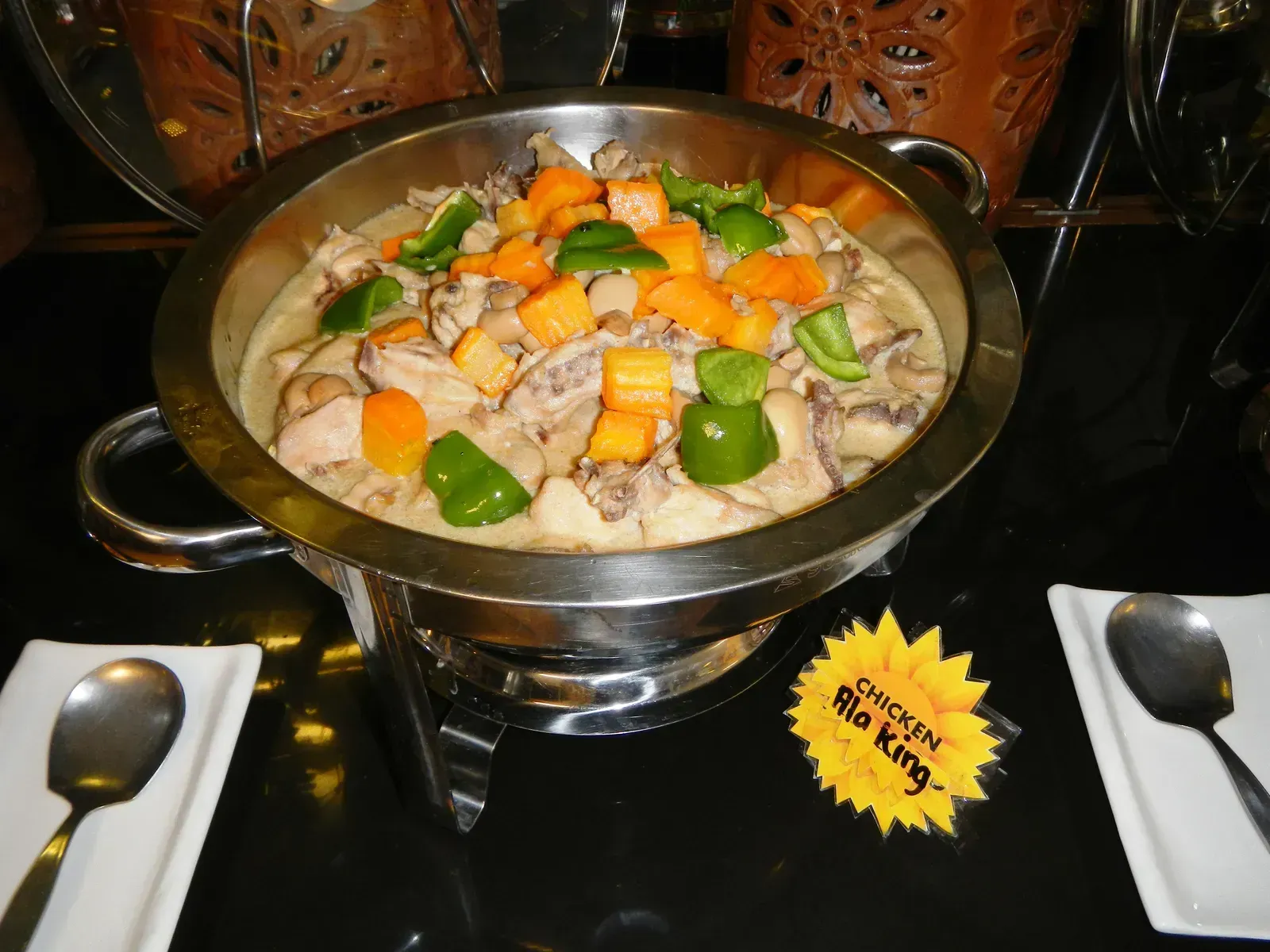
Once the epitome of elegance, chicken a la king ruled fine dining establishments throughout the mid-twentieth century. Its heyday, marked by appearances in cookbooks, hotel menus, and home kitchens, spanned the 1920s to the 1950s. This creamy concoction of diced chicken, mushrooms, and peppers in a rich sauce was typically served over rice, toast, or in pastry shells. These days, it’s downright difficult to find on diner menus. The dish’s decline mirrors a broader cultural shift. The 1960s marked a turning point for chicken a la king as this once-celebrated recipe, with its rich sauce and elegant presentation, struggled to maintain its appeal in a decade that favored simplicity and convenience. Where upscale restaurants once featured this dish prominently, today it exists mainly as a nostalgic memory.
Salisbury Steak
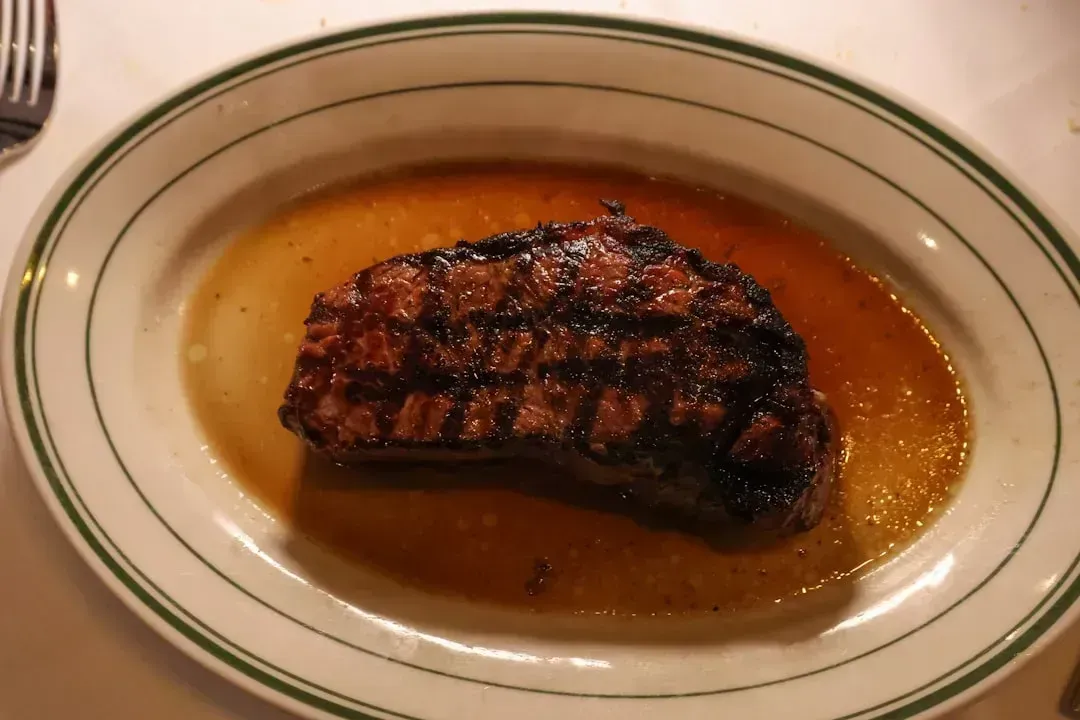
Salisbury steak persists in our memories as the iconic TV dinner entrée, and it’s hard to imagine a time when it was ever served outside of one of those foil partitioned trays. But the dish dates back much further and Dr. James Henry Salisbury of Cortland, New York, came up with this steak (really ground beef formed into a patty and served with a very savory sauce) as a digestion aid in the late 19th century. This dish was genuinely popular in American homes for decades before becoming frozen dinner fodder. Salisbury steak, served with mashed potatoes and gravy, was a staple cafeteria lunch and TV dinner in America in the 1970s and was invented at the end of the 19th century by an American physician who intended it as a digestion aid. Restaurants rarely prepare it fresh anymore, relegating it to the frozen food aisle where it languishes next to other forgotten classics.
Beef Stroganoff
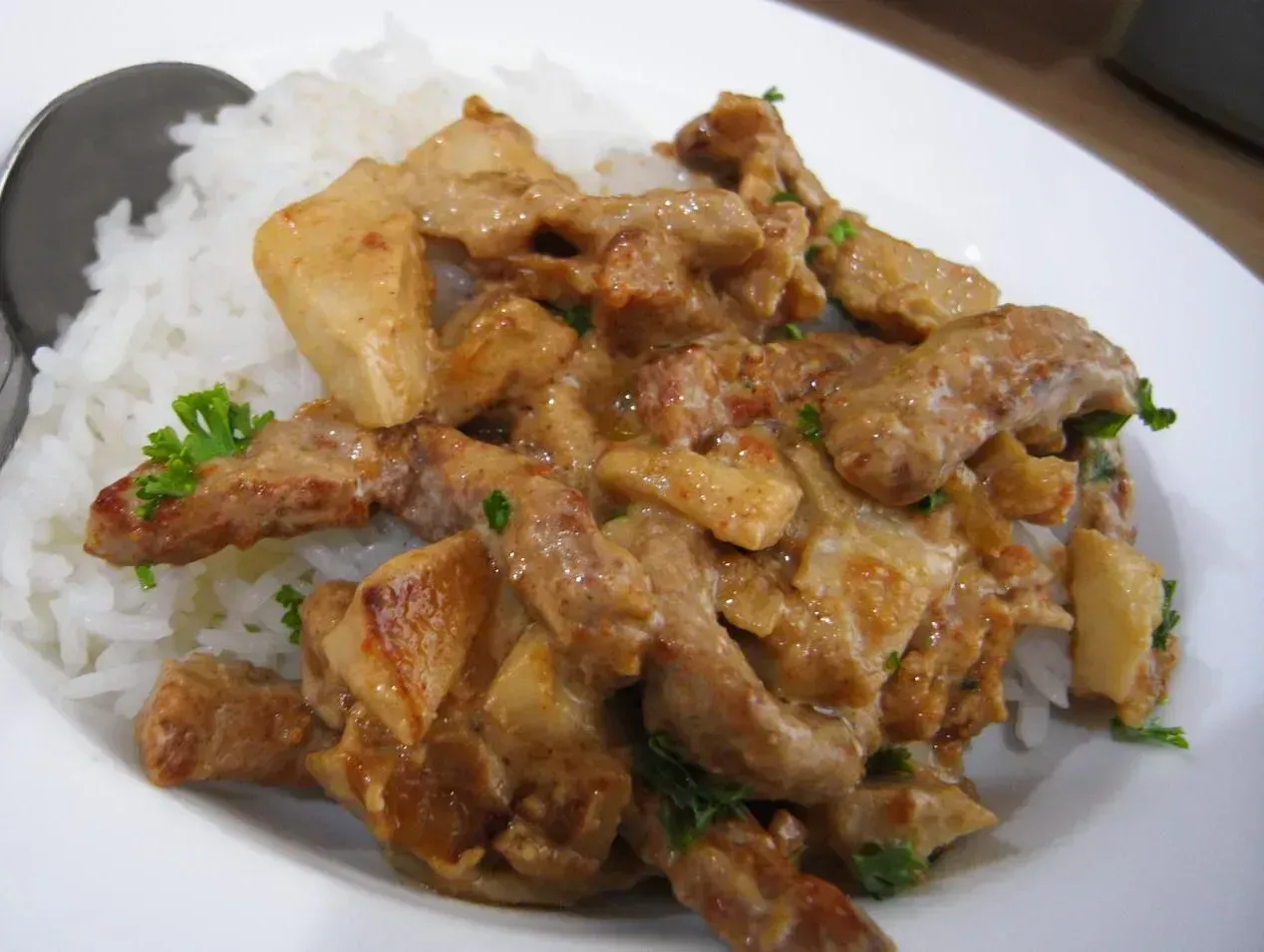
Beef stroganoff once represented sophisticated home cooking, perfect for dinner parties and special occasions. Stroganoff became a hit with home cooks who loved turning inexpensive cuts of beef into relatively quick-cooking stews that pleased crowds with its rich and tangy sauce, achieved with a combination of sour cream and mustard, and somewhere along the way Americans decided that it was best served over buttered egg noodles. The combination of tender beef strips in a tangy sour cream sauce feels almost foreign to younger generations. While some home cooks still prepare it, restaurants have largely abandoned this Russian-inspired American classic. It’s hard to believe that what once graced countless dining room tables across suburban America has become something of a culinary relic.
Waldorf Salad
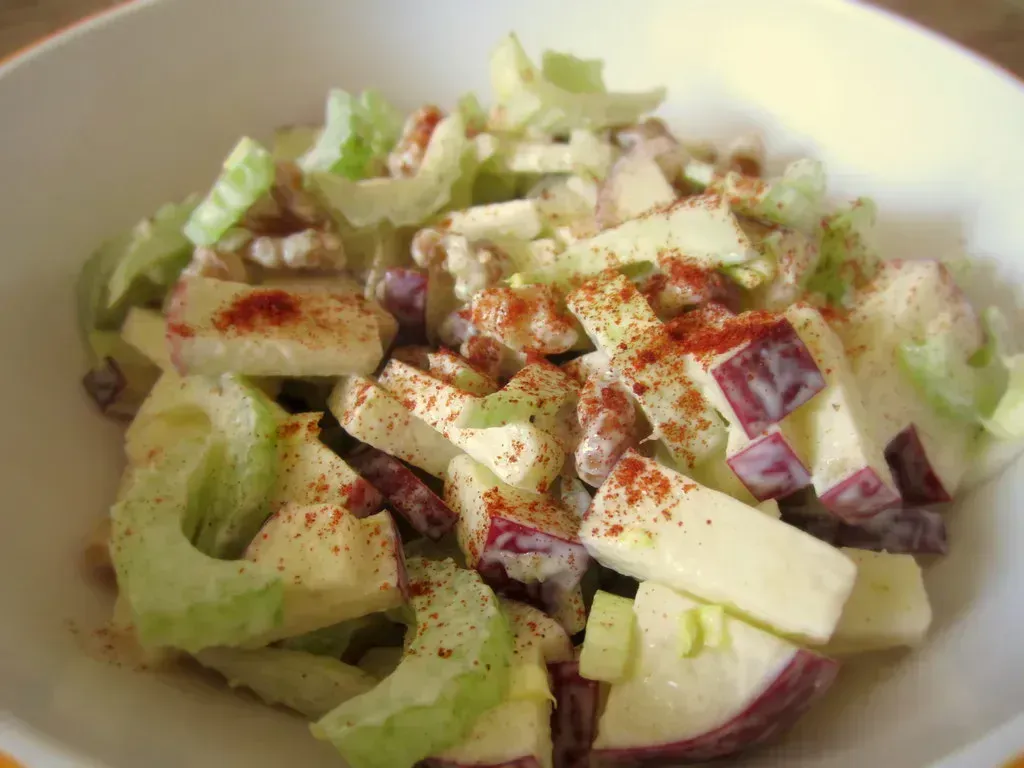
Waldorf salad was actually created by a chef at its namesake hotel in New York City in 1893 and the original recipe has just three ingredients: apples, celery and mayonnaise. This elegant salad became a symbol of refined dining and appeared on countless restaurant menus throughout the early and mid-twentieth century. In its original form it was made from chopped apples and celery bound together with mayonnaise, but through the years home cooks and even the Waldorf have tweaked the recipe with all manner of extra ingredients. Despite its illustrious pedigree, Waldorf salad has virtually disappeared from restaurant menus. The sweet fruit and crunchy vegetable combination bound with mayonnaise feels decidedly old-fashioned to modern diners seeking lighter, less mayo-heavy salads.
Tuna Noodle Casserole
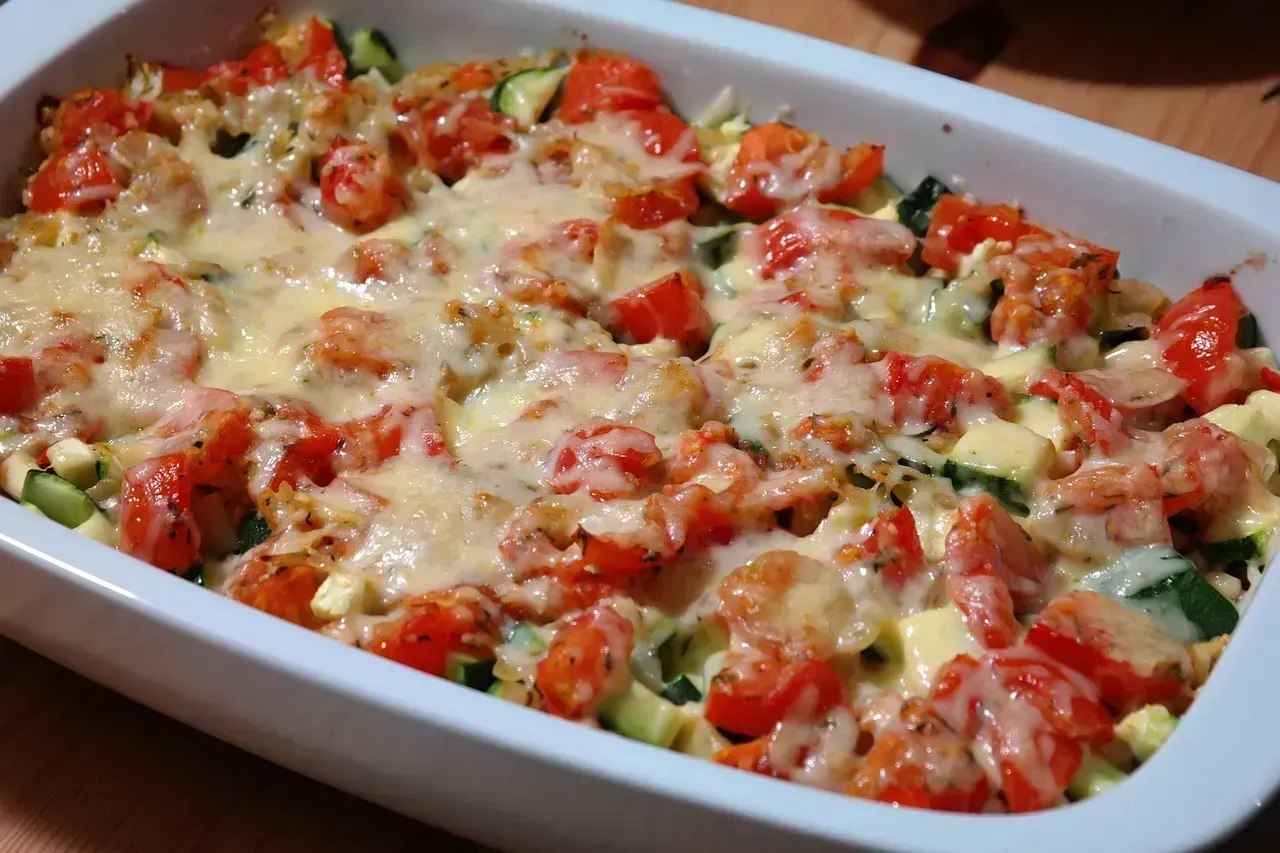
Tuna noodle casserole was once a regular midweek fixture, whipped up using pantry staples and canned goods, a mixture of pasta, Campbell’s cream of mushroom soup, frozen peas, tuna and breadcrumbs. This budget-friendly dish fed millions of American families through economic ups and downs. It embodied everything practical about mid-century cooking: inexpensive, filling, and made from shelf-stable ingredients. While tuna salad and tuna sandwiches are still gracing homes across the country, tuna casserole has all but vanished. The rise of fresh food movements and skepticism toward canned soups contributed to its decline. Today’s families opt for fresher ingredients and less processed meals, leaving this casserole queen gathering dust in vintage cookbooks.
Baked Alaska
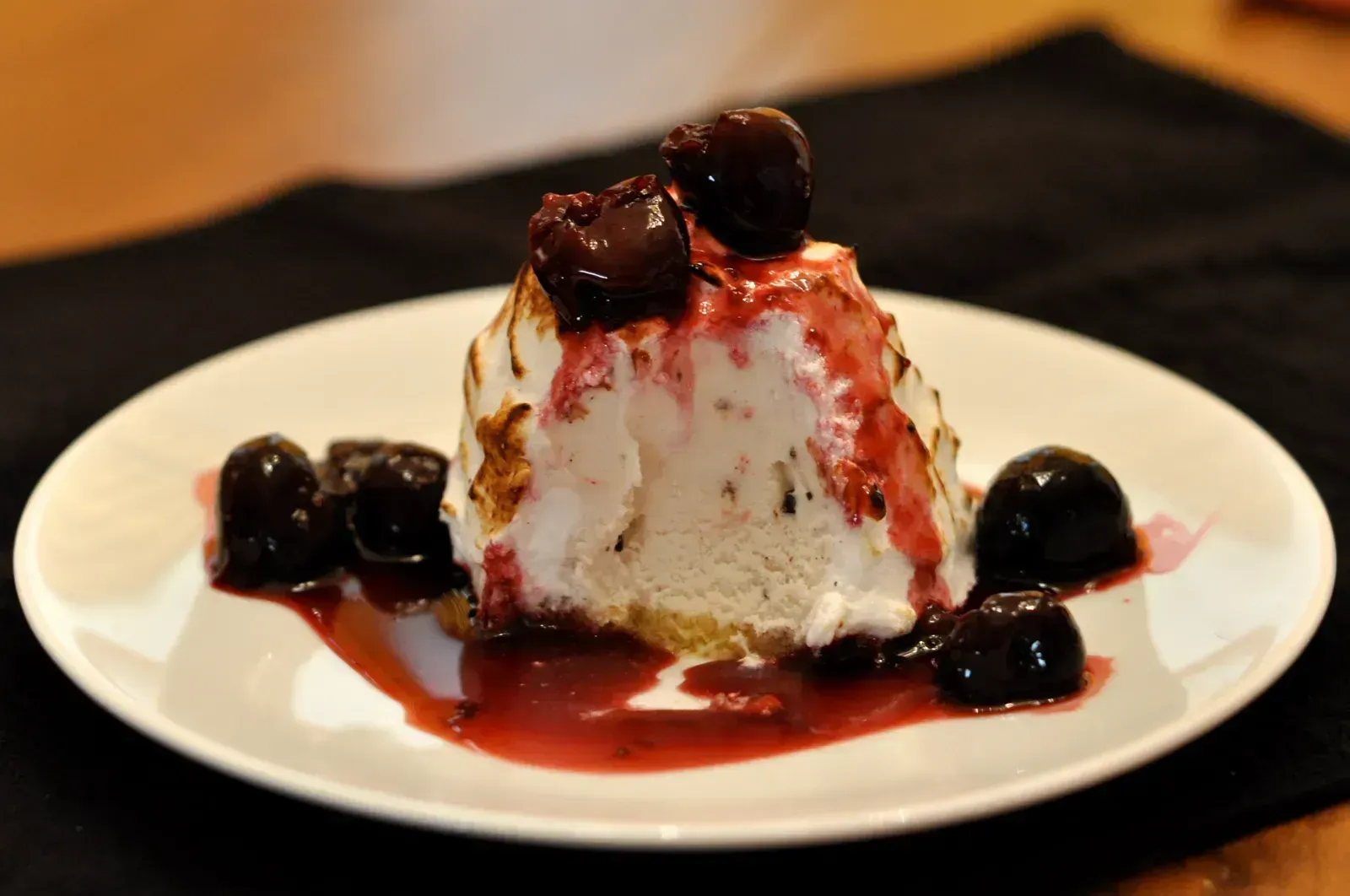
Few desserts captured mid-century American showmanship quite like baked Alaska. It’s nowhere near as popular as it was back in the 1960s, and it consists of a sponge cake topped with ice cream and smothered in meringue, baked in the oven and often served at the dinner table in flames, and a baked Alaska is impressive to serve and even more impressive to bake. The dramatic presentation of ice cream somehow surviving oven heat under a protective meringue blanket amazed dinner guests for generations. Restaurants once prepared this theatrical dessert tableside with great fanfare. However, the labor-intensive preparation and dramatic presentation requirements mean almost no modern restaurants bother with it anymore. Simpler desserts have taken its place, and the wow factor that once made baked Alaska special has been replaced by other culinary innovations.
Porcupine Meatballs
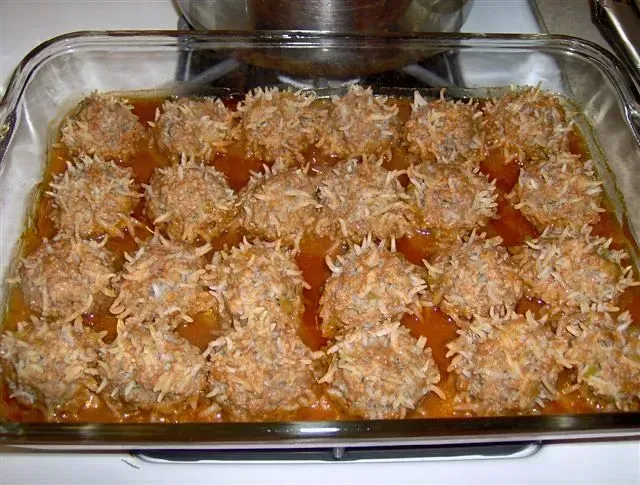
The name comes from the inclusion of long-grain rice, which tends to poke out of the meatballs much like quills when cooked, and gives them an appealing chew as well. These charming meatballs simmered in tomato sauce represented economical cooking at its finest. Slow Cooker Porcupine Meatballs revive a forgotten dinner where rice-stuffed meatballs simmered all day in a rich tomato sauce, they were easy to stretch, made from pantry basics, and fed everyone from toddlers to grandparents. Despite their practicality and kid-friendly appeal, porcupine meatballs have largely disappeared from restaurant menus and even home kitchens. The quirky name and humble ingredients couldn’t compete with fancier meatball preparations that dominate today’s gastropub scene.
Liver and Onions
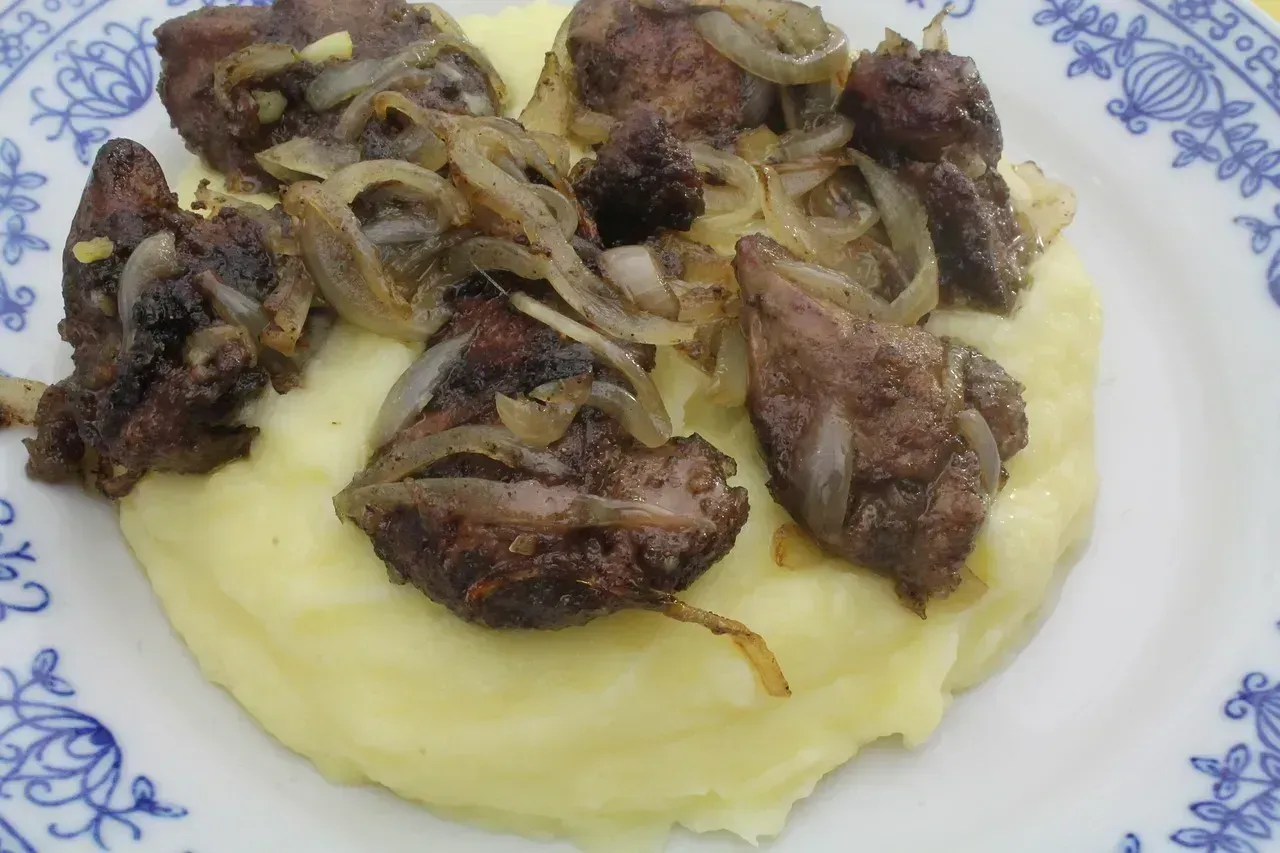
Organ meats once held a prominent place in American cuisine, with liver and onions leading the charge. Diners across the country served this iron-rich dish as a regular menu item, often recommended for its nutritional benefits. Pan-fried liver smothered in caramelized onions was considered both economical and wholesome. Modern American palates have largely rejected organ meats in favor of muscle cuts. The strong, distinctive flavor of liver simply doesn’t appeal to contemporary diners raised on milder proteins. They also ate a lot more parts of the animal than we do now, including organ meats and other goodies. Finding liver and onions on a menu today requires searching out old-school diners willing to cater to nostalgic older customers.
Chicken Kiev
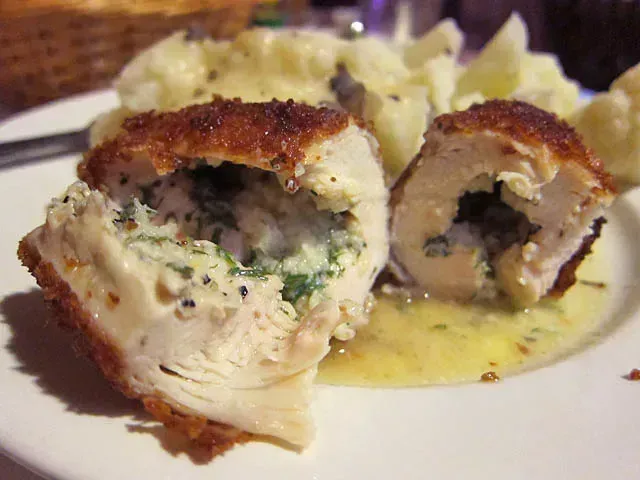
Another classic stuffed chicken dish was chicken Kiev, chicken breasts are coated with breadcrumbs and stuffed with garlic butter, and you likely won’t find this dish at one of the best fried chicken places in America. This elegant preparation once graced upscale restaurant menus and ambitious home dinner parties throughout the seventies and eighties. The dramatic moment when diners cut into the breaded chicken breast and hot garlic butter spurted out created tableside theater. However, the labor-intensive preparation and the messy butter explosion made it impractical for modern restaurant service. Simpler chicken preparations have replaced this showstopper, leaving chicken Kiev as another casualty of changing culinary fashions.
Bananas Foster
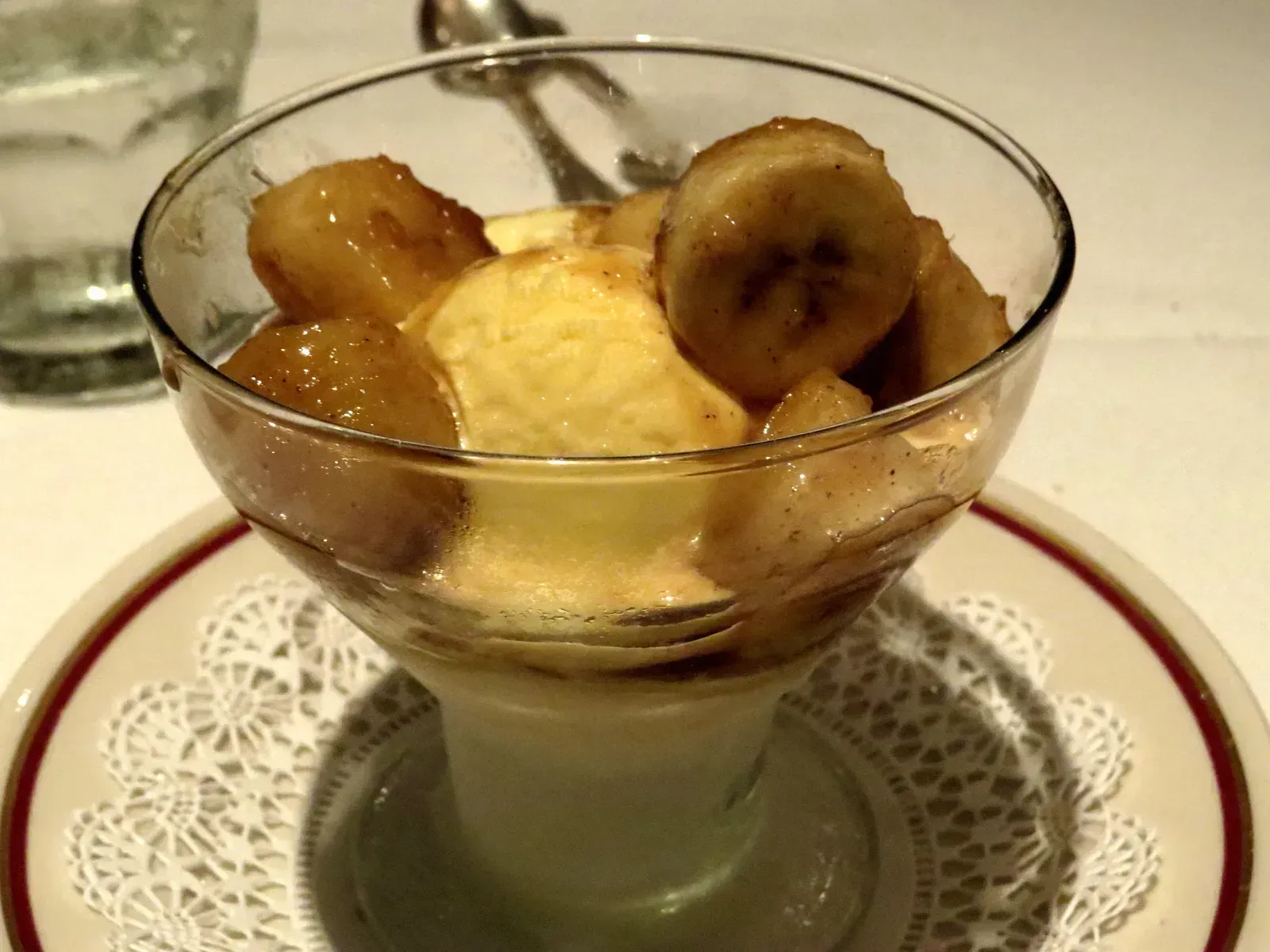
In the early 1950s, New Orleans was a major import hub for bananas, and a chef at local restaurant Brennan’s was challenged to invent a dish using the fruit, his creation – bananas flambéed with brown sugar, butter, cinnamon, dark rum and banana liqueur, and served with ice cream – was a roaring success. This spectacular flaming dessert once represented the pinnacle of restaurant showmanship. Bananas Foster is still served at Brennan’s today, but we’d like to see it brought back everywhere. The theatrical tableside preparation captivated diners and made special occasions feel truly memorable. Insurance concerns, fire safety regulations, and the skill required for proper tableside flambé service have made this dessert nearly extinct outside its New Orleans birthplace. Modern restaurants simply can’t justify the risk and training required for what amounts to a single dessert option.
Cheese Ball

James Beard declared the cheese ball completely American and encouraged home cooks to prepare them from scratch, and the best hosts would decorate the outsides of their cheese balls in chopped nuts or go really wild and shingle whole almonds on the outside to approximate the look of a pineapple or the scales of a fish. These molded cheese appetizers dominated party spreads throughout the sixties and seventies, often shaped into balls or logs and rolled in nuts or herbs. They represented entertaining elegance on a budget. While home cooks occasionally revive them for retro-themed parties, restaurants never touch them. Fresh cheese boards with artisanal selections have completely replaced the humble cheese ball. When we encounter a cheese ball served with crackers, amusing is exactly the word that comes to mind, although so does delicious. Still, it remains firmly in the category of nostalgic curiosity rather than respected culinary tradition.
These twelve dishes represent more than just forgotten recipes. They tell the story of how American food culture evolved from cream-heavy comfort classics to lighter, faster, and often fresher preparations. Some faded because they were too labor-intensive. Others simply couldn’t shake their association with TV dinners and budget cooking. What’s fascinating is how quickly culinary memory erases dishes that once seemed permanent fixtures on American tables. Did you expect so many classics to nearly vanish within just a few decades?