Global Data Reveals Where Rice Consumption Is Rising Fastest
Rice consumption patterns across the world tell a fascinating story of changing demographics, urbanization, and evolving dietary preferences. Recent data from 2024 and 2025 shows dramatic shifts in where people are eating more rice, with some regions experiencing unprecedented growth rates. The global appetite for this staple grain continues to expand, reaching new milestones and creating opportunities in unexpected markets.
Africa Leads Global Growth at Record-Breaking Pace
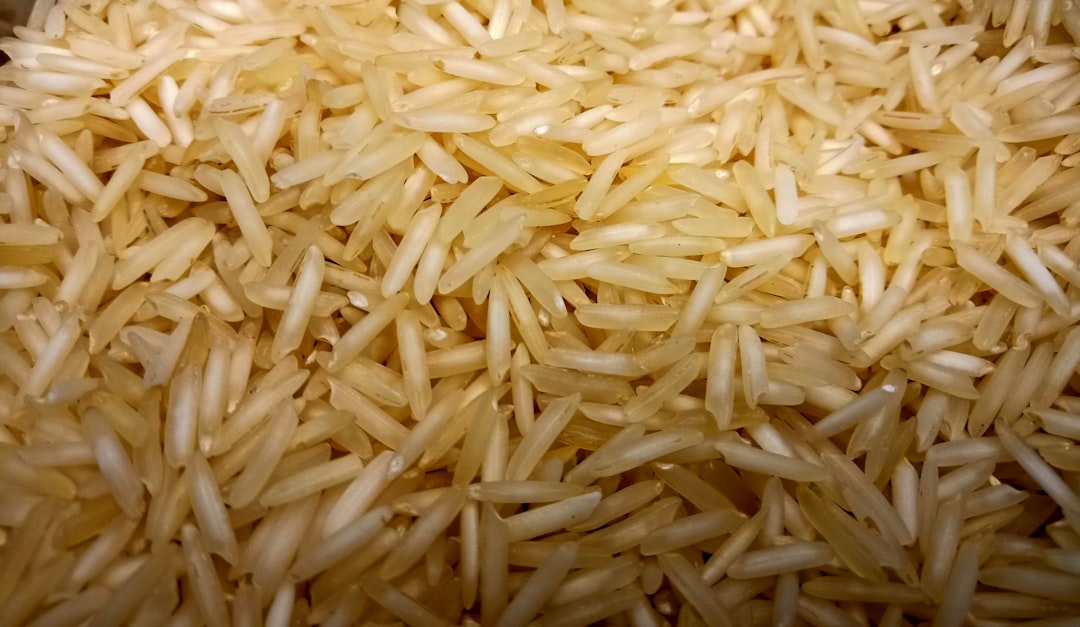
The Asia-Pacific region maintains market dominance in 2024, while Africa exhibits the highest growth rate, driven by enhanced domestic production and consumer demand. The Africa rice market size is estimated to have reached approximately USD 24.0 billion in 2025 and is projected to reach around USD 29.2 billion by 2030, reflecting an estimated 4.0% CAGR during the forecast period. This represents the fastest regional growth rate globally, as urbanization transforms rice from a luxury item into a daily necessity across the continent. The growing urban population in Africa is changing rice consumption patterns, transforming it from a luxury item to a daily staple food. Nigerian households now show rice consumption habits similar to traditional Asian rice-consuming nations.
Democratic Republic of Congo Shows Explosive Consumption Surge
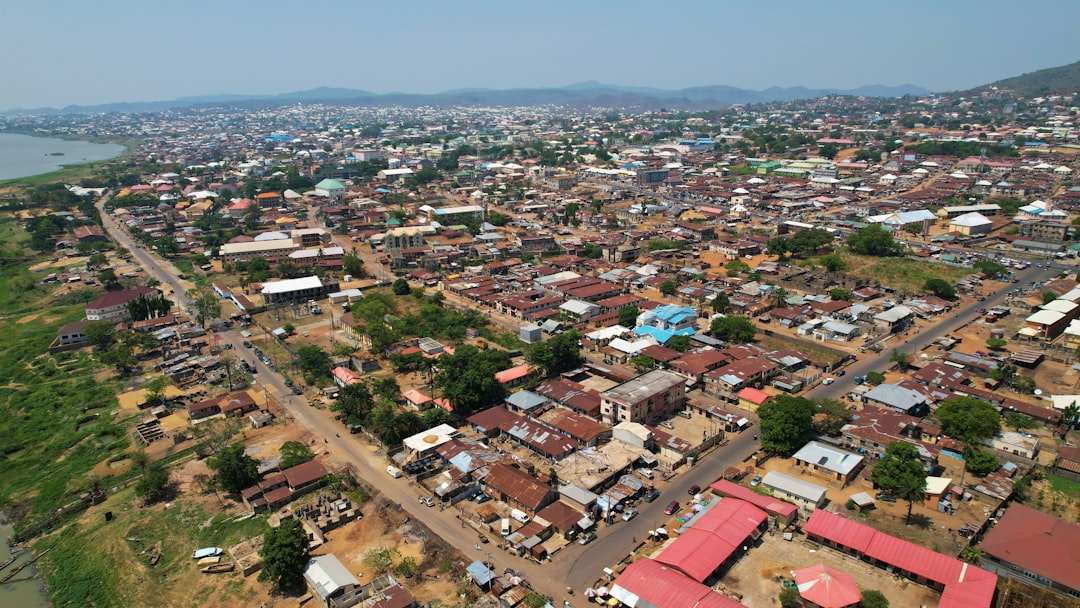
Within Africa’s impressive growth story, one country stands out dramatically. The market shows varying growth patterns across countries, with Democratic Republic of Congo reportedly experiencing the fastest consumption growth at an estimated +7.7% CAGR. This remarkable expansion reflects the country’s rapidly changing food landscape and urbanization trends. From 2013 to 2024, the most notable rate of growth in terms of consumption, amongst the key consuming countries, was attained by Democratic Republic of the Congo (with a CAGR of +7.7%), while consumption for the other leaders experienced more modest paces of growth. The growth represents millions of people shifting their dietary preferences toward rice as economic development creates new food choices.
Sub-Saharan Africa Targets Historic Expansion by 2026
The momentum in Africa shows no signs of slowing down, with projections indicating even more dramatic changes ahead. The Sub-Saharan African countries are projected to witness the fastest growth in rice consumption in the coming years. The consumption in the region is projected to grow by an estimated 22% by 2026. This extraordinary growth rate far exceeds any other region globally, positioning Sub-Saharan Africa as the world’s most dynamic rice market. The expansion reflects fundamental shifts in agricultural policy, urban development, and dietary preferences across dozens of nations.
Nigeria Emerges as Continental Production Powerhouse

Nigeria’s rice story demonstrates how consumption growth drives domestic production investments. Nigeria stands at the top of Africa’s rice production chart in 2025, with production estimated at around 8.7 million tonnes during the 2024–25 season. This milestone reflects years of consistent public and private investment, with rice emerging as both a strategic food crop and a symbol of Nigeria’s push for agricultural self-reliance. By geography, Nigeria led with a 19% revenue of the Africa rice market share in 2024, and Tanzania is projected to expand at a 5.5% CAGR through 2030. The country’s success shows how rising consumption can stimulate entire agricultural value chains.
Tanzania Positions for Exceptional Growth Through 2030
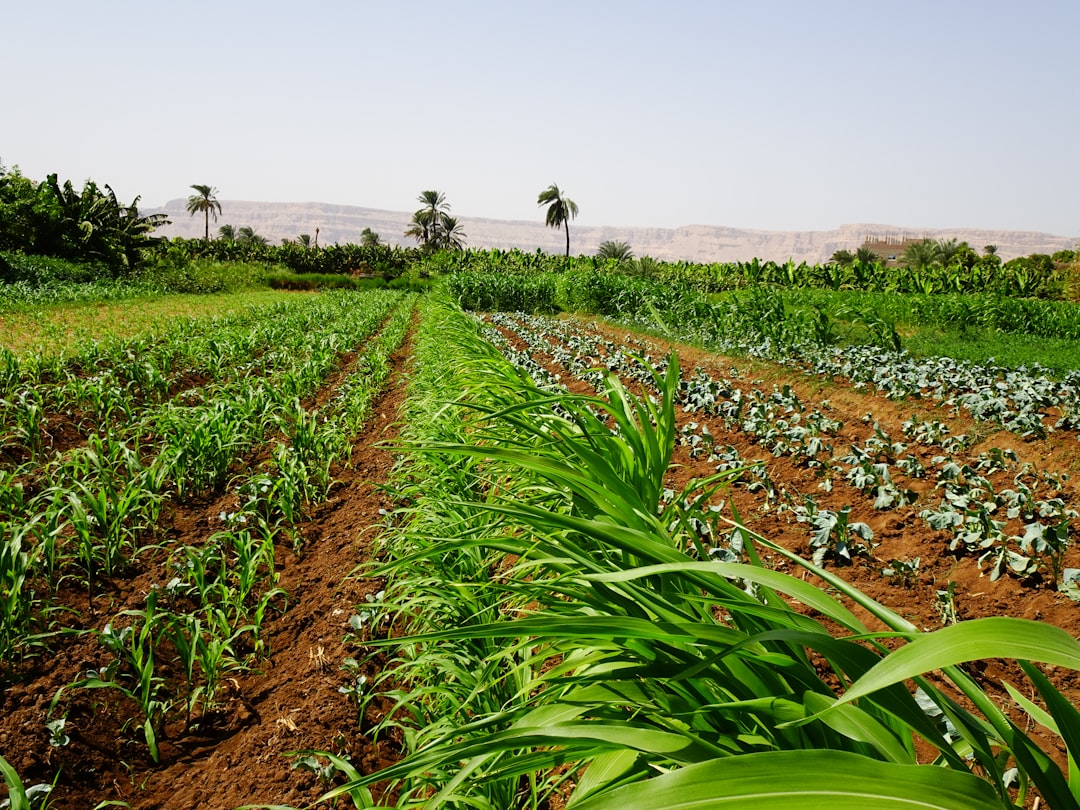
Tanzania represents another African success story, with infrastructure investments paying dividends in consumption growth. By geography, Nigeria led with a 19% revenue of the Africa rice market share in 2024, and Tanzania is projected to expand at a 5.5% CAGR through 2030. Tanzania’s transition to irrigation systems, backed by Chinese investment in agricultural infrastructure, represents a continental shift toward systematic water management. These investments create the foundation for sustained consumption growth as domestic production becomes more reliable and affordable.
Middle East Shows Steady but Significant Consumption Gains
While Africa dominates headlines, the Middle East demonstrates consistent consumption growth across multiple markets. In Iran, rice consumption expanded at an average annual rate of +2.2% over the period from 2013-2024. In the other countries, the average annual rates were as follows: Iraq (+1.9% per year) and Saudi Arabia (+1.8% per year). The country with the largest volume of rice consumption was Iran (4.6M tons), accounting for 39% of total volume. Moreover, rice consumption in Iran exceeded the figures recorded by the second-largest consumer, Iraq (2.2M tons), twofold. Saudi Arabia (1.5M tons) ranked third in terms of total consumption with a 13% share. This sustained growth reflects stable economic conditions and consistent dietary preferences.
Gulf States Achieve Highest Per Capita Consumption Rates

The Gulf region showcases remarkable per capita consumption figures that rival traditional rice-eating nations. The countries with the highest levels of rice per capita consumption in 2024 were Oman (69 kg per person), Qatar (68 kg per person) and the United Arab Emirates (58 kg per person). From 2013 to 2024, the biggest increases were recorded for the United Arab Emirates (with a CAGR of +7.4%), while consumption for the other leaders experienced more modest paces of growth. These extraordinary consumption levels reflect the region’s multicultural populations and high disposable incomes supporting diverse dietary choices.
Asia-Pacific Maintains Dominance Despite Slower Growth
While other regions surge ahead in growth rates, Asia-Pacific continues to represent the world’s largest rice consumption base. China and India, which both account for 50% of total rice consumption globally, have a consumption volume of 192.8 million tonnes and 140.3 million tonnes, respectively. By geography, Asia-Pacific commanded 83% revenue in 2024, and Africa is projected to expand at 4.2% CAGR to 2030. Though growth rates have moderated, the absolute volumes remain staggering and continue to set global market conditions.
Global Consumption Projected to Reach Historic Highs
The combined effect of regional growth patterns points toward unprecedented global consumption levels. For instance, according to the United Nations Food and Agriculture Organization (FAO), global rice consumption is projected to reach approximately 525 million metric tons in 2025, driven by rising demand in developing nations. In the 2023/24 crop year, about 523.8 million metric tons of rice were consumed worldwide, up from 437.18 million metric tons in the 2008/2009 crop year. These figures represent the culmination of consumption growth across multiple continents and demographic segments.
Market Value Growth Reflects Consumption Expansion
Rising consumption translates directly into substantial market value increases across key regions. The rice market attained USD 455.2 billion in 2025 and is projected to reach USD 572.7 billion by 2030, registering a CAGR of 4.7%. The African Export-Import Bank (Afreximbank) has projected that Africa’s rice market will grow from an estimated $24 billion in 2024 to $29.2 billion by 2030, reflecting a compound annual growth rate (CAGR) of 4 per cent. These market valuations underscore how consumption growth creates significant economic opportunities across entire value chains, from producers to retailers.
The data reveals a fundamental shift in global rice consumption patterns, with Africa leading unprecedented growth rates while traditional markets in Asia maintain their massive scale. Demand quadrupled from around 10 Mt to 40 Mt between 1990 and 2018 due to rapid population growth and dietary shifts (from 7% to 9% of the caloric intake). This transformation reflects broader changes in urbanization, economic development, and food security policies that are reshaping how billions of people eat. The implications extend far beyond agriculture, influencing trade relationships, infrastructure development, and food security strategies across continents.