Inspectors Warn: 10 Electrical Add-Ons That Are Illegal – Yet Still Common
You’d be shocked to learn how many homeowners think they’re being handy when they’re actually committing serious electrical code violations. Some of these so-called upgrades seem harmless on the surface. Maybe you tapped into an existing circuit, used an extension cord as permanent wiring, or swapped out a breaker to stop it from tripping.
Thing is, inspectors see this stuff all the time. These illegal upgrades can void insurance coverage, create fire hazards, and lead to serious penalties if discovered during inspections. According to data from recent years, electrical fires are the source of over 50,000 fires each year, with an estimated 295 deaths, 900 injuries and over $1.2 billion in property loss.
Let’s be real here. What you think is saving you a few bucks on an electrician might cost you everything if it sparks a fire or gets flagged during a sale. I know it sounds dramatic, yet house fires caused by electrical malfunctions are no joke.
Using Extension Cords as Permanent Wiring
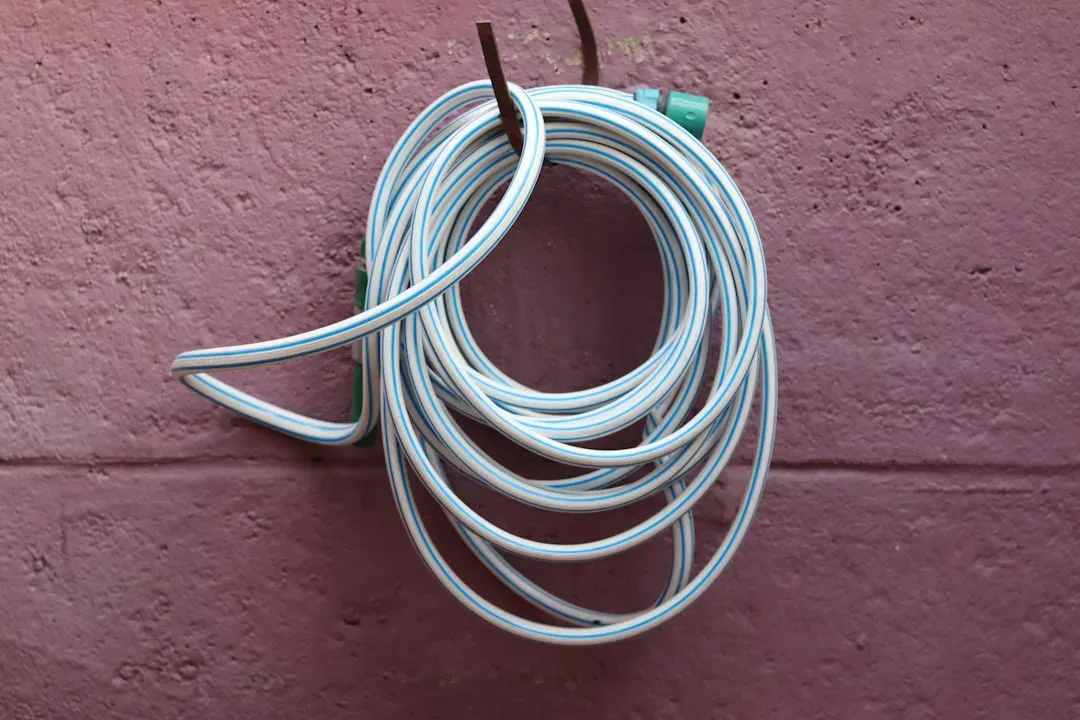
This one tops almost every inspector’s list. Extension cords are designed for temporary use and lack the insulation and load capacity needed for long-term power delivery, and fire investigators have repeatedly linked permanent extension-cord setups to overheating and house fires. People run them under carpets, through walls, or across attics to power everything from garage door openers to outdoor lights. U.S. codes require fixed wiring to be installed in approved conduit, raceways, or walls.
The issue isn’t just code compliance. Extension cords aren’t built to handle constant current flow over extended periods. They heat up. Insulation degrades. Then connections arc and ignite.
Double-Tapped Circuit Breakers
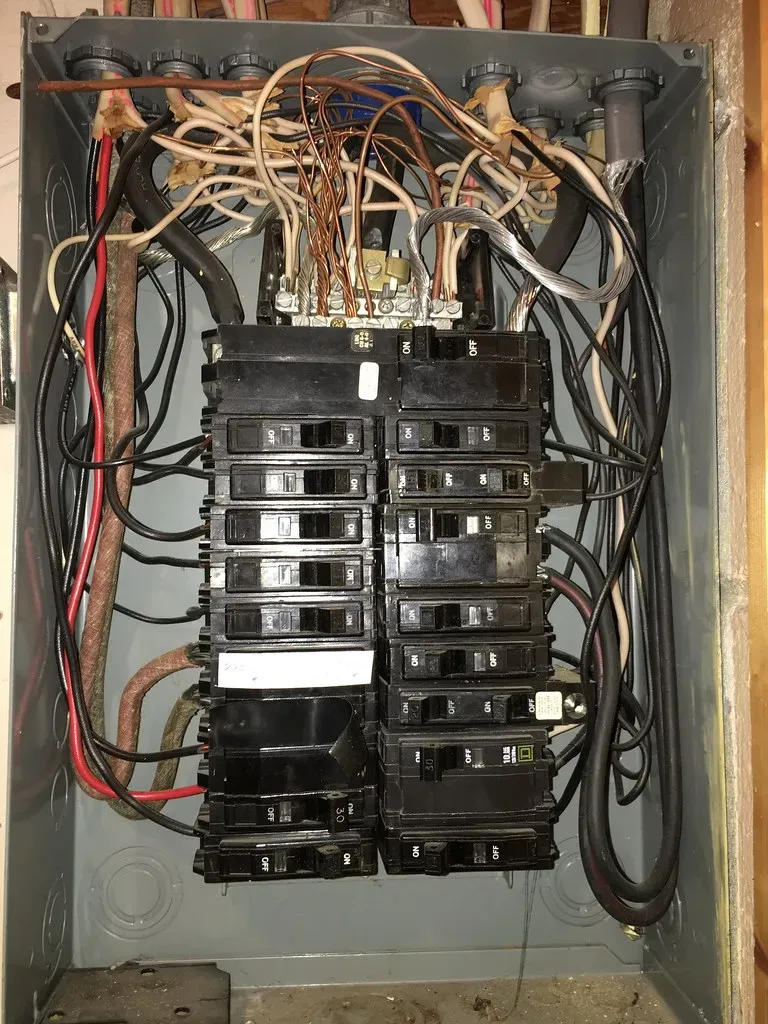
Double-tapped circuit breakers are one of the most common electrical defects that home inspectors find. This happens when two wires are connected under one terminal on a breaker designed to hold only one. Most breakers aren’t rated for two conductors unless specifically labeled. The National Electrical Code states that listed or labeled equipment shall be installed and used in accordance with any instructions included in the listing or labeling.
This practice is considered a code violation in most jurisdictions and poses several risks including the potential for electrical fires; when two wires are connected to a single breaker terminal, the combined electrical load from both wires may exceed the capacity of the breaker, causing it to trip frequently or not trip at all when it should. Honestly, if you see two wires jammed under one screw at your panel, call an electrician immediately.
Oversized Circuit Breakers for Wire Gauge
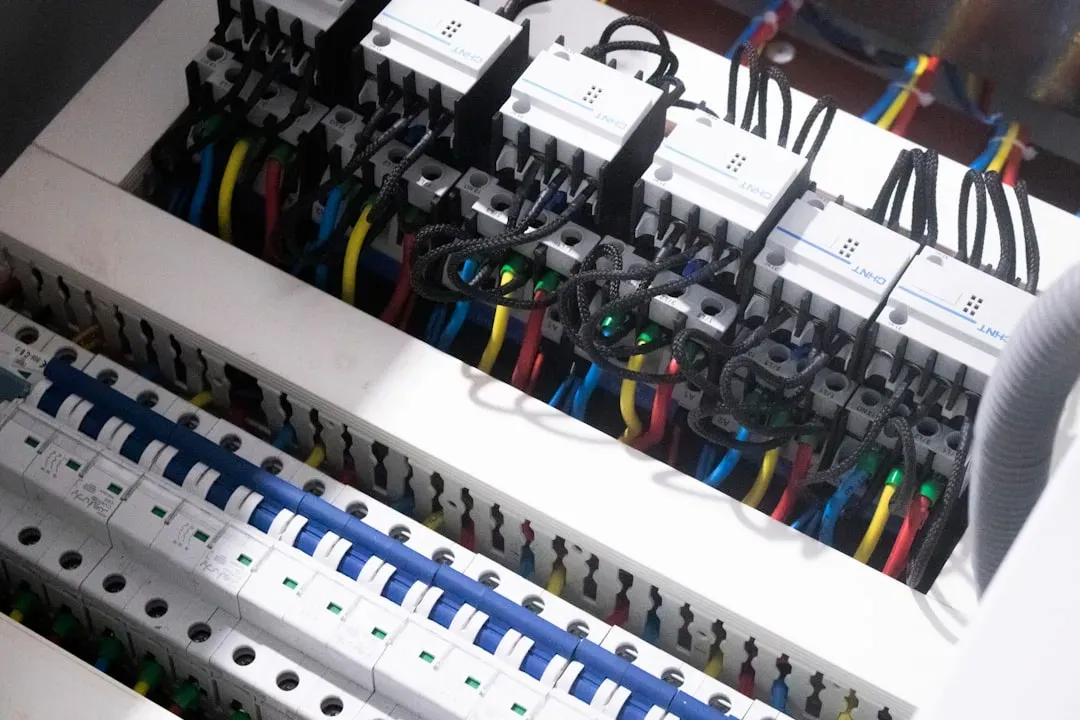
Some homeowners get frustrated with breakers that keep tripping, so they solve the problem by installing a larger breaker. Seems logical, right? Replacing a 15-amp breaker with a 20- or 30-amp breaker to “stop tripping” is illegal and extremely dangerous, as this allows wiring to carry more current than it was designed for, dramatically increasing fire risk.
DIYers aggravated by a constantly tripping fuse or breaker often hastily replace the offending breaker with a larger capacity breaker; in addition to being extremely dangerous, it is also illegal to have wrongly configured panels and is in direct violation of electrical codes; a breaker is matched to load capacity and wire size, and larger breakers allow more and more current to flow through before they trip, catch on fire or blow out your home’s electricity system. The wire overheats, insulation melts, and eventually everything goes up in flames.
Installing Outdoor-Rated Cable Indoors and Vice Versa
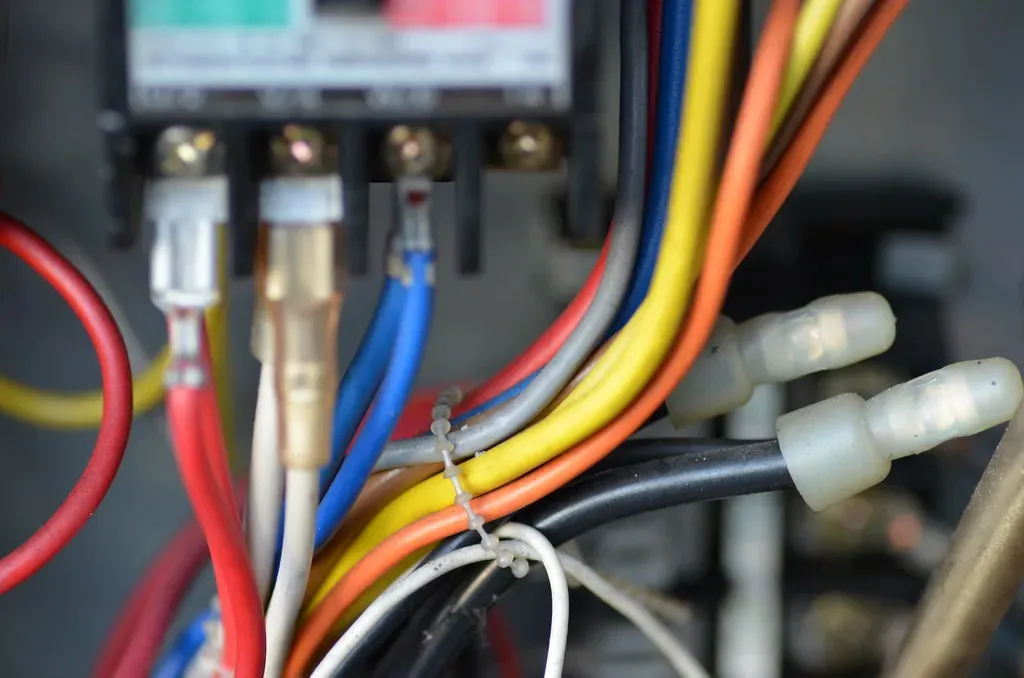
Romex is for indoor use only, and using it outside, under decks, across yards, or along fences exposes it to weather and physical damage, violating code. Conversely, people sometimes use outdoor conduit or cable types inside homes where they aren’t necessary or appropriate. Outdoor wiring must use approved weather-resistant conduit and cable types designed to withstand moisture and UV exposure.
Inspectors catch this constantly during resale inspections. UV rays break down the sheathing on Romex exposed to sunlight, leaving live wires vulnerable. Meanwhile, moisture seeps into improper indoor installations outdoors, corroding connections and creating shock hazards.
Skipping Permits on Major Electrical Work
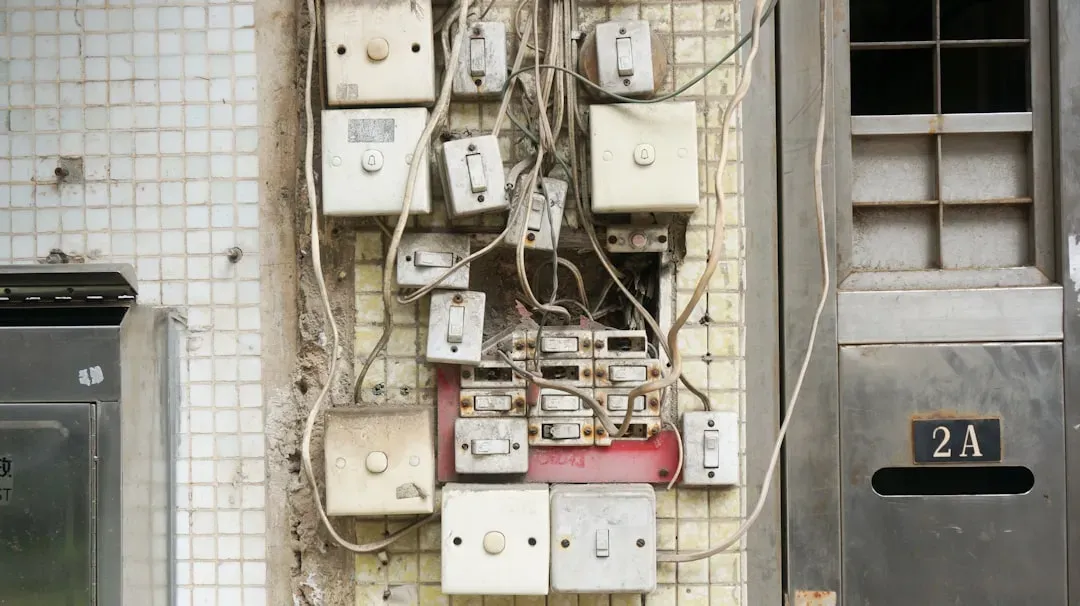
Certain types of in-home electrical wiring projects require permits, and one of the worst electrical code violations is the failure to take this crucial step, whether it’s due to a lack of awareness or an attempt to avoid the associated cost. Working on an electrical system without the required permit is illegal and can result in a hefty fine, and in some cases, you could still be forced to pay for the permit and then have the work redone by a licensed electrician.
Electrical work done without a permit can result in fines and is also a safety hazard, but if you’re only doing light repairs like replacing a receptacle or light switch you won’t need a permit. The distinction matters. Rewiring circuits, upgrading panels, or adding new circuits all need permits and inspections.
Installing Grounded Outlets Without Actual Grounding
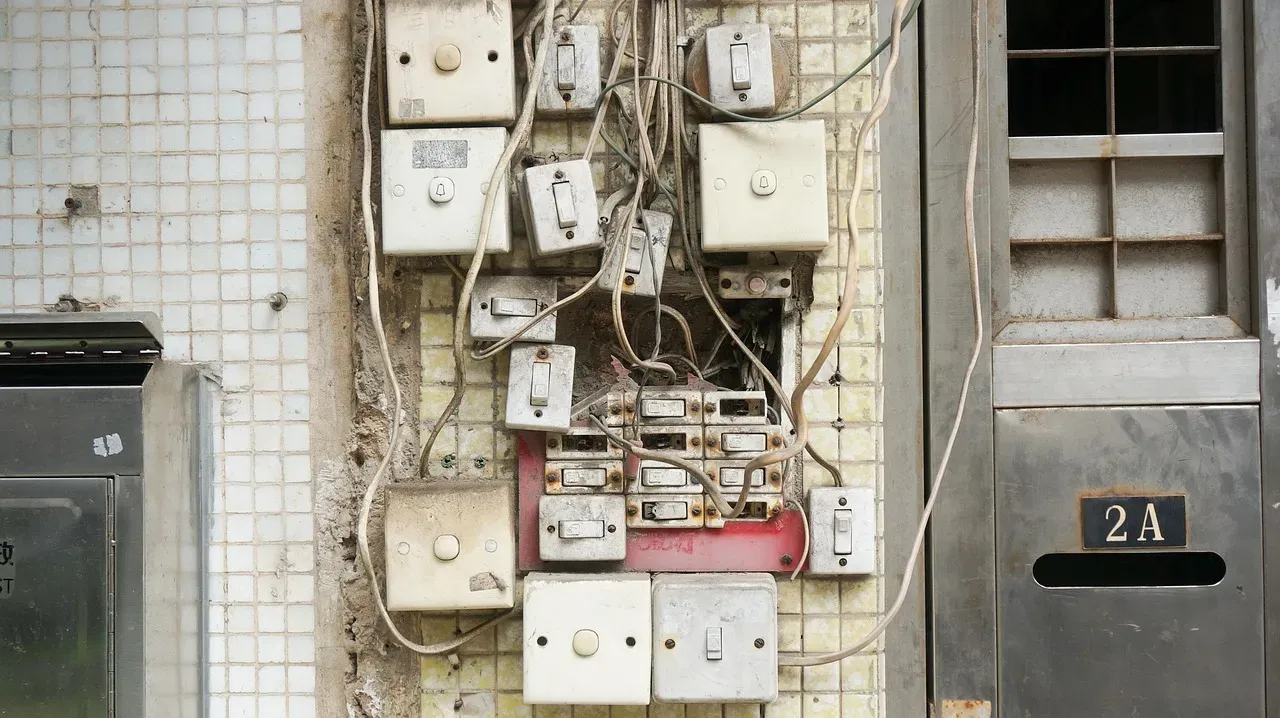
Some homeowners add outlets without connecting them to a grounded system, especially in older houses; ungrounded outlets violate electrical code and put users at risk of shock, especially when plugging in metal-cased appliances or electronics. Older homes with two-prong outlets often get “upgraded” to three-prong receptacles without any grounding wire actually being connected.
This creates a false sense of security. Your devices think they’re protected, insurance assumes the wiring is up to code, then something shorts out and nobody’s covered. Certified electricians emphasize grounding as essential for both surge protection and personal safety.
Missing GFCI Protection in Wet Locations
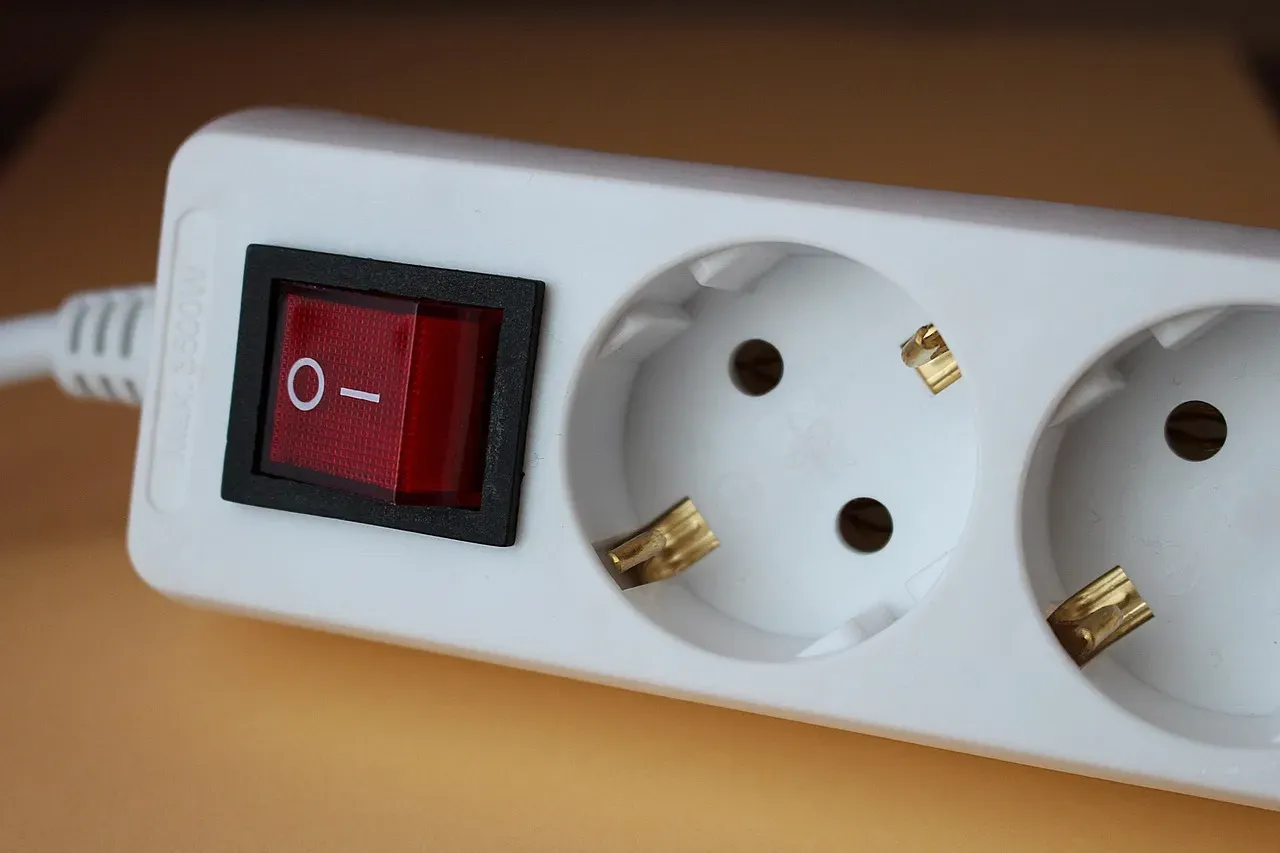
Ground Fault Circuit Interrupters (GFCIs) are required in areas like kitchens, bathrooms, and outdoor spaces, and code violations include failing to install GFCIs in wet locations. I think many people don’t realize how critical these are. Because GFCI requirements have expanded over time, many homes lack them where the NEC currently requires them.
NEC code 210.8 requires ground fault circuit interrupters (GFCIs) to be placed in a “readily accessible location,” as if a GFCI is stuck behind a heavy appliance, users won’t be able to reset the GFCI receptacles when they trip. This one’s a double violation if the GFCI is installed but impossible to access when it needs resetting.
Uncovered or Missing Junction Boxes
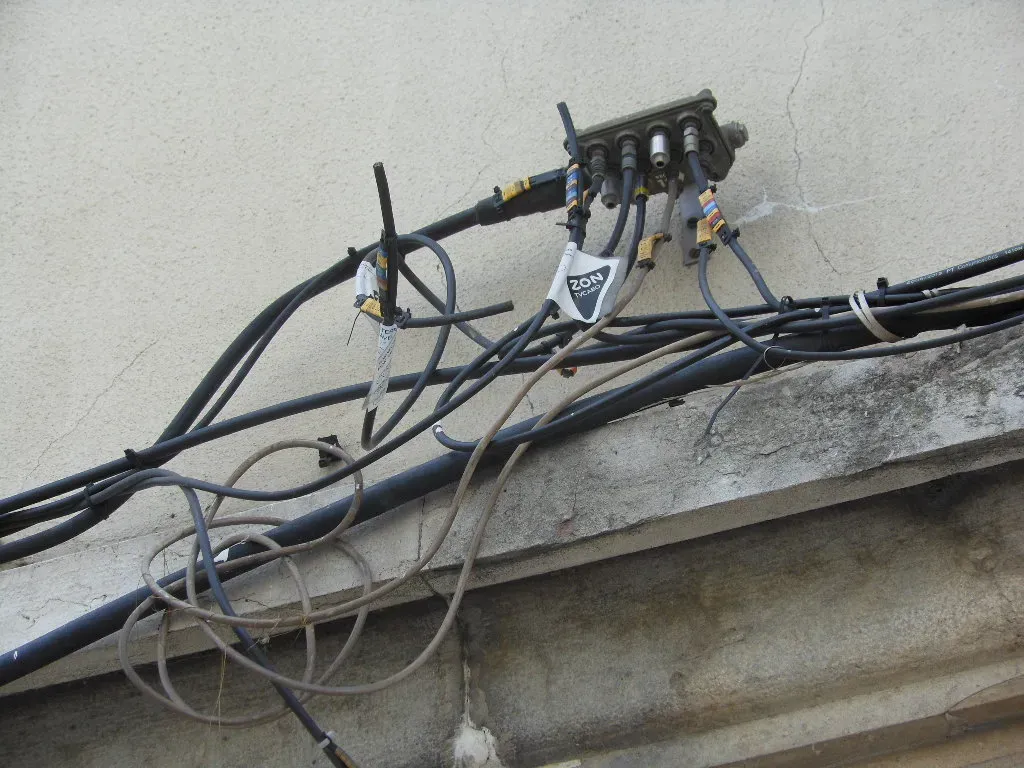
Junction boxes must be covered, and you can’t have splices made outside of a junction box. Inspectors routinely find open junction boxes in attics, crawl spaces, and behind walls. Sometimes there’s no box at all, just wires twisted together and wrapped in electrical tape.
When splicing wires, the connections must be inside a junction box that complies with the NEC standard; junction boxes provide vital protection for the connections that minimize the risk of fire; junction boxes must be placed in a visible location that enables easy access and they cannot be installed inside a wall. It’s hard to say for sure how many house fires start from buried junction boxes, though fire investigators know exposed splices are dangerous.
Improper Installation of Ceiling Fans on Light-Fixture Boxes
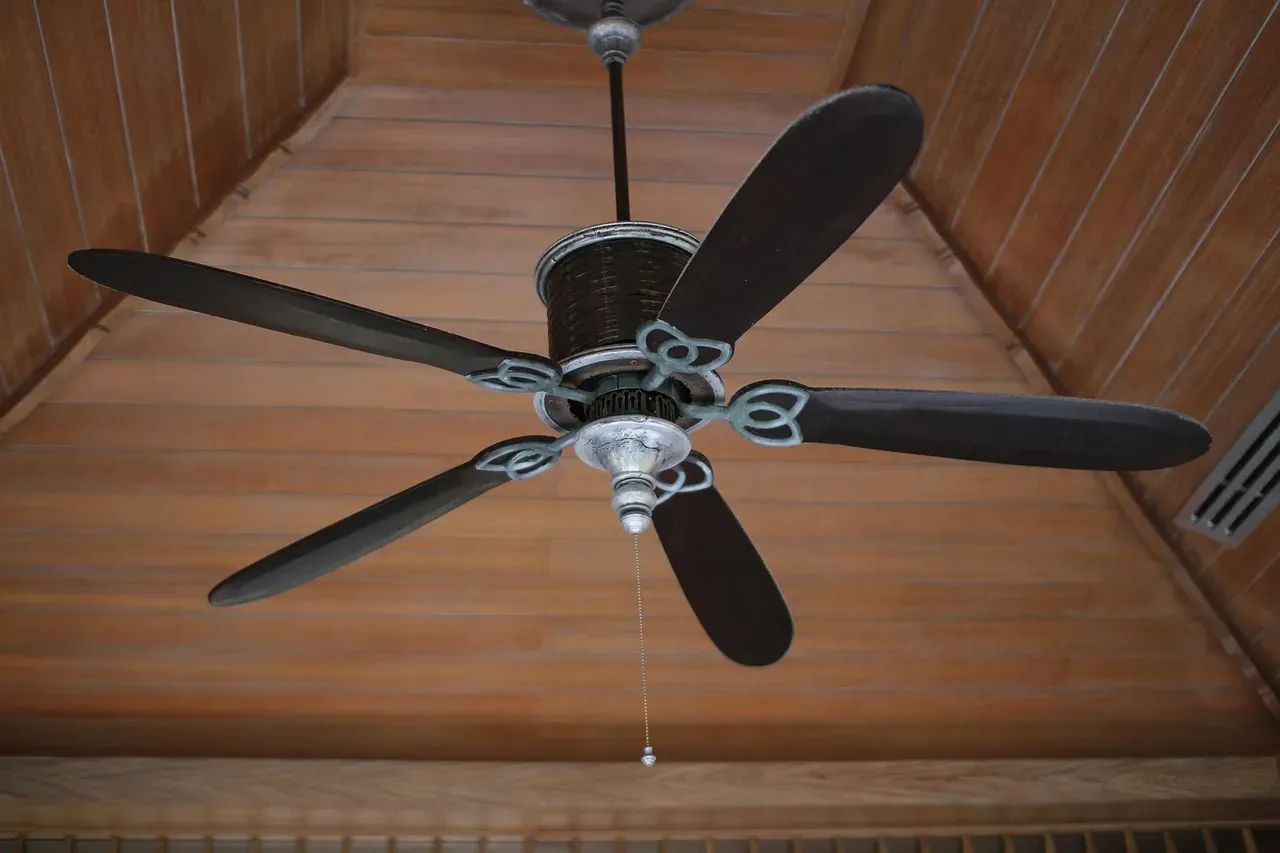
Some homeowners mount heavy ceiling fans to boxes designed only for light fixtures; electricians warn that these boxes cannot handle the weight or vibration of fans, and failures have caused injuries and structural damage; U.S. building codes specify fan-rated boxes for any overhead fan installation.
This seems innocent enough until the fan wobbles loose and crashes down. The boxes aren’t rated for the dynamic load or torque. Sure, it might hold up for a while, yet eventually the mounting screws strip out or the box itself pulls free from the framing.
Adding Circuits Without Checking Panel Capacity
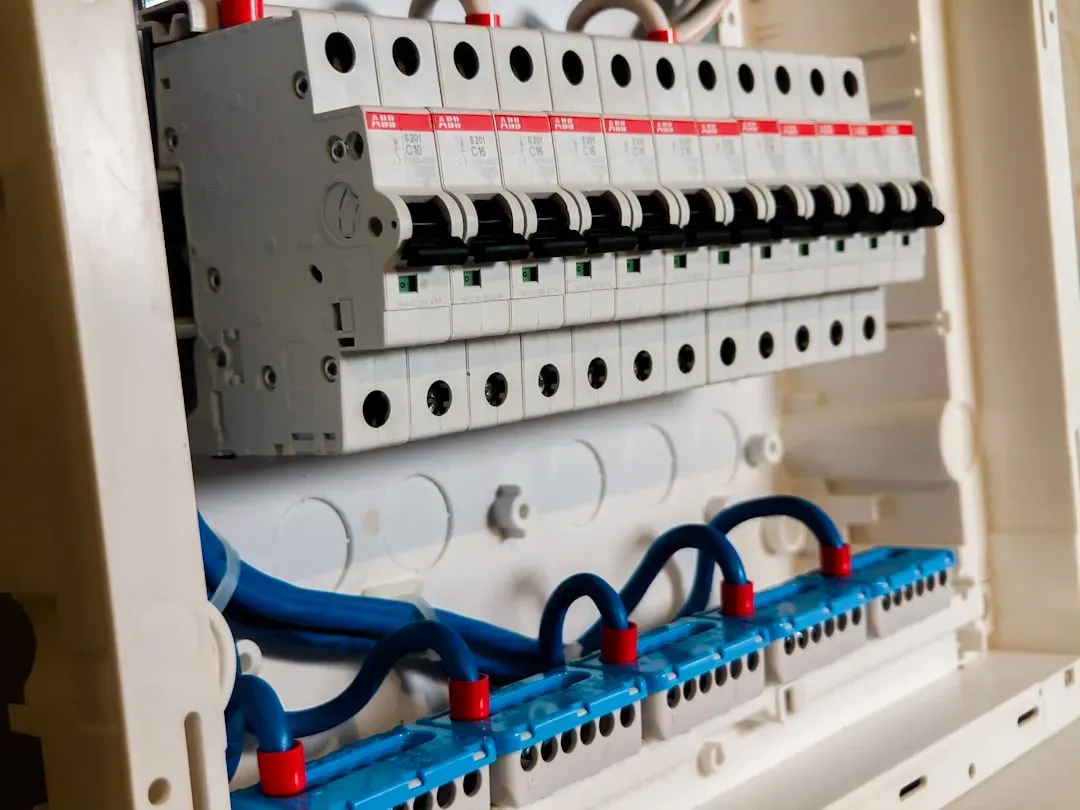
Electrical panels must be evaluated for available capacity before adding circuits, and unpermitted additions often overload panels, create unsafe heat buildup, and violate local codes; home inspectors frequently flag these illegal upgrades when homes are sold, sometimes requiring expensive corrections.
Issues with electrical panels are among the most critical violations, with common problems including overcrowded panels, incorrectly sized circuit breakers, and use of outdated panels that can’t handle modern energy demands. Panels aren’t infinitely expandable. Cramming in extra breakers without a load calculation is asking for trouble.