9 Everyday Foods That Don’t Taste Like They Used To
Ever bite into a tomato from the grocery store and think “this doesn’t taste like anything”? Or sip a Coca-Cola and wonder if something changed? You’re not imagining it. Many of our everyday foods genuinely taste different now compared to decades past. Let’s dig into nine common foods that have lost their original flavor profiles.
McDonald’s French Fries
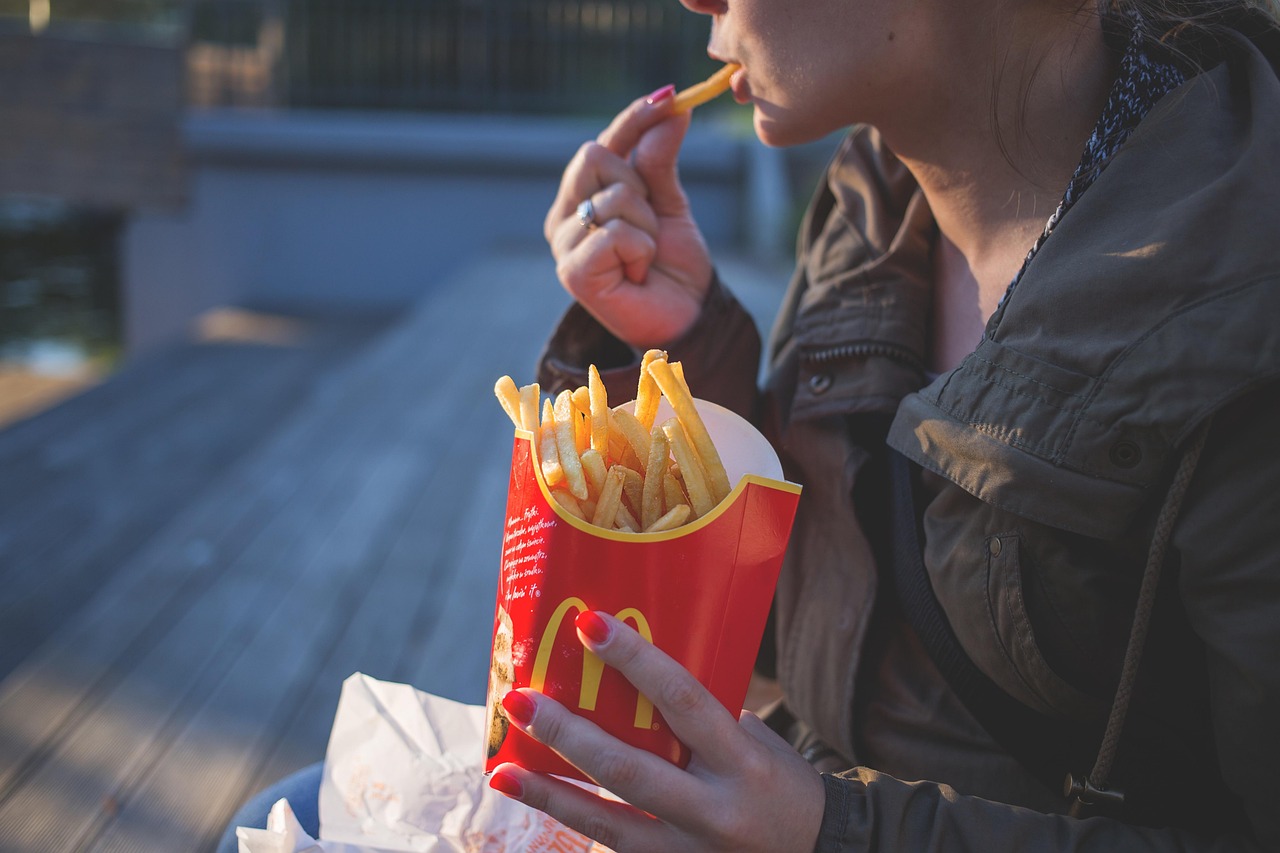
McDonald’s fries used to be legendary, and there’s a scientific reason why they don’t taste the same anymore. In McDonald’s early years, the fries were cooked in a combination of vegetable oil and beef tallow, but McDonald’s, Burger King, and Wendy’s all switched to other oils. The change happened in 1990 after businessman Phil Sokolof launched a massive campaign against cholesterol following his heart attack.
According to Atlas Obscura, “McDonald’s stock fell 8.3 percent” when they switched to 100% vegetable oil, and the newer fries were not necessarily healthier for consumers anyway due to trans fats. To this day, the elderly (people old enough to assess french fry taste pre-1990) swear that the fries taste worse now.
Tomatoes
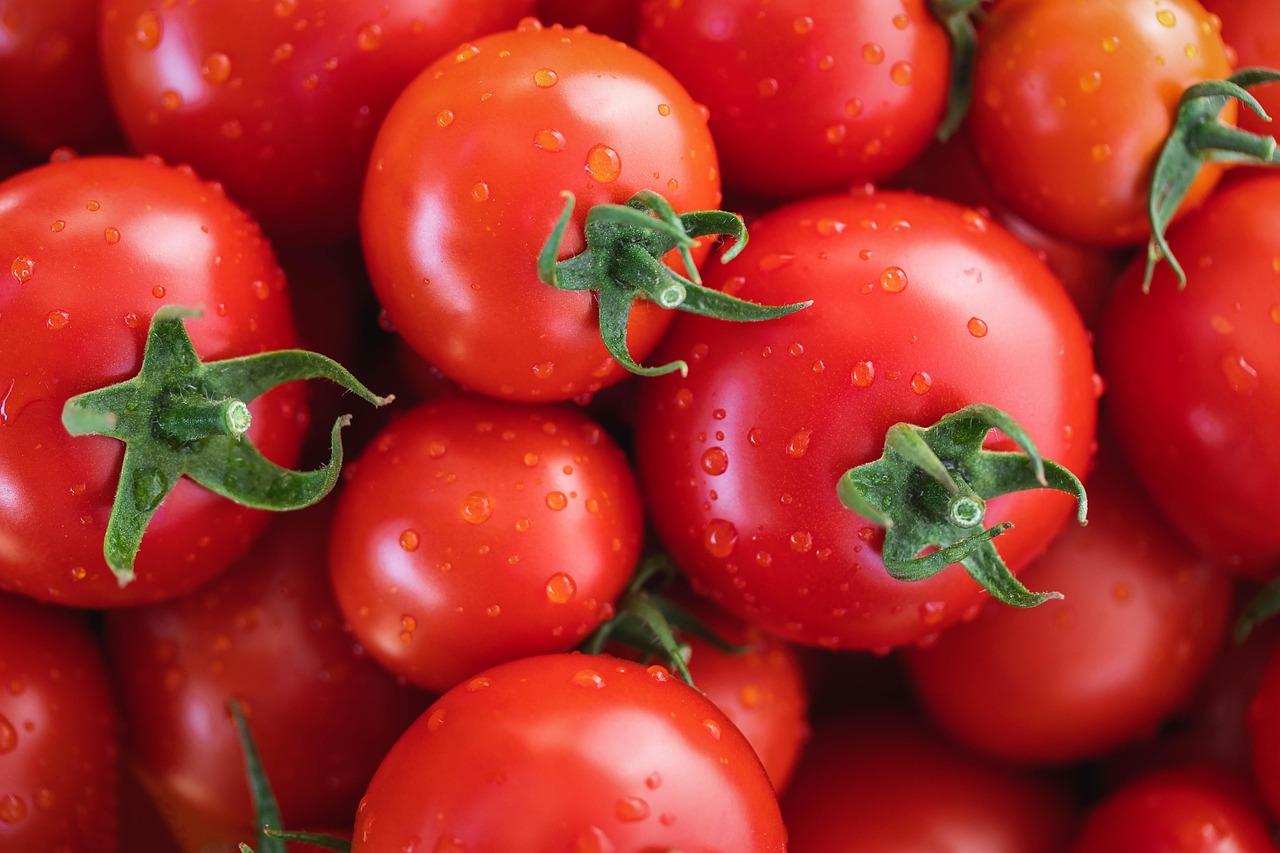
Plant breeders have improved traits of great importance to producers, including yield, size, shape, and disease resistance of fresh market tomatoes, but breeding for these traits resulted in an unintentional loss of tomato flavor. Research published in 2023 shows that modern fresh market tomatoes with a round shape, large size, red color, and disease resistance proved not to be enough to attract consumers as they are tasteless.
Modern tomatoes lack sufficient sugars and volatile chemicals critical to better flavor, and those traits have been lost over the past 50 years. The problem stems from growers being paid for the production quantity, not flavor quality, leading to limited interest in growing tomato varieties with good flavor, but lower yield.
Coca-Cola
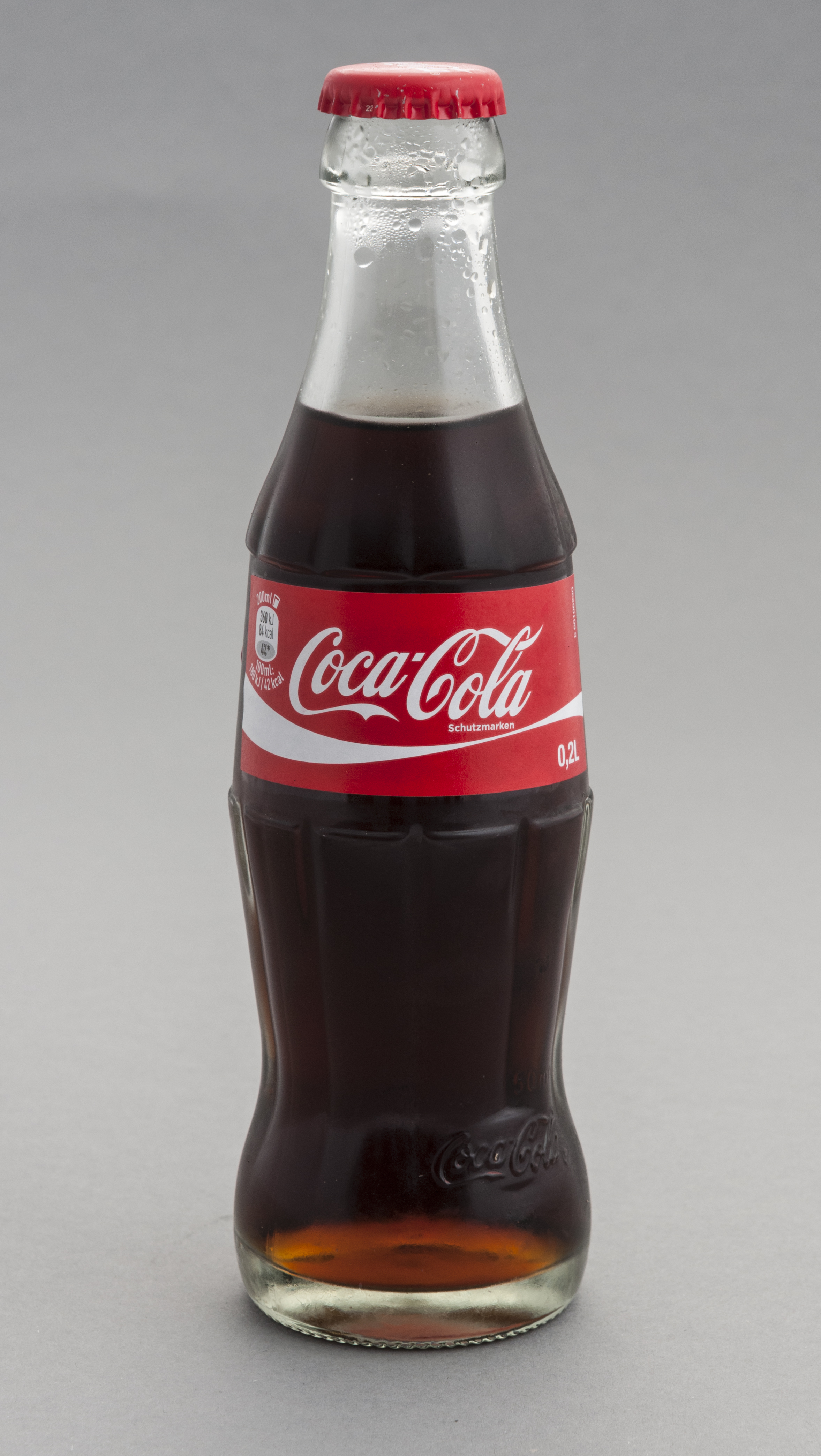
While Coca-Cola’s infamous “New Coke” disaster of 1985 only lasted a few months, the company has made quieter changes over the years. Around 2017, incoming Coca-Cola CEO James Quincey mentioned they had quietly removed a large percentage of the sugar from both Fanta and Sprite.
This was a test in Europe and Australia that also shaved 30 percent of the calories off Fanta, but there’s no word on whether the changes will happen in the U.S., though if history is any indication, they won’t tell us anyway. Even McDonald’s Sprite has changed in some locations, with Australian franchises making a full-time swap from regular Sprite to Sprite Zero Sugar without announcing the change to customers.
Chick-fil-A Chicken
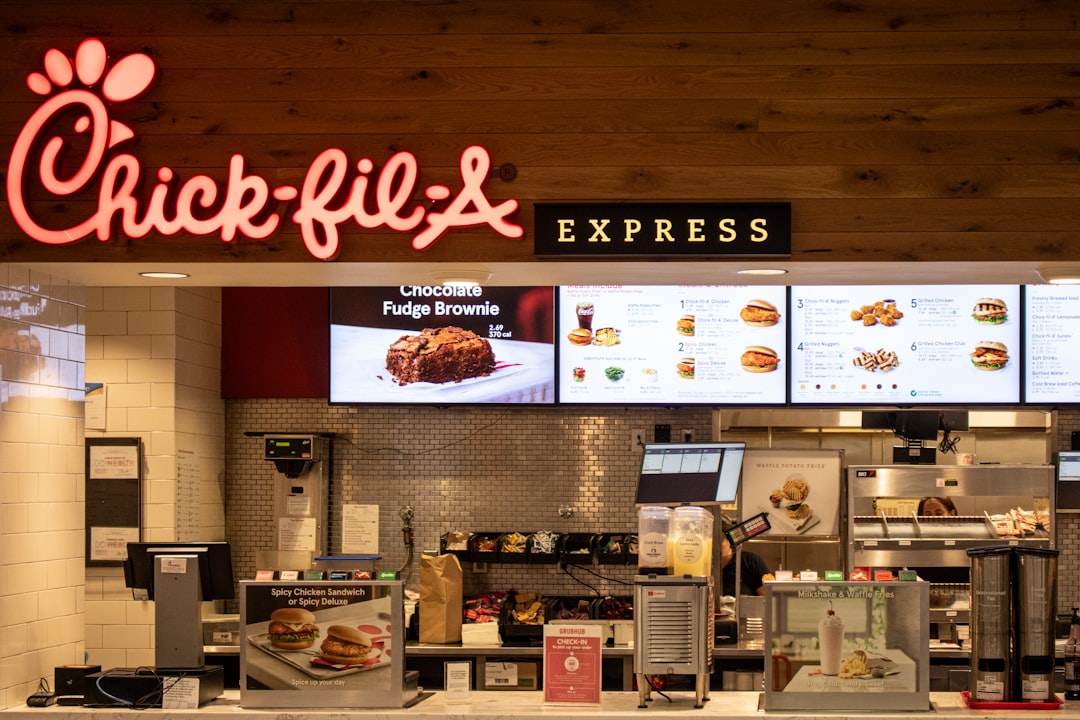
After a decade of its No Antibiotics Ever (NAE) pledge, Chick-fil-A announced in March 2024 a surprising shift, allowing the use of No Antibiotics Important To Human Medicine (NAIMH) chicken. This change marked the end of its long-standing commitment to sourcing only chickens that had never been given antibiotics during their upbringing.
The drastic change was made to “maintain supply of the high-quality chicken you expect,” according to a company statement. This represents a significant shift from their previous standards that many customers had come to expect from the chain.
Nutella
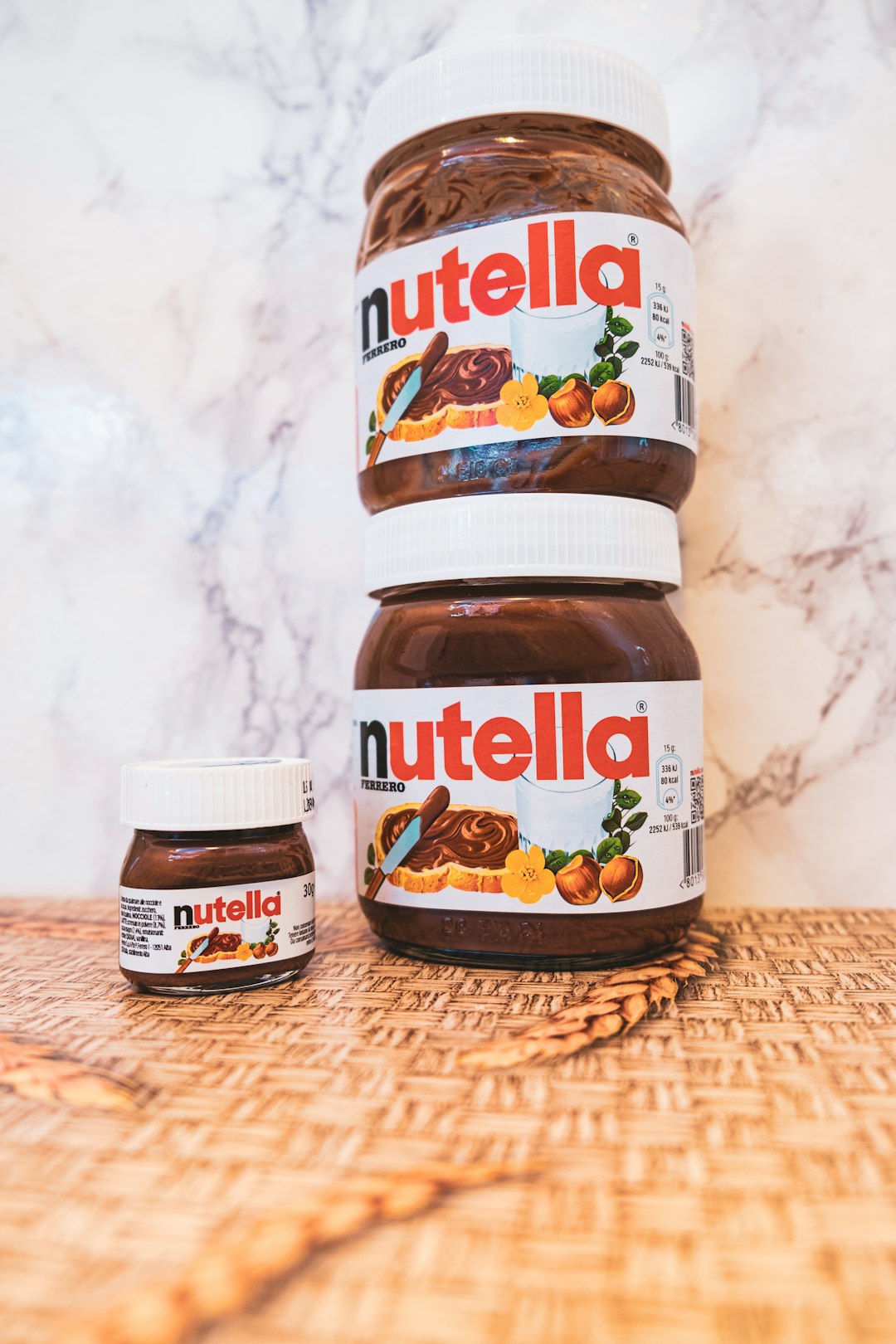
In 2017, Nutella’s manufacturer Ferrero quietly altered the recipe of the popular hazelnut spread by increasing the amount of powdered skim milk and reducing the amount of cocoa, but the change was quickly noticed by disgruntled fans. Many claimed that the new version was lighter in color and had a different texture and flavor compared to the original.
The change sparked significant backlash on social media, with consumers expressing their dissatisfaction with what they perceived as a cheaper, less chocolatey version of their beloved spread.
Kraft Mac and Cheese
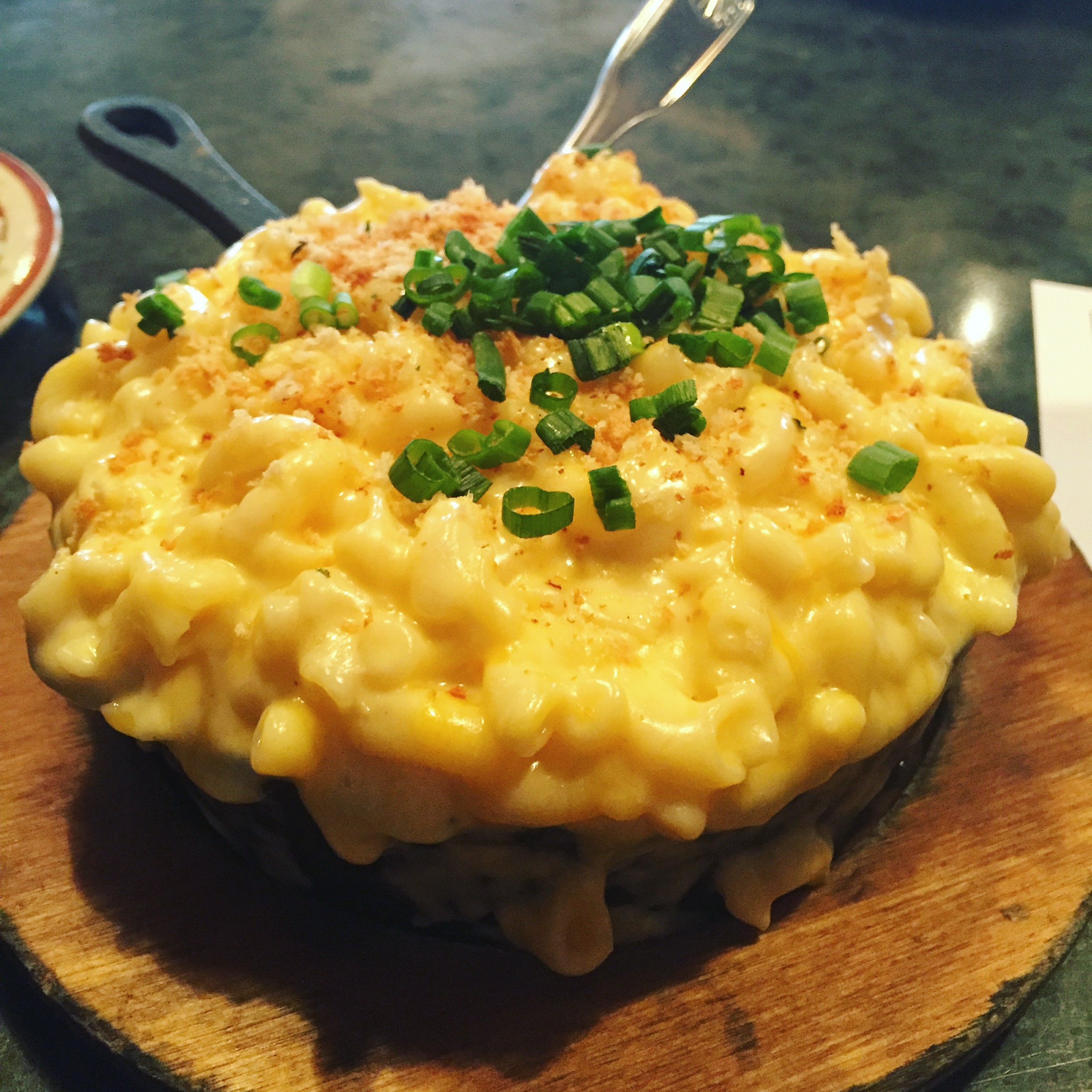
Kraft faced significant backlash in 2015 when it announced the removal of artificial dyes from its original formula. While the change was aimed at making the product healthier, some fans were concerned about how this would affect the flavor and appearance of their beloved mac and cheese.
Despite the company’s assurances, some customers claimed the new version tasted different and did not live up to the hype. The iconic bright orange color that many associated with the comfort food was noticeably different after the reformulation.
Cadbury Creme Eggs
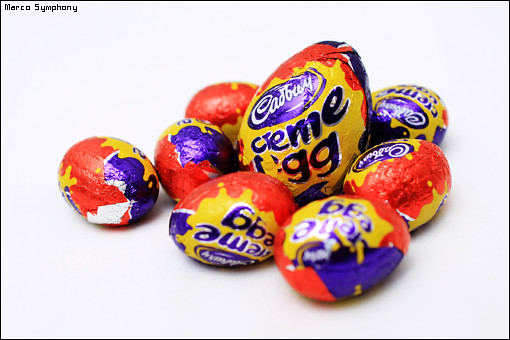
In 2015, Cadbury changed the recipe for its famous Creme Egg by replacing the original dairy milk chocolate shell with a cheaper chocolate blend, sparking outrage for the U.K.-based company. Fans complained that the new version lacked the same creamy, velvety texture and rich flavor, leading to a significant drop in sales and customer satisfaction.
The change was particularly controversial because it affected the Easter tradition for many families who had been buying Creme Eggs for generations.
Campbell’s Chicken Noodle Soup
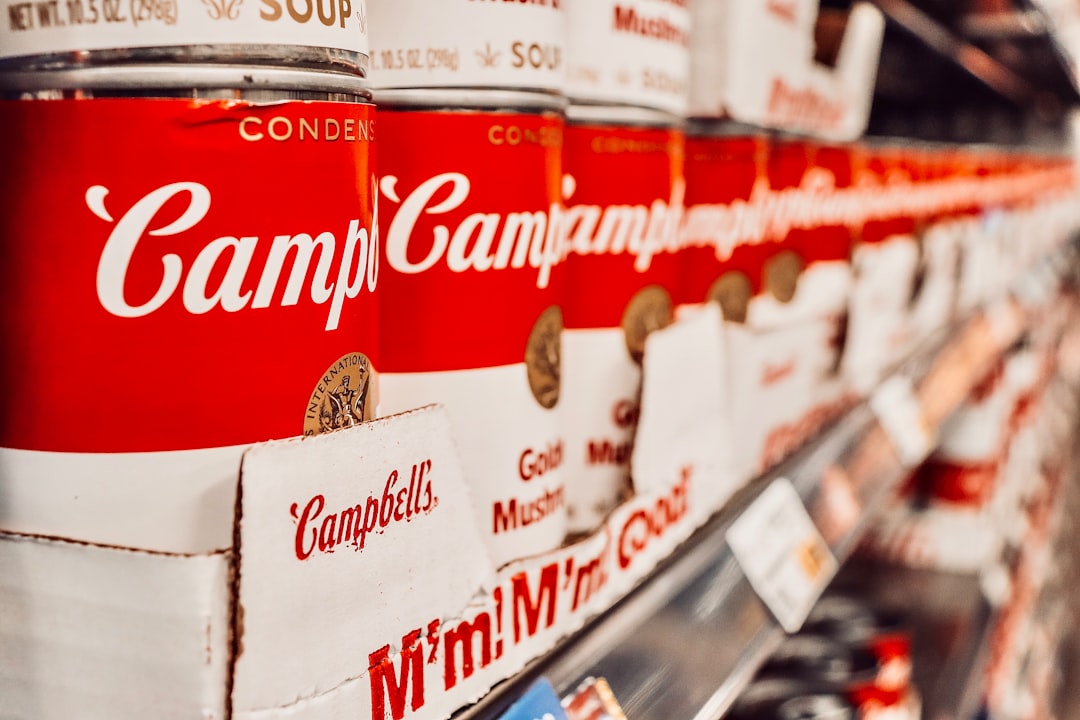
Campbell’s made headlines in 2016 when it announced the removal of 10 artificial ingredients from its classic chicken noodle soup. While the change was part of a broader initiative to improve the nutritional profile of its products, some consumers felt the new recipe lacked flavor.
The reformulation was part of a health-conscious trend, but longtime consumers noticed a difference in the taste profile of the soup they had grown up with. Some described the new version as blander than the original recipe.
Pop-Tarts
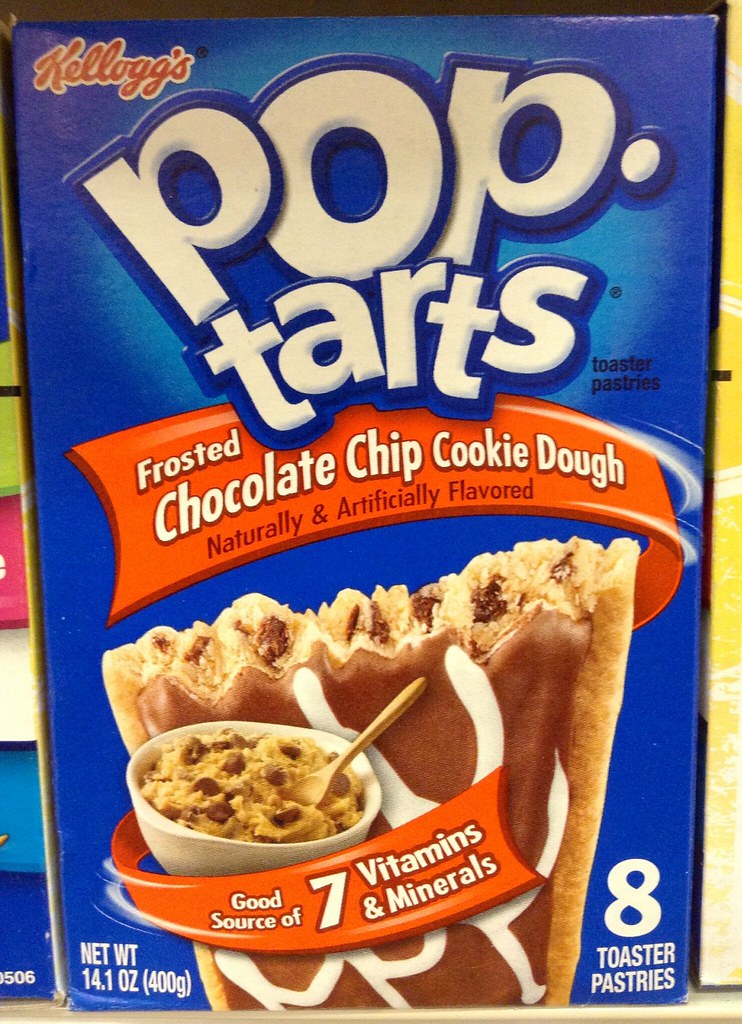
“Kellogg’s seemed to have changed their recipe for Pop-Tarts… because the thick pastries they used to have are no more. Now when you open up your bag you’re met with two flaky pastries…and a handful of crumbs gathered at the bottom,” shared one Reddit user.
The flavor really has changed drastically after cutting the sugar by approximately 20 percent, accidentally reducing the taste and texture entirely. Lots of people complained but the company said they did it because “it was the right thing to do” and not to expect it to be changed back. Many longtime fans feel the breakfast pastries have become less satisfying and more fragile than their childhood memories.
The reality is that food companies constantly adjust recipes for various reasons, from cost savings to health concerns to supply chain issues. While these changes might make business sense, they often leave consumers feeling like something precious from their past has been lost. What do you think about it? Tell us in the comments.