No-Bake Cheesecake Jars For Any Occasion
Why jars work better than a whole cheesecake
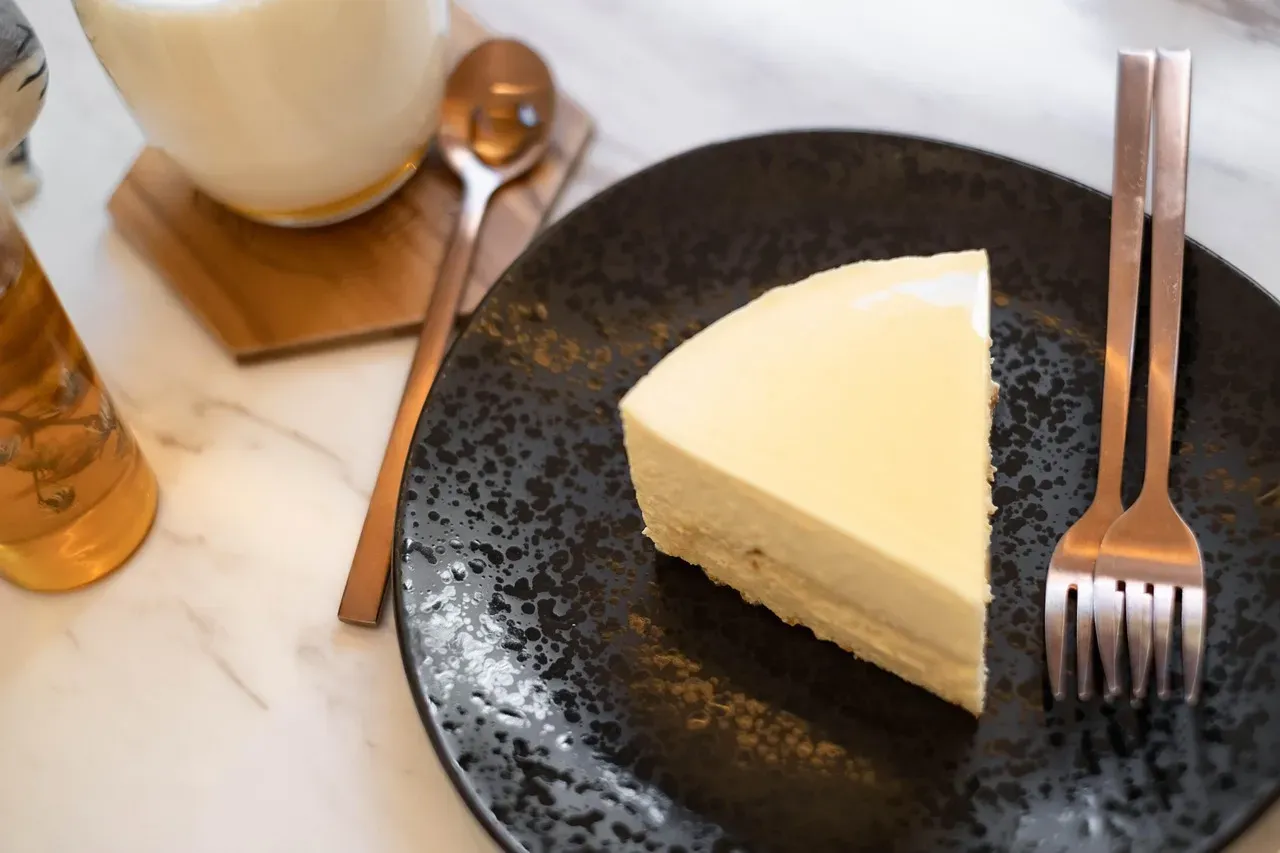
A traditional cheesecake demands patience, precision, and a spring form pan you probably only own one of. Jars sidestep most of that friction because portioning happens upfront instead of after the fact, which means no crumbling slices or awkward cuts.
They also travel well, which matters more than people expect. A jar with a lid can go into a cooler, a lunch bag, or a car cup holder without turning into a mess, something a plated slice simply cannot do.
The basic no-bake filling everyone should know
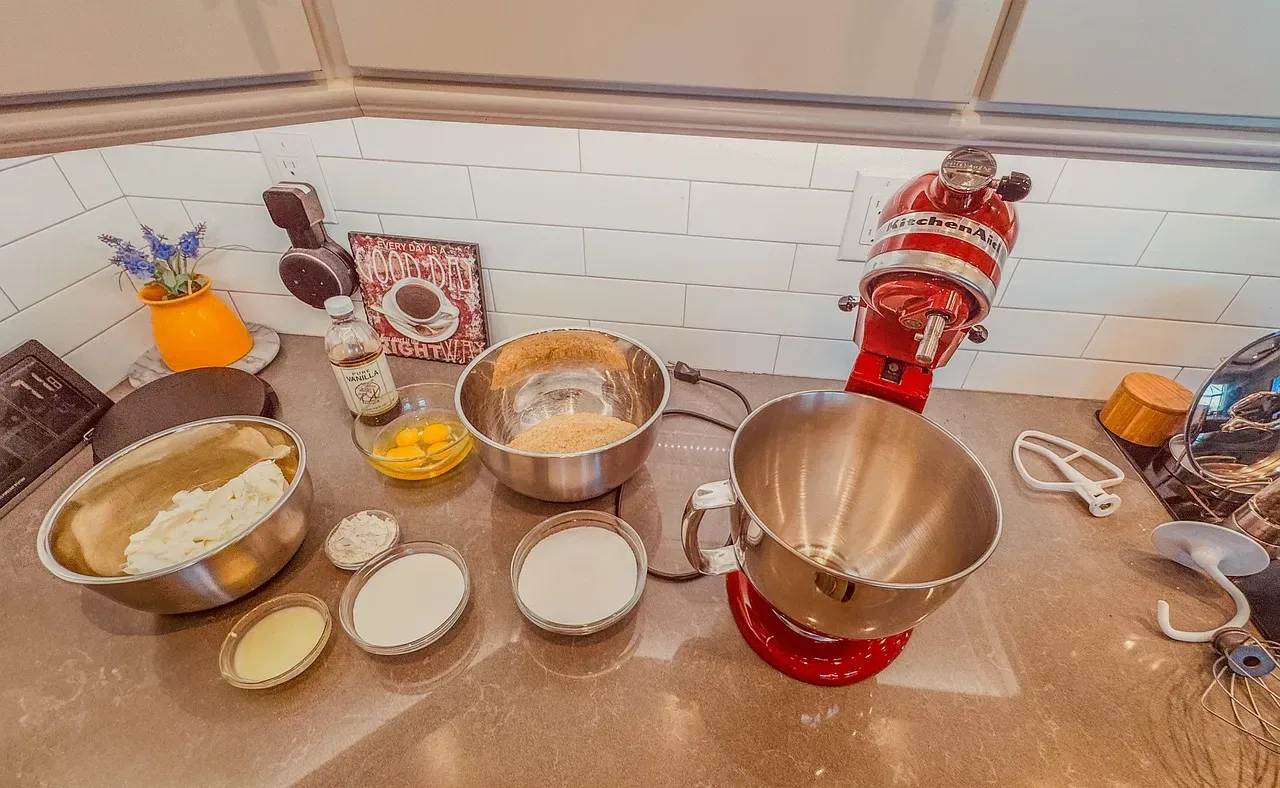
Most no-bake cheesecake fillings rely on the same core trio: softened cream cheese, powdered sugar, and whipped cream folded in for lightness. Some versions swap whipped cream for a stabilized whipped topping, which holds its shape longer in a jar that might sit out during a party.
A splash of vanilla and a bit of lemon juice or zest can round out the flavor so it doesn’t taste flat or overly sweet. The mixture should be thick enough to hold a spoon upright, but soft enough to layer easily without tearing the crust below it.
Choosing the right crust base
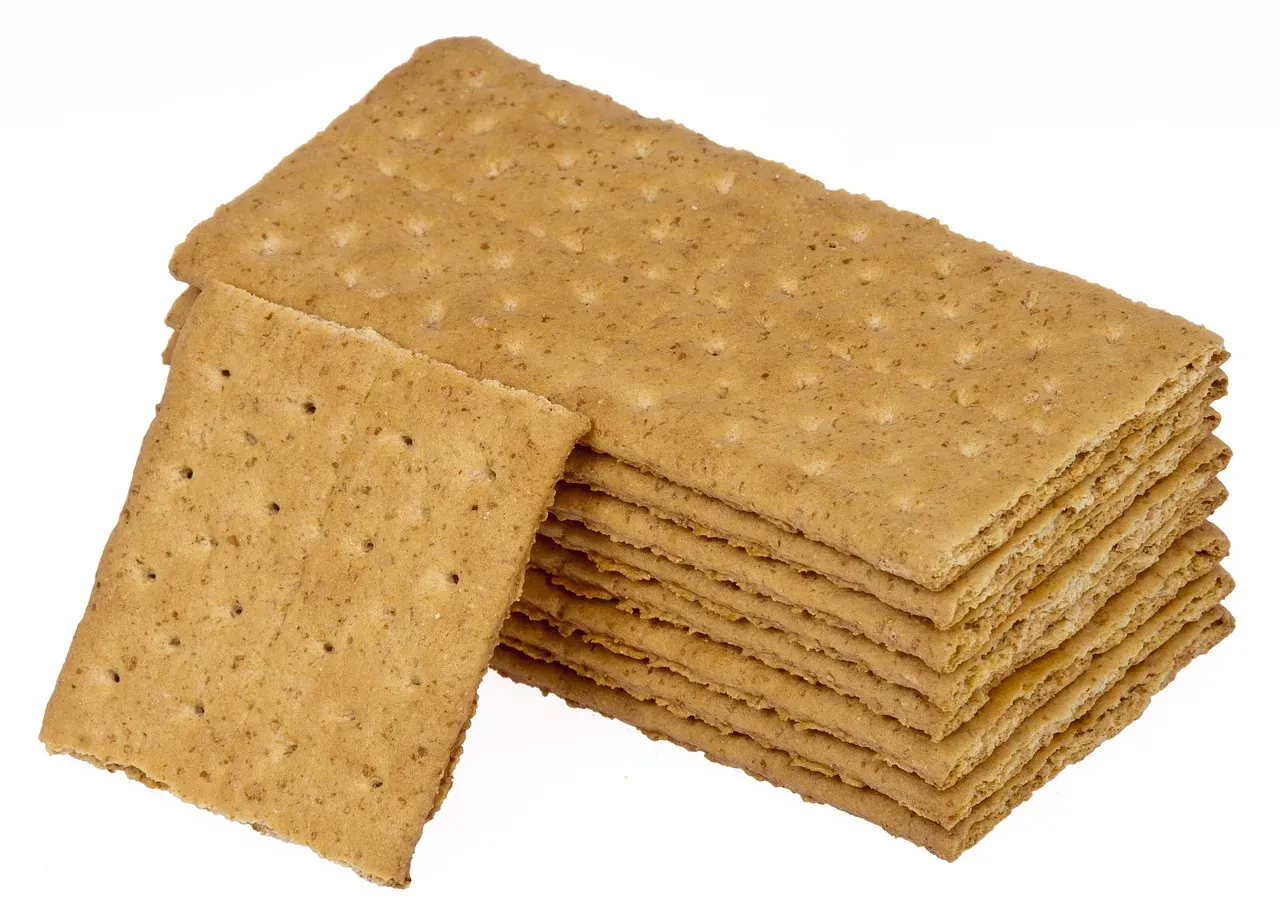
Graham cracker crumbs mixed with melted butter remain the classic choice, and for good reason. They’re neutral enough to pair with almost any flavor and firm up nicely once chilled, giving each bite a little structure against the soft filling.
Digestive biscuits, crushed shortbread, or even crumbled chocolate sandwich cookies work as easy substitutes depending on what’s already in the pantry. The key is crushing them fine enough that they compact instead of crumbling apart when scooped.
Birthday party jars for a crowd
For birthdays, a swirl of colorful sprinkles mixed directly into the filling turns a plain cheesecake jar into something that feels celebratory without extra effort. A layer of crushed vanilla wafer cookies at the base echoes the flavor of classic birthday cake batter.
Topping each jar with a small dollop of whipped cream and a few more sprinkles right before serving keeps them looking fresh even if they were assembled a day earlier. Kids tend to like the smaller portion size, since it feels like their own personal dessert rather than a shared slice.
Holiday-inspired flavor swaps
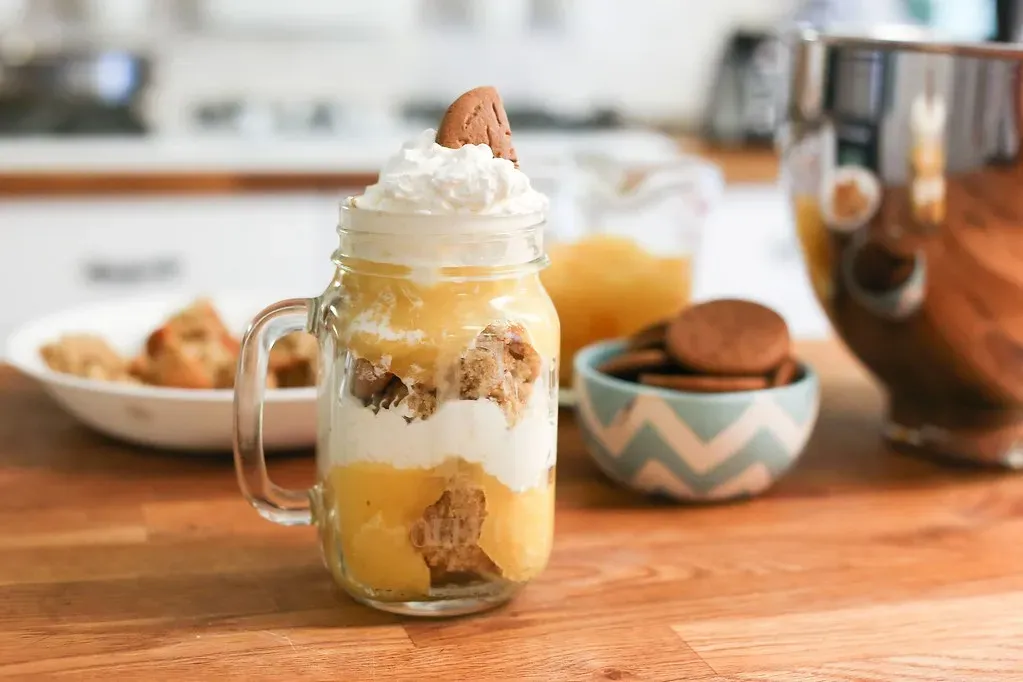
Around the winter holidays, a spoonful of pumpkin puree and a pinch of cinnamon or pumpkin pie spice stirred into the base filling brings a seasonal warmth without much extra work. A gingersnap crust pairs naturally with that flavor profile and adds a little spice of its own.
For other times of year, peppermint extract and crushed candy canes work well in winter, while a swirl of fresh berry puree feels more at home in spring or summer gatherings. The base recipe stays the same each time, which is part of what makes it so adaptable.
Fruit-forward jars for warmer months
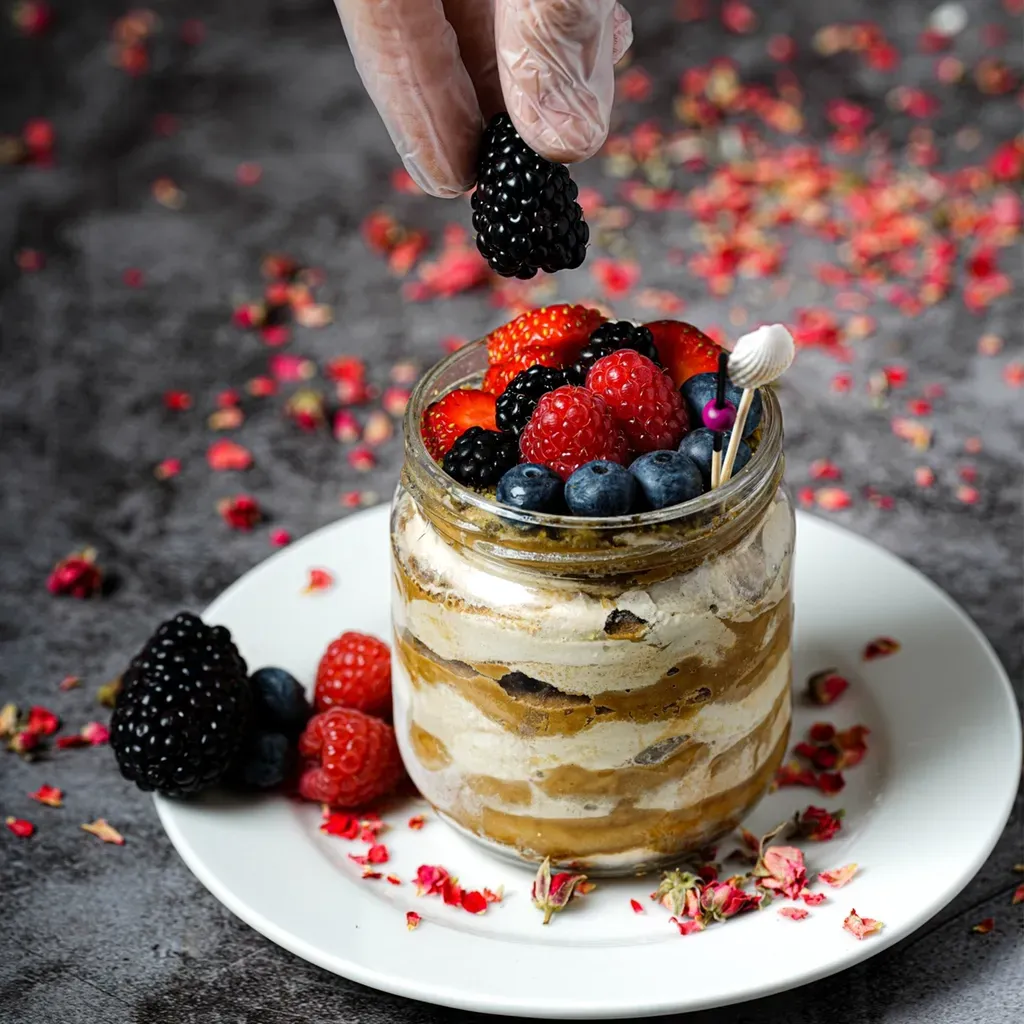
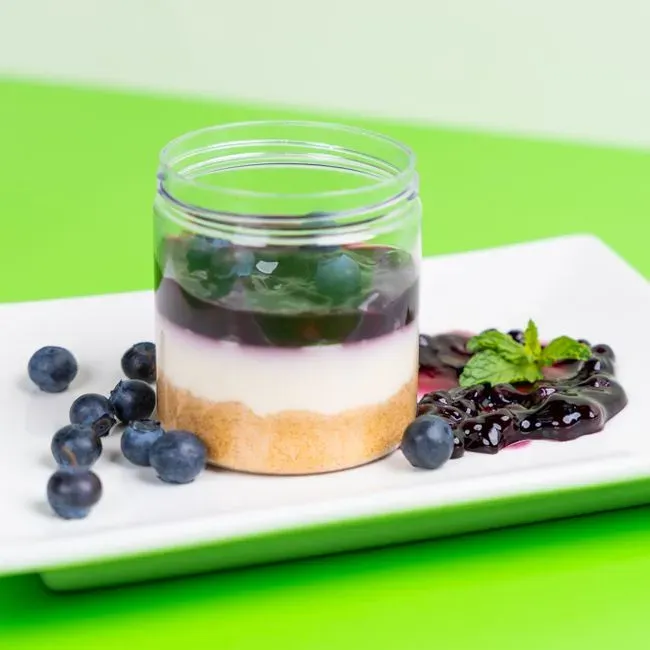
When fresh fruit is in season, a layer of macerated strawberries, blueberries, or peaches adds brightness that cuts through the richness of the cream cheese filling. Letting the fruit sit briefly with a bit of sugar draws out natural juice, which then seeps slightly into the crust layer below for extra flavor.
Citrus curd, whether lemon or lime, can also be swirled into the filling or added as a distinct middle layer for a tangier bite. These fruit variations tend to feel lighter, which makes them a natural fit for barbecues, picnics, or any gathering happening outdoors.
Chocolate and caramel variations for richer cravings
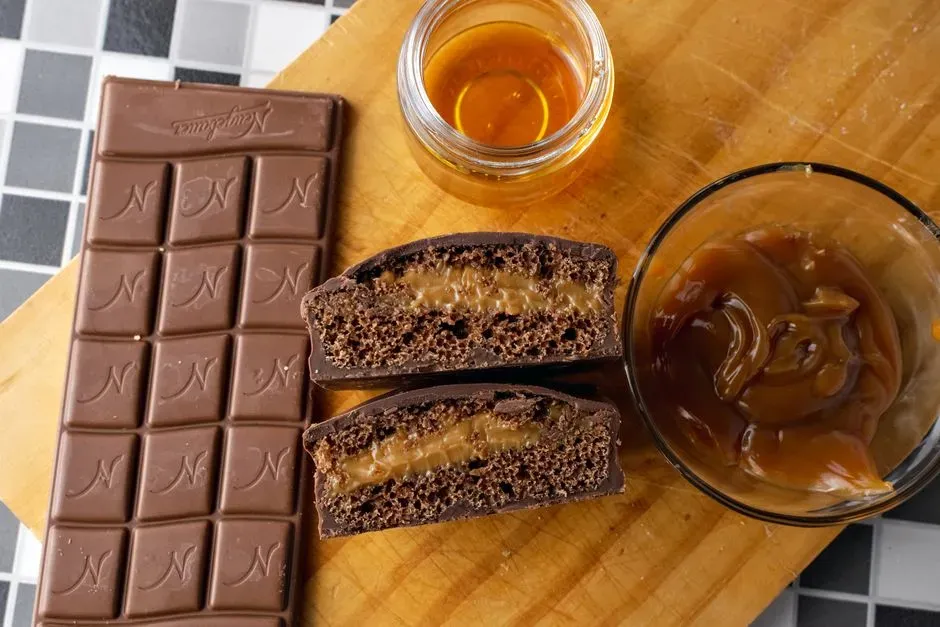
Not every calls for something bright and fruity. A layer of chocolate ganache or a drizzle of caramel sauce between the crust and filling turns the same basic recipe into something denser and more indulgent.
Crushed chocolate cookies or toffee bits sprinkled on top add texture, giving each spoonful a bit of crunch alongside the smooth filling. These versions tend to work especially well for fall and winter gatherings, when richer desserts feel more fitting.
Make-ahead and storage basics
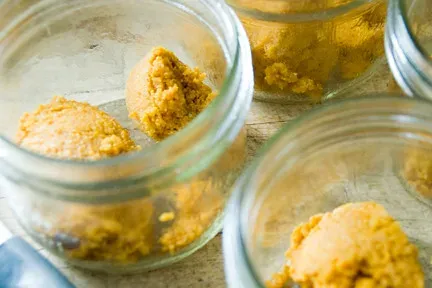
One of the quieter advantages of cheesecake jars is how well they hold up in the refrigerator, often staying fresh for a few days when sealed properly. This makes them a practical option for anyone hosting, since the dessert can be finished well before guests arrive.
Freezing is also an option for longer storage, though the texture may soften slightly once thawed, so it’s worth taste testing before committing to a big batch. Labeling jars with the date they were made helps keep track of freshness, especially if multiple flavors are stored together.
Presentation touches that make a difference
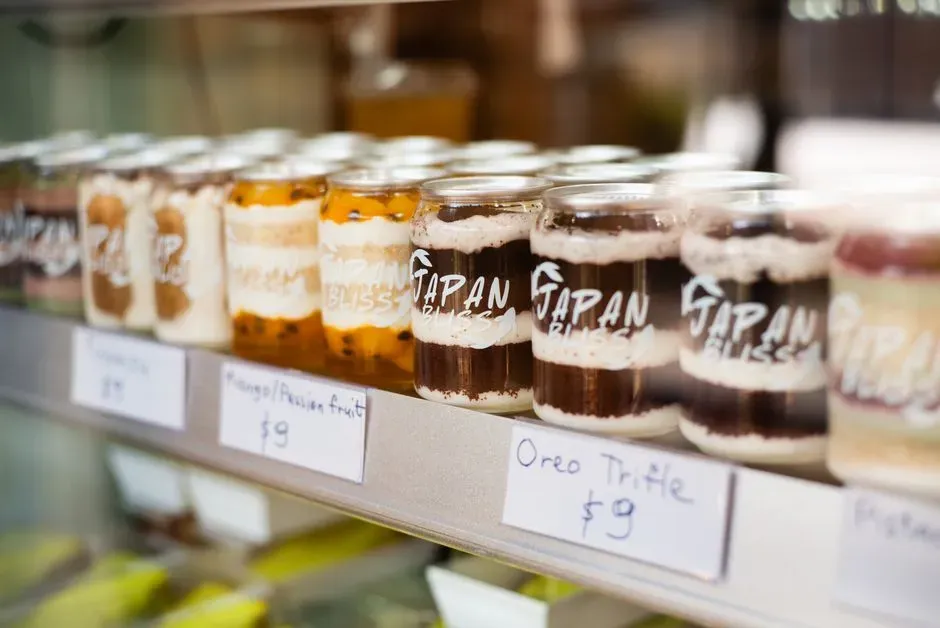
Small details go a long way with jars, since the dessert is meant to be seen as much as eaten. Using clear glass jars rather than opaque containers lets the layers show through, which naturally makes the dessert look more polished.
Tying a simple ribbon around the jar or adding a small handwritten tag can turn an everyday dessert into something that feels gift worthy, useful for holidays, birthdays, or thank you gestures. Even without extra decoration, the layered look of crust, filling, and topping tends to hold visual appeal on its own.
Final thoughts
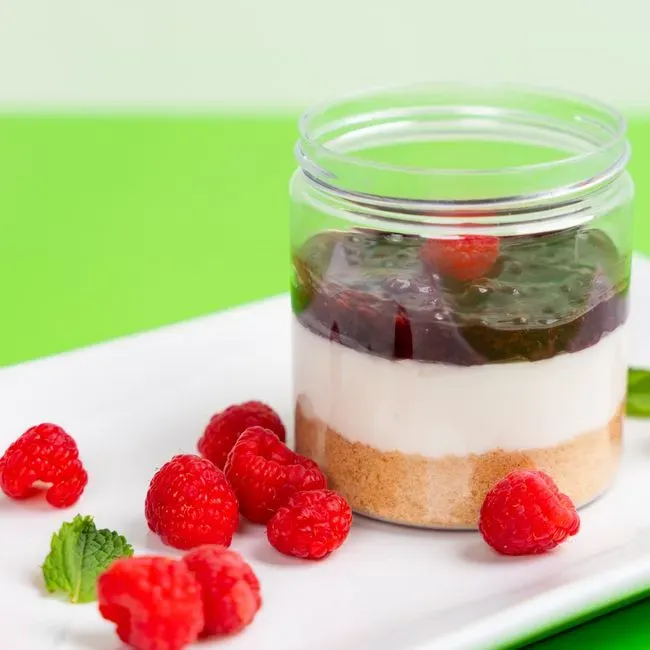
No-bake cheesecake jars aren’t reinventing dessert, but they solve a handful of practical problems at once: portion control, easy transport, and a base recipe flexible enough to match almost any season or celebration. Once the core filling technique feels familiar, swapping flavors becomes less about following a strict recipe and more about matching whatever mood or is in front of you. That kind of flexibility is probably why this simple format keeps showing up, quietly, at gatherings all year round.