5 Mistakes That Can Make Your Groceries Go Bad Faster
Every grocery trip begins with good intentions. You fill your cart with fresh produce, dairy products, and wholesome ingredients, imagining all the nutritious meals you’ll prepare. Yet by the end of the week, you find yourself throwing away wilted vegetables and spoiled food. Consumers in the United States waste approximately 80 billion pounds of food each year and an estimated 30-40% of the food supply is wasted. While some food loss is inevitable, much of it stems from simple storage mistakes that most people don’t realize they’re making.
Storing Ethylene Producers with Sensitive Produce
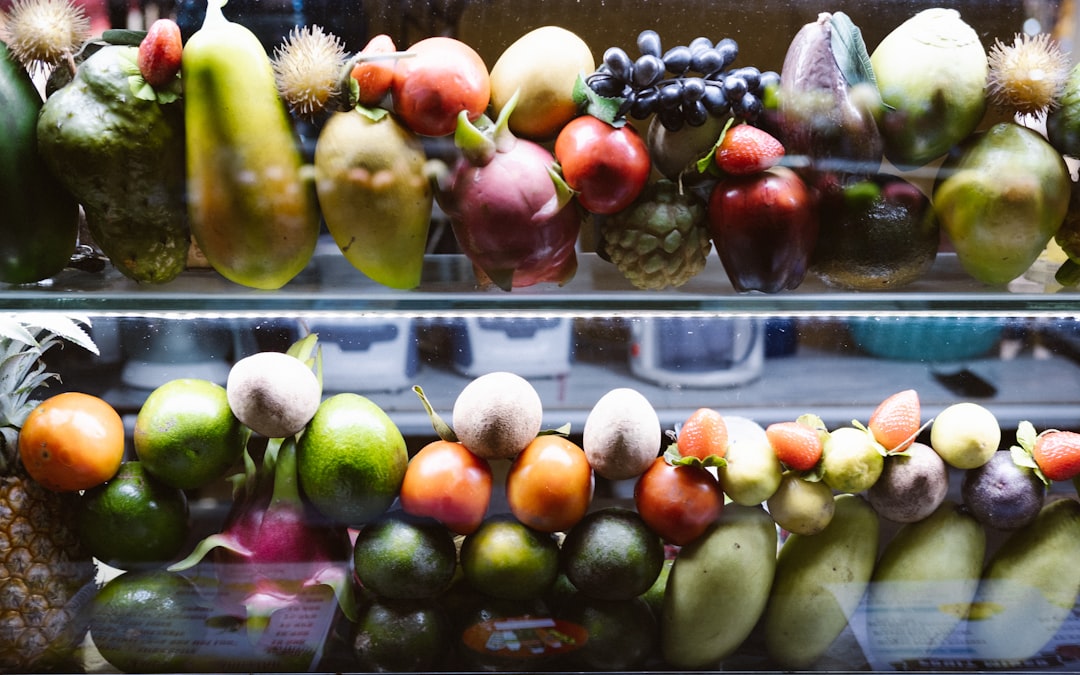
Ethylene is a gaseous ripening agent released by most fruits and some vegetables. Even in the reduced temperatures within a refrigerator, the gas can cause produce to wilt, spot or go bad. This invisible culprit is one of the most common reasons why your fresh groceries spoil faster than expected. Certain fruits naturally produce high amounts of ethylene gas, which acts like a hormone that accelerates ripening and aging in nearby produce.
Most tree fruits produce large amounts of ethylene, particularly apples and pears. Other high ethylene producers include apricots, avocados, cantaloupes, nectarines, papayas and peaches. Meanwhile, vegetables like carrots and parsnips get very bitter when exposed to ethylene, while broccoli, Brussels sprouts, cabbage, cauliflower, celery, collards, kale, lettuce and spinach will turn yellow and go limp from too much ethylene. The solution is straightforward: separate your ethylene producers from sensitive items by storing them in different areas of your refrigerator or pantry.
Ignoring Proper Temperature Control
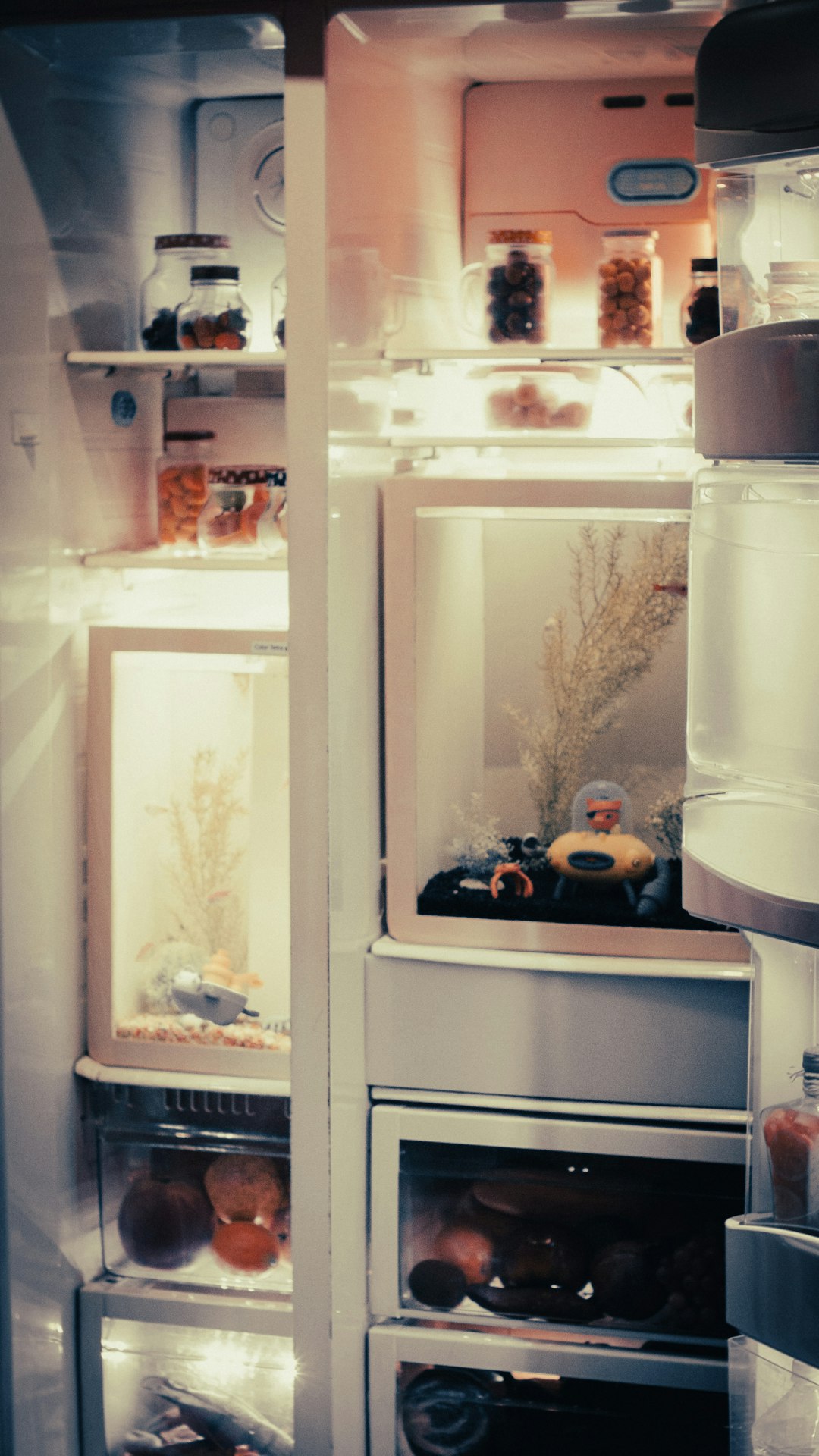
Bacteria grow most rapidly in the range of temperatures between 40 and 140 °F, the “Danger Zone,” some doubling in number in as little as 20 minutes. A refrigerator set at 40 °F or below will protect most foods. Unfortunately, many home refrigerators don’t maintain consistent temperatures, leading to premature spoilage and potential food safety risks.
Temperature profiles of a subset of the sampled refrigerators (100) were monitored for 72 h, and 59% were found to operate, on average, at temperatures above the recommended 5 degrees C. This research from domestic refrigerators shows that more than half fail to maintain proper cooling temperatures. The consequences go beyond just faster spoilage. According to both the U.S. Food and Drug Administration and the U.S. Department of Agriculture’s Food Safety and Inspection Service, refrigeration at 40° F or below is one of the most effective ways to reduce risk of foodborne illness. Microorganisms grow more rapidly at warmer temperatures, and research shows that keeping a constant refrigerator temperature of 40° F or below helps slow growth of these harmful microbes.
Washing Produce Before Storage
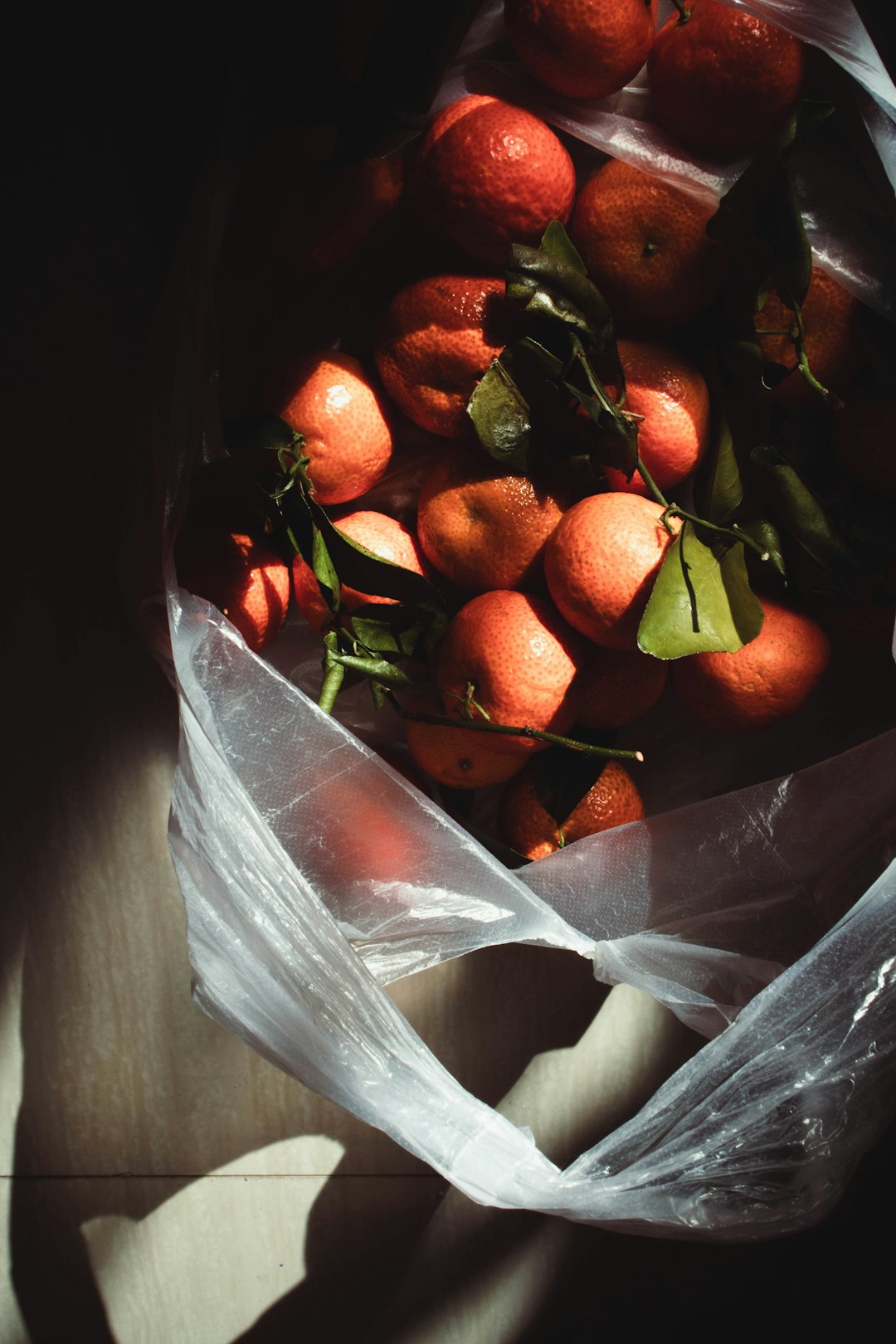
It may seem hygienic to wash your fresh fruit and veggies, but rinsing produce before storing it can actually increase the risk of spoilage. Excess moisture on foods is like a breeding ground for mold and bacteria. This is especially true when fruits or vegetables are washed and then stored in sealed bags or containers. This counterintuitive mistake happens because many people assume that cleaning produce immediately after purchase will keep it fresher longer.
The best idea is to store produce unwashed and then rinse it just before use. For items like berries or leafy greens, it is also recommended to line your storage containers with paper towels to absorb excess humidity and extend their shelf life. The paper towel trick works particularly well for delicate items prone to moisture buildup, creating a buffer that absorbs excess water while still maintaining the humidity needed to prevent wilting.
Putting Hot Food Directly in the Refrigerator
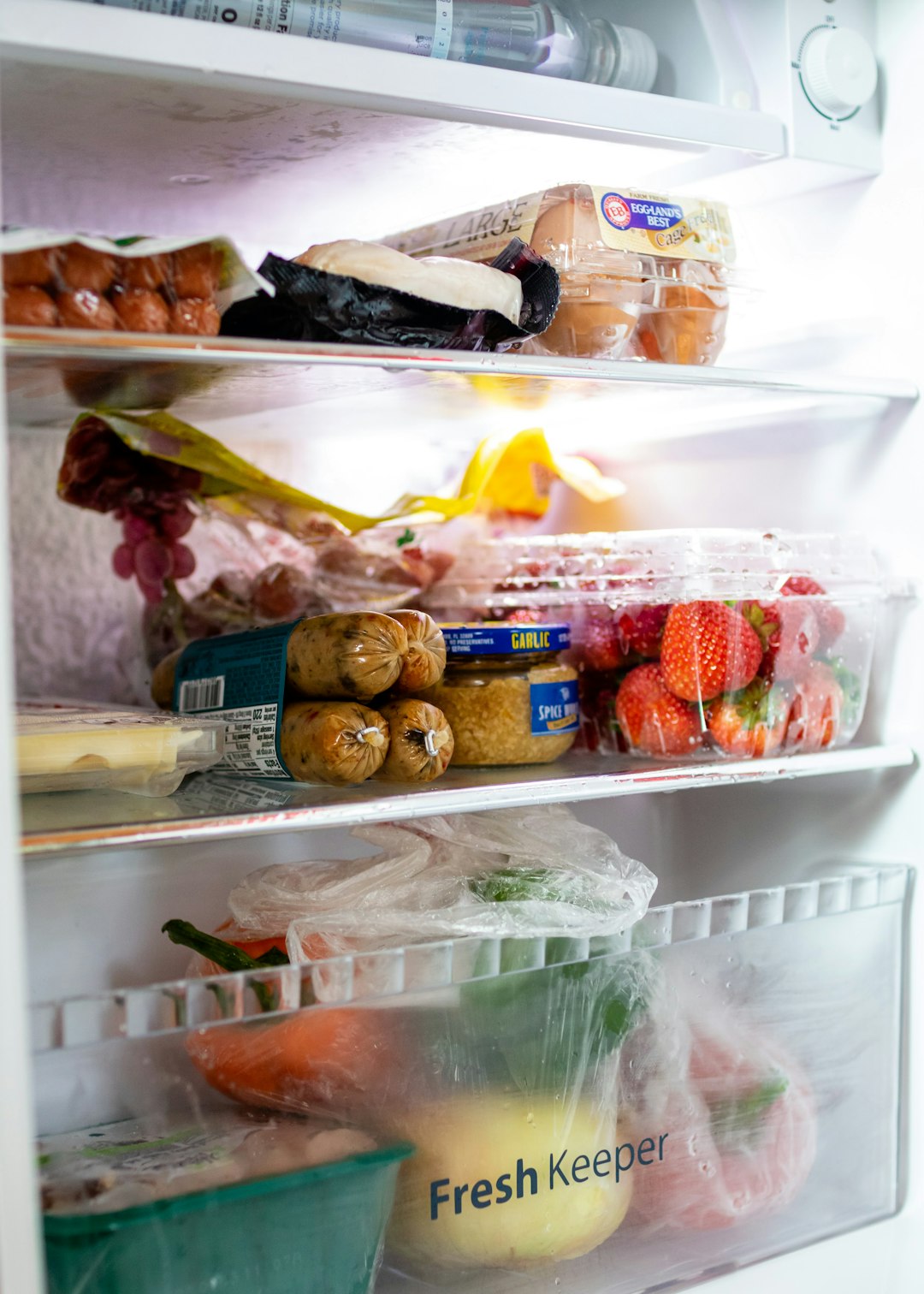
Putting hot food in the fridge increases its ambient temperature. If you’ve got other food in there, especially dairy and meat, you risk bringing its temperature up to a range that makes spoilage more likely. This common practice creates a domino effect where the entire refrigerator struggles to maintain safe temperatures, potentially compromising all your stored food.
You don’t want to leave food out after cooking for longer than two hours because that also increases the risk of food borne illness. One way to get your food to cool faster is by dividing it into smaller units. Soup, for example, can be poured into a few different containers and then stored in the refrigerator once it nears room temperature. The key is finding the balance between food safety and refrigerator efficiency by allowing foods to cool properly before storage.
Leaving Food Uncovered in Storage
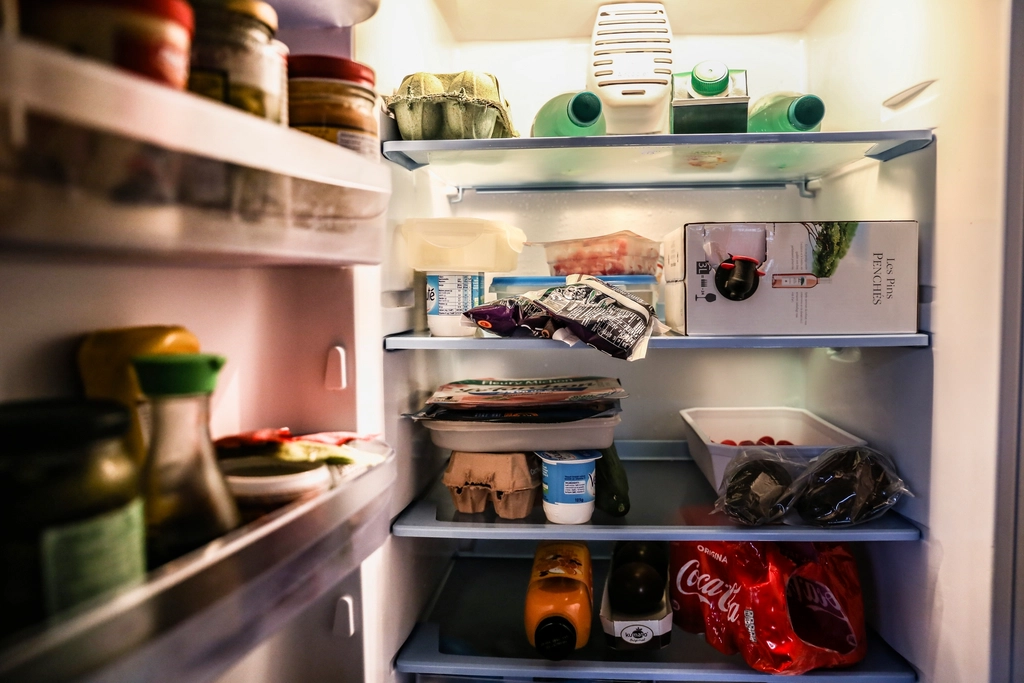
Leaving food uncovered in the refrigerator exposes it to air, moisture, and cross-contamination. This not only increases the risk of spoilage, but also affects flavor and texture as food absorbs odors from surrounding items. Your refrigerator is essentially a closed ecosystem where odors, moisture, and bacteria can easily transfer between items when proper barriers aren’t in place.
Move food to an airtight container or seal it with plastic wrap before putting it in the fridge. This will keep it fresh and prevent food spoilage. Proper covering also prevents the loss of moisture from foods that need to stay hydrated while blocking excess moisture that could promote bacterial growth. Even something as simple as aluminum foil can make a significant difference, though airtight containers provide the best protection for maintaining both quality and safety.
These storage mistakes might seem minor, but they can dramatically impact how long your groceries stay fresh and safe to eat. By understanding the science behind food spoilage and implementing these simple changes, you can significantly reduce waste while keeping your family healthier. What storage mistakes have you been making without realizing it? Share your experiences and let others learn from your discoveries.