10 Hidden European Villages That Still Feel Untouched By Tourism
Europe’s most enchanting treasures often lie far from the crowded tourist trails, where ancient cobblestones echo with stories from centuries past. While millions flock to Paris, Rome, and Barcelona, remarkable villages nestled in remote valleys and perched atop forgotten hills continue their timeless existence largely undisturbed. These hidden gems offer something increasingly rare in our connected world: authenticity that remains unspoiled by mass tourism. So let’s get started on a journey to discover places where time seems to stand still.
Monsaraz, Portugal – The Eagles’ Nest Above Ancient Plains
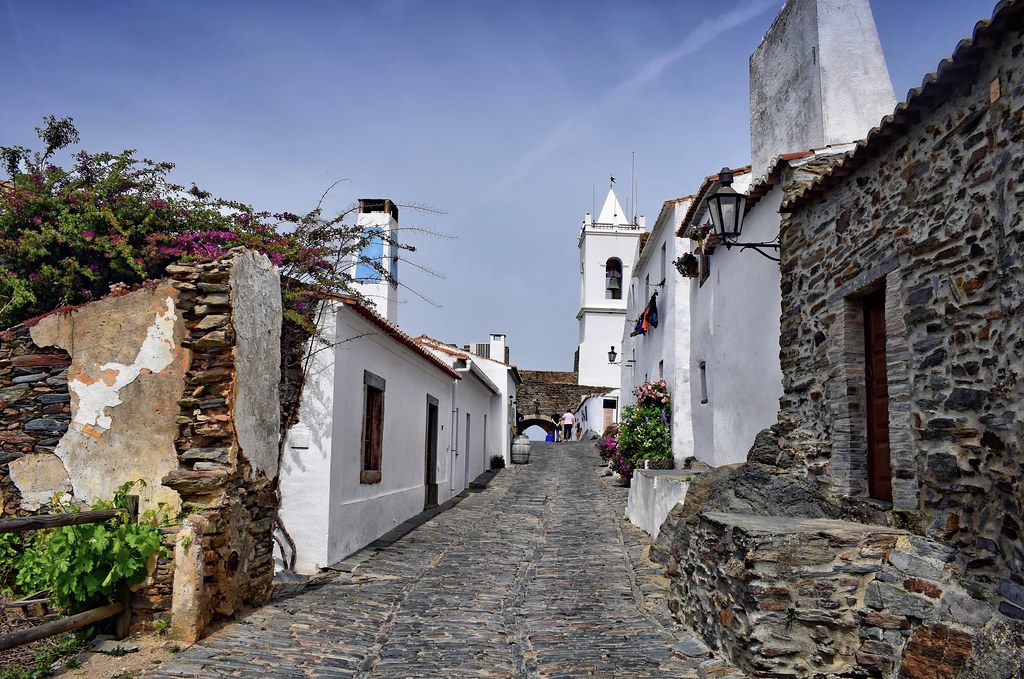
Monsaraz is known locally as “Ninho das Águias”, which translates as “Eagles’ Nest” and deservedly so. The remote location of Monsaraz means that it’s well off the beaten path, and if you travel outside the summer season, it’s quite possible that you’ll have this extraordinary place to yourself. Monsaraz is one of the most untouched places I’ve ever visited, and if I had to recommend one place in the world where you could feel you’ve stepped back a few hundred years in time, Monsaraz is it.
A tiny medieval village in Portugal’s Alentejo region, Monsaraz is a must visit. Set high on a hill as a fortified village with a castle, it has all the charm you could hope for. The village is perched on top of a hill overlooking Alqueva Lake, the largest man-made reservoir in Europe offering stunning views of the surrounding countryside in the Guadiana Valley.
Especially after, in 2017, it won the category “Monument Villages” in the competition 7 Maravilhas de Portugal – Aldeias (7 wonders of Portugal – Villages). The ancient village is small, with just a couple of restaurants, two wine bars and a handful of small artisanal shops that sell ceramics, gourmet food and locally made rugs.
Setenil de las Bodegas, Spain – The Village That Lives Under Rock
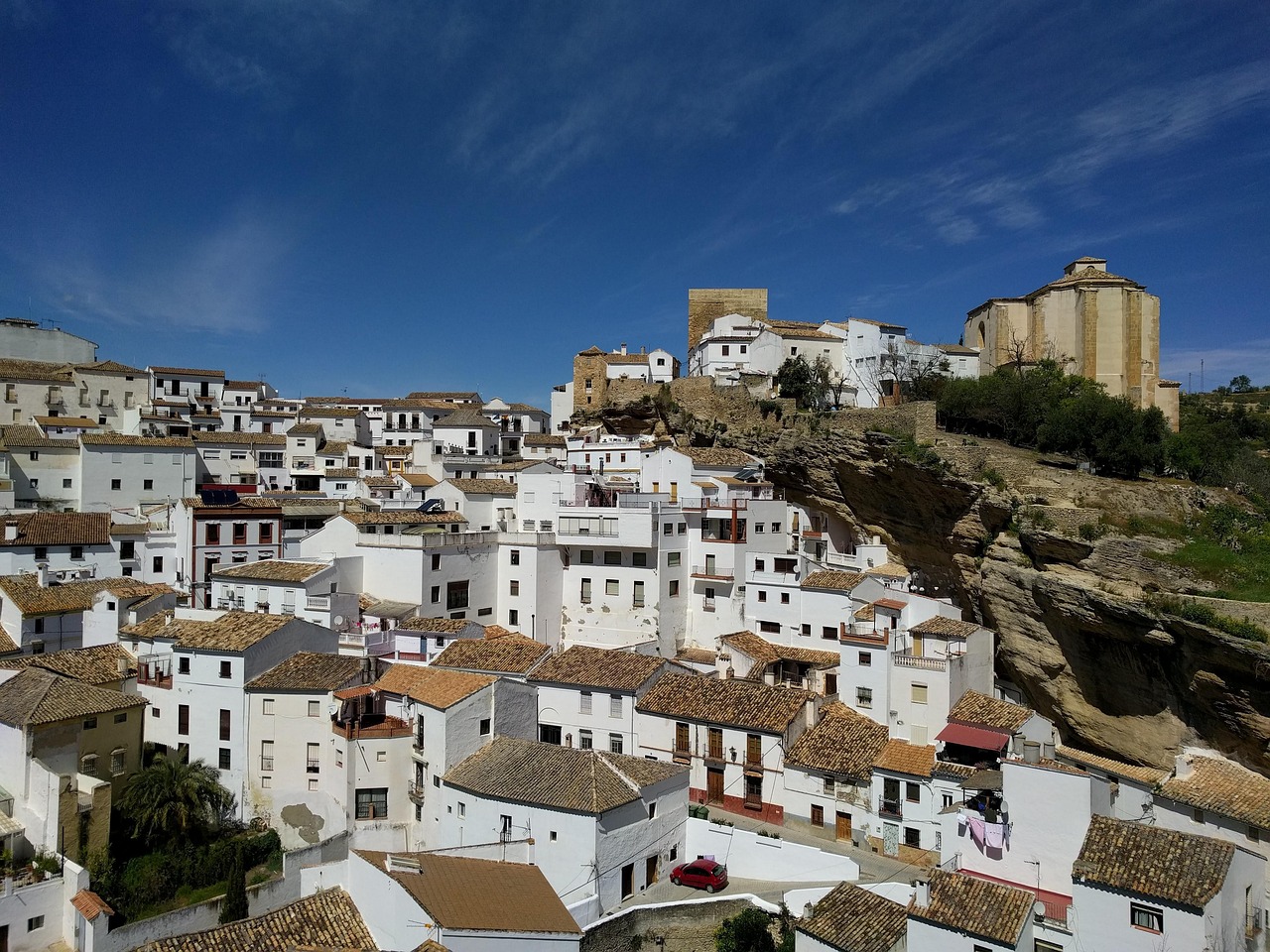
Setenil de las Bodegas is unlike any other village in Spain or even the world. Nestled in the province of Cádiz, It is built into massive rock formations, with homes, shops, and cafes carved into the cliffs. As you wander through Setenil, it feels like the village is part of the earth, blending perfectly with the natural landscape.
There aren’t big attractions or crowds, just friendly locals and an atmosphere that feels untouched. This unique architecture isn’t just fascinating to see; it also creates a cool, shaded environment perfect for escaping the Andalusian heat.
Setenil offers a glimpse into the resourceful, inventive spirit of Andalusian culture and history, making it a must-visit among secret spots in Spain. Walk the narrow, cave-lined streets and stop at a café for a coffee in a rock-walled nook. For the best views, head to the upper part of the town.
Albarracín, Spain – A Medieval Fairy Tale in Pink Stone
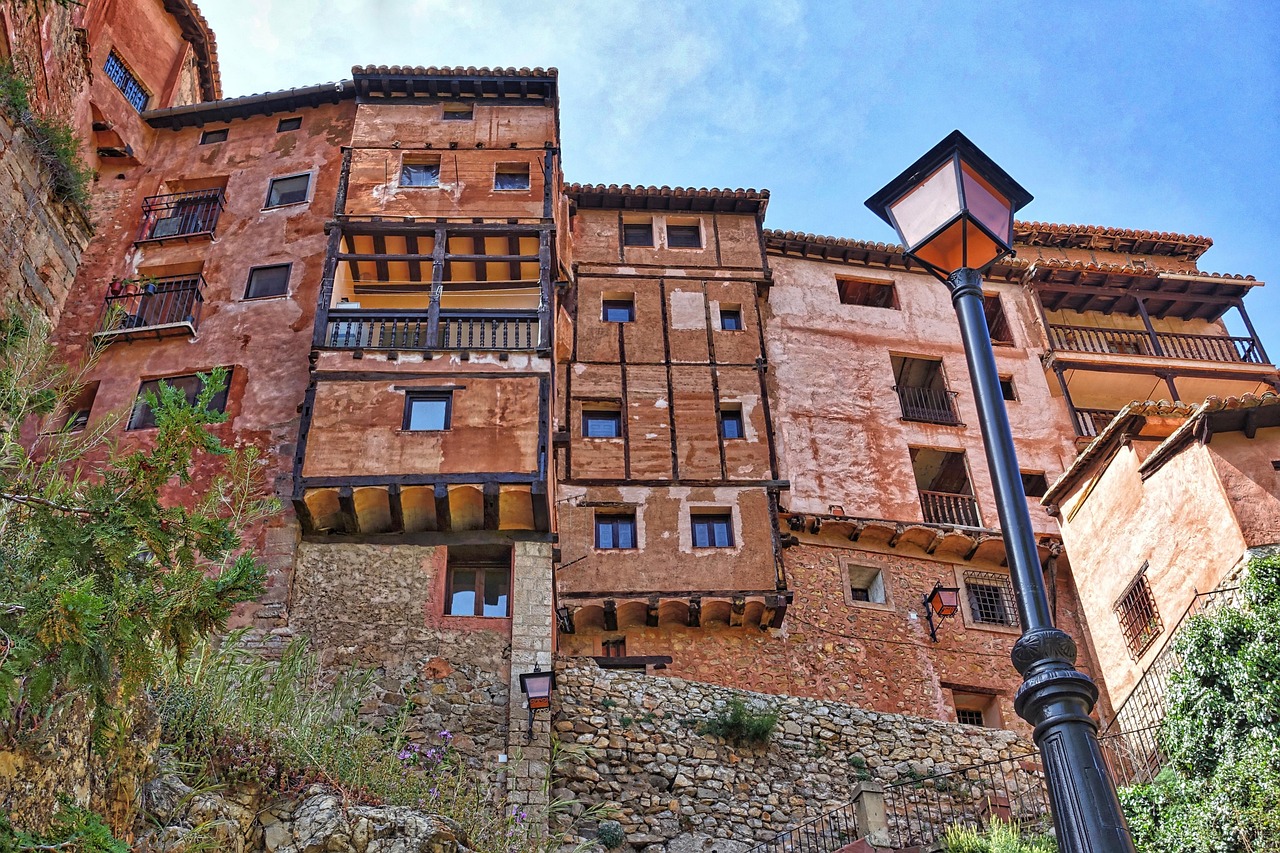
With its enchanting pink and terracotta-colored buildings perched on a hillside, Albarracín seems like a village straight out of a fairy tale. This medieval gem, tucked away in the hills of Aragon, is known for its winding cobbled streets, Moorish towers, and rustic charm. Albarracín’s architecture, with its wooden balconies and ancient walls, has a timeless quality, making you feel as though you’ve stepped back to a simpler era.
Often cited as one of Spain’s most beautiful villages, Albarracín features narrow, winding streets, pink-hued buildings, and ancient city walls. Often overlooked by mainstream tourism, Albarracín is a peaceful retreat for those seeking to immerse themselves in non-touristy Spain and discover a part of the country that few tourists experience.
Located halfway between Barcelona and Valencia and on top of a rocky hill, Ares del Maestre offers breathtaking views of the Maestrazgo landscape beyond. The city dates back to the 14th century and while it’s home to pretty, narrow streets, it’s perhaps best known for its castle, Mola, which has seen years of battle thanks to its strategic placement.
Rupit, Spain – Where Medieval Spain Meets Volcanic Stone
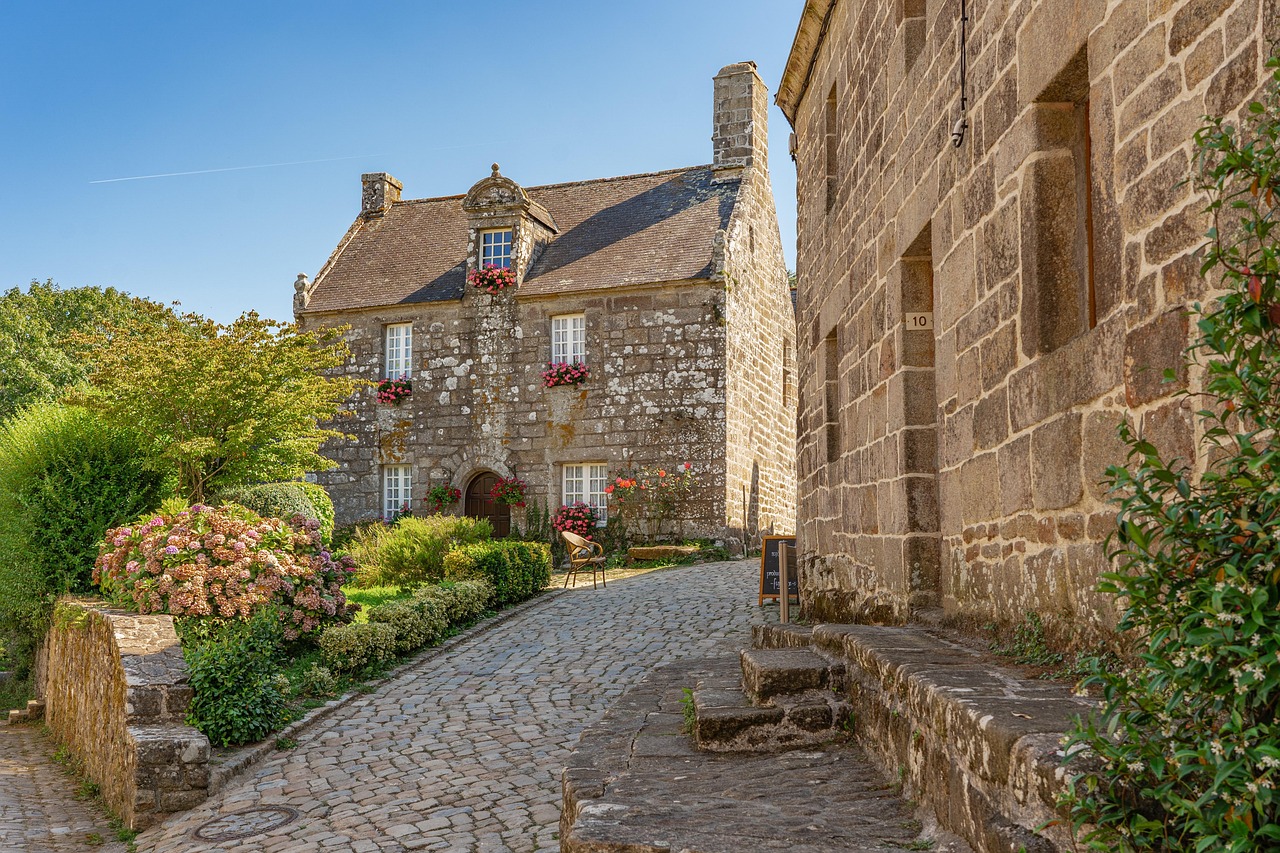
Rupit, one of the best preserved medieval villages in Spain’s Catalonia region, with its houses carved into the rocks, cobbled streets, and fairy-tale atmosphere, is like a gateway to the past. It’s more than just a tourist spot; it’s a living village that has retained its soul. If you want to see an authentic Catalan village, this is the right place for you!
The greatest feature of Rupit is its historic stone houses that seem to be a natural part of the rocky landscape. As you wander the village and ponder how these houses were built, you can’t help but be amazed. One of the village’s most famous spots is the suspension wooden bridge (Puente Colgante de Rupit). Its slight swaying makes it fun for thrill-seekers and an excellent photo spot for those who love to capture moments.
In Rupit, you have to try traditional Catalan dishes such as “escudella i carn d’olla” (meat and vegetable stew) and “butifarra” (Catalan sausage). Tapas made with fresh bread, olive oil, and local cheese, served with a cup of coffee or local red wine, offer an incomparable experience.
Corvo, Azores – Europe’s Most Remote Island Village
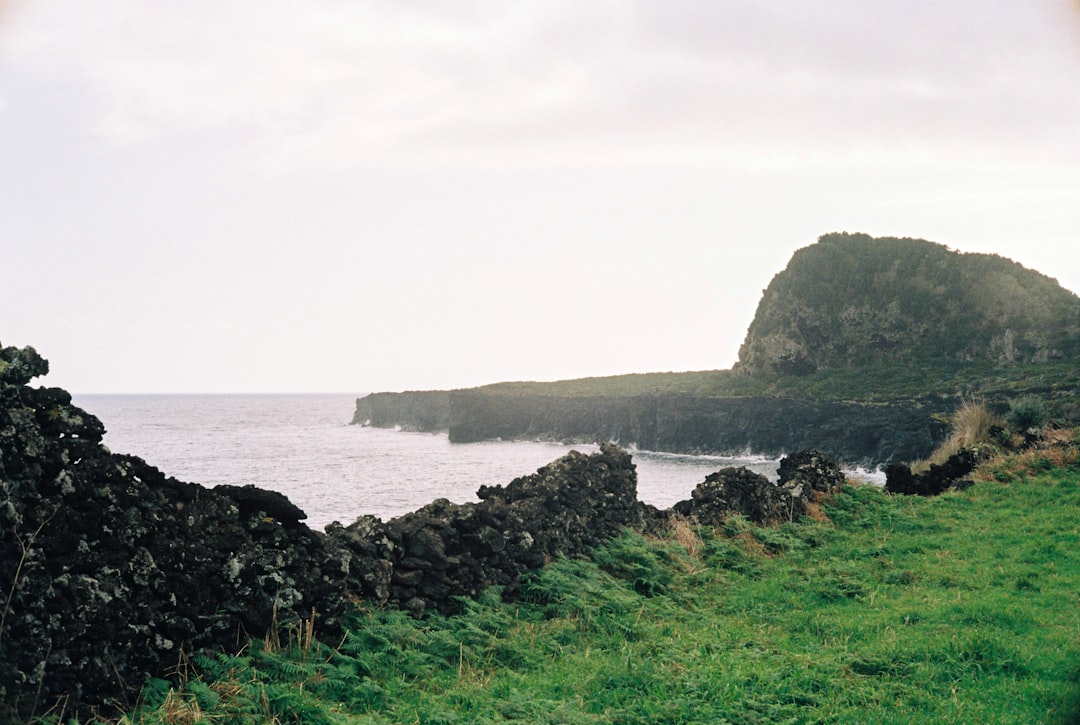
Corvo is Europe’s most remote island – an untouched verdant, rugged isle – and is home to approximately 430 people. Corvo is almost exactly equidistant from Lisbon and Newfoundland. The smallest of the Azores islands, Corvo boasts the stunning Caldeirão, a large volcanic crater with lakes and islets. The island’s only village, Vila do Corvo, offers a glimpse into traditional Azorean life.
Corvo is perfect for those seeking a getaway off the beaten path, where life moves at a slower pace. The island’s only village, Vila do Corvo, offers a glimpse into traditional Azorean life, with its colorful houses and friendly locals. People in Flores and Corvo are the most forgotten, and they want to welcome visitors. Right now they are not as difficult to access as they were in the past, but they are still overlooked by most visitors seeking adventure in the Azores.
Local Cuisine: Try “caldo de peixe” (fish soup) and “biscoitos de orelha” (traditional biscuits). From there, take a regional flight to Corvo Airport (CVU). The island is small, and most attractions are accessible on foot or by local transport.
Cicmany, Slovakia – Living Museum of Folk Art
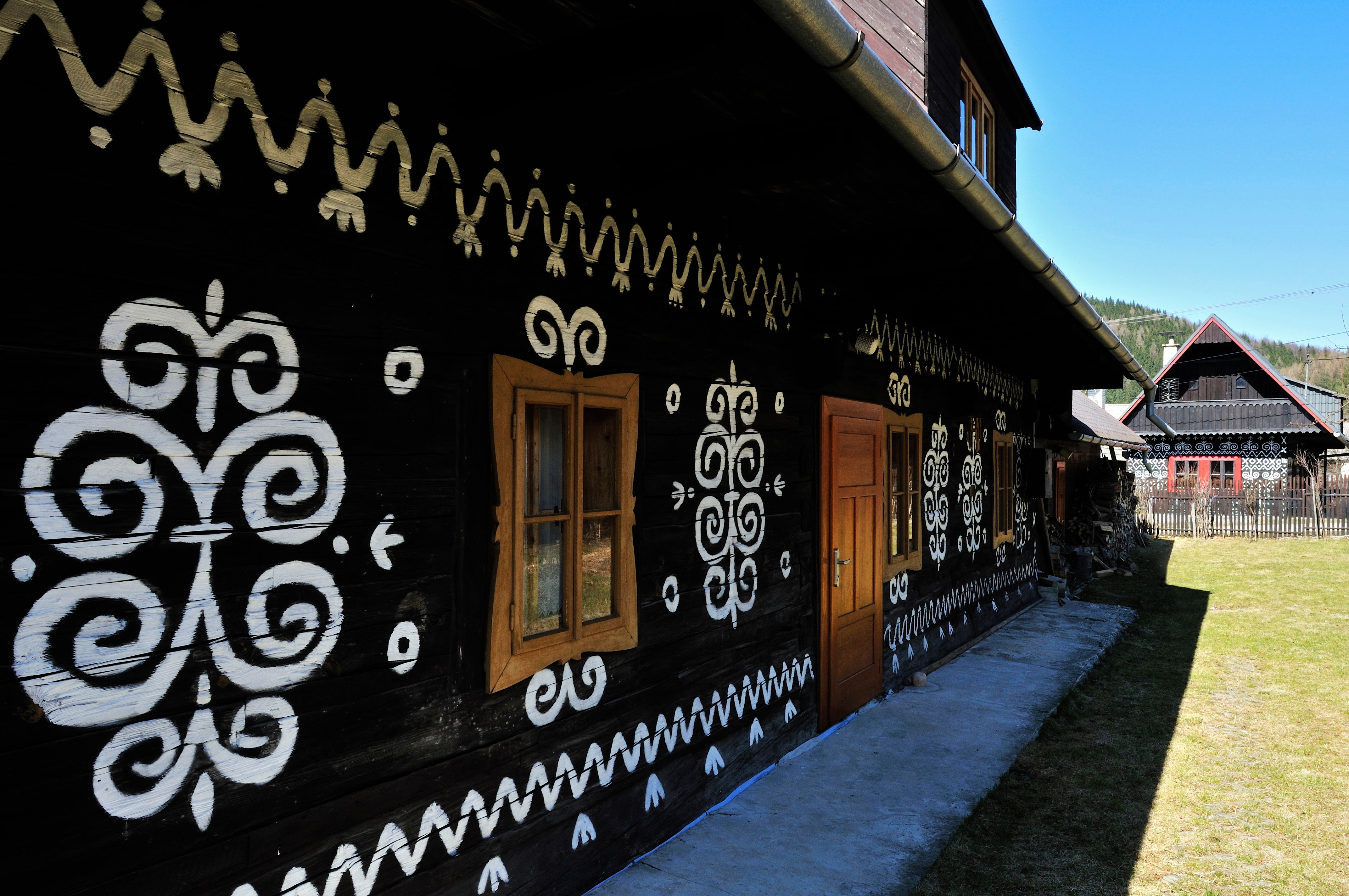
Visiting the authentic village of Cicmany provides a good glimpse at Slovak folklore. The town is renowned for its well-preserved wooden houses painted with white decorations as well as beautiful traditional costumes. Cicmany is a unique and special place where time seems to have stopped centuries ago. Coming here is a must for people who want to see the traditional painted houses.
The intricate white geometric patterns painted on dark wooden houses create a distinctive visual language that tells stories of generations past. Each design carries meaning rooted in ancient Slovak traditions, from protective symbols to celebrations of harvest and family life.
This small village in the Žilina region remains largely untouched by commercial tourism, preserving its authentic character through careful community stewardship. Local artisans still practice traditional crafts, and the village maintains its role as a living museum of Central European folk culture.
Eguisheim, France – Alsace’s Circular Medieval Marvel
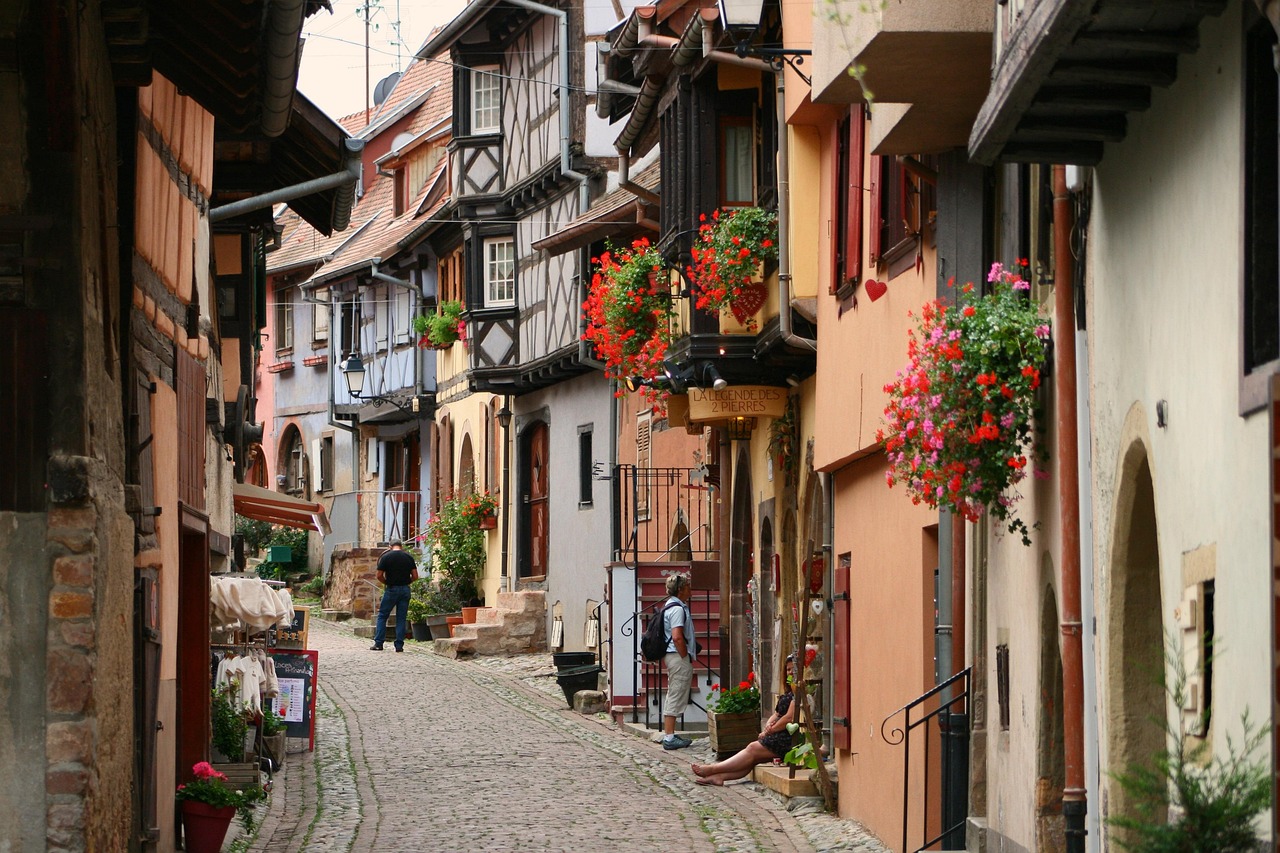
Often ranked as one of France’s most beautiful villages, the winding, cobblestone streets of Eguisheim in the Alsace region are lined with traditional medieval half-timbered buildings that are painted in bright shades. When you first step into the town, the narrow street follows the line of a former moat around the town, where you’ll see the brightly colored higgledy-piggledy houses. While there are many other Alsace towns that are worth visiting, this one is especially delightful with cars and tourist traps limited in its medieval heart.
The village’s unique circular layout stems from its origins as a fortified settlement, where homes were built concentrically around the central castle. This design creates an intimate atmosphere where every turn reveals new architectural delights and flower-bedecked balconies.
Local wineries surrounding the village produce exceptional Rieslings and Gewürztraminers, maintaining family traditions that stretch back centuries. The village comes alive during harvest season when grape-picking festivals celebrate both tradition and terroir.
Cesky Krumlov, Czech Republic – Gothic Perfection by the Vltava
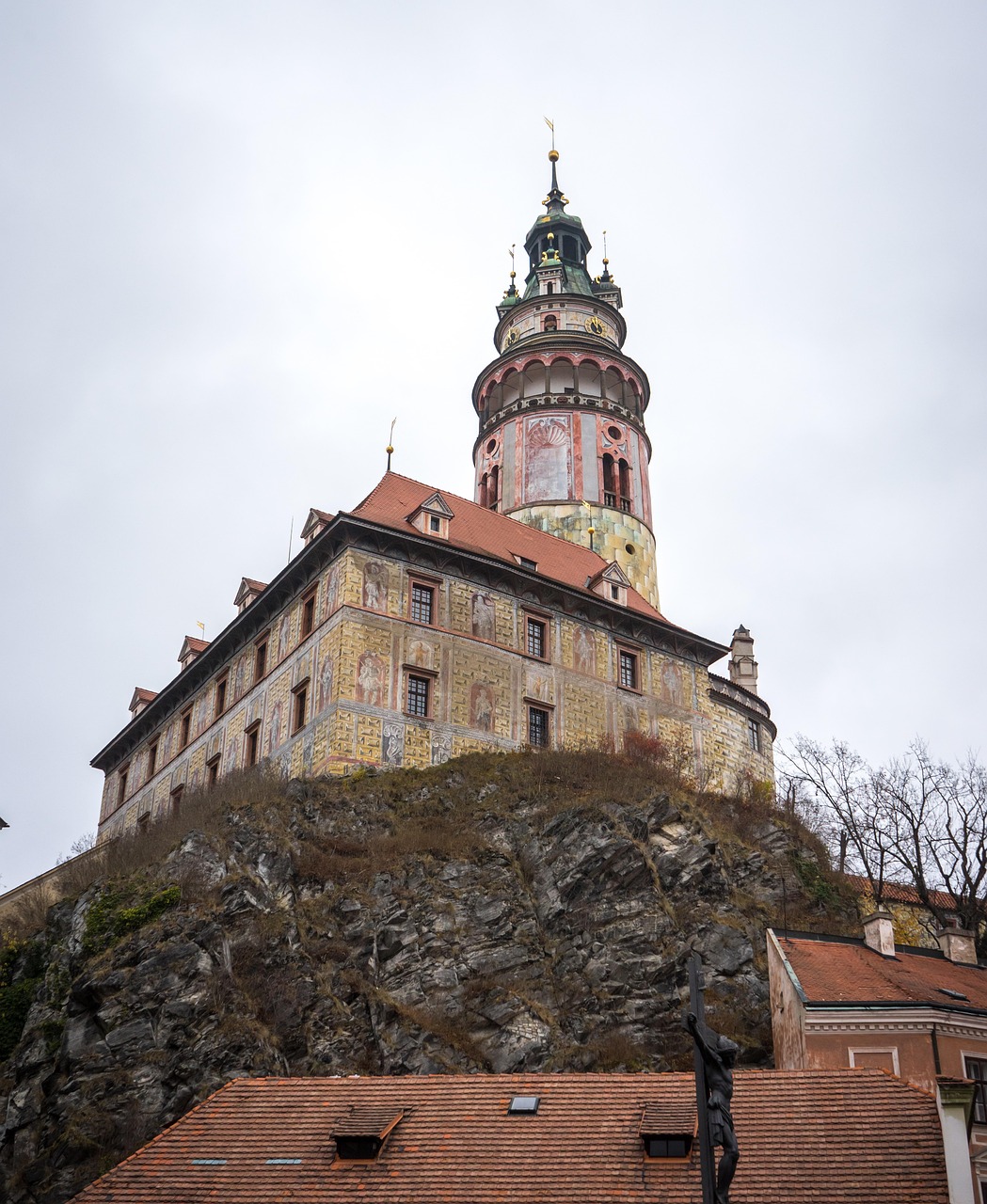
A true hidden treasure in the Czech Republic, Cesky Krumlov appears as if it’s stepped out of the pages of a fairytale with its narrow cobblestone roads, picturesque bridges and 13th-century castle with Baroque, Renaissance and Gothic elements. Untouched by war, its gorgeous architectural heritage has managed to stay intact.
Step back in time to this walled city and explore a number of well-preserved religious sites, including the Minorite Monastery and the exquisite Church of St. Vitus, as well as multiple art galleries and museums. If you’re looking for something a bit more adventurous, enjoy hiking on nearby Mount Klet or kayaking along the River Vltava.
The dramatic curve of the Vltava River creates a natural moat around the medieval core, while the towering castle complex dominates the skyline with its distinctive round tower. Street artists and craftspeople still practice traditional arts in workshops tucked into ancient buildings.
Figeac, France – Medieval Elegance in the Lot Valley
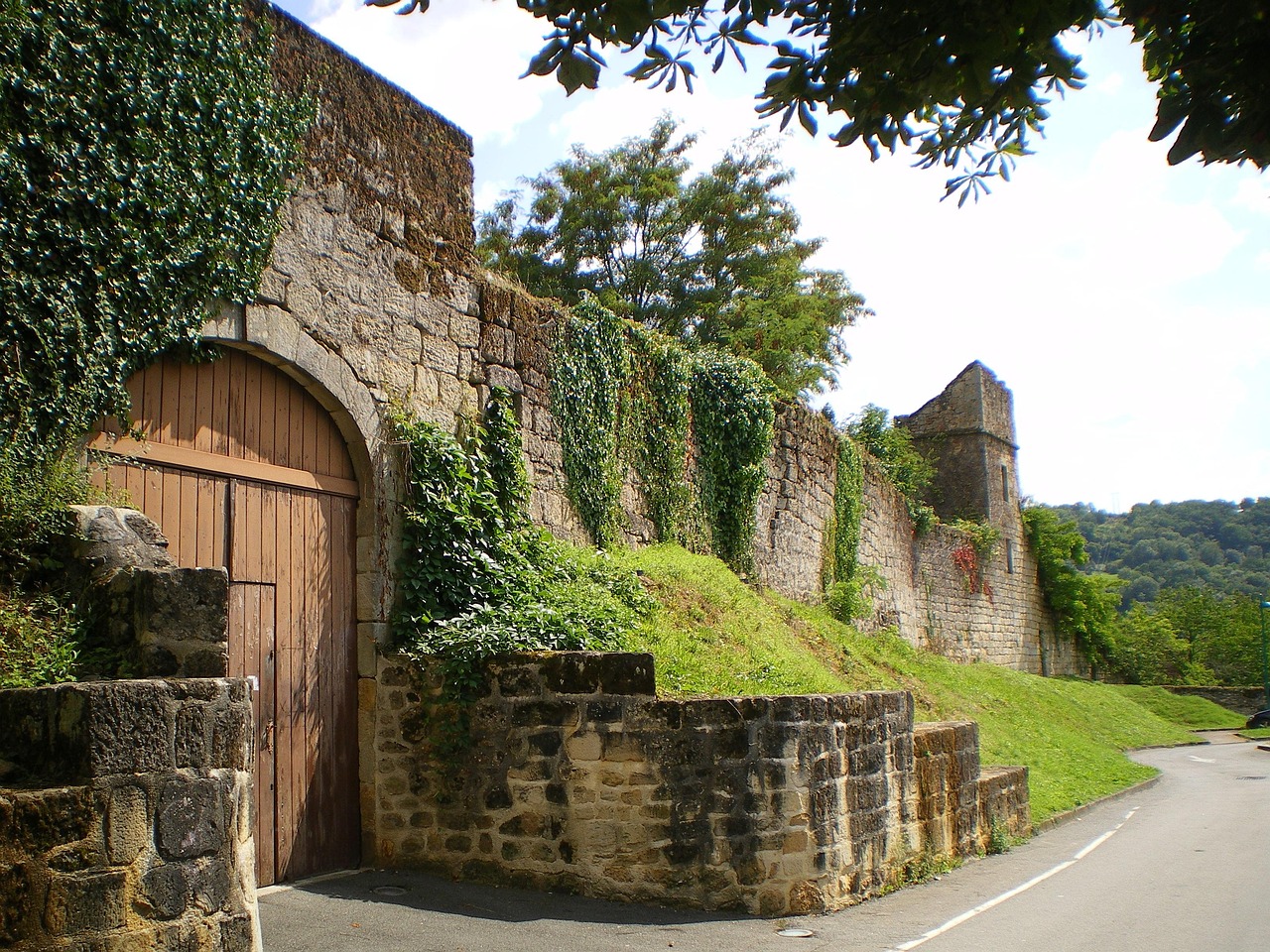
Figeac doesn’t rely on flashy attractions. Its beauty comes from quiet charm, scenic walks, and genuine French culture. I loved wandering Figeac’s medieval streets and finding cozy cafes that felt untouched by time. If you want to experience France without the tourist traps, this is a place to slow down, sip wine, and soak in a different rhythm of life.
The birthplace of Jean-François Champollion, who deciphered Egyptian hieroglyphs, Figeac maintains strong connections to its scholarly past through quiet museums and historical markers. Medieval merchant houses line ancient streets where markets have operated for nearly a thousand years.
Local specialties include foie gras, walnuts, and regional wines that pair perfectly with leisurely meals at family-run bistros. The pace here encourages long conversations over coffee and unhurried exploration of romanesque architecture.
Gjirokastër, Albania – The Stone City of the Ottoman Empire
The Albanian Riviera, with its crystal-clear waters and secluded coves, rivals anything you’ll find in Greece or Italy – but without the crowds or over-development. Inland, the town of Gjirokastër, with its Ottoman-era architecture, offers a glimpse into Albania’s rich and varied past. As a bonus, Albania is still incredibly affordable, making it a fantastic destination for budget-conscious travellers.
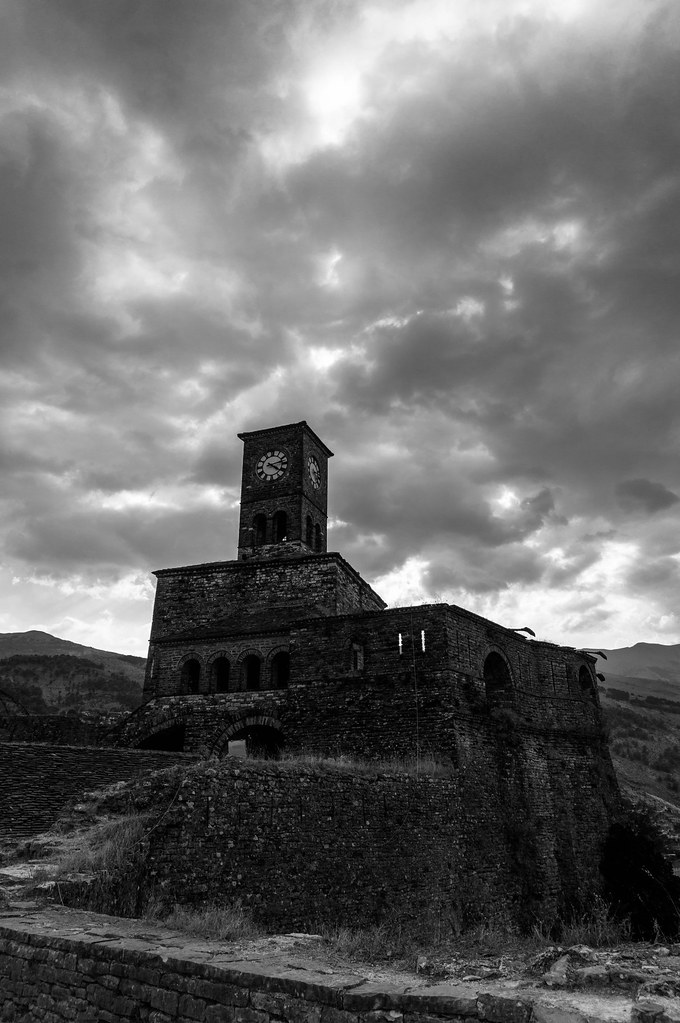
Gjirokastër’s distinctive slate-roofed houses cascade down steep hillsides like a stone waterfall, earning it UNESCO World Heritage status. The imposing fortress overlooking the city has witnessed Byzantine, Ottoman, and communist eras, each leaving distinct architectural traces.
Traditional handicrafts flourish in workshops scattered throughout the old quarter, where master craftsmen create silver jewelry, hand-woven textiles, and carved wooden items using techniques passed down through generations. The city’s isolation during communist rule accidentally preserved authentic Albanian culture that might otherwise have been lost to modernization.