10 Breathtaking National Parks Around The World You Must See Once
Every traveler has that one destination that takes their breath away completely. These incredible national parks across the globe offer some of the most stunning landscapes nature has created. By 2024, the upward trend continued, with approximately 327 million visits to US national parks, maintaining high visitation levels, proving that people worldwide are drawn to these natural masterpieces.
From towering granite spires in Patagonia to ancient wildlife migrations in Africa, these parks represent the ultimate bucket-list destinations. Let’s discover these extraordinary places that will leave you speechless and transform your perspective on our planet’s natural beauty.
Great Smoky Mountains National Park, United States
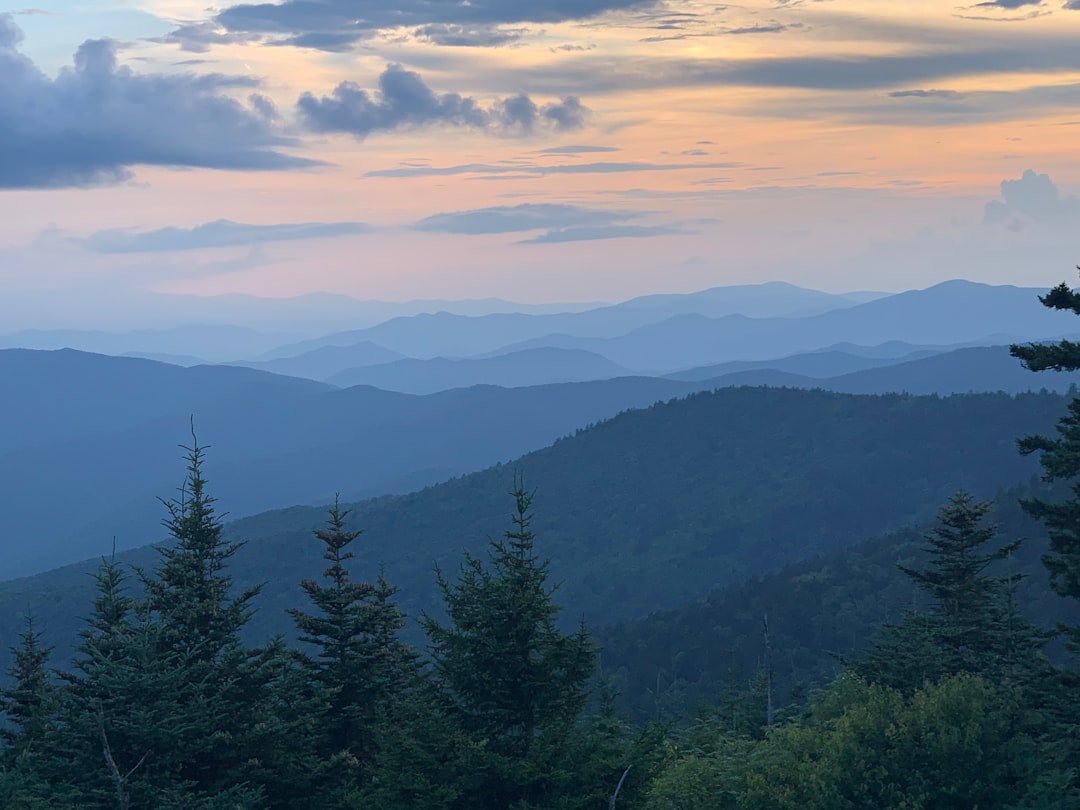
Standing as America’s most beloved national park, Great Smoky Mountains National Park attracted millions of visitors in 2024, maintaining its status as America’s most visited national park. The park straddles the border between Tennessee and North Carolina, offering something magical in every season. Its ancient mountains rise through layers of mist that give the range its distinctive smoky appearance.
This remarkable popularity stems from several factors: its convenient location along the Tennessee-North Carolina border makes it accessible to major population centers, it charges no entrance fee, and its diverse attractions include ancient mountains, rich biodiversity, and Appalachian cultural heritage. The park’s 800 miles of hiking trails, spectacular wildflower displays, and famous synchronous fireflies create year-round appeal for visitors. The diversity here rivals any park on earth, with black bears, elk, and over 200 bird species calling these mountains home.
Serengeti National Park, Tanzania
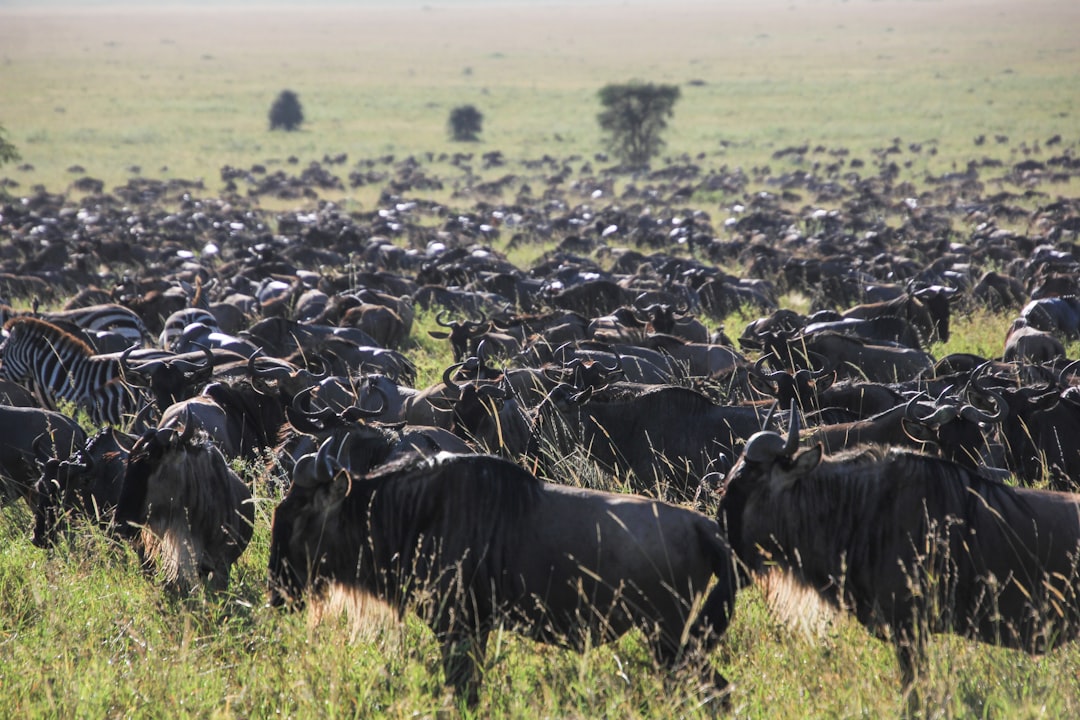
Nestled in the heart of Tanzania, Serengeti National Park is a vast expanse of savannah and grasslands that plays host to one of the world’s most incredible natural spectacles: the Great Migration. This annual event sees millions of wildebeest, zebras, and antelopes undertake a perilous journey across the Serengeti in search of greener pastures. Picture standing on endless plains watching this river of life flow across ancient landscapes.
The Serengeti National Park in Tanzania hosts over 1.5 million wildebeest during the annual migration, making it one of nature’s greatest shows. The daily conservation fee for adult international visitors is USD 70, but witnessing predators like lions and cheetahs following the herds creates memories worth every penny. The park’s golden grasslands stretch beyond the horizon, dotted with acacia trees that frame perfect African sunsets.
Torres del Paine National Park, Chile
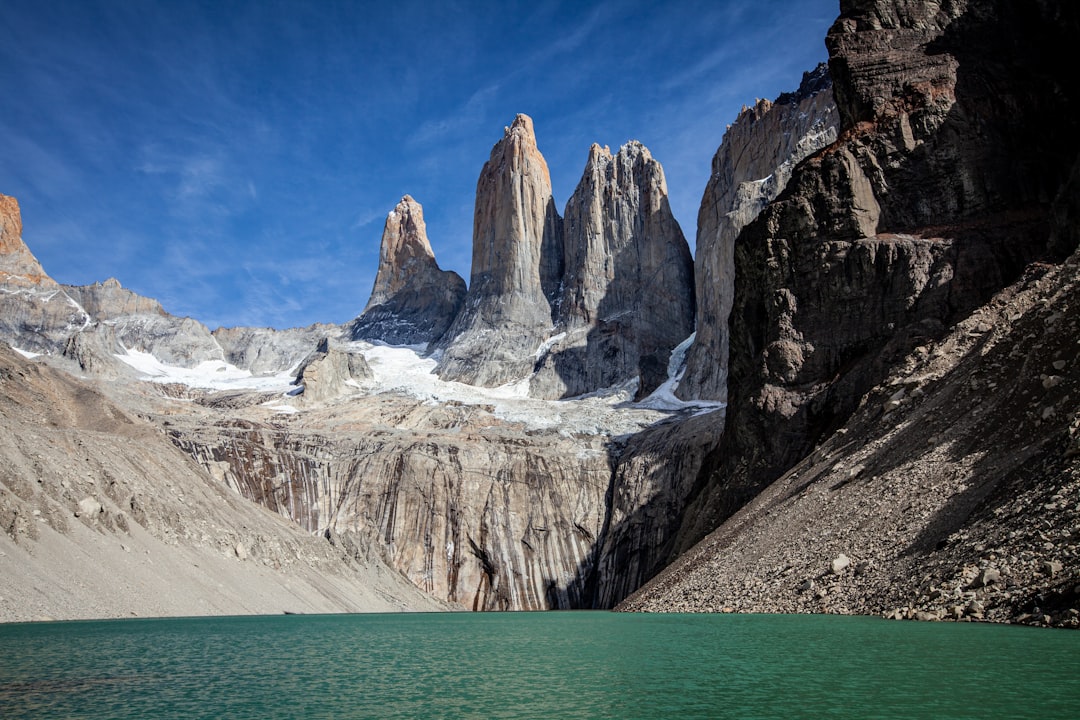
Situated in the Patagonian region of Chile, Torres del Paine National Park is famous for its dramatic mountain ranges, glaciers, and vibrant lakes. Granite Towers: The stunning peaks give the park its name and offer incredible climbing opportunities. The three granite spires that tower over the landscape create one of South America’s most iconic mountain silhouettes.
Torres del Paine in Chilean Patagonia is a spectacle of nature, known for its towering granite peaks, azure lakes, and expansive ice fields. Covering over 240,000 acres, the park is a haven for trekkers, offering some of the most breathtaking trails in the world, including the famous W Circuit. Adult foreign visitor fees start at USD 32.40 for up to 3 days, though honestly, you’ll want to stay much longer once you experience the raw beauty of Patagonian wilderness.
Kruger National Park, South Africa
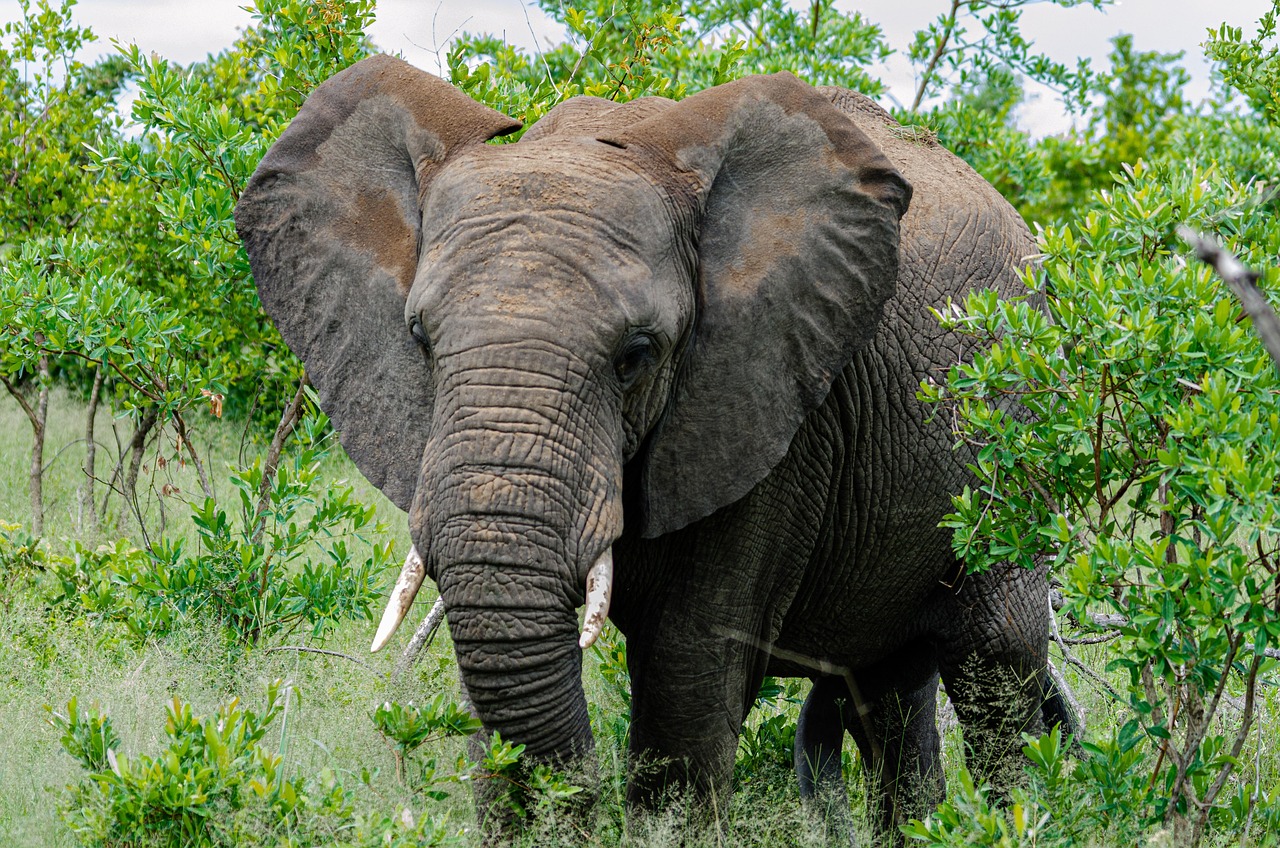
Kruger National Park is one of Africa’s largest game reserves, spanning nearly 7,500 square miles in northeastern South Africa. Big Five: Home to lions, elephants, leopards, rhinos, and buffalo. This legendary safari destination offers the quintessential African wildlife experience that every nature lover dreams about.
Kruger National Park in South Africa has an estimated 12,000 elephants, making it one of the most elephants-abundant parks in Africa, creating incredible opportunities for close encounters with these gentle giants. This vast expanse of savannah and bushveld is home to an incredible diversity of animals, including the iconic Big Five – lions, elephants, buffalo, leopards, and rhinos. One of the park’s greatest attractions is the opportunity to witness these magnificent creatures in their natural habitats. The park’s road network lets you self-drive through different ecosystems, each offering unique wildlife viewing opportunities.
Fiordland National Park, New Zealand
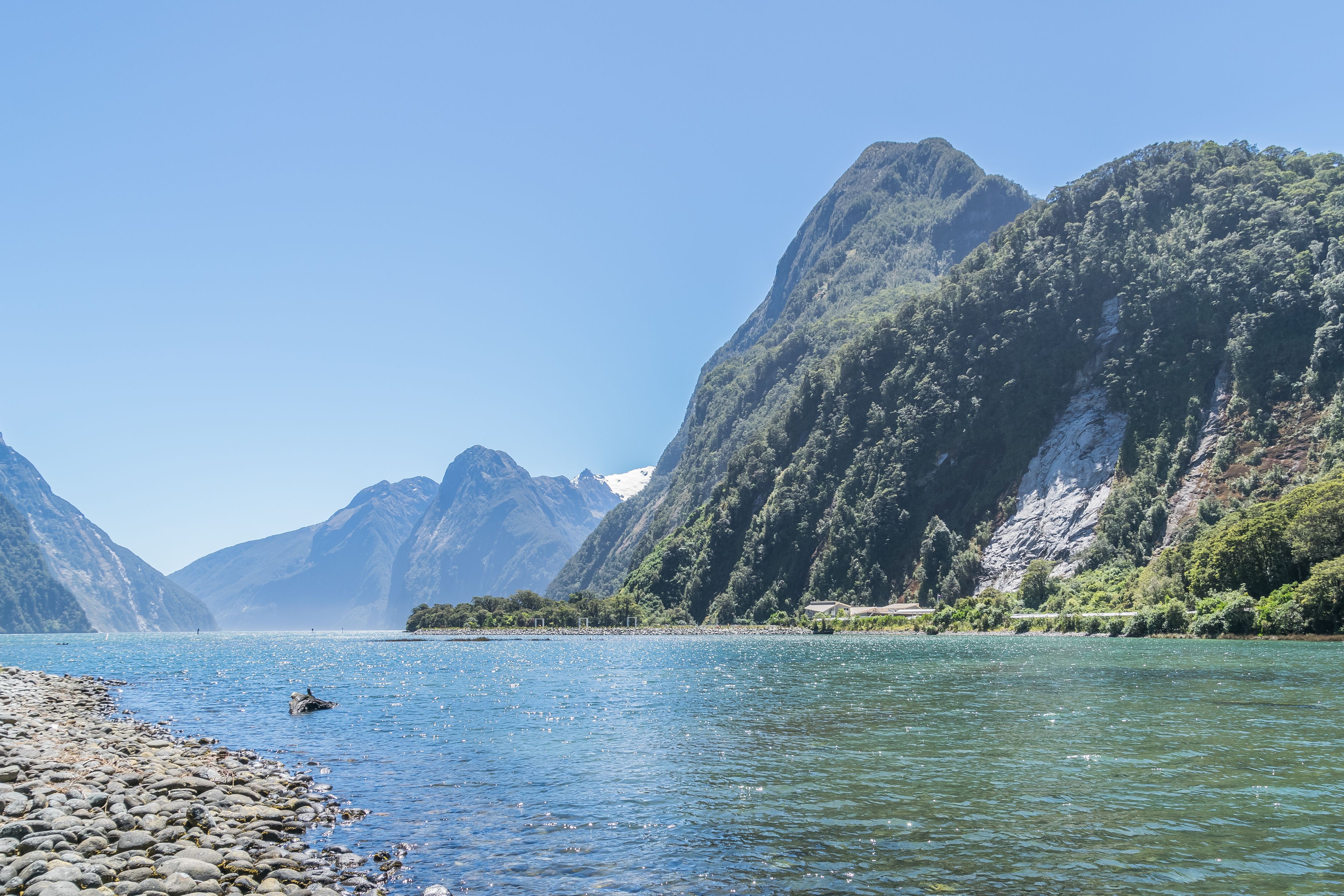
Fiordland National Park is the country’s most popular tourist attraction. Hundreds of thousands of people explore the area annually. This dramatic landscape on New Zealand’s South Island showcases nature’s raw power through steep fjords carved by ancient glaciers. Milford Sound continues to attract hundreds of thousands of visitors annually, with cruise passenger numbers showing growth in recent years.
Milford Sound, often called the eighth wonder of the world, creates reflections so perfect they seem painted onto glass-still waters. Mitre Peak at 5,560 feet (1,695 m) and Pembroke Peak at 6,710 feet (2,045 m) serve as backdrops of the astounding landscape of this beautiful fjord. Milford Sound is the most popular fjord of the national park. Waterfalls cascade directly from towering cliffs into the dark waters below, while dolphins and seals often accompany boat tours through these mystical waterways.
Yosemite National Park, United States
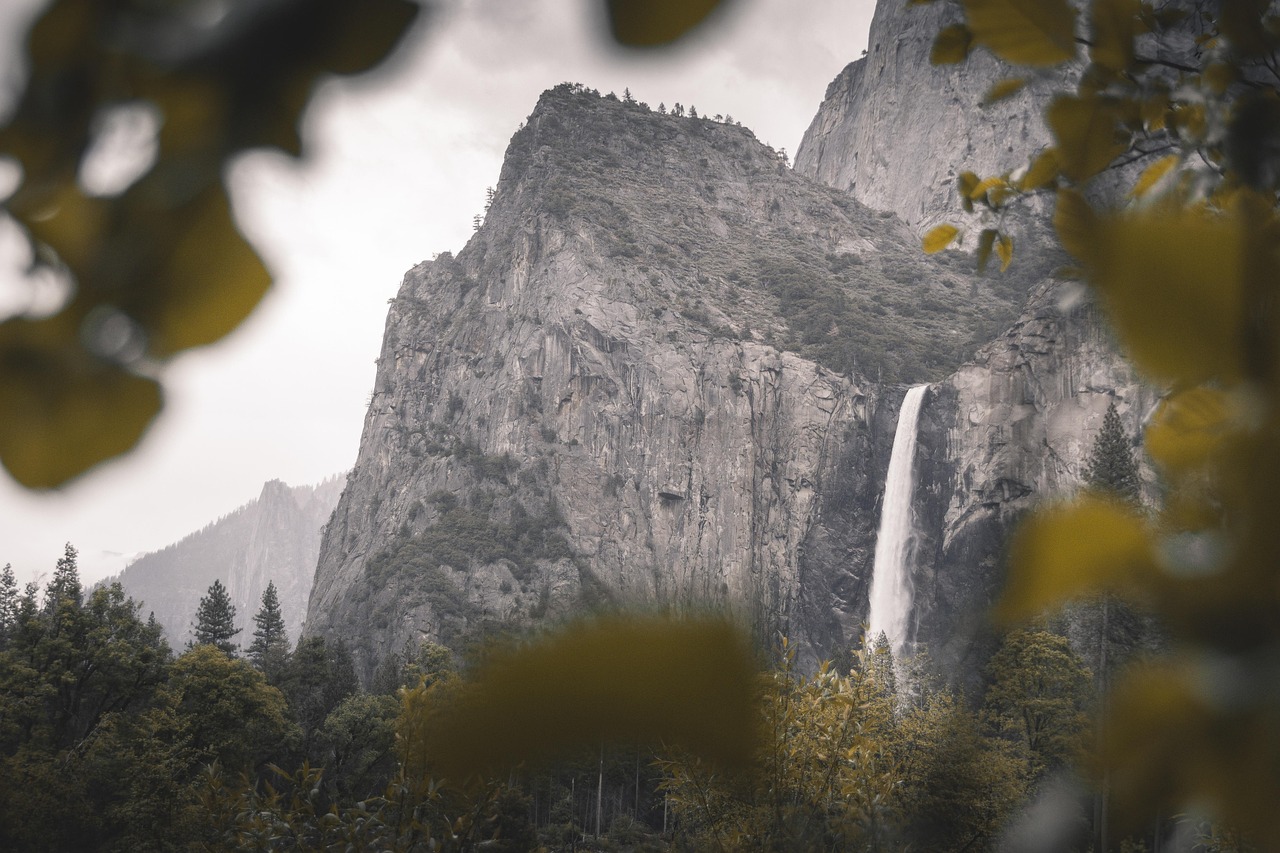
Yosemite National Park, located in California, is renowned for its stunning granite cliffs, waterfalls, and giant sequoias. El Capitan: A famous rock formation attracting climbers from around the world. Yosemite Falls: One of the tallest waterfalls in North America. Standing in Yosemite Valley surrounded by these towering granite monoliths feels like being inside a natural cathedral.
Established in 1890 and managed by the U.S. National Park Service, Yosemite welcomes around 4 million people each year. Economic reports from the federal government reveal that park-related spending generates over 300 million dollars annually, sustaining local jobs and services. The ancient giant sequoias in Mariposa Grove remind you how small we are in the grand scheme of nature’s timeline, some having stood for over 2,000 years.
Banff National Park, Canada
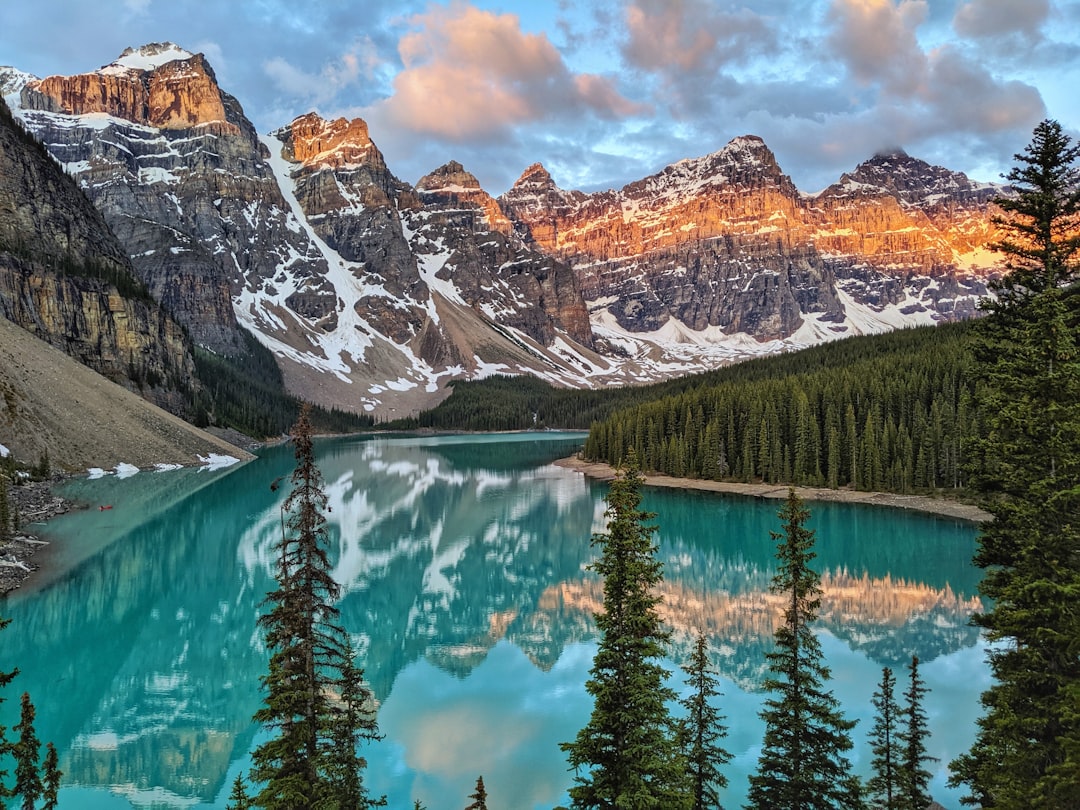
Nestled in the heart of the Canadian Rockies, Banff National Park is a sanctuary of majestic peaks, emerald lakes, and glacier-fed rivers. Established in 1885, it’s Canada’s first national park and a UNESCO World Heritage Site. Banff’s landscape is dotted with iconic landmarks such as Lake Louise and Moraine Lake, whose turquoise waters reflect the surrounding mountainous panorama. The impossibly blue color of these glacial lakes comes from fine rock flour suspended in the water.
Whether you visit during summer’s wildflower bloom or winter’s snow-covered splendor, Banff delivers jaw-dropping scenery at every turn. The Icefields Parkway connecting Banff to Jasper ranks among the world’s most scenic drives, with glacier-capped peaks rising dramatically on both sides. Bow Valley Parkway offers a scenic route between Banff and Lake Louise. This route is less frequented but more picturesque than the Trans-Canada Highway.
Zion National Park, United States
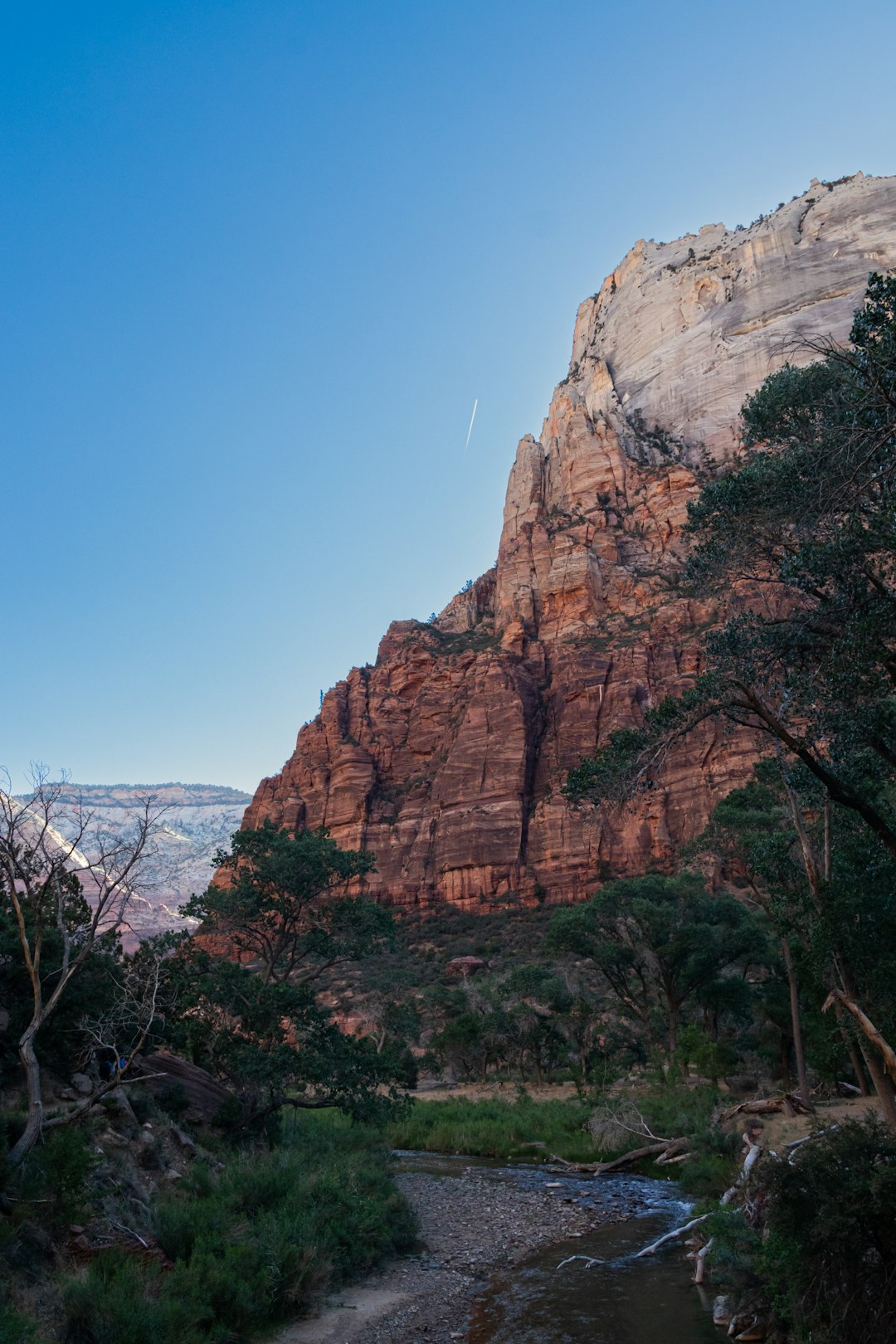
Zion National Park (Utah) attracts millions of visitors annually · Known for its dramatic sandstone cliffs, Zion attracts hikers and adventure seekers eager to explore the famous Angels Landing and The Narrows. The towering red and orange sandstone cliffs create a natural amphitheater that changes color throughout the day as sunlight shifts across the canyon walls.
The park’s slot canyons, carved by the Virgin River over millions of years, offer some of the most unique hiking experiences anywhere. Walking through The Narrows means wading upstream through the river itself, surrounded by walls that soar 1,000 feet overhead. Angels Landing trail rewards brave hikers with panoramic views, though the final chain-assisted climb tests even experienced adventurers’ nerve.
Grand Canyon National Park, United States
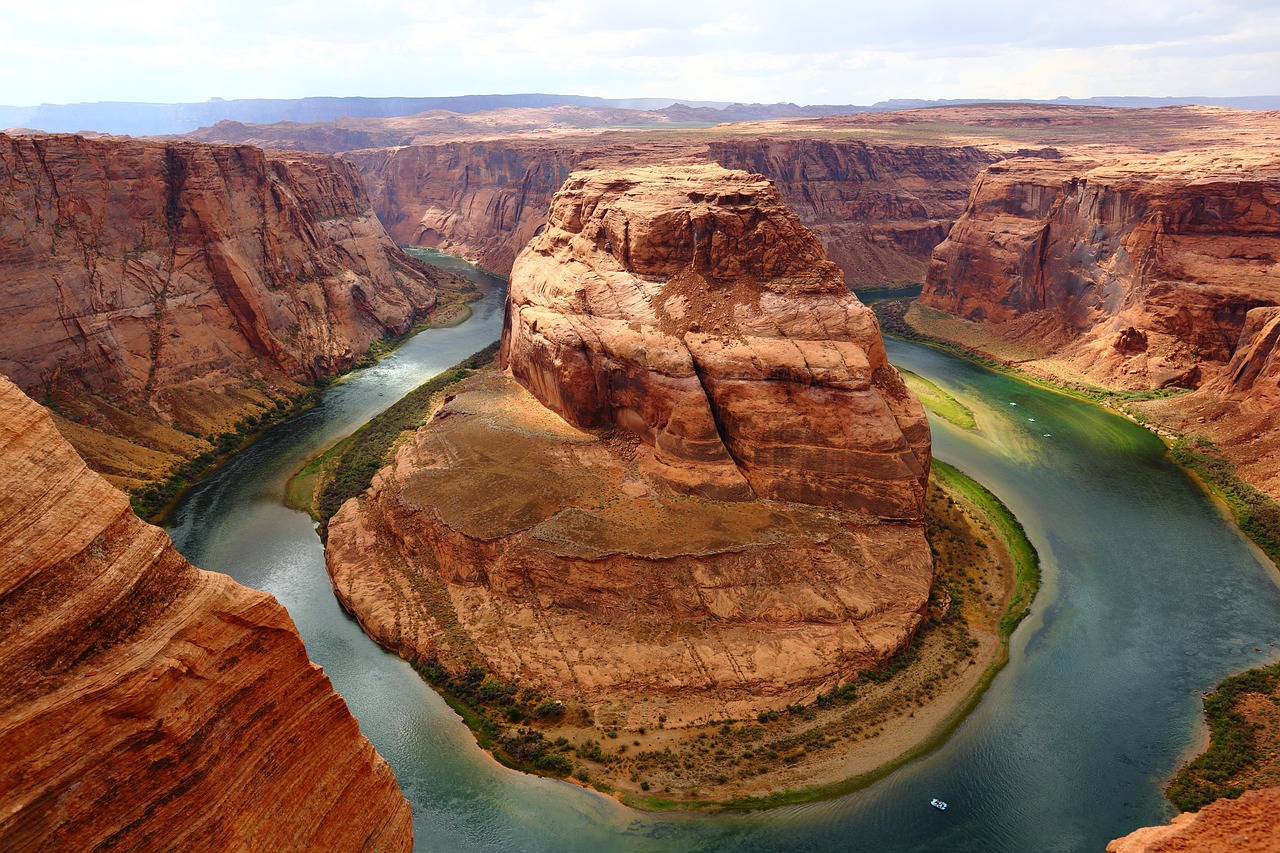
Grand Canyon National Park (Arizona) attracts millions of visitors annually · One of the Seven Natural Wonders of the World, the Grand Canyon’s breathtaking vistas and deep geological history continue to captivate millions. Standing at the rim, you’re looking at nearly two billion years of Earth’s history exposed in colorful rock layers that stretch as far as the eye can see.
The sheer scale defies comprehension until you witness it firsthand. The canyon spans 277 miles long, up to 18 miles wide, and reaches depths over a mile deep. Sunrise and sunset transform the canyon into a living painting as shadows dance across the layered rock formations. Each viewpoint offers a completely different perspective of this geological masterpiece that never fails to humble visitors.
Galápagos National Park, Ecuador

The Galápagos Islands National Park in Ecuador was established in 1959 and covers around 97% of the islands’ land area, protecting one of the world’s most unique ecosystems. These volcanic islands inspired Charles Darwin’s theory of evolution, and today they remain a living laboratory of endemic species found nowhere else on Earth.
Swimming with sea lions, watching giant tortoises lumber across volcanic landscapes, and observing fearless blue-footed boobies creates an almost surreal wildlife experience. The islands’ isolation has allowed species to evolve in extraordinary ways, from marine iguanas that dive for seaweed to finches with specialized beaks for different food sources. Each island offers distinct landscapes and wildlife, making every day an incredible discovery.
These ten remarkable national parks represent the absolute pinnacle of natural beauty our planet offers. Each destination provides unique experiences that will fundamentally change how you see the natural world. These places remind us not only of the beauty we came to see but of the deeper connections we crave – with the earth, with each other, with meaning. Thanks to responsible tourism and committed governance, these natural treasures will continue to heal weary travelers and uplift communities for years to come.
What do you think about it? Tell us in the comments.