I Ran a Grocery Store for 8 Years: 9 Products I’d Skip
After nearly a decade behind the scenes of a grocery store, you start seeing things differently. Not as a shopper, but as someone who knows exactly where every product comes from, how long it’s been sitting there, and whether it’s actually worth your money. Honestly, a lot of what lines those shelves is either overpriced, nutritionally bankrupt, or both. Let’s just say the view from behind the counter changes things permanently.
There are products that look tempting, that have brilliant packaging and bold claims splashed across the front. Some carry a price tag that seems reasonable until you realize what you’re actually getting. If you’ve ever stood in an aisle wondering whether something is worth it, keep reading. What I’m about to share might genuinely change how you shop.
1. Pre-Cut Fruits and Vegetables
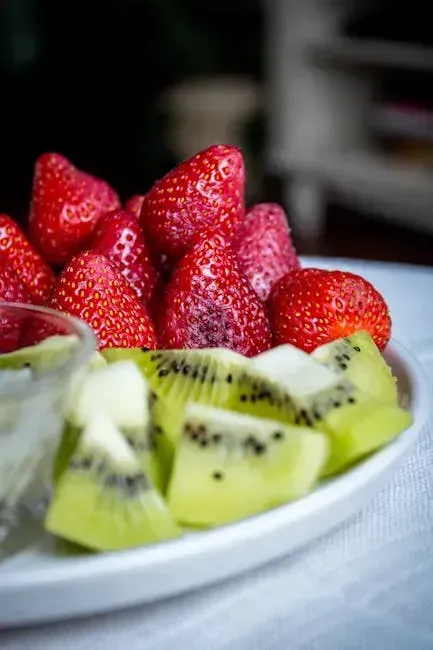
I get it. Life is busy, and grabbing a tray of pre-sliced bell peppers or melon cubes feels like a reasonable shortcut. But here’s the thing: instead of buying expensive pre-cut fruits and veggies, you can save around $15 a month by purchasing whole produce and doing the slicing yourself, which adds up to nearly $180 per year. That’s real money.
Health professionals increasingly stay away from precut veggies because of the documented loss of nutrients that occurs once produce is cut and exposed to air. Think of it like this: a sliced apple starts browning almost immediately. The same chemical process happening inside that clear plastic tray is reducing the very vitamins you’re paying a premium for. You’re basically paying more to get less nutrition. That’s a bad deal by any measure.
2. Sugary Breakfast Cereals
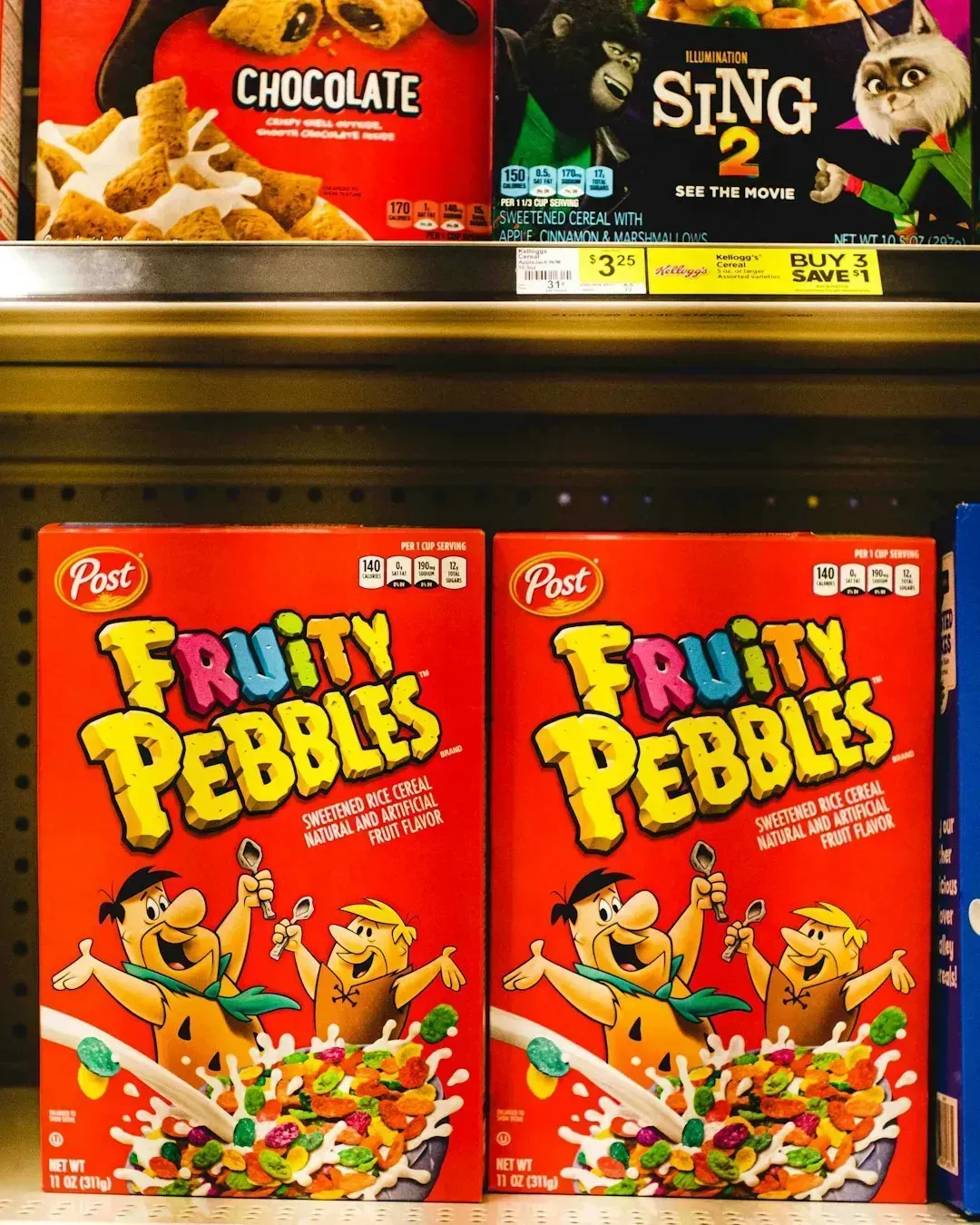
Most breakfast cereals are loaded with sugar and refined grains, and high sugar consumption is harmful, increasing risk of several diseases. Almost all breakfast cereals are marketed as healthy, but many may not actually be ideal for optimal health. I watched families load up on these boxes week after week, drawn in by colorful mascots and health claims printed right on the front.
One grocery shopper described cereal as “super expensive and mostly just sugar.” A parent agreed that cereal had become an overrated food item, noting “I took rising cereal prices as the final nail in the coffin of me considering it a decent breakfast option for my kids.” Research has shown that the overwhelming majority of children’s cereals are still too high in sugar, even though children will happily eat low-sugar cereals. If you genuinely want cereal, look for options with minimal added sugar and real whole grains listed first.
3. Bottled Water
This one always surprised new employees. We sold enormous quantities of bottled water every single day. Instead of splurging on bottled water, investing in a reusable water bottle and a home water filtration system makes far more sense. Bottled water can cost upward of $1 per bottle, while tap water costs a fraction of that amount, saving hundreds annually.
Bottled water is essentially just water, but with a brand name and fancy packaging, it suddenly costs an arm and a leg. There are also environmental concerns worth considering. The plastic waste generated by single-use water bottles is staggering. A basic water filter pitcher at home achieves the same result for a fraction of the ongoing cost. Let’s be real: the marketing around premium bottled water is some of the most effective in the entire grocery business.
4. Packaged Deli Meats
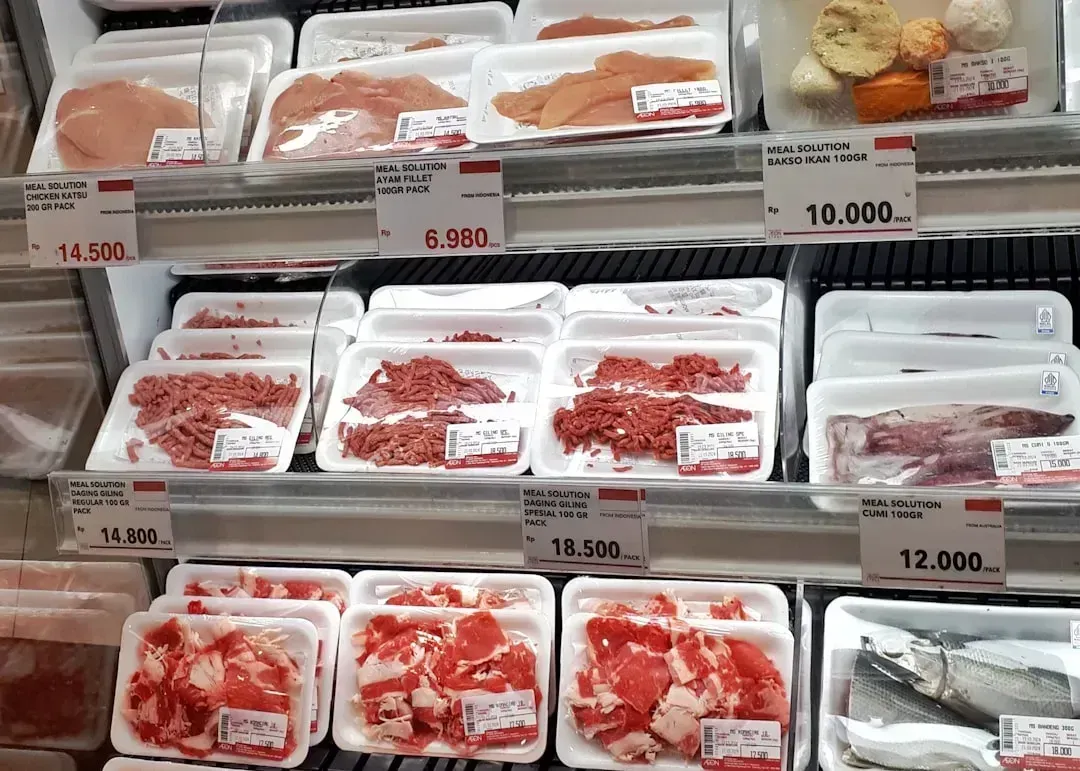
Working in a store that sold large volumes of deli meat gave me a front-row seat to something most shoppers never think about. Growing health concerns around processed meat intensified following a Boar’s Head recall of 7 million pounds of deli meat linked to a deadly listeria outbreak, which was connected to three deaths and 43 hospitalizations across more than a dozen states according to the U.S. Centers for Disease Control and Prevention.
A 2024 umbrella review of 45 meta-analyses including almost 10 million people found that diets high in ultra-processed foods are linked to 32 health conditions including obesity, type 2 diabetes, and many cancers. Ultra-processed meats have been classified by the WHO as a Group 1 carcinogen for their link to colorectal cancer. In 2025, new large-scale research published in Nature Medicine added to existing evidence suggesting that regular consumption of processed meats is associated with increased risks of several chronic diseases. That’s a pattern worth taking seriously.
5. “Veggie” Chips and Snack Imposters

These are one of the grocery store’s most brilliant illusions. The packaging shows vibrant carrots or zucchini slices and uses clean, earthy fonts that whisper “health food.” Shoppers grabbed them by the bagful, convinced they were making a smart choice. They weren’t. A chip made from carrots, sweet potatoes, or zucchini may seem really healthy, but even though it’s made from vegetables, many veggie chips are fried and contain high levels of sodium and artificial additives.
It’s safe to say that many chip varieties in this category pack almost 300 milligrams of sodium in a serving size of only 12 chips, and it’s way too easy to go overboard when snacking. Consistently eating too much sodium can lead to high blood pressure and other heart complications. A bag of actual mixed vegetables from the produce section costs less, has far more nutritional value, and won’t leave you hunting for the bottom of the bag twenty minutes later.
6. Flavored and Sweetened Yogurts
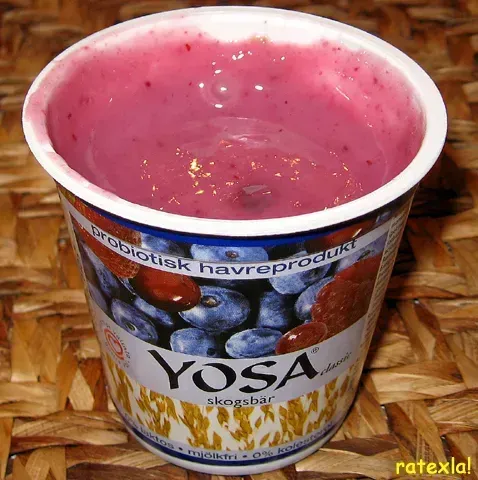
Plain yogurt is one of the most genuinely nutritious things you can buy in a grocery store. High in protein, full of probiotics, and surprisingly versatile. Then the food industry got involved and created what I privately called the “yogurt candy aisle.” Presweetened or flavored yogurts can be very high in sugar and calories. The smarter move is to buy plain yogurt and flavor it with fresh fruit instead.
The difference in the sugar content between a plain Greek yogurt and a branded fruit-flavored one can be shocking once you read the label side by side. Some flavored yogurt cups contain as much added sugar as a small candy bar, completely undermining any nutritional benefit. It’s a classic case of a genuinely good product being transformed into junk through processing. Add your own fresh berries at home. Takes ten seconds and tastes better anyway.
7. Name-Brand Staples When Store Brands Exist
I’m going to say something that might feel disloyal given I worked in retail: the name-brand markup on many staples is almost embarrassing. Generic or store-brand products often offer similar quality at a fraction of the cost, and many brand name cereals are made by the same manufacturers as the store brand versions and cost up to 40% less. That last part is the key detail most people never know.
Name-brand items are often marked up significantly, even when they are basically the same as the store-brand version sitting right next to them on the shelf. By switching to generic or store-brand products, you can save a lot on your grocery bill. Many store-brand items are made by the same manufacturers as the name brands, so you’re often paying extra just for fancy packaging. I saw the delivery invoices. Trust me on this one.
8. Bottled Fruit Juices Marketed as Healthy
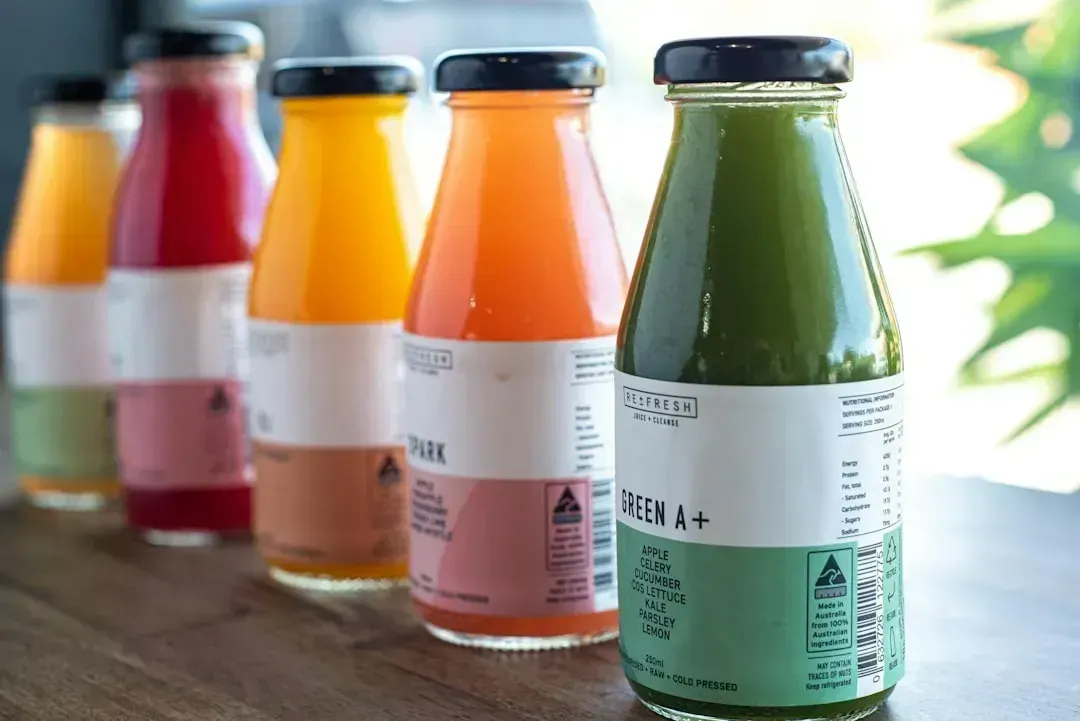
Parents, especially, tended to reach for these with total confidence. The word “juice” on a label feels inherently healthy, almost medicinal. But the reality is quite different. With water and high fructose corn syrup as the first two ingredients in many popular juice products, these beverages are far from “the real thing.” If you’re looking for fresh fruit juice, many of these options are best skipped at the store.
Bottled smoothies are another example of tricky marketing. When you see the word “smoothie,” you may automatically assume it is healthy, but many are mostly full of sugar. Although you might get some fiber, a drink with 50 grams of sugar and almost no protein won’t give you any staying power at all. Whole fruit is cheaper, more filling, and delivers fiber that juice simply cannot replicate once it’s been processed. The juice aisle is honestly one of the most misleading sections in the entire store.
9. Frozen Meals Dressed Up as Convenient Nutrition

I watched frozen meal sales spike every January, right alongside the resolution crowd. People were genuinely trying to eat better and leaned on these as a practical shortcut. Pre-packaged and convenience foods might save time, but they come with a hefty price tag and are usually not the healthiest option. Cooking from scratch is not only cheaper but also lets you control the quality of ingredients in your meals.
Meal-prepping larger batches of homemade casseroles, soups, and stews on weekends provides quick, nutritious lunches and dinners throughout the week for far less than frozen, packaged meals. With a few effortless substitutions like these, you can pocket $200 or more in monthly grocery savings. The sodium levels in many frozen meals are jaw-dropping once you check the label. Studies have shown that eating just 10% more calories a day from ultra-processed food may be associated with a 50% higher risk of cardiovascular disease-related death, a 55% greater chance of obesity, and a 40% higher probability of developing type 2 diabetes. No single frozen lasagna is worth those odds.