6 Classic Sandwiches That Quietly Vanished From Deli Menus
Walk into any deli today and you’ll find the same familiar lineup: turkey clubs, Italian subs, maybe a pastrami if you’re lucky. Tastes have changed over time and consumer habits have shifted, leading to a decline in deli meat sales overall, with younger folks not being big on using service counters. Meanwhile, a whole generation of sandwiches that once packed lunch counters from coast to coast has faded into near-total obscurity. Some of them vanished slowly. Others got pushed out by food safety scares, health trends, or simply the relentless march of time. Here are six of those forgotten classics worth remembering.
1. The Liverwurst Sandwich
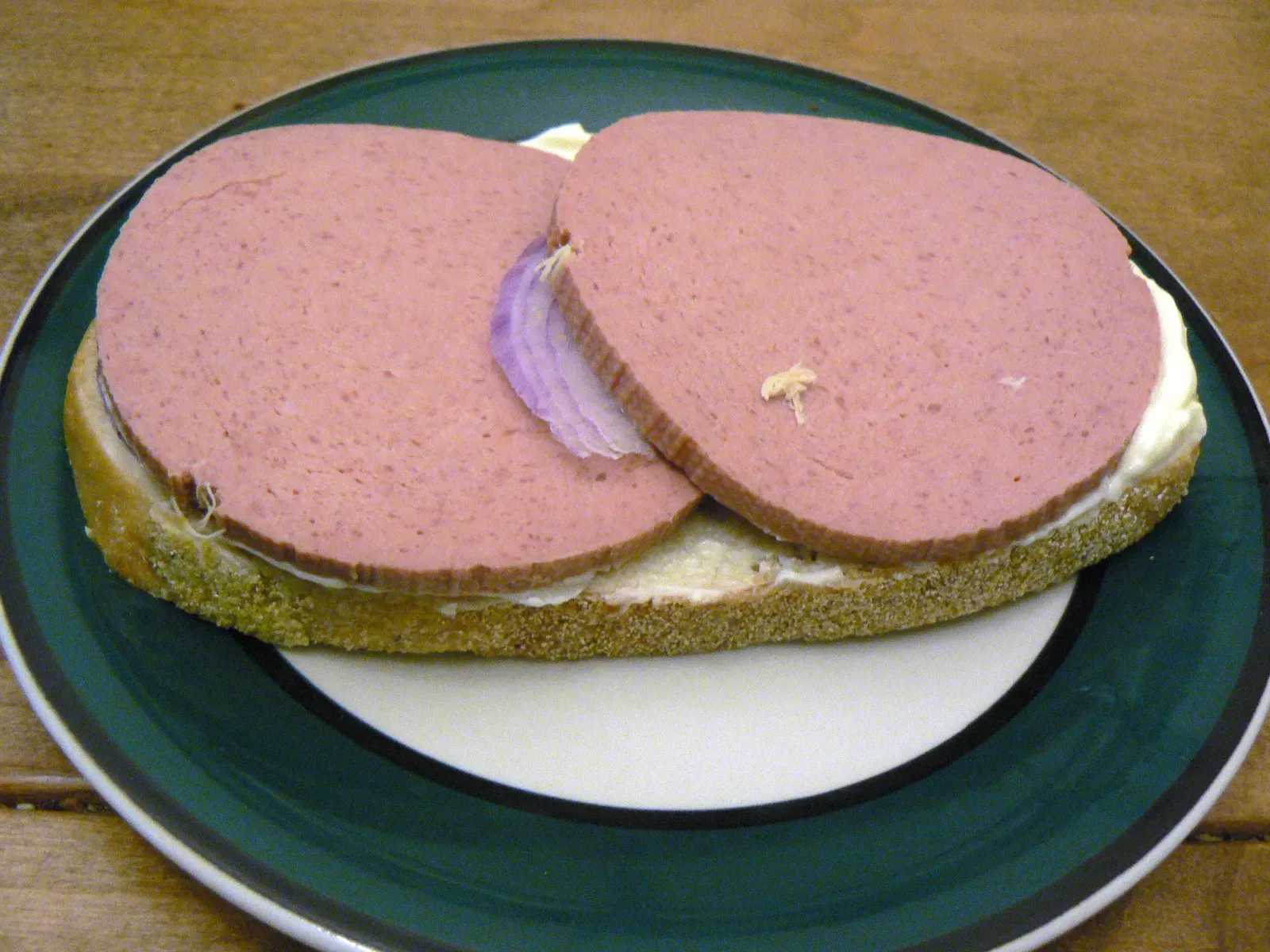
Liverwurst is a food of German origin, technically a sausage made from a pig’s organ meats, mostly liver, and pork fat. It’s all finely ground up together and extruded into tubes, with the finished product soft enough to work as a spreadable paste for bread or crackers, but firm enough to be used in slices or hunks on a sandwich. The classic deli build was simple but memorable: soft liverwurst, sharp raw onion rings, and a streak of spicy mustard, with a silky texture and a pleasantly funky flavor. For decades, it was a working-class staple that required absolutely no apology.
Liverwurst’s popularity peak in the U.S. lasted from the 1940s to the 1970s, sold alongside bologna at deli counters and appearing in little cylinders in grocery store luncheon meat sections. By the 2020s, liverwurst had disappeared from the mainstream, even in deli hotbeds like New York City, and after 2024, what little liverwurst remained in distribution grew even more rare. The final blow came in the summer of 2024: Boar’s Head issued a recall of all deli products made at their Jarratt, Virginia facility, including ready-to-eat liverwurst products, due to contamination with Listeria monocytogenes, with epidemiological data confirming that meats sliced at deli counters, including Boar’s Head brand liverwurst, were making people sick. As of November 2024, a total of 61 people infected with the outbreak strain of Listeria were reported from 19 states. The company also announced that it would permanently discontinue its liverwurst products.
2. The Olive Loaf Sandwich
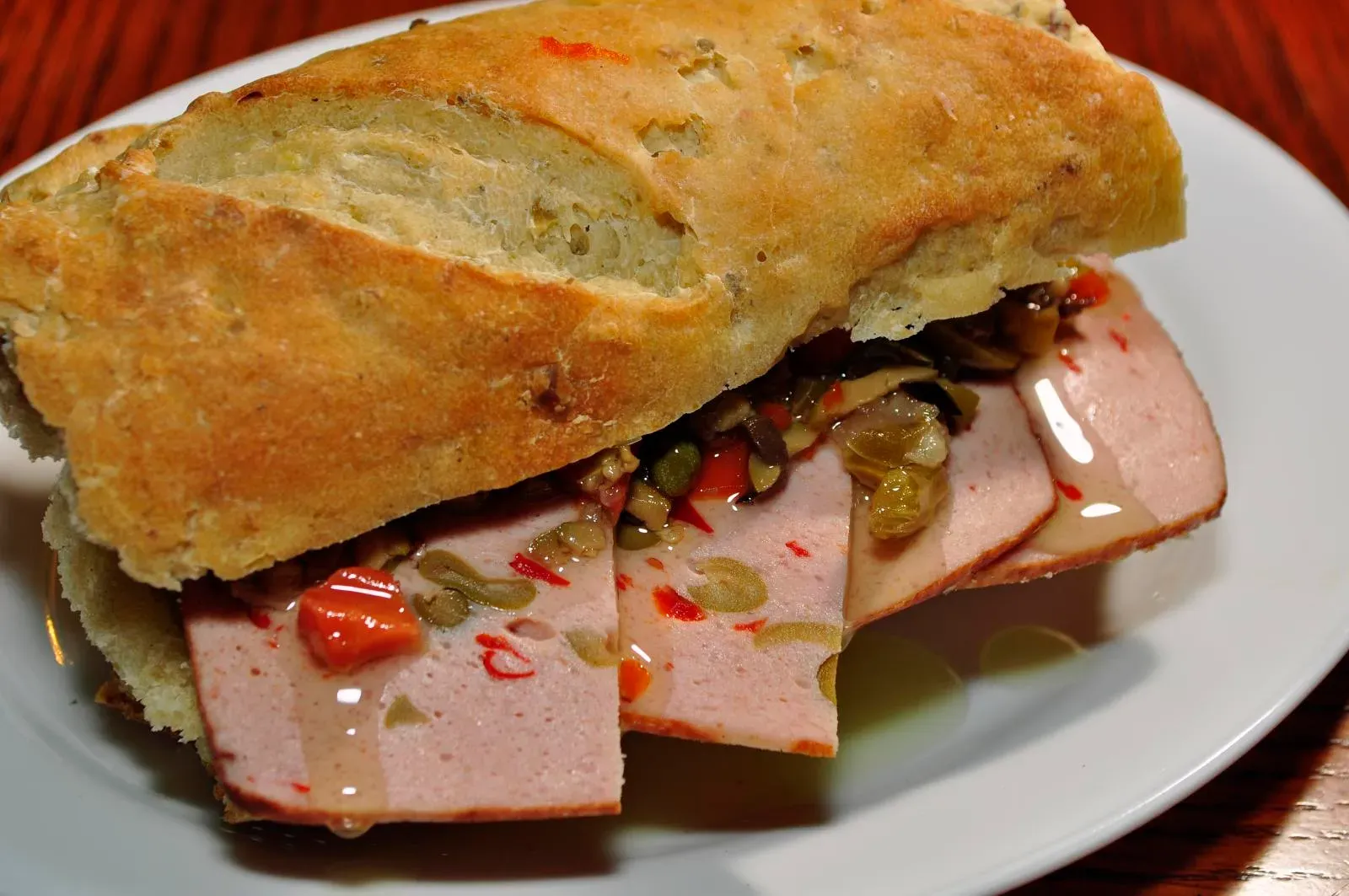
Once a familiar sight in American lunchboxes, olive loaf, a processed deli meat studded with green olives and red pimentos, has nearly disappeared from shelves. Olive loaf’s real heyday was from the 1940s to the 1970s, according to Marla Royne Stafford, professor and chair of marketing and international business at the University of Nevada, Las Vegas. At its peak, it was standard lunch counter fare, sliced thin and laid onto soft white bread with a stripe of yellow mustard. Olive loaf and its sister products, such as pimento loaf and pickle loaf, were marketed to middle- and working-class families as quick, affordable lunchbox options.
By the 1990s, concerns about nutrition began to reshape American eating habits. Processed meats, often high in sodium and saturated fats, clashed with the era’s low-fat craze. As Michael Moss writes in his book “Salt Sugar Fat,” “Through the 1990s, bologna sales in general fell one percent each year.” This steady decline, coinciding with an intentional shift towards lower-fat diets, explains why olive loaf has practically disappeared from store shelves. Oscar Mayer no longer even produces olive loaf, while muffuletta-style sandwiches, which utilize an olive melange, seem to have replaced the idea of meats with the olives built right in.
3. The Ham Salad Bakery Roll
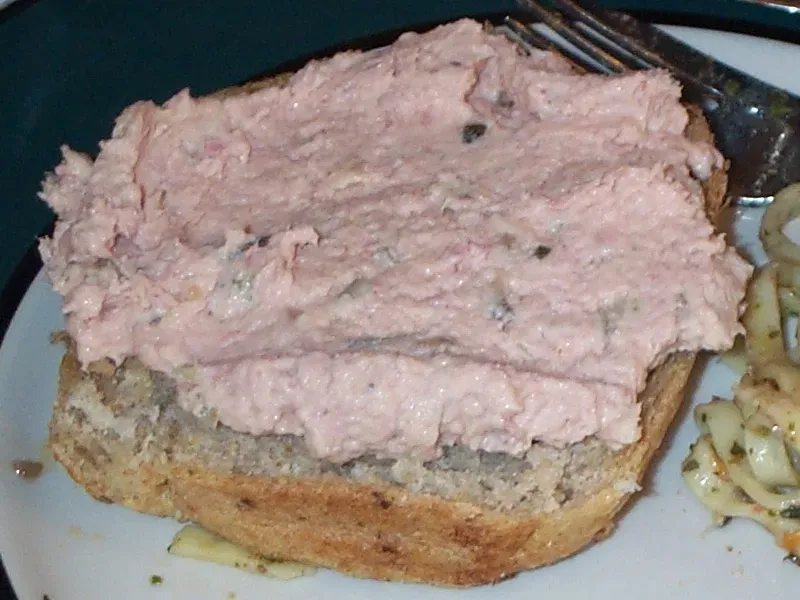
Leftover ham got a second life in a creamy chop, folded with pickle relish and a bit of celery crunch, piled on a bakery roll as picnic fuel that traveled well. This was Depression-era resourcefulness at its finest – nothing went to waste when you could grind up Sunday’s ham and turn it into Monday’s lunch. The result was something deeply humble and deeply satisfying, the kind of sandwich that showed up at church basements and family reunions without fail. It belonged to the category of food that needed no explanation to the people who loved it.
Prepacked options and sodium fears nudged ham salad away, with people worrying about mayo sitting out. Food safety concerns killed many a mayo-based sandwich, fair or not. The rise of individually wrapped, preservative-laden alternatives made fresh-made ham salad seem risky by comparison. As health and wellness continue to be a priority for many consumers, sandwiches made with whole grain breads, lean proteins, and fresh vegetables gained popularity, leaving mayo-heavy classics like ham salad further behind with each passing year. Today, finding a deli that still makes it fresh from scratch is genuinely rare.
4. The Beef Tongue with Horseradish Sandwich
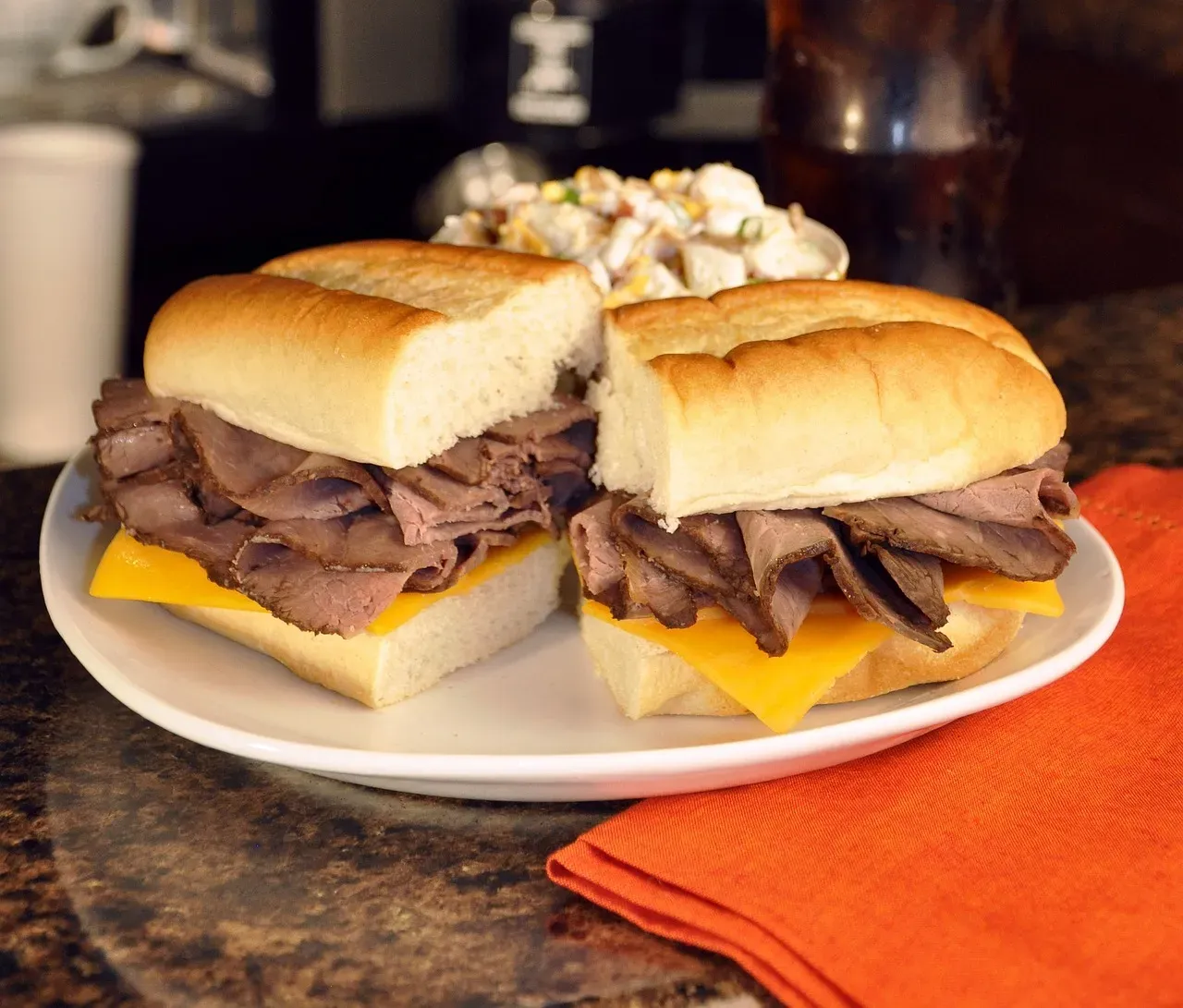
Tongue was an exceptionally cheap cut of meat, so people got creative cooking it through broiling, baking, or serving it corned, slicing it up for sandwiches with horseradish and pickles, with popularity stemming more from necessity than flavor. Yet for those who acquired the taste, tongue offered surprisingly tender meat with a delicate texture you couldn’t get from regular cuts. In Jewish deli culture particularly, the beef tongue sandwich was a well-regarded item, and for many immigrant communities it represented a deeply practical approach to the whole animal.
Beef prices eventually dropped, and other cuts of the animal became less pricey, so people were once again able to select the cuts of meat they actually wanted to eat, not just what they could afford. Beef tongue sandwiches are still important in Jewish food culture and can still be found in more traditional delis. Katz’s Deli in New York still serves it. Still, most folks today would rather not think about where their sandwich came from, which probably explains why tongue never made a mainstream comeback. The psychology of modern eating, where consumers prefer distance from the realities of meat production, sealed this sandwich’s fate on the everyday deli menu.
5. The Egg Salad on Pumpernickel
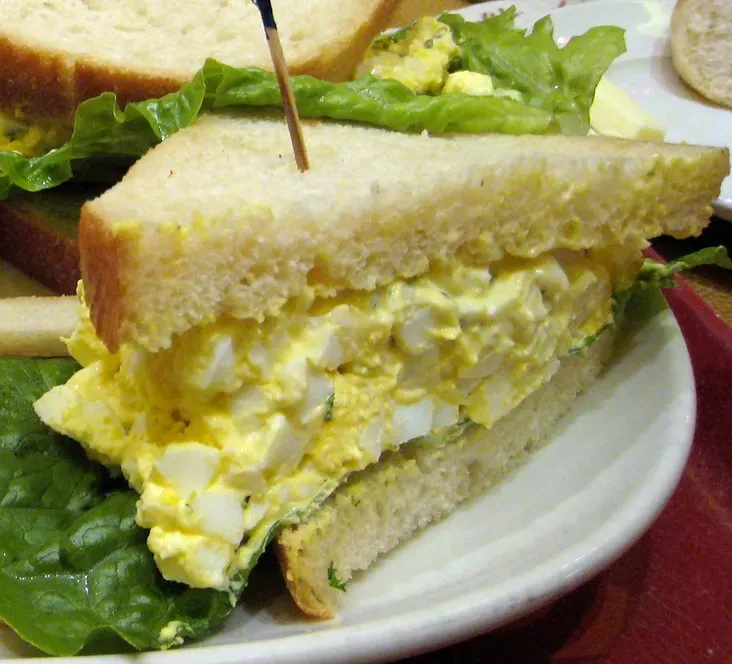
Delis once stacked this simple favorite without apology, with chopped eggs, a hint of mayo, a dash of paprika, and fresh dill meeting dark pumpernickel, with the bread turning it into something deeper and slightly sweet. The dense, almost cake-like texture of pumpernickel provided the perfect vehicle for creamy egg salad, adding complexity that white bread never could. It was an understated pairing that rewarded anyone willing to look past its humble appearance. For a long stretch of mid-century deli culture, it was a reliable, beloved lunch.
Ciabatta and croissants began stealing the pairing, and pumpernickel lost its moment in the sun. Long gone are the days of plain bread and minimal fillings, replaced instead with innovative, authentic, and global ingredients. Today, consumers have access to an array of options and want more from their food. According to industry reports, the demand for gourmet and artisanal sandwiches has increased, with consumers seeking unique flavor combinations and high-quality ingredients. In that environment, the honest simplicity of egg salad on dark rye bread began to read as outdated rather than classic, and the pumpernickel combo quietly lost its shelf space.
6. The Pimiento Cheese Club

Before avocado toast conquered America’s brunch menus, there was pimiento cheese, the “caviar of the South,” that somehow made its way onto deli counters across the entire country during the mid-20th century. This creamy blend of sharp cheddar, mayo, and distinctive red pimientos was served as a triple-decker club sandwich with crispy bacon, lettuce, and tomato on toasted white bread. The sandwich had an incredible combination of tangy, smoky, and creamy that made it a lunchtime favorite for secretaries and businessmen alike.
While pimiento cheese never really disappeared in the South, it completely vanished from Northern deli menus by the early 2000s. Some food historians blame the rise of more “sophisticated” sandwich fillings like sun-dried tomato spreads and artisanal aiolis, which made humble pimiento cheese seem dated. A combination of tastes changing over time and consumer habits shifting has led to a decline in deli meat sales overall. “Younger folks aren’t big on using service counters,” Anne-Marie Roerink of 210 Analytics told The Takeout. “They are not big on using the meat counter or any counter. They prefer self-serve and often customization through an app or kiosk.” The pimiento cheese club never got the digital-era makeover it needed, and the deli counter that used to serve it has, in many places, simply disappeared along with it.