Global Report Reveals the World’s Top Fast-Food Consumers
The numbers tell a fascinating story. In 2022, the global fast food market reached a milestone with sales amounting to $731.65 billion, and the momentum shows no signs of slowing down. What’s truly remarkable is how this industry has evolved from simple burger joints to a complex ecosystem of digital ordering, global flavors, and changing consumer habits.
United States Claims the Crown
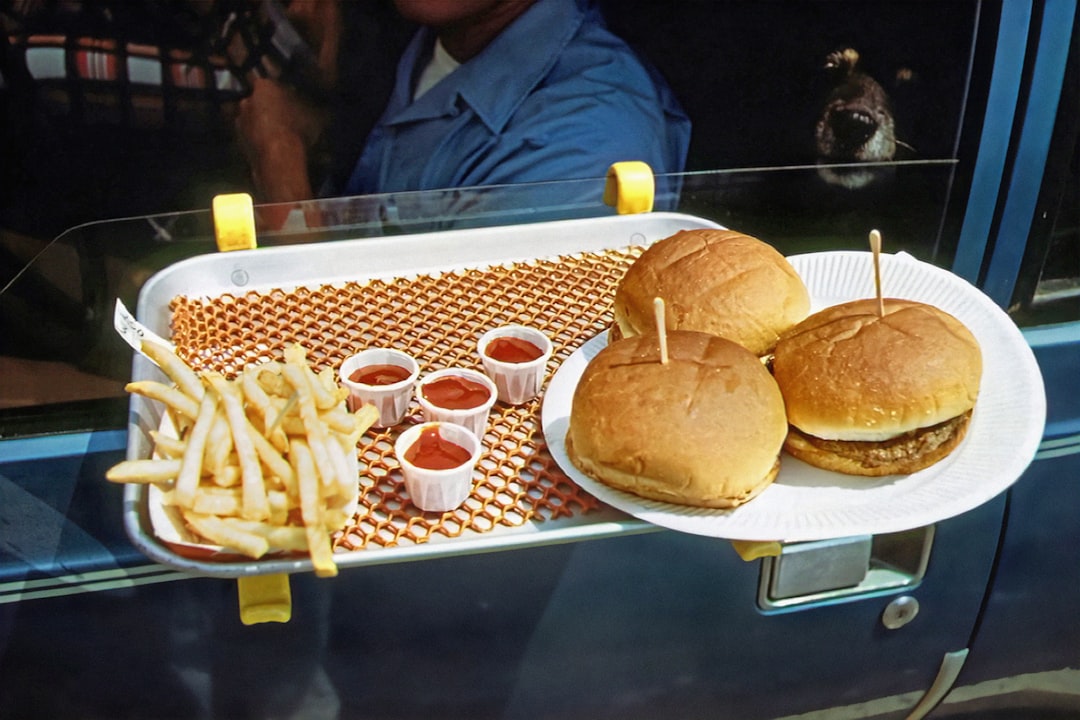
When it comes to fast food consumption, America stands in a league of its own. The United States leads in consumption, with individuals indulging 1-3 times per week, contributing to an annual expenditure of over $200 billion. This dominance isn’t just about spending power. This significant intake is reflected in the habits of 37% of American adults who consume fast food daily and 83% of households that do so weekly. Thus, it’s unsurprising that the US ranked as the world’s most fast-food-obsessed country in 2024. The country’s fast food culture runs so deep that the average American spending an estimated $1,200 annually on quick service meals.
China’s Surprising Fast Food Explosion

China presents one of the most striking stories in global fast food consumption. China’s fast food consumption is remarkably high, with 97% of the population partaking and 41% eating fast food at least once a week, driven by busy lifestyles. The scale of this adoption is staggering when you consider the population size. China’s market has sustained double-digit annual revenue growth for over a decade, showing that this isn’t just a passing trend but a fundamental shift in eating habits.
Asia Pacific Emerges as the Fastest Growing Region

While North America currently dominates market share, Asia Pacific is where the real action is happening. By region, North America dominated the fast food market in 2024, whereas the Asia Pacific is expected to grow in the foreseeable period due to an increasing working population and an enhancement in the standard of living of people… Asia Pacific is observed to be the fastest growing region in the foreseen period due to multiple reasons such as rising working population, urbanization, and improving standards of living. Asia-Pacific is the fastest-growing market, with growth rates close to double digits annually. Countries like China and India are key drivers in Asia-Pacific region mainly because of their large population and increase in demand for convenience and quick service restaurants.
The European Fast Food Renaissance
Europe might not lead in sheer volume, but it’s experiencing its own fast food renaissance. From 2020 to 2025, the European fast food market grew steadily due to the fast-paced lifestyle of the region, the increase of delivery platforms, and shifting consumer preferences that remained after 2020 pandemic. Valued at USD 275 billion in 2024, the market is projected to grow at a CAGR of about 5% over the next decade. What’s particularly interesting is how European consumers are balancing convenience with their traditional emphasis on quality. Other notable consumers include the United Kingdom, holding the second spot with 46,200 fast food chains, and France, where more than half of the households regularly enjoy fast food.
Digital Ordering Transforms Consumer Behavior
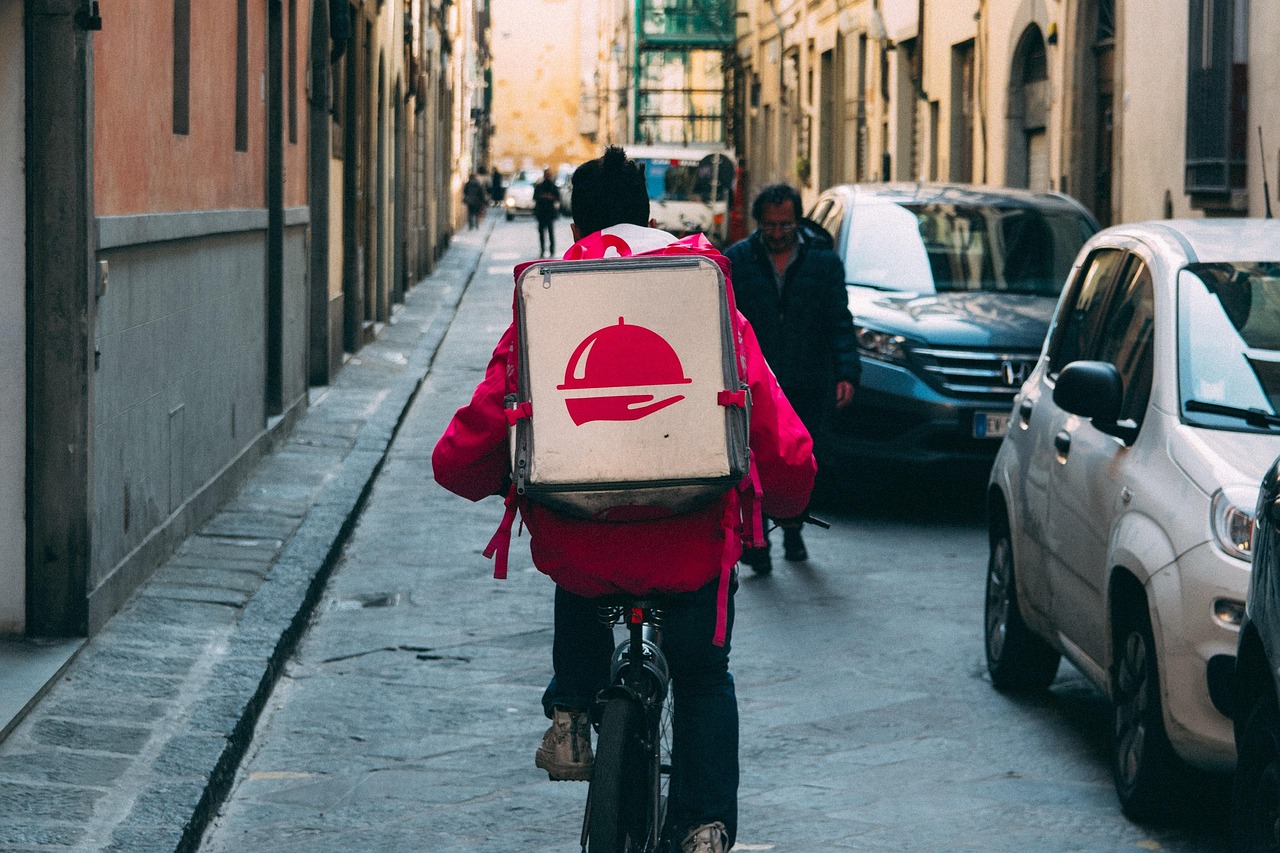
The way people order fast food has undergone a revolutionary transformation. At quick-service restaurants, third-party delivery spending in the United States tripled from about $0.4 billion in the December 2019–February 2020 period to about $1.4 billion 3 years later. As of January 2024, DoorDash is the leading online food delivery company in the USA with a 66% market share, followed by Uber Eats at 23% and Grubhub at 8%. Around two-thirds of consumers have used a food-ordering app at least once for takeout, delivery or both. The shift toward digital isn’t just about convenience; Customer spending increases 20% when ordering via technology, according to Deloitte. Deloitte’s research found that online ordering grew check averages for quick service restaurants by 26% and fast casuals by 13%.
Generational Differences in Fast Food Habits
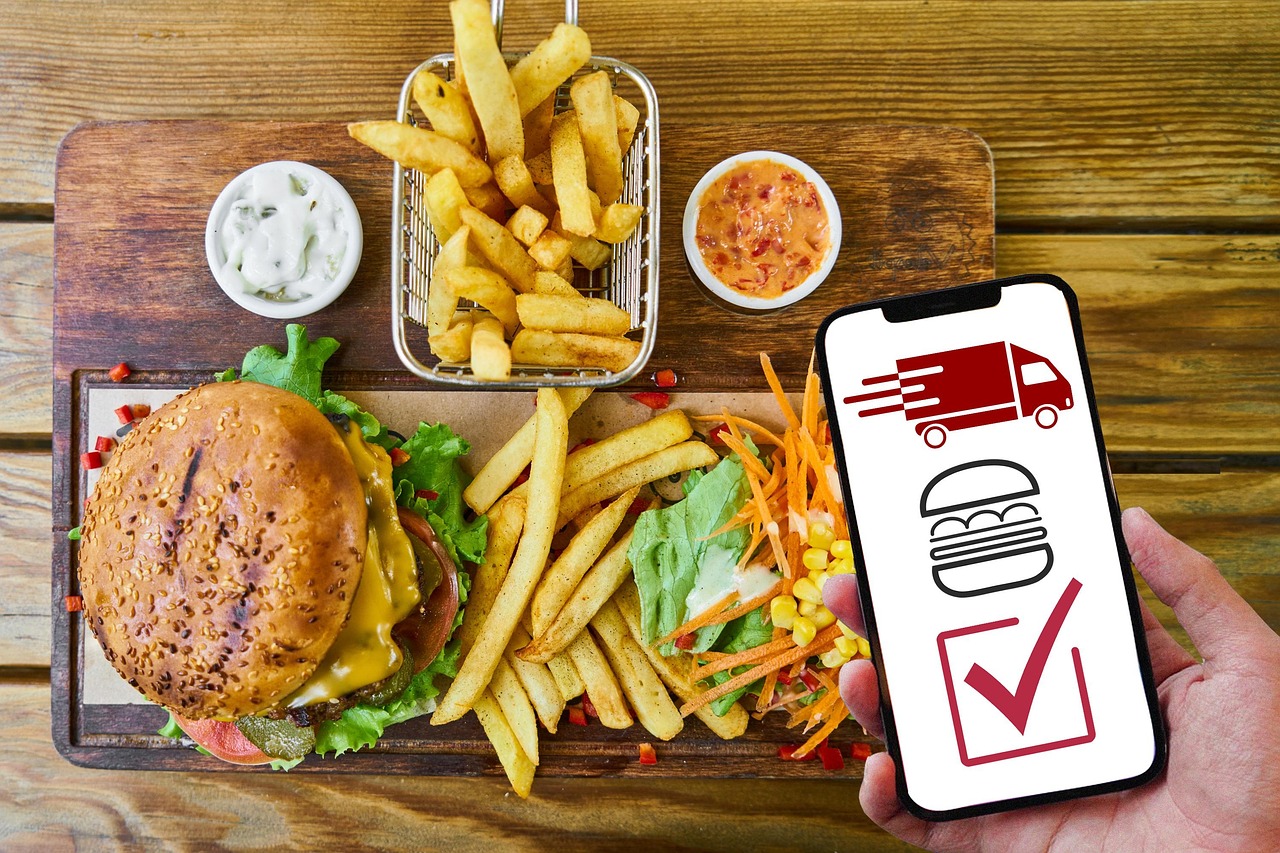
Age plays a crucial role in fast food consumption patterns. In 2024, people aged 20 to 39 years are the maximum consumers of fast food, making up 44.9% of the total. Meanwhile, 37.7% of the share was captured by 40 to 59-year-old fast food consumers. The younger generations are driving much of the growth, with 57% of millennials prefer food deliveries at home than dining out. Gen Z and Millennials prefer to use DoorDash with 59% of respondents ages 18-24 and 53% of respondents ages 25-35. This generational shift toward convenience and digital ordering is reshaping the entire industry.
Burgers and Sandwiches Rule the Menu
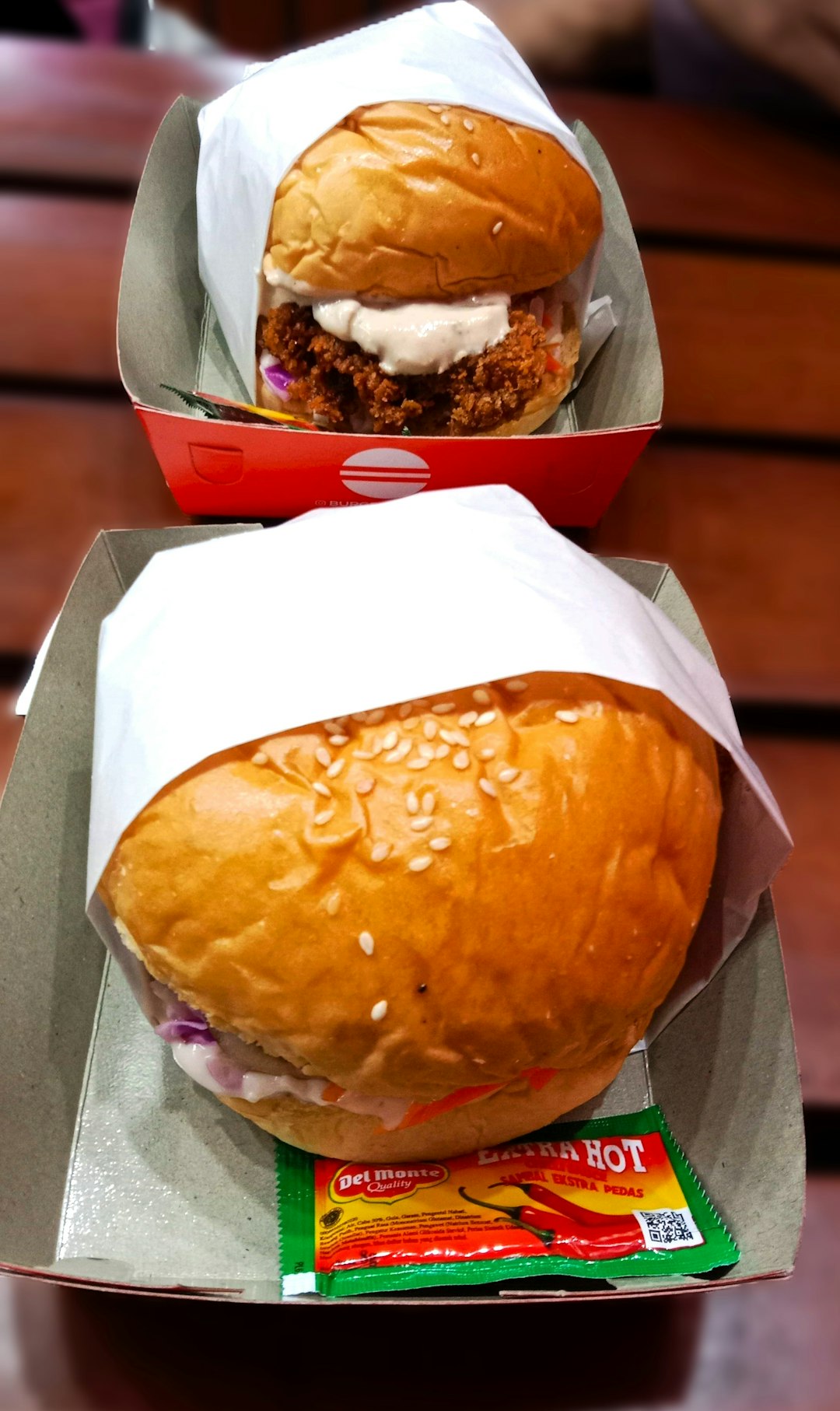
Despite the explosion of global cuisines, traditional American fare still dominates fast food consumption worldwide. The Burger/Sandwich segment dominated the global fast food market by capturing 38.3% of share in 2024 with the entrenched cultural presence of hamburger chains and the universal appeal of customizable, portable meals. The burgers/sandwich segment accounted revenue share of around 43% in 2024. The consumers consume about 50 billion burgers each year, according to the United States Department of Agriculture. However, change is brewing. By product type, sandwiches held 34.32% of fast food market share in 2024, whereas Asian and Latin American cuisine is set to expand at an 8.30% CAGR from 2025-2030.
The Rise of International Flavors
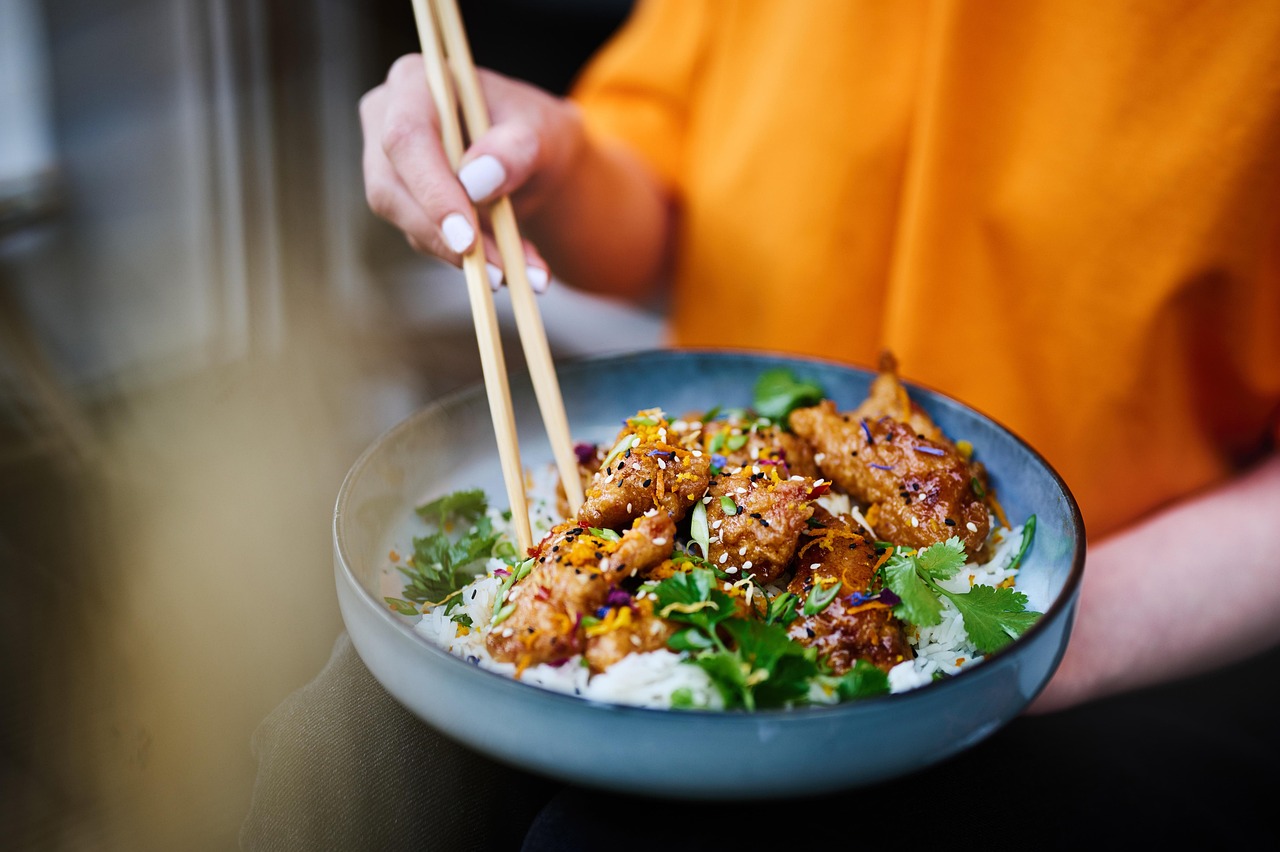
One of the most exciting developments in global fast food consumption is the growing appetite for diverse cuisines. By cuisine, the American cuisine segment generated the maximum market share in 2024, and the Asia cuisine segment is observed as the fastest-growing region in the forecast period due to increasing demand for traditional cuisines with some fusion. The Asian/Latin American segment is projected to reach at the fastest rate over the forecast period. The expansion of this segment is fueled by rising demand for wide range of food products. This shift reflects consumers’ increasing adventurousness and the globalization of taste preferences, particularly among younger demographics.
Economic Factors Driving Consumption Patterns

Income levels significantly influence fast food consumption patterns, but not always in the ways you might expect. Based on income level, 42% of people who consume fast food daily have a higher income level. This challenges the stereotype that fast food is primarily consumed by lower-income households. While fast food can be a cheaper alternative to other food options, fast food consumption actually increases with increased family income. The data suggests that higher disposable income often translates to more frequent fast food consumption rather than necessarily better food choices.
The Future Landscape of Global Fast Food
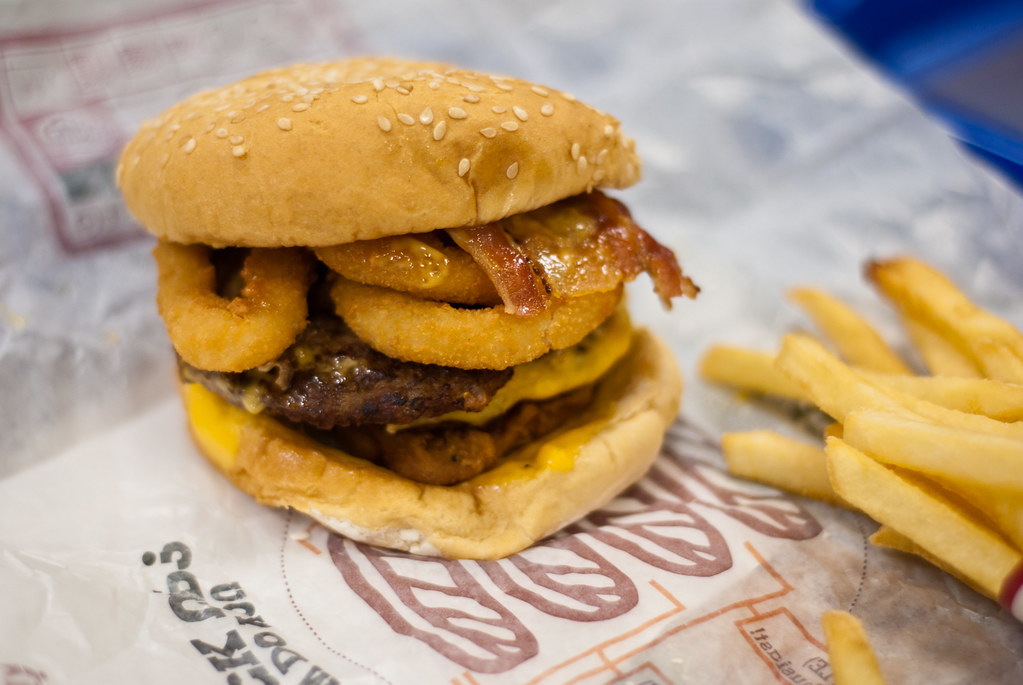
The fast food industry’s future looks incredibly promising, with projections painting a picture of continued explosive growth. The global fast food market size was valued at USD 809.79 billion in 2024 and is projected to reach from USD 849.39 Billion in 2025 to USD 1244.46 billion by 2033, growing at a CAGR of 4.89% during the forecast period. The global online food delivery market is expected to exhibit a compound annual growth rate (CAGR 2025-2029) of 7.88%, resulting in a projected market volume of $1.91 trillion by 2029. Technology integration, menu diversification, and expansion into emerging markets will likely drive this growth. The industry is also adapting to health-conscious consumers while maintaining the convenience and affordability that made it popular in the first place.
The global fast food consumption data reveals a world where convenience, technology, and changing lifestyles are reshaping how billions of people eat. From America’s continued dominance to Asia Pacific’s rapid growth, from the digital ordering revolution to the rise of international flavors, the fast food landscape is more dynamic than ever before. What surprises you most about these global eating patterns?