7 Long-Held Cooking Myths Experts Say Are Totally Wrong
Most of us learned to cook by watching parents, grandparents, or picking up tips from cooking shows. Along the way, we absorbed countless pieces of kitchen wisdom that seemed bulletproof at the time. These cooking myths have been passed down through generations, repeated in cookbooks, and shared between friends like gospel truth.
Yet food science has evolved dramatically in recent years, debunking many beliefs we once held dear. Professional chefs and food scientists are now armed with research that challenges everything from how we handle eggs to when we add salt. What seemed logical decades ago often contradicts what modern laboratories have discovered about the chemistry of cooking.
Let’s dive into nine cooking myths that experts say we need to stop believing right now.
Searing Meat Seals in the Juices
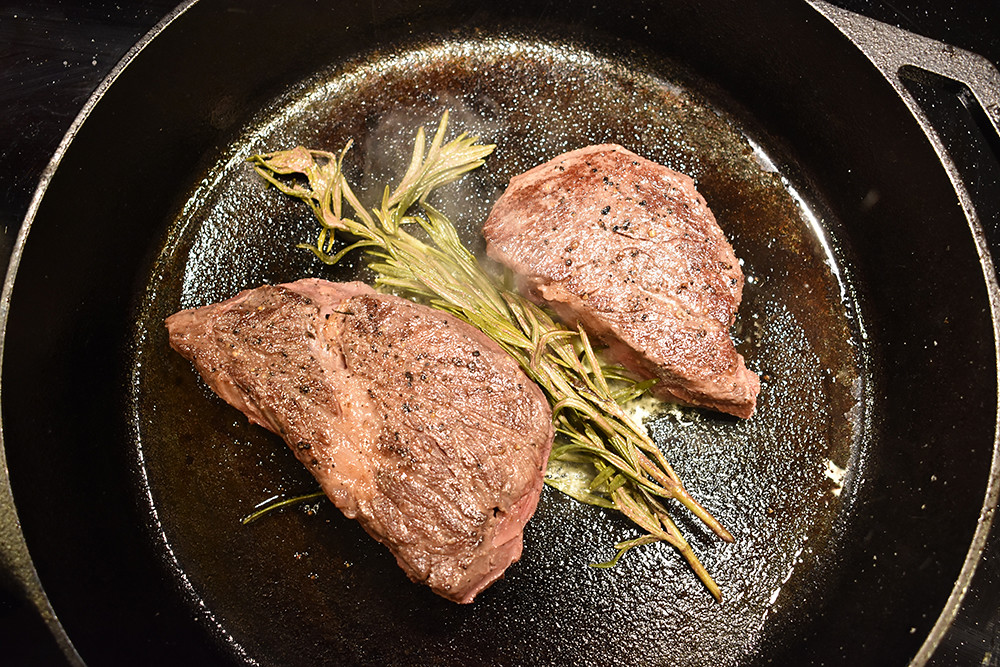
According to Harvard Professors Sörensen and Brenner, no such thing occurs when you sear steak over high heat. Instead they state the following, “When you sear steak over high heat for instance, the meat is actually undergoing the Maillard reaction – whereby you’re browning the protein. What’s happening here is that the heat causes the surface moisture to evaporate and results in a chemical change which creates intense aromas and flavors.” Sadly, no, nothing can stop those precious juices from being squeezed out when meat is cooking. Don’t get me wrong, searing meat is almost always a great idea, if not for a beautiful and appetizing appearance, then definitely for the flavors and aromas that come with the process, but some research shows a greater moisture loss after a high-heat sear.
This myth feels so logical that culinary schools were still teaching it even after it had been scientifically debunked. The truth is that searing creates those delicious browning flavors through the Maillard reaction, but it doesn’t create any magical seal. Your best weapons against moisture loss are avoiding overcooking and using techniques like low and slow cooking after the initial sear.
Egg Whites Are Healthier Than Whole Eggs
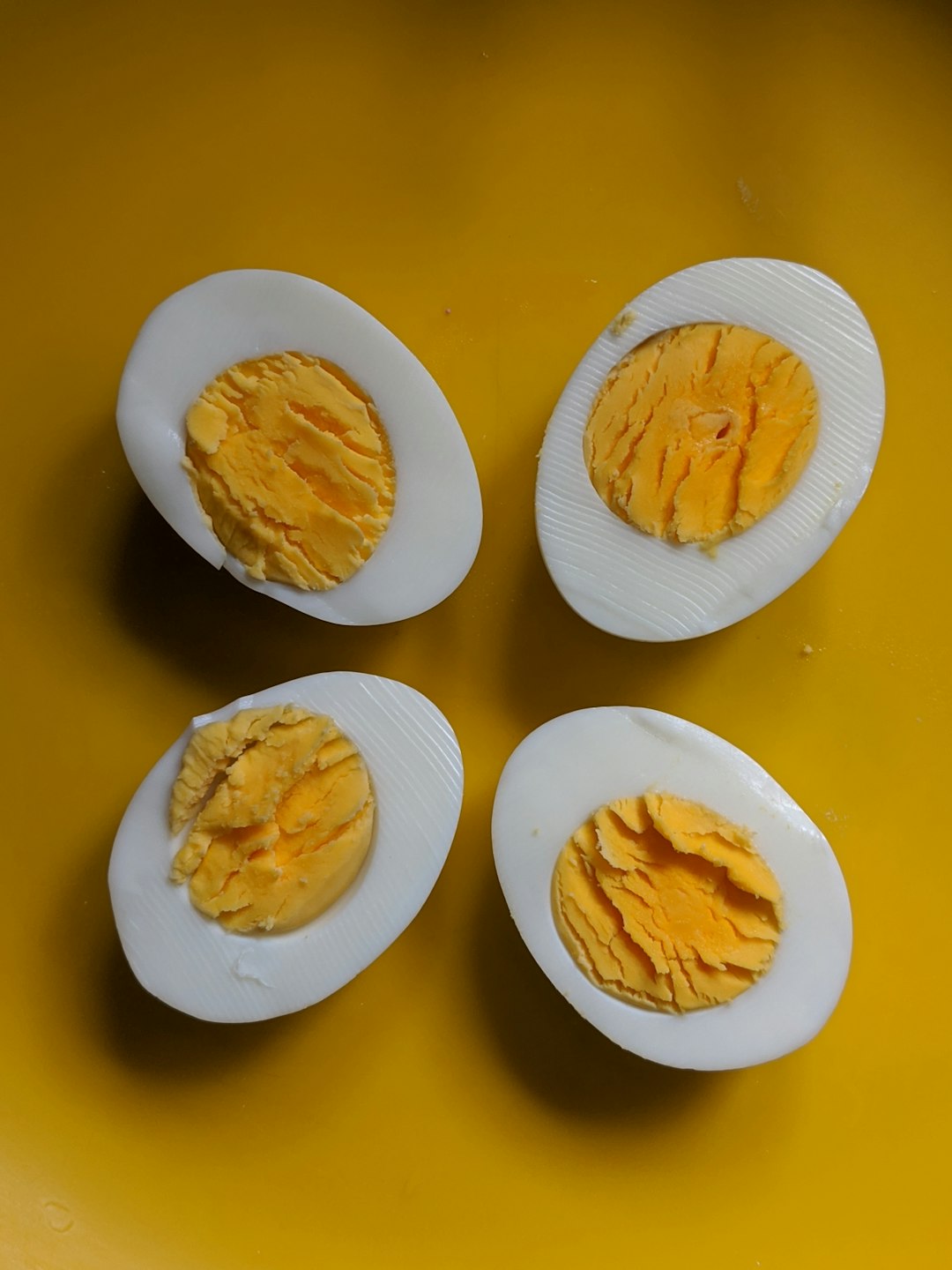
However, modern research has thoroughly debunked this notion. The Dietary Guidelines for Americans removed the cholesterol limit in 2015, acknowledging that dietary cholesterol has minimal impact on blood cholesterol levels for most people. We show that the ingestion of whole eggs immediately after resistance exercise resulted in greater stimulation of myofibrillar protein synthesis than did the ingestion of egg whites, despite being matched for protein content in young men. Specifically, the post-workout muscle-building response in those eating whole eggs is 40 percent greater than in those consuming an equivalent amount of protein from egg whites, the team found.
Egg whites are a really lean source of protein and can certainly have a place in a person’s diet, but they’re not more nutritionally superior than a whole egg. As mentioned, you’re not getting any fat or cholesterol with egg whites, but the downside is you’re also not getting many vitamins, minerals and antioxidants either and you’re getting less total protein.
You Can’t Wash Mushrooms Because They’ll Absorb Water

You may have heard that mushrooms should never be washed, since they will quickly absorb any water they touch and become waterlogged, but this is absolutely false. As Harold McGee proved in his 1984 book On Food and Cooking, mushrooms don’t absorb water any faster than any other piece of produce, so quickly rinsing under running water won’t hurt them at all.
This persistent myth has led countless home cooks to painstakingly brush dirt off mushrooms one by one. The reality is that a quick rinse under cold running water is perfectly fine and often more effective than brushing. The key is to wash them just before cooking and dry them thoroughly afterward to prevent spoilage.
Microwaving Food Destroys All the Nutrients
Microwaves may slightly reduce the nutrient content of some foods, but not enough to make a significant difference. As far as cooking methods go, microwaving is actually one of the best methods for preserving the nutrients in food. If you want to retain nutrients in your food, then you want to cook them quickly and with as little water as needed, which is exactly what microwaving does. Because microwaves penetrate food, they heat it much more efficiently and quickly, so there is less time for vitamins to break down. Microwaving retains about the same nutrient levels as steaming, which is traditionally considered to be the best method of cooking for nutrient retention.
This myth likely stems from general suspicion about microwave technology. In reality, all forms of cooking reduce nutrient content to some degree, but microwaving does it less than most other methods because of the short cooking time and minimal water usage.
Adding Salt Makes Water Boil Faster
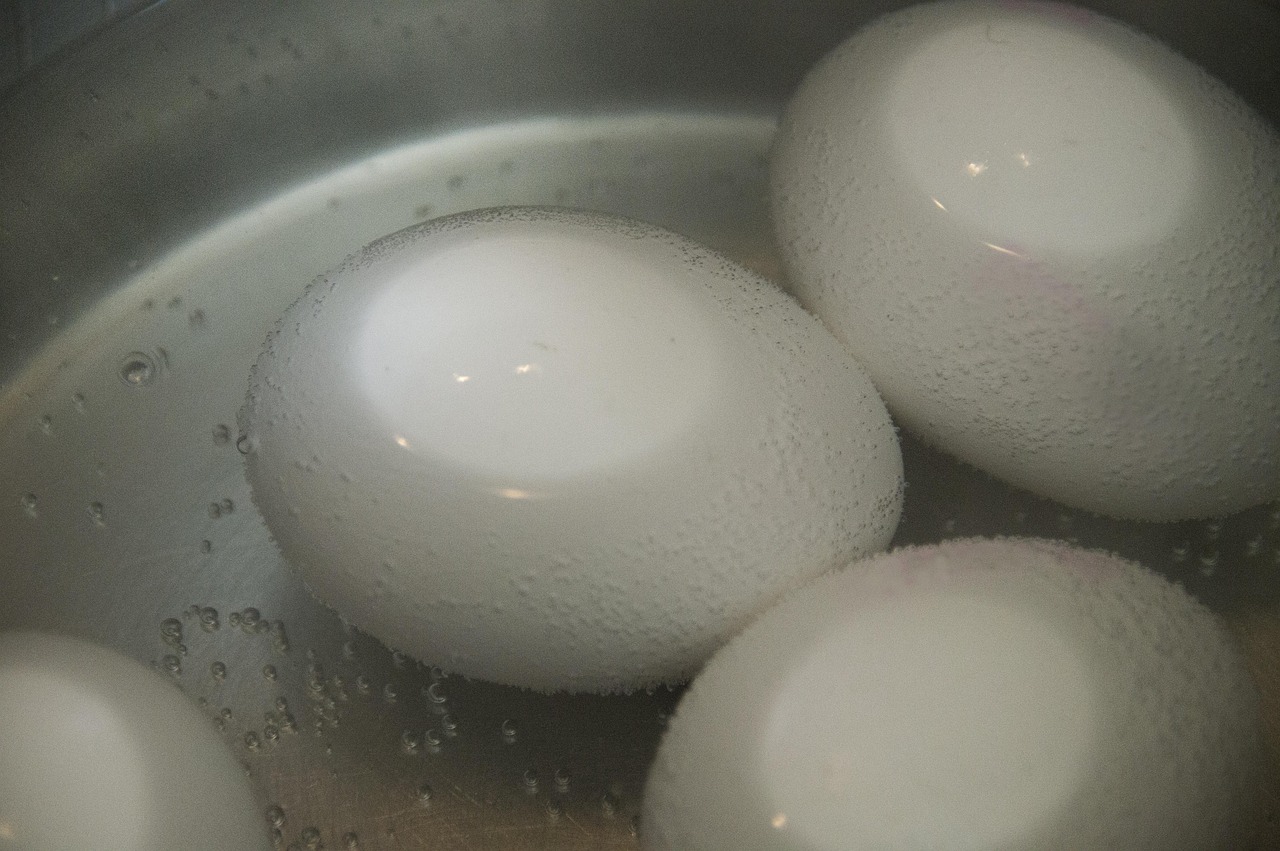
The timing of when you add salt to water will not alter how quickly it boils. Adding salt to water actually raises the boiling point, McGee says, because it competes with the water molecules for the absorption of energy. In theory, that means salted water takes longer to boil, but you need 1 ounce of salt per quart of water to raise the boiling point by 1 degree Fahrenheit – an unrealistic amount for everyday cooking. Don’t be fooled by the sudden appearance of bubbles when salt is added to simmering water, J. Kenji López-Alt says in “The Food Lab.” That is not a sign of boiling, but rather a result of having a new spot for steam bubbles to form on.
Those dramatic bubbles that appear when you add salt to hot water are just steam finding new nucleation points, not an indication of faster boiling. The amount of salt you’d need to actually affect boiling time would make your pasta inedibly salty.
It Doesn’t Matter When You Add Salt During Cooking
Adding salt at the beginning of cooking gives it time to migrate into the food, seasoning it throughout. Meanwhile, if you add salt only at the end, it provides a more concentrated, superficial coating that immediately hits your tongue. In fact, we only taste about 20 percent of the salt in foods, and most of the salt we perceive is on the surface, according to Loss. He helped conduct an experiment involving mashed potatoes and found that when you use about 40 percent less salt during the cooking process and just sprinkle a little bit on top when you’re done, it tastes just as salty as using all of the recommended salt.
The timing of salt addition dramatically affects both flavor distribution and intensity. Early salting allows for deep penetration and even seasoning, while late salting provides surface-level intensity. Understanding this difference can help you use less salt overall while maintaining flavor.
Raw Vegetables Are Always More Nutritious Than Cooked Ones
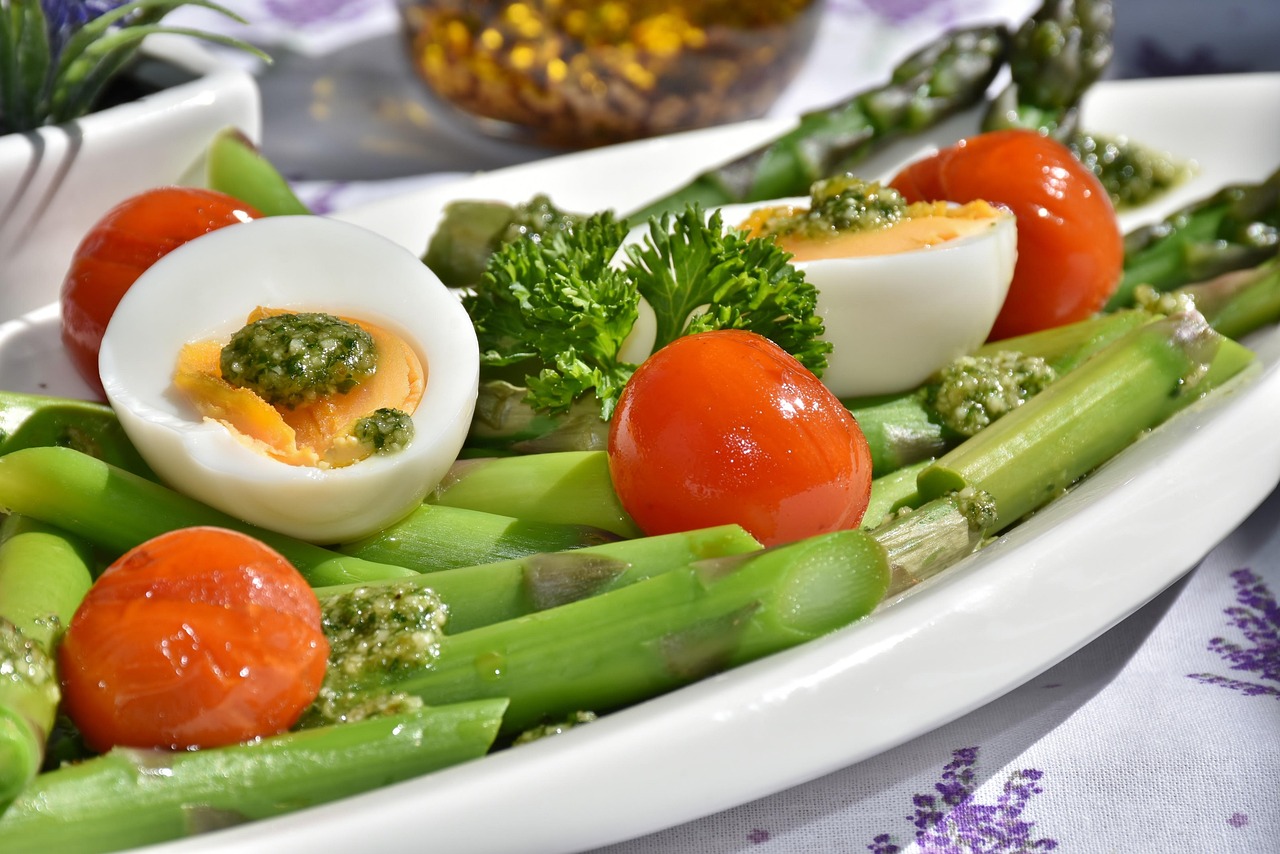
Did you know cooking certain vegetables could actually help your body absorb some nutrients more easily? Cooking breaks down the cell walls, making its nutrients more available. Carrots provide almost double the amount of antioxidants when it’s cooked compared to eating them raw. As a fun nutrition fact, boiling carrots with the skins on helps prevent it’s nutrients from leaking into the cooking water, so when possible, remember to leave it’s skin on and avoid boiling it for longer than 15 minutes, as boiling any vegetable for too long causes it’s water-soluble vitamins to leach into the cooking water.
While some nutrients are indeed lost during cooking, others become more bioavailable. Cooked tomatoes provide more lycopene than raw ones, and cooked spinach offers more absorbable iron. The key is understanding which cooking methods preserve or enhance specific nutrients.
Artificial Sweeteners Are Always Safer Than Sugar
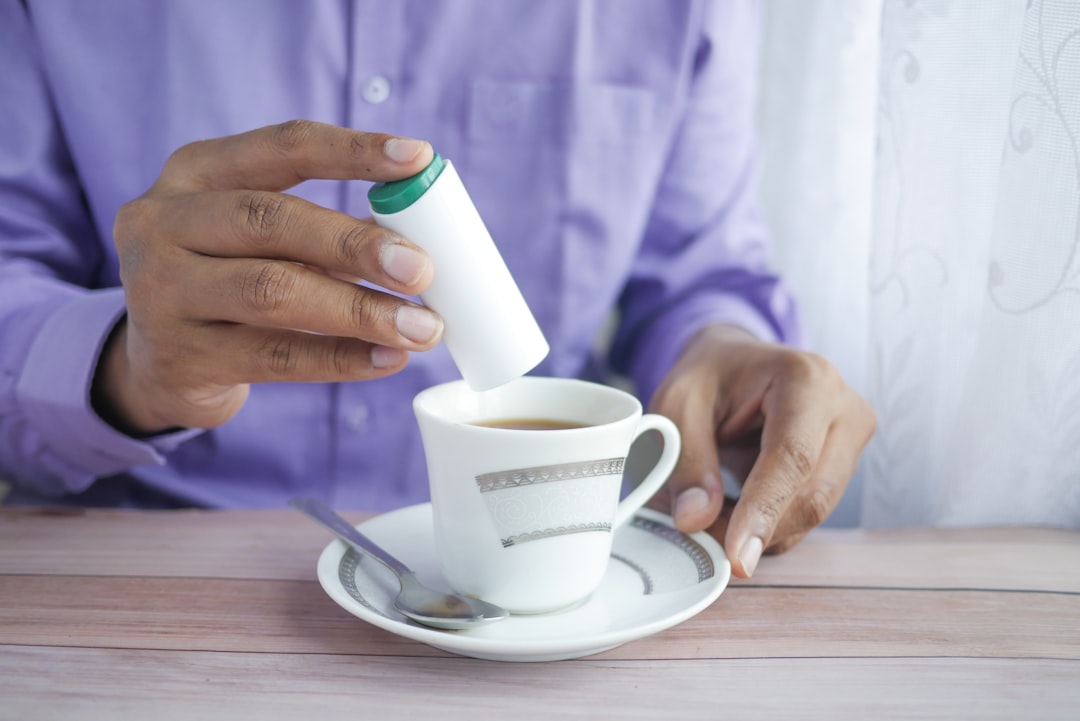
Current research isn’t clear about the health effects of artificial chemical sweeteners like aspartame, sucralose and saccharin. Excessive intake may be linked to headaches, intestinal cramping and diarrhea. “There is ongoing research on the association with cancer and heart disease,” Ugarte said. In March 2023, when this webinar was recorded, the evidence when using sugar substitutes was different. As of May 15, 2023, the World Health Organisation has recommended against the use of sugar substitutes.
The landscape around artificial sweeteners has shifted significantly in recent years. What once seemed like a clear health advantage over sugar now appears much more complex, with ongoing research revealing potential concerns about long-term consumption.
Food Myths Don’t Really Matter in Practice
Food myths are nutritional concepts poorly justified or even contradict existing scientific evidence that individuals take as the truth. Hence, it was concluded that, despite the levels of nutritional knowledge, there are still several food myths that need to be debunked, through the proper channels, in order to promote healthy, balanced, and adequate eating behaviors. However, this study has also demonstrated that there are still several food myths that need to be debunked through trustworthy information sources, in order to promote healthy, balanced, and appropriate eating behaviors. Aspects that need more attention from public health authorities and educational programs were identified, and will enable the design of more adequate strategies, to improve the level of knowledge of the Portuguese on those aspects in particular.
Research shows that food myths actually have measurable impacts on our eating behaviors and health outcomes. When we make cooking decisions based on outdated or incorrect information, we might be missing out on better nutrition or flavor. These aren’t just academic curiosities.
The truth is that many cooking beliefs we’ve held for generations simply don’t hold up under scientific scrutiny. From protein absorption to nutrient retention, modern food science has given us a clearer picture of what actually happens when we cook. Next time you’re in the kitchen, remember that some of the most confident-sounding advice might be completely wrong. What other cooking wisdom are you ready to question?