Lay’s Updates Its Branding After Customers Didn’t Realize the Chips Used Real Potatoes, Insiders Reveal
You’d think after nearly a century that people would know what’s inside that iconic yellow bag. Turns out, a staggering number of consumers had no clue their favorite snack started as an actual vegetable growing in actual dirt. On Oct. 9, Lay’s announced its rebrand – the largest in its nearly 100-year history. The motivation behind this dramatic shift? According to Lay’s parent company, PepsiCo, 42 percent of consumers reportedly didn’t realize Lay’s chips are made from real, farm-grown potatoes. That finding hit hard enough to trigger what industry insiders are calling the most comprehensive brand overhaul the company has ever undertaken. Let’s dive into what changed, why it matters, and what this says about how disconnected we’ve become from what we’re actually eating.
A Shocking Discovery That Changed Everything
This new focus on providing healthier snacking options for American consumers follows a customer survey by PepsiCo, which uncovered some surprising findings about its consumer base. Imagine being told that nearly half your customers don’t understand the most basic fact about your product. It arrives amid a surprising revelation – close to half (42%) of consumers surveyed didn’t realize that Lay’s chips are made from actual potatoes. The data came from internal research, though PepsiCo hasn’t released full details about the survey methodology or sample size. But in Lay’s own market testing, it discovered a cost to this approach: 42% of people didn’t realize that Lay’s potato chips are made from potatoes. When you’ve spent decades building abstract brand associations with sun rays and red ribbons, apparently the actual ingredient gets lost in translation.
The Visual Identity Gets a Farm Fresh Makeover
The phrase “made with real potatoes” is now printed on every bag, along with “enhanced photography” that shows “vivid, close-up visuals” of its product. Gone are the days of stylized graphics floating in flavor haze. On store shelves, the potato is king, as Lay’s now features images of potatoes on every flavor. The redesigned packaging showcases actual farm imagery, placing the humble spud front and center where it belongs. “Sun rays, or ‘Lay’s Rays,’ beam from the logo, a nod to the light that helps potatoes grow,” the company said. A refined color palette was inspired by the ingredients of Lay’s recipes: pickle green, hickory brown, savory red and more. Even the bag texture changed, with a matte finish designed to evoke wooden potato crates you’d find on a farm.
Cleaner Ingredients Match the Cleaner Look
The rebrand goes beyond surface aesthetics. In a press release on October 9, the leading chip brand said all core Lay’s products in the U.S. will be made with no artificial flavors or colors from artificial sources by the end of 2025. It’s a complete reformulation timed perfectly with growing consumer demand for transparency and simpler ingredient lists. Additionally, Lay’s Baked will be made with olive oil and have 50% less fat than regular potato chips. A new version of Lay’s Kettle Cooked Reduced Fat Original Sea Salt will be made with avocado oil and offer 40% less fat than regular potato chips. It was part of a larger initiative to stoke excitement around Lay’s – and salty snacking in general – as Frito-Lay worked to counteract a 5% core profit decline recorded in 2024. Financial pressure meets cultural moment. Smart timing, if you ask me.
Why Didn’t People Know Chips Come From Potatoes?
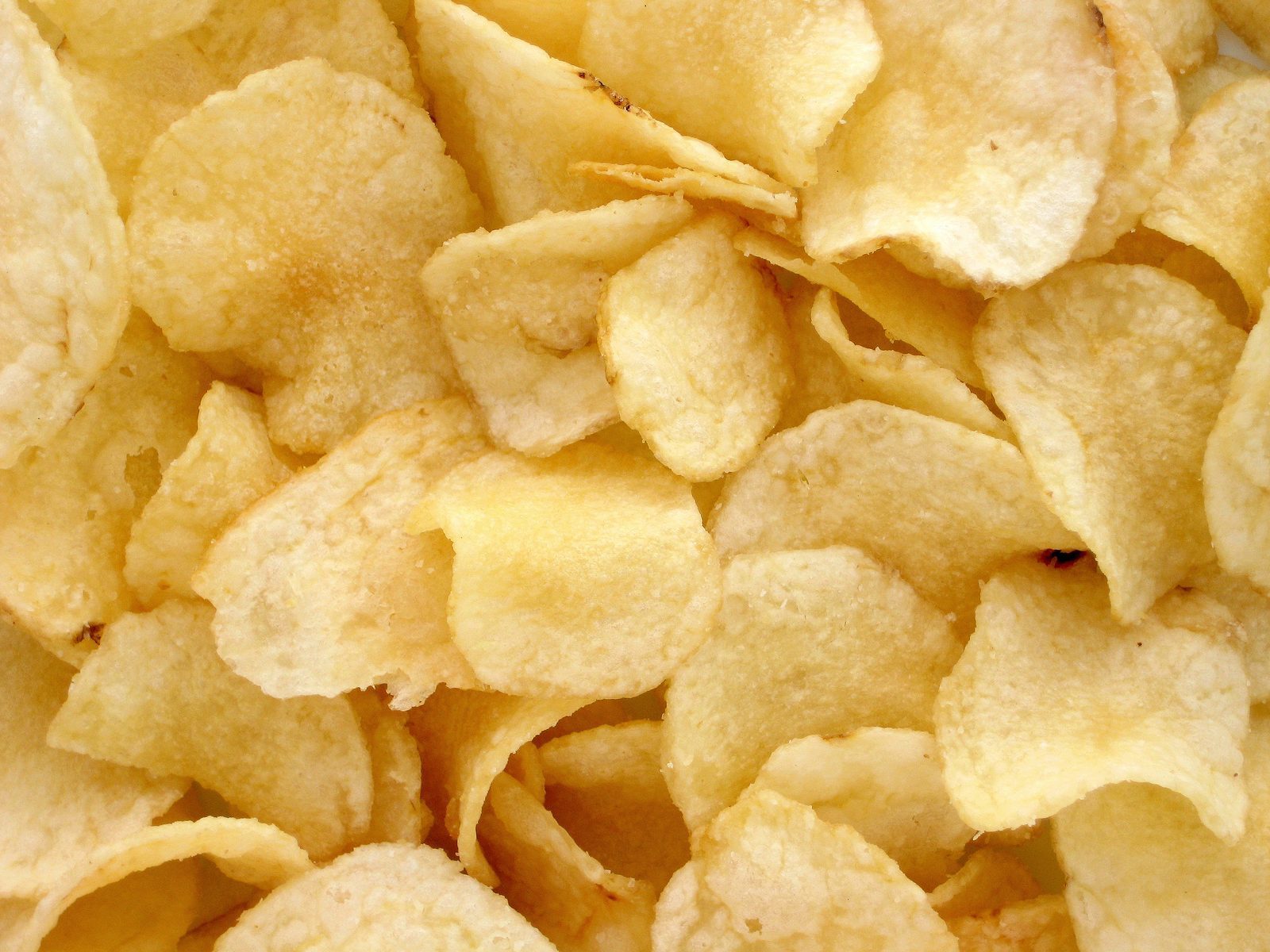
Here’s the thing. This finding might sound absurd until you consider the broader context. A 2017 survey by the Innovation Center for US Dairy found that 7% of American adults thought chocolate milk came from brown cows. That’s about 16 million people. reportedly one in five didn’t know burgers come from beef. Generations of consumers have grown up with less connection to farms, ingredients and food prep. We don’t churn butter. We microwave meals with ‘cheese-like sauce’ and throw snack packs into lunchboxes without blinking. Somewhere along the way, the story of our food stopped being told. Decades of modernist branding prioritized vibes over ingredients. The result? Consumers who genuinely don’t know what they’re eating.
What Insiders Say About the Shift
“The story wasn’t as sharp as we wanted it to be,” says Carl Gerhards, senior director of design at Lay’s who also worked on the relaunch of the Pepsi brand in 2023. “Some people, even internally, thought it was the chip [or] it was the potato.” In reality, it was supposed to be the sun. Even employees were confused about their own logo. The company claims that in many cases, it saw an increase in hard benchmarks like “findability” and purchases, along with qualitative factors like customers believing the packs looked more flavorful and understanding that the chips are made from potatoes. Pre-launch testing across retail environments showed the new design performed better on every metric that matters. The project kicked off two years ago, as the internal design team at PepsiCo, which owns Frito-Lay, began a redesign of the brand that reached all the way from the logo to the bag. “I think what we’re trying to do is really pay homage to the 300,000 farmers [who grow] the real potatoes that are in the product.”
The Farm to Bag Story Gets Real
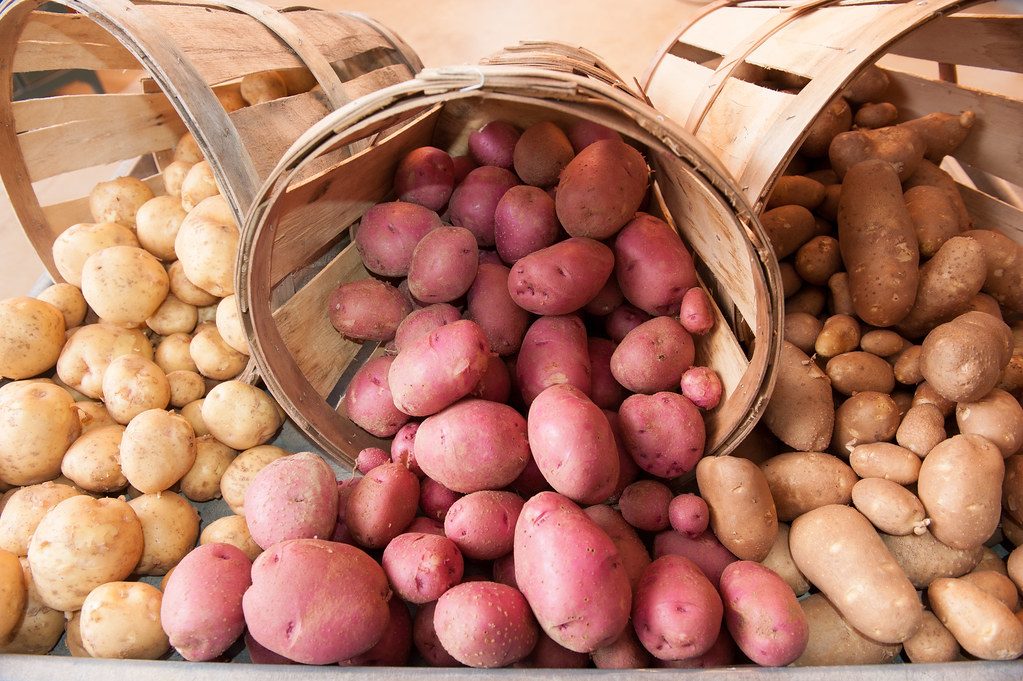
Lay’s works with over 100 family-owned farms across North America and PepsiCo sources crops and ingredients – such as potatoes – from growers in more than 60 countries around the world. Many of those farms are located near PepsiCo’s cooking and packaging facilities, allowing freshly harvested potatoes to reach production lines in as little as 48 hours. That’s the story they should have been telling all along. The entire initiative aims to reconnect consumers with the agricultural reality behind the crispy golden snack. “It did surprise me that it was that high, but it didn’t shock me, because there are still people who think potatoes grow on trees,” Chris Voigt, executive director of the Washington Potato Commission, told Capital Press. The survey results show “That we really have to invest in telling the story; we just can’t take it for granted that everybody knows where your food comes from or how it’s made,” he said. When industry experts admit they’re not entirely shocked by widespread consumer confusion, you know we’ve got a serious disconnect between food and origin.
What does this tell us about modern food culture? Honestly, it’s hard to ignore the bigger picture here. We’ve become so removed from where our meals come from that half of us don’t recognize a vegetable when it’s staring us in the face from a chip bag. The Lay’s rebrand isn’t just about new packaging or cleaner ingredients. It’s about restoring a fundamental connection that somehow got severed between farms and grocery store shelves. Did you ever think a chip company would have to remind us that potatoes come from the ground?