Countries with High Per-Person Sugar Consumption
Imagine pouring more than half a cup of pure sugar into your breakfast, lunch, and dinner combined. Sounds excessive, right? Yet millions of people across the globe consume precisely that amount every single day, often without even realizing it. Global of sugar amounted to about 177 million metric tons in 2023/24, revealing just how deeply sugar has infiltrated modern diets worldwide. The numbers behind per capita are even more startling when you examine which countries lead this sweet but dangerous trend.
United States

The country’s per capita is 126.4 grams daily, placing the United States among the top in some global per capita rankings. That’s more than ten times the lowest recommended intake and translates to roughly about 31 teaspoons per person every single day. Around 60% of the US diet consisting of processed foods on average, which typically contain hidden added sugars in forms ranging from high fructose corn syrup to dextrose. The sheer availability of cheap, sugary products and fast food culture has made it difficult for Americans to cut back, despite federal recommendations to limit added sugar to only 10 percent of total caloric intake.
Germany

With an average daily sugar intake of about 102.9 grams, Germany ranks high in . Germans have developed quite the sweet tooth, particularly when it comes to desserts and baked goods. Nearly half of Germans regularly snacking on desserts and 60% reporting typically ordering desserts when they eat out in restaurants. What’s particularly revealing is how this sugar intake breaks down by source. 36% of added sugar intake in Germany comes from confectionary goods, followed by juices and nectars at 26%, and soft drinks at 12%, showing that traditional sweets still dominate the German diet more than beverages do in other nations.
Netherlands

Per capita is 102.5 grams per day, doubling the WHO’s recommended amount of 50 grams, placing the Netherlands high globally. The Dutch love their sweet treats, from stroopwafels to licorice and everything in between. According to the National Library of Medicine, the main foods accounting for the high sugar intake in the Netherlands include non-alcoholic beverages, cakes, cookies, candy, sweets, dairy, chocolates and other sweet foods. Here’s the thing: many Dutch people consume nearly twice the amount of sugar they believe they do because processed foods like sauces and soup packets contain hidden sugars that rarely get checked on nutrition labels.
Ireland

Ireland has high , with a per capita consumption rate of 96.7 grams per day. The Irish have earned a reputation for their sugar culture and uncontrolled craving for sweet things, though honestly, much of this consumption happens unknowingly through processed foods. Consumers in Ireland purchase over 411 million liters of sugary drinks annually, totaling around 200 cans per person. Sugar-sweetened beverages represent one of the biggest concerns for public health officials in the country. Interestingly, there’s a socioeconomic divide here as well, with lower-income adolescents drinking nearly three times as many sweetened beverages as those from the highest economic class.
Australia

Australians consume around 60 grams per capita of sugar every day, . Western fast food culture has heavily influenced the Australian diet, leading to an increase in sugar intake from multiple sources. According to the Australian Bureau of Statistics, the country’s per capita rate is 60 grams per day, translating to 14 teaspoons, exceeding the recommended level by WHO. The prevalence of sugary cereals for breakfast, snacks throughout the day, and beverages has made it difficult for Australians to curb their consumption. Energy drinks, fruit juices, cordials, cakes, and muffins all contribute to this alarming figure, with over half of Australians consuming more than the WHO’s recommended daily sugar intake.
Belgium
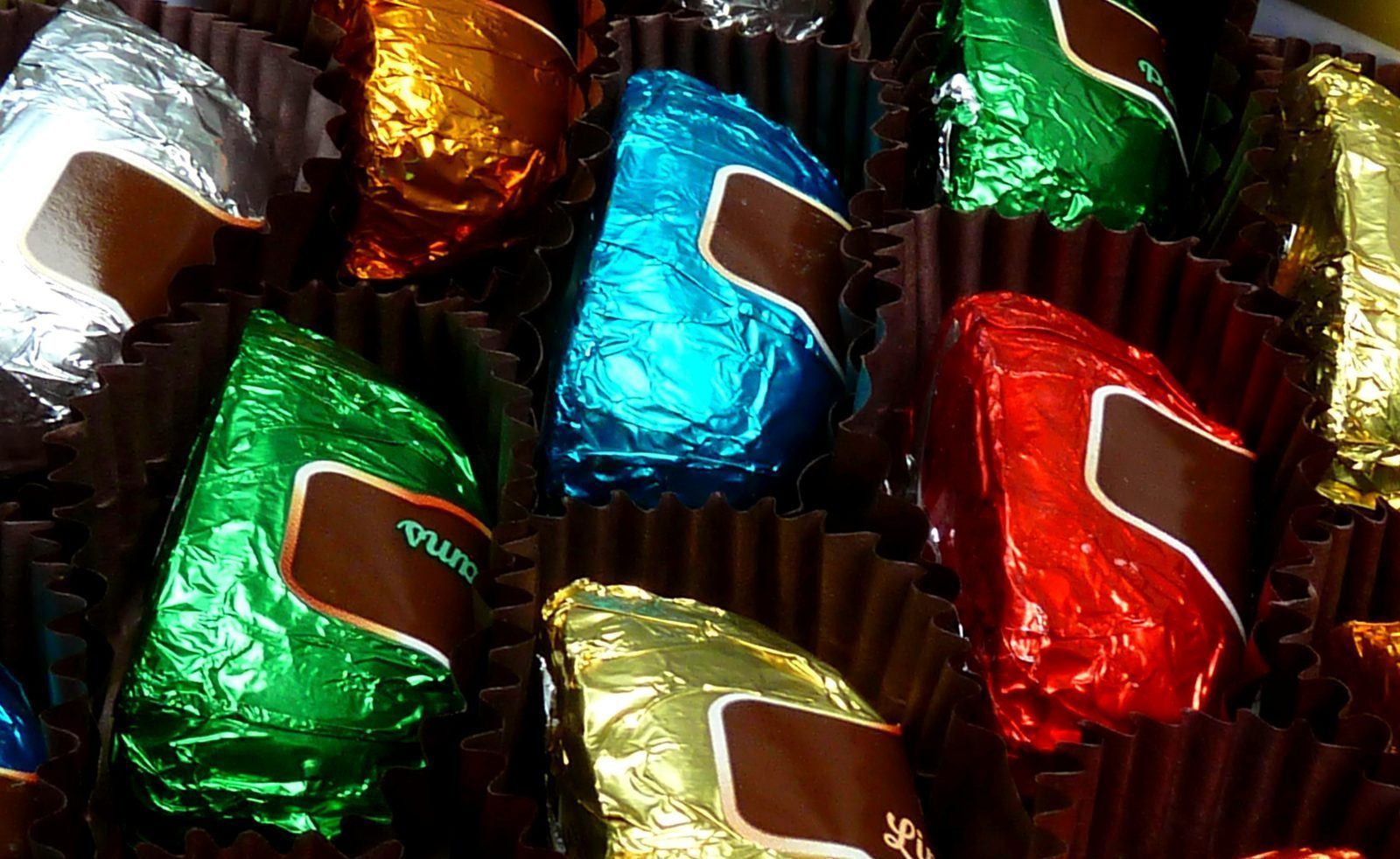
Belgium consumes just slightly less sugar than Australia, with the average Belgium resident consuming 95 grams of sugar daily. Belgium’s reputation for world-class chocolates and confections isn’t just for show. Between 2010 and 2015, the confectionery industry in Belgium grew by nearly 8% and continues to experience growth today. Sugar-sweetened drinks also play a significant role in Belgian consumption patterns. One out of five Belgians consumes at least one sugary drink per day, with men, on average, consuming more sugar-sweetened beverages than women. Education level appears to correlate with consumption habits, as people with tertiary education are less likely to consume sugary drinks daily.
United Kingdom

The average United Kingdom resident consumes a daily average of 93.2 grams of sugar, making it a major consumer of sugar. The British love their tea and biscuits, contributing significantly to overall , though the real culprit is often less visible. Much of the high sugar intake in the country is due to hidden sugar in processed foods. Cakes, biscuits, sweetened tea, and fizzy drinks form a big part of the British diet. In the United Kingdom, teenagers and adults consume three times the recommended daily limit of added sugars, which has raised serious public health concerns about rising rates of obesity and diabetes across different age groups.
Mexico
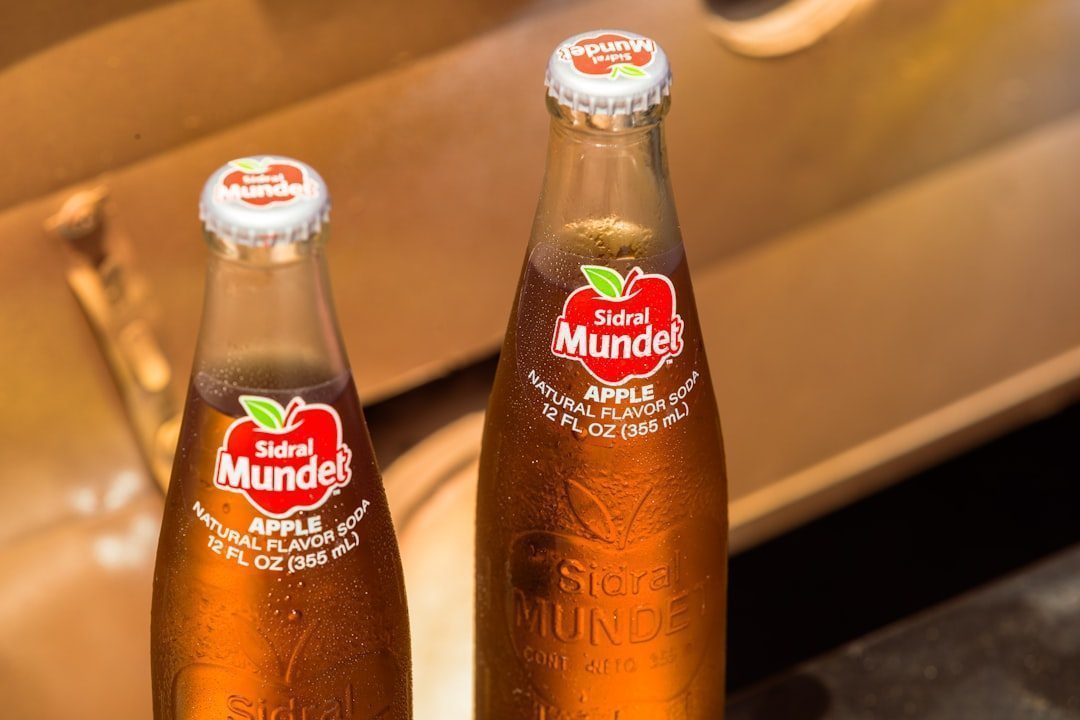
Mexico has had very high per capita, with an average of around 135 grams of sugar per person per day according to some measurements, though other sources place it slightly lower. That translates to more than half a cup of sugar daily for every Mexican citizen. This astronomical intake stems largely from Mexico’s beverage culture, with soft drinks flowing like water in many regions, often more accessible and sometimes cheaper than clean drinking water. Traditional Mexican cuisine also incorporates substantial amounts of sugar through sweet breads, desserts, and beverages like horchata and agua fresca. The health implications are staggering, with Mexico’s correlating directly with rising rates of diabetes and obesity.
Brazil

Brazil had a significant sugar intake, with an average daily consumption of about 117 grams per person. As one of the world’s largest sugar producers, Brazil naturally has high domestic consumption as well. In Brazil, the percentage of total daily calories from added sugar is 18%, which is considerably above recommended levels. Around 55% of adults in Brazil consume sugar-sweetened beverages daily, contributing to serious health challenges. Interestingly, Brazil has introduced a sugar tax in recent years, and following its implementation, there was an 8 percent decrease in , showing that policy interventions can make a measurable difference.
Argentina

Argentina also had a high sugar intake, with an average daily consumption of around 116 grams per person. Argentina sits right alongside Brazil in terms of per capita consumption, reflecting broader Latin American dietary patterns. The region as a whole shows high levels, partly due to cultural preferences for sweet foods and beverages. Argentina has also implemented mandatory front-of-package labeling to promote healthier product choices, attempting to combat the rising tide of sugar-related health issues. The next decade is projected to see a decline in per capita consumption as these policy measures take effect, though current levels remain alarmingly high.
Finland

The average person in Finland consumes 91.5 grams of sugar daily. Finnish homes commonly feature chocolates, sweet pastries, and sugary coffee drinks, particularly during the long, dark winter months. Sweet comfort foods provide a psychological boost when daylight hours are limited, contributing to year-round consumption patterns. Around 20 percent of sugar intake in Finland comes from sugary drinks alone. The Finnish diet has gradually incorporated more processed foods and convenience items, which often contain hidden sugars that add up quickly throughout the day.
Canada

Canadians consume around 89.1 grams of sugar daily. Although Canadians consume about two-thirds the amount of sugar that Americans do, they still continue to be one of the highest consumers of sugar in the world, with about two out of three Canadians consuming more than the daily recommended limit of sugar. This has resulted in an increase in chronic health problems across the population. A study from the University of Alberta estimates that excessive costs the country around $5 billion annually, driven by an increase in healthcare expenses associated with 16 chronic diseases, such as diabetes and cardiovascular diseases. The intake comes from soft drinks, candies, processed snacks, and sugary breakfast items.
Guatemala
Based on a comparison of 165 countries in 2021, Guatemala ranked the highest in per capita with 52.4 kg followed by Cuba and Gambia on an annual basis. While daily gram measurements weren’t provided in recent data, this annual figure suggests Guatemala maintains extremely high consumption levels. As a major sugar-producing nation in Central America, domestic availability and affordability contribute to high intake. The rising per capita consumption in Guatemala reflects broader trends across the region, where sugar remains deeply embedded in traditional cuisine and modern processed foods alike.
Cuba

Cuba ranked second in per capita following Guatemala in the 2021 comparison of 165 countries. As a historic sugar-producing powerhouse in the Caribbean, Cuba has long had ready access to inexpensive sugar. This availability has shaped dietary habits across generations, making sugar a staple ingredient in Cuban cooking and beverages. Economic factors and agricultural traditions both play roles in maintaining these high consumption levels, even as global health organizations push for reduced intake worldwide.
What do these staggering numbers actually mean for our health? The consequences are already visible. Diabetes, cardiovascular disease, obesity, and dental problems plague the populations of these high-consumption countries at alarming rates. Many governments have begun implementing sugar taxes and mandatory labeling requirements, attempting to reverse decades of rising consumption. Still, changing deeply ingrained dietary habits proves incredibly difficult when sugar remains cheap, widely available, and hidden in countless processed foods we consume daily.