8 Countries With the Most Unexpected Restaurant Etiquette Rules
Ever been on vacation and ordered something totally normal, only to realize everyone at nearby tables is staring at you like you just committed a crime? Dining abroad can feel like walking into a minefield when you’re clueless about local customs. What’s polite in one country might be downright offensive in another. Let’s dive into some of the most surprising restaurant etiquette rules that exist around the world.
Japan: Tipping Is Considered Insulting
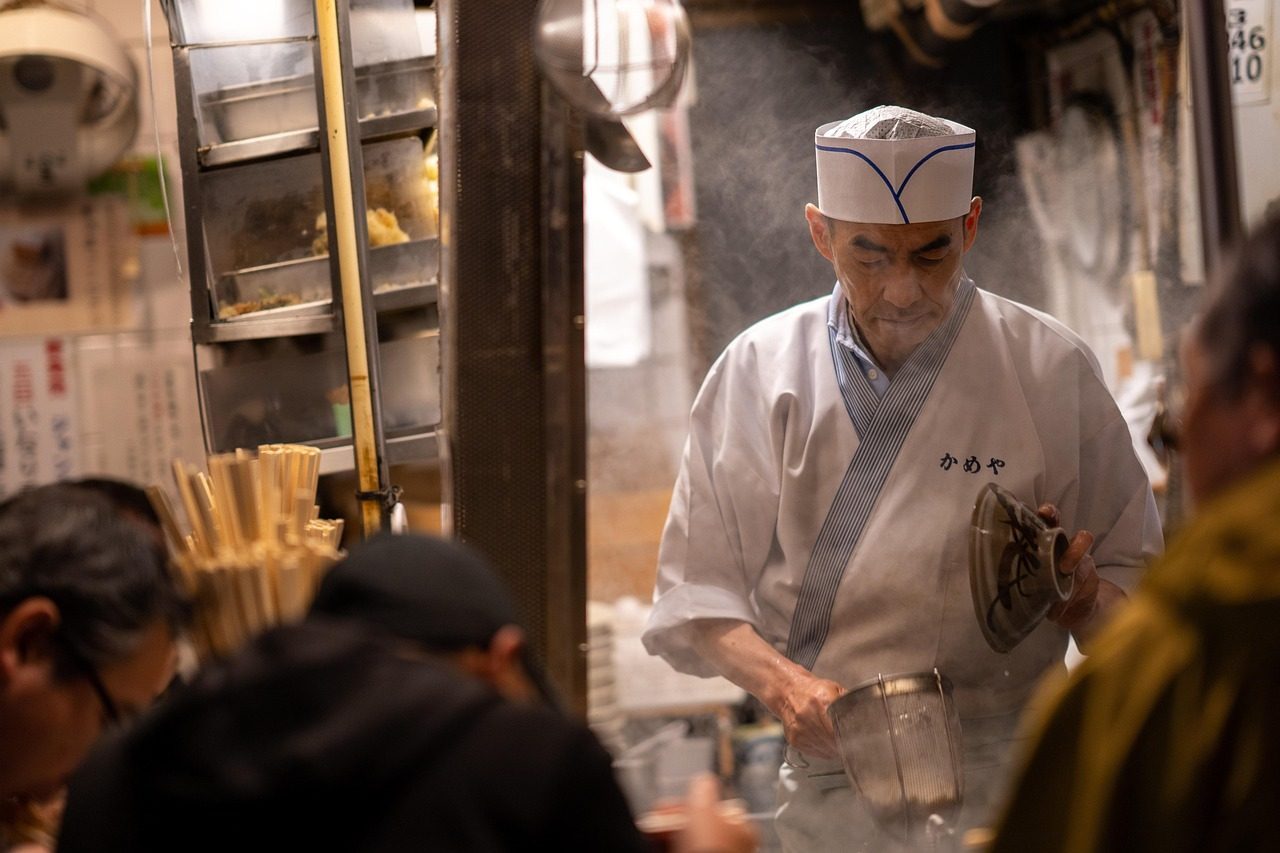
In Japan, tipping is pretty much unheard of and is actually seen as insulting because the service is included in the price of the meal. Leaving a tip can cause confusion in Japanese restaurants, with the possibility of staff coming after you to return this money you supposedly forgot. The price you see is the price you pay, period.
Sticking chopsticks in rice resembles a Japanese custom known as tate-bashi, a type of offering reserved for Buddhist and Shinto funerals. Slurping noodles is seen as a compliment to the cook, which goes against everything most Westerners were taught growing up. Here’s the thing: what feels rude at home shows appreciation in Tokyo.
China: Leaving Food On Your Plate Is Actually Polite
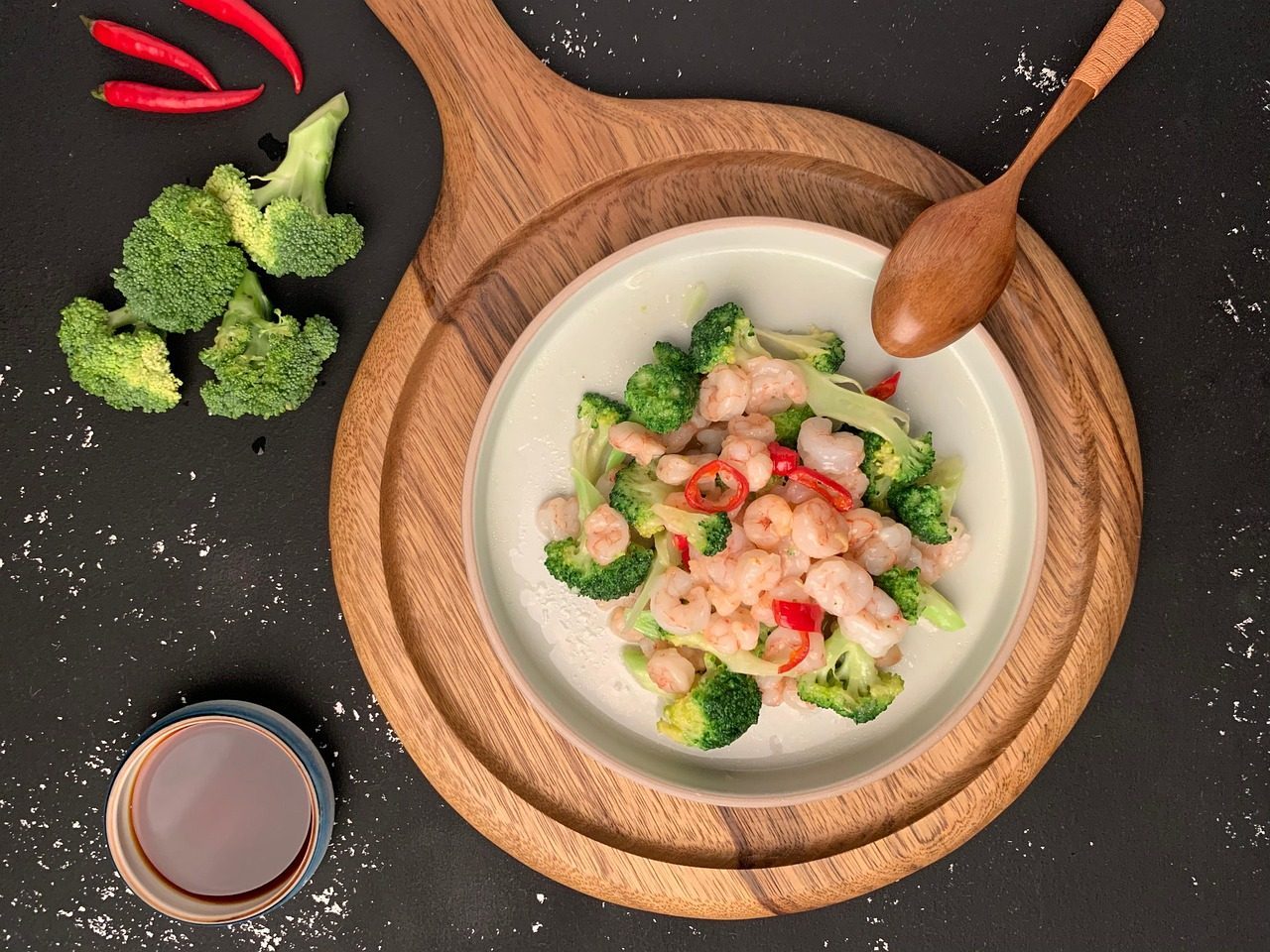
Honestly, this one threw me off the first time I heard it. Finishing off every last crumb is a major faux pas in China because cleaning your plate suggests you’re still hungry and implies your host didn’t give you enough food. Growing up, I was always told to finish everything, so this felt completely backward.
Sticking chopsticks vertically into your rice bowl is considered bad luck as it resembles a funeral ritual. Waving chopsticks around, pointing them at others, or using them to spear food are all considered impolite. The whole dining experience in China revolves around subtle gestures that communicate respect.
France: Your Bread Goes Directly On The Table
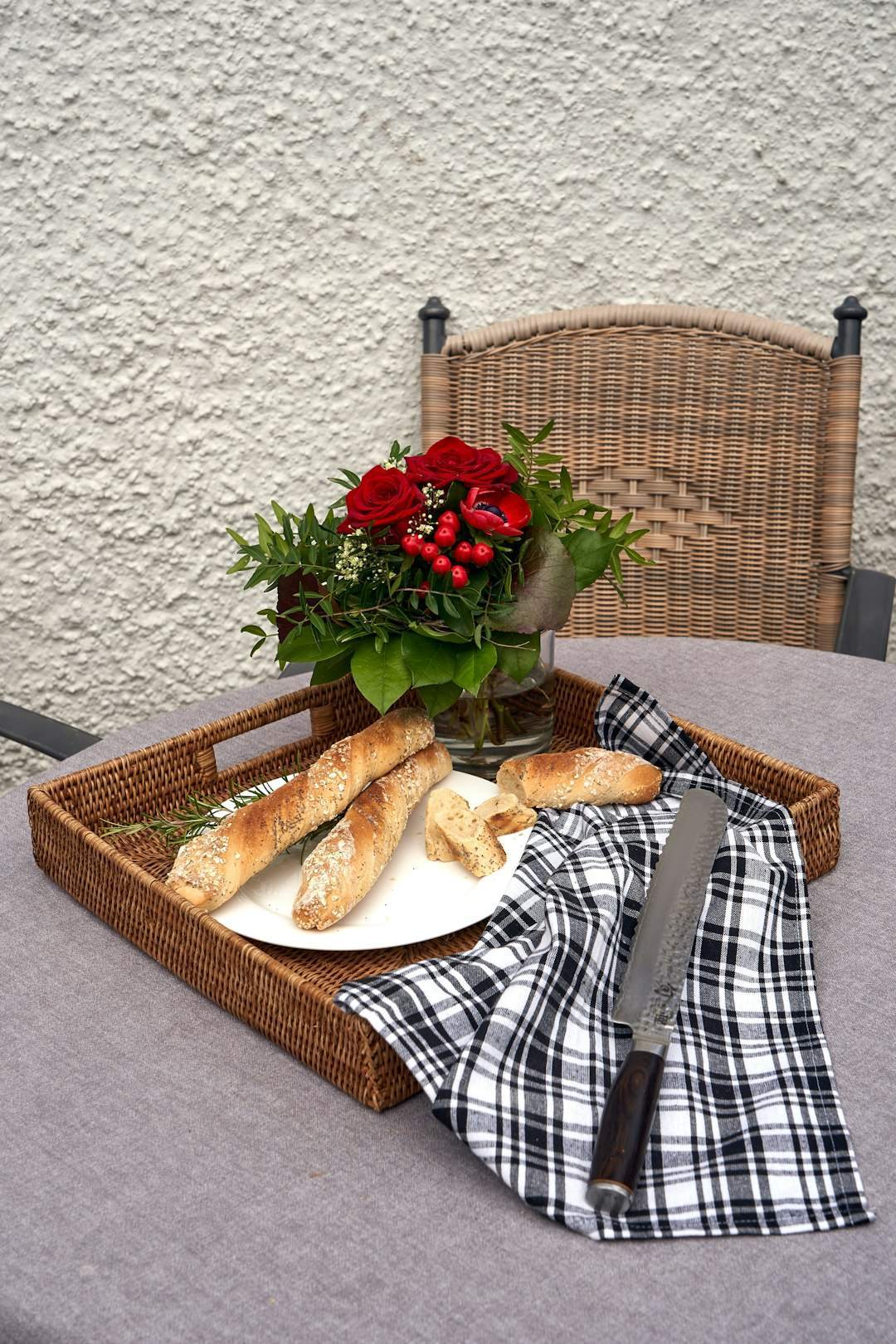
The bread is supposed to lie directly on the table, at the side of your dinner plate, where the bread plate would have been, which may seem odd and unhygienic. No bread plate necessary. I know it sounds crazy, but that’s just how the French do it. Don’t cut your bread with a knife, use your hands to tear it.
Proper French manners are hands on the table, harking back to the days of swords and perilous perfidy amongst dinner guests when you needed to keep your arms visible. While in France, don’t bother to split the bill as it’s considered unsophisticated and is more polite to pay the check in full. The person who invited everyone usually covers it.
South Korea: Never Lift Your Rice Bowl
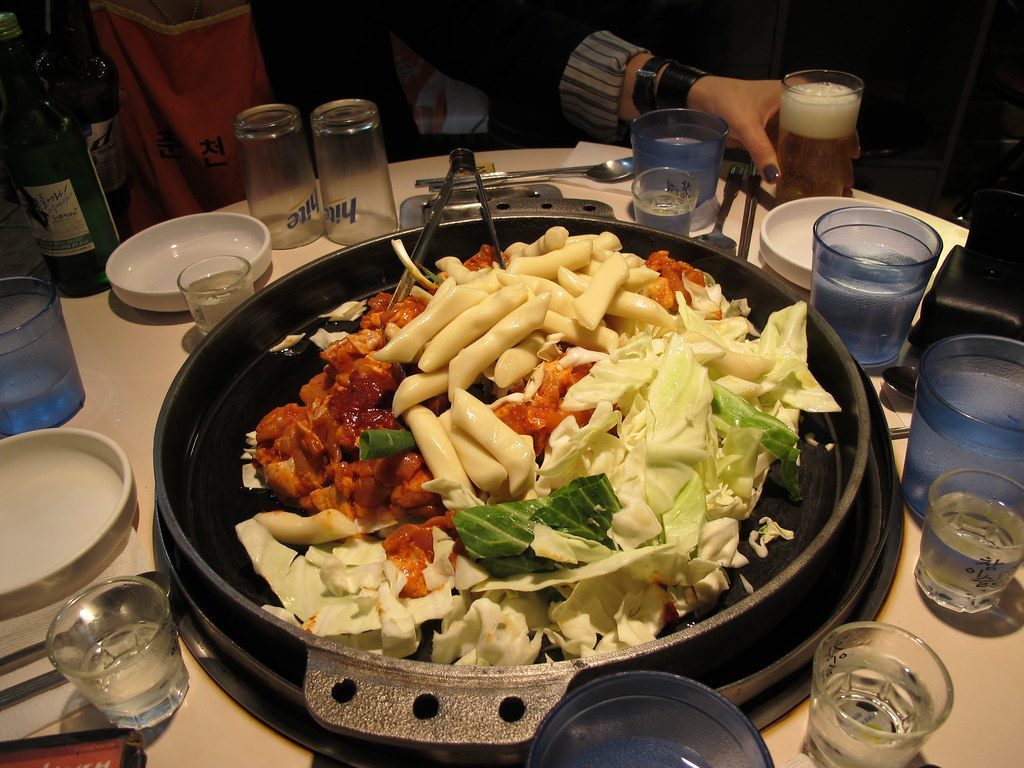
In South Korea, it is not appropriate to hold the rice bowl up to your lips as you should keep the bowl down on the tabletop, which requires some serious bending over to eat. It is expected that you wait until the senior person is served and begins to eat before you begin eating or drinking. Respect for elders isn’t just suggested, it’s mandatory at the dining table.
Sticking your chopsticks straight into your bowl of rice is considered quite rude among Koreans because it resembles what happens at a Korean funeral ceremony. The spoon is for your rice and soup, and your chopsticks are for everything else as it’s uncouth to use both your spoon and chopsticks at the same time.
Italy: Never Ask For Extra Parmesan On Seafood
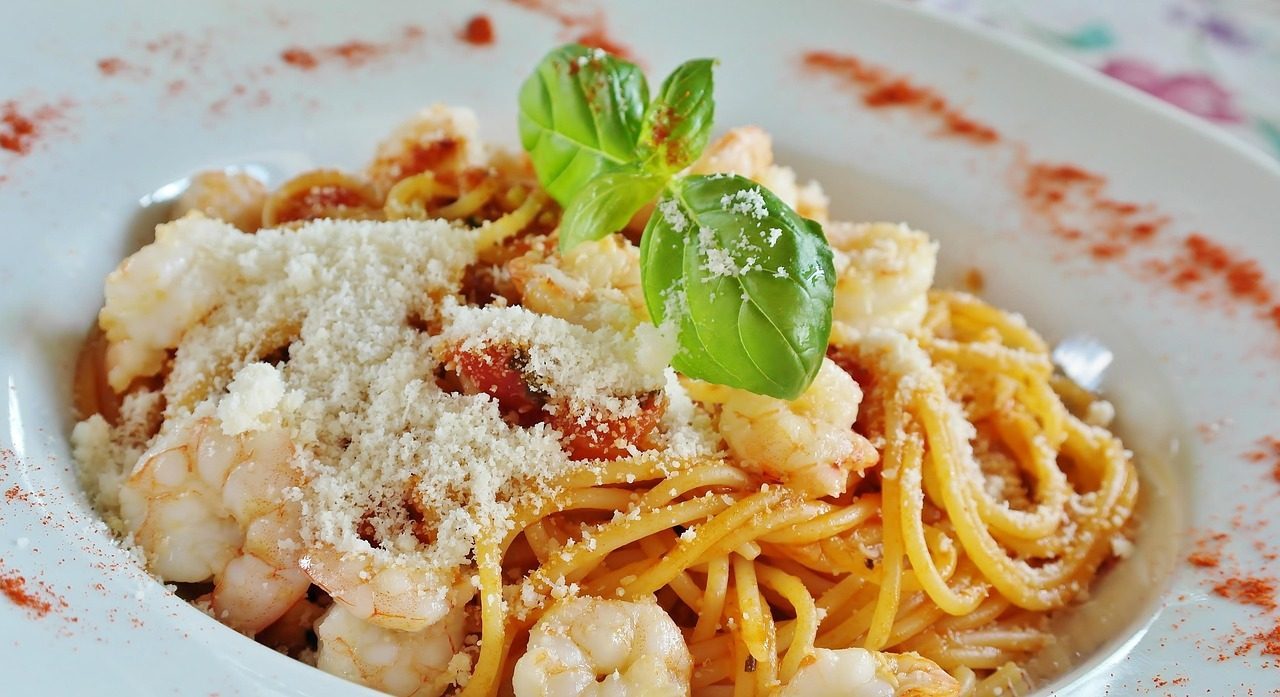
Let’s be real, Americans love cheese on everything. To Italians, requesting extra cheese is an insult to the chef and generally distasteful, especially if extra cheese is not offered by the waitstaff, whether it is pasta, pizza, and especially seafood. The chef knows what they’re doing.
Never order a cappuccino while eating dinner in a restaurant as it is believed to destroy the harmony of the courses. Coffee with milk after dinner? Absolutely not. Restaurants rarely open their doors before 7 pm and it is normal to eat after 8 or even 9 pm. Dinners in Italy are long, leisurely affairs that can stretch past midnight.
Thailand: Your Fork Should Never Touch Your Mouth
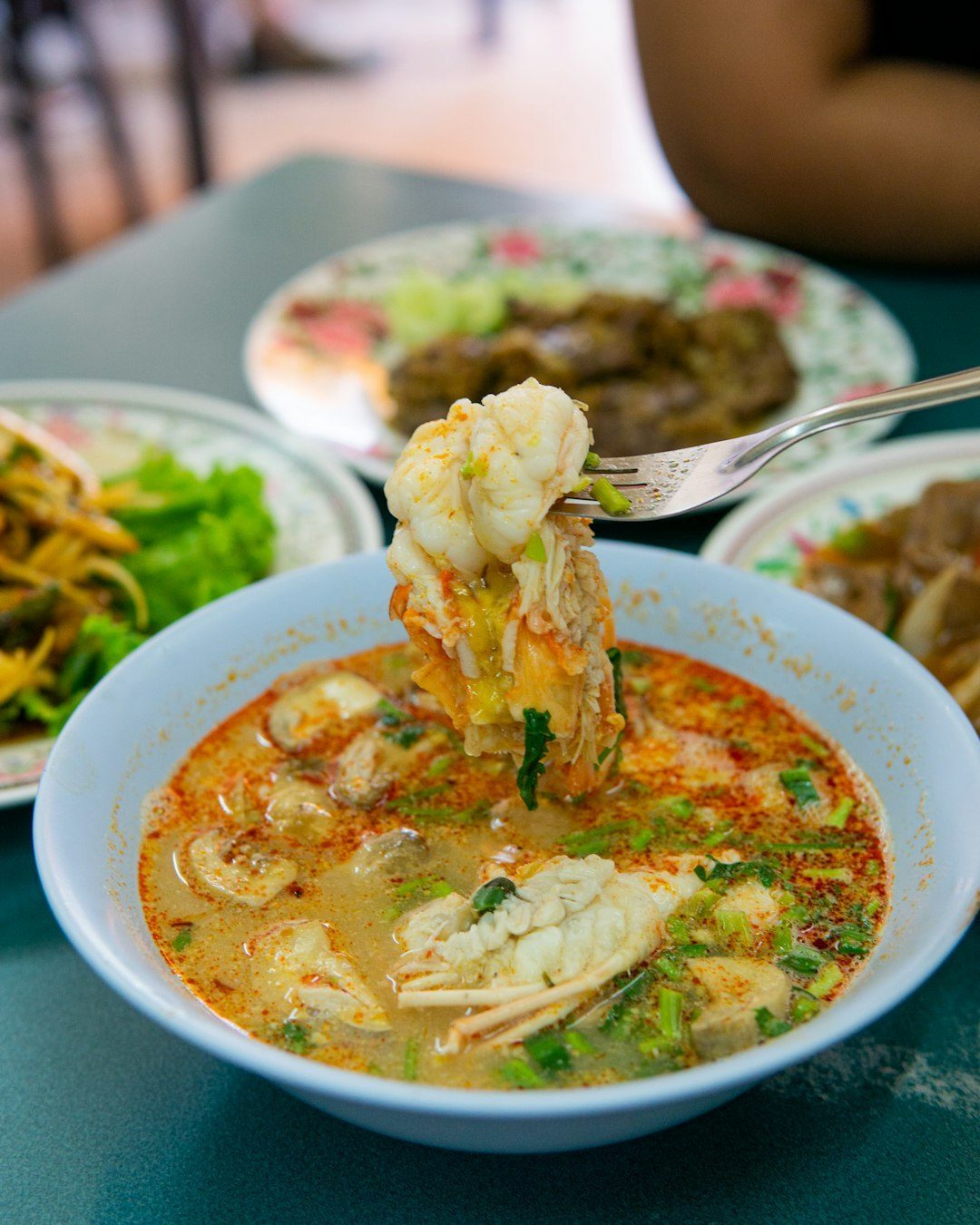
The proper way to eat in Thailand is to transfer food from your fork, onto a spoon and then into your mouth, or eat with chopsticks or just a spoon. I’m not gonna lie, this takes some getting used to. The fork is basically just a pusher, not the main eating utensil.
Never talk with your mouth full as Thailand natives consider this one of the most tasteless acts at the dinner table. Take your time when eating in Thailand because locals will spend extended time eating at the table, usually talking and enjoying the atmosphere. Rushing through a meal would be bizarre.
Egypt: Don’t Stare At Other People’s Food
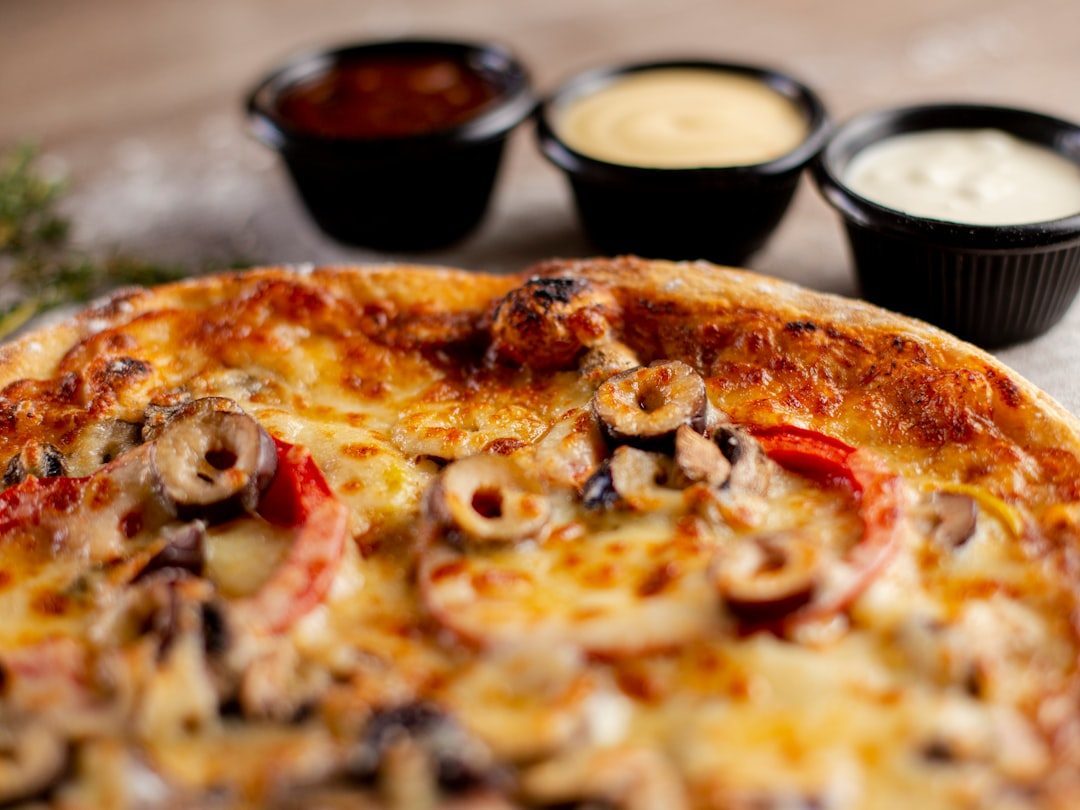
When dining in an Egyptian restaurant, it is uncouth to look at another person’s dinner plate because checking out another diner’s order communicates desire and envy. In Egyptian culture, this attention to another person’s success can bring about failure, and if you’re caught gazing at someone’s well-prepared meal, that person will offer you some of their food in fear of the bad luck or what is known as the evil eye.
Getting from a meal or a gathering to refill your glass is considered bad manners in Egypt, and instead, you should wait for someone else, usually your neighbour, to offer to do so. This communal approach to dining creates a unique social dynamic at the table.
Chile: Everything Gets Eaten With Utensils
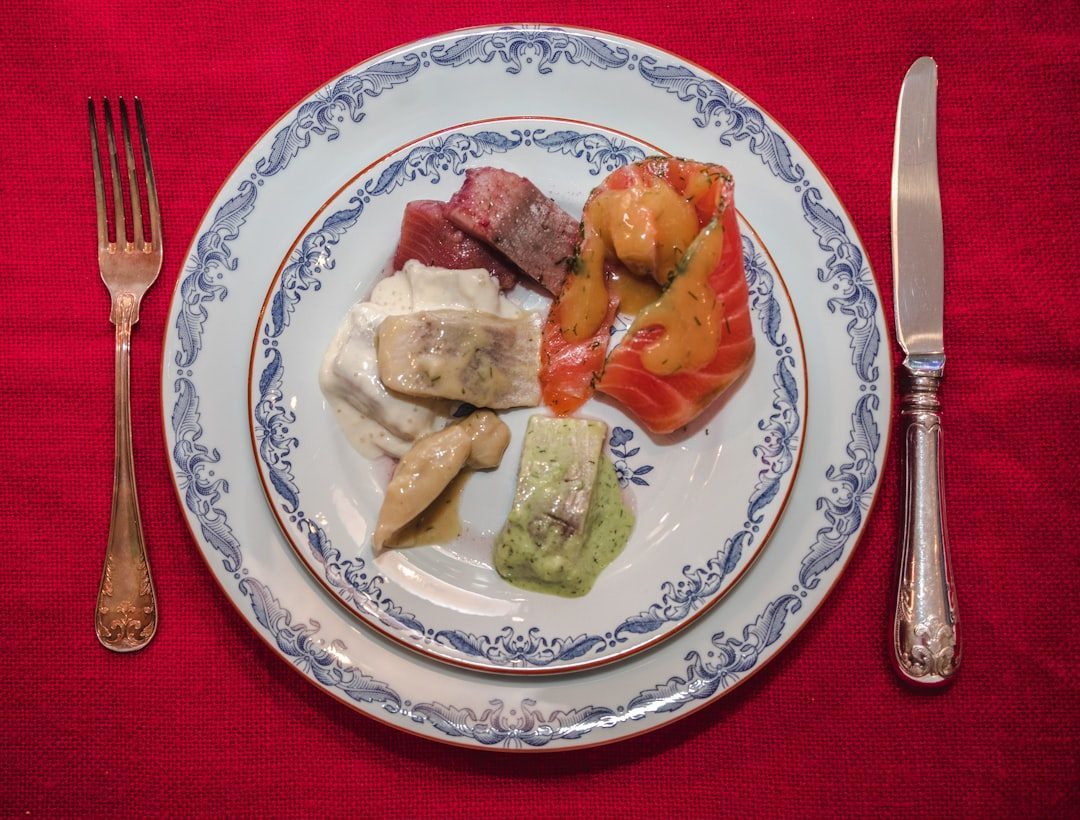
In Chile, it is seen as extremely ill-mannered to touch your food with your hands, so make sure to eat everything with your fork and knife, even burgers and French fries. Yes, you read that right. Even fries require a fork.
In Chile, resting your hands in your lap while dining is considered rude and disrespectful, and instead, keep your hands visible on the table at all times, with your wrists resting lightly on the edge. The formality extends beyond just what you eat to how you sit at the table. Cleanliness and proper presentation matter deeply in Chilean dining culture.
These rules might seem strange at first, yet they reveal something beautiful about how different cultures view food and hospitality. Next time you travel, take a moment to observe the locals before diving into your meal. What seemed weird at first might just become your favorite part of the experience. Did any of these surprise you? Which country’s etiquette would be hardest for you to follow?