5 Countries Where Street Food Is Considered Safer Than Restaurant Meals
Ever thought about grabbing a quick meal from a street vendor instead of sitting down at a fancy restaurant? You might be surprised to learn that in several countries around the globe, those sizzling woks and bustling food carts actually have a better track record than their brick-and-mortar counterparts. Let’s be real, this flips the whole travel food wisdom on its head.
The secret lies in transparency, turnover, and terrific regulation. When you can watch your meal being cooked right before your eyes, there’s nowhere for questionable practices to hide. Fresh ingredients move fast at popular stalls, and strict government oversight in certain nations ensures vendors maintain impeccable standards. What you’re about to discover might just change where you choose to eat on your next adventure.
Singapore: The Gold Standard of Hawker Hygiene
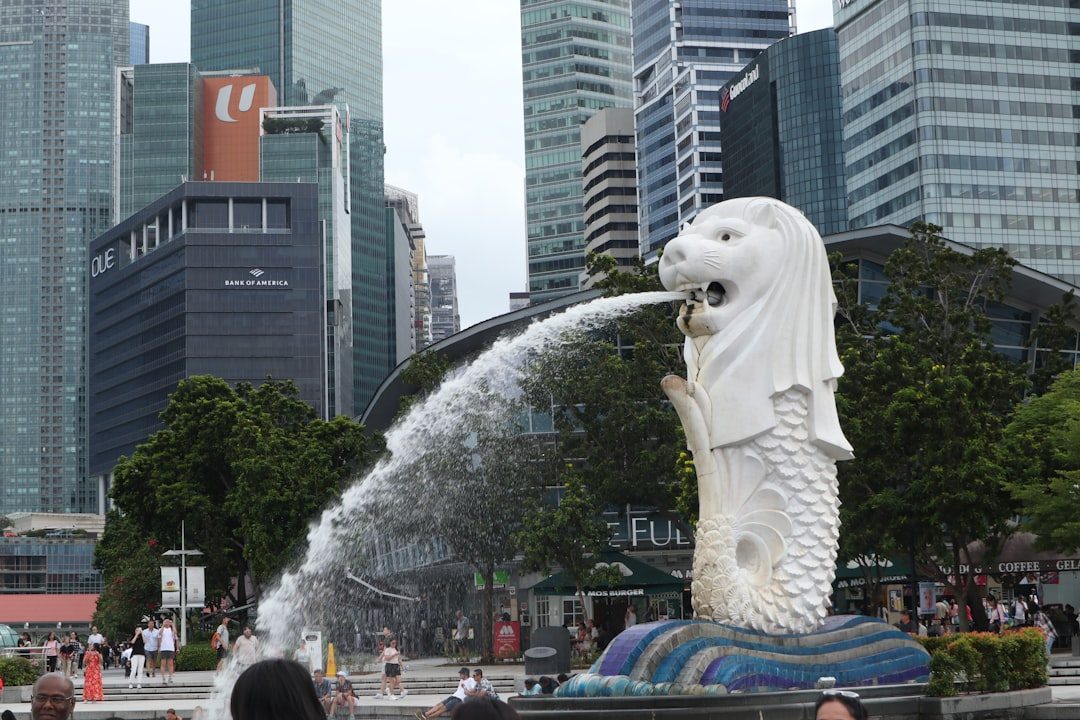
Singapore’s street food scene stands out for its impeccable regulation and sanitation standards, creating what many consider the safest street food environment globally. The city-state’s famous hawker centers operate under stringent government oversight that would make most restaurants jealous. Recent Singapore Food Agency statistics show foodborne illness rates hovering around 21 to 25 cases per 100,000 population annually, remarkably low for a nation where millions eat street food daily.
Smaller hawker stalls benefit from owners being directly involved in food preparation and cleaning, creating greater accountability and comprehensive understanding of hygiene practices, with the visibility of workspaces to customers serving as additional incentive to maintain high standards. Think about it: when your entire operation is visible to customers queuing up, there’s powerful motivation to keep everything spotless. The Singapore Food Agency sets science-based food safety standards consistent with international benchmarks and enforces them through inspection and testing programs.
Japan: Where Cleanliness Meets Culinary Excellence
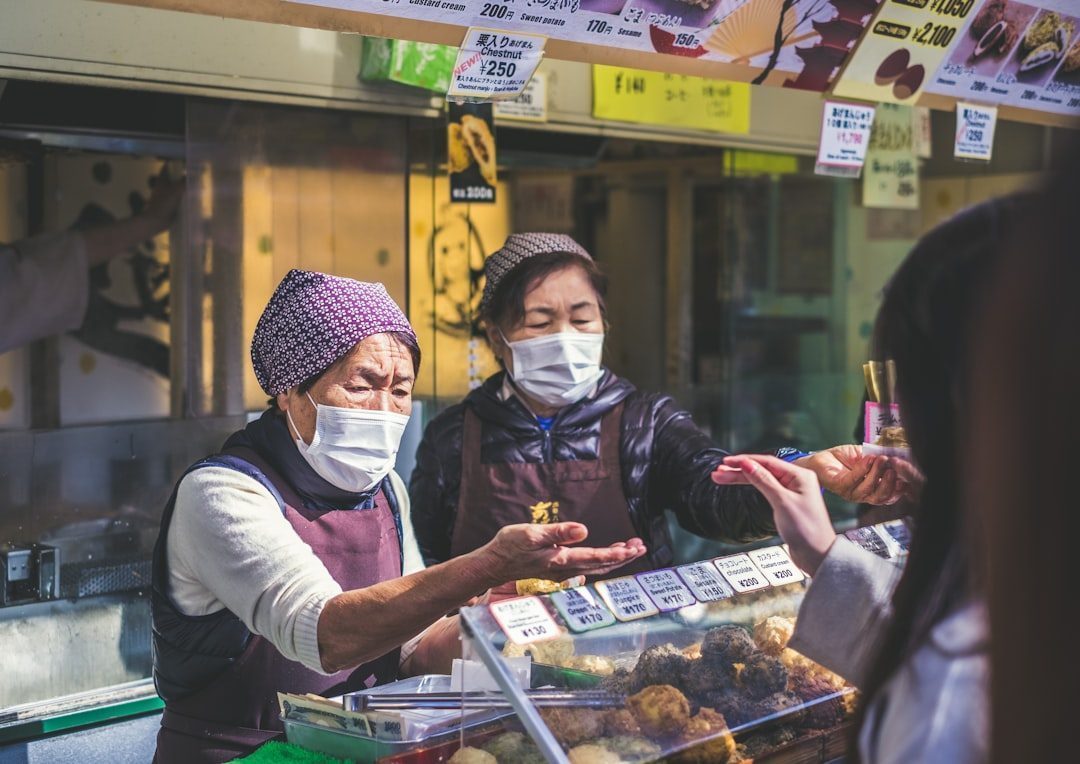
Japan is known for unmatched cleanliness and government oversight in food preparation, making its street food remarkably safe. Japan, with its strong hygiene culture and crisis-driven regulatory reforms, serves as a global reference point in food safety governance. The country’s comprehensive Food Sanitation Act leaves nothing to chance, regulating everything from food additives to packaging materials.
The Global Food Security Index 2022 ranked Japan sixth globally out of 113 countries with an overall score of 79.5 out of 100. What makes Japanese street vendors stand apart is their deeply ingrained cultural emphasis on hygiene that goes beyond mere compliance. Schools promote shokuiku or food education, instilling hygiene and nutrition awareness from a young age, creating generations of both conscientious vendors and informed consumers who demand excellence.
Thailand: Fresh Cooking Trumps Restaurant Risks
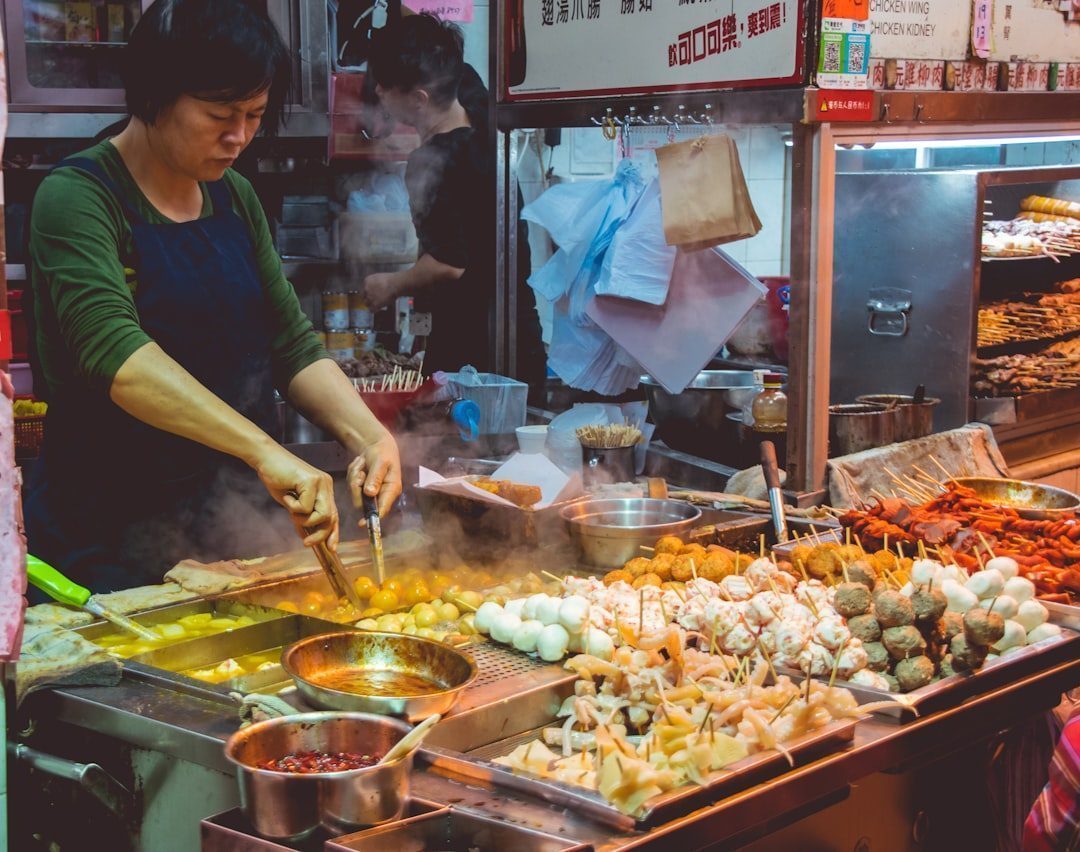
Here’s something that might shock you: many first-time travelers worry about getting sick from street food in Thailand, but it’s arguably safer than a restaurant. The reason is beautifully simple. Most Thai street food is cooked to order ensuring it’s served hot and fresh, while busy stalls in popular areas like Bangkok’s Chatuchak Market constantly prepare new food meaning ingredients are fresh.
Many seasoned travelers who frequently visit Thailand say they rarely get sick from street food, often finding it safer than some restaurant food because it’s prepared right in front of you. A pilot project in Bangkok demonstrated that food safety in street food operations can be improved through risk-based corrective actions, even if improvements cannot immediately reduce risk to levels attained in fully controlled operations. The transparency factor cannot be overstated: watching your pad thai sizzle in the wok means you know exactly how fresh everything is.
Taiwan: Night Market Regulations Set New Standards
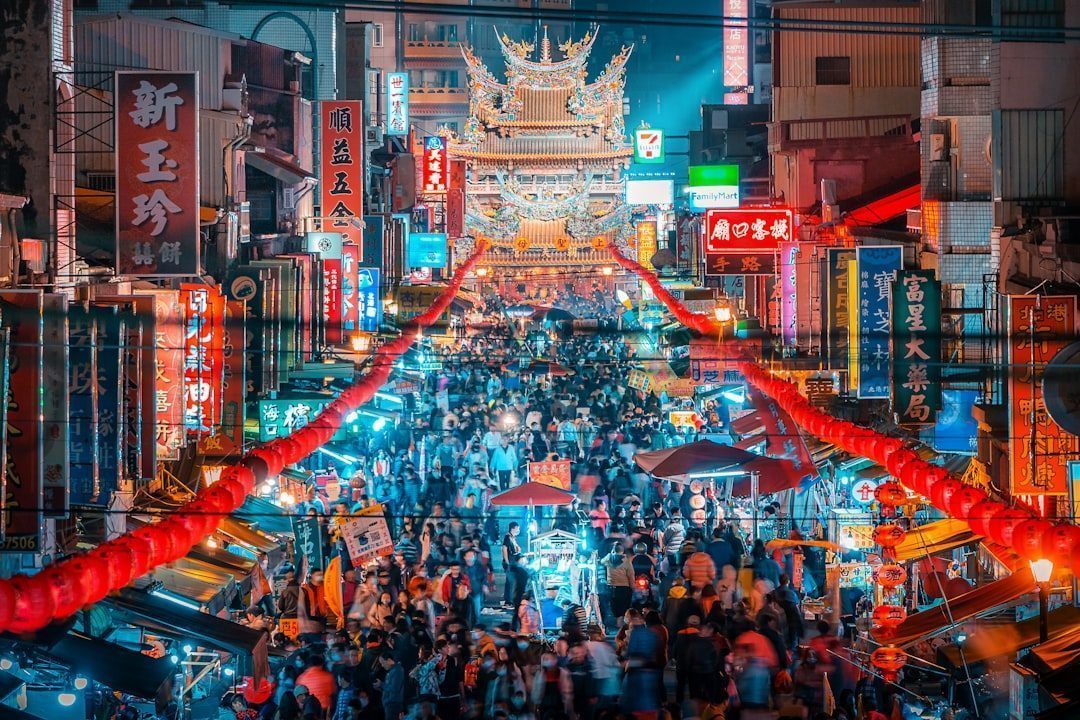
Taiwan’s legendary night markets have become synonymous with safe, delicious street food experiences. Taiwan’s Food and Drug Administration revised its Regulations on Good Hygiene Practice for Food, expanding oversight to all food businesses including restaurants, food stalls, and delivery platforms, with new rules effective immediately aiming to reduce contamination risks and strengthen food safety. Key changes include banning workers from handling money and food in succession with bare hands, requiring food handlers to wash or sanitize their hands between tasks to prevent cross-contamination.
Research comparing Korea and Taiwan found satisfaction with street food sanitation was higher in Taiwan than in Korea on all measured items. The island’s proactive approach extends beyond enforcement to education. In June 2016 a food safety program was initiated under which the government, vendors and public jointly established a farm-to-table food safety system to monitor agricultural products throughout production, manufacturing, distribution and sales processes, helping assure consumers that foods they consume are safe while boosting quality and competitiveness of Taiwan’s food industry.
South Korea: Digital Innovation Meets Street Food Safety
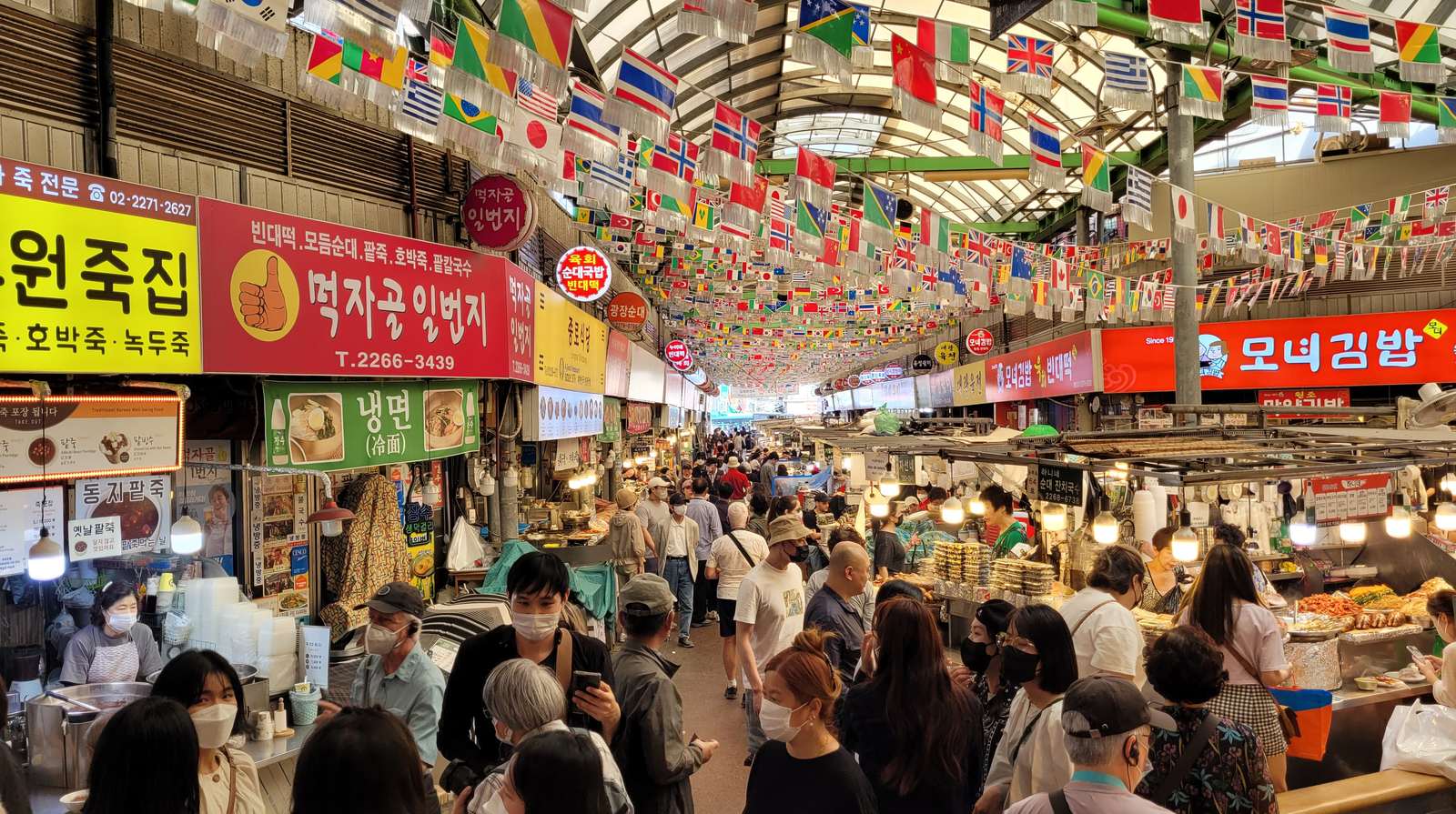
South Korea represents a fascinating blend of traditional street food culture and cutting-edge safety technology. While the country has historically struggled with street food sanitation perceptions, recent years have brought dramatic improvements. Countries like Singapore and South Korea have implemented strict hygiene standards for street food vendors, including regular inspections and mandatory training programs.
The Korean government’s approach combines regular health inspections with digital tracking systems that allow consumers to check vendor hygiene ratings on their smartphones. Popular areas like Seoul’s Myeongdong and Gwangjang Market now operate under stringent protocols requiring glove use, regular temperature checks, and visible sanitation grades. What’s particularly impressive is how quickly Korea adapted international best practices after studying Singapore’s hawker model, creating a hybrid system that respects Korean food traditions while embracing modern safety standards.
The truth is, street food safety depends less on where you eat and more on how well that location regulates and monitors its vendors. These five countries prove that when governments prioritize oversight, vendors embrace transparency, and fresh ingredients turn over quickly, street food can actually be your safest bet. Next time you’re traveling, don’t automatically assume that air-conditioned restaurant is cleaner than the bustling cart outside. Sometimes the best meal is also the safest one. What’s your take on street food versus restaurants? Have you had experiences that surprised you?