10 Ingredients Nutritionists Recommend Always Keeping in Your Kitchen
A well-stocked kitchen is the foundation of healthy eating, and nutritionists say a few key ingredients can make all the difference. Keeping versatile, nutrient-dense staples on hand helps you prepare balanced meals without stress. From protein boosters to antioxidant-rich essentials, these items support better habits every day. Here are 10 ingredients experts recommend you always keep in your kitchen.
Extra Virgin Olive Oil
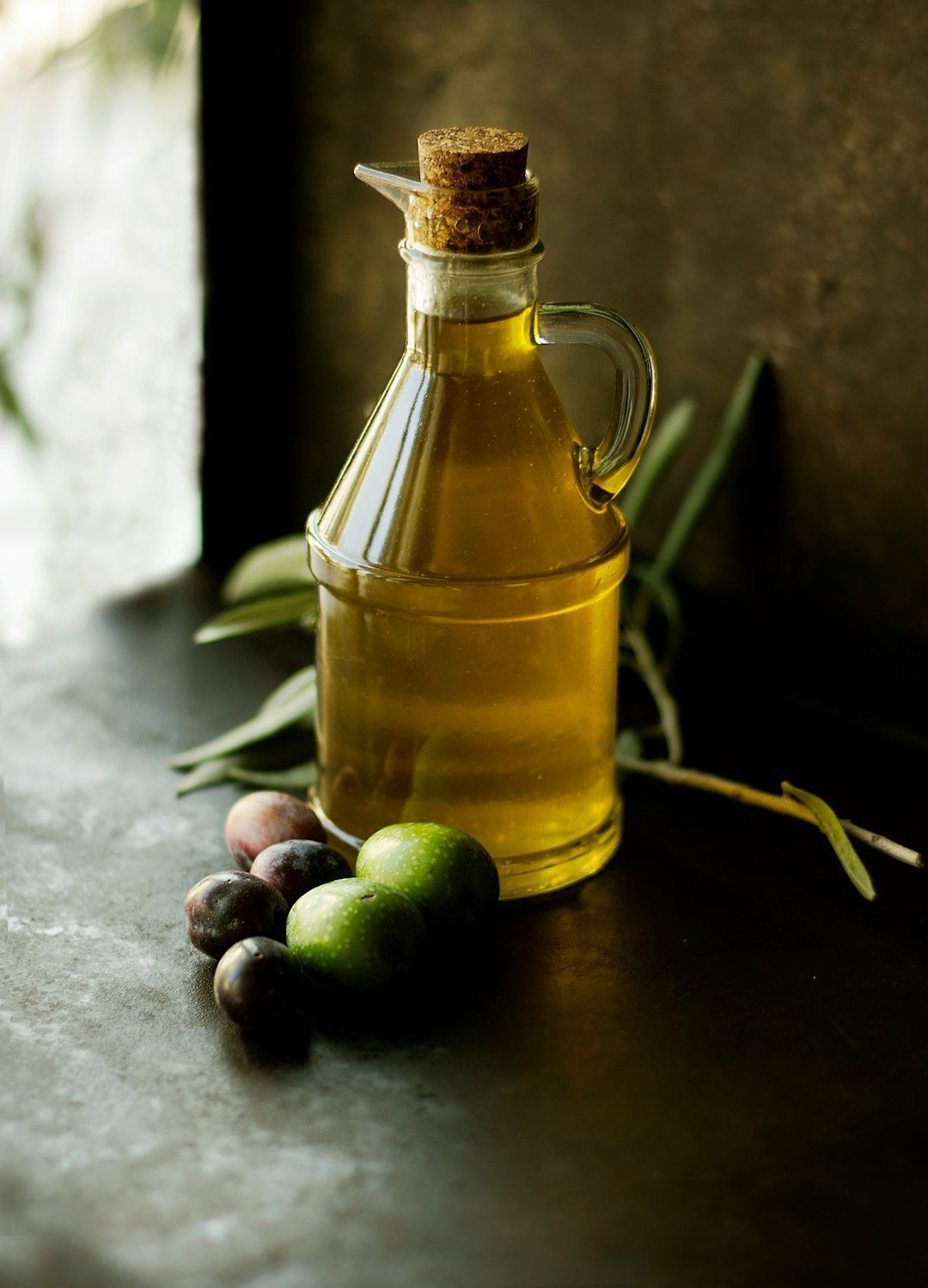
The Mediterranean diet has shown impressive health benefits, with olive oil appearing as a key contributor to cutting risks of heart disease and stroke. What makes this liquid gold so special? The predominant fatty acid in olive oil is oleic acid, a monounsaturated fat that makes up roughly three quarters of the total oil content. Here’s the thing though: not all olive oil is created equal. Extra virgin olive oil contains the highest percentage of polyphenols and antioxidants because it goes through a single processing procedure whereas other types are processed more, causing more polyphenols and antioxidants to be lost.
Research from Harvard scientists found that participants who consumed more than 7 grams per day of olive oil had a 28% lower risk of dying from dementia compared with participants who never or rarely consumed olive oil. The study documented these findings among over 92,000 participants over several years. Plus, consuming extra virgin olive oil decreased LDL, or bad cholesterol, which has been linked to heart disease.
Beans and Lentils
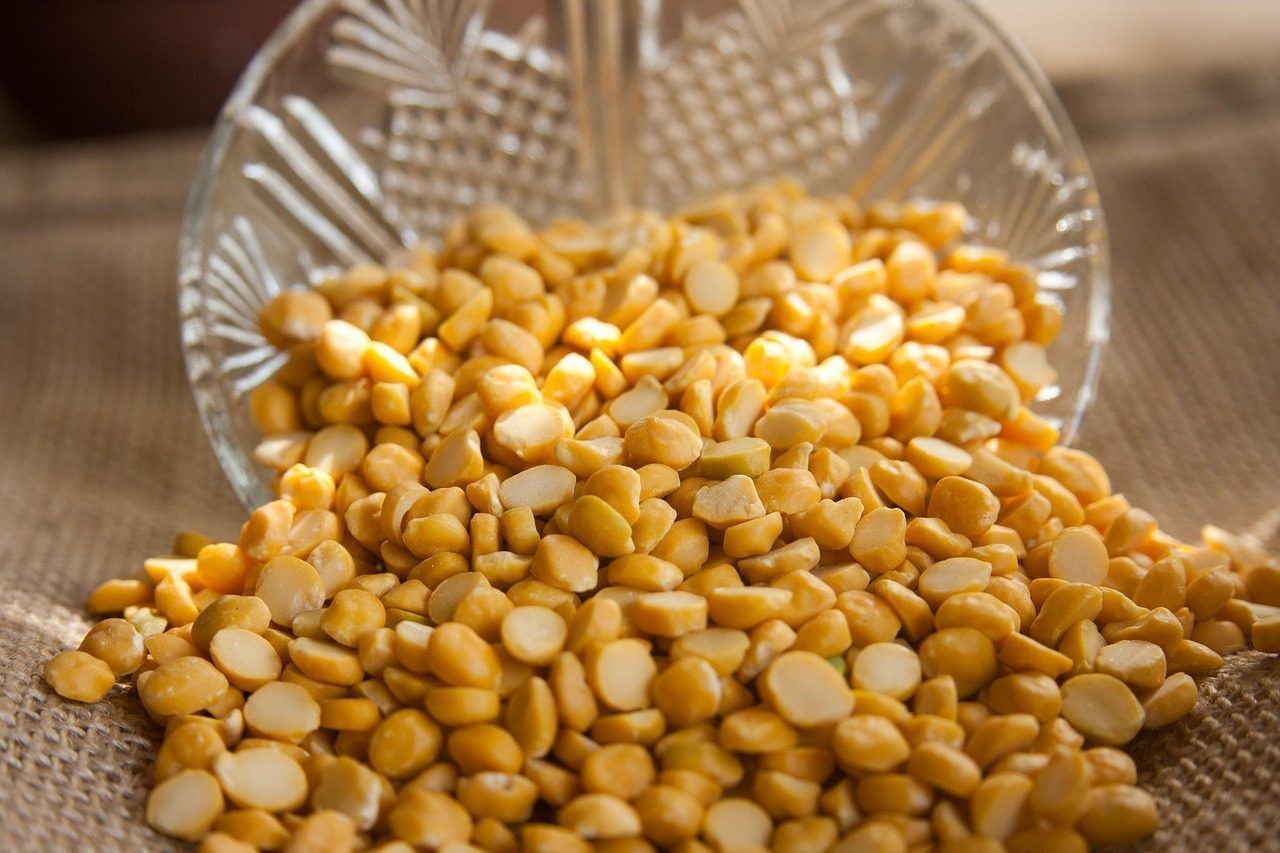
Let’s be real: beans are incredibly underrated in American kitchens. Canned beans can be stored in the pantry at room temperature for 2 to 5 years, while dried beans can last 10 or more years. Dried or canned beans and lentils are great pantry staples because of their affordability, high nutrient content, and long shelf life, as legumes are high in potassium, magnesium, fiber, protein, iron, copper, B vitamins, zinc, and phosphorus.
The evidence for their health benefits is striking. A systematic review and meta analysis of several trials found reductions in blood pressure in those who ate legumes, with subjects who consumed slightly less than 1 cup of legumes each day for several weeks experiencing significantly decreased systolic and mean arterial blood pressure. Studies of legume consumption across large cohort studies over several years found that people who ate the most legumes had a lower risk of developing colon cancer.
Whole Grains
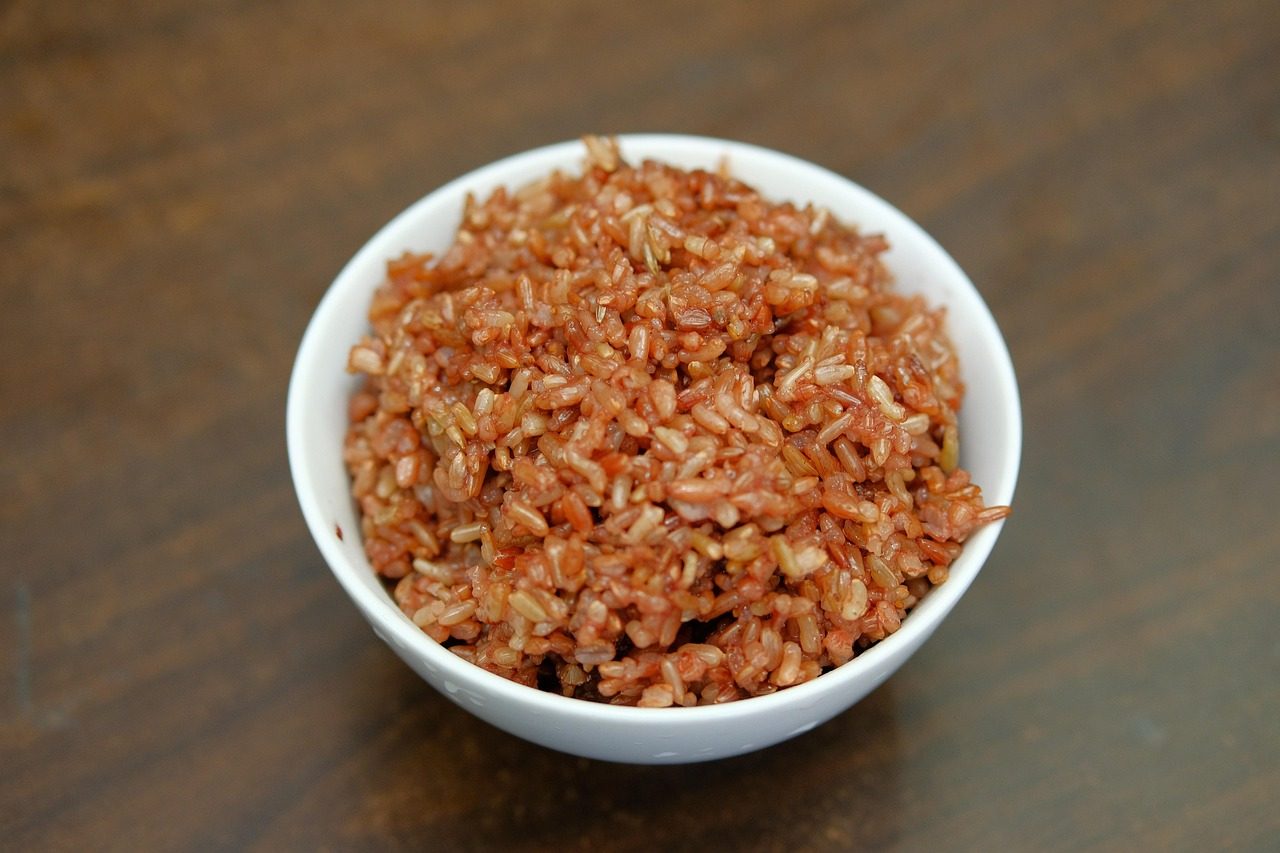
Whole grains are another great pantry staple to keep on hand and are a versatile option for dishes ranging from a savory stir fry to overnight oats, including brown rice, quinoa, barley, farro, bulgur, buckwheat, oats, rye, spelt, and wheat berries, among others. I know it sounds crazy, but switching from white rice to brown rice can honestly make a bigger difference than you’d expect. Adding whole grains to a meal is a great way to boost your fiber intake, and they may even help reduce your risk of inflammation and type 2 diabetes.
Depending on the type, grains like spelt, brown rice, amaranth, bulgur, oats, and quinoa can be kept safely at room temperature for months to years, making them a smart choice to buy in bulk. This means fewer trips to the store and more flexibility when planning meals.
Nuts and Seeds

Nuts and seeds such as unsalted almonds, peanuts, walnuts, sunflower seeds, and cashews, along with natural or organic seed or nut butters such as almond butter, sunflower butter, and peanut butter are a great choice for a healthy pantry. Eating nuts and seeds may lower your risk of cardiovascular disease and coronary heart disease, and may also prevent metabolic syndrome and help you maintain a healthy weight. The key is portion control since they’re calorie dense.
Depending on the type, nuts and seeds can be kept at room temperature for 1 to 4 months, making them a smart ingredient to store in your pantry. They’re perfect for tossing into yogurt, adding to salads, or enjoying as a quick snack when hunger strikes.
Canned Tomatoes
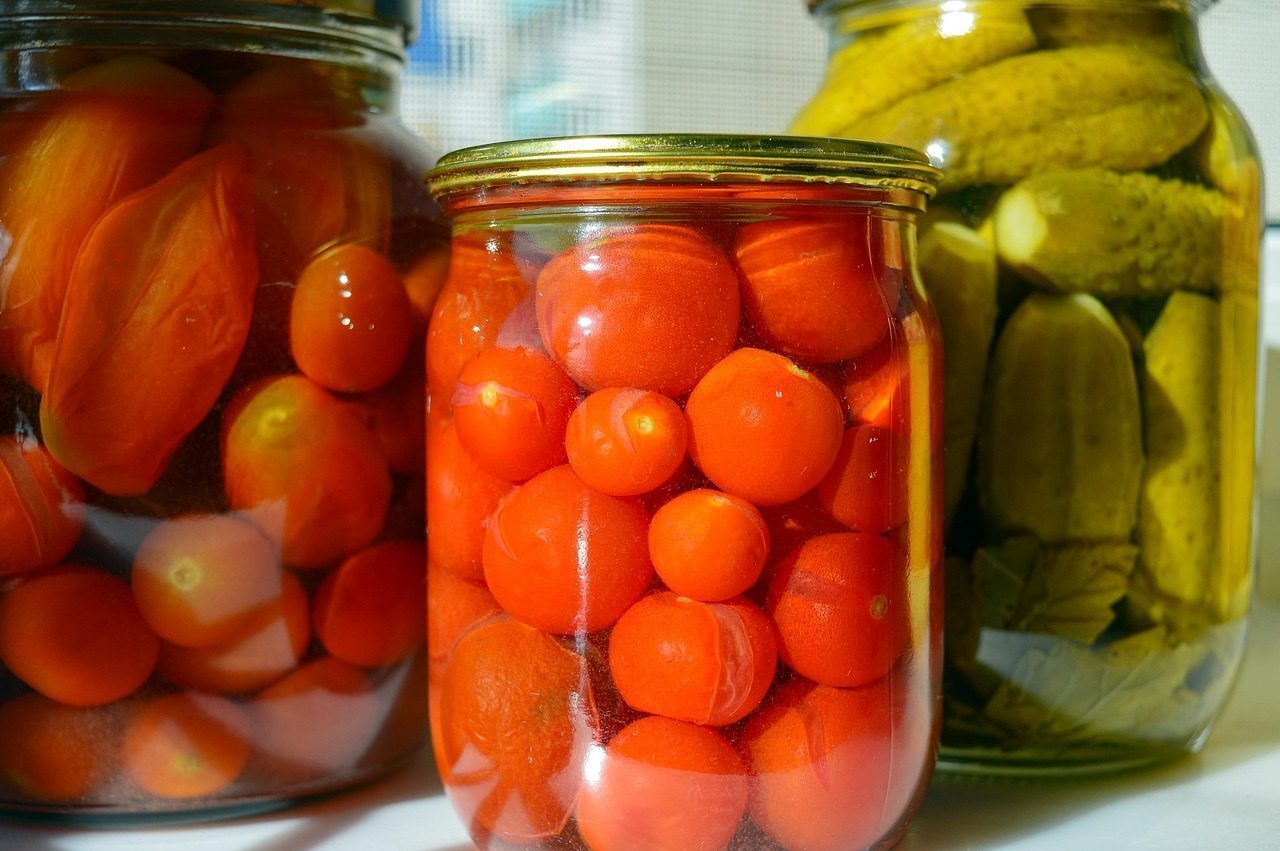
Canned no salt added diced tomatoes are packed at the height of freshness and are an excellent source of vitamin C and other important antioxidants like lycopene, a heart healthy plant nutrient that may help protect against certain types of cancer and sunburn. Plus, canned tomatoes provide fiber and potassium for gut and heart health.
They’re ridiculously versatile too. You can toss them into soups, create pasta sauces, use them in baked dishes, or whip up a quick homemade marinara that’ll actually taste better than store bought versions. Keep a few cans in your pantry and you’ll always have the foundation for a nutritious meal ready to go.
Frozen Fruits and Vegetables
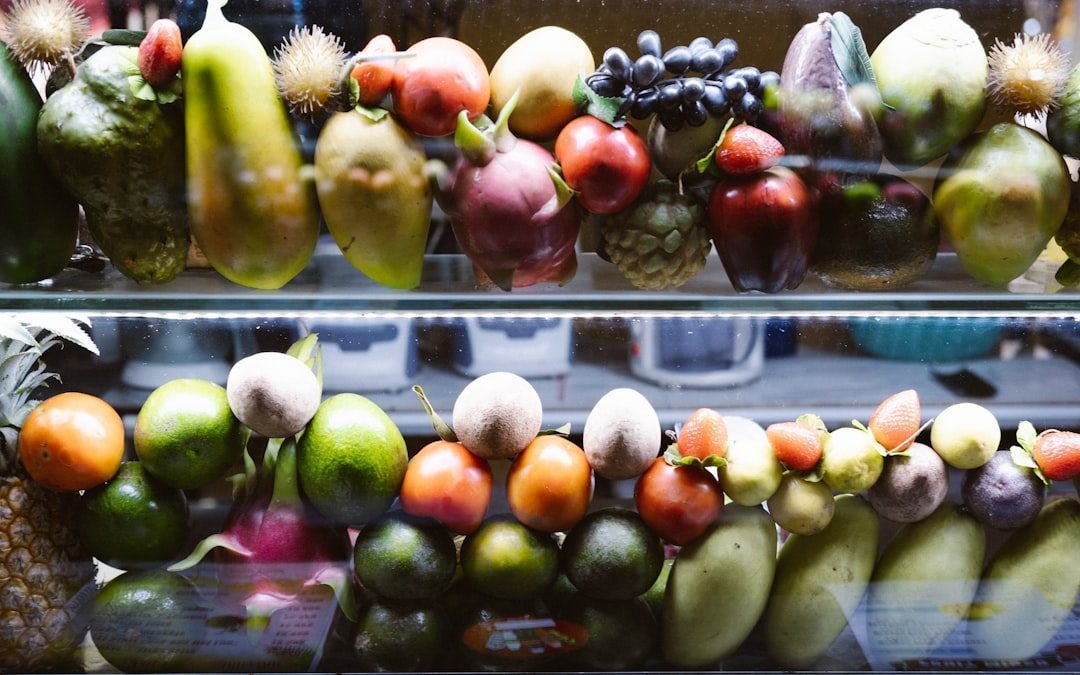
A 2015 study found that frozen fruits and vegetables generally retained the same vitamin content as fresh varieties, which makes these freezer staples even more versatile and convenient to keep on hand. Think about it: frozen produce is picked at peak ripeness and flash frozen, locking in nutrients. Leafy greens like kale, spinach, and chard all freeze well, as well as squash, broccoli, cauliflower, and carrots, and most fruits also freeze well and are great additions to smoothies, plus these foods are typically great sources of antioxidants, which can help prevent chronic health conditions like heart disease, diabetes, and inflammation.
The beauty of frozen produce is that there’s no waste. You use what you need and the rest stays fresh. No more wilted spinach or moldy berries lurking in your fridge.
Eggs
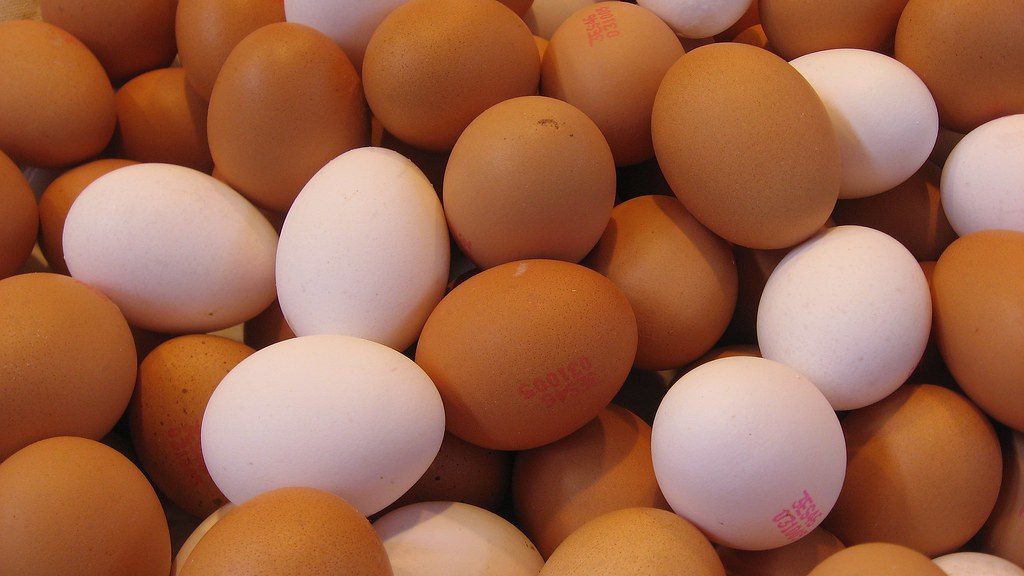
Honestly, eggs might be the most versatile protein you can keep in your kitchen. They’re packed with high quality protein and contain all nine essential amino acids your body needs. Proteins such as whey protein and casein found in milk, eggs and meat provide all essential amino acids and are easily digestible, making them ideal for muscle repair and growth.
Beyond their nutritional punch, eggs are incredibly affordable compared to most protein sources. You can scramble them for breakfast, hard boil them for snacks, add them to fried rice for dinner, or use them in baking. They typically keep for several weeks in the refrigerator, making them a reliable staple.
Greek Yogurt

Greek yogurt has exploded in popularity over the past decade, and for good reason. It’s packed with protein, probiotics for gut health, and calcium for bone strength. Consuming a diverse range of plant based foods, fermented products and fiber rich ingredients can help maintain a healthy balance of gut bacteria. The probiotics in yogurt fall squarely into that fermented category.
Opt for plain, unsweetened varieties to avoid added sugars. You can always add your own fresh fruit, nuts, or a drizzle of honey if you want sweetness. Greek yogurt works beautifully in both sweet and savory applications, from smoothies and parfaits to marinades and salad dressings.
Garlic and Onions
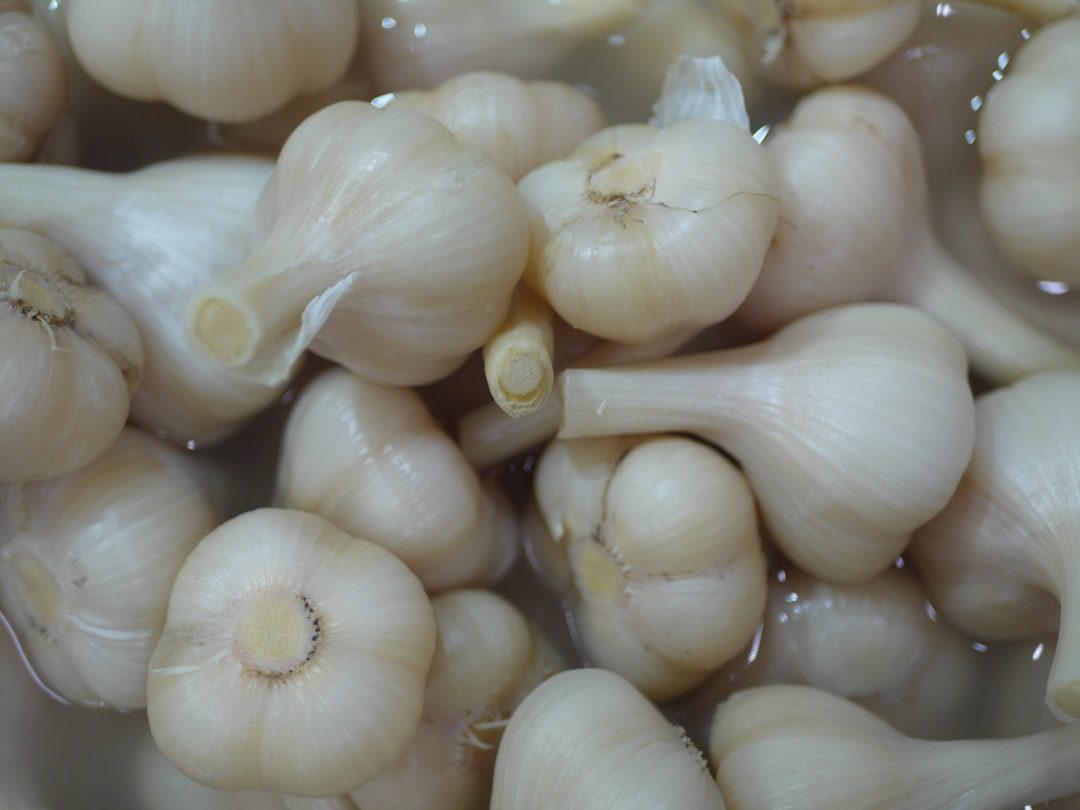
These aromatic vegetables deserve more credit than they get. They’re not just flavor powerhouses; they’re nutritional champions too. Garlic contains compounds with anti inflammatory and antioxidant properties, while onions provide fiber, vitamin C, and various beneficial plant compounds.
The best part? They’re incredibly affordable and have a long shelf life when stored properly. A well stocked kitchen always has garlic and onions on hand because they form the flavor base for countless dishes across nearly every cuisine. From stir fries to soups to roasted vegetables, these two ingredients elevate everything they touch.
Herbs and Spices
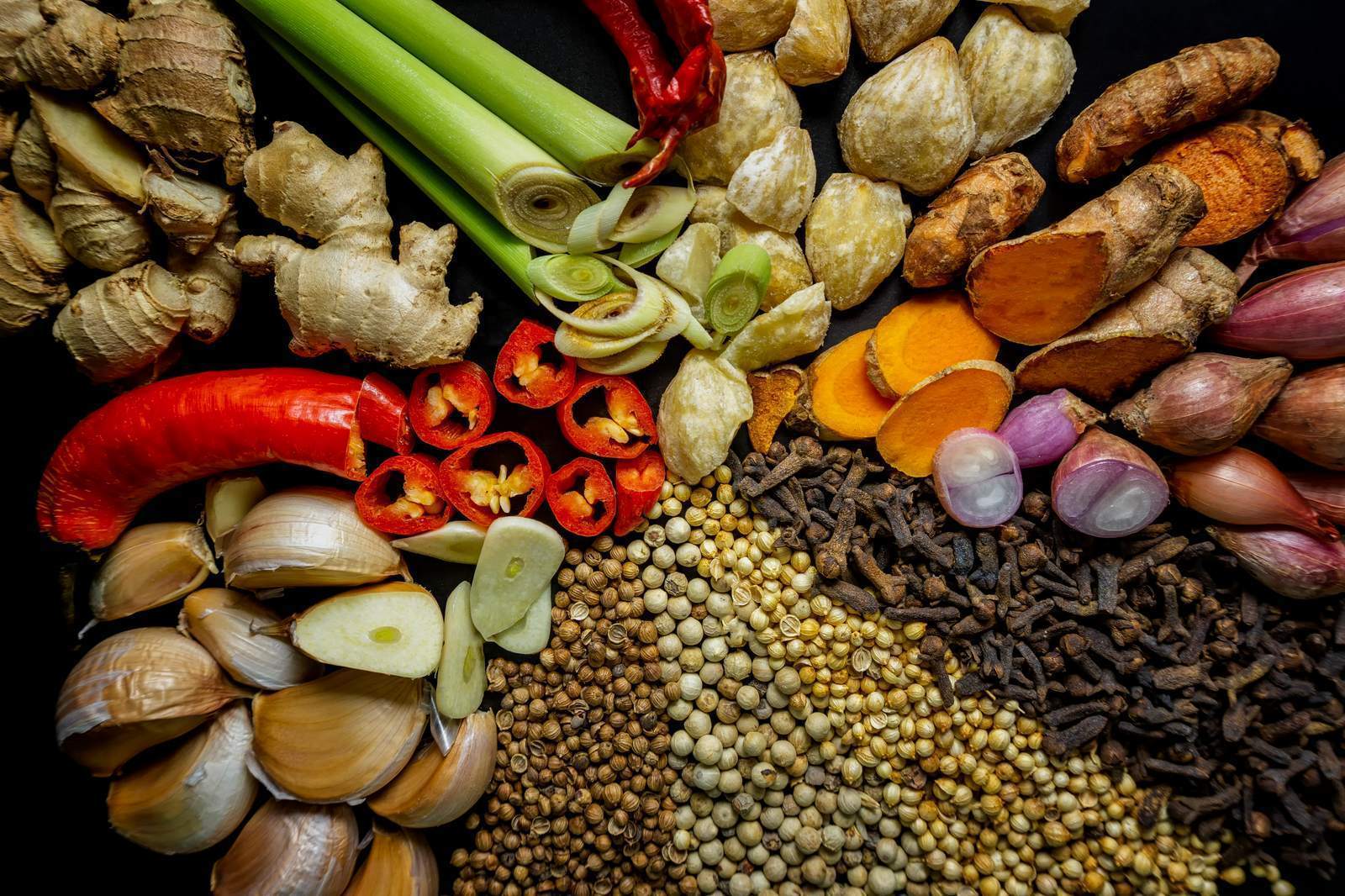
Spices and herbs are the secret to transforming simple ingredients into culinary delights. Yet their value goes way beyond flavor. In 2024 and 2025, there’s been a greater emphasis on how nutrition can support mental and emotional health, including foods and beverages with ingredients such as ashwagandha and turmeric. Turmeric contains curcumin, known for anti inflammatory properties, while cinnamon may help regulate blood sugar.
Building a spice collection doesn’t happen overnight, though. Start with basics like garlic powder, onion powder, cumin, paprika, oregano, basil, black pepper, and cinnamon. Then gradually expand based on the types of cuisine you enjoy cooking. Dried herbs and spices maintain their potency for months or even years when stored in a cool, dark place.
Health conscious choices, affordability and nutritional quality have all been paramount in recent years, with consumers increasingly checking ingredient and nutrition labels more than they did previously. These ten ingredients give you the building blocks for countless nutritious meals. If you stock your kitchen with wholesome ingredients then you’re more likely to eat wholesome food most of the time, and moderation is key, but it makes a world of difference to start with a solid foundation of real food. What surprised you most about this list? Are there ingredients you’re excited to add to your kitchen rotation?