6 Fast-Food Chains That Still Prepare Food From Scratch
Most people assume fast food means frozen patties, reheated sauces, and factory-sealed packaging torn open behind the counter. Honestly, that assumption is not entirely wrong. The vast majority of the industry runs on pre-processed shortcuts. Convenience, cost control, speed. That’s the formula.
Yet a small, stubborn group of chains has always defied that logic. They chop vegetables by hand, marinate their own meats, and mix their sauces fresh every single morning. Not as a marketing stunt, but as a genuine operating philosophy. The difference on the plate is real – and the loyalty those chains inspire is almost cult-like.
So let’s get into it. These are the six fast-food and fast-casual chains that still truly .
1. Chipotle Mexican Grill: The Undisputed King of Fresh Fast Food
Here is a stat that genuinely surprises people. Chipotle boasts no freezers, no can openers, no added hormones, and no artificial flavors, colors, or preservatives – an impressive feat for a quick-service franchise. That isn’t marketing fluff. It’s baked into the entire operational model. Think about how unusual that is at the scale Chipotle operates.
Chipotle doesn’t carry a microwave or freezer in its restaurants. They have walk-in refrigerators with fresh ingredients, herbs, spices, and rice, and they hand-make fresh food such as guacamole, lime rice, salsa, and meat every day from scratch. Employees spend about four hours every morning chopping and prepping ingredients ahead of the lunch hour. That’s hours of real labor before a single customer walks in the door.
Chipotle announced it became the only national restaurant brand with no added colors, flavors, or preservatives in any of the ingredients it uses to prepare its food. The company strives to serve responsibly sourced, classically cooked, real food with wholesome ingredients and without artificial colors, flavors, or preservatives. And the chain is not slowing down either. There are nearly 3,800 Chipotle restaurants as of March 2025, in the United States, Canada, the United Kingdom, France, Germany, Kuwait, and the United Arab Emirates.
Several ingredients, including the onions, lettuce, and cilantro, are chopped by hand, while others such as the tomatoes are chopped using food processors. The company once tried using a processor for the onions, but the machine left them watery and soft, so employees returned to hand chopping. Honestly, that attention to texture in a fast-food setting is remarkable. I think that detail alone says everything about how seriously Chipotle takes this commitment.
2. In-N-Out Burger: A No-Freezer, No-Microwave Philosophy Since 1948
You may have heard the claims. But the reality is even more radical than the reputation. In-N-Out doesn’t even own a microwave or freezer. Every location relies entirely on daily fresh deliveries. This isn’t a pilot program or a new initiative. This has been the policy since the chain was founded.
Each patty is made using only fresh, individually inspected, whole chucks from premium cattle selected especially for In-N-Out Burger. Their team removes the bones, grinds the meat, and then makes each patty. In-N-Out has always made its hamburger patties using only fresh, 100% USDA ground chuck – free of additives, fillers, and preservatives. There’s a directness to that approach that most chains simply cannot match.
Their iceberg lettuce is hand-leafed. Their American cheese is the real thing. They use the best available onions and the plumpest, juiciest tomatoes they can find. Their buns are baked using old-fashioned, slow-rising sponge dough. French fries come from the finest, freshest potatoes. They are shipped right from the farm, individually cut in each store, and then cooked in 100% sunflower oil.
In-N-Out restaurants never use frozen ingredients, so all locations must be within a reasonable drive of one of their meat distribution centers. That drive is set at 300 miles, and the center farthest to the east is in Texas. That’s why you won’t find In-N-Out on the East Coast. The whole geographic strategy is designed around keeping things fresh. You cannot scale recklessly when freshness is literally your infrastructure requirement.
3. Raising Cane’s: Fresh Tenders and Handmade Sauce Before Opening Time
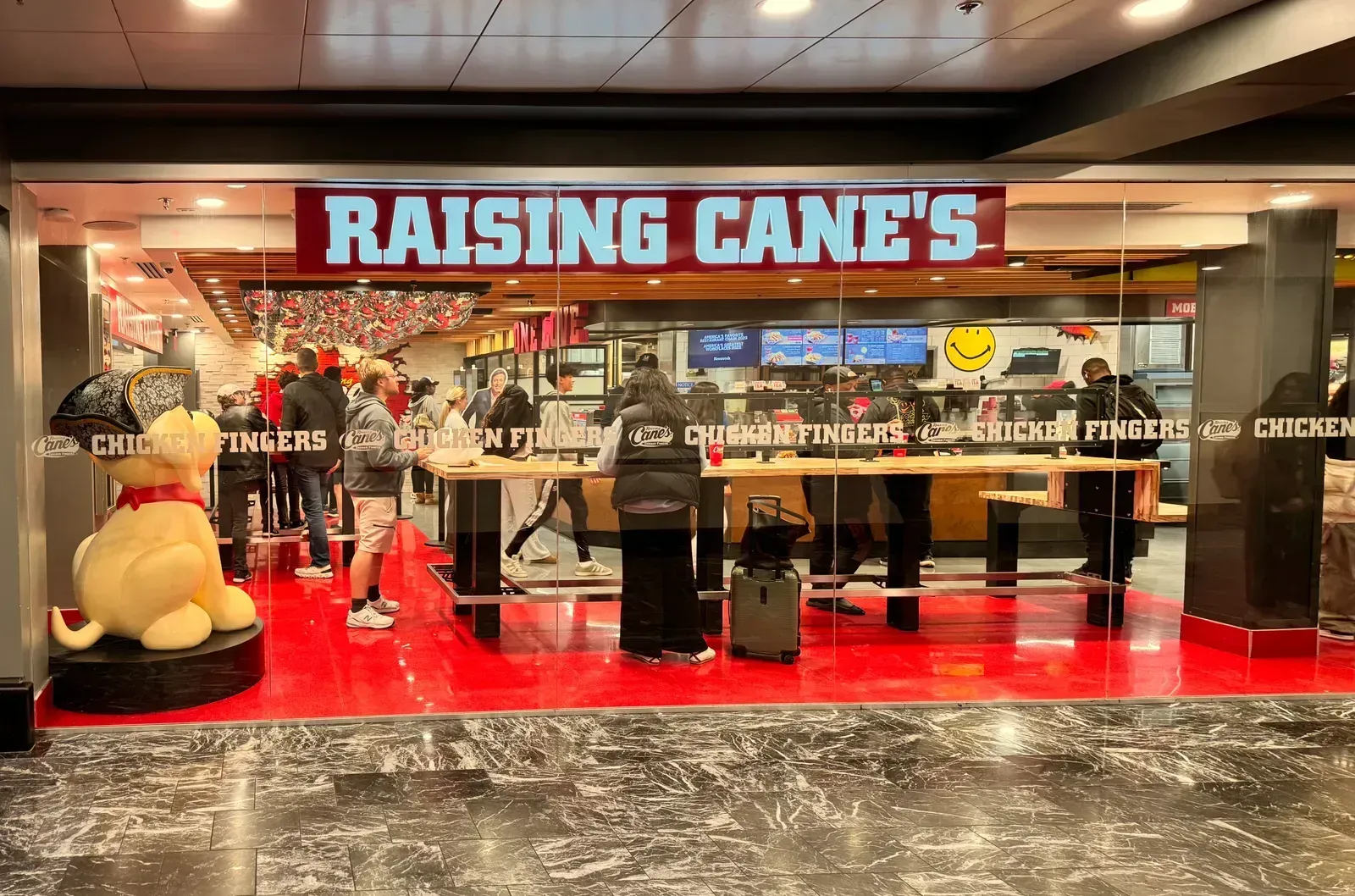
Every main menu item at Raising Cane’s is prepared fresh, earning the chain a spot among the foremost purveyors of fresh, never-frozen fast food. The most important component of any Raising Cane’s meal is the chicken tenders, which are dipped, breaded, and fried to order from chicken that’s never frozen. That’s not a small distinction. Most fast food chicken spends a significant amount of time frozen before it ever sees a fryer.
Before opening time, Raising Cane’s employees typically start their shifts squeezing lemons for lemonade and mixing up fresh batches of Cane’s sauce and honey mustard. Think about that. Fresh-squeezed lemonade. Daily. At a drive-through chain. The Cane’s Sauce, coleslaw, and iced tea and lemonade are all made fresh daily in-house.
Wingstop and Raising Cane’s both grew sales by more than 30% in 2024, propelling both brands into the Top 25 restaurant chains in the country. The growth is staggering, and it seems directly linked to consumer appetite for exactly this kind of quality. As far as chicken chains go, Raising Cane’s is considered a better option than KFC. It is simply a newer, better, ingredient-focused version of what KFC used to represent.
The brand keeps its menu deliberately small and focused, which is probably the secret to maintaining this level of freshness at scale. A limited menu means every single item can receive the kind of attention that bigger, sprawling menus simply cannot afford. It’s a lesson a lot of chains could learn from.
4. El Pollo Loco: Fire-Grilled, Never Frozen, Made Every Day
At El Pollo Loco, freshness is key. “Made fresh. Made by hand. Made every day,” the chain maintains on its website. That’s the kind of brand identity that only works if the kitchen actually backs it up. Thankfully, El Pollo Loco does. The entire model is built around the idea that fire-grilled chicken and made-from-scratch salsas are non-negotiable.
It all comes down to fresh. Fresh salsas made from scratch, fresh sliced avocados, and of course, fresh, never frozen, fire-grilled chicken. The difference between fire-grilled and frozen-then-fried is enormous in terms of flavor, and customers who eat here regularly will tell you they can genuinely taste the gap. It’s not just branding.
El Pollo Loco recently announced a Protein Packed Menu with more than 20 curated menu items ranging from 23 to 74 grams of protein. Like Chipotle, which debuted a High Protein Cup, El Pollo Loco also now offers a side of chopped chicken breast. This shows that the chain is smart enough to evolve with consumer health trends without abandoning the from-scratch philosophy that made it successful in the first place.
Honestly, El Pollo Loco is one of the most underrated chains on this list. It doesn’t get the same cultural buzz as In-N-Out or Chipotle, but the commitment to real, fresh preparation is just as serious. If you’ve never tried it and have access to a location, it’s genuinely worth the trip.
5. Culver’s: Fresh Beef, Real Custard, and 80 Flavors You Won’t Forget
Culver’s is one of those magical fast-food chains that doesn’t use frozen burgers. In the Midwest especially, this has built an almost obsessive loyalty. The chain’s ButterBurgers are cooked fresh on a butter-toasted bun, and the process is visible to customers from the counter. There’s nothing hidden about it.
There are over 80 different flavors of the day, representing 80 unique combinations of custard and mix-ins, and it’s hard to imagine ever getting tired of Culver’s. That’s fresh frozen custard, not soft-serve from a mix. Real custard is made with egg yolks and cream, and the difference in texture and richness compared to standard fast-food ice cream is something you notice immediately. It’s denser, creamier, and genuinely satisfying.
The whole Midwest sure hasn’t grown tired of Culver’s. The chain has been expanding, adding over 300 new locations between 2019 and 2024. That kind of growth, sustained over several years, tells you something real about consumer satisfaction. As consumers have become more conscious of nutrition, ingredients, and sustainability, many fast food chains have responded accordingly, and Culver’s is among those that have reimagined preparation by offering made-from-scratch items and fresh ingredients as core tenets of the business.
It’s hard to say for sure why Culver’s doesn’t get more national attention, but part of it is probably the Midwestern modesty of the brand. It doesn’t scream from the rooftops about its freshness. It just shows up every day and does the work. There’s something genuinely admirable about that.
6. Bojangles: 49 Steps to Make a Single Biscuit
Let’s be real – when most people think about fast-food biscuits, they picture something that came out of a frozen sleeve or a pressurized can. Bojangles has built its entire identity around the polar opposite of that idea. Bojangles likes to boast that there are 49 steps to making the chain’s biscuits. Forty-nine. For a biscuit. At a fast-food chain.
Preparing all those dishes each day is not an easy feat, and employees have to undergo an intense, two-week training that includes memorizing the entire menu. Food preparation is from scratch, down to shredding blocks of cheese and picking leaves off herb stems by hand before the restaurant opens. That level of prep work is something you’d expect from a casual dining restaurant, not a drive-through chicken joint in the American South.
Bojangles has gone from Southern secret to national contender. The chain expanded to new urban markets, pairing crispy chicken and buttery biscuits with sleek interiors and improved ordering technology. The expansion tells a clear story. Consumers are responding to real food made the real way, and Bojangles has found a way to scale that without destroying the quality that made it special in the first place.
This kind of from-scratch commitment can be attributed, in part, to the contrast with chains like McDonald’s that pioneered assembly line systems and the standardization of food preparation. However, as consumers have become more conscious of nutrition, ingredients, and sustainability, many fast-food chains have responded accordingly. Bojangles is proof that even regional fried chicken chains can use craftsmanship as a genuine competitive advantage. The biscuit alone is worth the visit.
Why the “From Scratch” Movement in Fast Food Is Growing
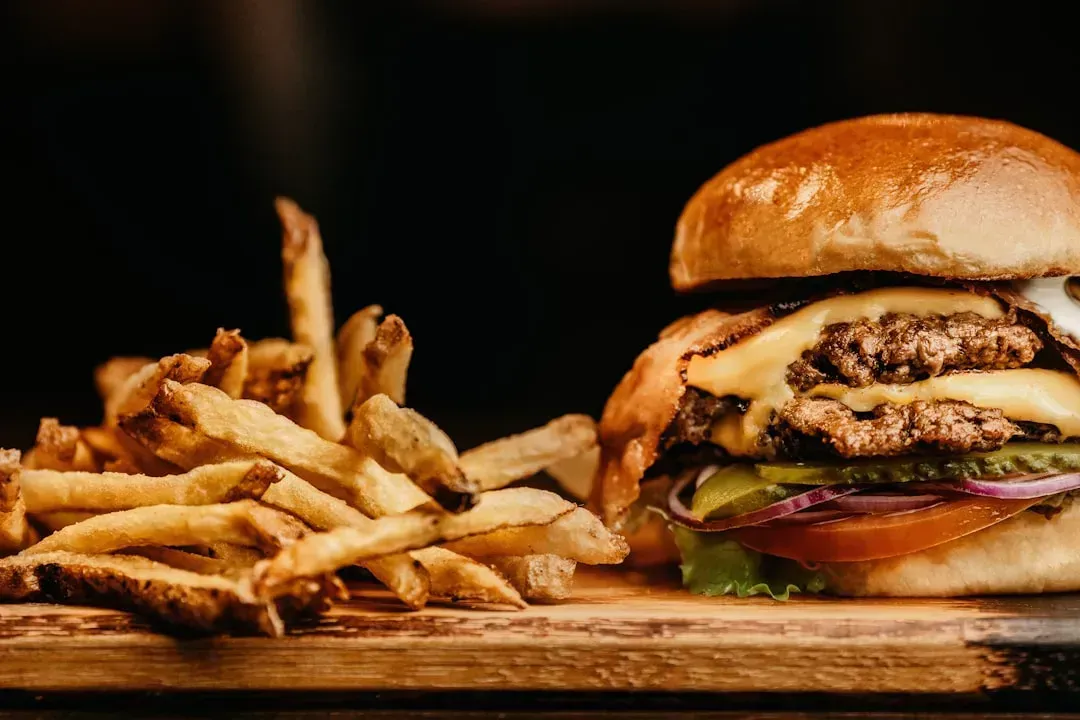
When it comes to food, fast and fresh are concepts not typically associated with each other. Today, convenience is king, and the pace and predictability relied upon by fast-food consumers is often the result of mass production. Fast-food chains are less restaurants and more assemblage points where pre-packaged and frozen items are reheated and served with an efficiency that mostly overrides quality. That’s the industry default. These six chains are the exception.
While the quick-service and casual-dining sectors battled it out with value deals through 2024, the fast-casual sector served as a shelter in the storm for most brands. Fast-casual chain sales among the Top 500 grew 9% last year, far exceeding the 2.3% growth of quick-service and 1.3% growth in casual dining. In other words, consumers are increasingly voting with their wallets for quality over pure convenience.
A common theme among many of the fast-food chains that were in decline in 2025 was a perceptible drop-off in food quality. In a fast-food climate where even beloved names are in perceived decline, commitments to high-quality food are arguably more important than ever. One sign that a fast-food chain cares about quality is the promise that its ingredients are fresh, never frozen. The market is shifting, and chains that have always done things the right way are now reaping the rewards of that long-term discipline.
The consumer insight here is actually quite simple. People can taste the difference. They may not always be able to articulate it precisely, but they know when something tastes like it was made for them versus assembled for a conveyor belt. The chains on this list have always understood that distinction, and they are proving it pays off.
What “From Scratch” Actually Means in a Fast-Food Kitchen
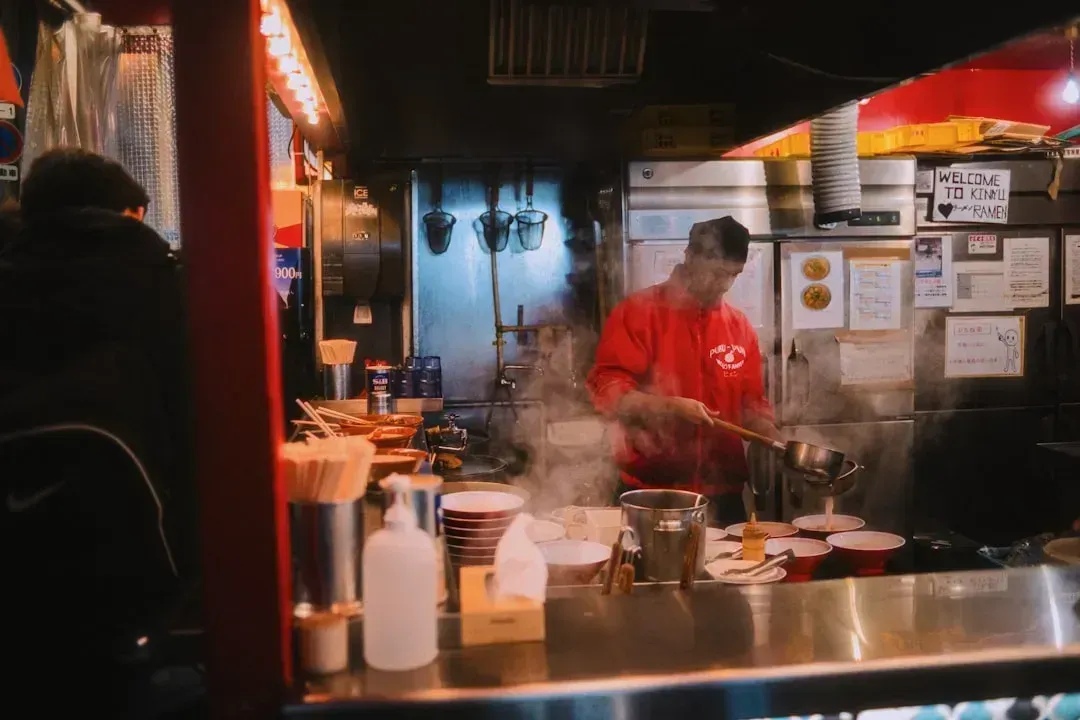
Not everything at a restaurant can be made fresh right when you order, of course. Kitchens are not going to start proofing dough for one burger bun when you give your order to a cashier. Cooks may make dishes with a high turnover or that require a lot of steps in batches, too, such as salsa or a tray of items that needs extended cook time. The “from scratch” label has to be understood in context. It doesn’t mean every single element originates from a whole raw ingredient in front of you in real time.
Real from-scratch preparation means things like shredding blocks of cheese and picking leaves off herb stems by hand before the restaurant opens. Some foods, like salsa, are made in batches ahead of ordering, but those batches are small, and cooks replace them a few times a day. That cycling of fresh batches throughout the day is what separates a genuine from-scratch operation from one that just finishes a pre-made product.
A surprising number of fast-food chains actually pride themselves on freshness. From hand-cutting french fries to cooking burgers to order and even baking buns daily, there are a select number of fast-food chains that serve food fresher than some regular restaurants. That last point is one worth sitting with. Some of these fast-food operations are genuinely more attentive to ingredient freshness than sit-down restaurants charging three times the price. Let that sink in.
The takeaway here is simple. When you want to evaluate whether a chain actually prepares food from scratch, look at the kitchen processes, not just the marketing. Actual hand-chopping, daily-made sauces, never-frozen proteins, and on-site preparation are the real markers of a chain that means what it says.
The Business Case: Why These Chains Keep Winning
Let’s be clear about something. Doing things from scratch in a fast-food kitchen is more expensive, more labor-intensive, and operationally harder to manage. It requires better-trained staff, more rigorous supply chains, and shorter shelf windows for ingredients. So why do these chains stick with it? Because it works. Measurably, provably, financially.
Sales in the fast-casual segment were far exceeded by industry trends, boosted by growth brands like Chipotle, Raising Cane’s, and Jersey Mike’s Subs. These aren’t niche boutique restaurants. These are some of the fastest-growing food brands in the country. In 2023, Chipotle opened 271 new restaurants, bringing the total number of restaurants to 3,437 worldwide, with most being in the U.S. and spread across 49 states, and it also operates outlets across Canada, the UK, France, and Germany.
The from-scratch model also creates a defense against the commoditization that has plagued the wider fast-food industry. Think of it like this: when your burger tastes exactly like every other burger, price becomes the only battleground. When your food tastes genuinely better because it’s genuinely fresher, you win on quality, and customers will pay a little more for it. That’s a fundamentally more durable business model.
Consumer behavior data backs this up. Fast-casual chain sales among the Top 500 grew 9% last year, far exceeding the 2.3% growth of quick-service chains. The chains winning that fast-casual growth race are, almost without exception, the ones built on fresh, real ingredients. The market has spoken quite clearly on this.
A Note on One Chain That Changed Course: Panera Bread
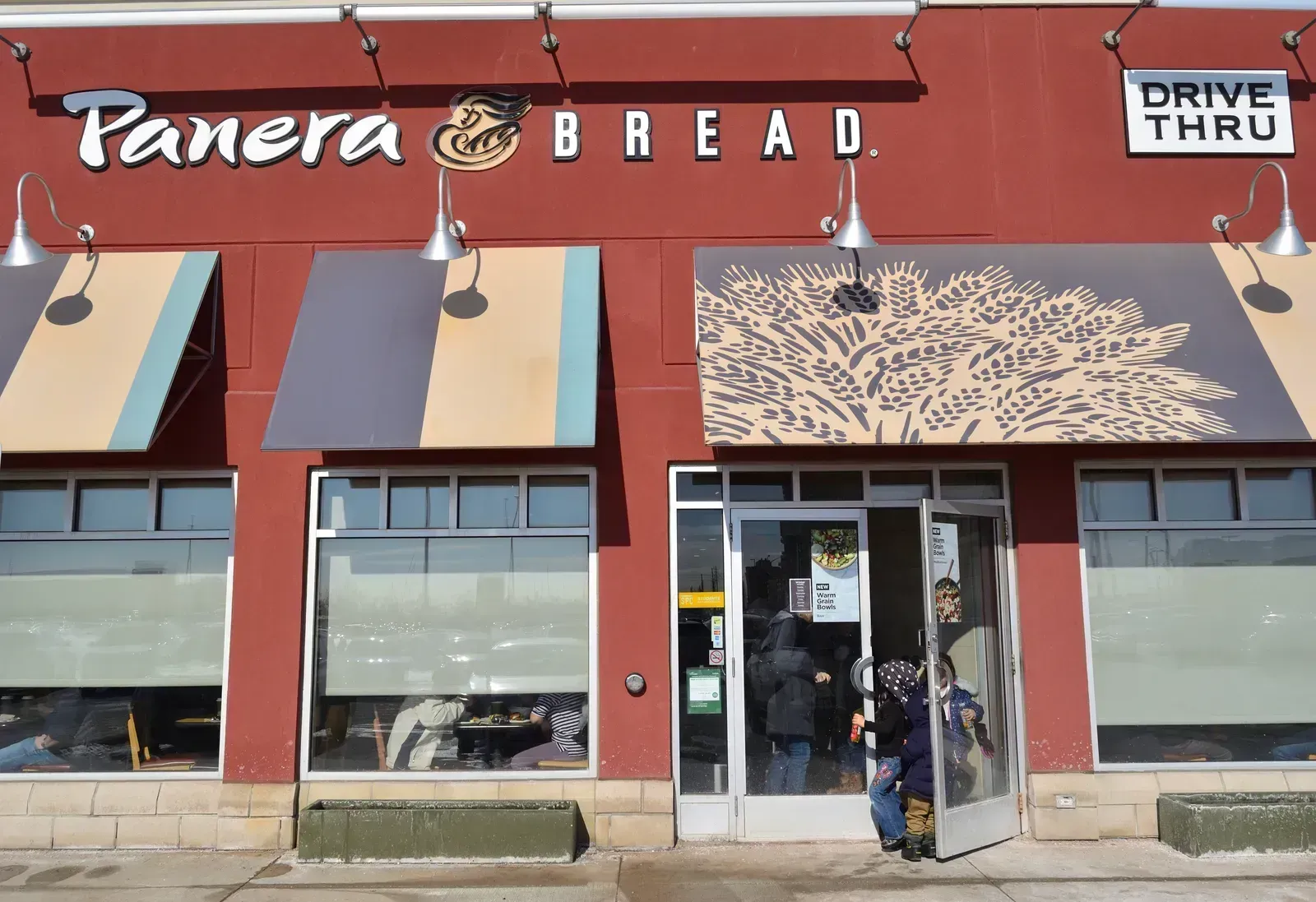
This is an important counterpoint worth including honestly. Panera Bread built its brand identity around fresh, from-scratch bakery items. For years, it operated a network of fresh dough facilities producing fresh dough daily for every location. Then something changed. Panera traditionally used a network of fresh dough facilities to produce the dough used for bread, bagels, and pastries every day in all its bakery-cafes. However, the chain has been slowly closing these dough manufacturing facilities since early 2024 and switching to a par-baked model where products arrive half-baked and are finished on-site in ovens.
Between 2023 and 2024, Panera’s sales fell 5%, according to Technomic. The timing is notable. As the brand moved away from its from-scratch identity, consumer enthusiasm eroded. That’s not a definitive causal link, but it’s a pattern that lines up with the broader trend. It’s kind of hard to remember how much of a pioneer Panera was in the late 1990s and early 2000s. It defined fast-casual dining with metal silverware, counter-to-table service, and big comfy booths. The lesson from Panera’s struggle is arguably the most powerful argument for why the other chains on this list should never abandon what makes them special.
Panera’s story is a cautionary tale wrapped in par-baked bread. When a brand’s entire promise is built on freshness and scratch preparation, moving away from that promise doesn’t just affect product quality. It erodes the trust that keeps customers coming back. The chains that hold the line on this commitment are not just doing the right thing for the food. They are protecting the one thing that makes them genuinely irreplaceable.