6 Popular Foods You Should Avoid Refrigerating – Though Many Still Do
Your kitchen refrigerator might be sabotaging your food without you knowing it. Most of us automatically assume that cold storage equals freshness, but science tells a different story for certain popular foods. Over many decades since, the idea that everything stays fresher for longer in the fridge has become a common assumption. And while it’s true that keeping your groceries cool prevents certain foods from wilting, spoiling, or making you sick from not-so-yummy microbial growth, it might surprise you to learn that some foods should not be refrigerated. These six common foods actually deteriorate faster, lose flavor, or develop unwanted textures when stored in your fridge. Understanding the science behind proper food storage can save you money and dramatically improve your meals.
Bread
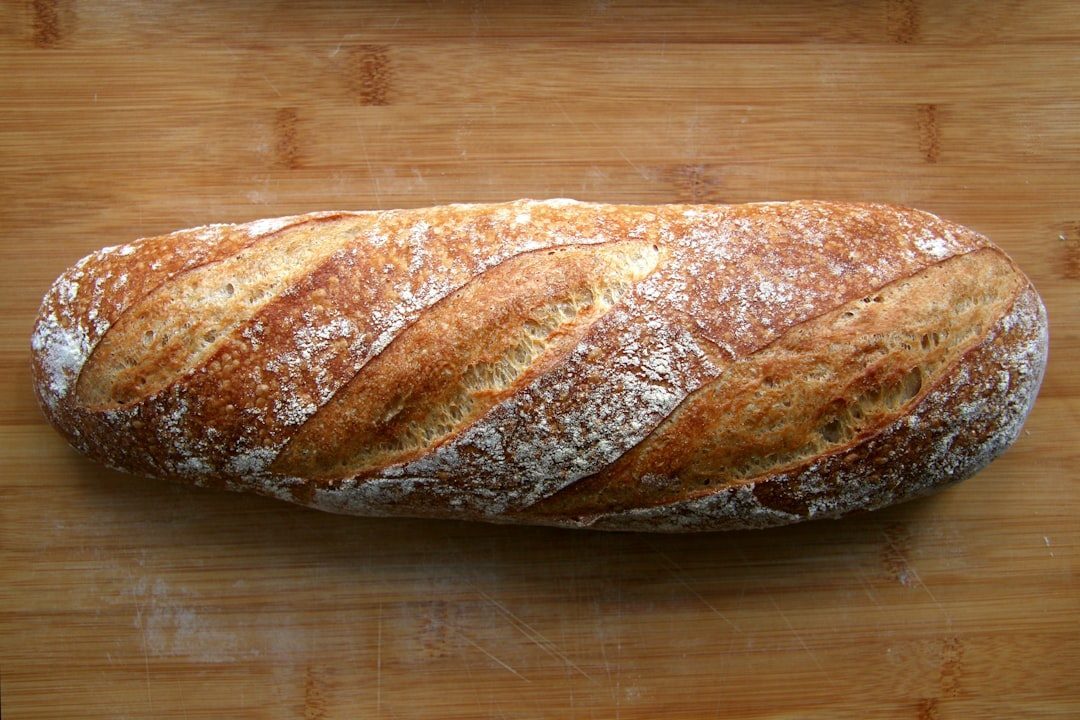
Placing bread in the refrigerator is one of the worst storage mistakes you can make, despite how logical it might seem. Research has shown that bread stored in the refrigerator becomes stale significantly faster than bread kept at room temperature. This happens because of a scientific process called starch retrogradation, where the starch molecules in bread begin to recrystallize after cooling from the baking process. Scientists have studied this phenomenon extensively and found that the rate of staling peaks at around 40°F. This means that your refrigerator creates the perfect conditions for transforming soft, fresh bread into a dry, hard disappointment.
Food scientists note that while refrigeration can delay mold growth, it can also accelerate staling. Lower temperatures contribute to faster rates of starch crystallization, while lower relative humidity, will help draw moisture out of bread. The moisture that escapes from the bread’s crumb migrates to the crust, creating that undesirable chewy texture. Instead of refrigerating, store bread in a bread box at room temperature or freeze it if you need longer storage.
Tomatoes
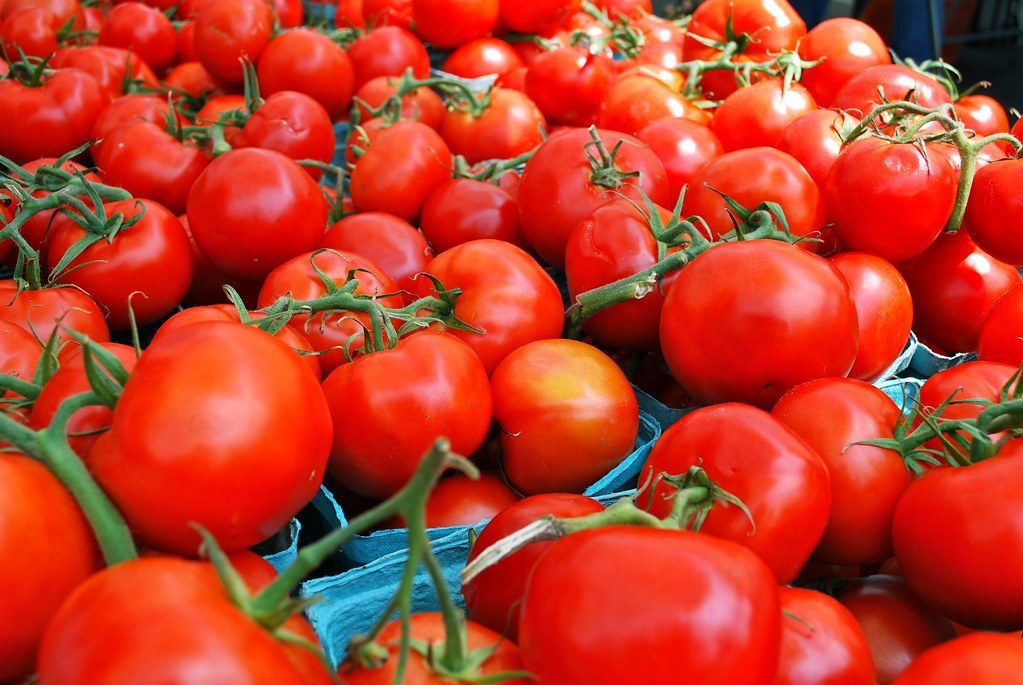
Never, ever, under any circumstances, store tomatoes in the refrigerator. Tomatoes begin to lose their flavor and texture when put in the fridge, turning mealy, mushy, and flavorless. Recent research from the University of Göttingen provides some nuance to this rule, however. Researchers at the University of Göttingen studied ripe-picked tomatoes treated to mimic their usual path to consumers. They sat in cold storage at 12.5 °C for a day and at room temperature for 2 days. The difference in the tomatoes’ treatment began at what would have been the point of purchase, when some were put in the refrigerator and some were kept at room temperature. After 4 days, researchers measured the tomatoes’ sugars, acidity, aroma compounds, and more.
The findings suggest that high-quality, fully ripe tomatoes can tolerate brief refrigeration better than previously thought. So, scientific research tells us that refrigeration is bad for tomatoes. However, It is important, though, to bring refrigerated tomatoes to room temperature before eating for their best taste, notes study author Larissa Kanski. For optimal flavor and texture, keep tomatoes on your counter at room temperature and consume them within a few days.
Potatoes
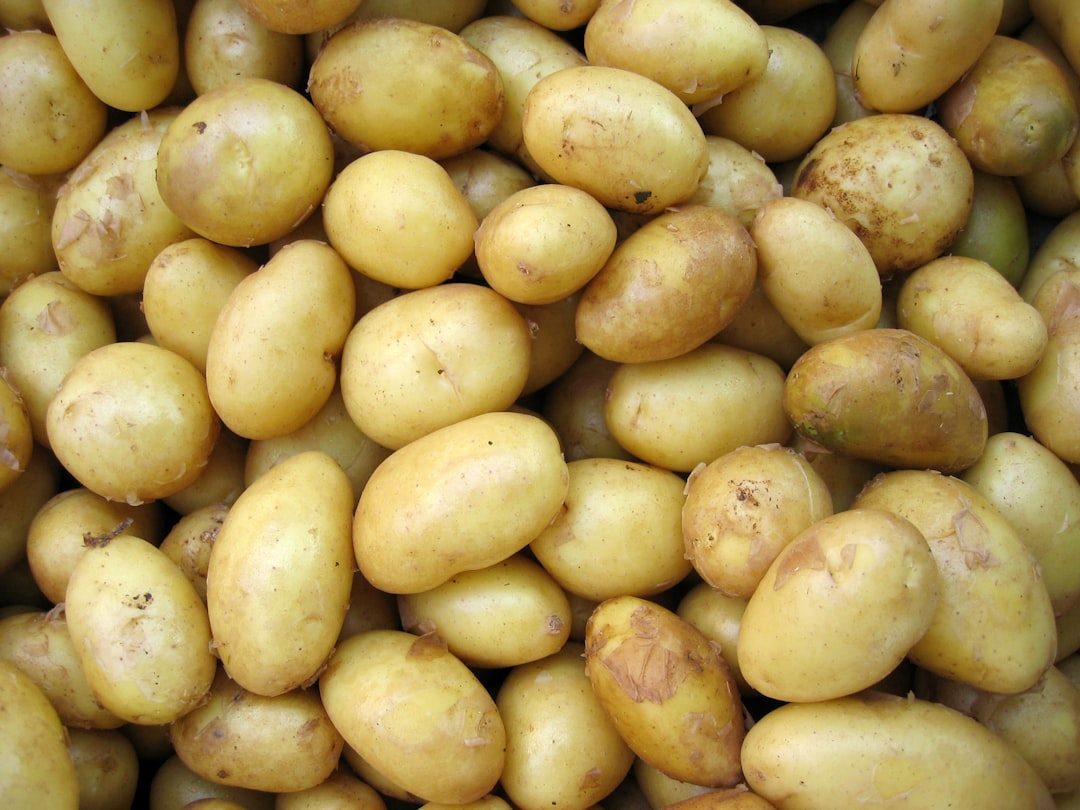
Yes, potatoes are supposed to be kept in a cool, dark place, so the fridge should be ideal, right? Wrong. The refrigerator is actually too cold. Low temperatures wreak havoc on potatoes’ natural starches, affecting both their texture and flavor. Spuds will rapidly deteriorate in the fridge, losing flavor and freshness. Plus, cold temperatures can trigger potato starches to convert to sugars and can result in increased amounts of acrylamide (a chemical) during cooking, according to the Food and Drug Association (FDA).
Cold temps will break down the starches in potatoes, making them unpleasantly sweet and gritty. Cool and dry darkness is a spud’s best bud. Store potatoes in a paper bag in your pantry or a cool, dark cupboard where temperatures remain consistently between sixty and seventy degrees. This prevents the unwanted starch-to-sugar conversion that creates both textural problems and potential health concerns when cooking.
Coffee Beans and Ground Coffee

Humidity in the fridge can cause a buildup of watery condensation, which is no good for the flavor of ground or whole bean coffee. Store yours in an airtight container in the pantry instead. Your refrigerator’s environment creates the perfect conditions for ruining coffee’s complex flavor profile through moisture absorption and odor contamination. Coffee experts warn against storing coffee in the fridge, where it’s bound to absorb any odors.
Coffee beans and grounds are incredibly porous and will readily absorb moisture and nearby food odors, resulting in stale, off-flavored coffee. For maximum freshness, coffee beans should be stored in the freezer or in your kitchen cabinet. An airtight container in your pantry maintains the oils and aromatics that make coffee delicious, while freezing can preserve beans for longer storage without the negative effects of refrigeration.
Honey

Honey can crystallize and seize up in cold temps. Room temperature is ideal to keep this natural sweetener perfectly gooey. Honey and real maple syrup will crystallize if stored in the fridge. Store them it at room temperature and out of direct sunlight. This crystallization process makes honey difficult to pour and use, requiring you to warm it back up to restore its liquid consistency.
Honey is naturally antimicrobial and has an incredibly long shelf life when stored properly at room temperature. The sugars in honey create an environment where bacteria cannot survive, making refrigeration unnecessary for food safety. Keep your honey in a sealed container in your pantry, where it will maintain its smooth texture and remain easy to use for months or even years.
Avocados
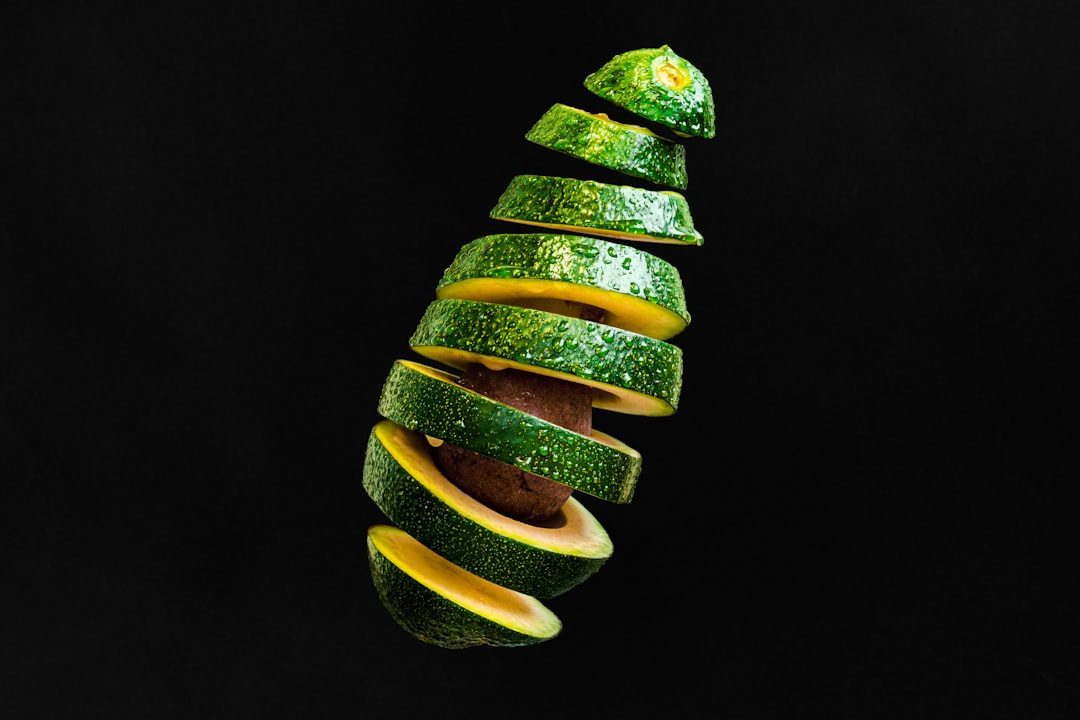
Like many fruits, timing ripeness is key with avocados – and refrigeration can really interfere with that process. Unripe avocados should never go in the refrigerator because cold temperatures halt the natural ripening process completely. The enzymes responsible for softening the fruit and developing its creamy texture become inactive at refrigerator temperatures, leaving you with hard, flavorless avocados that may never properly ripen.
Once avocados reach perfect ripeness, you can refrigerate them for a day or two to slow further ripening, but this should be a short-term strategy only. The cold can still negatively impact texture and flavor even in ripe fruit. Store unripe avocados on your counter at room temperature, and check them daily by gently pressing the stem end to assess ripeness. This approach ensures you’ll enjoy perfectly creamy avocados with their full, rich flavor intact.
The science is clear: your refrigerator isn’t always your food’s best friend. By understanding how cold temperatures affect different foods’ cellular structure, starch behavior, and natural ripening processes, you can dramatically improve the quality and longevity of these six popular items. Your taste buds will thank you for keeping bread, tomatoes, potatoes, coffee, honey, and avocados out of the fridge. What changes will you make to your food storage routine after learning these facts?